
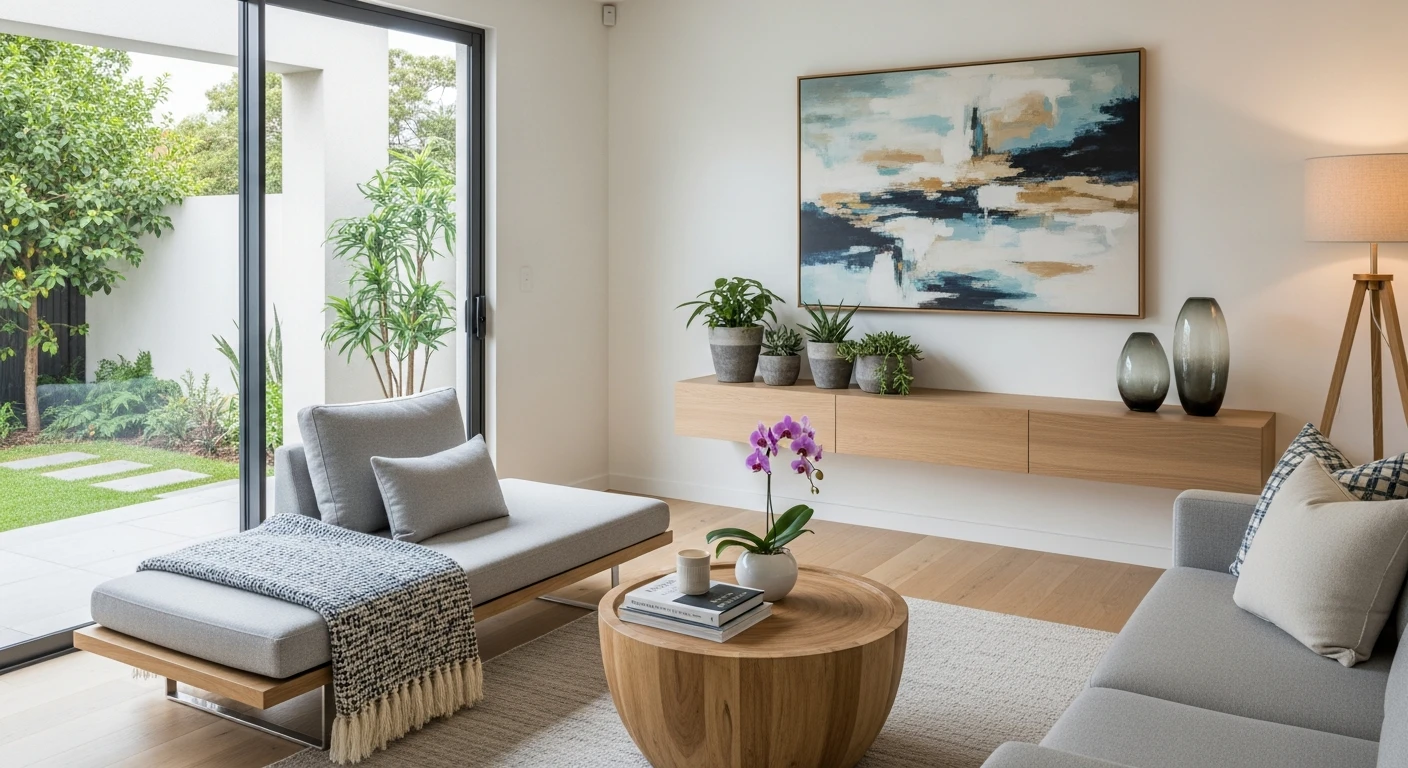
Listen up. That sad, empty pass-through between your house and garage (or studio, or pool house) is not just a glorified dog runway. It’s a missed opportunity for a serious vibe. Stop treating it like a utility closet and start treating it like the architectural flex it is. This isn’t about adding a sad potted plant. This is about commanding the transition between spaces with intention, light, and materials that don’t suck. Ready to make your neighbors jealous? Let’s go.
The Industrial Loft Reading Nook
My New Apartment in Atlanta
by u/lina9192 in femalelivingspace
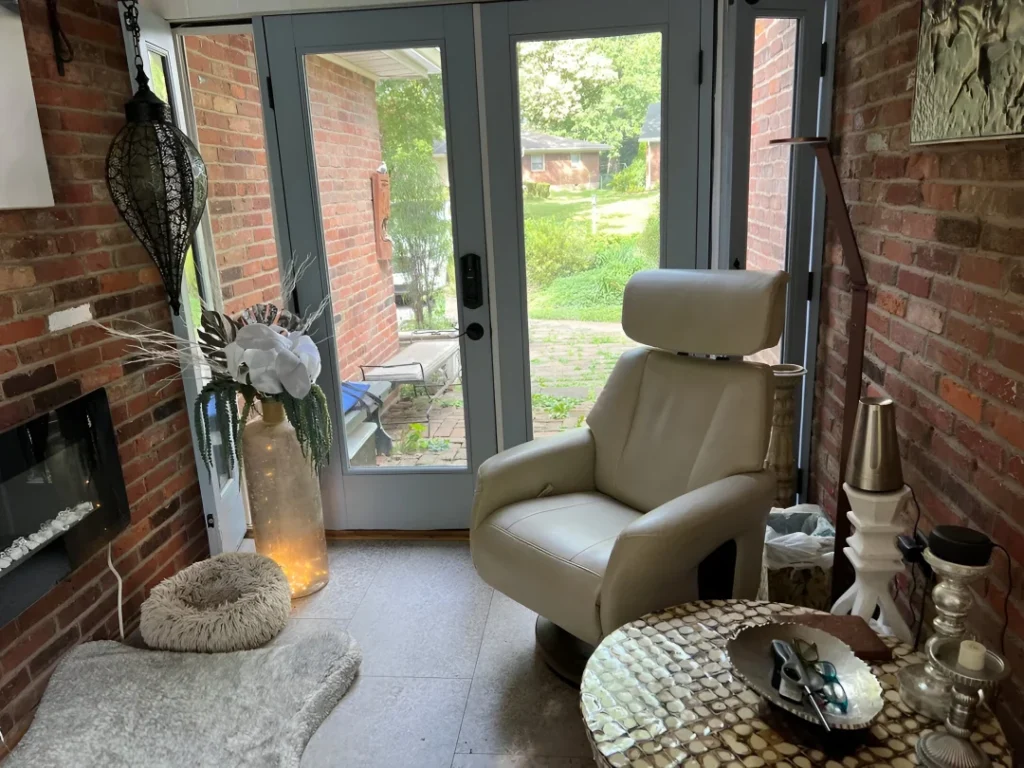
This isn’t a breezeway—it’s a transitional moment that demands you pause. If you’re connecting an exposed brick wing to the rest of your home, commit to the industrial bones but soften them with intention. Keep those brick walls raw and exposed for texture and authenticity. Install large-format grey tile flooring—something with subtle variation, not sterile builder tile. Add a modern grey leather recliner with clean lines positioned to face floor-to-ceiling glass doors that frame your garden view. The doors should be sleek with black frames—no cheap aluminum allowed. Build a simple floating shelf or use a sculptural side table for styling with a statement vase holding dramatic dried florals like pampas or palm fronds. Add plush textured floor cushions for casual seating. Pro tip: Install a modern arc floor lamp in brushed metal for task lighting and a decorative Moroccan-style pendant for ambient character. Keep the ceiling white or light grey to prevent cave vibes. This space bridges old and new, rough and refined, and proves that transitions can be destinations.
The Classic Herringbone Garden Passage
Stop treating covered walkways like forgotten afterthoughts. This is European estate elegance executed with restraint. Lay a herringbone brick or stone pattern on the floor—this classic detail instantly elevates the passage from utilitarian to intentional. Paint or clad your walls in soft cream or pale sage green for a collected, timeless feel. Install a traditional skylight or glass roof panels to flood the space with natural light while providing weather protection. Use oversized lantern-style sconces in black or bronze for evening illumination—they should feel substantial, not decorative. Frame the passage with manicured boxwood hedges in matching planters for symmetry and greenery. Add a simple wood-slat or stone bench for a moment of pause. Pro tip: Use climbing vines or flowering plants trained along overhead beams or archways to soften the architecture and blur indoor-outdoor lines. The flooring pattern creates movement and guides the eye forward while the walls and greenery provide enclosure without claustrophobia. This is timeless garden architecture that never goes out of style.
The Moody Modern Window Seat Retreat
When your breezeway or mudroom has killer views, don’t waste them. This is how you turn a pass-through into a destination. Paint walls a dramatic charcoal or install vertical dark wood slats for texture and mood. Install a floor-to-ceiling window with black frames to maximize the view and natural light. Build a custom window seat with integrated storage below—use light wood cabinetry to contrast the dark walls. Top the bench with a thick, cushioned seat pad in soft grey linen and pile it with textured pillows in charcoal, cream, and natural tones. Use light wood flooring in wide planks to warm the space and prevent it from feeling too heavy. Install exposed wood beams on the ceiling for architectural interest. Flank the window seat with modern wall sconces in matte black or bronze for ambient lighting. Pro tip: Add one woven basket for storage and keep the styling minimal—this space is about the view and the cocoon, not clutter. Use blackout or sheer curtains in dark grey for light control. This is moody luxury that makes you want to curl up with a book and never leave.
The European Terrace Garden Breezeway
This is covered outdoor living for people who understand that luxury is in the details. Create a sheltered passage with elegant arched French doors in soft sage green or pale blue—the color should feel collected, not trendy. Use natural stone pavers in a warm cream or beige tone for timeless elegance underfoot. Install a wood plank ceiling in whitewashed or natural tones to add warmth overhead. Now bring in the European romance: flank the passage with substantial stone or aged terracotta planters filled with lavender, rosemary, and topiaries for structure and scent. Hang traditional carriage-house lanterns in black or aged bronze for classic lighting. Add flowing greenery and climbing vines trained along columns or doorframes. Place a simple round stone or wood table with bistro chairs for an impromptu coffee moment. Pro tip: Layer in a natural fiber runner rug to define the path and add softness. Use sheer linen drapes at the openings for privacy and romantic movement in the breeze. This is Provence meets Tuscany—timeless, warm, and completely unpretentious.
The Glazed Courtyard Conservatory
When you have an enclosed courtyard breezeway, treat it like the architectural gem it is. Install a full glass roof with white-painted structural beams for maximum natural light and a greenhouse effect. Keep walls cream or white with traditional paneling and multi-pane windows that open to the courtyard. Use classic brick pavers in a warm terracotta or tan tone for organic texture and old-world charm. Build a simple wooden bench along one wall for seating and place potted plants—small trees, ferns, topiaries—strategically to bring the garden inside. Install traditional lantern-style fixtures in black for ambient lighting that complements the architecture. The magic is in the natural light filtering through the glass roof, creating dramatic shadows and dappled patterns throughout the day. Pro tip: Keep the courtyard garden lush and green—manicured hedges, climbing vines, small trees—so the breezeway frames living art from every angle. Use the space as a true indoor-outdoor hybrid: not quite inside, not quite outside, but something better than both. This is where architecture and nature have a conversation, and you get to listen.
Go Full Gallery with Glass & Stone
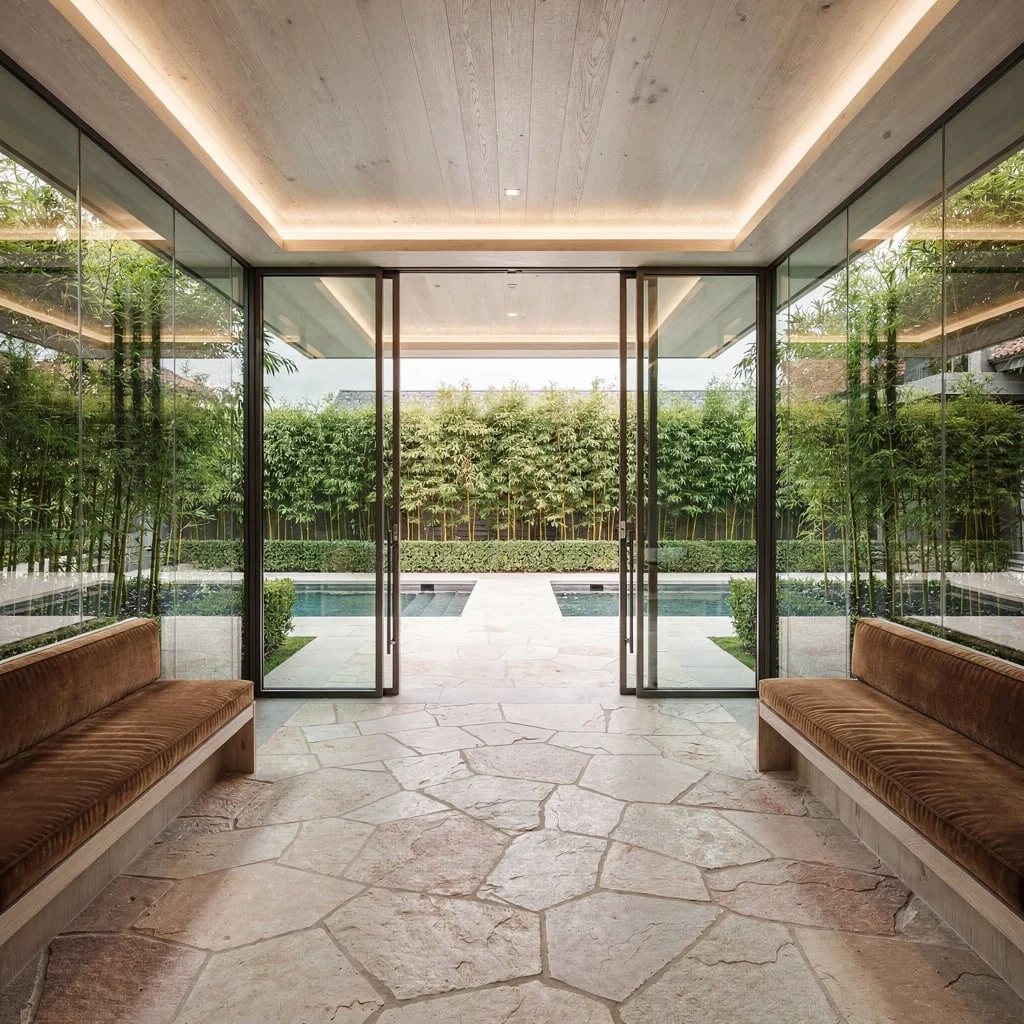
If you want that ‘my house is a serene art pavilion’ feeling, you need to blur the line between inside and out, period. Start by ditching any visible frames on your glass walls—opt for sleek, structural glass that slides open so the walls literally disappear. Underfoot, lay large-format, custom-cut limestone tiles; the raw, natural texture is non-negotiable for grounding the space. For the ceiling, install sculpted white oak planks and recess linear LED strips into channels for a warm, ambient glow that doesn’t scream ‘airport runway’. Build in low benches clad in a durable, tactile suede—this isn’t for lounging, it’s for a contemplative pause. Pro tip: flank the entire length with a manicured, single-species hedge (bamboo is elite) and a shallow reflecting pool outside the glass to double the greenery and light. Your breezeway should feel like a tranquil, textured tunnel, not a pass-through.
Install a Living Wall & a Floating Roof
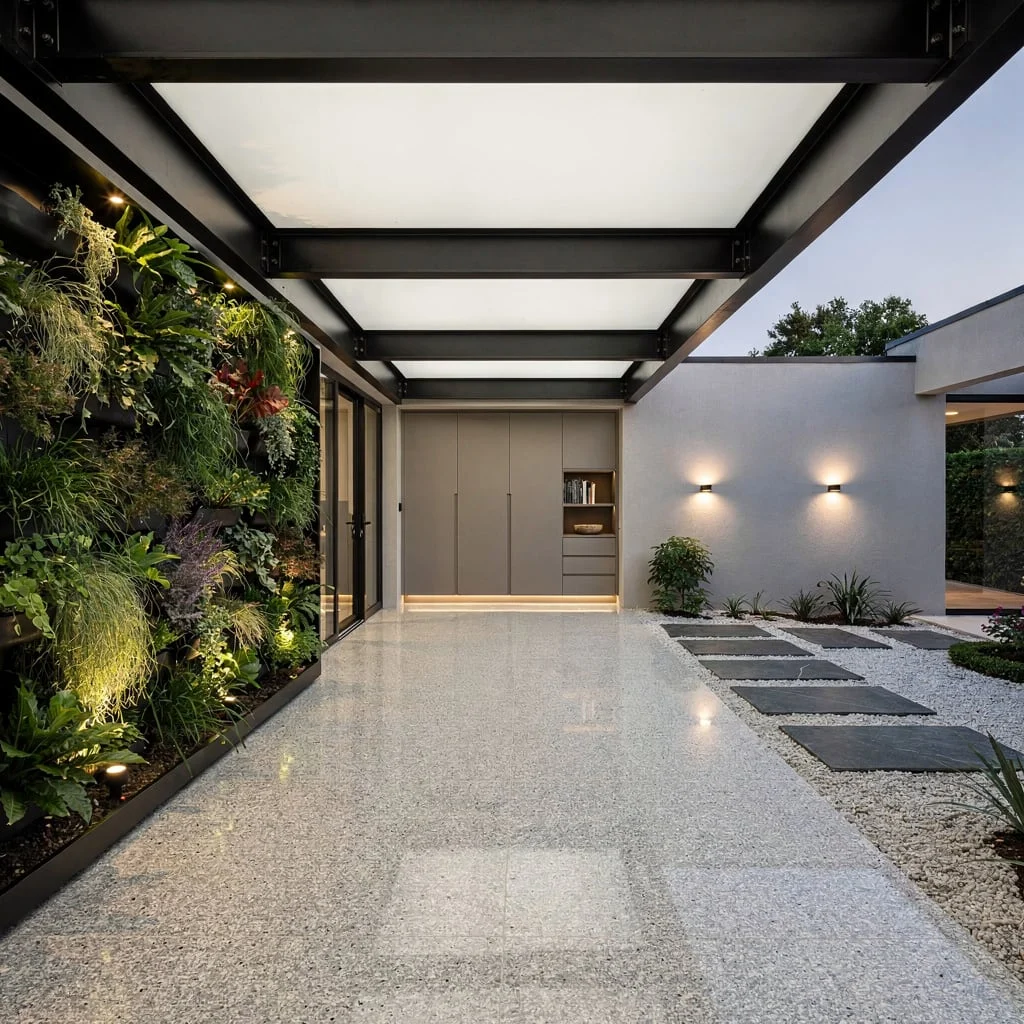
Channel minimalist gallery serenity by creating a stark contrast between raw nature and sleek engineering. Pour polished terrazzo floors for a seamless, cool underfoot feel that reflects light. Overhead, support a floating roof with exposed matte black steel beams—let the structure be the decoration. On one full wall, commit to a living plant wall with a proper irrigation system; go for a monochromatic green palette for maximum impact, not a chaotic jungle. Opposite, create a dry landscape of sculptural gravel and minimalist slate steps. The key move? Run an elongated, diffusing skylight the entire length of the ceiling to bathe everything in soft, even daylight. At night, let integrated wall sconces cast gentle, indirect light. Hide all your clutter in sleek, floor-to-ceiling built-ins that match the wall finish. Pro tip: This look dies with clutter. Every single item in view must be intentional, or it just looks like a fancy hallway.
Frame the View with Bronze & Louvers
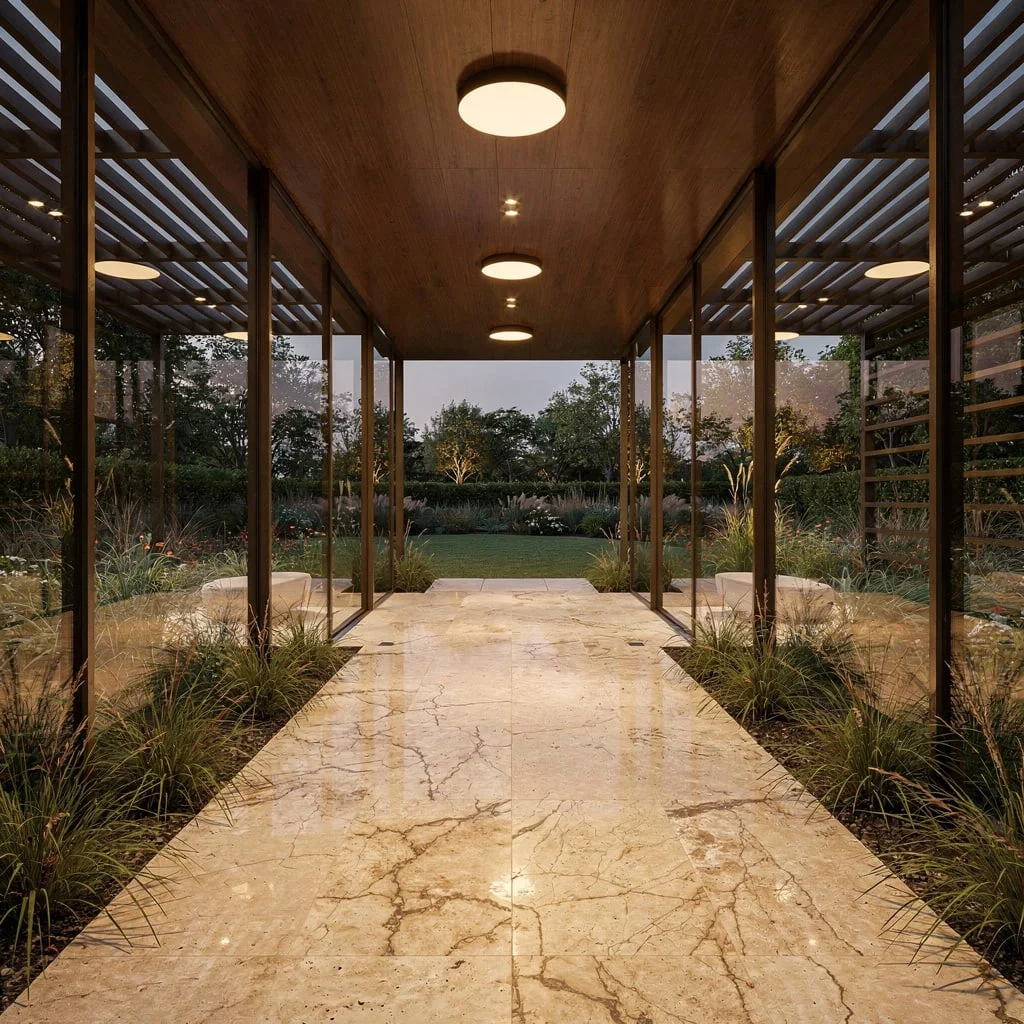
For a vibe that’s equal parts mid-century cool and modern luxury, you need to think about framing your garden like it’s a painting. Install floor-to-ceiling bronze-tinted glass panels—the warm tint makes every outdoor view look like an Instagram filter. Pair this with rich, vein-cut travertine pavers for earthy texture. Overhead, use a brushed walnut ceiling and hang a series of oversized, circular pendant lights at intervals for a soft, rhythmic glow. Now, the architectural secret: flank the glass with vertical garden beds of ornamental grasses for soft, moving texture, and top it off with exterior metal louvers. These aren’t just for shade; they cast incredible, dynamic shadow patterns throughout the day. Pro tip: Elevate the entire breezeway walkway by a step or two. This simple move forces a perspective shift, making the garden vista feel sweeping and intentional, not just an afterthought.
Create Rhythm with Slats & Pebbles
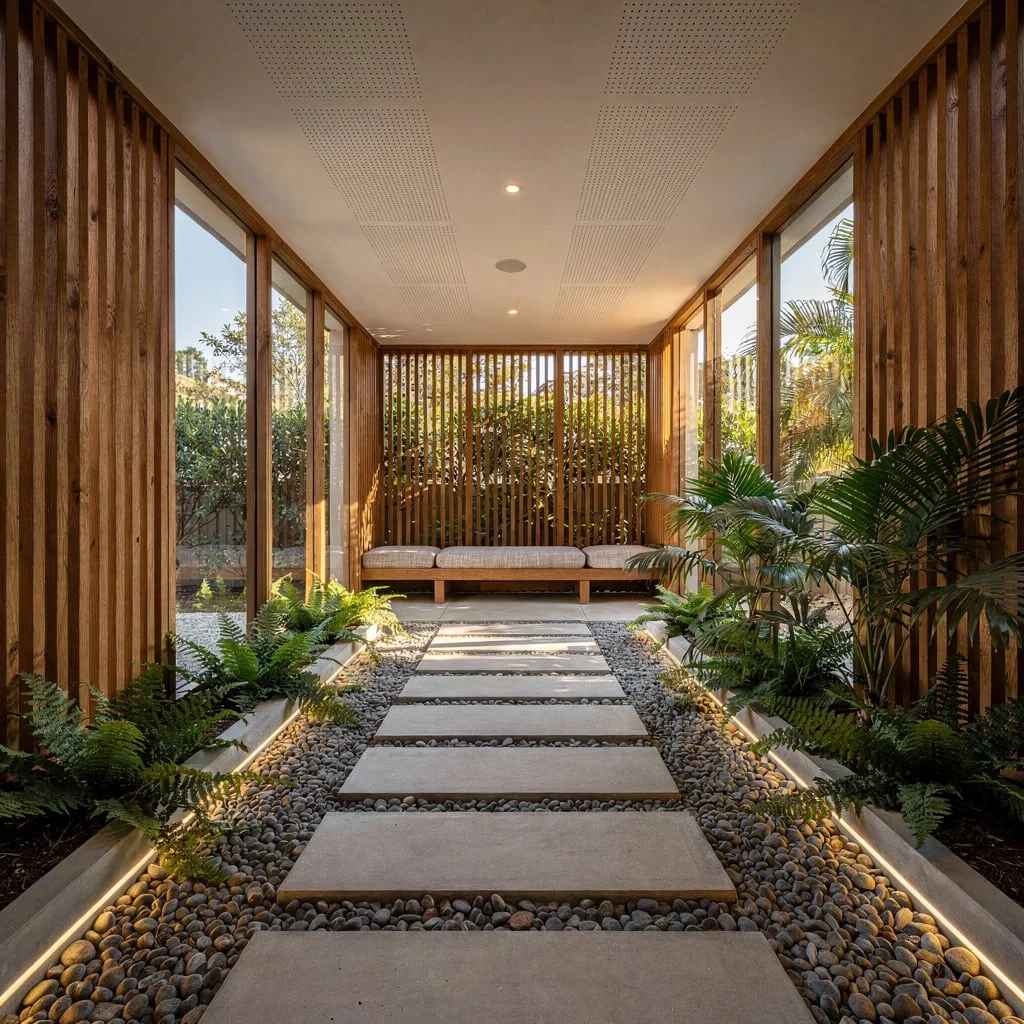
If privacy is key but you still want light, a slatted wall is your best friend. Wrap the space in engineered timber slats, but break them up with clear glass panels to avoid feeling claustrophobic. For the path, use oversized concrete pavers and separate them with beds of smooth river pebbles—this creates a natural, rhythmic stepping stone effect that guides you through. At night, install indirect LED strips at the base of the walls to wash light over the pebbles and ferns. The ceiling must be dead silent; use smooth plaster with integrated micro-perforated acoustic panels to kill echo. Tuck narrow, textured linen benches under the slatted walls in nooks. Pro tip: Plant lush, shade-loving ferns and dwarf palms in the pebble beds. Their soft foliage against the hard lines of the concrete and wood is the contrast this look needs to feel alive.
Walk on Water (Well, Over It)
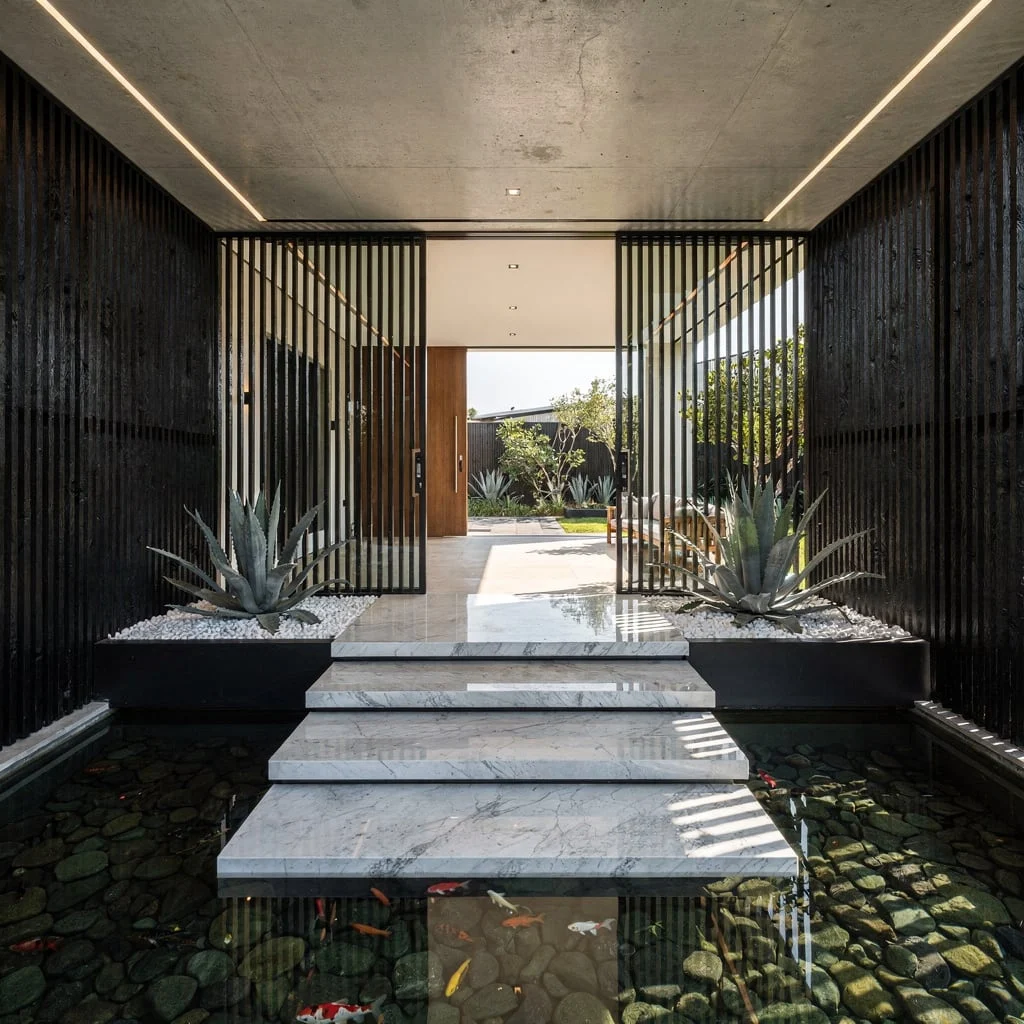
For maximum drama and minimalist Zen, make the path itself the art. Build a shallow, pebble-lined water channel (skip the high-maintenance koi) and lay floating polished marble steps across it. Enclose the sides with screens of charred wood—the deep black texture and gaps create insane light patterns as the sun moves. Keep the ceiling a slim, clean concrete slab with recessed strip lighting for a soft ambient glow. Flank the entrance with monolithic planters containing nothing but sculptural agaves and white stones. Pro tip: The success of this look hinges on absolute simplicity and impeccable craftsmanship. Every joint must be perfect, and every material must be allowed to be its textured, honest self. No decorations, no fuss—just architecture and elementals.
Run a River of Stone Down the Center
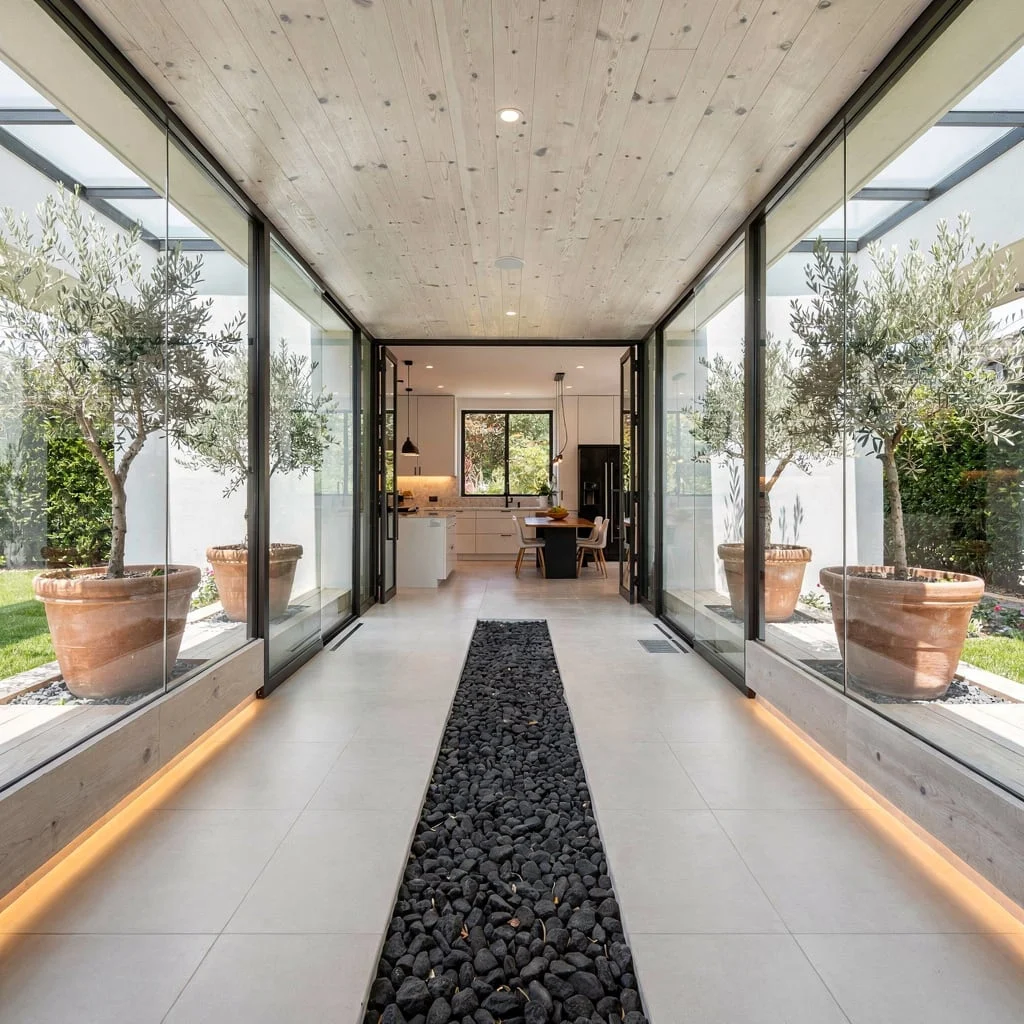
Create a bold, graphic line that pulls you through the space. Lay large-format, seamless porcelain tiles on the floor, then cut a long, narrow channel right down the center. Fill it with smooth, black river stones for a striking contrast. Enclose the space with structural glass walls that meet a ceiling of whitewashed cedar planks for warmth. Build shallow, full-length ledges along the glass to hold a series of identical potted olive trees—this repetition is key for that Mediterranean-modern rhythm. Light the space from above using indirect cove lighting hidden where the walls meet the ceiling. Pro tip: This is a high-traffic zone, so integrate concealed drainage in that stone channel and a subtle climate control system. You want year-round comfort, not a sweaty or freezing art installation.
Mix Eras Under a Glowing Canopy
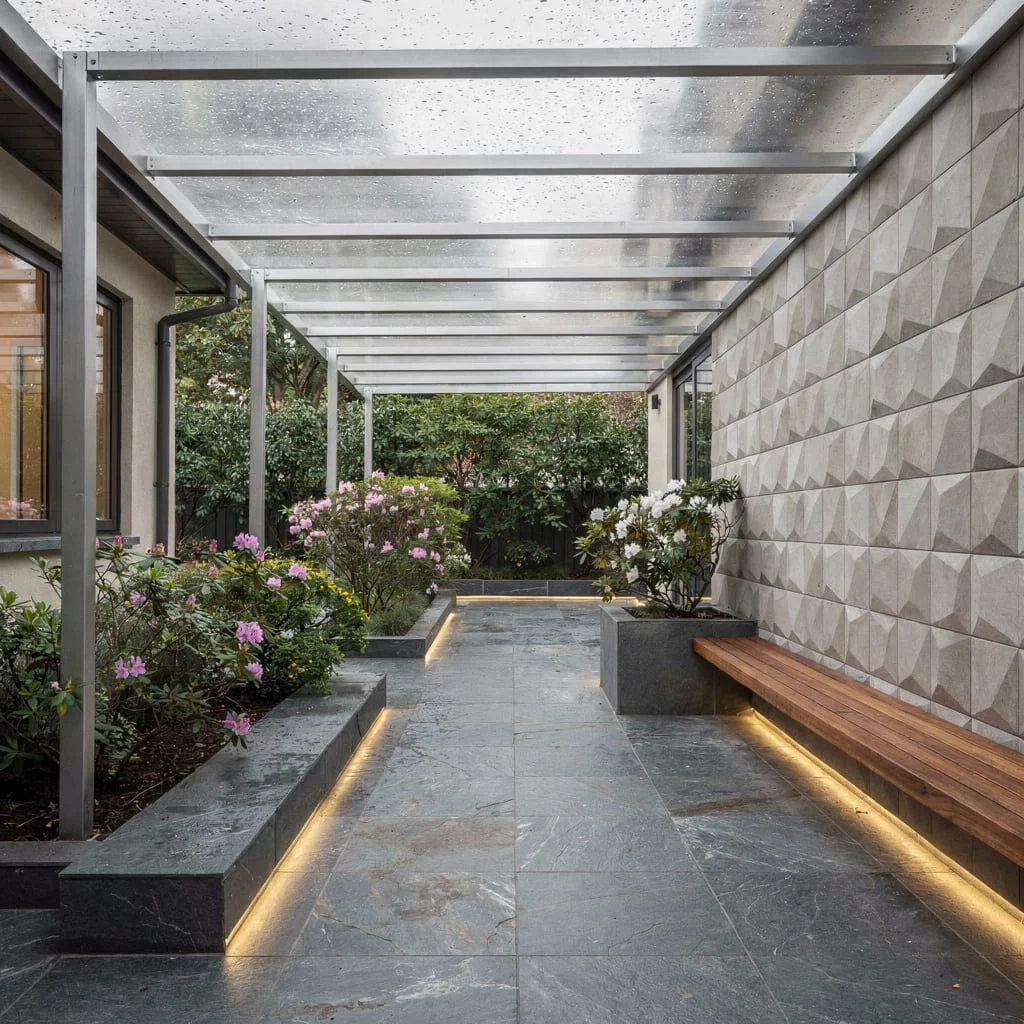
Connecting a traditional wing to a modern one? Your breezeway should be the stylish translator. Use honed bluestone pavers for timeless, cool-gray texture. Overhead, install a canopy of translucent polycarbonate panels on slim aluminum frames—you’ll get gorgeous, diffused light and a cool view of rain. On one wall, go bold with a full wall of three-dimensional ceramic tile for major texture. Contrast it with a long, simple wooden bench. The lighting trick here is subtle: use in-floor uplights to graze the stone and tile surfaces at night, making the textures pop. Pro tip: Let the planting be soft and romantic against all that hardscape. Use raised planters with flowering shrubs to add a burst of organic color and life, proving the old and new can literally grow together.
Build a Literary Light Box
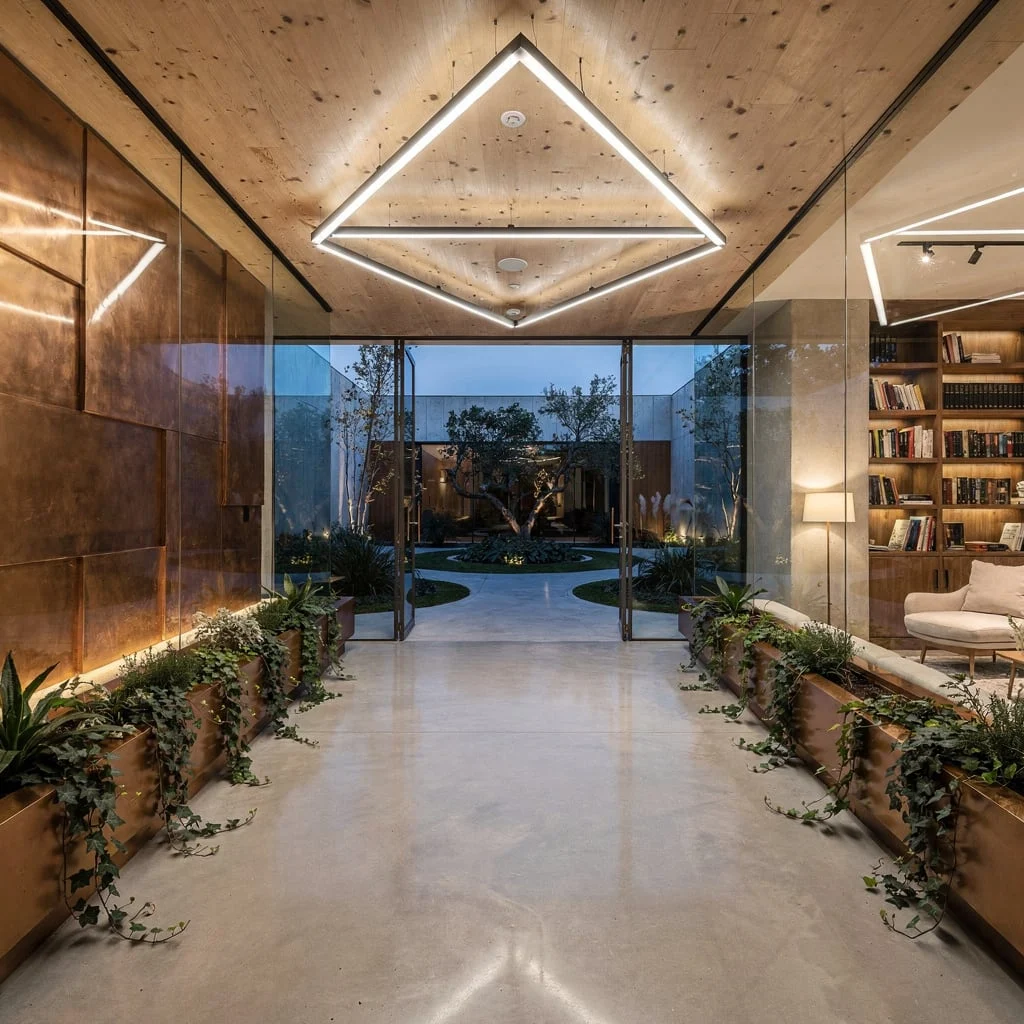
For a breezeway that feels like a luxurious extension of your living room, aim for sleek, library-esque sophistication. Pour a seamless, polished concrete floor for a cool, reflective base. Keep the partitions fully transparent glass to maintain a visual link to a tranquil courtyard. Warm up the ceiling with light birch wood planks and hang a series of geometric, minimalist light fixtures for focused illumination. Then, add life: install integrated metal planter troughs and let lush, trailing ivy soften all the hard edges. For a hit of warmth, clad one accent wall in brushed copper panels. Pro tip: This is about curated views. Arrange the courtyard landscaping to be perfectly framed by the glass, making the breezeway feel like a living painting that changes with the seasons.
Make it a Walkable Art Corridor
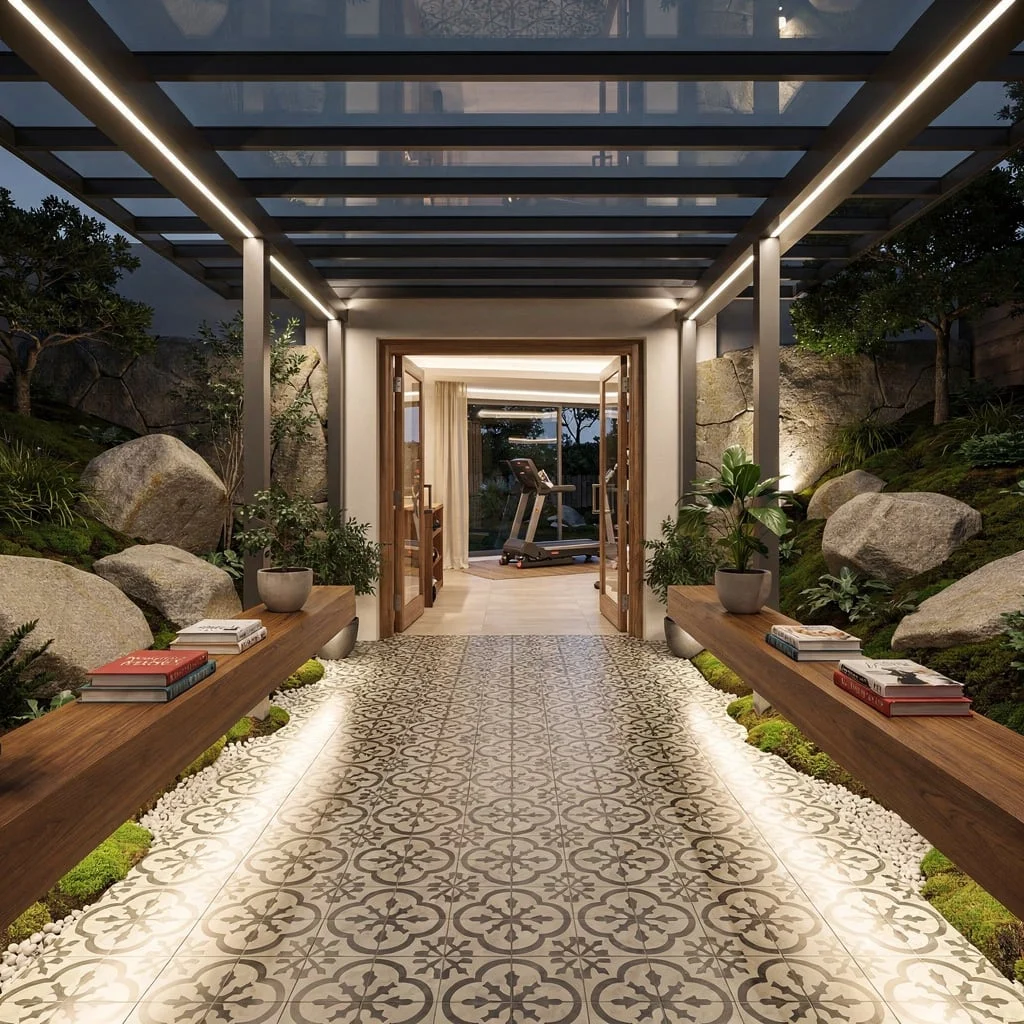
Turn the journey to your gym or studio into an immersive experience. Start with a bold, patterned encaustic cement tile floor—this is your foundational art piece. Overhead, build a delicate steel-and-glass pergola; recess ambient LED strips into the beams for a soft nighttime glow. Open the sides to a minimalist Zen garden of moss, gravel, and boulders. Install floating teak ledges along the walls to display curated stacks of books and singular, sculptural planters. Pro tip: Treat this like a gallery. The art is the combination of the patterned floor, the garden vista, and the objects on the ledges. Edit ruthlessly; one incredible pottery piece is better than a shelf of knick-knacks.
Channel Resort Luxe by the Pool
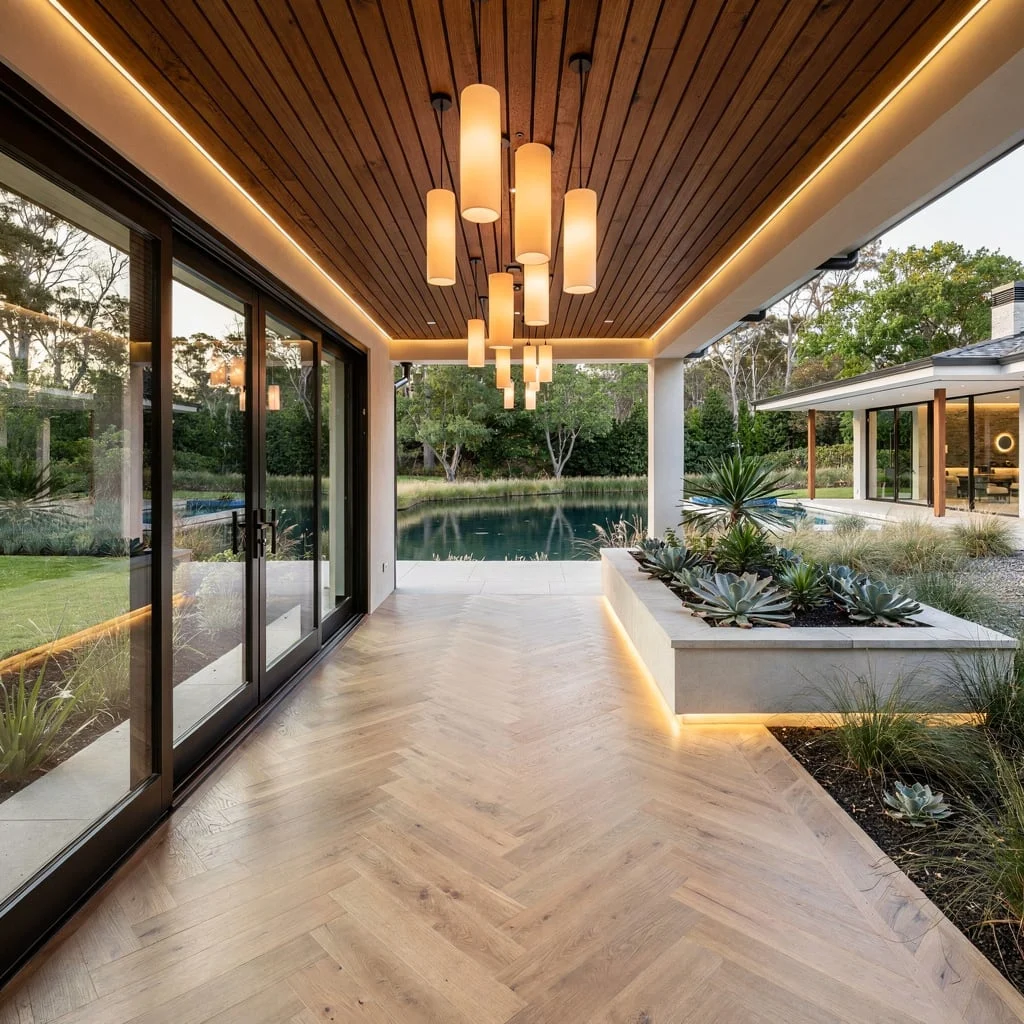
If your breezeway leads to the pool, it better scream ‘five-star resort’. Lay a herringbone pattern with wide oak planks for instant warmth and luxury. Install oversized sliding glass doors that pocket completely into the walls. For the ceiling, use warm-toned teak slats and hang clusters of cylindrical pendant lights at varying heights for a relaxed, atmospheric glow. Outside, keep the landscaping sleek: raised beds with structural succulents and grasses, all overlooking a serene reflecting pond. Pro tip: The devil is in the details here. Spend money on the door hardware—think long, matte black pulls—and integrate subtle perimeter lighting into the planter beds. It’s these finishes that scream ‘expensive and intentional’.
Treat it Like a Gallery Passage
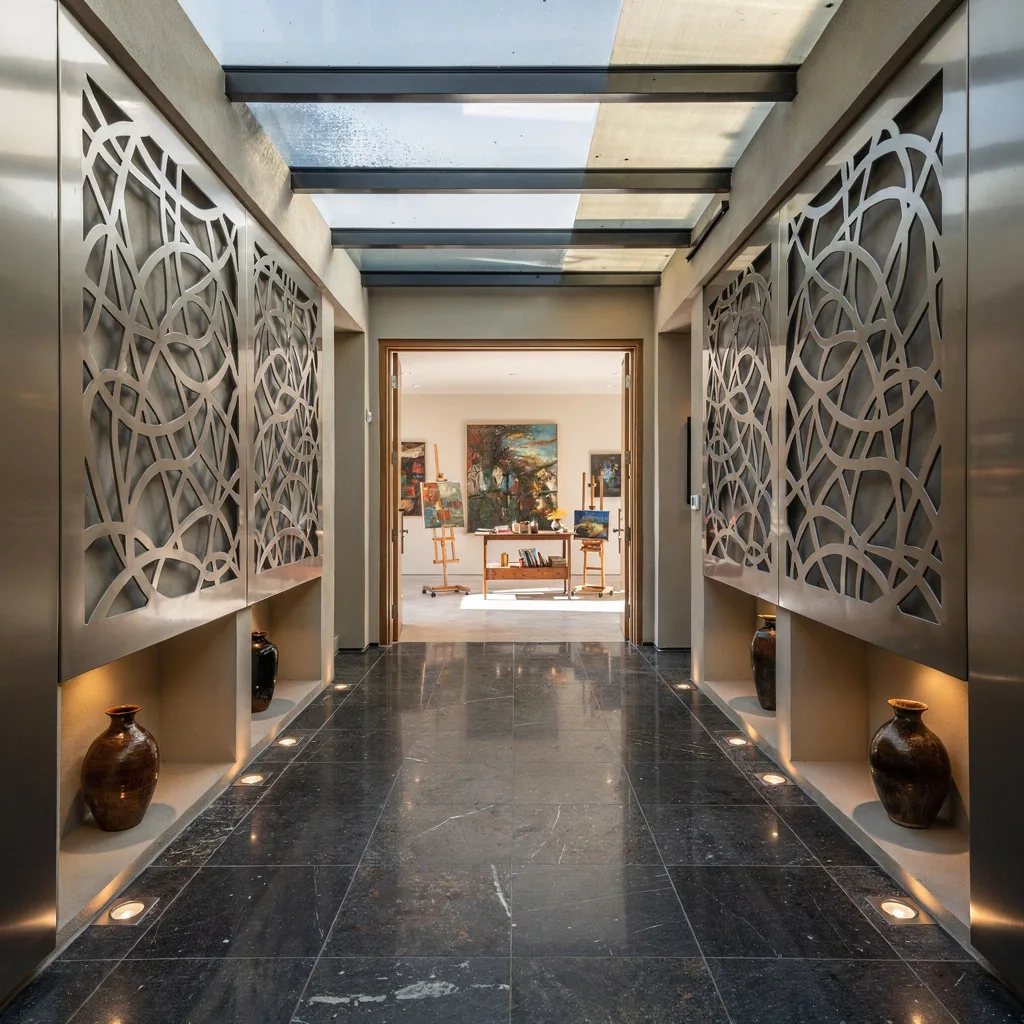
For a truly designer, gallery-quality feel, make the enclosure part of the art. Use polished basalt tiles for a deep, moody floor. Then, clad the walls in custom anodized aluminum panels with a laser-cut abstract pattern—this is your signature move. The roof should be a mix of clear tempered glass and frosted polycarbonate for controlled light. At night, use only floor-level recessed LEDs to trace the path and highlight the wall patterns. Build in shallow, illuminated alcoves beneath the panels to display a few pieces of designer pottery. Pro tip: Lighting is everything. The daylight should wash over the materials to show their richness, and the night lighting should be dramatic and directional, creating a runway effect that makes walking through feel like an event.
So there you have it. Your breezeway doesn’t have to be a dead zone. Pick a vibe, commit to the materials, and execute with confidence. It’s about creating a moment, a feeling, a transition that actually means something. Now stop looking at that sad hallway and start building the architectural moment your home deserves. Go get it.