
Dining rooms have a way of becoming the room everyone uses and nobody actually thinks about — the furniture gets picked because it fit the space, the light fixture gets chosen because it came with the house, and the walls stay whatever color the previous owners painted them because “it’s fine.” It’s not fine. You eat in there every day, you seat guests in there several times a year, and right now it looks like a waiting room that somebody put a table in.
The assumption that dining rooms require serious money to look seriously good is the lie that keeps most of them stuck in builder-grade purgatory indefinitely. The rooms that make people stop mid-conversation and look around aren’t necessarily the expensive ones — they’re the ones where someone identified what the room needed, sourced it intelligently, and made deliberate choices about the two or three elements that do ninety percent of the visual work. The table, the chairs, the light, and one personality element — nail those four things and the room basically designs itself around them.
Budget dining room design fails for predictable reasons: buying a matching set because it feels safe, skimping on the rug because nobody explains how much rugs do, choosing a pendant that’s twelve inches too small, and ignoring the walls entirely until they become background noise. None of those are money problems. They’re decision problems, and decisions are free.
Why Budget Dining Rooms Usually Miss the Mark
Spending less money is not the reason dining rooms look cheap. Making cheap decisions is. The distinction matters because one is a constraint and the other is a choice.
Matching dining sets are the enemy of personality — Furniture retailers have been packaging tables and chairs together since the beginning of time, and the result is dining rooms that look like showroom floors — technically complete, completely characterless. Sourcing a table and chairs separately, even if it takes more effort, produces rooms that look collected rather than purchased, which is the difference between a dining room with a story and one that doesn’t have one.
The rug is doing more than you think — A dining rug zones the entire space, warms the floor, adds color and pattern, and makes the furniture feel like a considered grouping rather than objects that happen to share a room. Skipping it, or buying one that’s too small, leaves the table floating in an undefined space that never quite feels finished no matter what else is in the room.
One personality piece changes everything — The rooms that people remember aren’t the ones that were perfect across every element. They’re the ones with one genuinely interesting thing — a basket wall arrangement, a fiddle leaf fig in the right corner, an unexpected table base — that makes the whole room feel like someone with actual taste lives there. Budget the personality piece first and let everything else be functional.
How to Prioritize When the Money Doesn’t Cover Everything
Working with a real budget means making a triage list before touching a single furniture page, and most people skip this step and end up with mediocre everything instead of excellent something.
The table is the room — In a dining room, the table is the architectural center around which every other decision orbits. Spending more of the budget here and less on chairs, accessories, and window treatments produces dramatically better results than spreading money evenly across everything. A beautiful table with simple chairs looks designed. A mediocre table with expensive chairs looks confused.
Lighting changes the room’s entire personality after dark — A dining room is used most often in the evening, which means the pendant or chandelier is arguably the most important decorative decision in the space. A fixture that’s the wrong scale, the wrong finish, or the wrong height makes every meal feel like a break room lunch. Getting the light right — even with a budget option — transforms the evening experience in a way that nothing else does for the same money.
Plants are the fastest return on investment in any room — A large fiddle leaf fig, a collection of trailing pothos, or even a single oversized monstera costs less than most decorative objects and does more for a dining room’s atmosphere than any of them. Plants add life, scale, color, and texture simultaneously, and they make a room feel genuinely inhabited in a way that purely decorative objects can’t replicate.
Budget Dining Room Decor Ideas That Actually Deliver
The Oval Walnut Table and Cane Chair Setup:
We finally finished decorating our dining room after 3 years
by u/Lolaz2022 in interiordecorating
An oval walnut table on a chunky fluted cylinder base, surrounded by a mix of cane-back dining chairs with dark upholstery and a single contrasting side chair, sitting on an oversized vintage-style Persian rug in deep red and burgundy, in a room that opens directly into a white kitchen — this is the setup that makes open-plan dining work as a design choice rather than a spatial compromise. The rug is the critical element here, and it’s worth spending more of the budget on it than feels instinctively right: it’s the only thing that defines the dining space as its own zone within the larger open floor plan, and without it the table simply floats in the middle of a combined room with no clear identity. The cane chair backs introduce an organic material that softens what would otherwise be a very warm, dark furniture grouping — cane is one of those materials that reads as both casual and considered simultaneously, which is exactly the register a budget dining room needs to hit. The simple glass bell pendant hung from a long black cord above the table center is the light fixture equivalent of knowing when to stop — it provides focused warmth over the table without competing with the room’s stronger material decisions, which is precisely what a pendant in this room is supposed to do.
The Plant-Everything Dining Room:
Covering every available wall shelf in trailing pothos, philodendrons, and assorted tropicals, letting vines climb down from above the windows, positioning floor plants in every corner, and then placing a warm-toned wood table with clean white molded chairs in the center of the organized chaos is a design approach that costs almost nothing beyond the initial plant investment and the understanding that you’ll be watering things regularly for the foreseeable future. The plants are doing every job that expensive wall treatments, artwork, and decorative accessories would otherwise handle — they add color, texture, scale variation, and visual interest on every surface simultaneously, which means the room looks fully designed without a single piece of decor that costs more than a house plant. The two hanging glass globe pendants at slightly different heights above the table provide the warm light that makes the greenery glow at dinner, which is the one purchase this room absolutely needed to get right. The patterned rug grounds the table and chair grouping so the plant abundance reads as intentional lushness rather than horticultural hoarding — that distinction matters, and the rug is entirely responsible for it.
The Marble Top and Fluted Base Round Table:
A round table with a white marble top sitting on a sculptural fluted dark walnut cylinder base is an object that looks like it cost considerably more than it needs to, and pairing it with dark wood armchairs in cream upholstery in a room of white walls, pale grey tile floors, and sheer linen curtains is the kind of setup that proves restraint is a legitimate budget strategy rather than a compromise. Every element here is asked to do exactly one thing and does it without fuss — the table provides the visual interest, the chairs provide comfortable seating that doesn’t compete, the walls and floor stay neutral so the table reads clearly, and the white layered pendant overhead provides functional light without introducing a competing design statement. The fiddle leaf fig in the corner is the one non-functional element in the room, and its positioning behind the table creates a natural green backdrop that stops the white walls from feeling sterile. The single ceramic vase with dried branches on the table surface is the restraint masterclass — this room could have been over-accessorized at every turn and chose not to be, which is why it looks expensive rather than decorated.
The Basket Wall and Farmhouse Table:
Mounting a collection of woven rattan baskets in varying sizes and weave patterns directly on a wall — interspersed with two or three framed black-and-white prints to break up the texture — is the kind of wall treatment that costs under fifty dollars total if you source patiently and looks like a considered installation that somebody charged actual money to create. The genius of the basket wall is that it introduces warmth, texture, pattern, and scale all from a single material family, which creates cohesion that a random collection of objects at the same price point could never achieve. Below it, a distressed farm table with black metal Tolix-style stacking chairs does the high-low contrast work that makes this room feel eclectic rather than simply rustic — the industrial chairs against the organic wall treatment and the warm wood table is the combination that stops the room from reading as farmhouse cliché. The crystal chandelier is the deliberate surprise element: in a room with this much natural texture, a faceted glass fixture creates exactly the tension between refined and raw that keeps the eye interested. The Persian-style rug in terracotta and orange warms the floor and ties the warm basket tones to the room’s lower half.
The Grey Brick Wall with Wicker Chairs:
A grey washed brick accent wall — achievable with either real brick cladding panels or faux brick wallpaper that requires no one to know which it is — combined with a round dark wood table and high-backed wicker dining chairs is a texture combination that creates warmth and depth in a room that would otherwise read as simply neutral. The brick does what no painted accent wall can: it introduces a surface with actual three-dimensional variation, so the wall catches light differently depending on the time of day and the angle, which means the room’s atmosphere shifts through the course of a day without anything changing. Wicker chairs are the specific furniture choice that makes this pairing work — their woven texture echoes the organic, handmade quality of the brick without duplicating it, which creates the kind of complementary relationship between materials that interior designers charge consultation fees to identify. The cluster pendant of staggered glass globes hanging from a single ceiling plate is the budget lighting solution that looks considerably more intentional than its price suggests — the varying drop heights of the globes create the same visual effect as a much more expensive multi-arm fixture without any of the installation complexity.
Get Real With Reclaimed Wood Table Energy

Craving that vibe where it looks like you thrifted and upcycled your way to adulthood? Start with a rectangular reclaimed wood table in a matte finish—skip the shiny stuff if you’re not into sticky fingerprints. Surround it with four actual mid-century modern chairs (not the cheap knockoffs—hunt for real deals and reupholster in olive-green for maximum cool). Paint your walls matte white so your thrift haul shines, then DIY textured wainscoting in taupe for extra shadow play. Cluster globe pendants up top at different heights, because single lights are for quitters. Don’t hide your plates: float pine shelves and display your ceramics like you actually cook. Ditch heavy curtains for sheer linen; the daylight and your ego both need it. Major rule: If you’re going vintage and rustic, always mix matte with shine—think frosted glass globes and matte finishes everywhere else. Designer-flair? You just faked it.
Pastel Power Moves With Mismatched Chairs
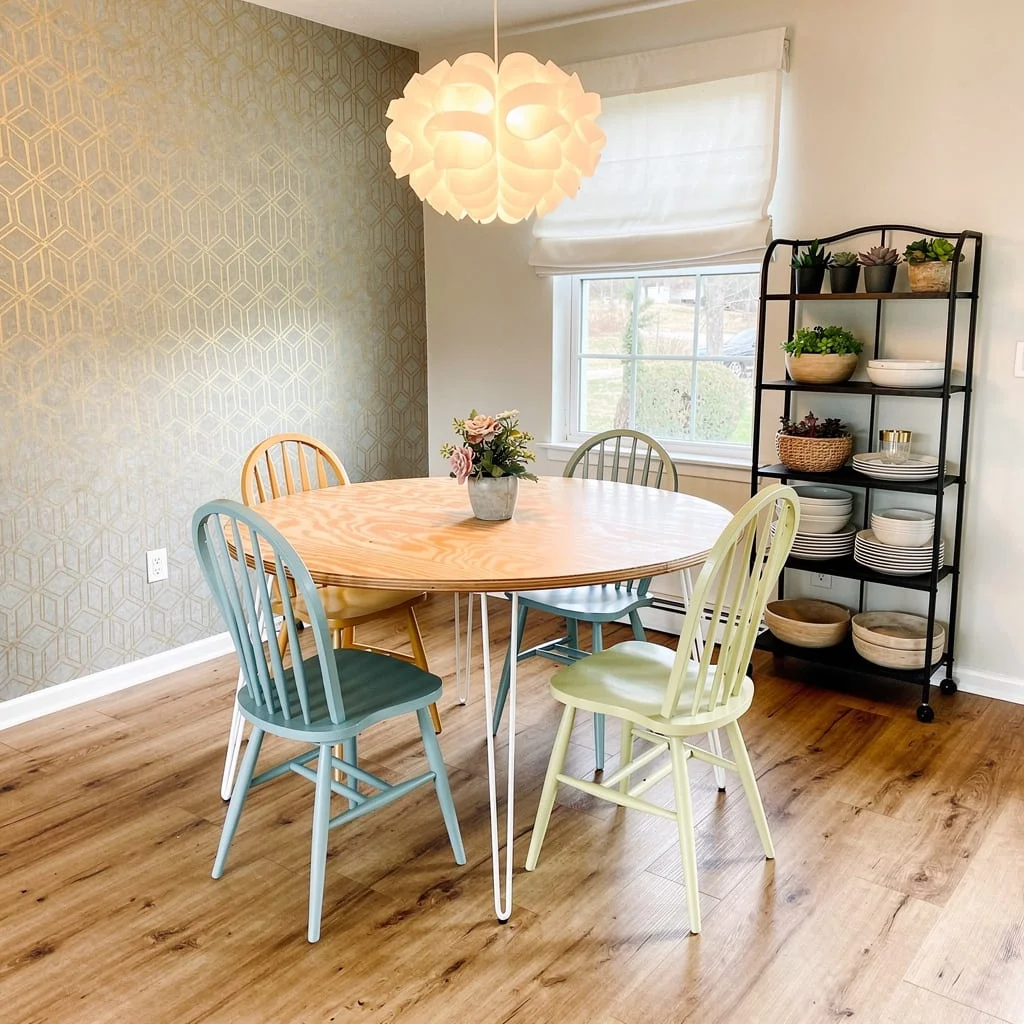
If you think matching chairs are mandatory, stop right now. Sand down a round plywood table, bevel the edges so it doesn’t scream ‘cheap IKEA hack,’ and add sleek white metal legs. Grab every lonely, forgotten chair and hit them with pastel paint—think child’s birthday, but chic. Lay down oak laminate for the price of drive-thru coffee, then slap geometric removable wallpaper on an accent wall for instant clout. A sculptural paper lantern overhead brings groovy light (and no risk of burning the rent money). Stack succulents and eco-dishware on a jet-black shelf: if you can’t afford to go full fancy, at least fake the lifestyle. Old cotton blinds? Clean, crisp, done. Here’s the gospel: When mixing pastels, pick a main color and repeat it somewhere else, even if it’s your napkins—cohesion for the win.
Glass-Top Grown-Up: Minimalist Without the Bank Account Scream
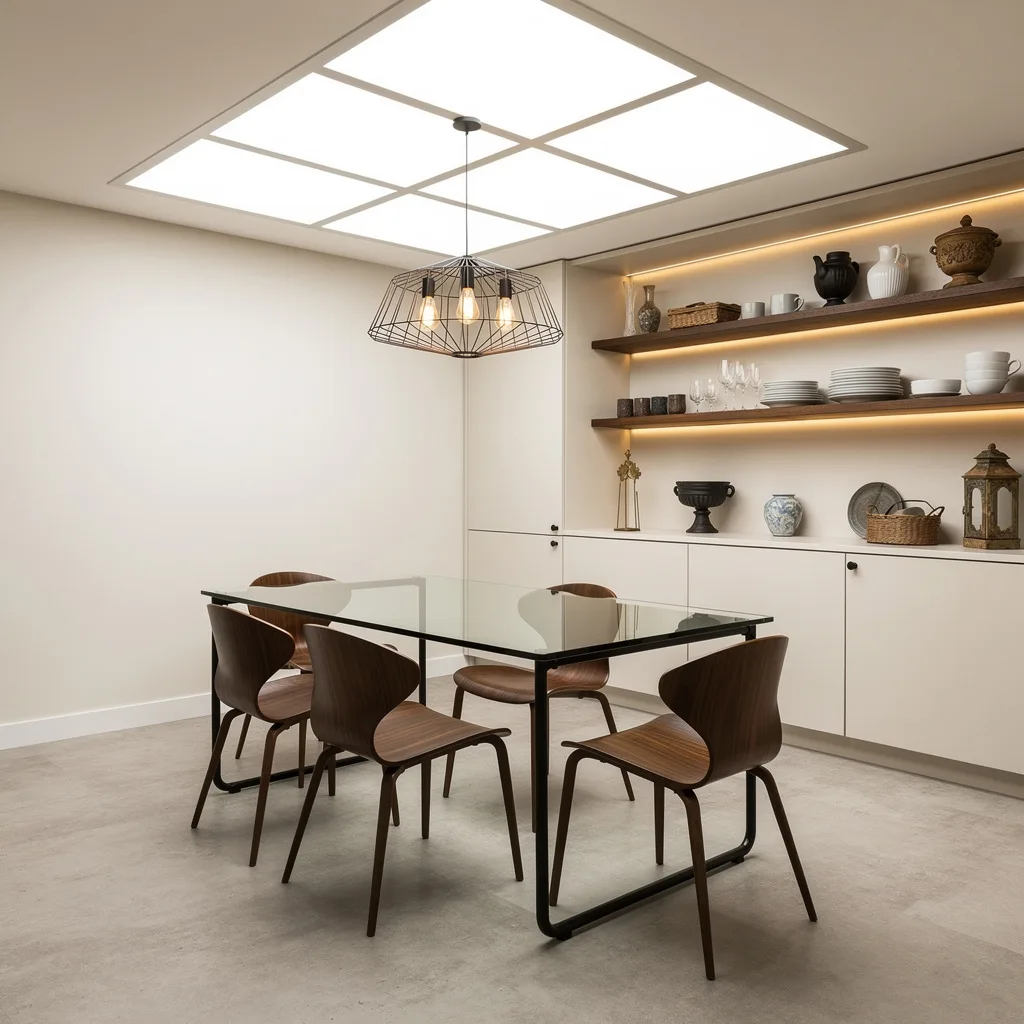
Want to flex minimalist luxury for the price of a fast-food meal? Hunt down a glass-top rectangular table with black tubular legs—because nothing says ‘designer on a dime’ like a piece that lets you see your shoes and your spills. Next, pair it with sleek bentwood chairs in matte walnut—yes, walnut, not mystery brown. Layer concrete-effect vinyl floors for that ‘my landlord would have a heart attack’ look, and keep those walls off-white so your thrifted decor steals the spotlight. Go LED panel lighting overhead (flush-mounted in a dramatic grid, please), then DIY a wire-framed chandelier for fake custom vibes. Sneak storage AND open shelving into cabinetry—show off your dinnerware, but hide the junk. Key move: Keep decor on open shelves tonal and simple—no, Grandma’s polka-dot mugs don’t cut it.
Bring On the Banquette (AKA How to Chill Like a Parisian)
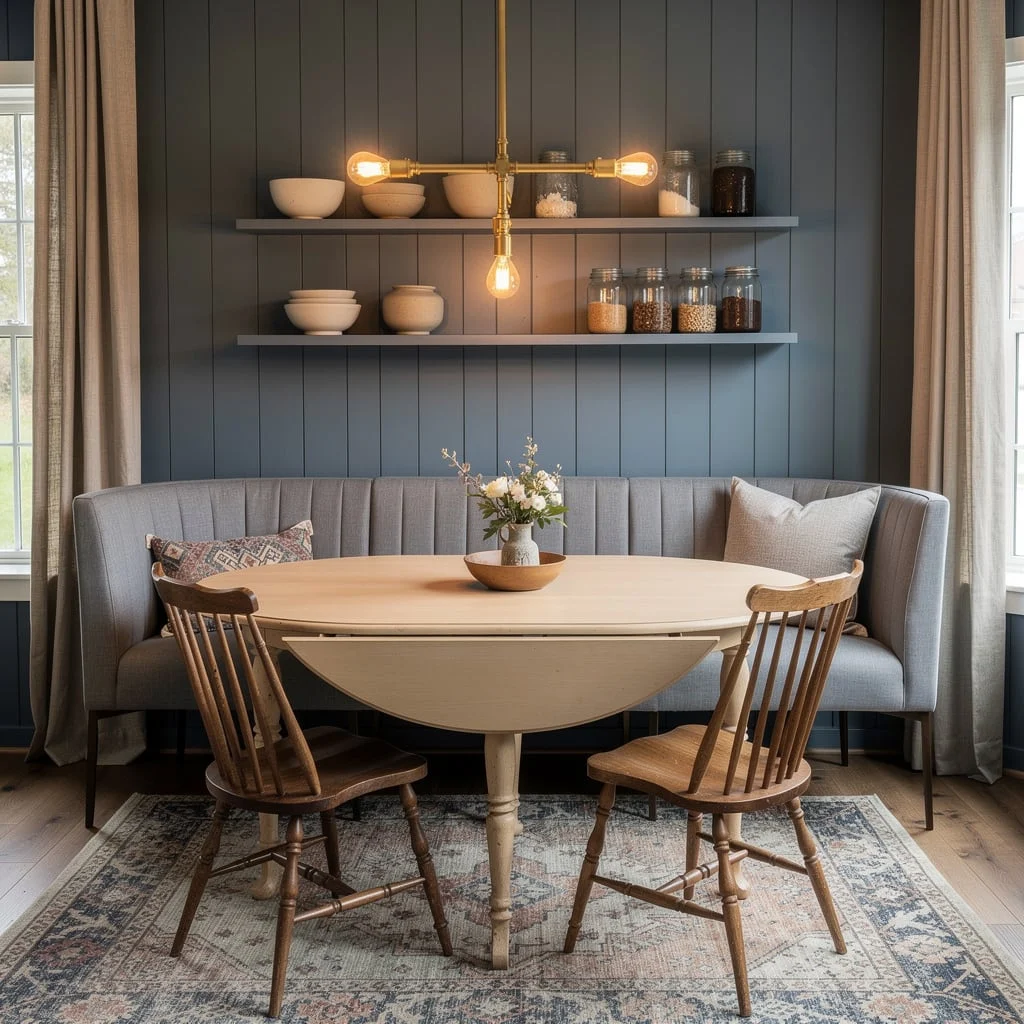
Want the coziness of a corner café? Drop a birch oval drop-leaf table in your nook to snag all those flexible seating options—and make it twenty times easier to cram in extra bodies at Friendsgiving. Ditch the matchy-mess and use grey-upholstered banquette seating with vintage spindle-back chairs for contrast—because your friends don’t deserve numb butts. Smack your walls with vertical tongue-and-groove painted smoky blue—yes, get the sample paint, not the default hardware store white. Hack a DIY sconce with brass pipes and Edison bulbs for that warm, ‘I actually care about ambiance’ glow. Got boring floors? Layer muted ethnic rugs; fake travel points, maximum warmth. Float shelves over that banquette and toss up funky bowls and jars (nobody cares what’s inside). Here’s the hack: Mix high and low seating to fake built-in luxury—don’t be scared to stuff a bench with throw cushions in wild patterns.
Terrazzo-Tastic: Artsy Walls Without the Price Tag
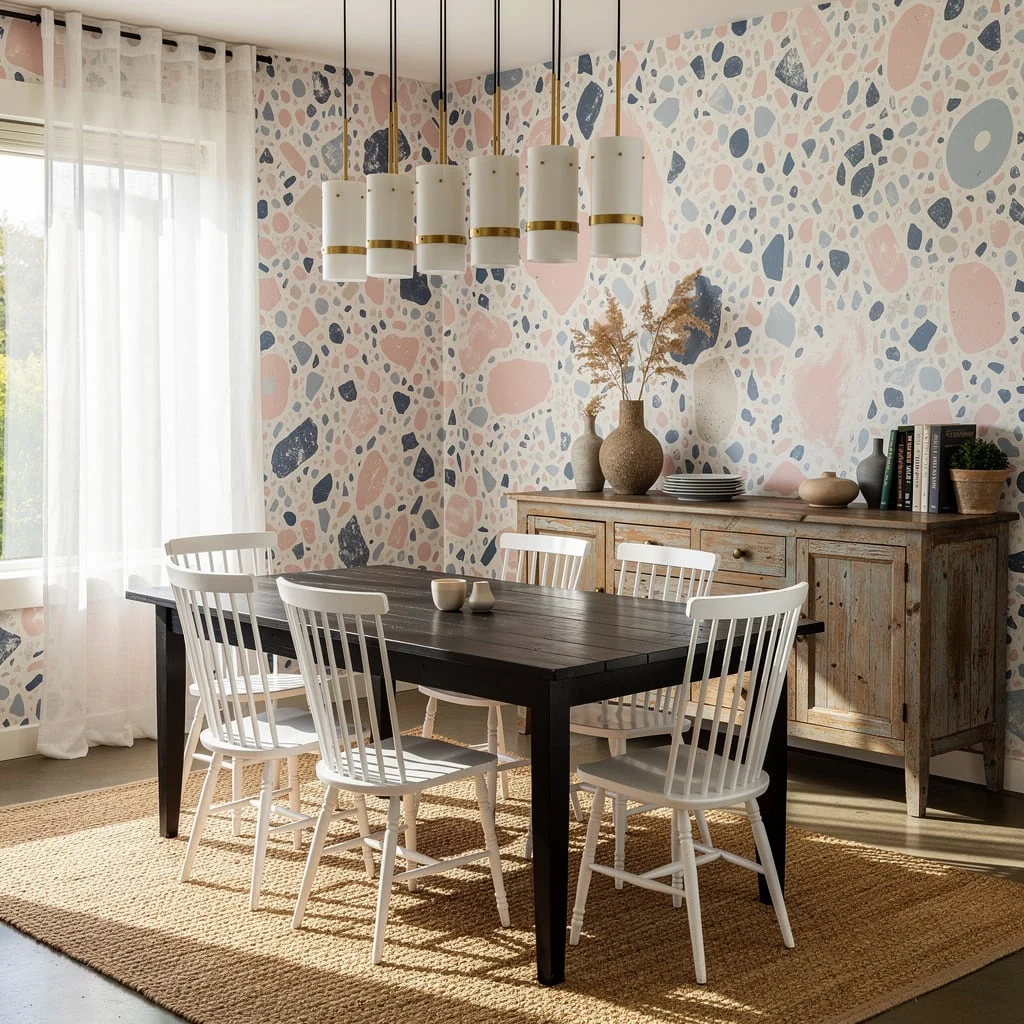
Ready to go wild and still suck up the compliments? Start with a rectangular black-stained pine table; contrast with classic white Windsor chairs for a look your grandma could never. Time to get messy—hand-paint terrazzo-style shapes in pinks, blues, greys all over the walls. Forget stencils, just go for it; the messier, the cooler. Hang a row of gold-accented, cylinder pendants. Want glam on the cheap? Stick a jute rug under the table for texture you can vacuum during Zoom calls. Upcycle a beat-up sideboard—paint the heck outta it, top with vases and stacks of books, and call it artisanal. Sheer voile curtains needed to drench it in light. Cardinal rule: If you’re painting your own wall art, sketch it out first (don’t get cocky—test your colors on a poster board, please).
Navy Pop Chic: Compact, Modern, and Oh-So Pinterest-able
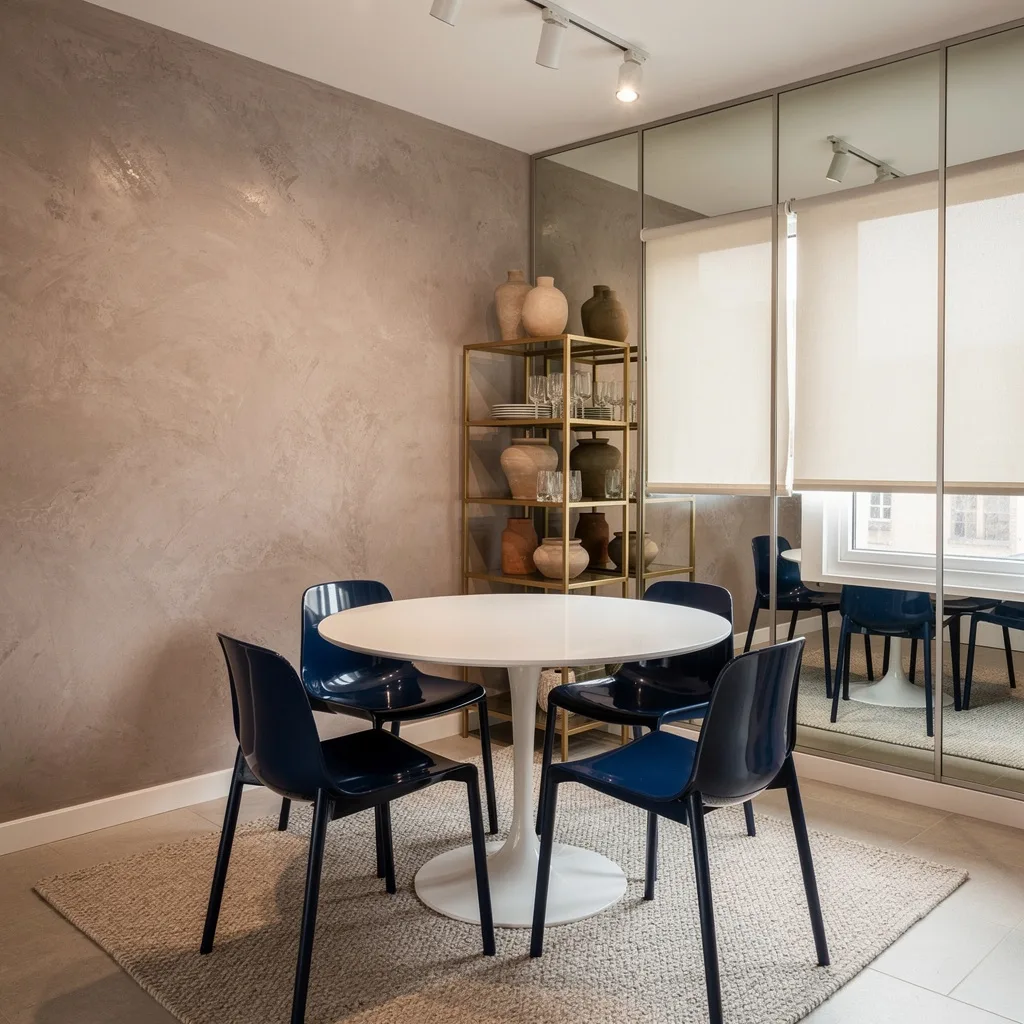
Small dining space crisis? Grab a cheap, round laminate table in white and surround it with four stackable navy poly chairs—because glossy plastic looks expensive from three feet away. DIY a Venetian-style taupe plaster accent wall with a trowel—yes, YouTube exists for a reason—and skip the expensive contractor. Install compact track lighting on the ceiling so you can, I don’t know, actually see your food at night. Line one wall with mirrored panels to fake extra square footage, because nobody’s measuring. Pop a skinny, brass shelf next to the table; show off your pottery or dollar-store glassware. Anchor it with a textured rug that hides crumbs and double-layer window blinds for privacy. Commandment: If you’re using statement plastic chairs, mix in metallics (like brass or steel) for that high-low balance designers pretend is accidental.
Minimal Luxe for Maximal Snobbery (On a Budget)
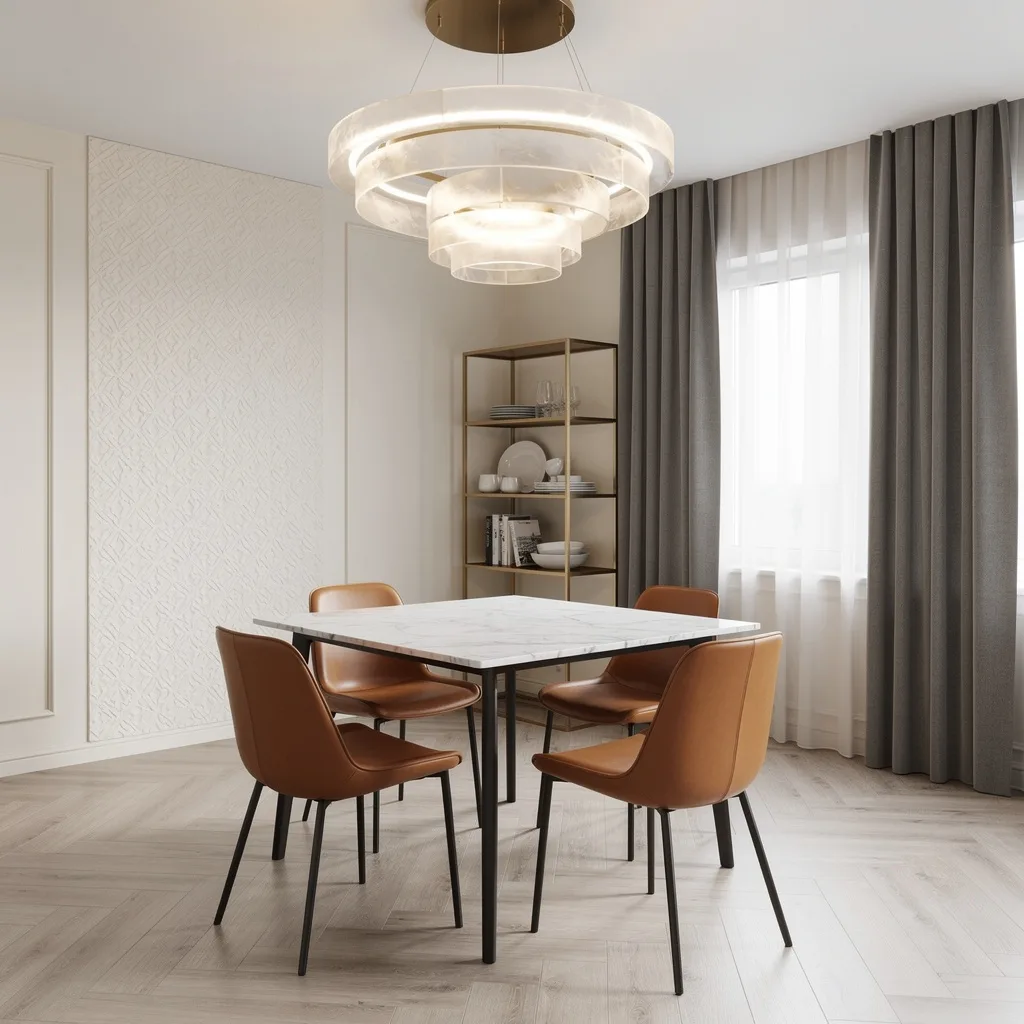
Craving that Euro-model-casually-eats-croissant look? Get a square marble-effect laminate table—fake marble, nobody but your judgy aunt will notice—and pair with four faux tan leather chairs (wipeable, so no panic at brunch). Slap down faux herringbone vinyl in light ash; it’s rental-friendly and takes serious abuse. Drop a circular, layered acrylic ceiling fixture for mood lighting; you need the glow, not the fire hazard. Paint your walls creamy white for gallery energy; snap on removable textured wall panels for dimension, not drama. Float a slim, gold shelf—hell, spray paint it if needed—and only display dinnerware that matches. Key tip: Go full blackout with long slate curtains to make sun glare and nosy neighbors vanish. Never cheap out on hardware—if you can swap in brushed gold handles, do it, you minimalist maven.
Moody Mosaic: DIY Tile Dreams

If neutrals bore you, get your hands dirty and tile a plain rectangular table with bold mosaic ceramic tiles—turquoise and yellow? Yes, please. Surround it with four armless green velvet chairs; spill some wine, nobody’s judging. Keep walls matte white to ground your maximalist sins, then hang a massive woven tapestry as your modern centerpiece (and to cover that one spot you’ve been ignoring). Run three glass pendants overhead for moody lighting—recycled glass, because eco and chic. Wide plank laminate floors keep things adult enough for dinner parties. Float cheap shelves for more plants. Tip to not blow the vibe: Pick one bold color from your tile and repeat it somewhere—hello, vases or napkins. Consistency is king, even in chaos.
The Scandinavian Strictly-for-Introverts Jam

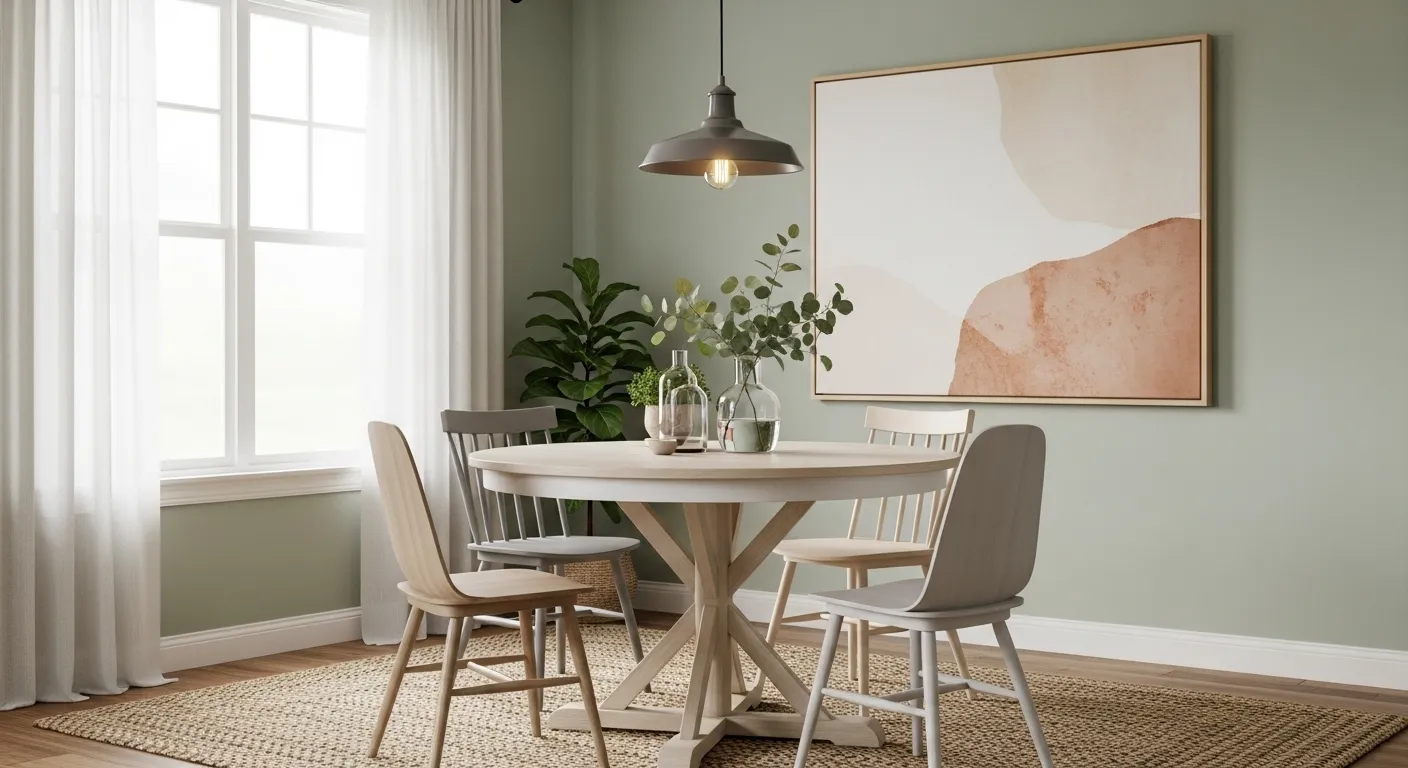
If calm is your personality trait, work with pale birch plywood for your dining table and tack on white molded plastic chairs with wood legs. Light oak laminate blows up the Scandi vibe, and pale sage green on the walls is like herbal tea for your eyes. Float a mega paper lantern overhead for diffused vibes—no one wants harsh lights with morning coffee. Minimal birch shelving holds your black-and-white plates (yes, monotone only). Underfoot, a woven rug zones your setup—so obvious, but you’d be shocked how many people skip it. Curtains? Sheer and white, so you can filter sunlight and your anxiety. Rule: Never clutter shelves—keep it monochrome, or you risk IKEA showroom chaos.
Urban Industrial Edge Without the Hangover

Time to let your dining nook flex like it owns a plot in Brooklyn. Score a rectangular stainless steel tabletop with industrial edges—wipes clean, doubles as a reality check. Pop it on black powder-coated legs; no wobbles allowed. Surround with stackable acrylic chairs (because you’re hip and they don’t crowd the joint). Slap up DIY faux-concrete paint in slate grey for moody industrial backdrop—hint, don’t skip sanding for a smoother finish. Pipe-and-wood open shelving? Yes, and light it with LED strip to dial up that ambient drama. Lay a geometric vinyl rug so everyone knows the perimeters. Commandment: Always run your shelving floor-to-ceiling for that custom-built look (even when yours isn’t).
Bring on the Sunshine: Vintage Farmhouse for Cheap
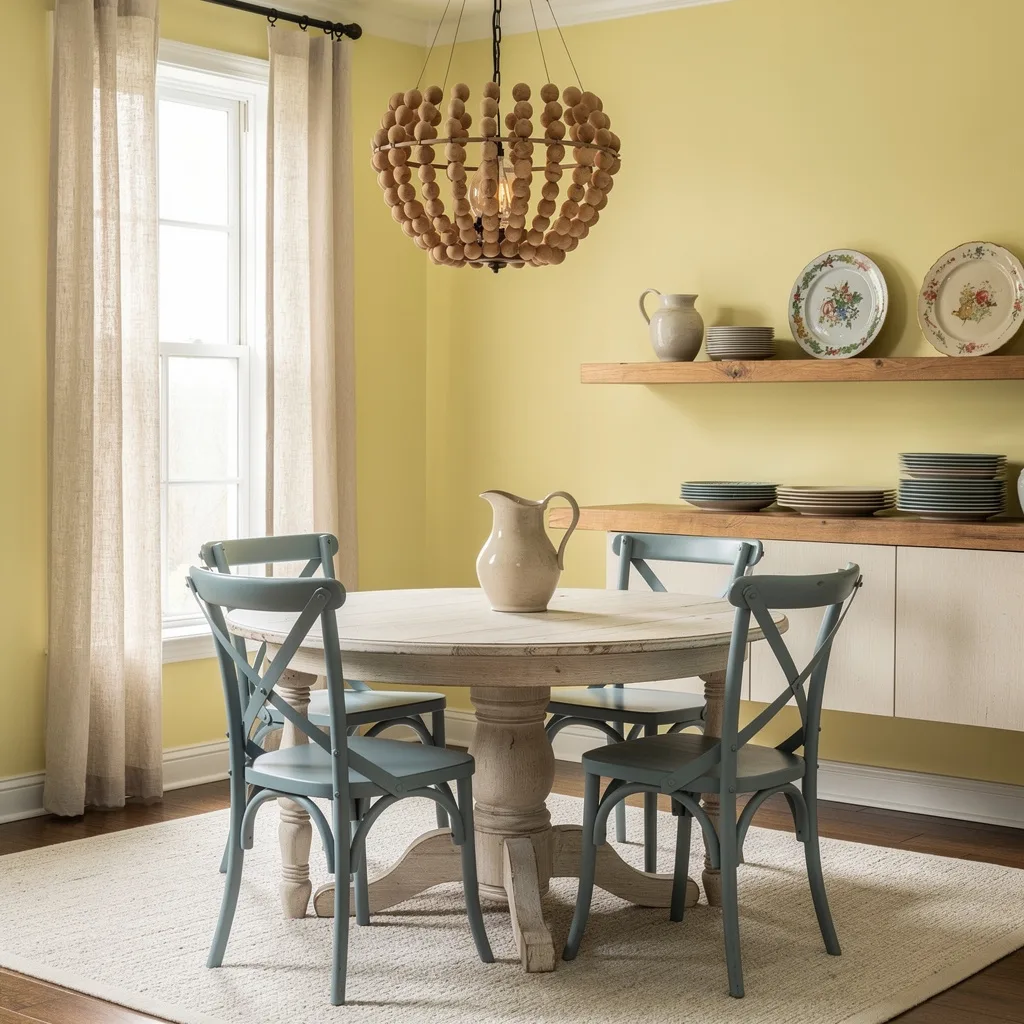
If you need a serotonin boost, build a sunlit scene starting with a round pine table, whitewashed to hide years of questionable eating habits. Pick up cross-back chairs in soothing blue—they even look classy when your laundry’s draped over them. Paint those walls a soft lemon and float a chunky oak shelf as your homemade sideboard—it won’t sag if you anchor it right, trust. Swap in a wood bead chandelier overhead for that ‘found it at an estate sale’ punch. Linen curtains for softness and a woven rug to catch the crumbs; you’ve just staged a magazine shoot, rents due or not. Styling rule: Always stack plates in color order on a floating shelf for that curated, hostess-who’s-never-rushed look.
Budget Eclectic: Fake the Collector Aesthetic
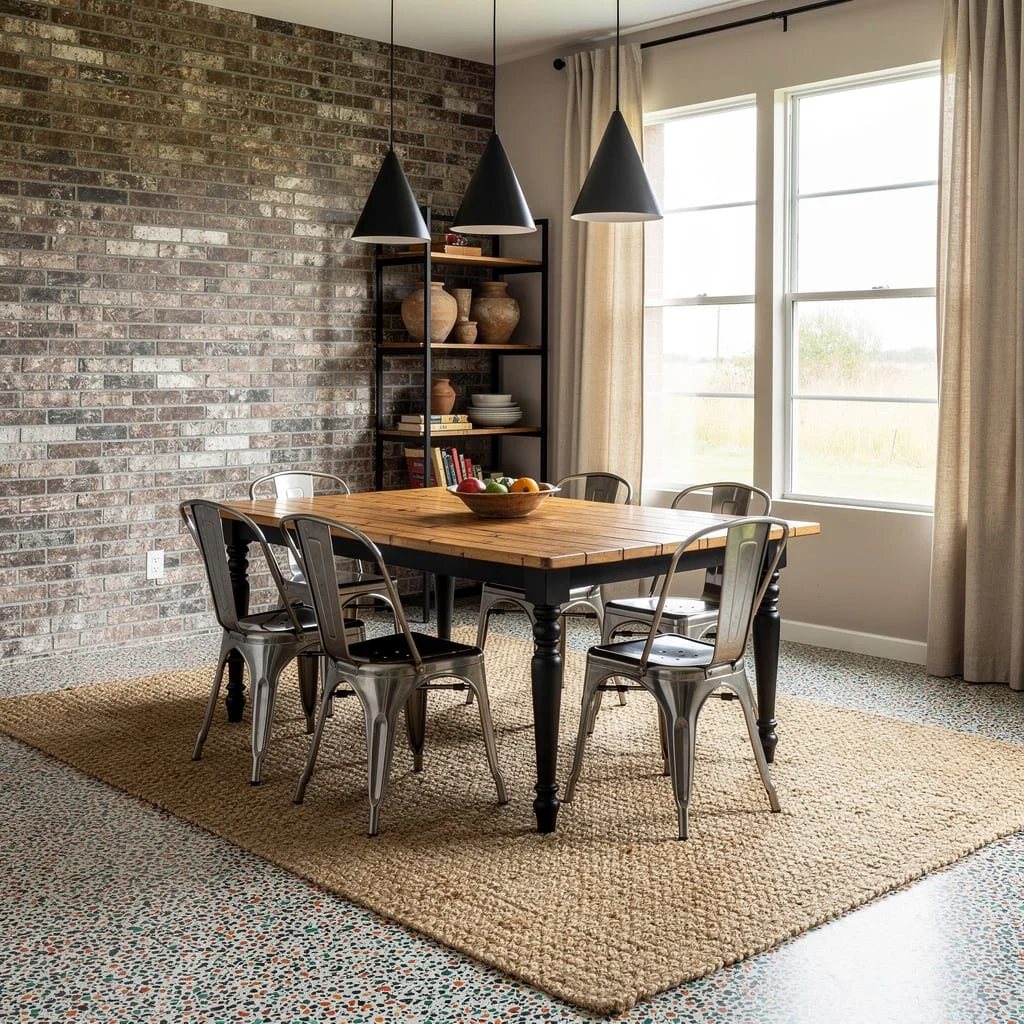
Want your friends to think you had a Paris gap year (but you didn’t)? Get a bamboo table with black-painted legs, because sustainability is a thing, and fake it with vintage-style metal chairs in brushed nickel. Toss down terrazzo-style vinyl, but do it for the color blasts, not the history lesson. DIY removable brick panels on a wall—they peel off when landlord panic strikes. Drop three matte black cone pendants overhead (group them for drama), and stack thrifted pottery on tall open shelves. Wide windows? Yes—cover with simple cotton curtains and slap down an enormous jute rug. Here’s the pro tip: Mix at least one unexpected material—a crazy lamp, wild bookends—to signal you’re quirky, not careless.
Final Thoughts
Budget dining rooms look budget when the money was spread too thinly across too many mediocre decisions. They look genuinely good when the money — whatever amount it is — was concentrated on the two or three elements that define the room’s character and everything else was kept simple, functional, and out of the way.
The table earns the most investment. The rug earns the second most. The pendant earns the third. Everything beyond those three is detail work that shouldn’t cost much and shouldn’t try too hard. One genuine personality element — a basket wall, a plant collection, a great rug pattern — is worth more than a room full of safe, coordinated, forgettable accessories.
The dining room is where the day ends and where guests get their real impression of how you live. It doesn’t need to cost a fortune to deserve that responsibility. It just needs someone to make three good decisions and stick with them.