
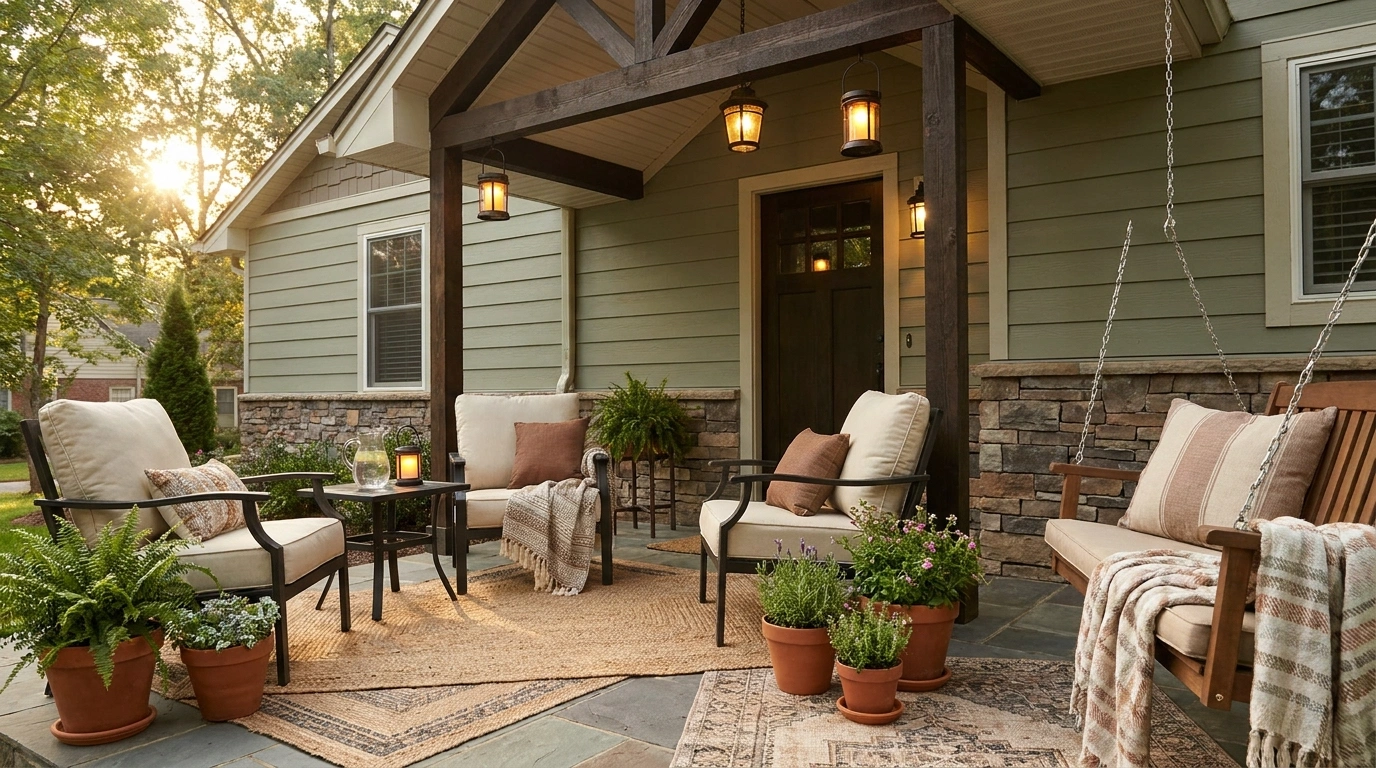
There’s a particular kind of house that looks welcoming before you reach the door. A light falls across the entrance, a chair has somewhere to put a drink, and the planting makes the path feel connected to the house. Nothing is shouting for attention. It simply looks like someone enjoys living there.
Then there’s the porch with six decorative signs and nowhere to sit.
Learning how to make the exterior of your house cozy starts with the experience of approaching and using it. Think about shelter, light, comfortable seating, and the small details that make arriving home pleasant. A collection of accessories can support that experience, but it can’t create it alone.
You can work with a tiny doorstep, a covered porch, a narrow side return, or a larger patio. Choose the ideas that suit your space and weather. Give each addition a useful place, keep the walking routes clear, and let the house’s existing materials guide the color choices. The result should feel inviting from the street and comfortable when you sit down.
Start With the Way You Arrive and Settle In
Give the Front Door a Clear Sense of Welcome
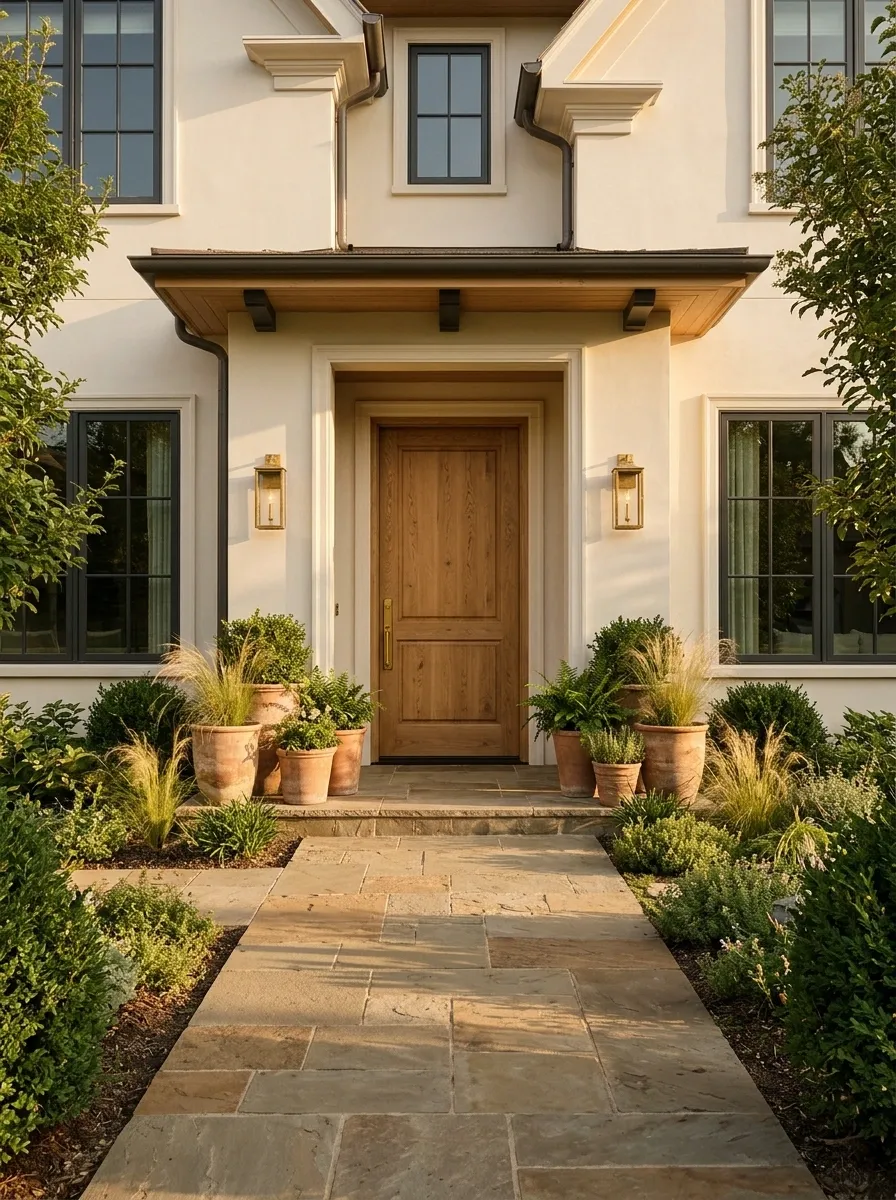
The front door doesn’t need to be surrounded by decoration to feel inviting. It needs to be visible, accessible, and related to the rest of the exterior.
Look at the approach before choosing accessories. Notice whether the door disappears against the wall, whether the path feels clear, and where a visitor would stand while waiting. Small changes in those places can improve the experience immediately. Keep the entrance’s practical needs at the center, then add the pieces that make the space feel personal.
Choose One Place Where Sitting Actually Makes Sense
A chair positioned beside the bins won’t become appealing because it has a pretty cushion.
Find the spot with the best combination of comfort, outlook, access, and shelter for your conditions. Check how people move past it and where doors open. A tiny useful seating area beats a larger arrangement nobody chooses. Once the position works, you can build around it with a table, suitable lighting, and a little planting. Let the daily use establish the layout before decorating the remaining corners.
Match the Materials to the Exposure
A covered porch and an open patio ask different things of furniture and textiles. Check how rain, sun, wind, and seasonal weather reach the area before choosing pieces.
Use products intended for the location and follow their care guidance. Have a manageable place for cushions and blankets when they need protection or drying. Cozy shouldn’t mean carrying damp fabric indoors every morning. The best arrangement looks good because its materials and storage suit the way the space behaves throughout the year.
Cozy Exterior Ideas for Doorsteps, Porches, and Patios
Put One Comfortable Chair Where Someone Will Use It
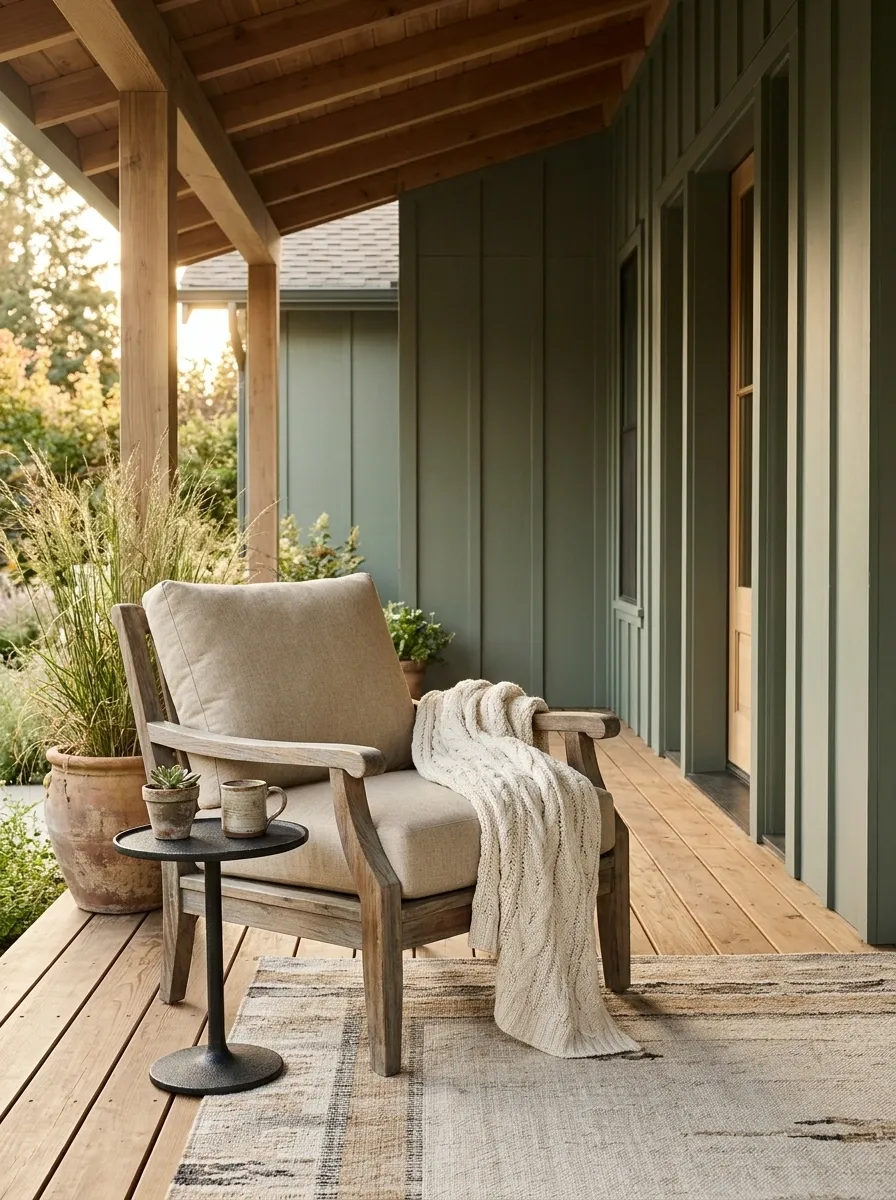
A single good seat can do more than a porch full of decorative furniture.
Choose a chair suitable for the exposure and comfortable for the person using it. Position it where the door and route remain clear, then sit down and check the view. Look for glare, awkward reach, or a nearby obstruction.
Make the seat feel intentional. A small table or suitable light can complete the spot, but the chair itself needs to work first. If nobody wants to sit there without a styling cushion, reconsider the seat or its position.
Check back support, foot position, the view, and the space needed to stand. A chair’s appearance doesn’t establish its comfort.
Turn Patio Seats Toward Each Other
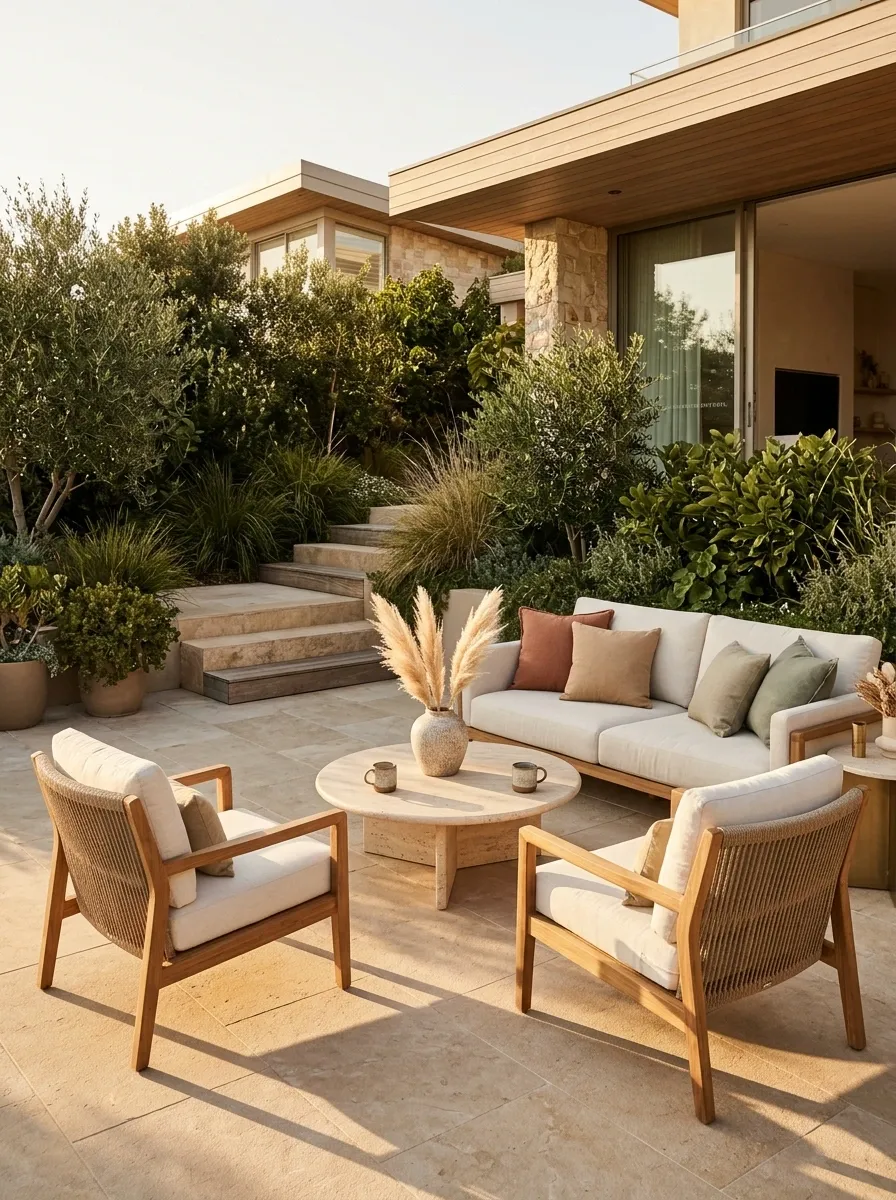
A row of chairs facing the garden can work, but it isn’t the only arrangement worth trying.
If you spend time talking outside, angle seats so people can face one another comfortably. Keep a usable route through the group and place a drink surface within reach. Test the setup with the chairs occupied.
Avoid spreading everything around the patio’s perimeter just to leave an empty middle. A connected seating group can make the space feel more purposeful. Keep the arrangement modest enough that nobody has to move three chairs to open the back door.
People can speak without turning awkwardly.
Drinks and small belongings have a reachable surface.
Walking and standing space remains clear.
Add Cushions That Suit the Outdoor Conditions
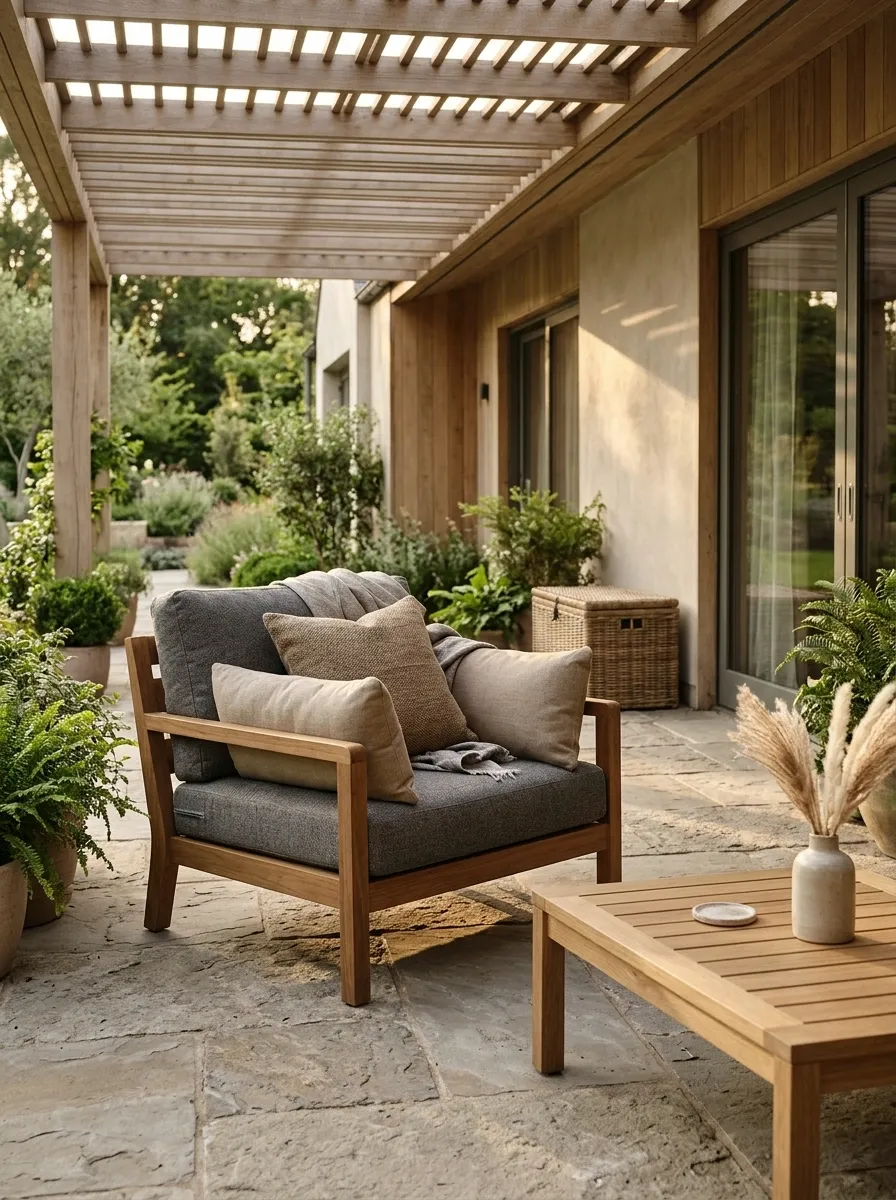
Textiles soften a hard seat quickly, but damp cushions are poor company.
Choose cushions intended for the location and follow their care and storage guidance. Check whether the seat needs extra support or simply a softer surface. Use a restrained color group connected to the door, planting, or furniture.
Keep the quantity practical. Outdoor seating shouldn’t begin with relocating half its contents. Have a place to put cushions when weather or cleaning requires it. A comfortable arrangement that’s easy to maintain will get used more than one that needs daily supervision.
- Suitability for the actual exposure.
- Cleaning and drying requirements.
- Comfort on the existing seat.
- Accessible storage when protection is needed.
Use an Outdoor Rug to Define the Sitting Area
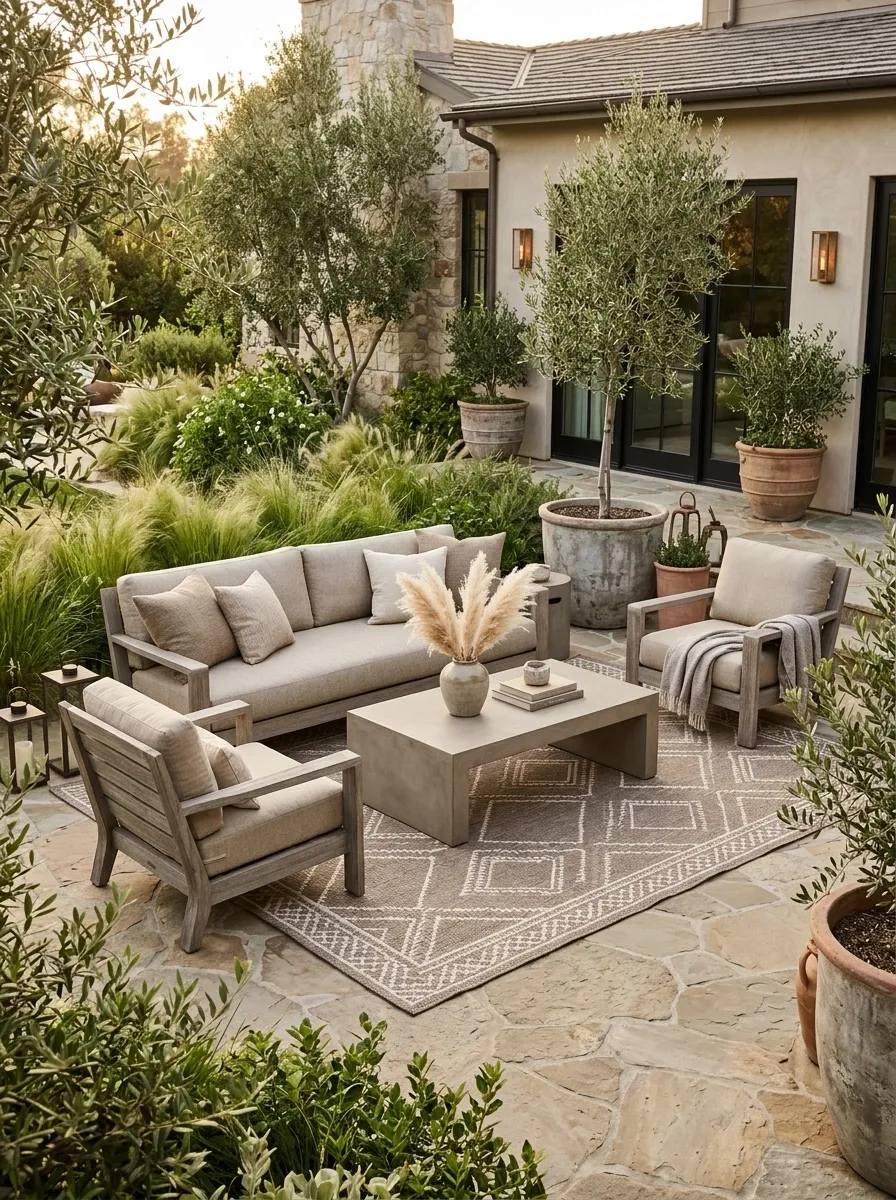
A suitable rug can give loose outdoor furniture a clearer relationship.
Choose a product intended for the setting and compatible with the surface beneath it. Check drainage, drying, and care requirements rather than assuming every outdoor rug behaves the same way. Keep the size connected to the seating group.
Watch the edges and nearby doors. A rug shouldn’t curl into the walking route or interfere with moving furniture. Lift and maintain it as required. The useful effect is a defined place to sit, with a softer-looking surface that remains practical in your conditions.
Furniture sits comfortably and edges remain clear.
The rug and surface are maintained according to their requirements.
Make the Entrance Light Comfortable to Approach
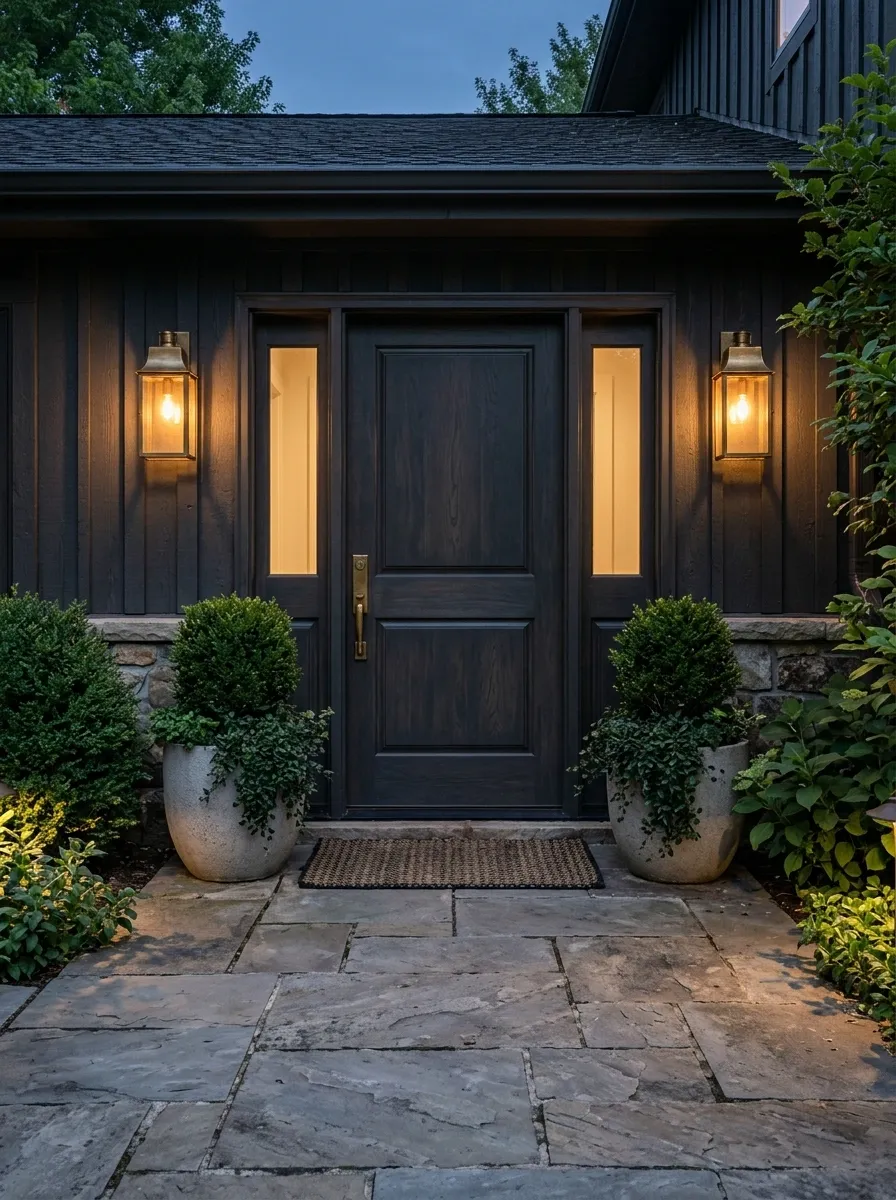
A bright exposed bulb can make a doorway feel harsher than necessary.
Clean the existing fitting and check its operation before replacing it. Choose compatible bulbs and assess the light from the path and the place where visitors stand. The entrance needs useful visibility without uncomfortable glare.
If a fitting or wiring change is needed, use equipment suited to its outdoor location and appropriate professional installation. Keep the style related to the house. A welcoming light helps you find the handle and see who’s there, rather than turning the doorstep into a theatrical audition.
| Viewpoint | Check |
|---|---|
| From the path | The door and approach remain easy to see. |
| At the door | The light doesn’t shine uncomfortably into faces. |
Light the Route Instead of Decorating the Whole Garden
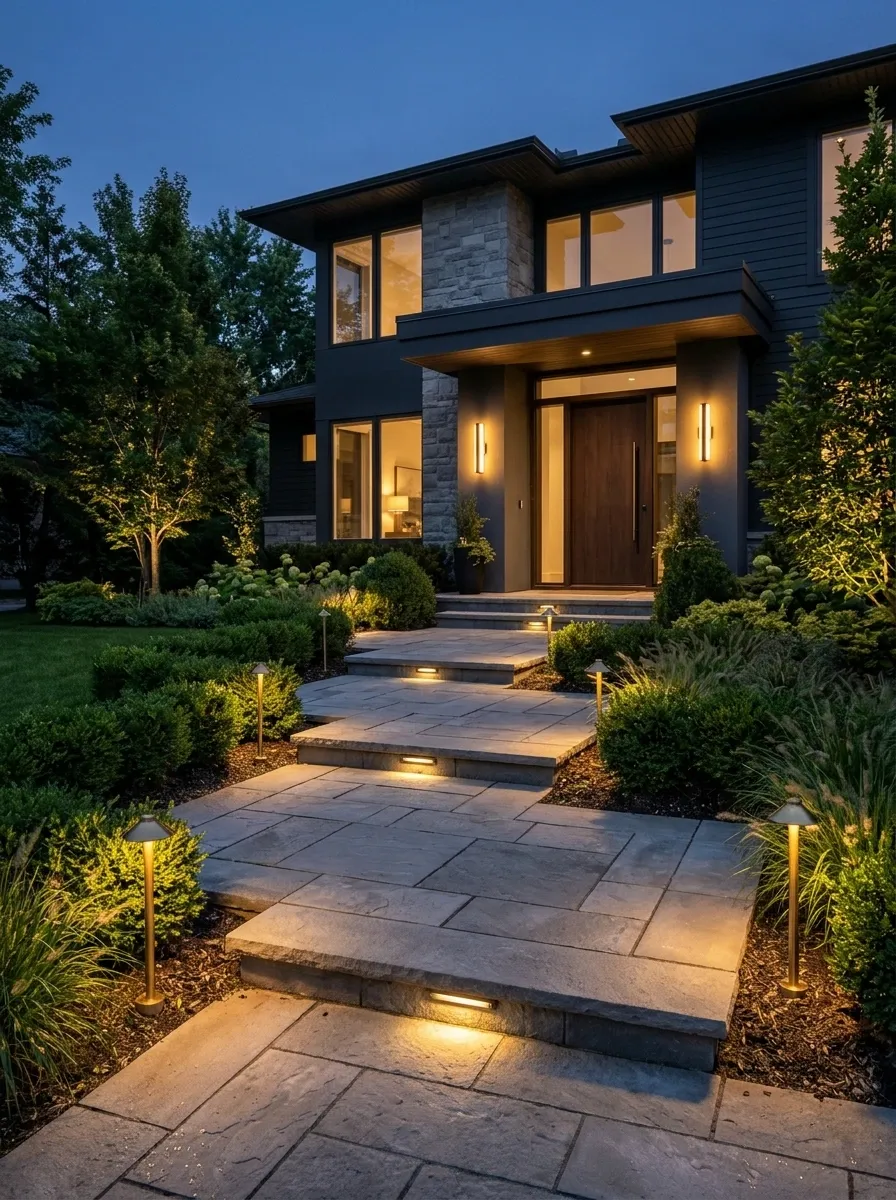
A clear path after dark feels more welcoming than scattered points of light with no obvious purpose.
Identify where people walk, turn, or change level. Choose suitable lighting that supports those routes and assess it in the actual conditions. Decorative solar lights vary in performance, so don’t rely on them alone where dependable visibility matters.
Keep fittings and cables out of foot traffic and follow installation requirements. Avoid sending unnecessary light toward neighboring windows. The best arrangement helps the approach feel calm and legible, with enough attention left for the house itself.
The entrance to the property is understandable.
Turns, edges, and changes in level are visible.
The doorway or seating area has useful light.
Put a Suitable Portable Lantern Beside the Seating
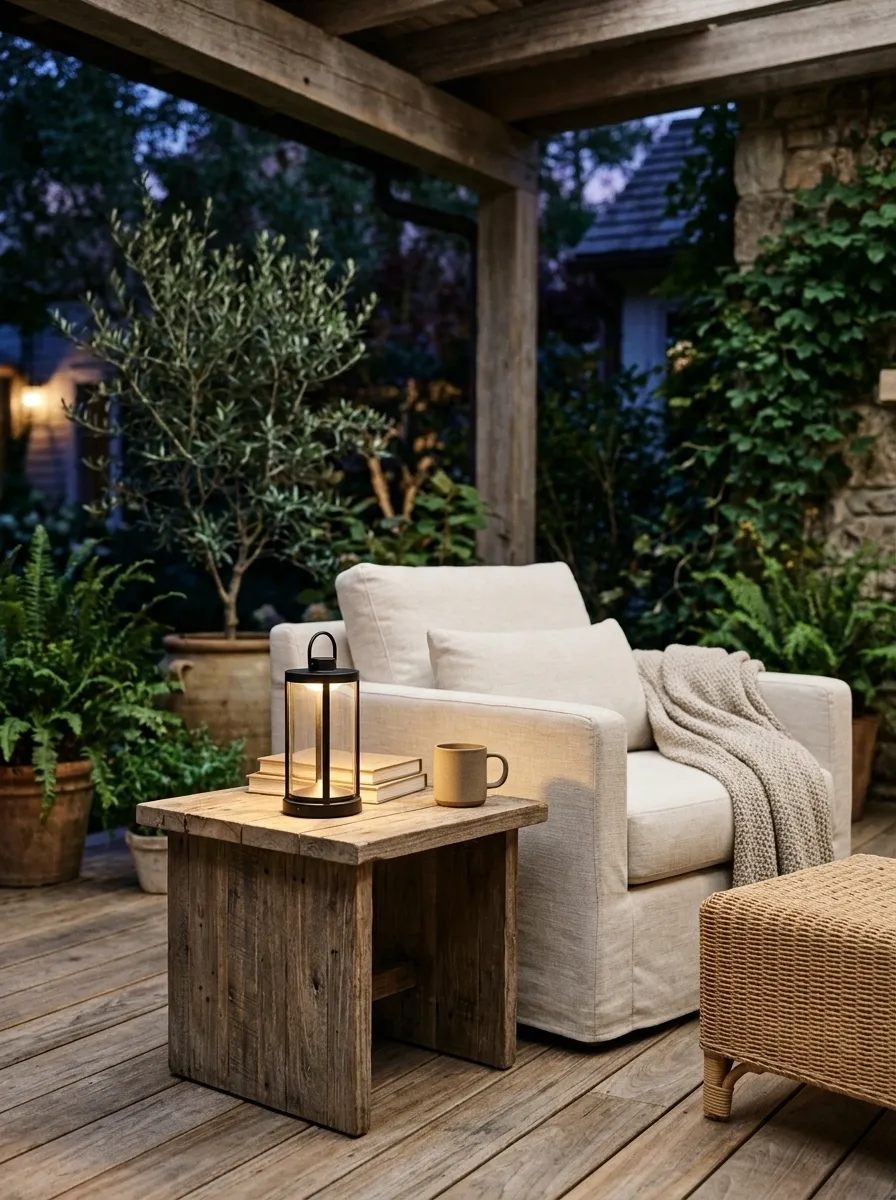
A small light close to the seating can make an outdoor corner feel more settled.
Choose a lantern or portable light intended for the conditions and use it according to its instructions. Put it on a stable surface where it won’t be knocked over or interfere with movement. Check the light from the seated position.
A rechargeable or battery option can be convenient when properly suited to the location. Keep charging and storage requirements in mind. One well-placed light can provide atmosphere without surrounding every chair with objects that need carrying indoors afterward.
Keep it comfortable to look past, stable in use, and clear of the place where hands naturally reach for drinks or belongings.
Frame the Doorway With Planting That Fits the Space
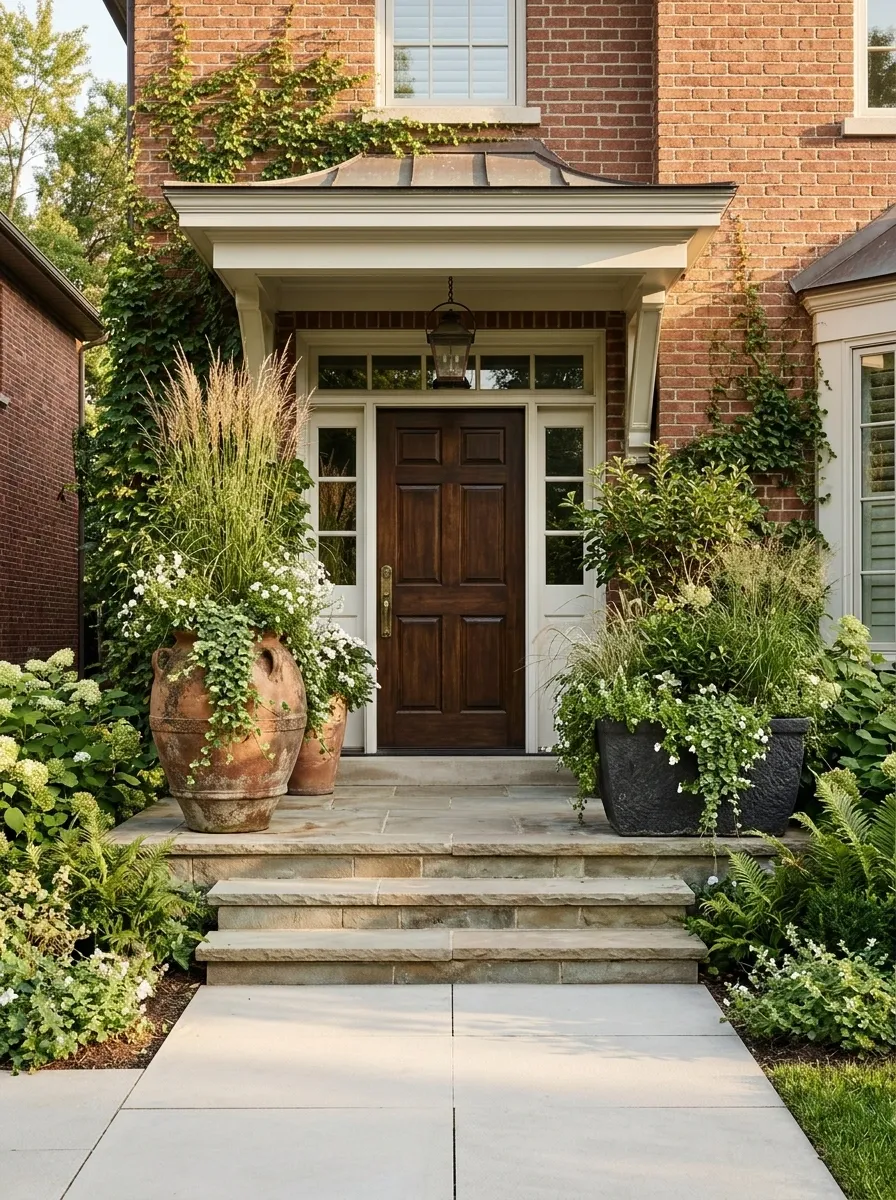
Planting can make the entrance feel connected to the garden.
Use containers or existing beds where they leave enough room for the door and approach. Choose plants suited to the light, exposure, climate, and care you can provide. The container also needs to suit its outdoor conditions.
The two sides don’t have to be identical. Balance the overall size and visual weight instead. Check the view from the street and from the doorstep. A generous plant in a suitable position feels more welcoming than a row of little pots narrowing the place where people need to stand.
Planting relates to the doorway without crowding it.
The location suits the plants and containers.
People can arrive, wait, and open the door comfortably.
Group Existing Pots Into a Few Clear Arrangements
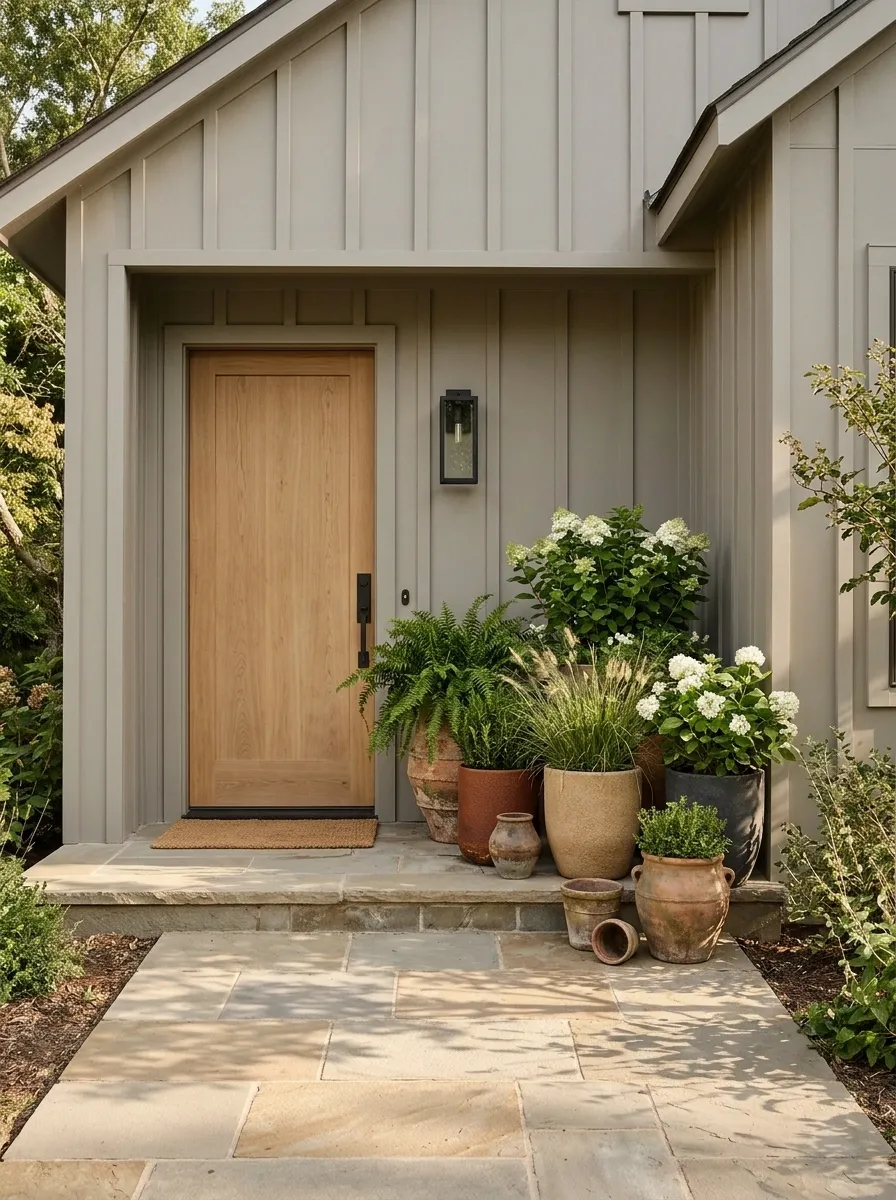
Pots scattered across every edge can make an exterior feel busy.
Bring suitable containers together where the plants’ needs allow, and keep the main walking route open. Relate the group through material, color, or shape. You don’t need a matching collection to make the arrangement feel deliberate.
Check stability, drainage, and access for watering. Keep vulnerable surfaces protected appropriately. Leave room around the group so it reads as one feature rather than an obstacle course. This is a useful way to make the exterior feel more considered without immediately buying more plants or containers.
Plants with different light and watering needs may not suit the same spot. Let the growing conditions set the limits of the display.
Soften a Hard Path With Suitable Border Planting

A path bordered only by bare wall and paving can feel abrupt.
Where space and conditions allow, use planting to create a gentler edge. Choose a mature size that won’t take over the walking route. Think about access for care and the way the planting relates to windows, doors, and the building.
Keep the path itself clear and address drainage or surface faults separately. The border should support a comfortable approach, rather than turn arriving home into brushing past wet leaves. Start with a manageable area and let its maintenance needs guide any expansion.
Leave a clear route when planting reaches its expected size.
Respect the building, openings, and access points.
Choose care requirements you can maintain.
Use Window Boxes to Connect the Windows to the Garden
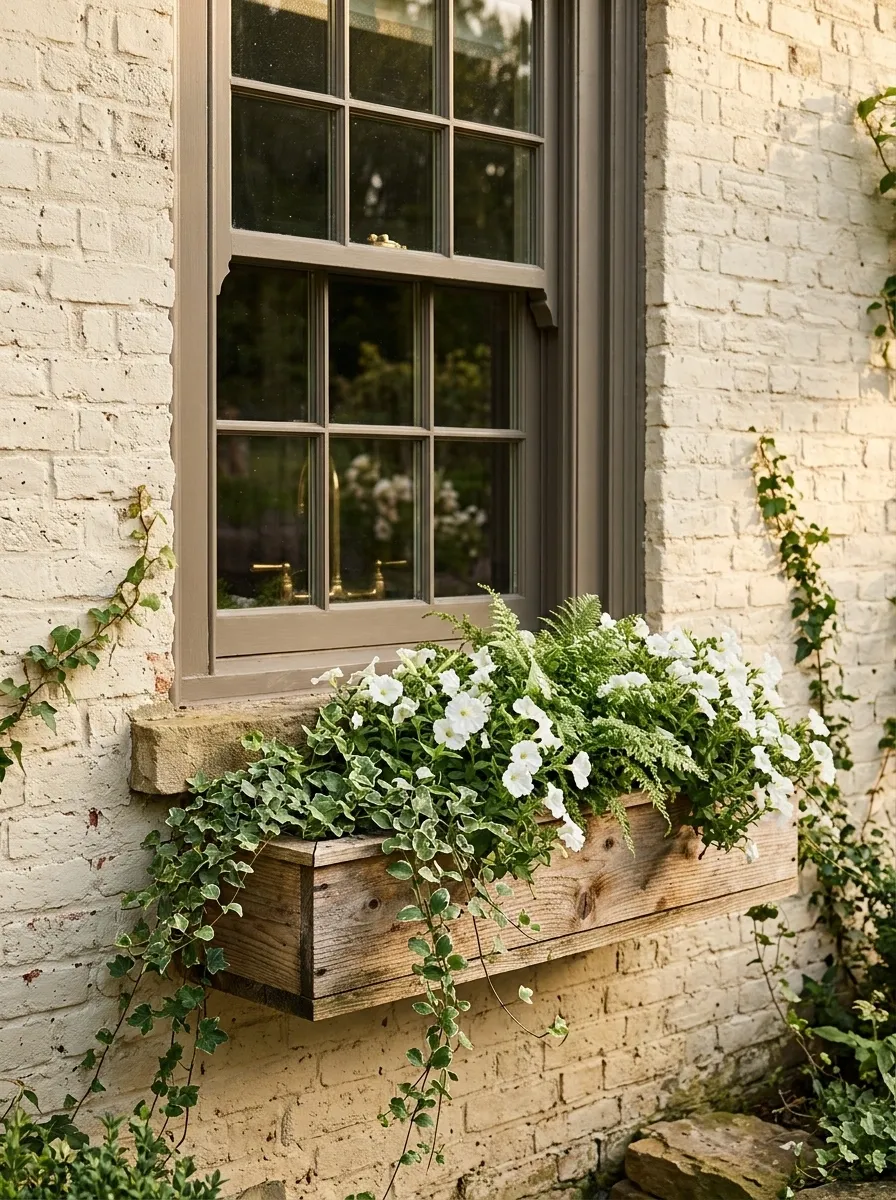
Window boxes can bring planting closer to the house’s architecture.
Check that the installation and supporting surface are suitable before choosing the arrangement. Use containers and plants suited to the location, with appropriate drainage and access for care. Keep the window’s normal operation in the plan.
Look at the display from inside too. It shouldn’t block useful daylight or become awkward to maintain. Repeat a material or color from the entrance planting if you want a visual connection. A simple relationship across the facade feels more relaxed than several unrelated miniature gardens.
| Outside | Inside |
|---|---|
| Secure installation and suitable planting. | Daylight and window access remain useful. |
| A clear shape related to the house. | The arrangement is manageable to care for. |
Choose a Door Decoration With a Clear Shape
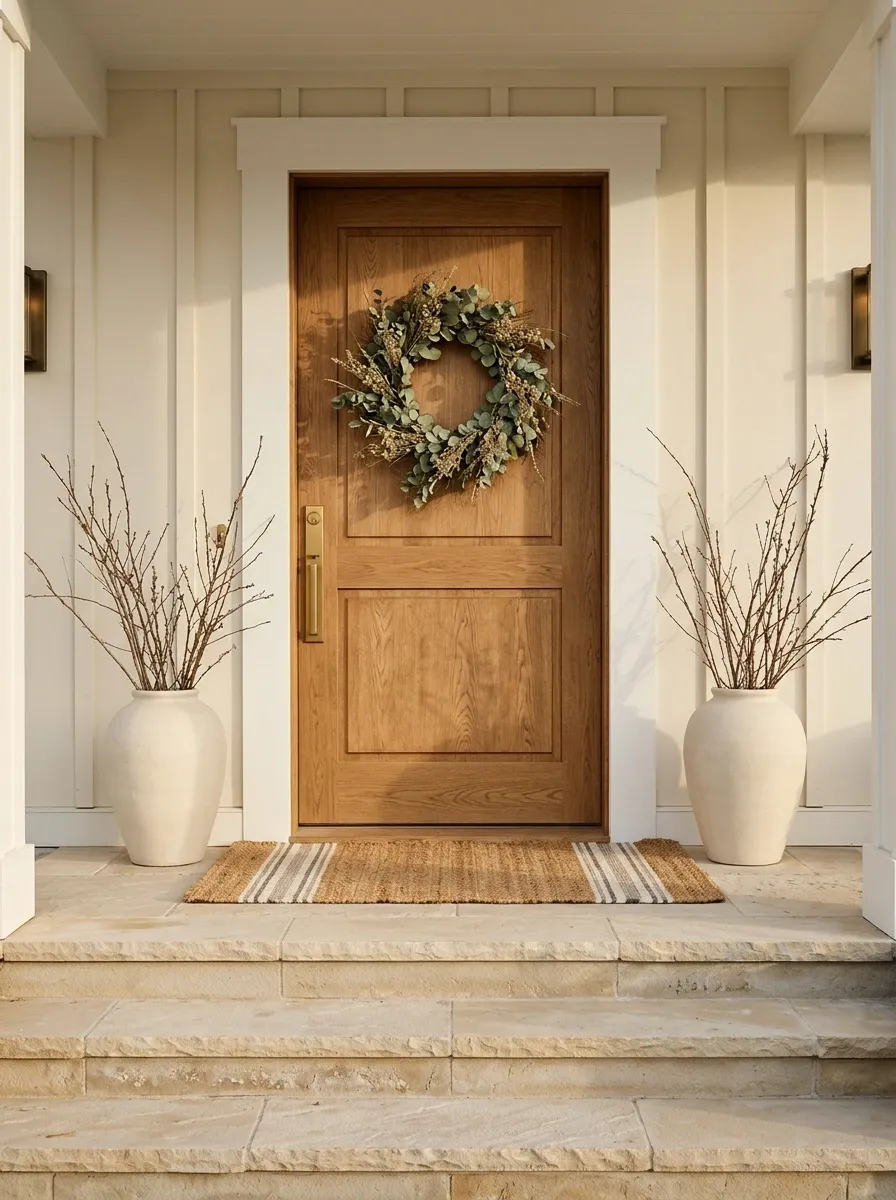
A wreath or other simple door decoration can give the entrance personality.
Choose material suited to the exposure and a size that relates to the door. Keep the hanging method compatible with the finish and normal operation. The handle, viewing point, and other useful fittings should remain accessible.
Look from the approach before adding more detail. The overall outline matters more than the tiny accessories visible only at arm’s length. If the door already has strong color or decorative glazing, a quieter addition may be enough. The entrance doesn’t need every feature speaking at once.
Check the shape from the path, then inspect the smaller details at the door. Remove anything that interferes with use.
Give the Doormat Enough Space to Work
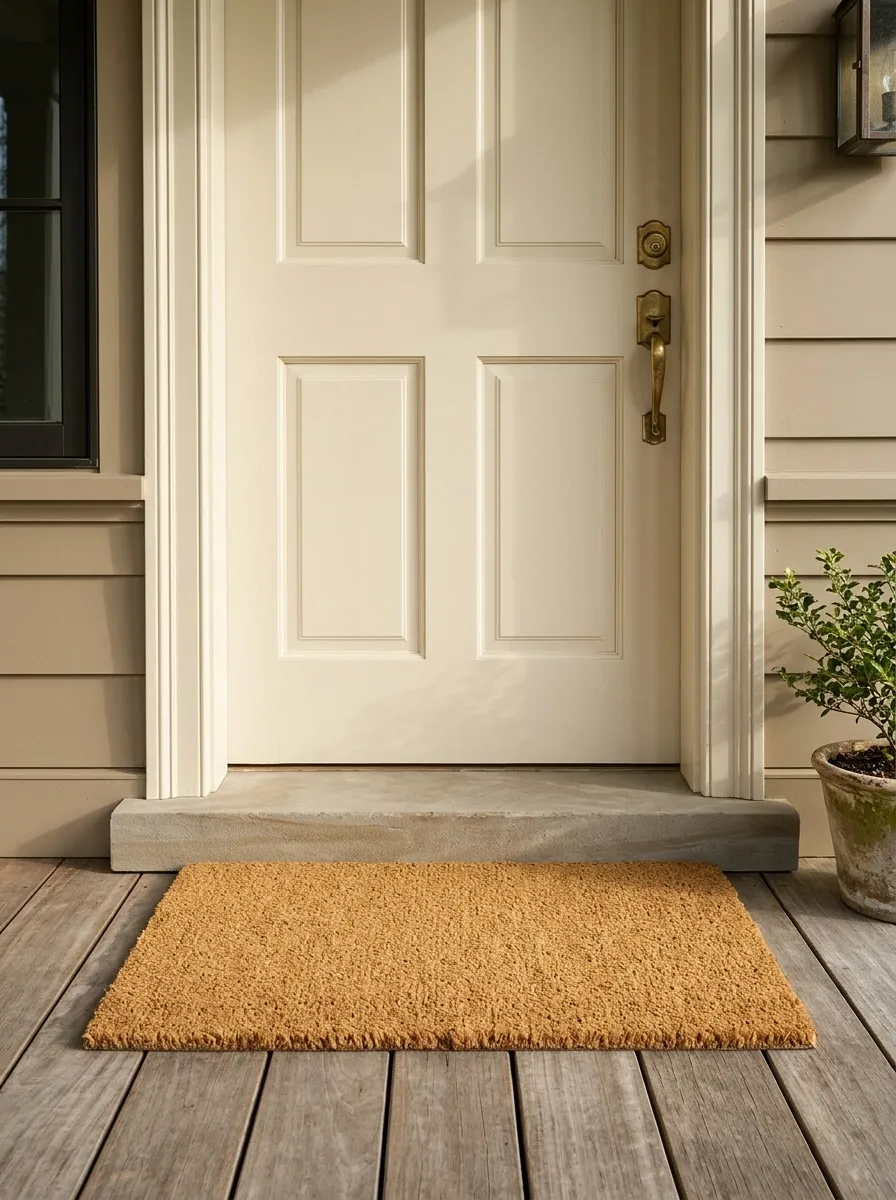
A tiny mat lost beneath a broad doorway can look like an afterthought.
Choose a suitable size and material for the entrance, keeping the door swing and surrounding surface in mind. It should sit securely and lie flat. Check the care requirements and replace a worn mat that no longer performs its job.
Keep the wording optional. A plain textured surface can provide all the welcome the area needs. Avoid piling decorative layers where they catch, stay wet, or make the threshold awkward. The entrance feels better when its practical objects are well chosen and easy to maintain.
- Check full movement and threshold clearance.
- Keep edges flat and placement secure.
- Choose for the exposure and surface.
- Make cleaning and drying manageable.
Put a Small Table Beside the Outdoor Seat
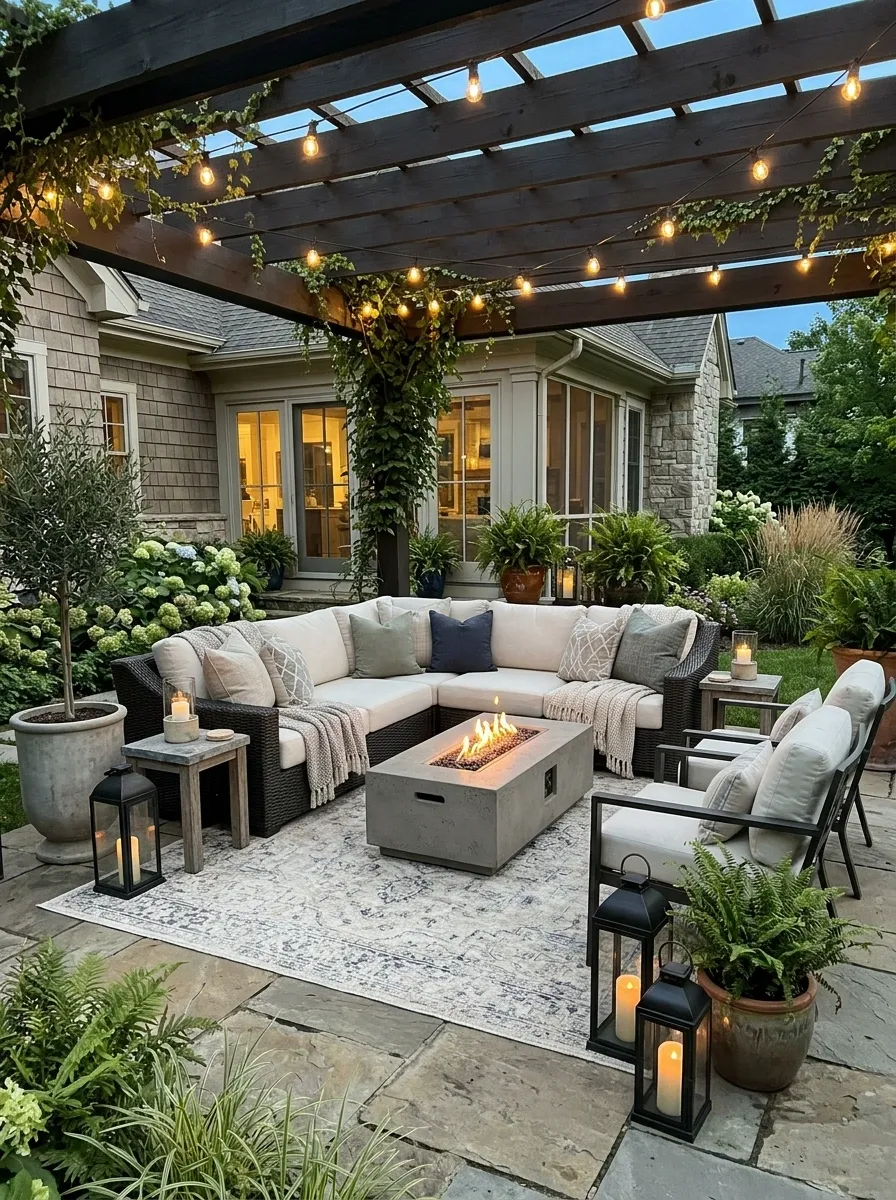
Holding a mug for an entire conversation is a weak seating plan.
Add a stable table within comfortable reach of the chair. Use a piece intended for the conditions and check its height from the seat. Keep the surface simple enough to hold the things people actually bring outside.
The table doesn’t need to match the chair. A related material or color is enough. Test the route around it and make sure standing up remains easy. This small addition can make a seating corner feel complete because it supports the ordinary activity you put the chair there for.
A drink can be placed down without a long lean.
The surface remains steady in ordinary use.
The chair and walking route still work comfortably.
Keep a Throw Ready for the Evenings You Use One
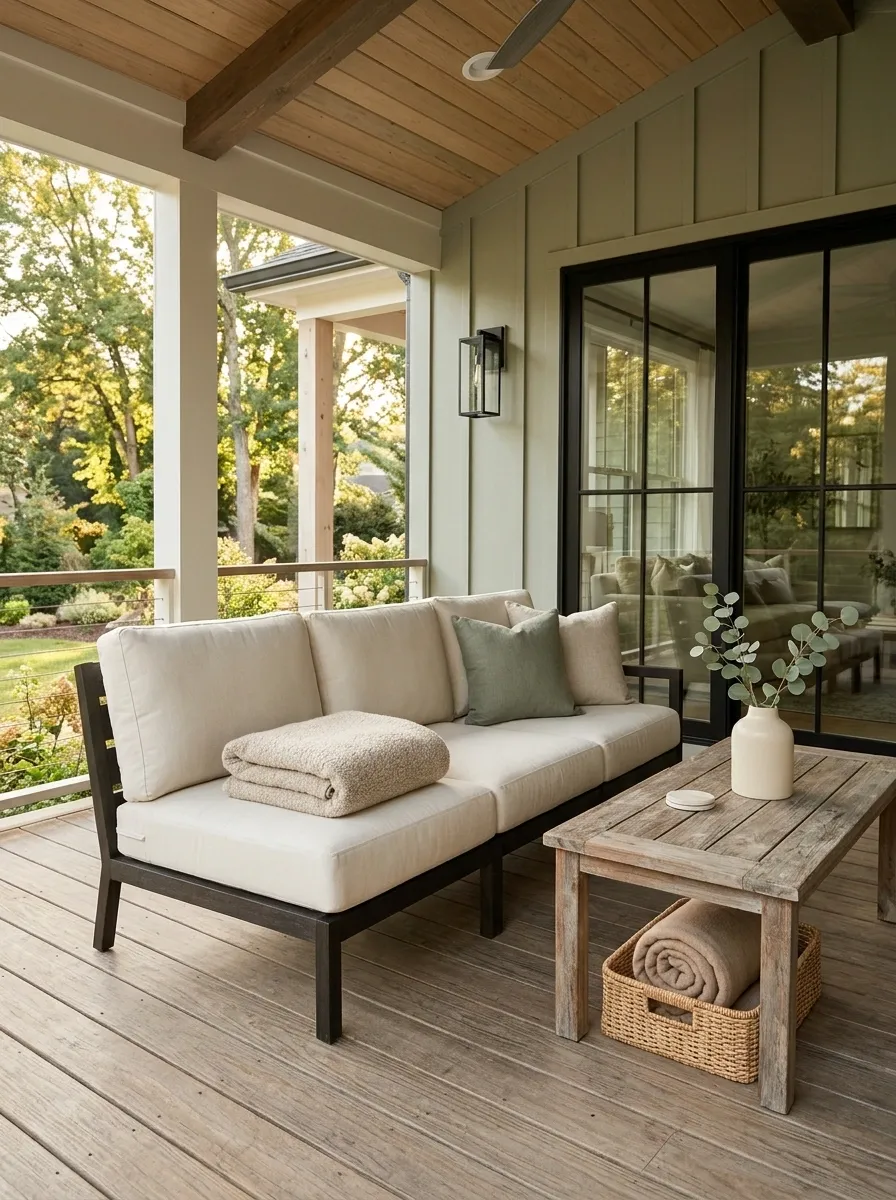
An outdoor blanket is useful when it’s comfortable, clean, and easy to retrieve.
Bring it out when the conditions suit and store it properly afterward. A covered porch doesn’t automatically keep fabric dry through every change in weather. Choose a care routine you’ll maintain without turning the seat into a laundry station.
Keep the blanket near the activity rather than styling it permanently over exposed furniture. If you rarely need one, skip the purchase. Cozy comes from supporting the way you use the space, including the option to put your feet up without protecting decorative fabric.
Choose a dry, convenient home for the blanket between uses. Keep it easy to reach from the route you take outside.
Add Privacy Where It Improves the Place You Sit
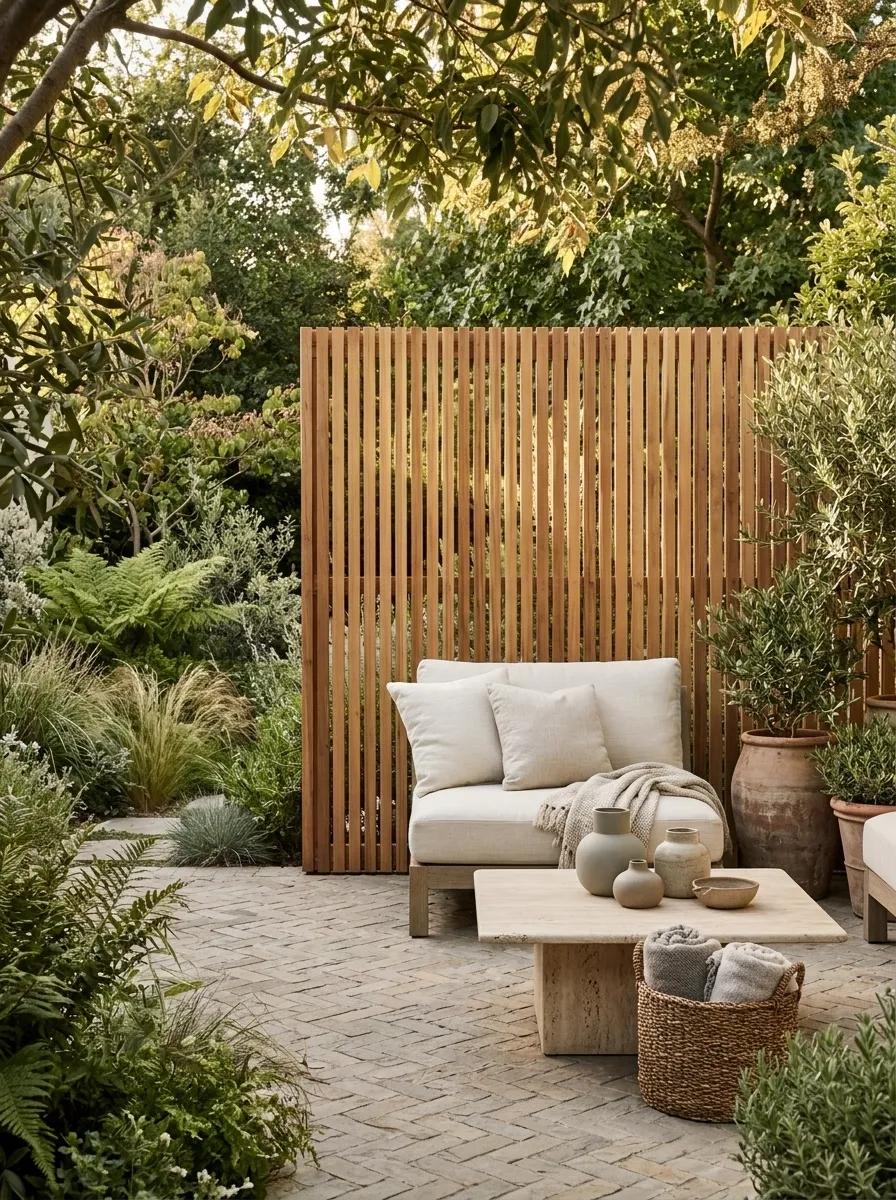
A seating area feels less comfortable when it’s directly exposed to every passing glance.
Assess the actual sightline before adding a screen or planting. You may need privacy beside the chair rather than across the whole boundary. Choose a solution suited to the location, expected wind, and any applicable permissions.
Keep access, daylight, and ventilation in mind. A stable, appropriately installed screen can give the seat a clearer edge, while suitable planting may offer a different character. Avoid blocking the entire garden to solve one narrow view. Start with the place where privacy changes daily use.
Identify where the uncomfortable exposure comes from.
Preserve the access, light, and outlook you enjoy.
Use a suitable, stable solution for the site.
Give the Fence a Calm Background Color
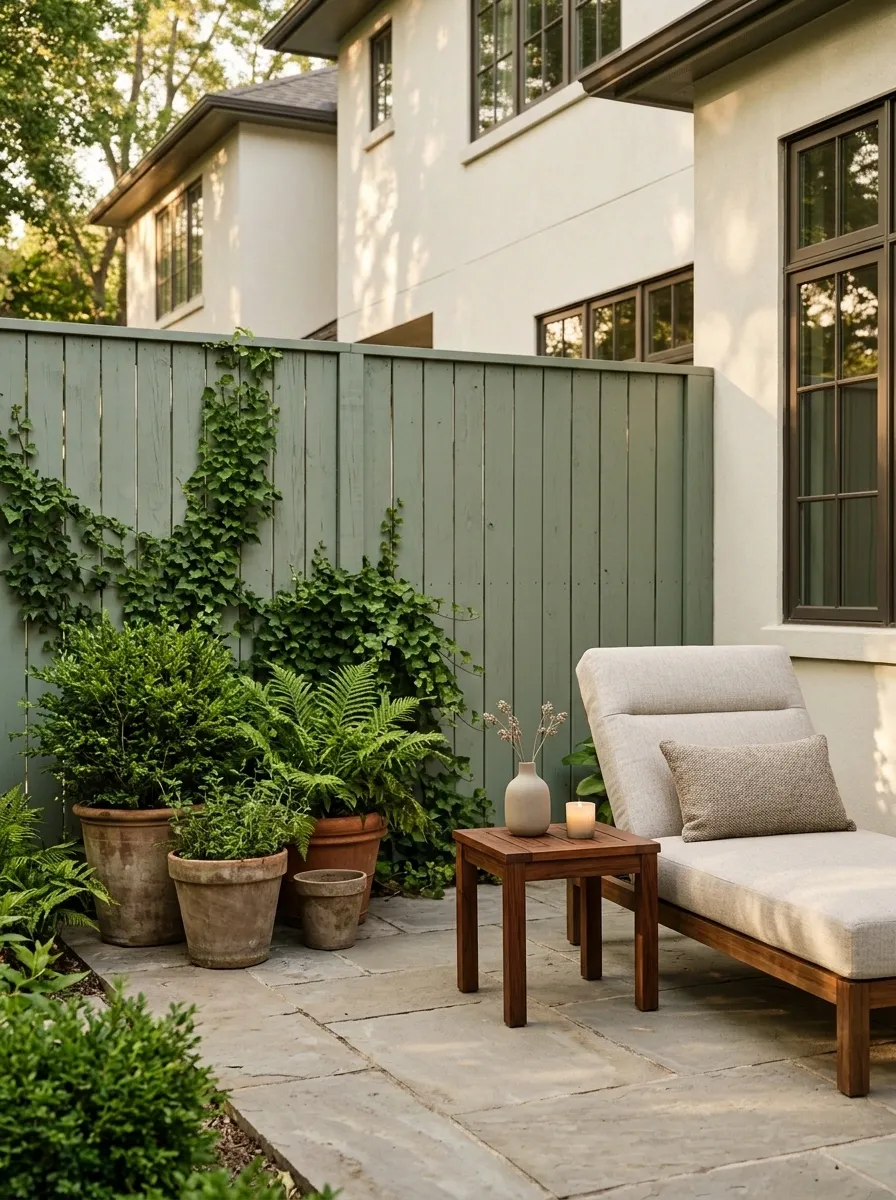
A fence can either support the planting or compete with every object in front of it.
If the structure is sound, consider a suitable finish that relates to the garden and house. Test the color outside and check how it sits beside foliage, paving, and furniture. The whole run matters more than an isolated sample.
Prepare and coat according to the material and product requirements. Don’t use paint to disguise decay. A consistent background can make the space feel more settled, particularly where several existing finishes already meet in a small patio or courtyard.
| Compare beside | Look for |
|---|---|
| Planting | A background that lets the foliage read clearly. |
| House and paving | A finish connected to the existing exterior. |
Make the Gate Feel Like Part of the Welcome
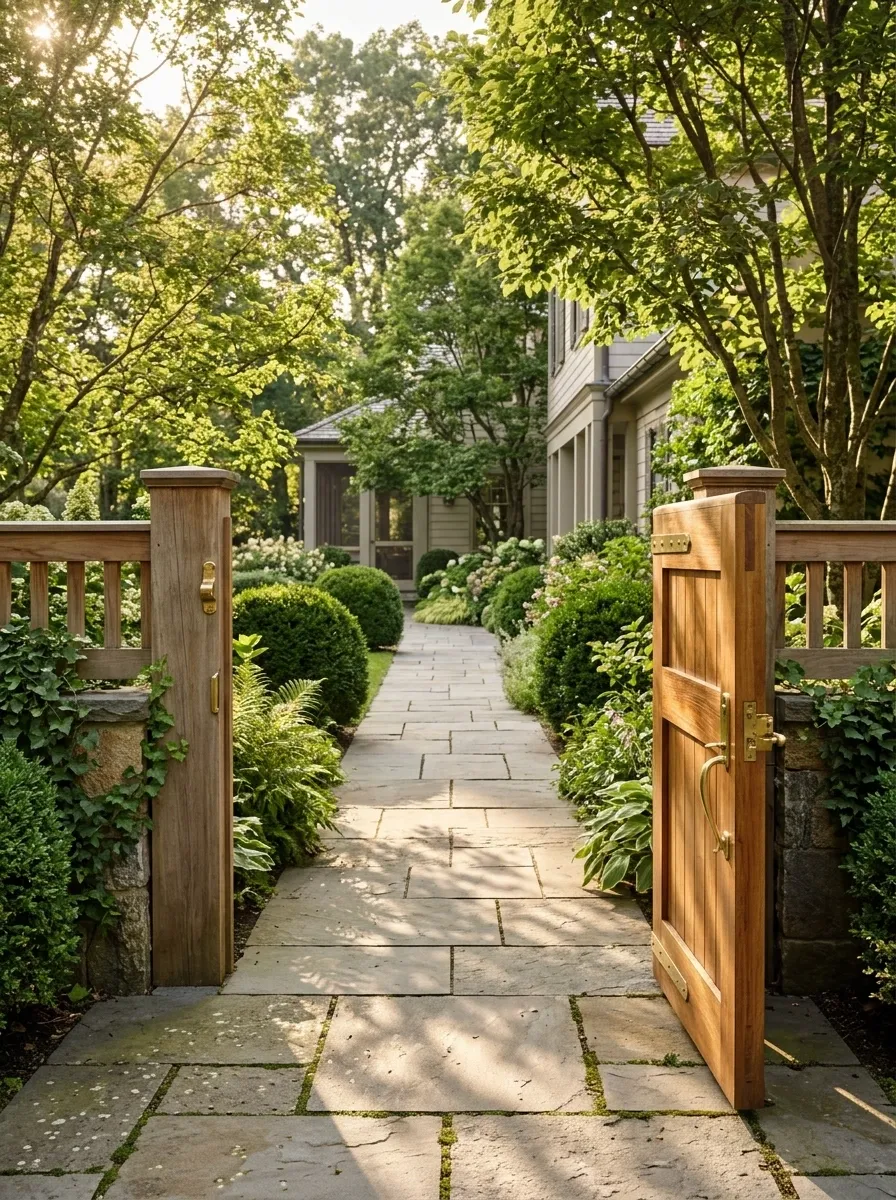
The gate starts the experience before the front door does.
Clean it, assess its finish, and check that it operates normally. Deal with damaged or unstable components appropriately. A suitable latch and clear opening make entering the property feel more straightforward.
Relate its appearance to the fence or entrance without forcing an exact match. Keep the path beyond visible and remove objects that make the opening awkward. A gate that moves easily and looks cared for contributes more than an extra decoration tied to one that scrapes the paving every time someone arrives.
The entrance is clear and easy to recognize.
The gate and latch operate normally.
The route continues without an immediate obstruction.
Set Up an Outdoor Dining Spot for Ordinary Meals
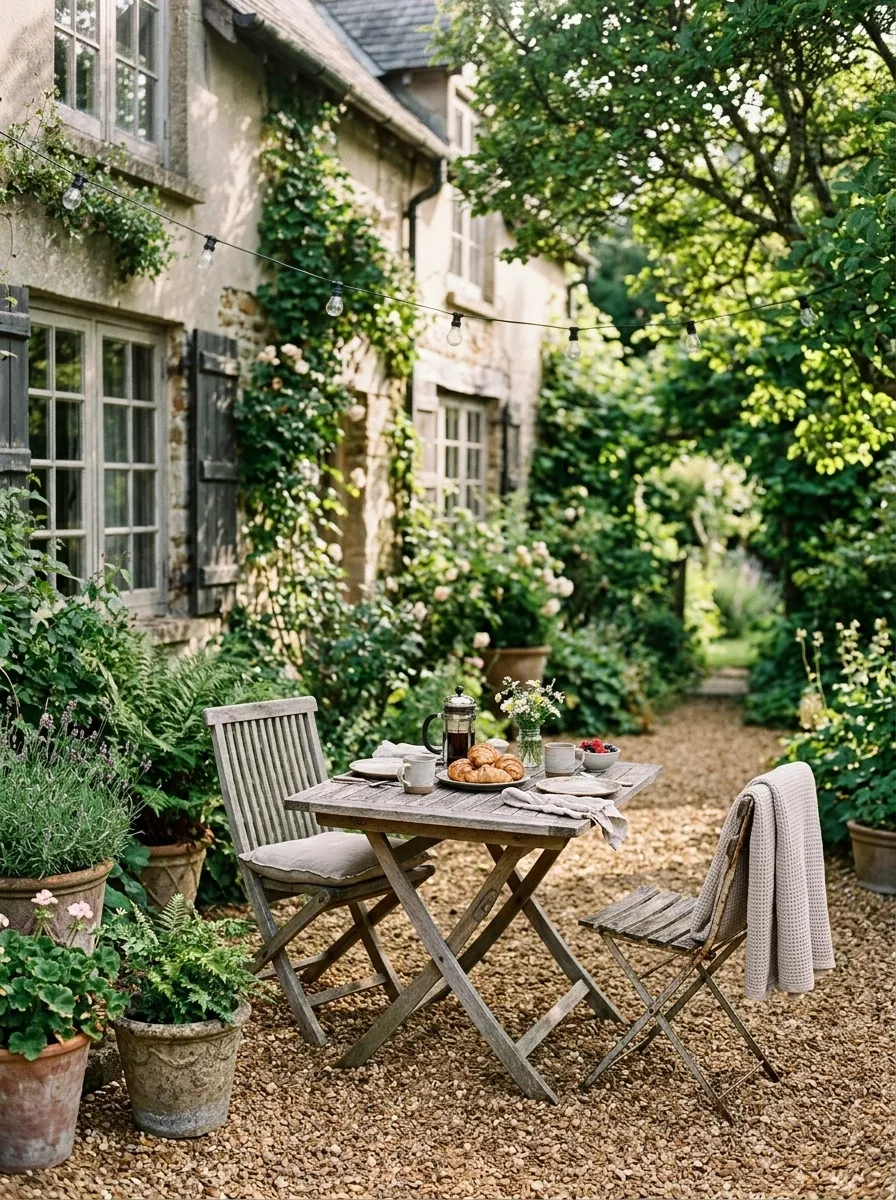
A small table used regularly can make the exterior feel more lived in.
Choose a position with comfortable access to the house and enough room for occupied chairs. Use suitable furniture and keep the tabletop manageable. You don’t need a large entertaining arrangement if you mostly eat breakfast outside alone.
Check the conditions during the time you plan to use it. Glare, wind, and awkward carrying routes can discourage the habit. Start with the meal you actually want to have, then arrange the space around that. The useful table is the one that sees a plate.
Check the route from the kitchen, space to sit and stand, and whether everyone can reach the table comfortably.
Give the Garden One Quiet Focal Point
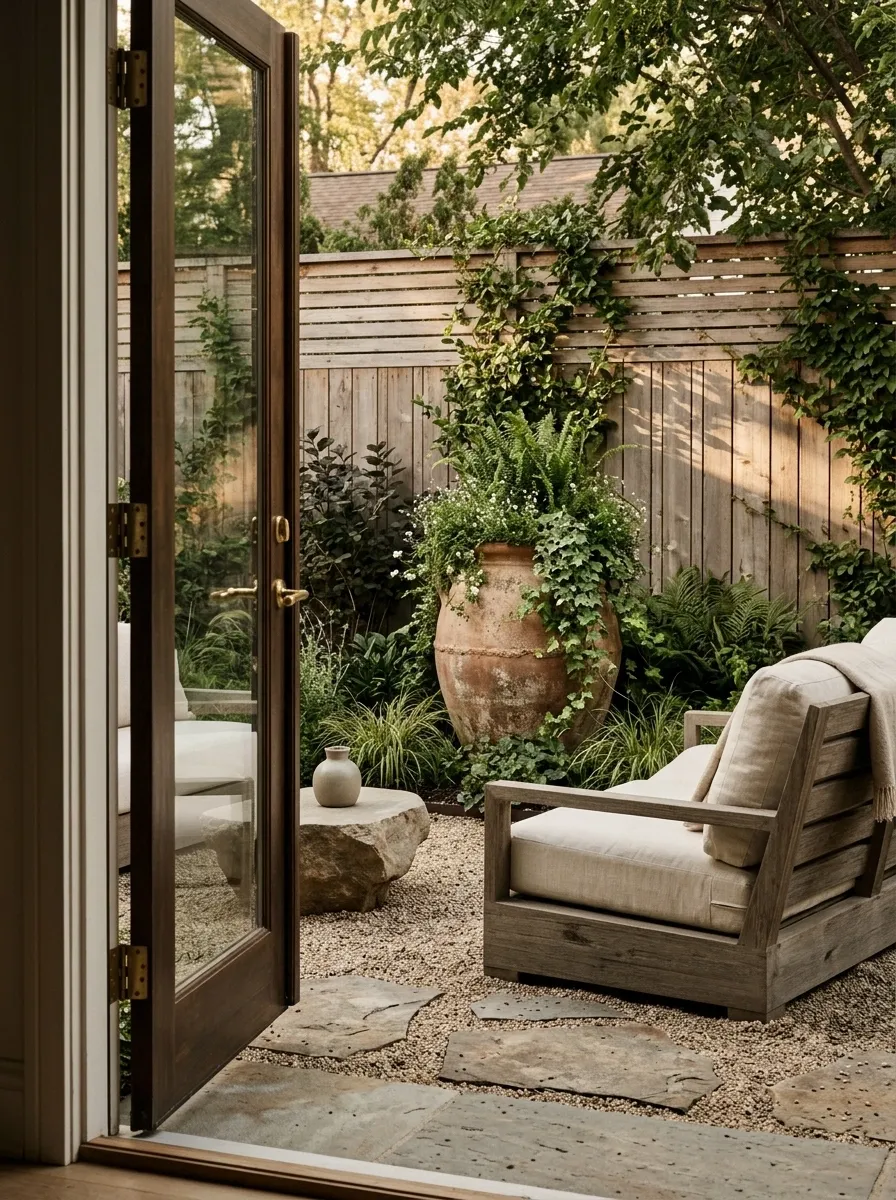
A small garden doesn’t need a feature in every corner.
Choose one thing worth looking toward: a strong container arrangement, a favorite plant, or an existing architectural detail. Position the seating so the view feels intentional, then reduce the competing clutter around it.
Keep the focal point suited to the site and manageable to maintain. Don’t buy a large object before testing its scale. Use an existing piece or a temporary outline to judge the position. A clear destination for the eye can make the whole exterior feel more composed, even when the surrounding garden is simple.
Check the main view through the door or window.
Make the outlook comfortable and worth lingering over.
Remove the filler that competes beside it.
Give Bins and Garden Equipment a Defined Home
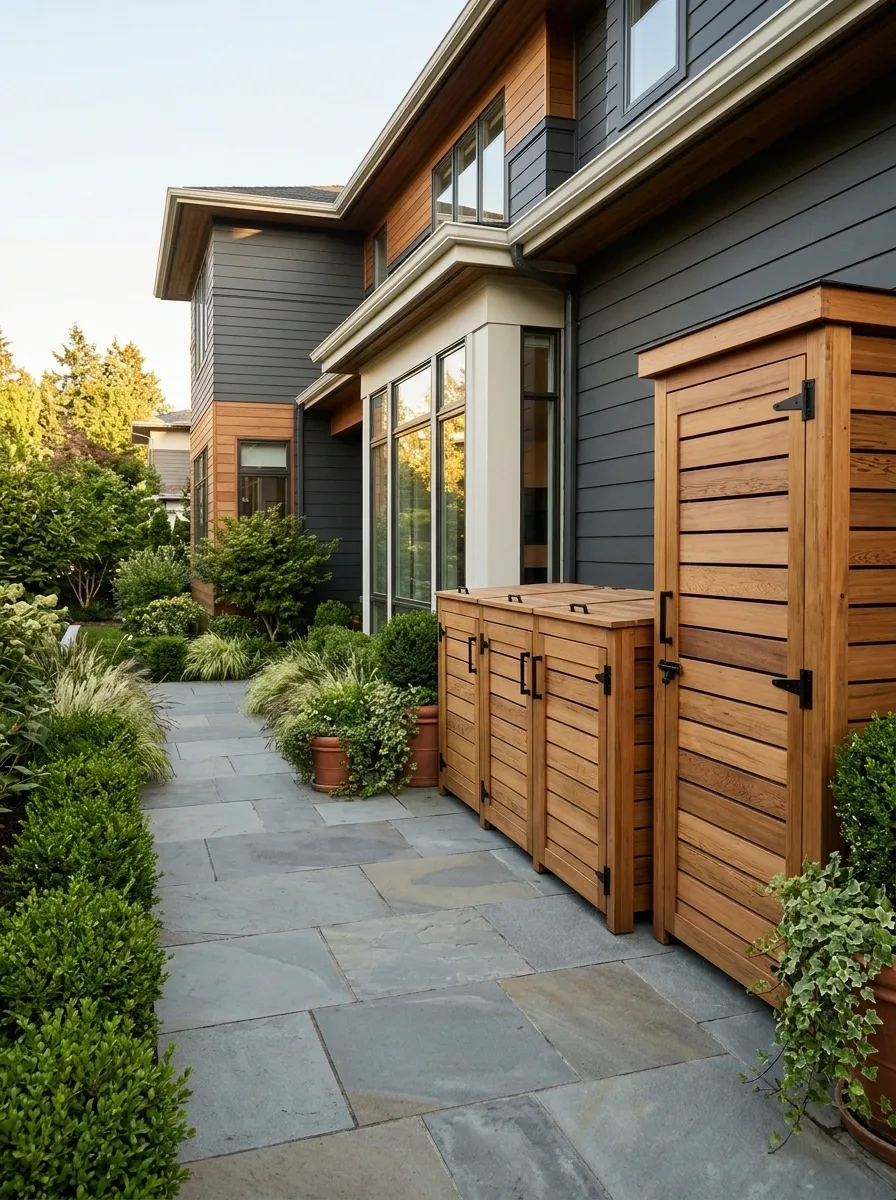
A welcoming exterior still has practical belongings. They just need a plan.
Move loose tools and unused containers into appropriate storage. Position bins where access and collection remain practical, and consider suitable screening only where it won’t interfere with use, ventilation, or movement.
Keep the arrangement easy to maintain. A beautiful enclosure that makes every collection day awkward won’t stay beautiful for long. Clear the view from the main seating and entrance where possible. The aim is to reduce distracting clutter while preserving the ordinary jobs the exterior needs to handle throughout the week.
- Bins can be moved and opened easily.
- Tools have appropriate storage.
- Access points remain clear.
- Screening doesn’t create a new daily obstacle.
Let the Evening Window View Support the Exterior
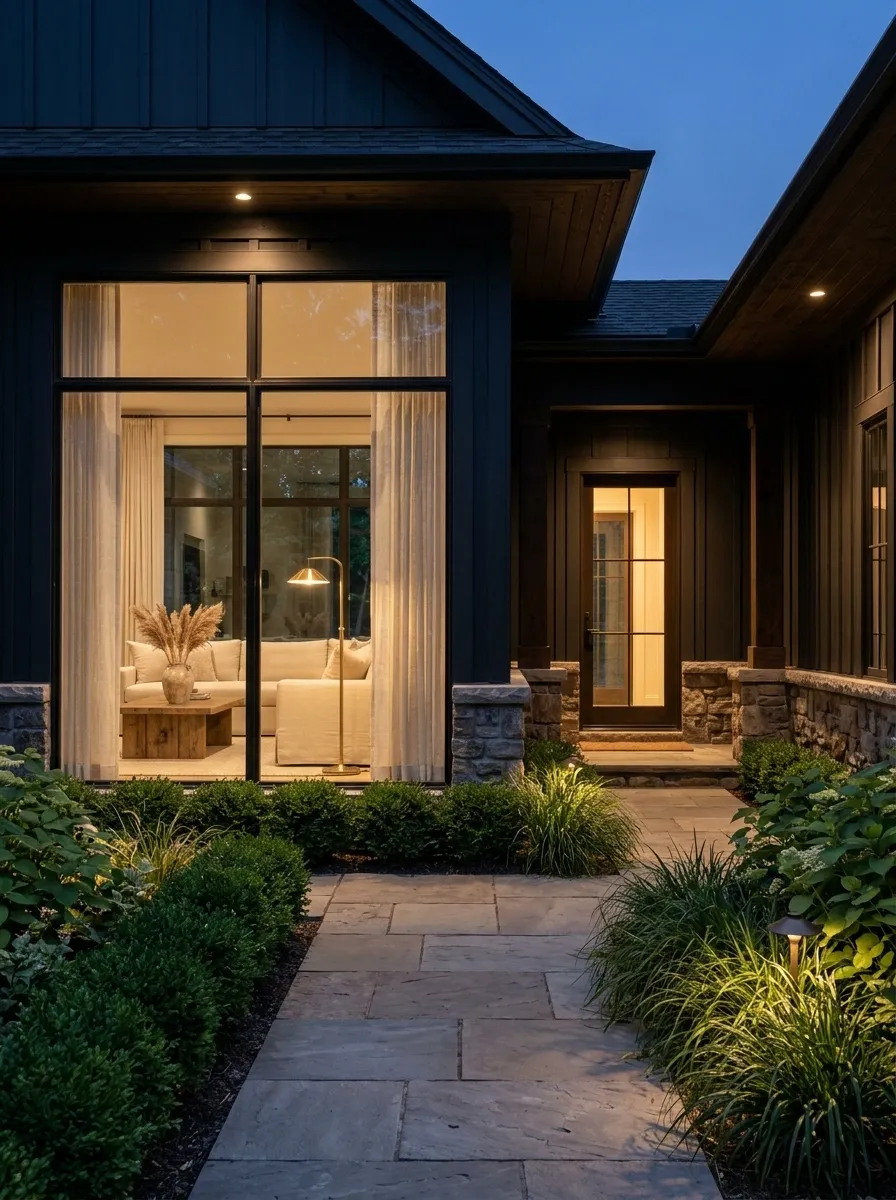
The view through a window can contribute to how the house feels after dark.
Check the entrance from outside and notice what the interior lighting reveals. A comfortable lamp and an uncluttered room may support the welcome more than another outdoor accessory. Keep the level of visibility appropriate to your privacy needs.
Use window treatments you can adjust easily. Don’t sacrifice privacy for a staged view from the path. The useful relationship is between a pleasant interior and an exterior that remains comfortable to approach, with each area doing its own job rather than competing for attention.
A calm view where you’re comfortable allowing one.
Useful visibility and an exterior arrangement you enjoy.
Dress an Existing Covered Porch With Suitable Curtains
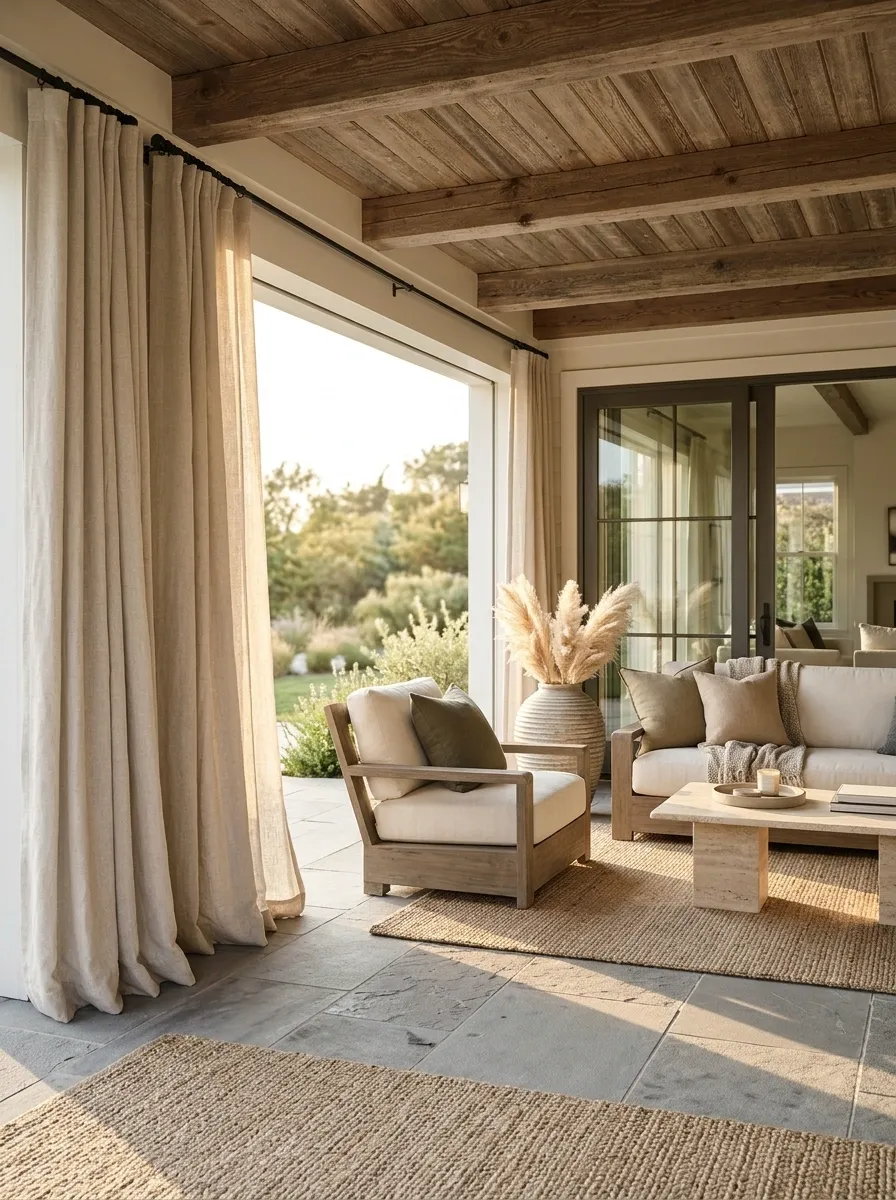
A covered porch can feel more like a defined outdoor room when its edges are considered.
If the structure and site suit it, use outdoor curtains on appropriately installed hardware. Check wind exposure, movement, drying, and nearby openings before committing. Keep fabric clear of heat sources and walking routes.
Choose panels for the job they need to do, such as softening the view or offering adjustable visual privacy. Plan how they’ll be secured or stored when conditions require it. Loose fabric flapping across the chair is less romantic once you’re the person trying to drink behind it.
Check where gathered fabric sits, how it’s secured, and whether doors and walkways remain clear when the curtains aren’t in use.
Edit Seasonal Decorations Around the Way You Use the Space
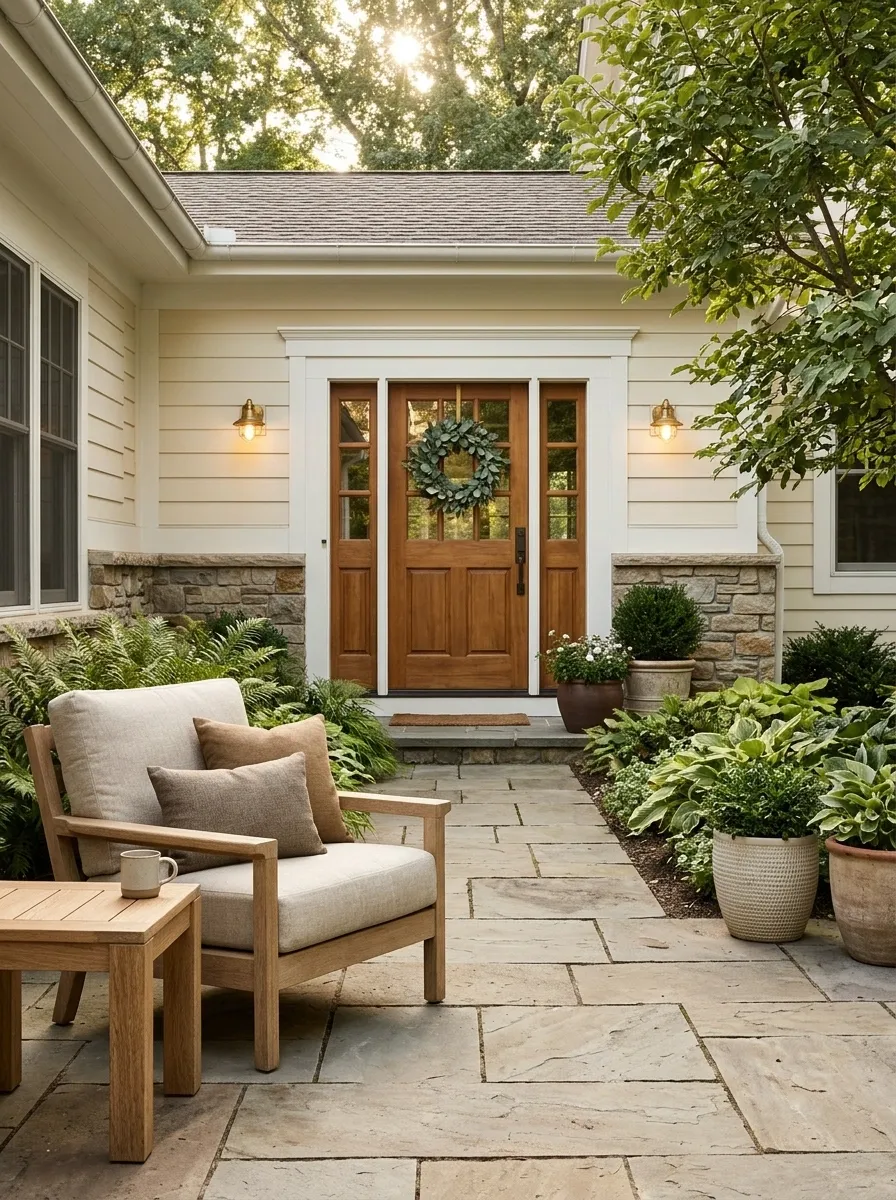
Seasonal updates work better when the permanent arrangement already feels good.
Change a wreath, refresh suitable planting, or swap a cushion cover without filling every available corner. Keep the chair, table, path, and door easy to use. The exterior should remain comfortable between the moments when you’re taking photographs.
Store reusable pieces properly and remove deteriorating material promptly. Let the season influence a few details rather than dictate a complete replacement of the space. A welcoming exterior has continuity: it still feels like your house when the decorations change.
Sound furniture, useful light, and a clear approach.
A few details suited to the season and conditions.
Anything that deteriorates, blocks use, or adds unnecessary work.
Give Yourself a Reason to Stay Outside
Take a drink outside and sit in the place you’ve arranged. Check whether you can reach the table, enjoy the view, and get comfortable without moving the display. If something irritates you, fix that before adding another accessory.
Knowing how to make the exterior of your house cozy comes down to a series of useful choices: a welcoming approach, a seat that earns its space, suitable materials, and light where it helps. Let the personal details finish that arrangement.
Save this list on Pinterest for your next exterior update. Start with the corner you’d most like to use tomorrow.
Select modelGPT-6.1 SolMediumNoneMinimalLightMediumHighExtra HighMaxUltraPersistent