
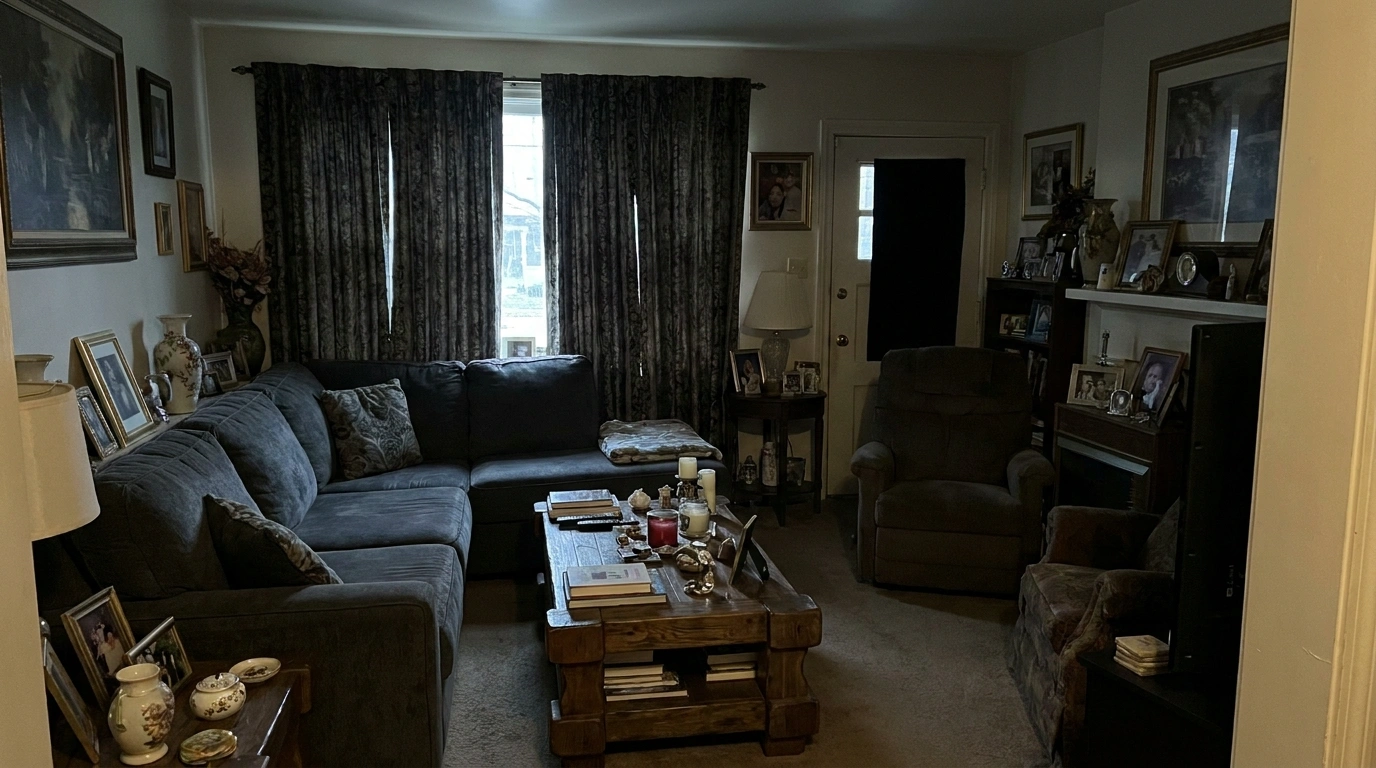
You can buy a small sofa, paint everything white, and still end up with a room that feels crowded. Size matters, but the way furniture, fabric, and light interrupt each other matters just as much. A narrow gap beside a chair can make the whole arrangement feel difficult, even when the other end of the room is practically empty.
That’s why home decor mistakes that make rooms feel smaller aren’t always obvious shopping errors. They’re often everyday decisions: curtains parked across the glass, a rug floating under the table, or storage that puts every possession on display. Each one asks your eyes or your body to work a little harder.
You don’t need to turn your home into an empty white box. You need clearer routes, better proportions, and fewer interruptions in the places you look most. Keep the color, books, and furniture you enjoy. Use the ideas below to work out which details are crowding them, then change the arrangement before blaming the square footage.
Why a Room Can Feel Crowded Without Being Full
Your Eyes Need a Clear Route Too
A room has physical routes and visual routes. You walk through one and look along the other. A high-backed chair across a doorway view can interrupt the room even if there’s enough space to squeeze past it. A clear floor route can still look cluttered when the surfaces above it are packed.
Stand at the entrance and look toward the window or main seating area. Notice where the view stops. That interruption is worth examining before you decide the room needs less furniture overall.
Furniture Depth Often Matters More Than Width
A wide cabinet with shallow depth can leave more usable floor than a smaller-looking piece that projects into the room. The same applies to sofas, desks, and armchairs. Product photos rarely show how much space the whole piece claims once drawers open and someone sits down.
Measure the full footprint, then include the space needed to use it. A room feels generous when ordinary actions are easy. Being able to open the cupboard without moving a chair beats owning a cupboard described as compact.
A Small Room Still Needs Some Visual Weight
Removing every substantial object doesn’t automatically create a better room. It can leave you with lots of little pieces that feel scattered and demand constant attention. A properly sized rug or one clear piece of art can make the arrangement easier to understand.
Look for balance between useful anchor pieces and breathing room. The aim is to make the room readable, with a clear purpose and workable furniture. These mistakes show where that balance usually slips, and what to change without stripping away the room’s personality.
Home Decor Mistakes That Make Rooms Feel Smaller, and What to Change
Choosing a Sofa by Seat Count Instead of Depth
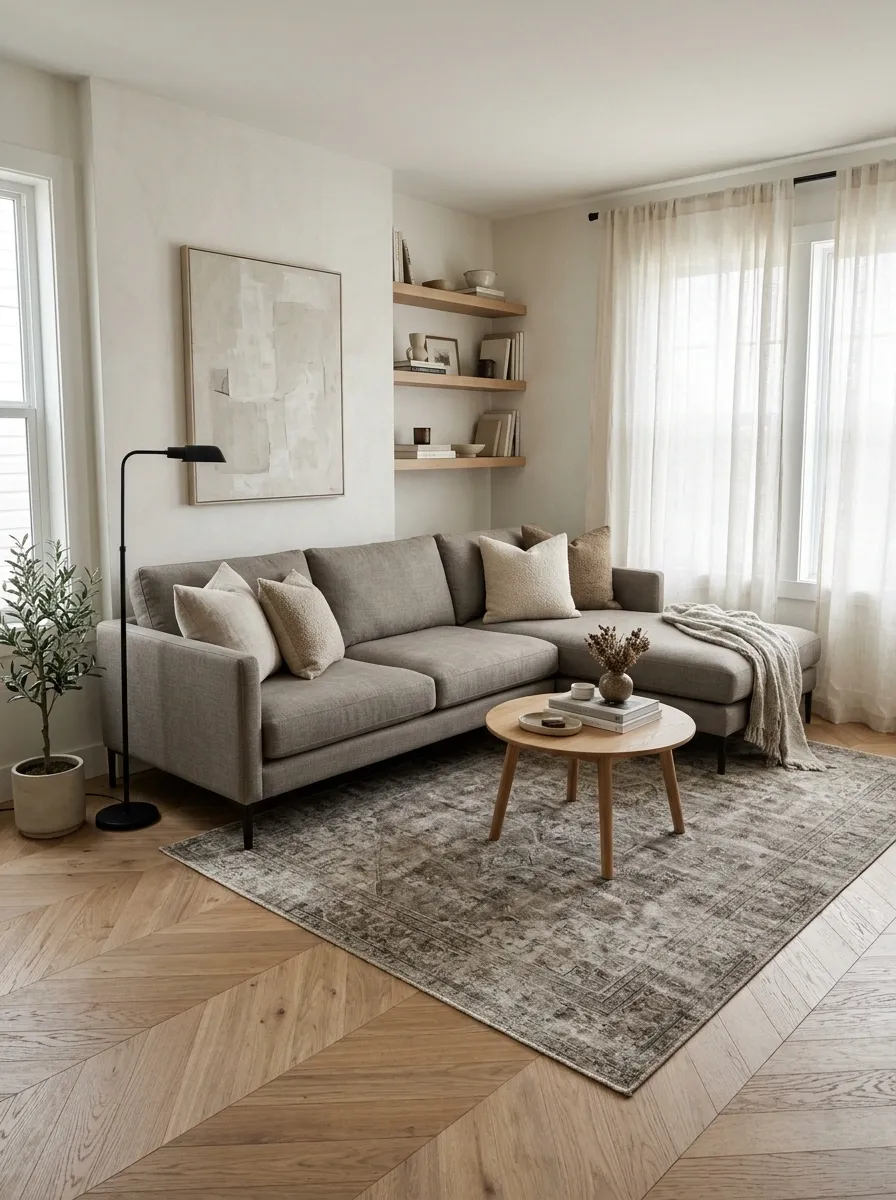
A sofa can seat the right number of people and still swallow the room.
Check its full depth, including the back, and look at the thickness of the arms. Generous arms use space without giving anyone somewhere to sit. Compare the footprint with the route left in front of it.
Before buying, mark the outline on the floor and place a chair at the proposed front edge. Walk past carrying a bag. That test tells you more than the word “compact” in a product name.
Read the footprint before the fabric
Include arms, back cushions, and projecting feet.
Allow for feet, nearby tables, and the route through the room.
Letting a Tiny Rug Float Beneath the Coffee Table
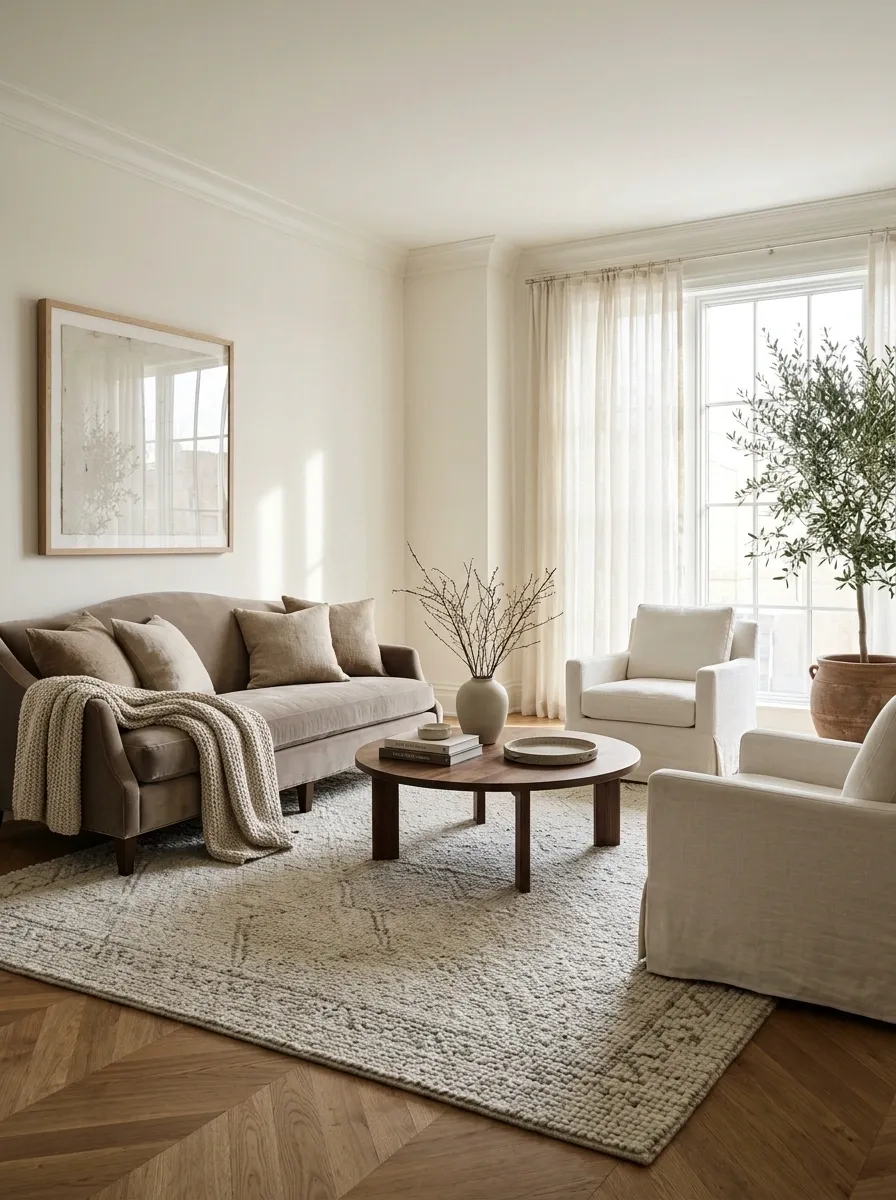
A little rug surrounded by bare floor can make the furniture look disconnected. Move it toward the seating and test whether the main pieces can relate to it comfortably. The rug should help the group read as one arrangement rather than sit alone beneath the table like a forgotten placemat.
If the rug can’t serve that purpose, move it to a smaller area. Measure the seating group before choosing another. Don’t judge size by the patch of floor visible between the sofa and television.
- Edges: Look for curled corners and unstable placement.
- Doors: Keep full opening movement clear.
- Floor: Choose an appropriate rug pad for the surface.
Pushing Every Seat Against a Different Wall
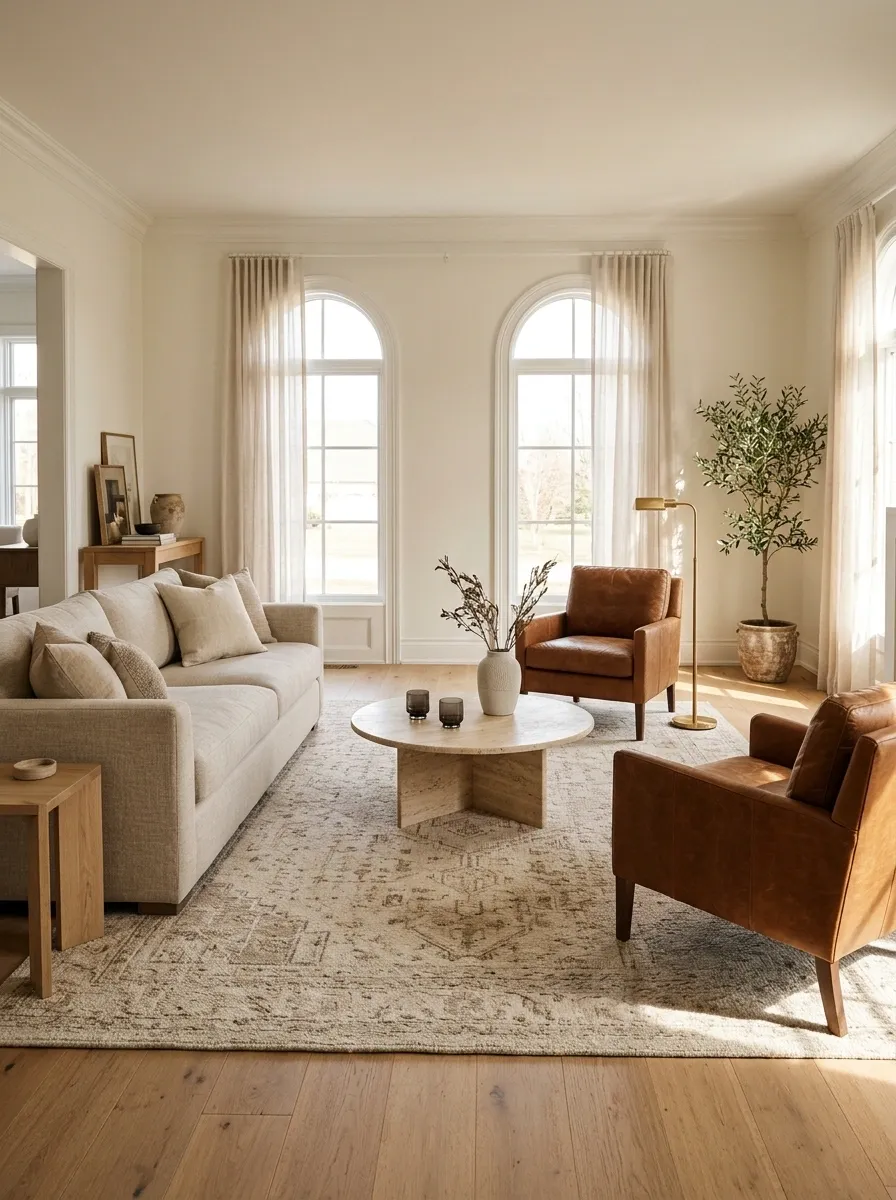
A big empty middle doesn’t guarantee an open-looking room.
When every seat faces inward from a distant wall, the furniture can feel scattered. Bring the pieces used together into a more connected group, while keeping the routes people need. Sometimes that means moving a chair more than the sofa.
Test the arrangement with people sitting down. Can they talk comfortably and reach a drink surface? In a narrow room, a sofa against the wall may be the right choice. The mistake is treating that position as a rule for every piece.
Orient the seats people use together toward each other.
Leave a clear way into and out of the seating group.
Leaving Curtain Panels Parked Across the Glass
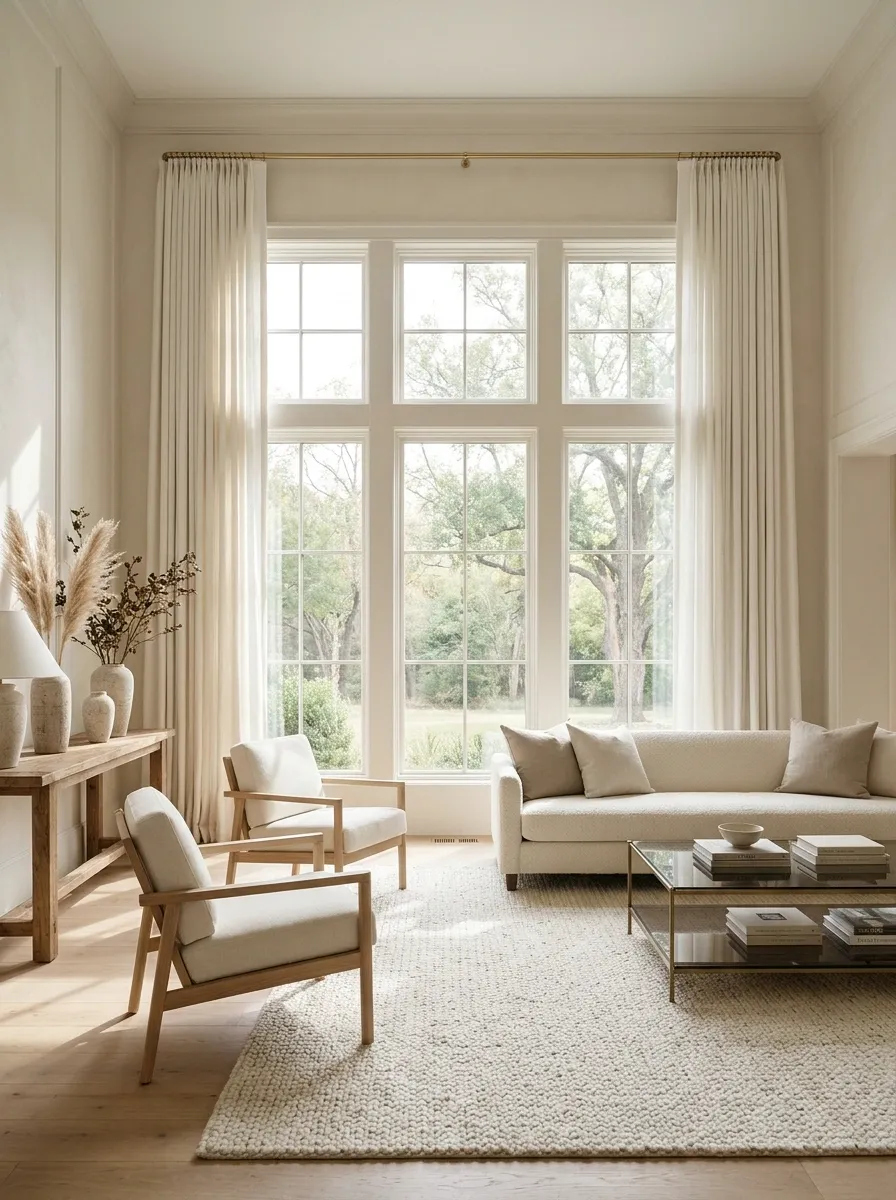
Your window may be larger than the amount of it you actually see.
Pull the curtains fully open and check where the gathered fabric sits. If most of it remains over the glass, the opening reads narrower and daylight has less room to enter. Check whether the existing pole and wall space allow a better arrangement. Keep handles and ventilation accessible. When changing the pole, measure the side space and the fabric’s gathered width together.
A longer pole only helps when the panels can use it properly.
Useful check: Gather the panel by hand and see how much wall space it needs beside the window. Account for nearby corners and furniture before changing the pole.
Hanging Short Curtains Low on a Tall Wall
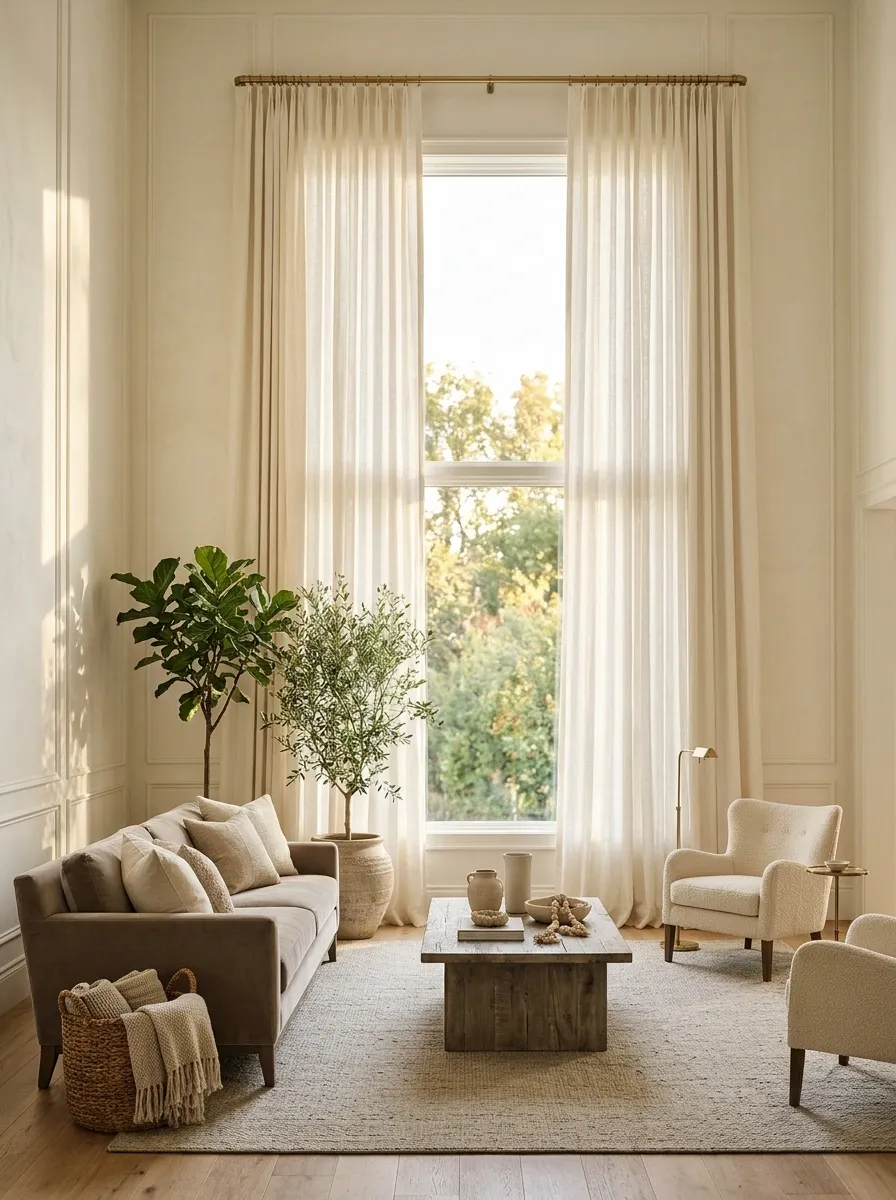
A low pole and a hovering hem draw a small rectangle around the window.
Plan the hanging height and finished length together so the fabric relates to the wall, rather than looking stranded in the middle of it. Use what suits the architecture and the way the window works.
Don’t raise the pole without checking the new drop. That simply relocates the short-curtain problem. Keep hems appropriate for radiators, floor cleaning, and daily movement. A neatly fitted blind is better than long fabric forced into a position where it can’t function.
Choose the finish by the setting
Making the Ceiling Light Do Every Lighting Job
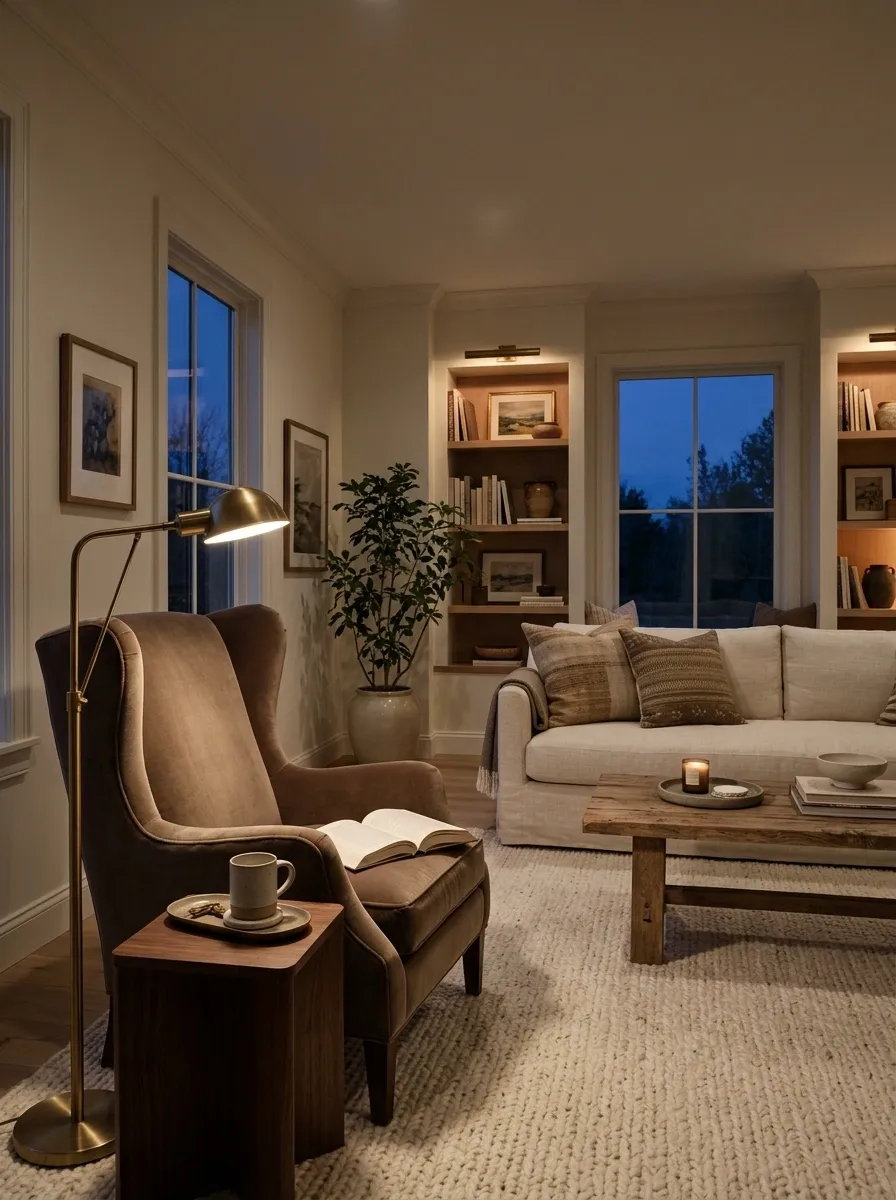
One bright overhead light can leave the edges of a room feeling neglected. Use suitable lamps where you read, sit, or work, and look at the room after dark. Light around the activities makes those areas usable and helps you see more of the room at once.
Start by moving existing lamps before buying more. Check glare from a seated position and keep leads away from walking routes. Consistent bulb color helps the different light sources feel related. The goal is comfortable coverage, rather than a ceiling fitting working overtime.
- Reading seat: Can light reach the page without the bulb glaring at you?
- Room edges: Can you see the surrounding furniture comfortably?
- Switches: Can you turn the lamps on without crawling behind things?
Hanging a Heavy Pendant Where It Cuts the View
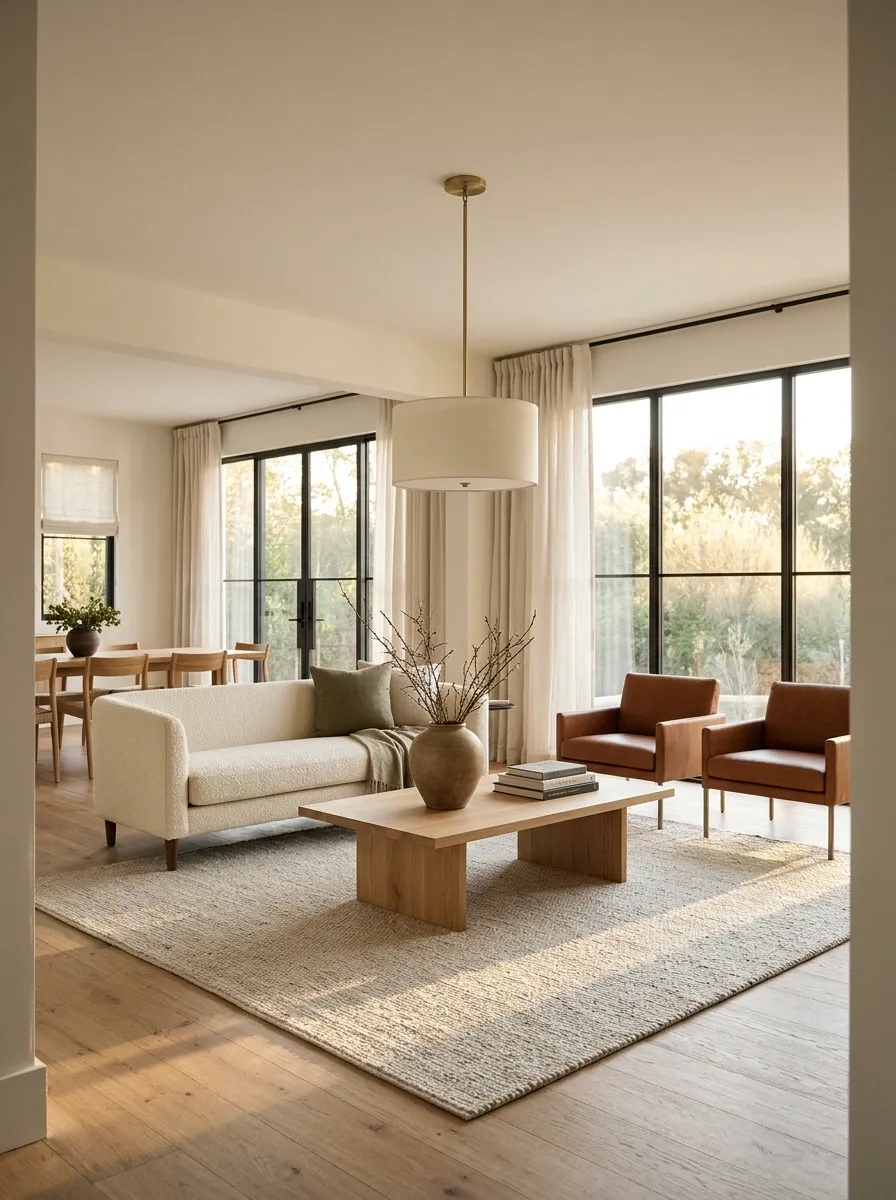
A substantial pendant needs enough room to hang without becoming an obstacle.
Look at it from the doorway and from nearby seats. If its shade blocks faces, a window, or the room’s main feature, the fitting may be too bulky or poorly positioned for that location.
Use a paper outline to test a replacement’s dimensions before buying. Think about the lower edge as well as the diameter. Have electrical changes handled appropriately, and follow the fitting’s requirements. A striking fixture loses its charm when everyone has to look around it.
Does the shade interrupt normal sightlines?
Is the space used for walking, sitting, or a fixed table?
Will the chosen shade direct light where it’s needed?
Introducing a New Color With Every Purchase
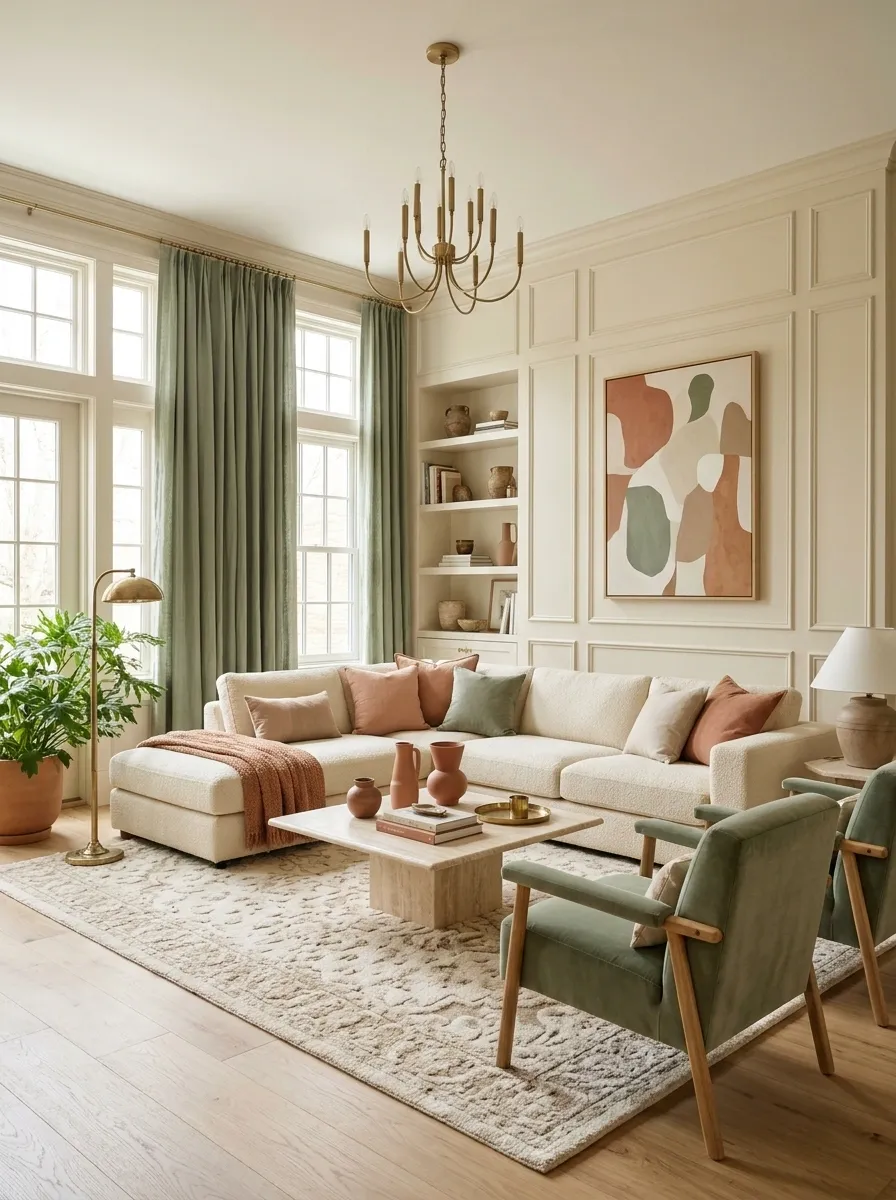
A cushion, a vase, and a lampshade can each look good separately and argue loudly together.
Choose a small family of colors that relates to the furniture and finishes you’re keeping. Repeat some of those colors across the room so your eye can connect the pieces instead of stopping at every new object. You can still use strong color. Give it a clear role and let quieter surfaces support it. Check purchases beside the sofa, flooring, and curtains before committing.
Those large areas won’t politely disappear because the new vase was on sale.
Practical check: Photograph the fixed finishes and large furniture in ordinary light. Compare potential additions against the whole room rather than one isolated cushion.
Breaking Every Wall Into a Different Accent Area
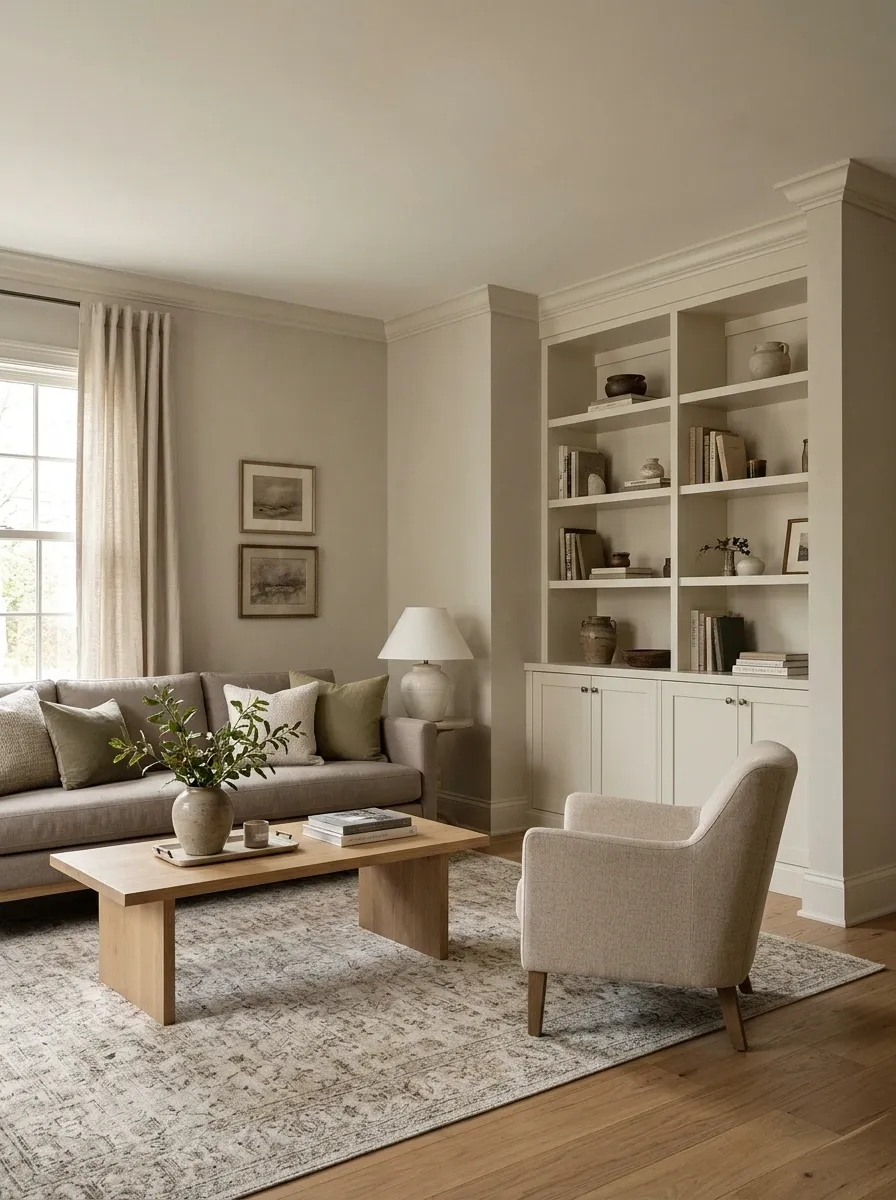
A different finish on every wall can make a modest room feel chopped into competing parts.
Choose where you want attention to settle and keep the surrounding surfaces more connected. That may mean carrying a wall color around an awkward return or simplifying a patchwork of decorative panels.
Look at corners, doorways, and changes in height before painting. Let a deliberate architectural boundary guide the finish. Small leftover strips of unrelated color tend to look accidental. Strong contrast works best when it explains the room’s shape instead of interrupting it repeatedly.
Give the color change a reason
A clear recess or defined feature can support a deliberate change.
A leftover patch beside trim often adds interruption without a useful focus.
Scattering Tiny Pictures Across a Large Wall
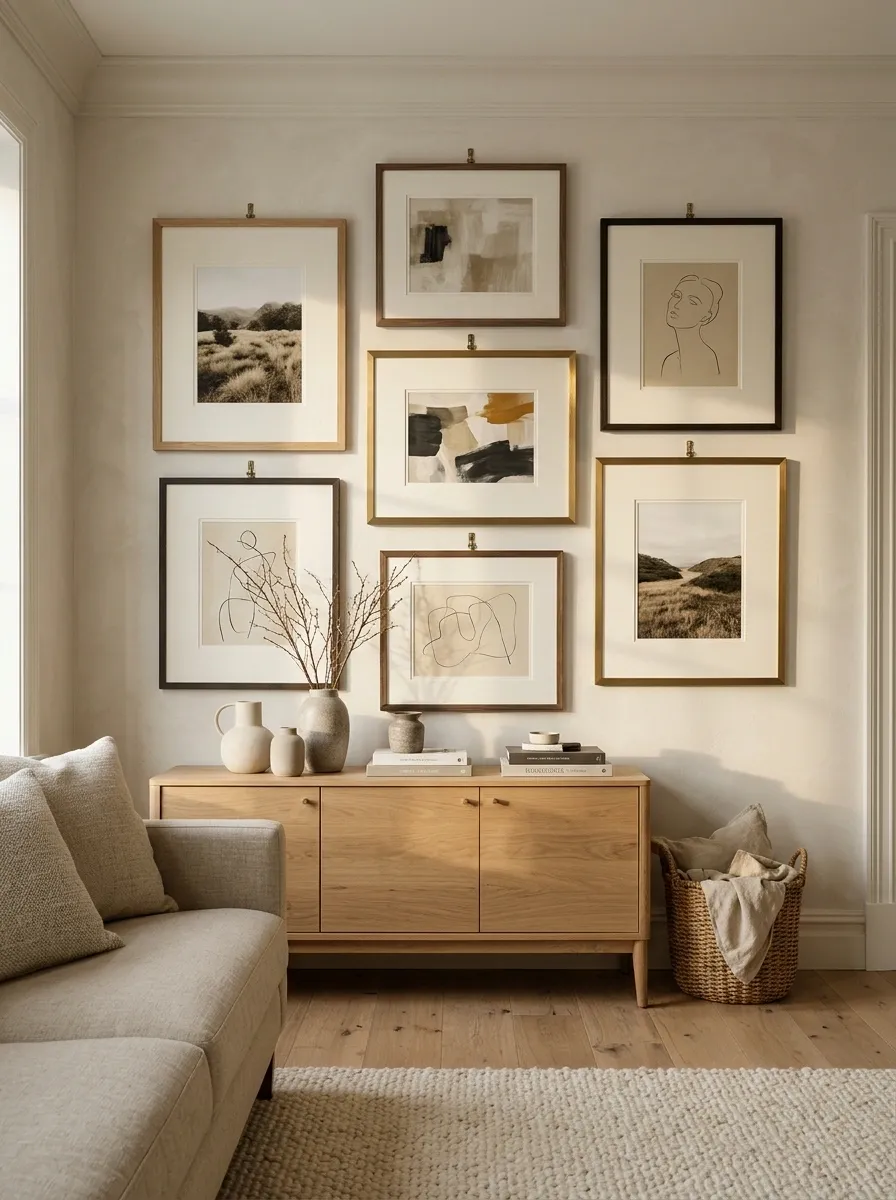
Little frames spread widely across a wall can leave the whole surface feeling restless. Group related pieces into a clear composition or choose one work with enough presence for the furniture below it. Include the frame and mount when judging size. The image alone doesn’t tell you the final footprint.
Test the arrangement with paper templates before making holes. Look from your normal seat and from the entrance. Keep the group connected visually, with spacing that feels intentional. You don’t need to fill the wall, but you do need to give the pieces a relationship.
| Layout | Include every frame’s outside dimensions. |
|---|---|
| View | Check the composition from the places you actually use. |
| Fixings | Match the hanging method to the wall and weight. |
Covering Every Surface With Small Accessories
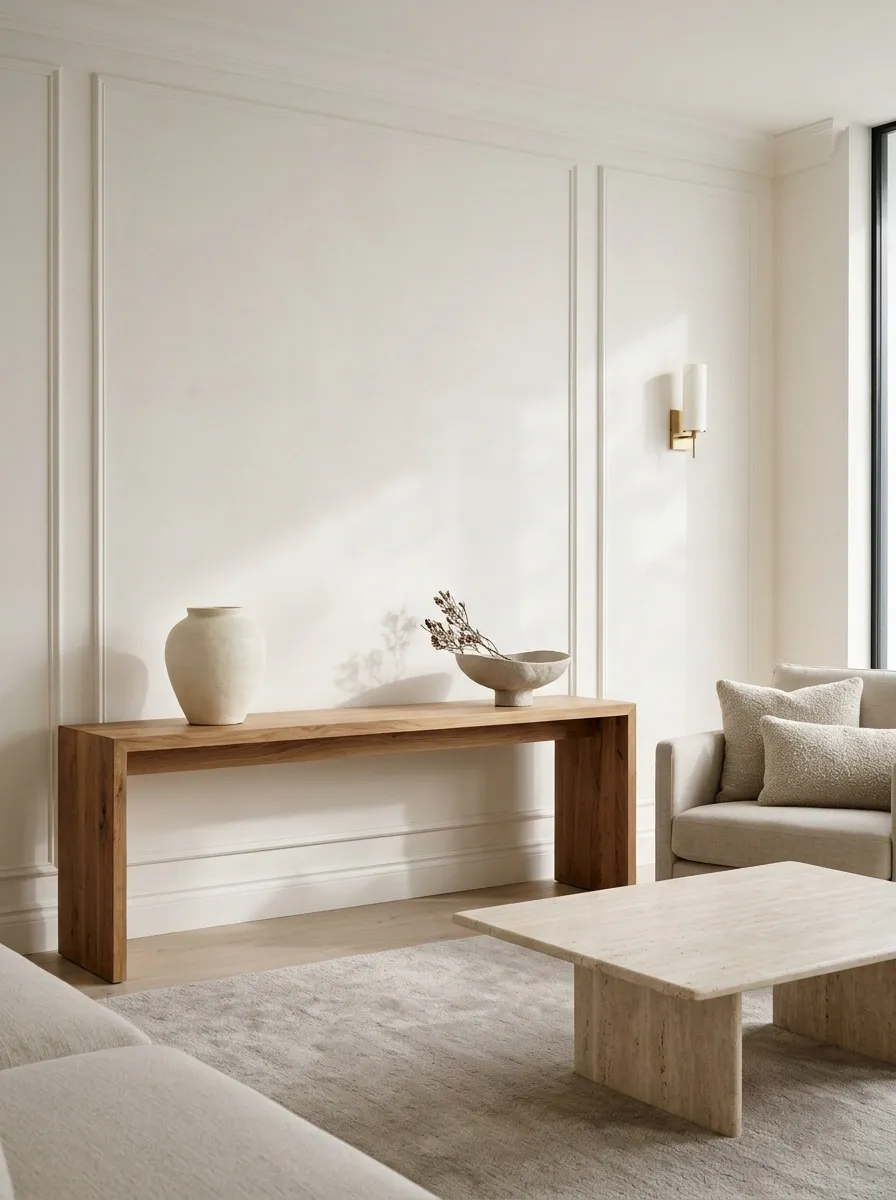
An army of little ornaments makes your eyes work surprisingly hard.
Choose the pieces worth seeing and give them space. Group related objects where that helps, then leave some surfaces useful and clear. The console doesn’t need decor across its entire length simply because it has a top.
Keep meaningful pieces in the edit. Remove the filler that competes beside them. If cleaning a table requires relocating a dozen objects, the arrangement probably needs another pass. Empty space gives a favorite object more presence and makes everyday use much less irritating.
Filling Open Shelves Right Up to Their Edges
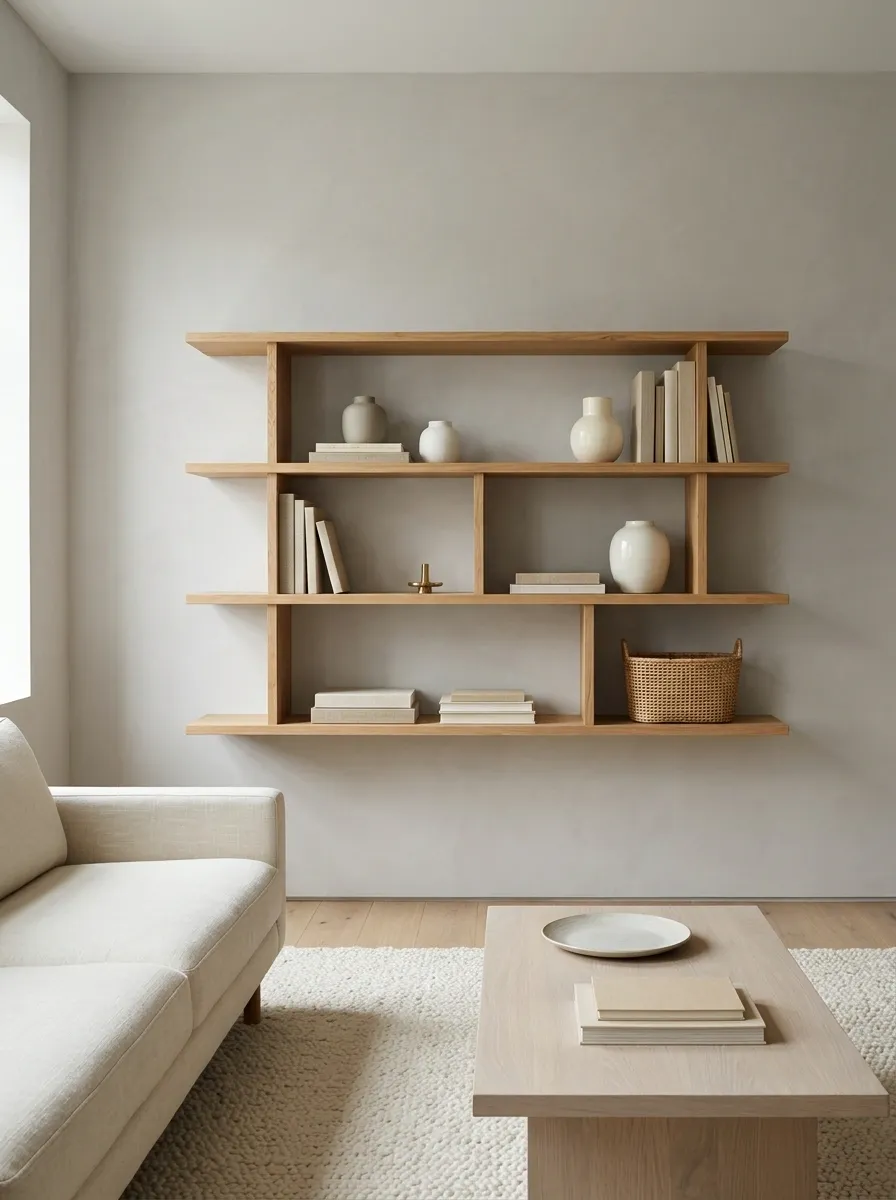
Open storage shows the full contents of the room, including the things you’d rather ignore.
Give books and everyday objects a practical arrangement, then remove unrelated extras. Leave enough access to take things out without dismantling a display. A useful shelf beats a delicate stack you’re afraid to touch. If the contents naturally look busy, use suitable closed storage for some categories. Don’t add tiny containers everywhere to disguise the same volume. Follow the unit’s load and securing instructions, and keep the heaviest contents positioned appropriately.
A calmer shelf still has to work as storage.
Useful clue: If every shelf needs camouflage, some contents may belong in closed storage. Choose by what you need to keep, rather than buying boxes before measuring the contents.
Putting Furniture Across the Route People Actually Take
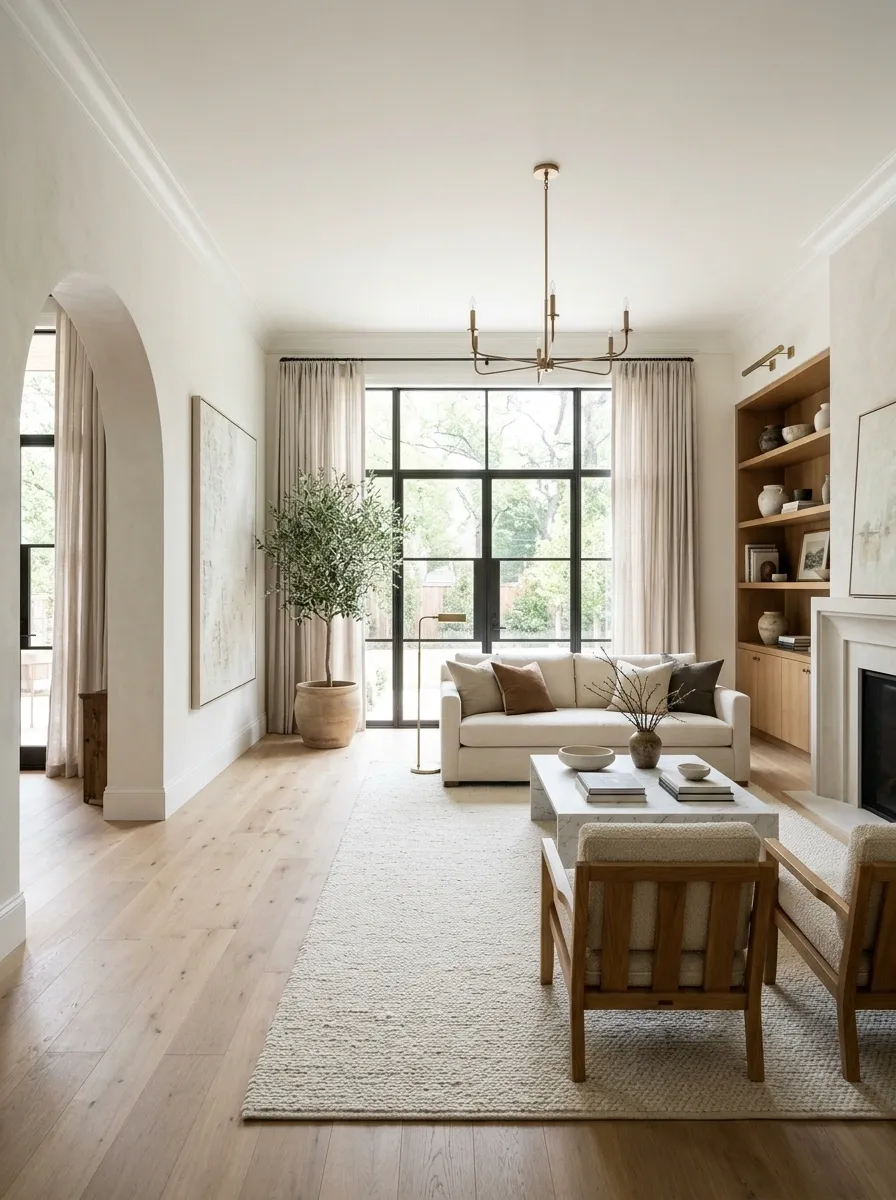
A room feels tight when crossing it involves a little detour around everything.
Watch how people move between the door, seats, windows, and storage. Move the piece that forces the awkward turn, even if it looked balanced in an empty-room photo. Daily routes deserve more respect than a symmetrical furniture plan.
Test with doors open and chairs occupied. Include mobility needs and the way your household carries things through the space. Clear circulation makes the room easier to use immediately, and often reveals that one badly placed table was causing most of the trouble.
Trace the real routes
Can you reach the seating without brushing furniture?
Can drawers and cupboards open while the room is occupied?
Can someone pass without asking another person to move?
Keeping Extra Chairs for Guests Who Rarely Visit
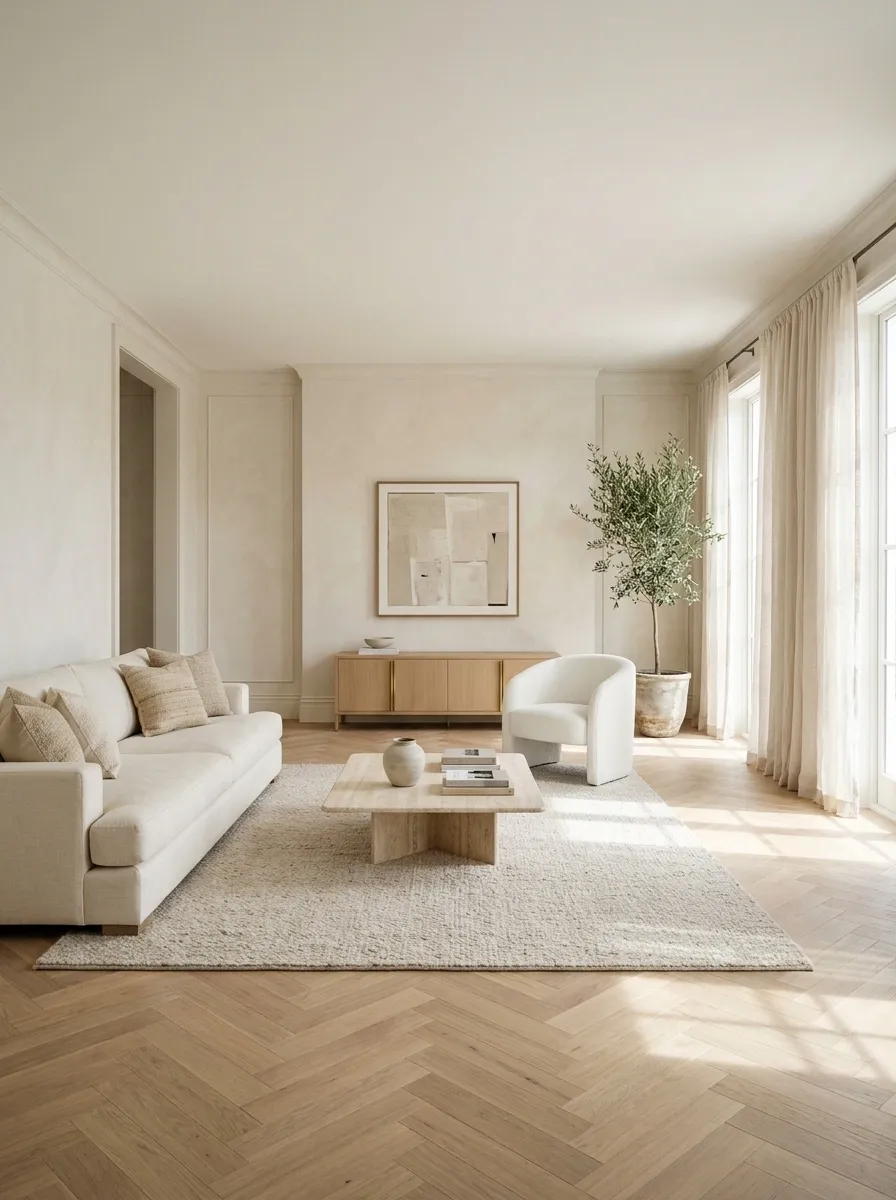
Permanent seating for an imaginary crowd can crowd out the people who live there. Count the seats you use regularly and assess the extras. A spare chair may work better in another room, ready to return when needed. Keep the main arrangement comfortable for everyday life.
This doesn’t mean making guests perch unhappily. It means planning occasional seating that fits your household’s actual needs. If a chair blocks a cabinet all week for a gathering that happens twice a year, its current position hasn’t earned the floor space. Give it another assignment.
Decision prompt: When was this seat last used, and what daily task becomes easier if it moves? Answer both before deciding where it belongs.
Choosing a Coffee Table That Fights the Seating
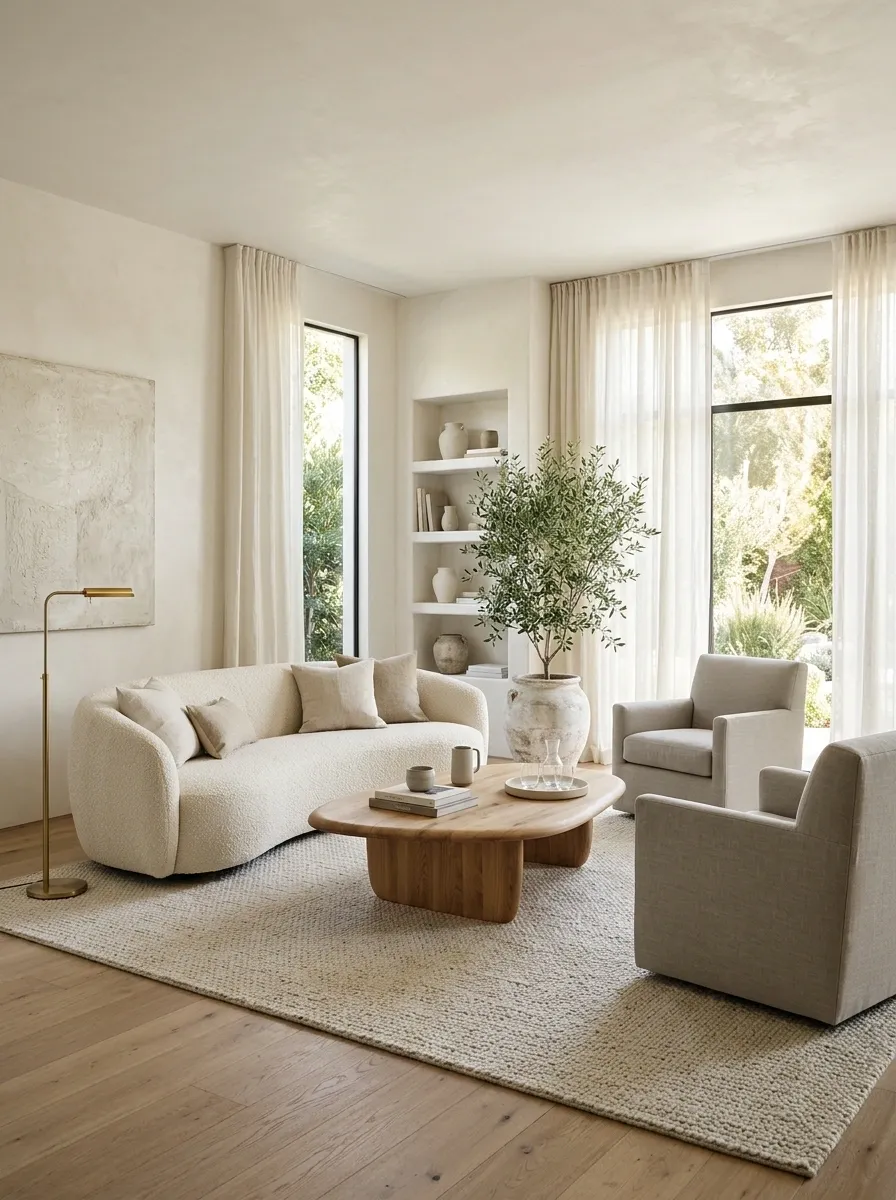
A table can fit in the room and still be awkward to move around.
Check its shape, height, and reach from the seats. Sharp projecting corners can make a narrow route feel more difficult. A different outline or a smaller useful surface may suit the arrangement better.
Before shopping, test the existing table in another orientation where possible. Sit down and stand up normally. Keep enough practical surface for drinks without forcing people to squeeze past. The right choice depends on the whole seating group, rather than the table looking impressive by itself.
Drinks can be set down comfortably.
Standing and passing don’t require careful choreography.
There’s room for ordinary use after decor is added.
Using Open Storage for Every Household Category
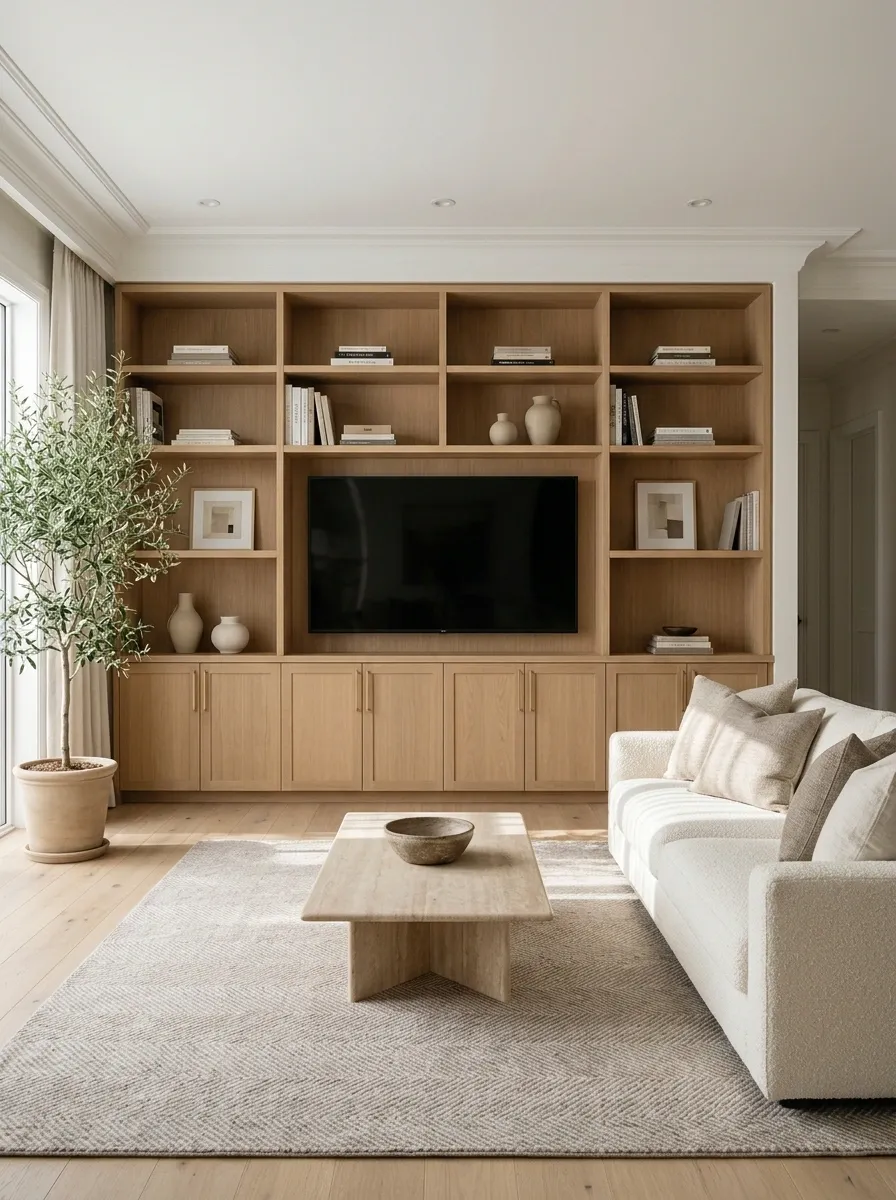
Some belongings look good on display. Spare cables are rarely among them.
Mix visible storage with places that conceal the small, unrelated things daily life produces. Give each category a sensible home near where it’s used. That reduces the scatter without requiring a minimalist personality transplant. Measure contents before choosing storage. A handsome cabinet won’t help if the board games don’t fit inside it. Keep doors and drawers accessible, and avoid stuffing them so full that putting anything away becomes work.
Closed storage only helps when the household can keep using it.
| Display | Books, artwork, or objects you enjoy looking at. |
|---|---|
| Conceal | Unrelated practical supplies that create visual noise. |
| Access | Both groups need space to be retrieved and returned. |
Letting an Oversized TV Unit Dominate a Narrow Wall
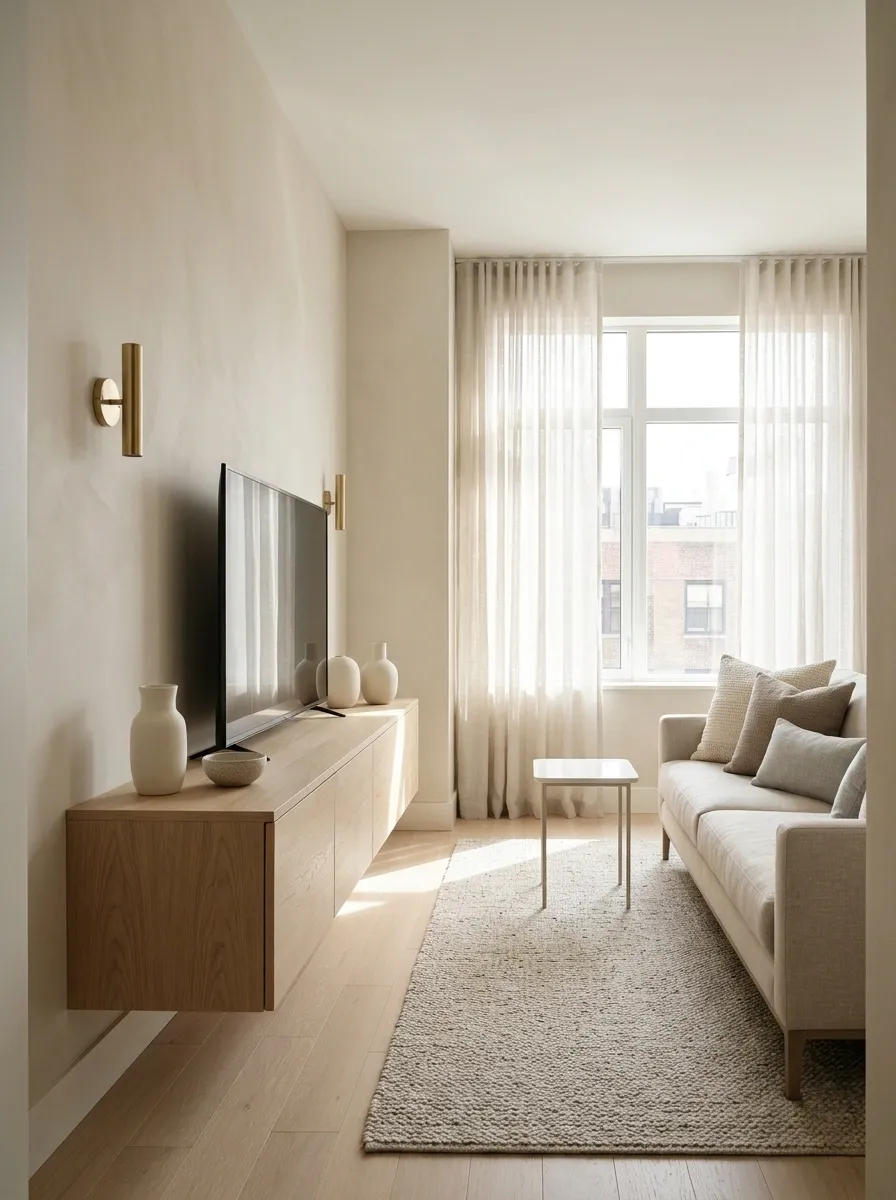
A deep media unit can make the television wall project farther into the room than it needs to.
Check the equipment you actually use and the support your screen requires. A suitable shallower unit may leave more useful space, but it still needs stability, ventilation, and access for cables.
Clear the existing surface before replacing the furniture. Sometimes the extra bulk is the collection of speakers, boxes, and unused devices surrounding it. Follow equipment and furniture instructions, including securing measures where required. The television area should support watching comfortably without swallowing the entire wall.
Measure the equipment, then the cabinet
Letting Cables and Chargers Spread Across Visible Surfaces
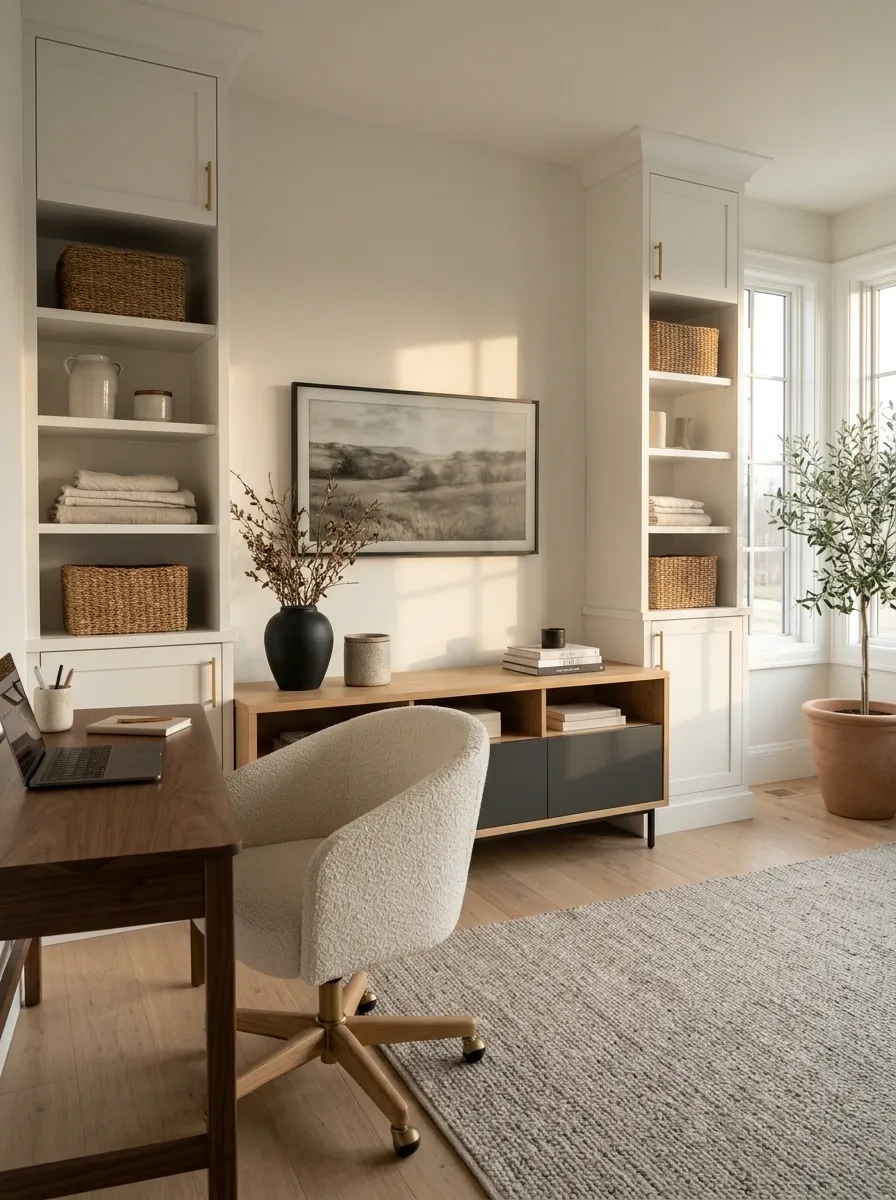
Loose cables create extra lines across an otherwise simple room.
Remove unused leads, group active ones by their route, and keep small accessories in suitable storage. Label similar cables if it prevents the household from pulling everything out to identify one charger.
Keep electrical equipment accessible and ventilated according to its instructions. Don’t trap leads under furniture or hide active adapters beneath fabric. The useful result is a setup you can maintain easily. A room feels calmer when the practical equipment has a clear place rather than trailing across every surface.
Route away from walking, pinching, and rubbing points.
Group by purpose in suitable storage.
Keep ventilation, switches, and connections accessible.
Breaking Up the Floor With Too Many Baskets and Pots
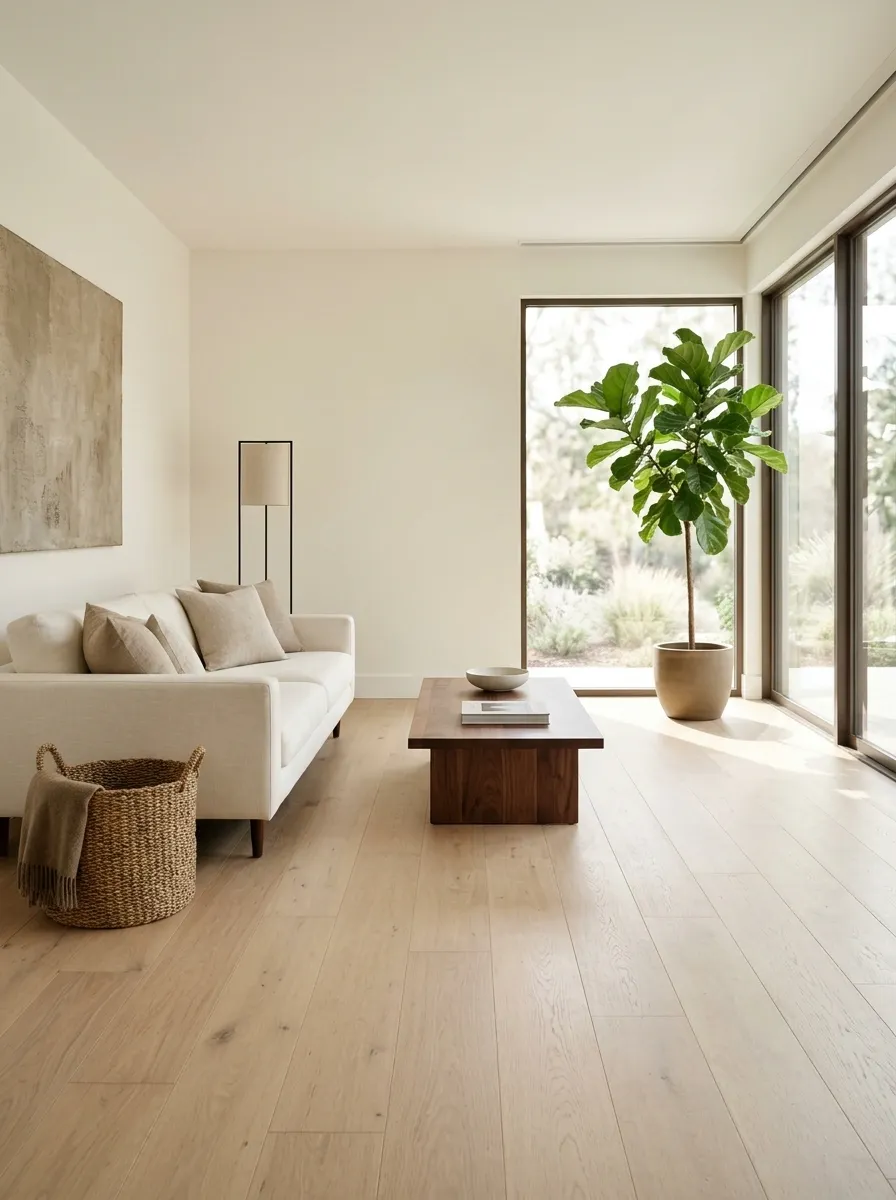
Every extra object on the floor takes another bite out of the room’s clear outline.
Move small storage off walking routes and group suitable plants where their growing needs are met. Keep the pieces that perform a useful job. A basket containing nothing but another basket has had a generous trial period. Check floor space around curtains, furniture legs, and doors. You need access for cleaning as well as walking.
Clearing scattered objects lets more of the floor read as one surface, which makes the arrangement easier to understand at a glance.
- Useful storage: Contains something used in that location.
- Plant placement: Meets light and care needs without blocking access.
- Decorative filler: Remove it if it contributes only another obstacle.
Adding Several Short Storage Units Instead of Planning One Wall
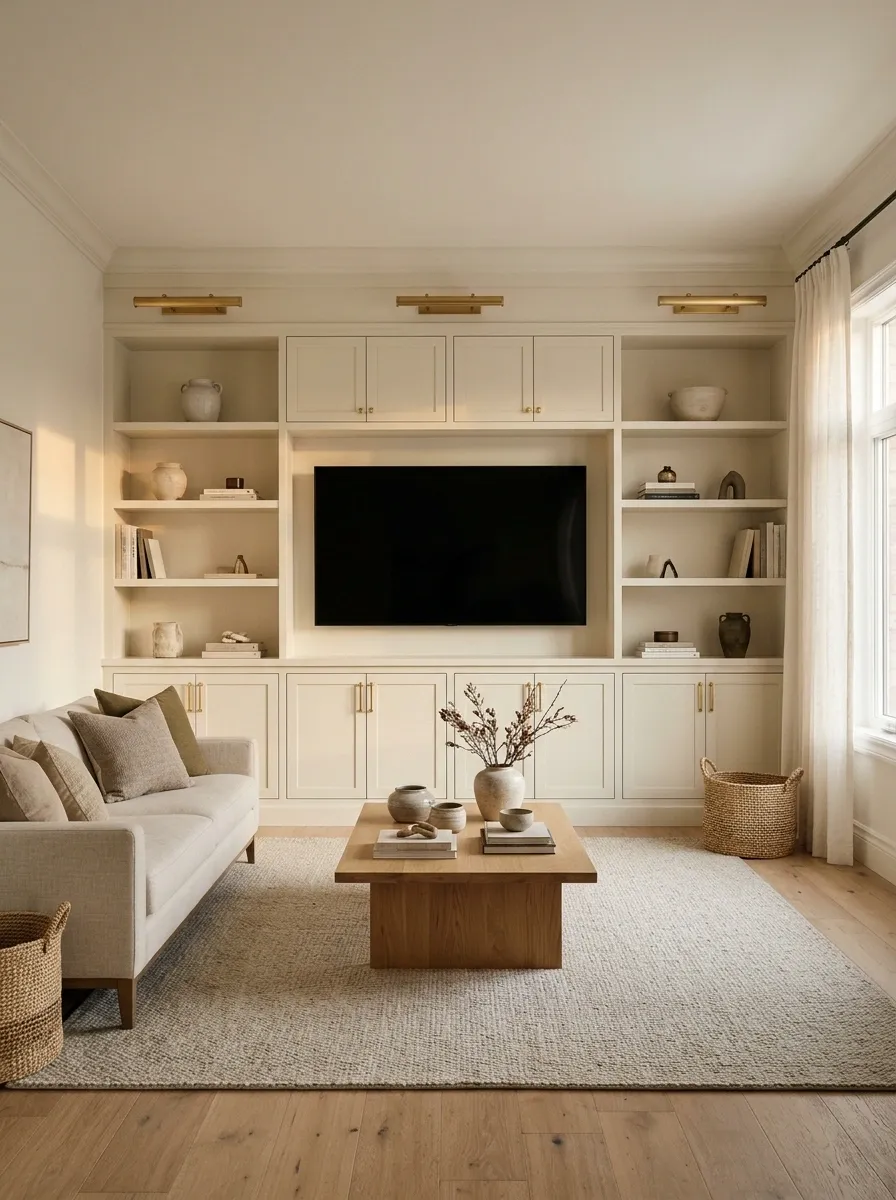
A row of unrelated little cabinets can create more edges and gaps than useful storage.
Assess the whole wall before adding another unit. You may be able to consolidate contents and remove a piece, or choose a more coherent arrangement when replacement is needed. Height can help, provided access and installation suit the room.
Don’t assume tall furniture is automatically better. It still needs appropriate depth, stability, and securing. The aim is fewer disconnected storage decisions, with contents housed efficiently. Start by measuring what must fit and which doors need to open.
Plan the full storage footprint
Include opening doors and the route in front.
Keep regularly used contents reachable.
Follow load and wall-securing instructions.
Burying the Sofa Under Layers of Fabric
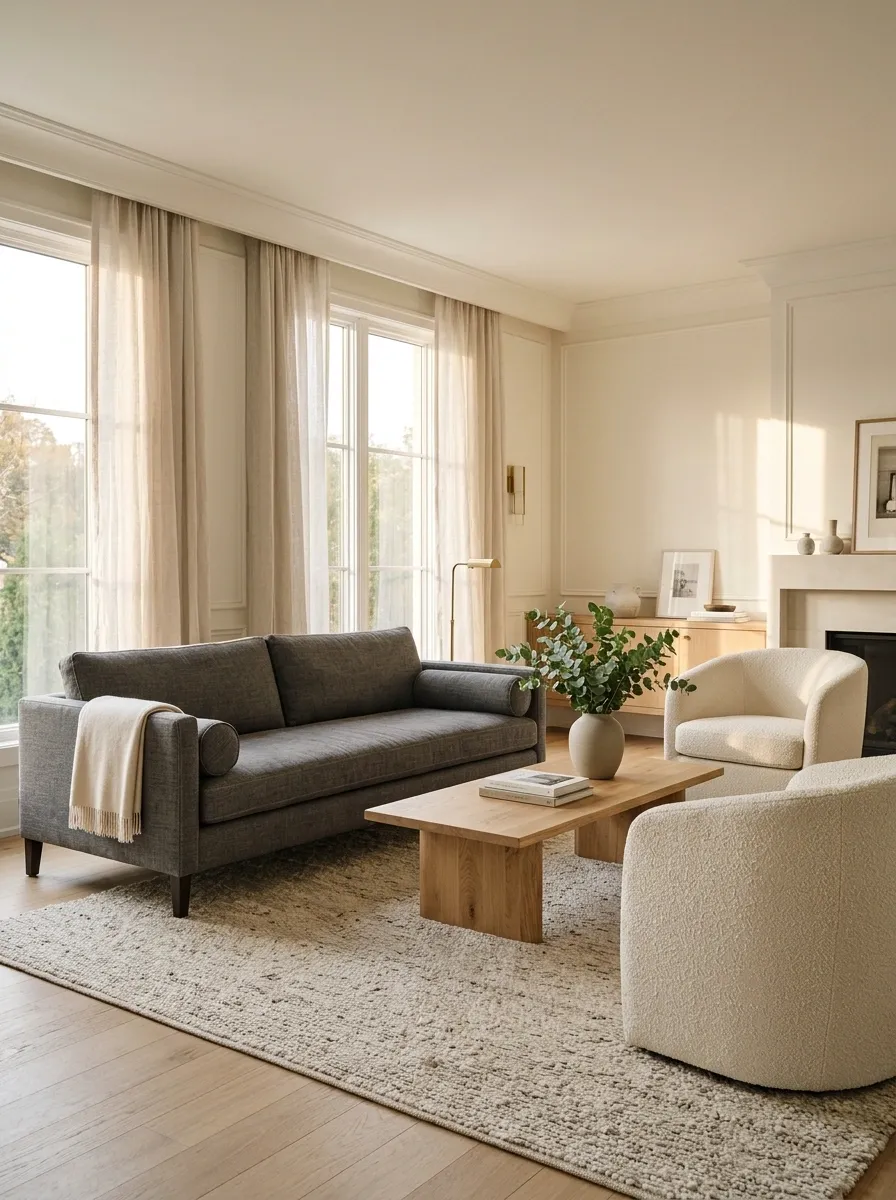
A sofa covered in overlapping throws and cushions can look bulkier than it is. Remove everything and rebuild the arrangement around the seats people use. Keep the cushions that improve comfort and a throw that’s easy to reach. Let some upholstery remain visible so the furniture has a clear shape.
Don’t use layers to avoid cleaning or assessing damaged fabric. Follow the care instructions and deal with repairs separately. A simple textile arrangement is easier to reset after use and gives people room to sit without beginning with a cushion relocation exercise.
Useful test: Sit down with another person. If the first action is moving decorative fabric to the floor, remove some of it from the regular arrangement.
Treating Every Empty Corner as an Unfinished Project
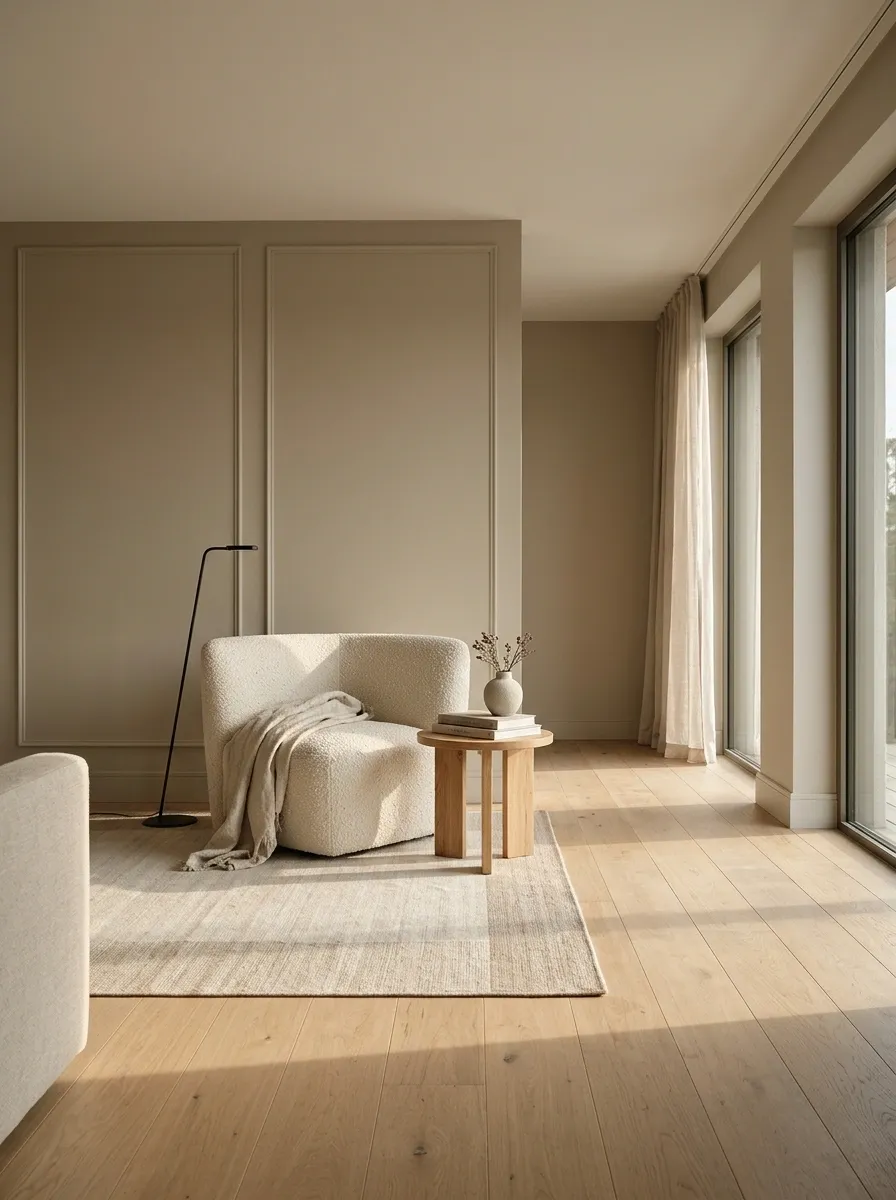
An empty corner is allowed to remain empty. The house won’t report you.
Add something only when the location supports a useful job. A reading corner needs comfortable access and light. A storage piece needs room to open. A plant needs suitable conditions, rather than a vague obligation to soften the room.
Check whether nearby furniture already meets those needs. Leaving the corner clear may make the whole arrangement work better. Empty floor around useful pieces is part of the design, especially in a room where several activities already compete for space.
Putting a Busy Pattern on Every Small Surface
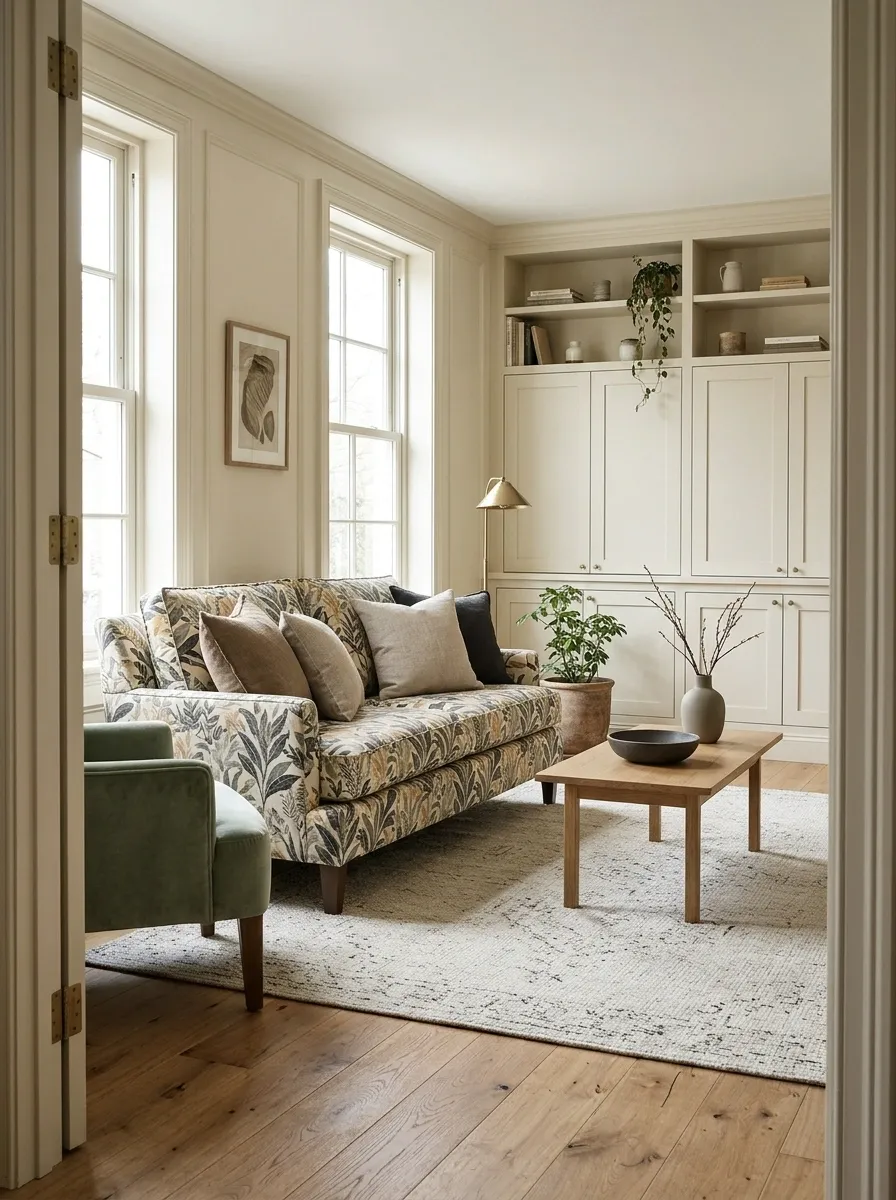
Pattern can make a room lively, but constant changes leave nowhere quiet to look.
Choose which pattern deserves attention, then give nearby surfaces a simpler role. That might mean plain cushion covers beside a patterned sofa, or a quieter tabletop arrangement near a strong rug. Keep colors related so the pieces feel connected. You don’t have to abandon a layered style. Vary scale and include calm areas between the details. Check the room from the doorway, where the whole composition is visible.
Close-up shopping decisions rarely show how every print behaves together.
Practical check: Take a room photo and look at it small. If everything demands attention equally, simplify one surrounding surface before buying another patterned piece.
Giving Every Wall an Equal Claim on Your Attention
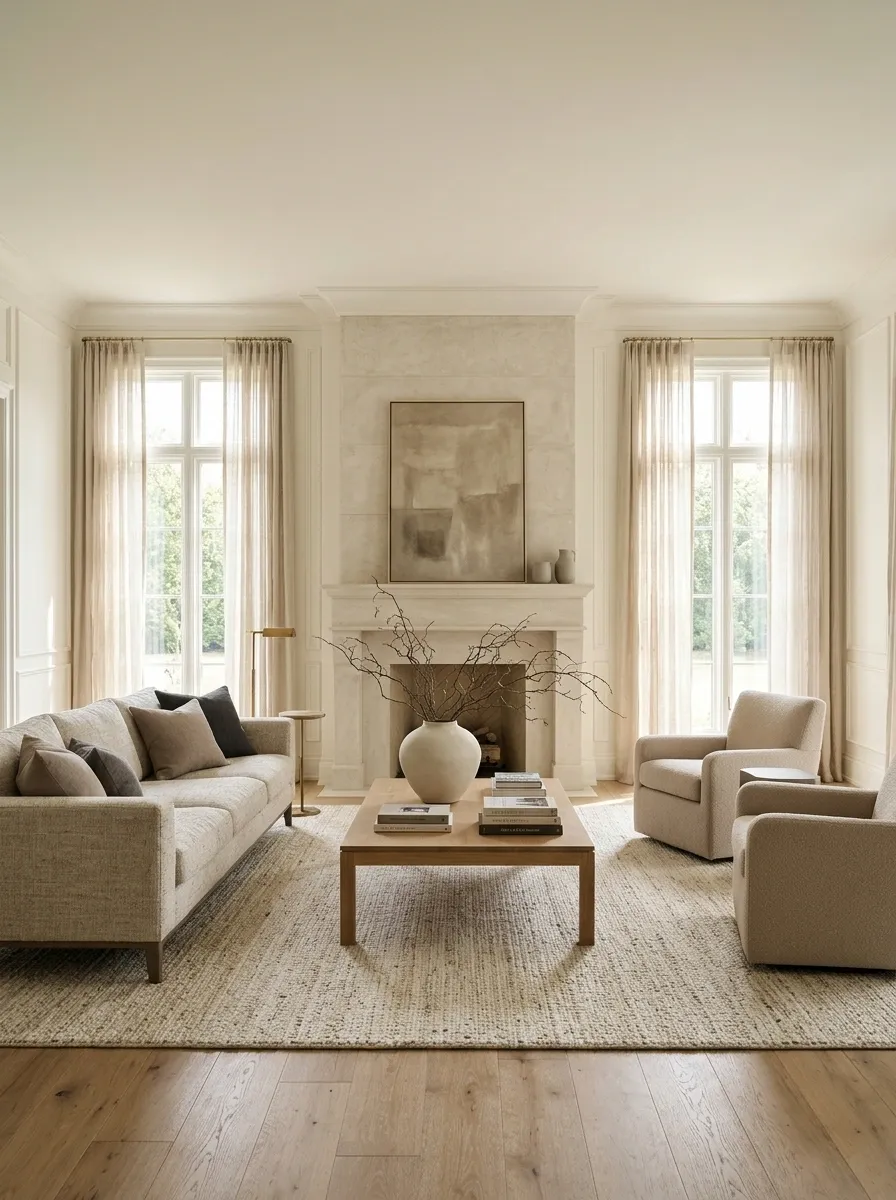
A fireplace, television, dramatic mirror, and oversized artwork can all compete for the same room.
Choose the main focus for the arrangement and let other features take a quieter role. Position seating according to how the room is used, then check where the strongest contrasts and busiest displays sit.
You don’t need to remove every secondary feature. Reduce its visual competition by editing objects or simplifying the surrounding area. A room with a clear hierarchy feels easier to take in. Your eyes shouldn’t have to hold a committee meeting every time you walk through the door.
Give attention a clear order
The feature or activity the arrangement primarily supports.
Useful furniture and details that reinforce it.
Quieter surfaces that let the stronger elements register.
Make the Room Easier to Use Before Making It Emptier
Keep the chair you love if it’s comfortable. Keep the books you read and the color that makes you happy. Start by moving the object that blocks the route or editing the shelf that overwhelms everything beside it.
Home decor mistakes that make rooms feel smaller are often easier to fix than the room itself. Change one arrangement, live with it for a few days, and judge how it works when the house is occupied. Floor space matters most when you can use it.
Save this list on Pinterest before your next furniture purchase. Take the measurements with you, too.