
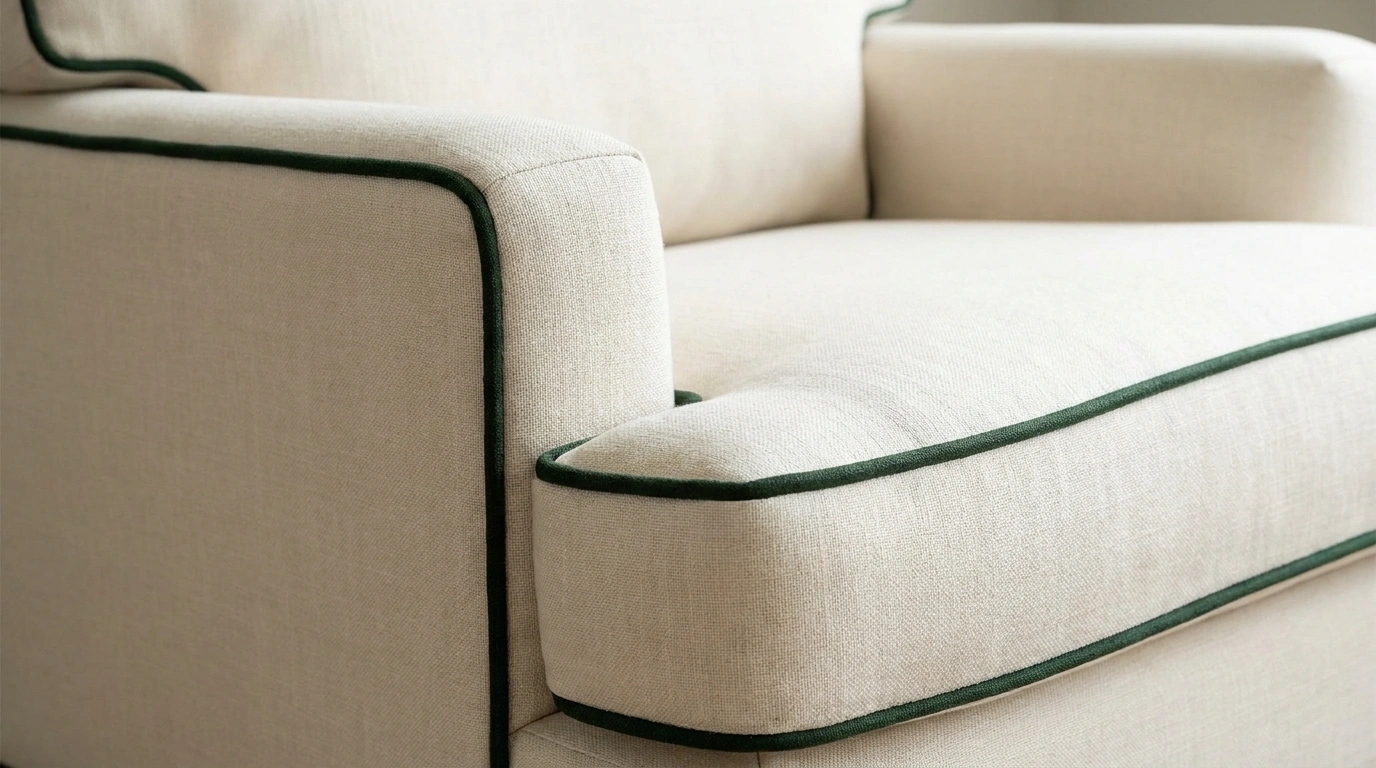
Piping is a small line with an unusually large opinion about furniture. It can make a plain cushion look tailored, reveal the curve of an arm, or turn a quiet chair into the piece everyone notices first.
The most convincing versions follow the furniture’s shape rather than outlining every available seam. Choose the line you want to see, then decide how much contrast it needs.
A cream sofa with dark piping and a velvet chair with a slightly deeper edge are doing different jobs. Both can work; neither requires every other upholstered object in the room to join the same team.
Decide Which Shape Deserves an Outline
Look at the furniture without its loose cushions. Is the interesting part the arm, back, seat pad, skirt, or overall silhouette? Concentrate the piping there.
True upholstered piping is normally incorporated into the construction of a cover or seam. Discuss the detail with an upholsterer or have a suitable removable cover made, rather than gluing cord onto a finished seat and hoping it behaves like tailoring.
Compare the actual fabrics together. Consider texture, cleaning requirements, wear, pattern direction, and the visible line from normal viewing distance. A sample should show the edge wrapped into piping, not only two flat swatches touching.
Clear Color Contrasts on Simple Shapes
Charcoal Piping on a Cream Box-Cushion Sofa
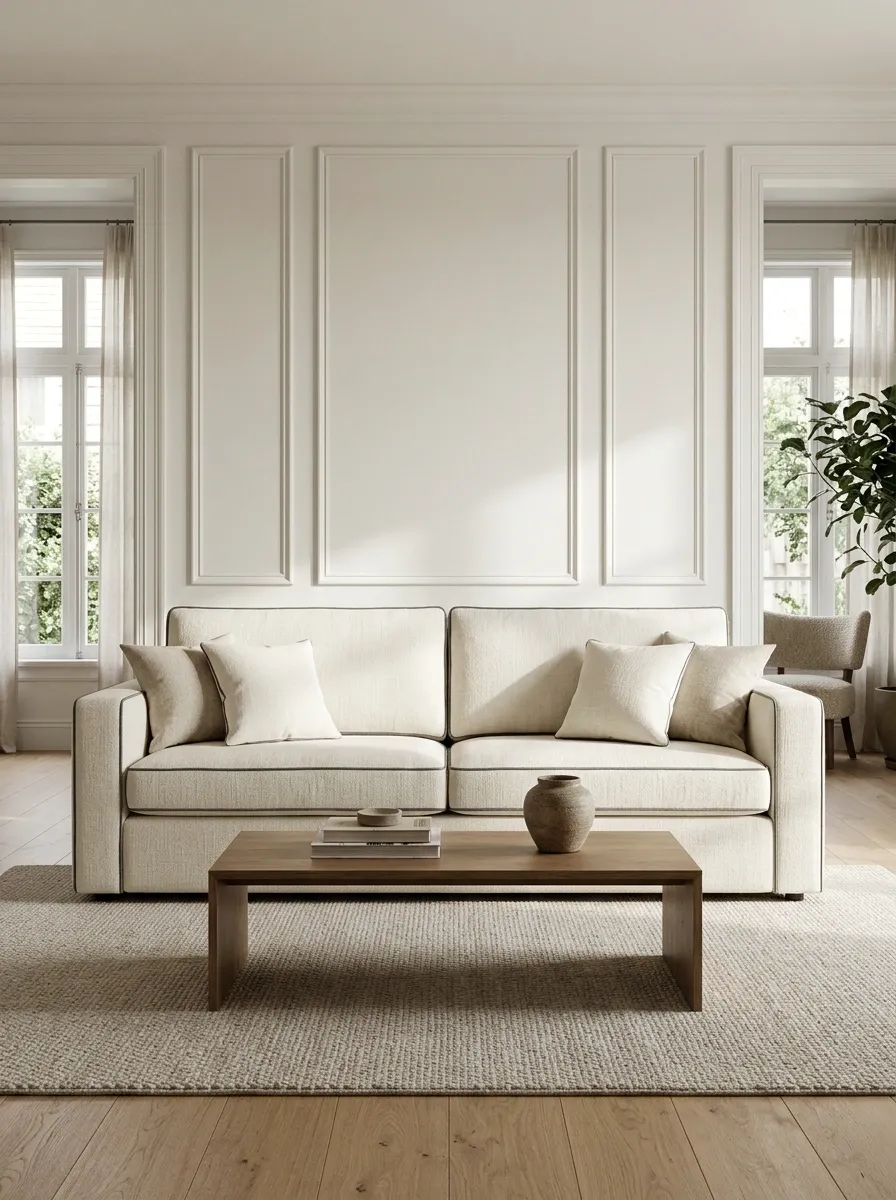
Use charcoal piping around cream seat and back cushions, with the main sofa frame kept quieter. The dark line defines the loose shapes without turning every arm and panel into another rectangle.
Pair it with a simple rug and a coffee table with a clear silhouette. The upholstery already provides a graphic detail, so the surrounding room doesn’t need repeated black borders on every object.
Upholstery relationship study; the line marks the proposed visible piping.
Check the contrast across the room, not only at sewing distance.
This works especially well on a plain, structured sofa whose cushions have enough substance to hold a clean edge. A very slouchy form will produce a softer, less precise effect.
Olive Piping on Oatmeal Dining-Chair Pads
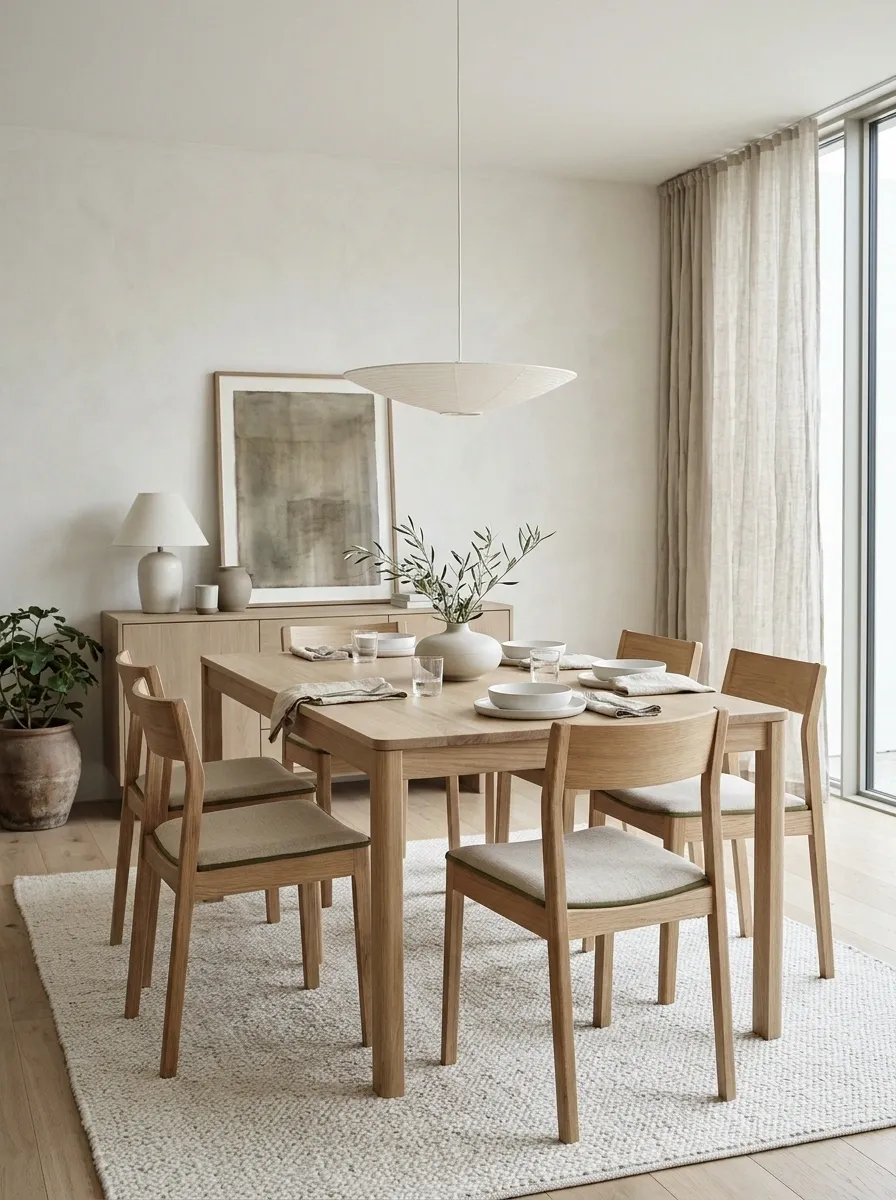
Add muted olive piping to oatmeal seat pads on wood dining chairs. The line can connect the chairs to a nearby cabinet, curtain, or artwork without changing the whole upholstery color.
Upholstery relationship study; the line marks the proposed visible piping.
Choose the pad and edge construction for comfort and everyday cleaning.
Keep the pads fitted to their actual seats and choose a practical construction for dining. The piping should define the edge without making it feel bulky where someone sits.
A pale oak table and plain dishes let the small green detail remain visible. It’s a useful way to introduce color at furniture level without turning a quiet dining area into an upholstered botanical announcement.
Burgundy Piping on a Dusty Pink Armchair
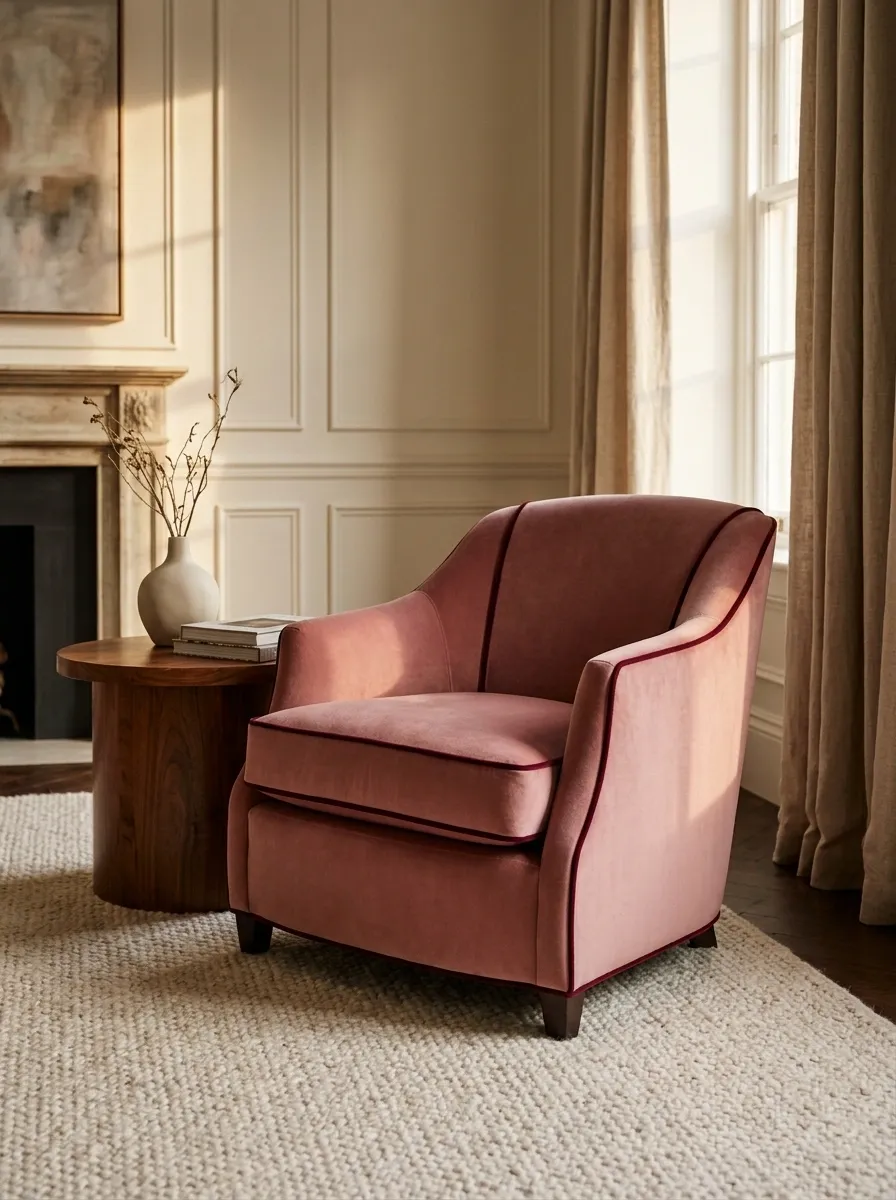
Use burgundy piping to sharpen the shape of a dusty pink armchair. Concentrate it around the seat cushion and a clear outer back seam, leaving other details restrained.
The two colors belong to the same warm family but differ enough in depth to make the line visible.
Pair them with a pale rug and dark wood table for a room that feels rich rather than sugary.
Upholstery relationship study; the line marks the proposed visible piping.
Before choosing the detail
Use the deeper color to clarify the chair's shape rather than adding many decorative seams.
A small chair can carry this combination without requiring pink walls. Let the room’s larger surfaces stay quiet if the chair is intended as the accent.
Tobacco Piping on a Denim-Blue Sofa
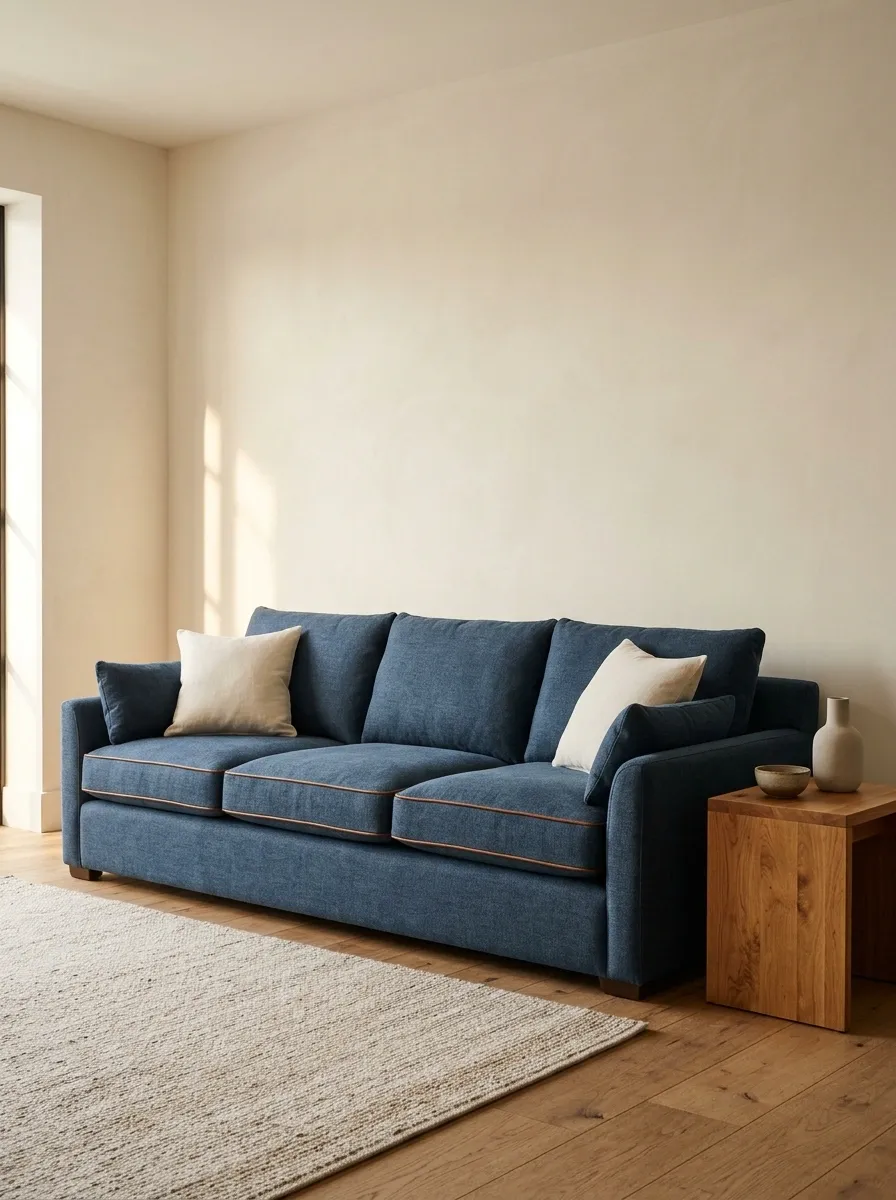
A tobacco-colored edge can warm a muted blue sofa, especially alongside wood furniture and cream walls. Outline the seat cushions rather than adding the warm line to every section of the frame.
Upholstery relationship study; the line marks the proposed visible piping.
Compare wrapped piping samples to see the real strength of the warm line.
Choose a tobacco fabric that sits comfortably with the blue’s actual undertone. A reddish brown and a golden brown create different relationships.
Keep the nearby cushions mostly plain. If the sofa already has a carefully chosen contrast edge, a large pile of unrelated patterned pillows can hide the detail you paid to have made. The line should remain part of the furniture’s everyday appearance, not something discovered during cushion removal.
Cobalt Piping on a Pale Gray Bench
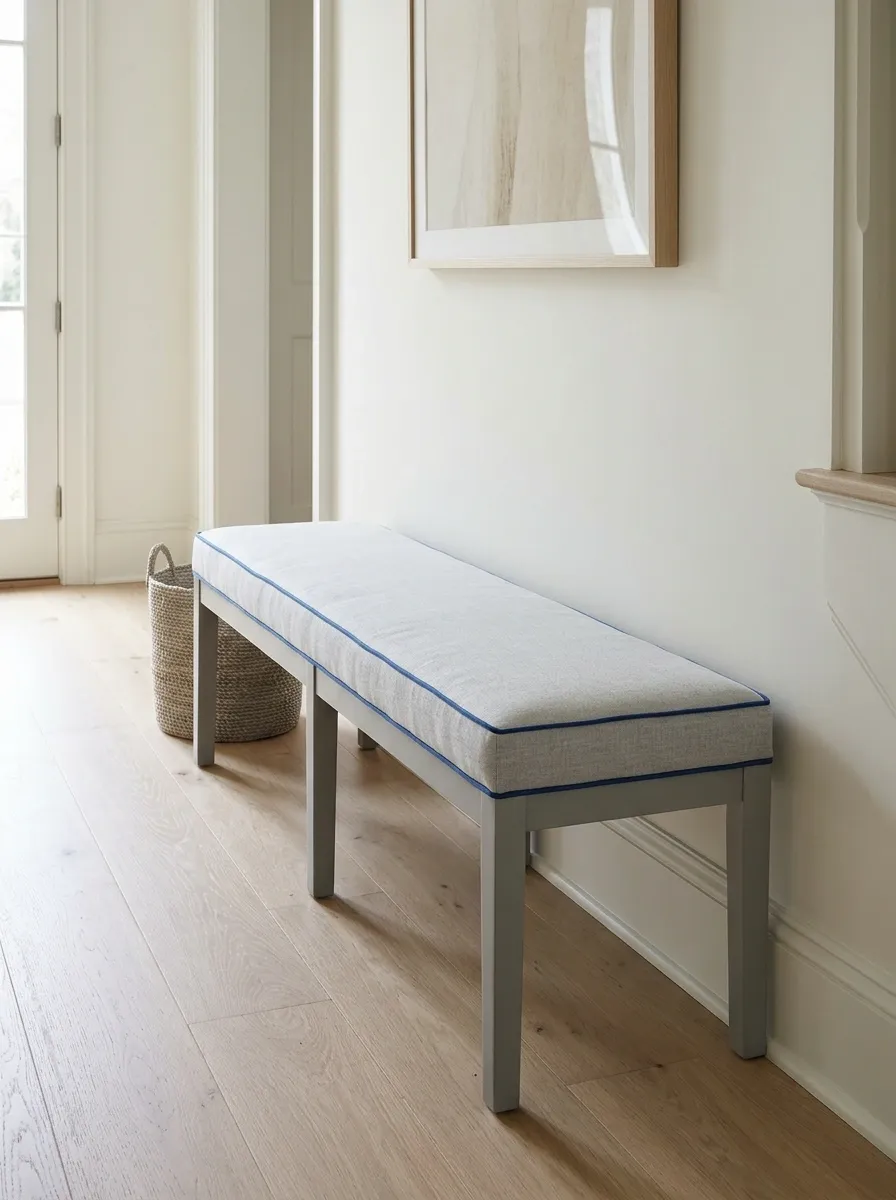
Use a narrow cobalt edge around a pale gray bench cushion for a crisp accent. The bench’s simple horizontal shape gives the blue an easy line to follow.
Connect the cobalt to one ceramic piece or artwork nearby. The room doesn’t need blue on the walls as well. A wood or painted bench frame can remain quiet below.
This suits an entrance or bedroom where the furniture is useful but visually anonymous. Choose the gray beside the actual blue sample; a lilac-leaning gray will feel different from a warmer stone shade. The result should look intentional before any accessories are added.
Upholstery relationship study; the line marks the proposed visible piping.
Let one clear outline carry the accent color.
Cream Piping on a Chocolate Club Chair
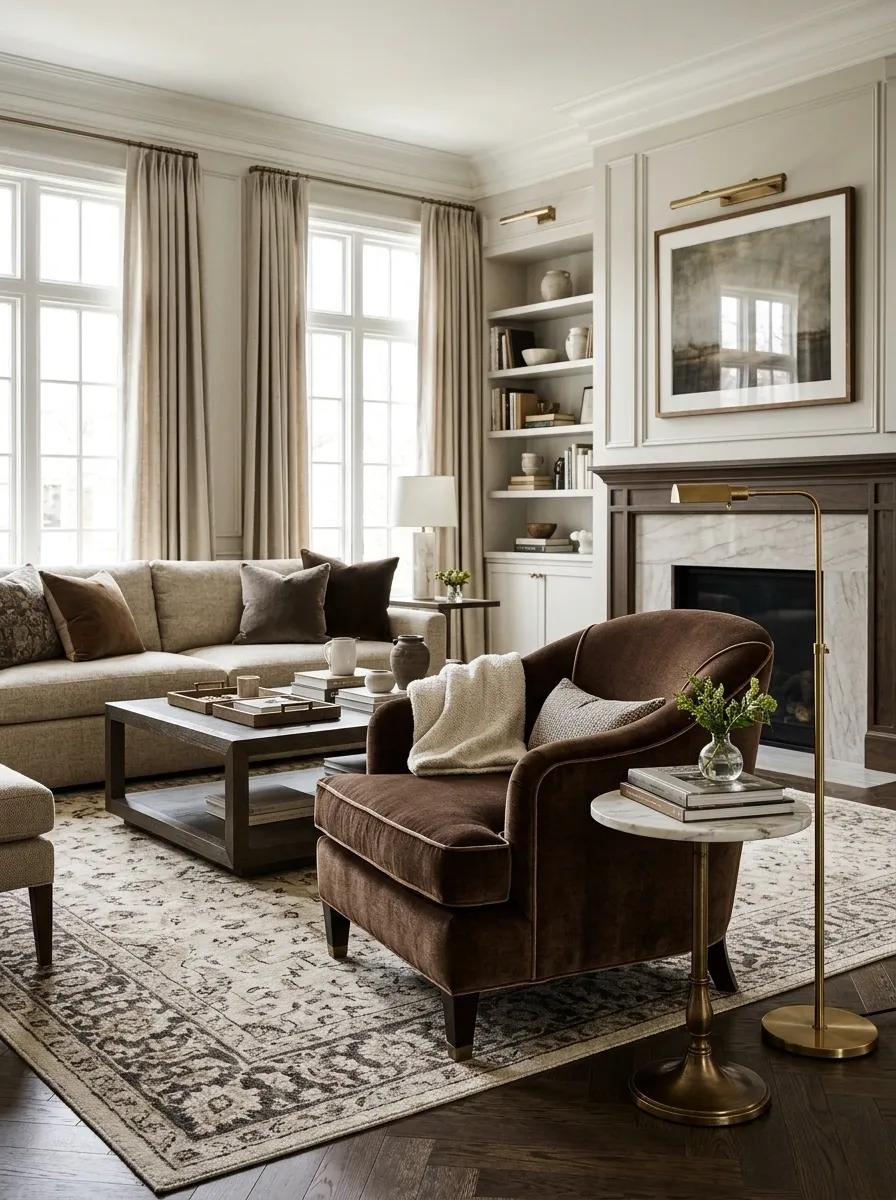
Cream piping can make a chocolate chair feel more tailored, particularly when the chair has a rounded back and a clearly separate seat cushion. Use the light line selectively so it reveals the form.
A cream rug or curtain can connect the edge to a larger light surface in the room. Keep the side table simple and avoid a second highly outlined chair directly beside it.
Upholstery relationship study; the line marks the proposed visible piping.
Before choosing the detail
Keep the line focused on the chair's strongest curves and cushion edges.
The contrast will be conspicuous. If you want a gentler result, choose a flax edge instead of bright cream and view the fabrics together under evening light.
Place the Line Where It Changes the Furniture
A Single Piped Edge on a Long Window-Seat Cushion
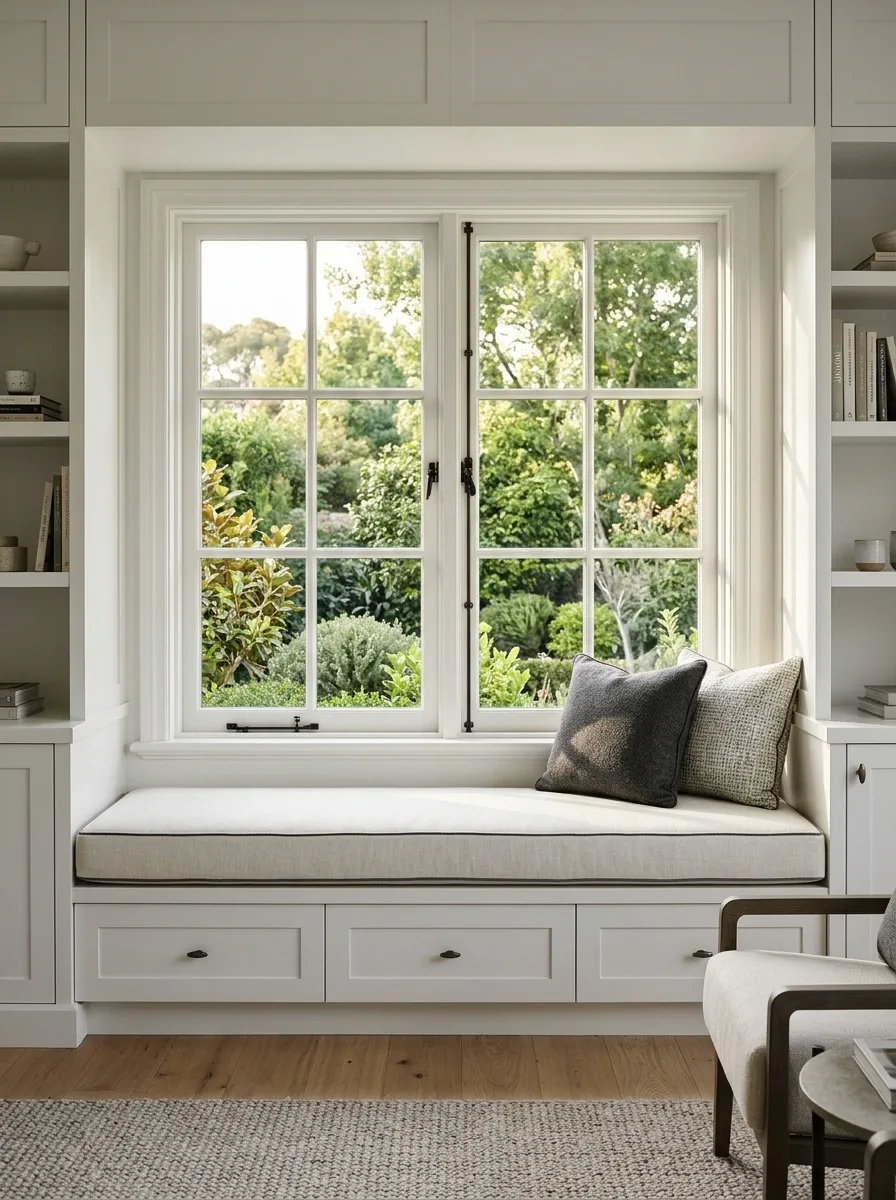
Run one contrast edge around a fitted window-seat cushion, where the seat and window arrangement are appropriate. A muted dark line can give a pale cushion a clean boundary against painted joinery.
Keep loose pillows low and selective so the main outline stays visible. Choose the cushion for comfort and the seat’s actual dimensions rather than using piping to disguise a poor fit.
A border color repeated in the nearby shade can connect the window composition. It needn’t be identical in material, but the relationship should be clear. The long cushion already supplies a strong horizontal line; avoid adding several more trim bands beside it.
Upholstery relationship study; the line marks the proposed visible piping.
Keep the cushion fitted and the surrounding window details simpler.
A Piped Skirt Hem on a Plain Armchair
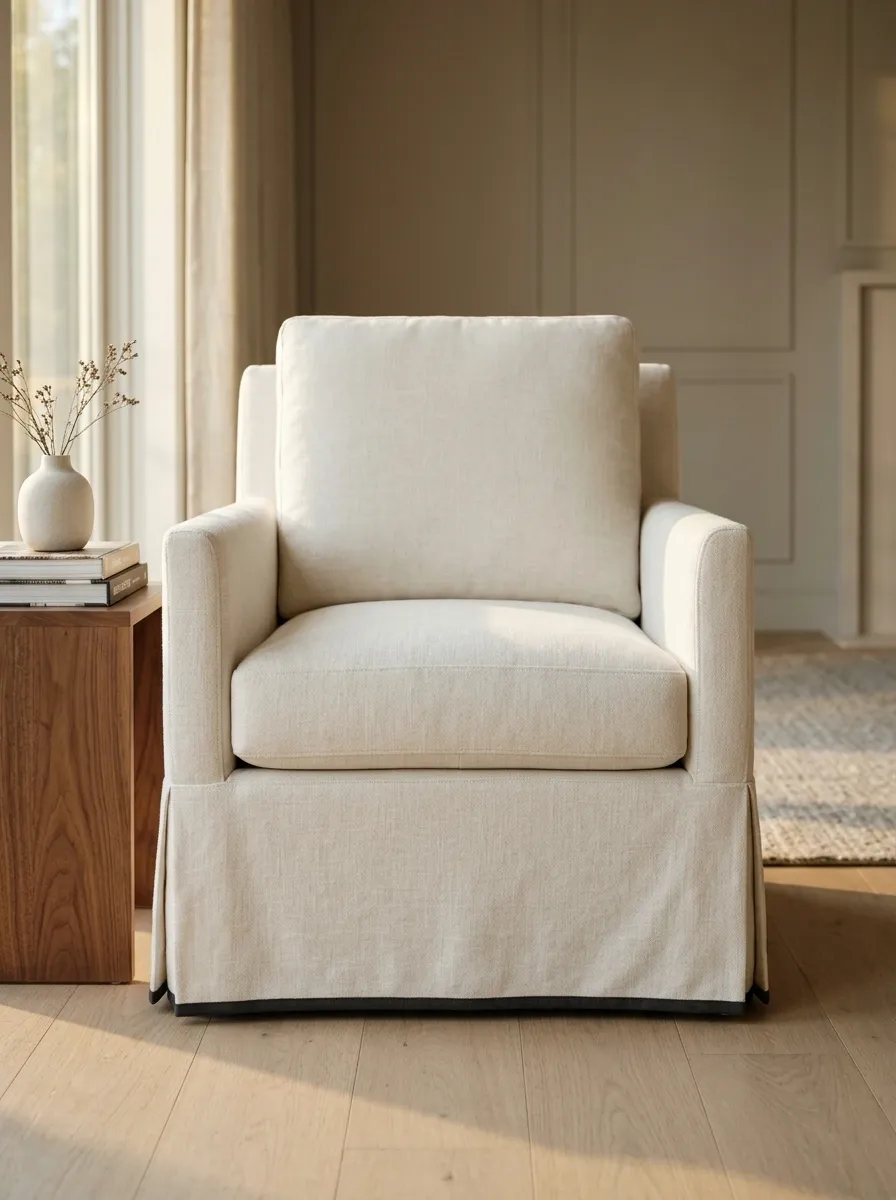
Add a contrast line at the hem of a tailored chair skirt, leaving the seat and back plain. The detail gives the lower edge definition and can make a simple cover feel more deliberate.
Upholstery relationship study; the line marks the proposed visible piping.
Before choosing the detail
Plan the hem and floor clearance as part of the cover's fit.
Choose a piping color that relates to the floor or nearby furniture without disappearing into it. The hem should remain a clean line, with appropriate practical clearance from the floor.
This is a useful option when the chair’s upper shape doesn’t need more emphasis. A matching edge around every cushion would create a different, busier effect. Let the skirt carry the detail and keep the rest of the tailoring calm.
Piping Around a Scalloped Ottoman Top
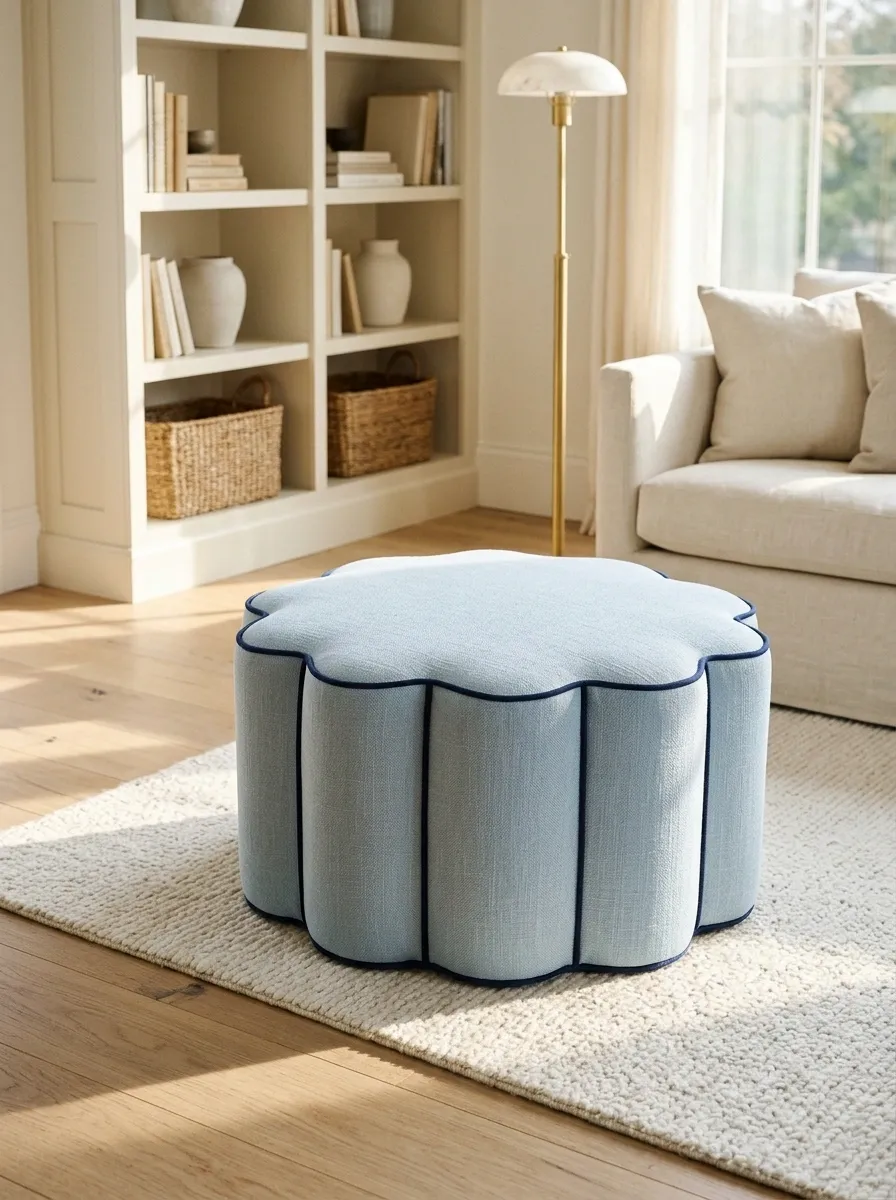
A scalloped ottoman can use contrast piping to make its curved top edge readable. Keep the side upholstery plain so the outline doesn’t compete with another pattern.
Choose a subdued contrast for a quieter room or a stronger one if the ottoman is the intended accent. Cream with tobacco feels warmer; pale blue with navy is crisper.
Upholstery relationship study; the line marks the proposed visible piping.
Let the shaped outline be the decorative feature.
The piping should follow a well-made upholstered form. It can’t rescue a poorly supported or uneven top, and the piece still needs to suit its intended use as a seat, footrest, or surface.
A Piped Outer Edge on an Upholstered Headboard
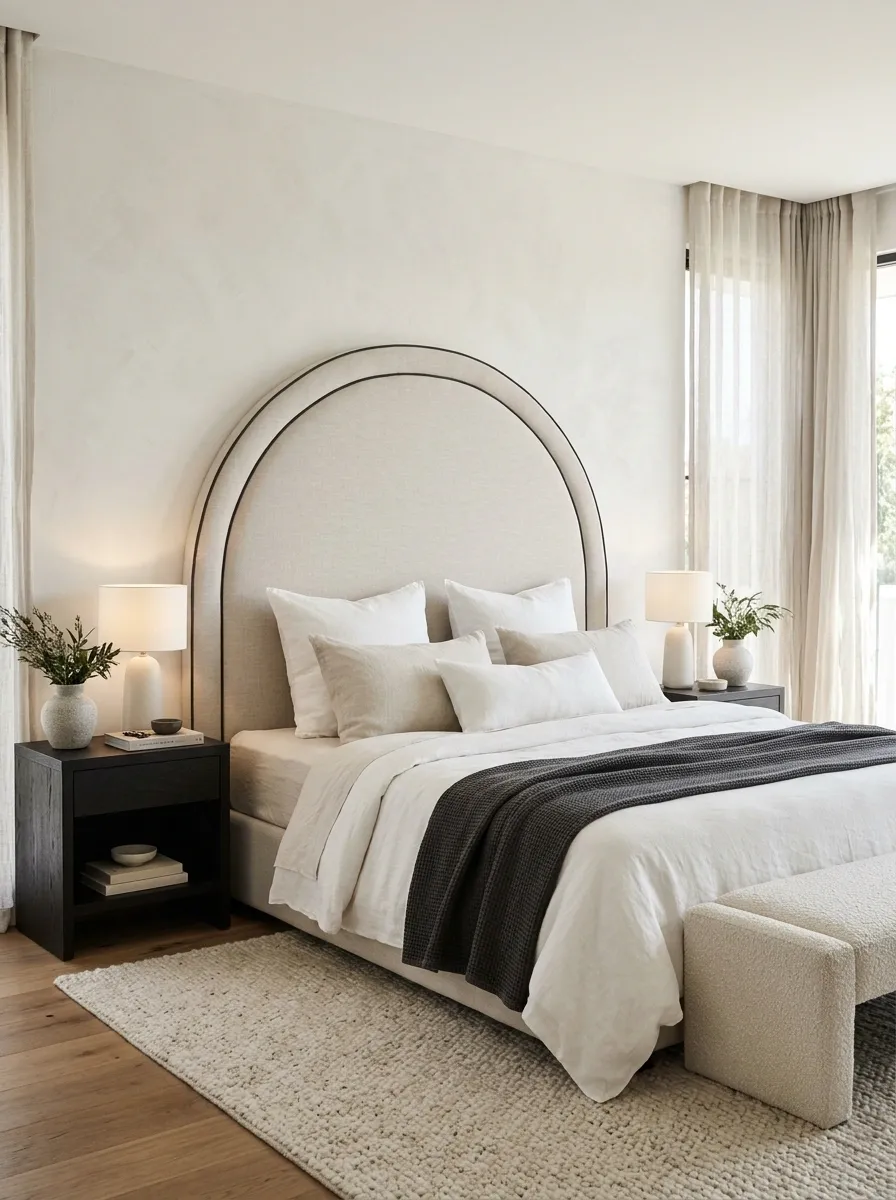
Outline the outer silhouette of a plain upholstered headboard while leaving its central field uninterrupted. A dark edge can give a pale headboard definition against a light wall.
Keep the bedding simpler near the outline so the shape remains visible. If the headboard has an arched or stepped form, the line can reveal that geometry without additional tufting.
Use the edge color once in a bedside detail or cushion if desired. The bed already has a substantial upholstered surface; it doesn’t need a matching piping package across every pillow. Let the headboard be one finished object rather than the first member of an expanding upholstered family.
Upholstery relationship study; the line marks the proposed visible piping.
Keep the central field and nearby bedding calmer than the outline.
Contrast Piping Only on a Sofa’s Back Cushions
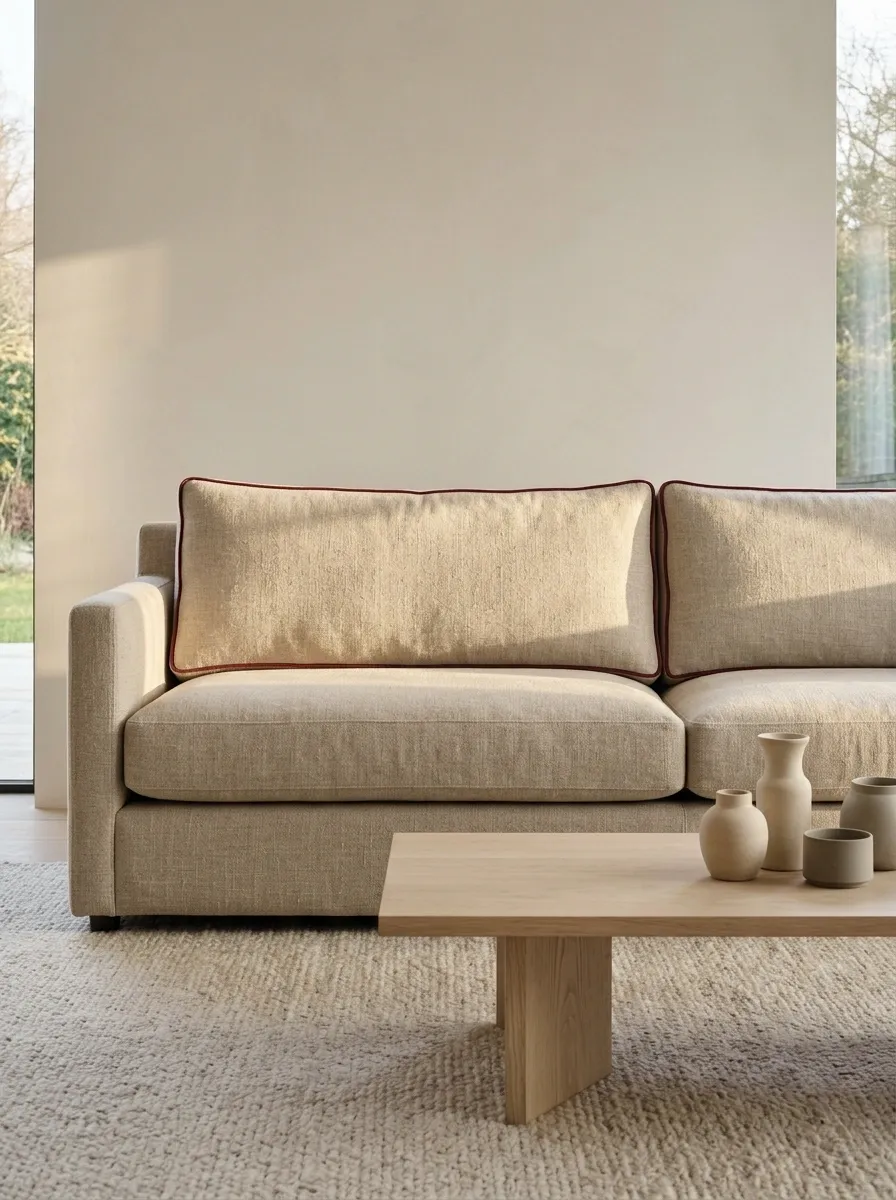
Outline the back cushions and leave the seat cushions plain. This puts the detail at eye level and gives the sofa a lighter-looking lower half.
Upholstery relationship study; the line marks the proposed visible piping.
Before choosing the detail
Use the detail where it remains visible during ordinary use.
Choose the contrast around how the sofa is normally used. If throws and pillows cover the back cushions, the line may rarely be seen.
A muted wine edge on flax can feel warm and tailored. Pair it with a plain rug and a few cushions that don’t hide the corners. The selective placement looks deliberate precisely because not every seam has been outlined.
Mix Texture Without Making the Line Too Loud
Linen-Look Piping on a Velvet Chair
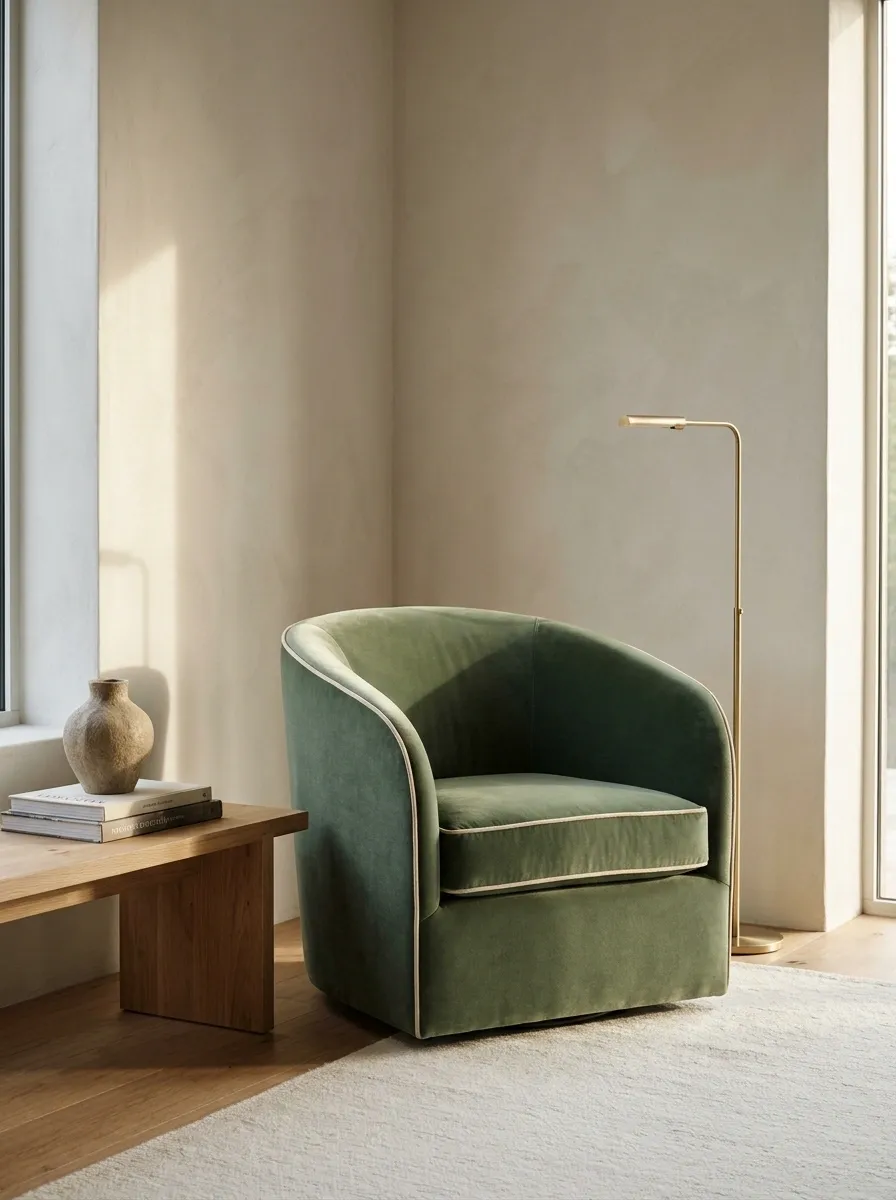
A matte linen-look edge can define velvet upholstery through texture as well as color. Choose a related shade if you want the contrast to remain subtle.
Check construction and care compatibility for the actual fabric pair.
Ask for a constructed sample. The two fabrics need to work together in the cover’s construction and care requirements, so review the combination with the upholsterer. A beautiful swatch pairing isn’t automatically a practical seam.
Use the chair in a room with quieter textiles nearby. The velvet changes with light while the matte edge remains more consistent, giving the form a gentle boundary. This can feel richer than using a very dark outline solely to make the piping visible from across the house.
A Subtle Leather Edge on an Upholstered Bench
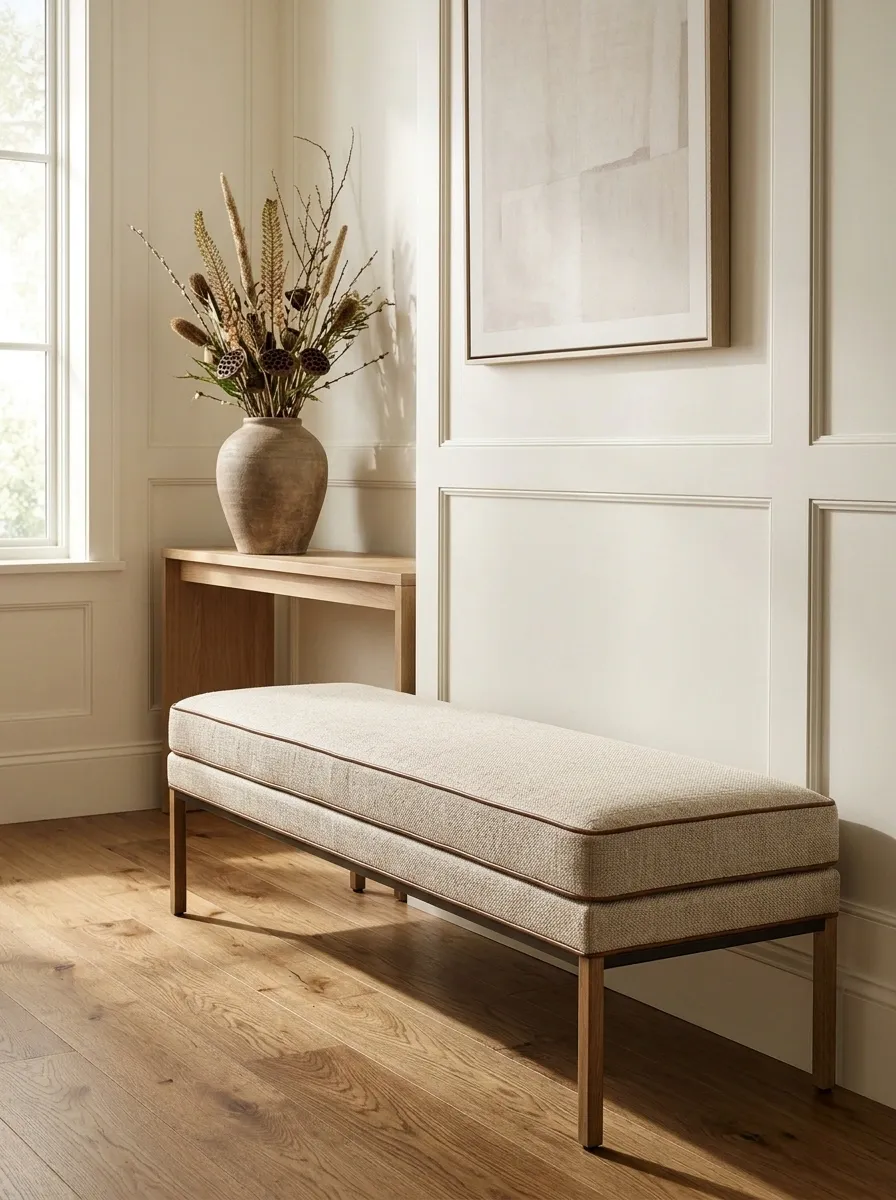
A suitable leather piping detail can add a smooth line to a plain upholstered bench. Keep the color related to nearby wood or metal rather than choosing an unrelated accent purely for contrast.
Have the construction and care requirements reviewed for the specific leather and main fabric. The edge is part of the upholstery, not a decorative cord to attach casually afterward.
A tobacco line on flax can feel warm beside oak; a dark brown line can give deeper definition. Let the bench frame remain simple. The material change is already a distinctive detail, especially on a long seat with few other seams.
Confirm that the materials suit the construction and expected use.
Tonal Piping on a Deep Green Sofa
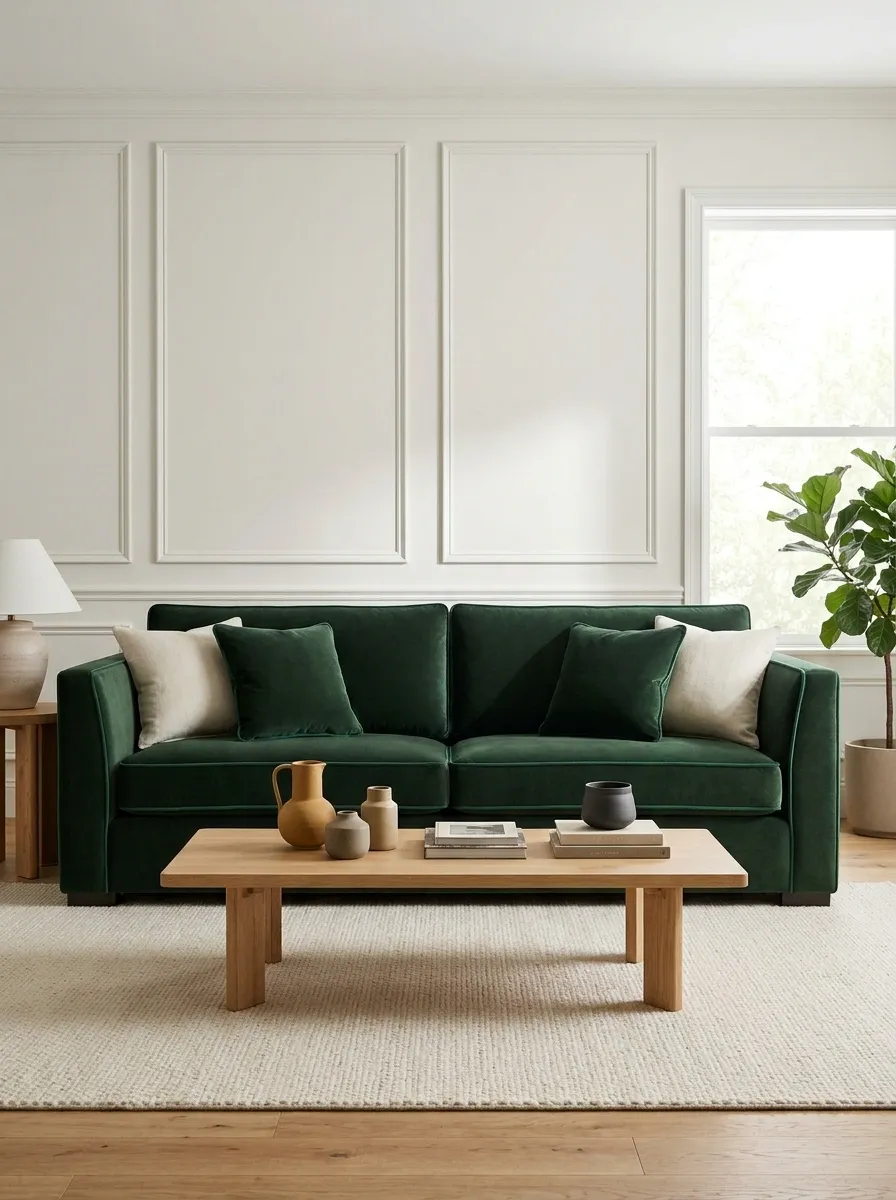
Use piping just a little deeper than the main green upholstery. The outline becomes visible in certain light without creating a strong graphic border.
This can suit a sofa with a well-defined shape that doesn’t need extra decoration. Pair it with a pale rug and a quiet wood table so the tonal detail isn’t lost among competing patterns.
Upholstery relationship study; the line marks the proposed visible piping.
Review the edge in daylight and evening light to judge how subtle it will be.
Choose the sample in its wrapped form. A narrow line often reads differently from a large square of fabric, particularly when the main upholstery has pile or a pronounced weave.
Give Small Pieces Their Own Character
A Striped Lumbar Cushion With Solid Dark Piping
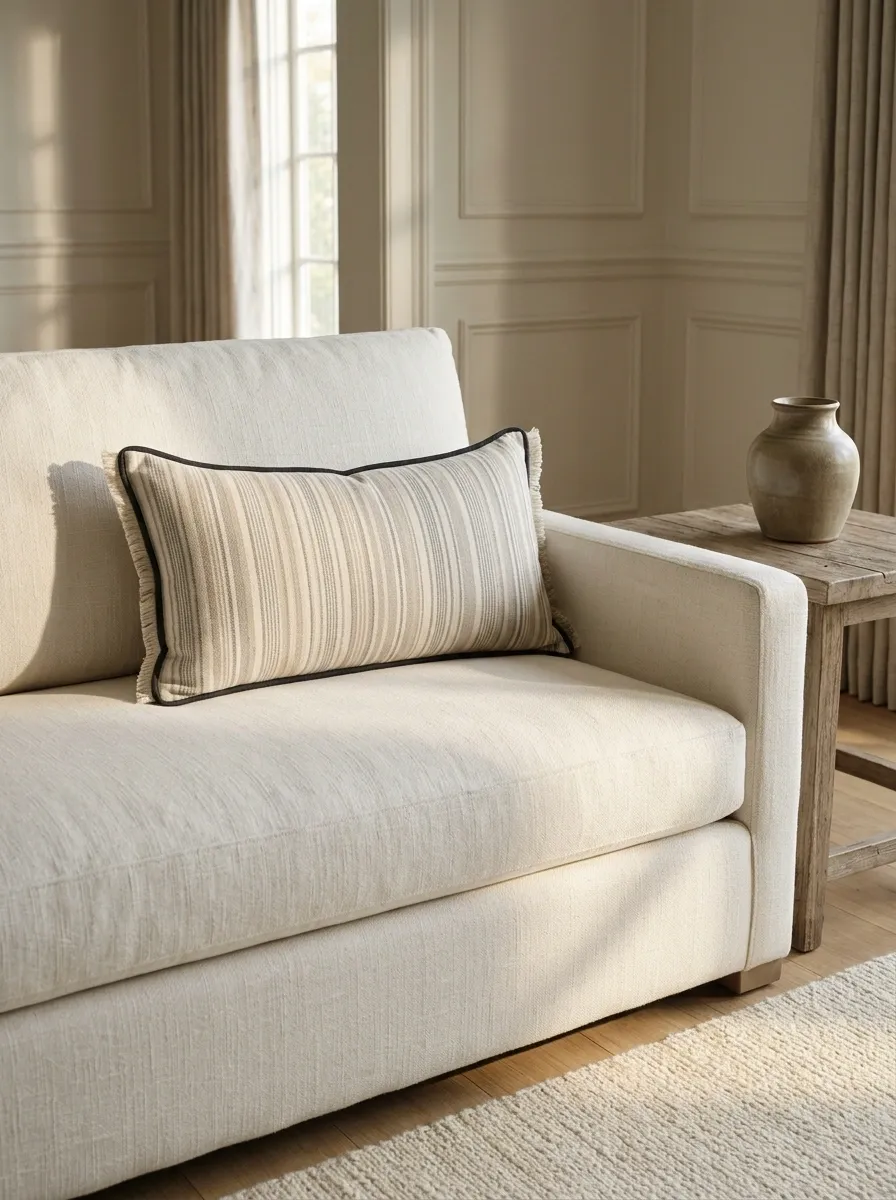
Use a solid dark edge around a striped lumbar cushion, keeping the line related to the stripe’s deeper color.
The piping contains the pattern and gives the small cushion a clear outline.
Place it on plain upholstery so both details can be read. A cushion with stripes, fringe, tassels, and another patterned edge is doing rather a lot for something whose primary role is being leaned on.
Choose a scale that suits the seat and leaves the arms and back comfortable to use. The small detail should support the furniture’s character rather than bury it beneath accessories.
Upholstery relationship study; the line marks the proposed visible piping.
Keep the surrounding upholstery plain enough to reveal the cushion's outline.
A Floral Seat Pad With a Plain Color Pulled From the Print
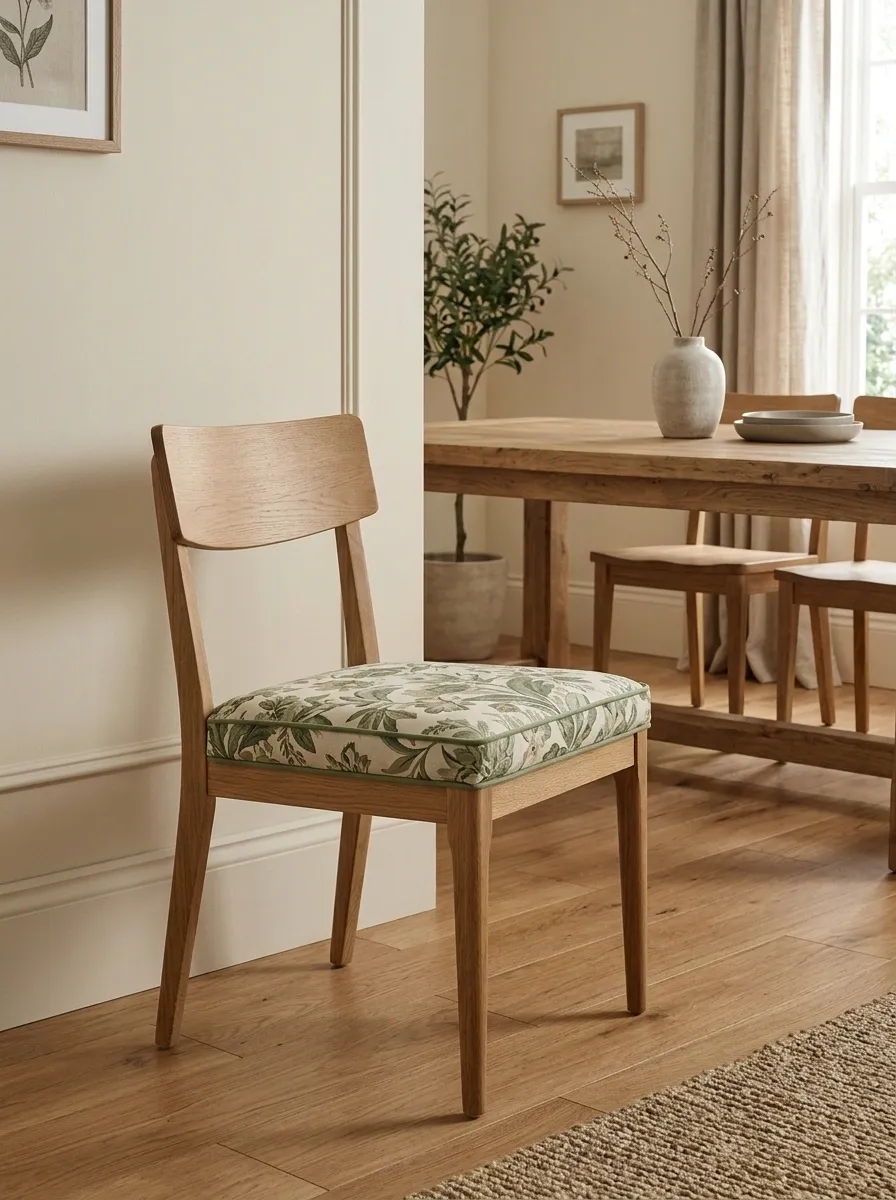
Choose one quieter color from a floral fabric for the piping around a dining or occasional-chair pad. The edge gives the print a defined boundary without introducing another motif.
Select a secondary print color for the edge rather than automatically choosing the brightest flower.
Use the pad on a simple chair frame. If the chair already has elaborate carving, keep the floral scale restrained or choose plain upholstery instead.
A muted leaf green often feels calmer than repeating a vivid bloom. The piping should look connected to the fabric even when only part of the pad is visible beneath the table.
A Two-Sided Cushion With One Shared Edge Color
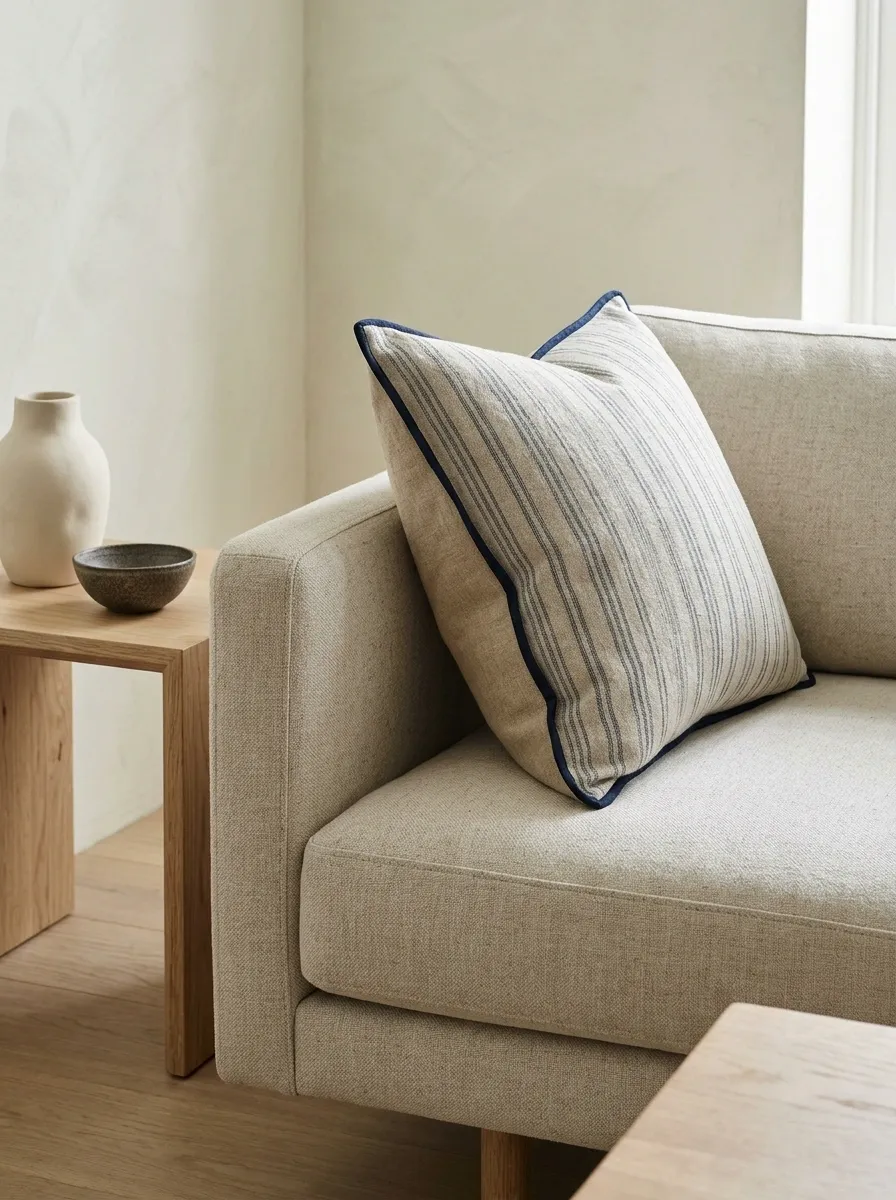
A reversible cushion can use two different faces tied together by one piping color. Choose fabrics whose construction and care work together, then keep the edge common to both sides.
Choose compatible fabrics and an edge color that works with both faces.
For example, a plain flax face and a restrained blue stripe can share a muted navy line. The cushion can change the room’s emphasis without introducing a completely new palette.
Use the design on a simple sofa or chair where both faces make sense. Reversible doesn’t have to mean unrelated. The shared edge can make the two versions feel like deliberate variations rather than a decorative argument happening on opposite sides of one cushion.
A Loose Chair Cushion With a Different Edge From the Frame
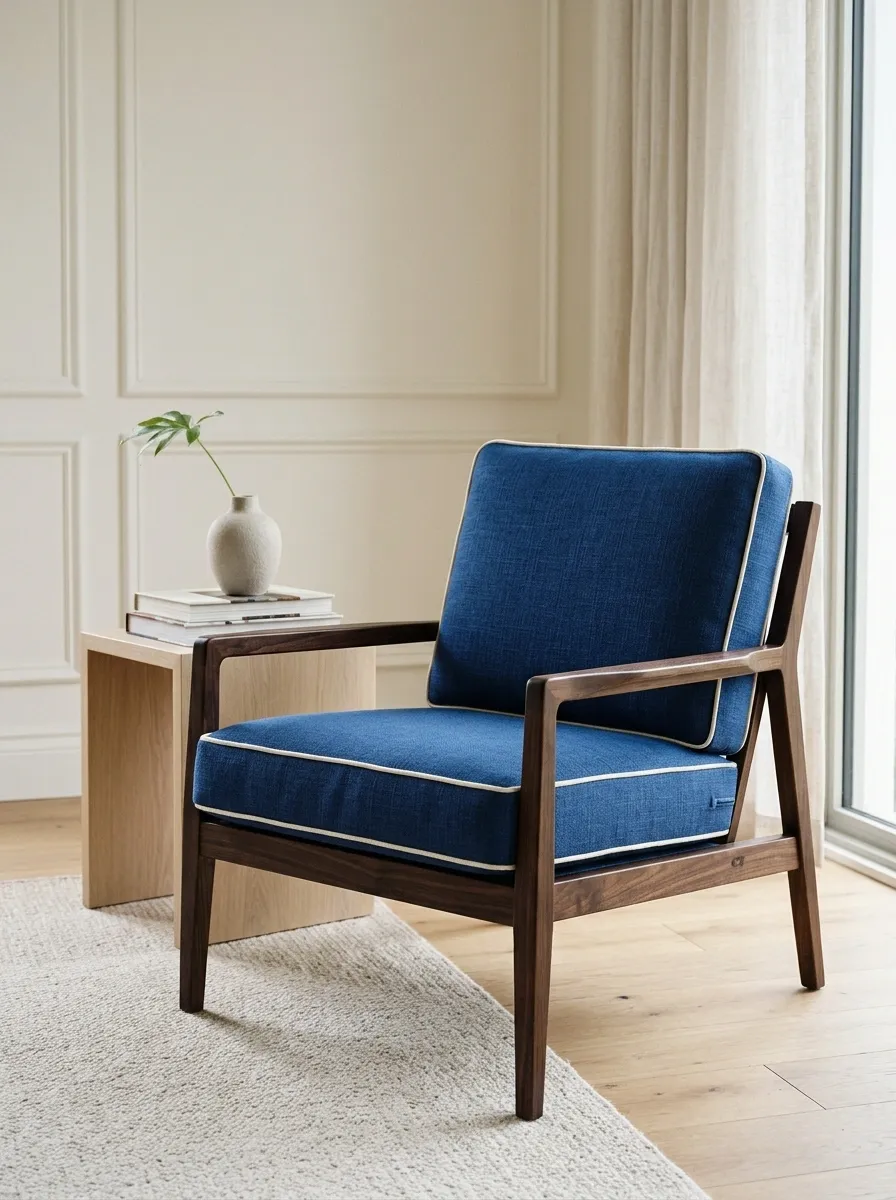
On a wood-framed occasional chair, give the loose cushion a contrast edge that relates to the upholstery rather than matching the wood. This helps the cushion look like a separate tailored component.
A blue cushion with a cream edge can sit comfortably within a dark frame; a flax cushion with olive piping can work with pale oak.
Keep ties or other securing details appropriate to the chair’s design. The piping supplies a visible boundary, while the cushion still needs to stay comfortably in place. A beautifully outlined pad sliding out from under its occupant is a furniture detail with unfortunate comic timing.
Upholstery relationship study; the line marks the proposed visible piping.
Before choosing the detail
Choose the edge for the cushion's palette and keep its fit and securing method practical.
A Pair of Plain Ottomans With Different Related Edges
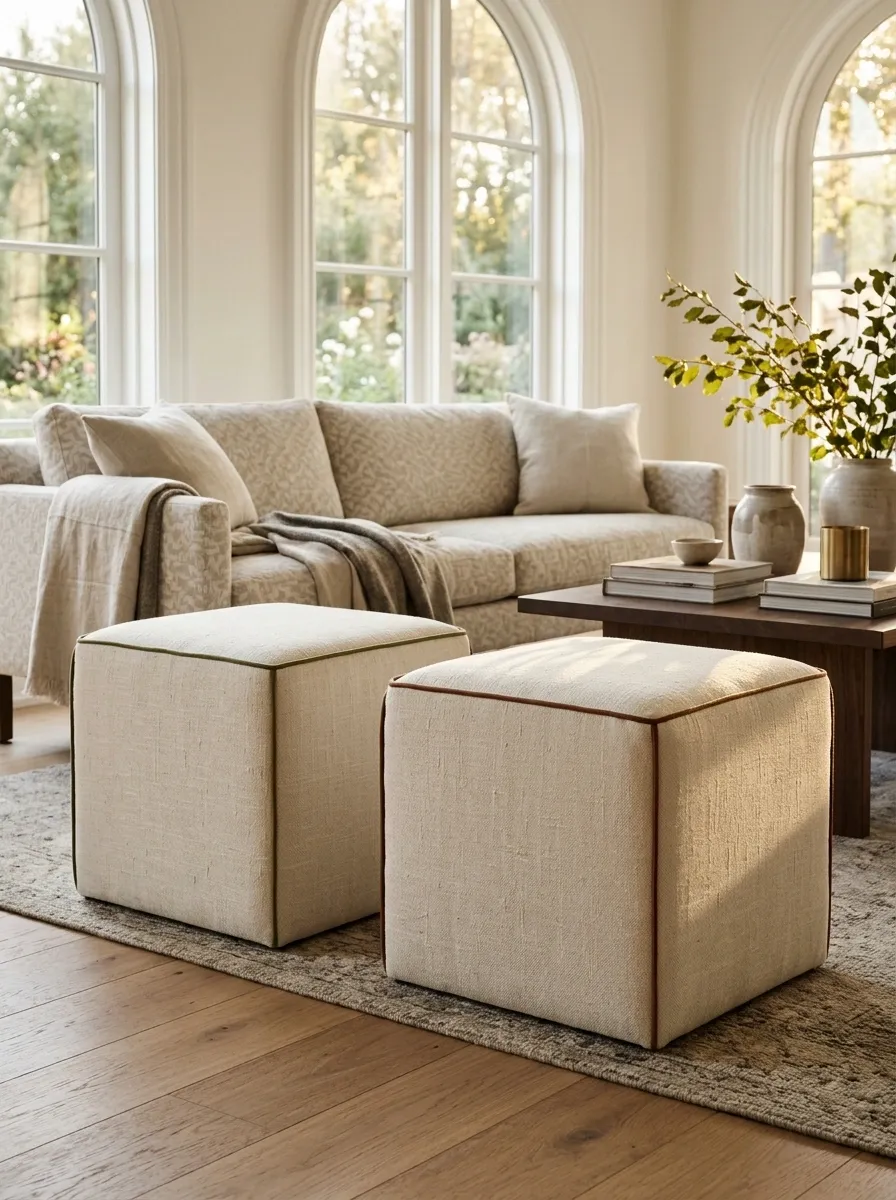
Use two plain ottomans in the same body fabric, with different but related piping colors. One might have olive edging and the other tobacco, both colors already present in the room.
Keep the shapes similar enough to read as a pair. The variation should feel intentional rather than like a sample order that never reached a decision.
Keep the main upholstery and forms related while varying only the edge color.
This can add personality to a relaxed seating area. If the rug and sofa are already strongly patterned, choose one shared edge instead and let the room have a quieter pair.
A Bedroom Bench With Piping Taken From the Bedding
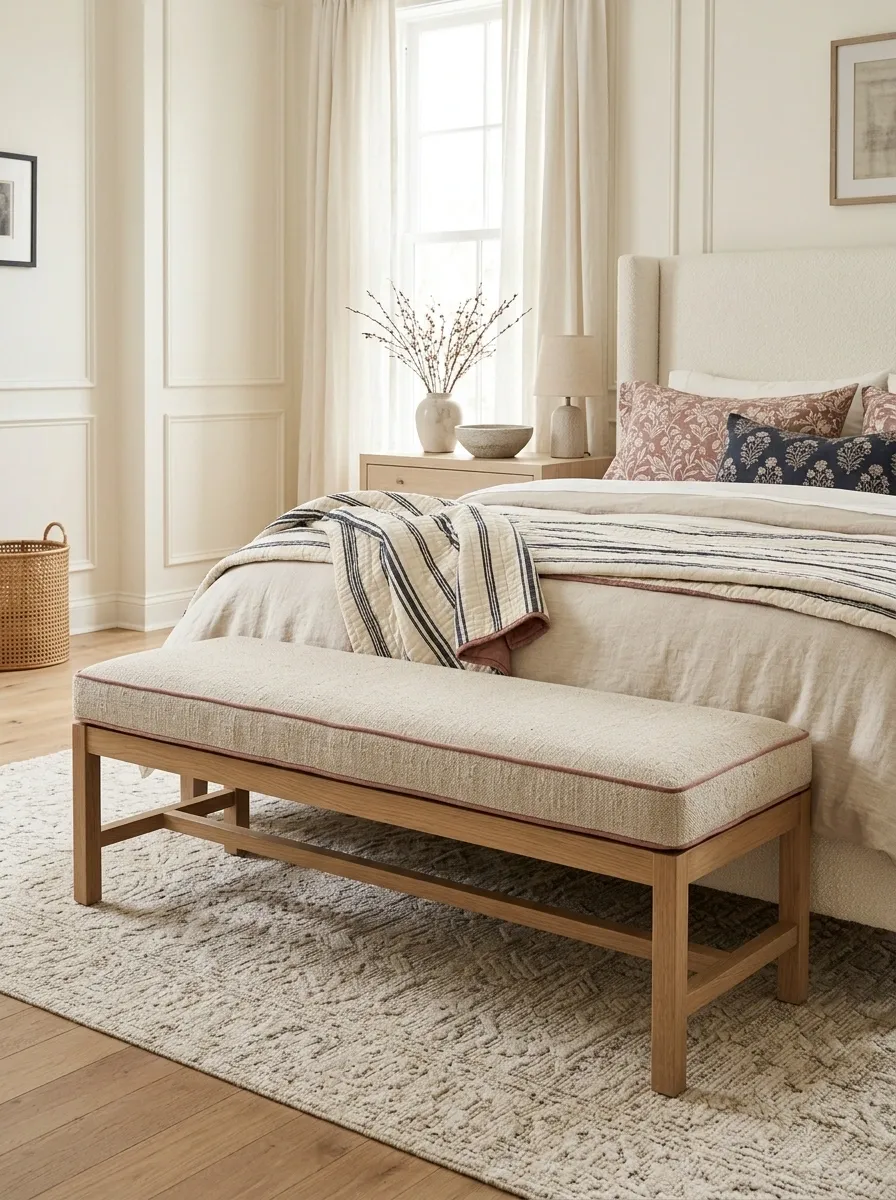
Choose a single bedding color for the edge of a plain bedroom-bench cushion. The bench connects to the bed without repeating the entire duvet pattern.
Keep the cushion’s body fabric neutral and the frame simple. A dark blue edge can relate to a striped quilt; a muted rose line can pick up a small print detail.
The bench should still work with future bedding changes, so favor a color you use regularly rather than the most unusual accent in one seasonal set. A small upholstery detail can create a convincing relationship without making the entire room dependent on a particular pillowcase remaining available forever.
Upholstery relationship study; the line marks the proposed visible piping.
Choose a color you already enjoy using, not a one-off accent that limits future changes.
Ask for One Finished Sample
Before committing to a whole sofa or several chairs, review a piped corner in the actual fabrics. Look at its thickness, texture, and contrast from your normal viewing distance.
If the line overpowers the furniture, soften the contrast or reduce where it appears. Piping is most useful when it makes a good shape easier to see. Once the shape is clear, it can stop talking.