
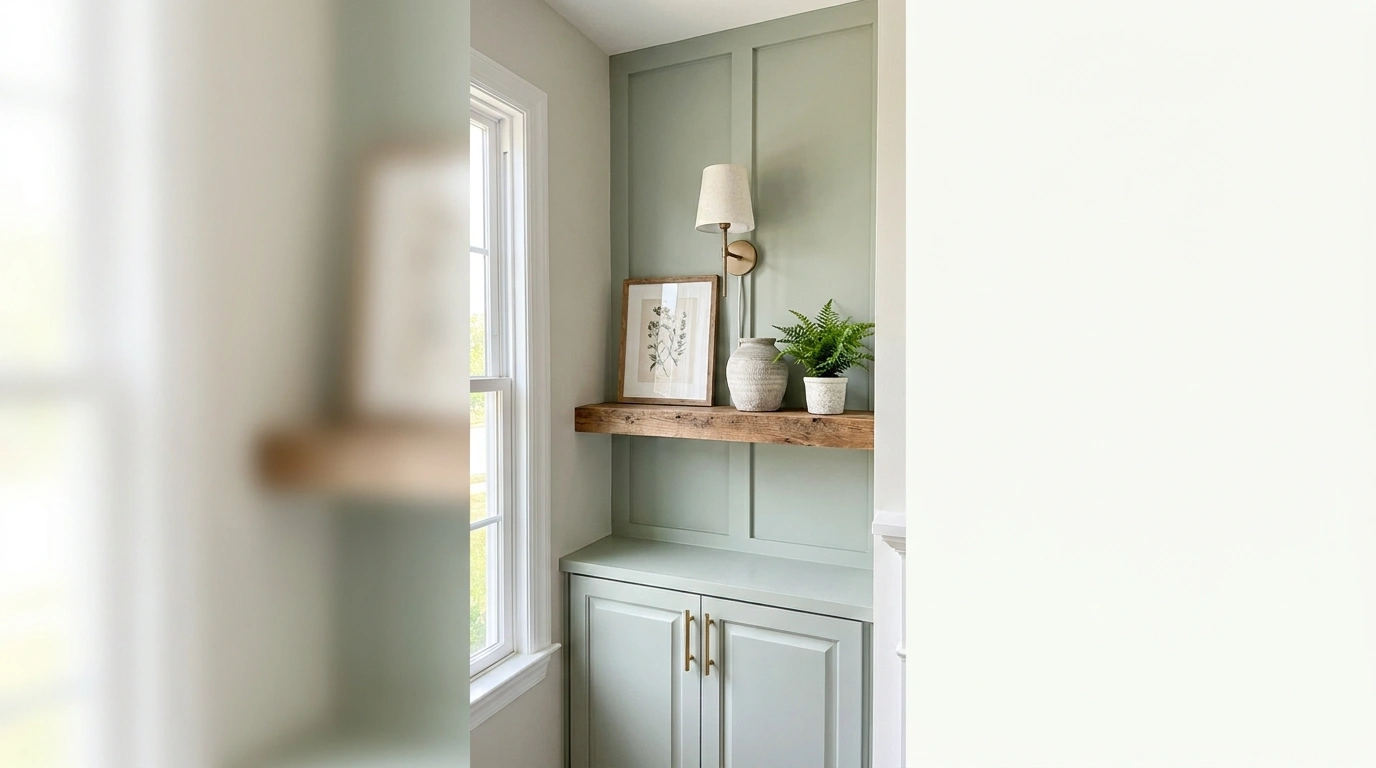
It is Friday evening. You have a free weekend, a reasonably intact home, and no desire to spend Sunday eating dinner beside an exposed wall.
Choose a project with a clear stopping point. A drawer can be reorganized. Handles can be replaced. A curtain can be hemmed.
“Refresh the whole downstairs” is how a shopping list becomes a hostage situation.
Pick the Annoyance You Notice Most Often
Start with something that bothers you during daily life. Decide what finished looks like, measure the space, check supplies, and read the product instructions.
Drying and curing may continue beyond the weekend. Assess unknown older finishes before disturbing them, and stop if you uncover damage or unfamiliar construction.
Small Projects With a Visible Finish Line
Replace Cabinet Handles Using the Existing Holes
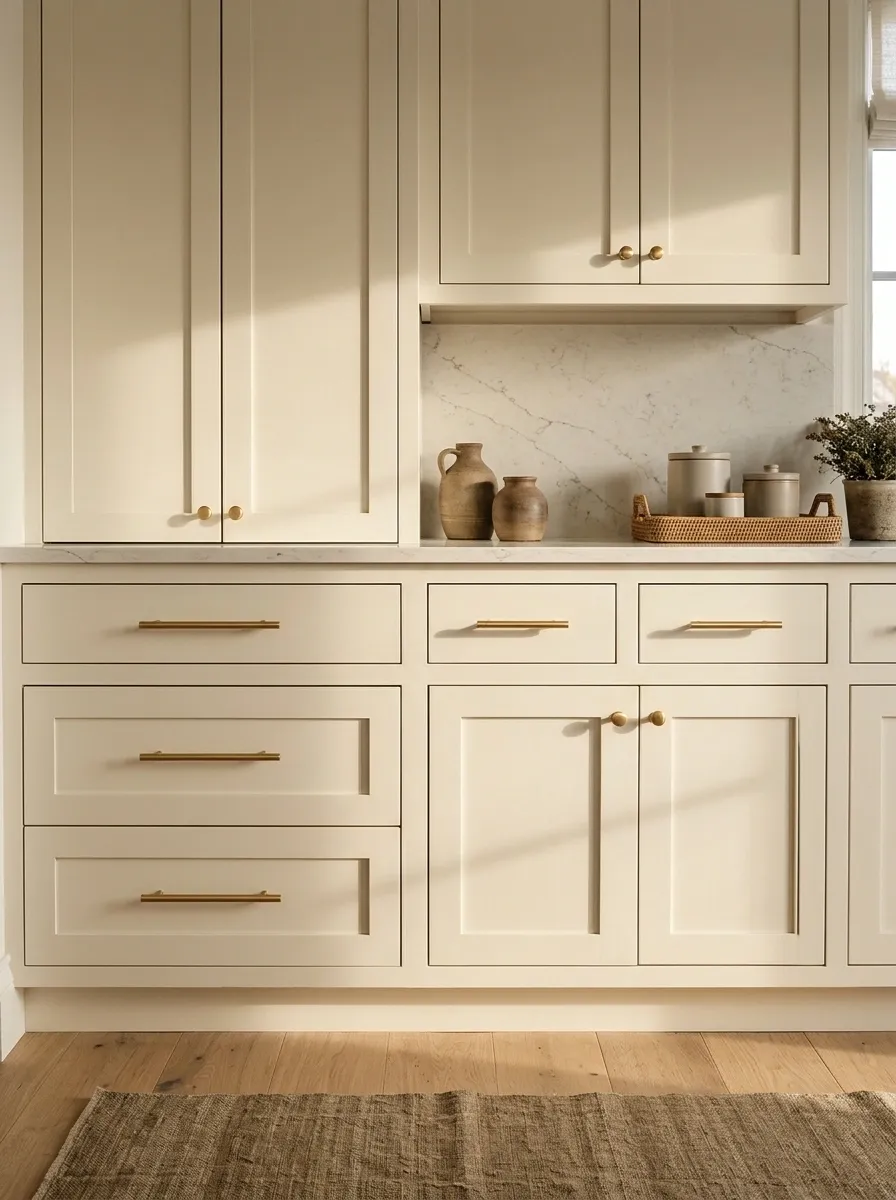
Measure existing hole spacing and test a sample before ordering the full set. Check grip, door movement, and neighboring fronts.
Use compatible screws for the door thickness and tighten carefully. Work one fitting at a time, then test every drawer. Save the original hardware together, especially in a rental. Your future self already has enough unidentified bags of household components.
Line and Reorganize a High-Use Drawer
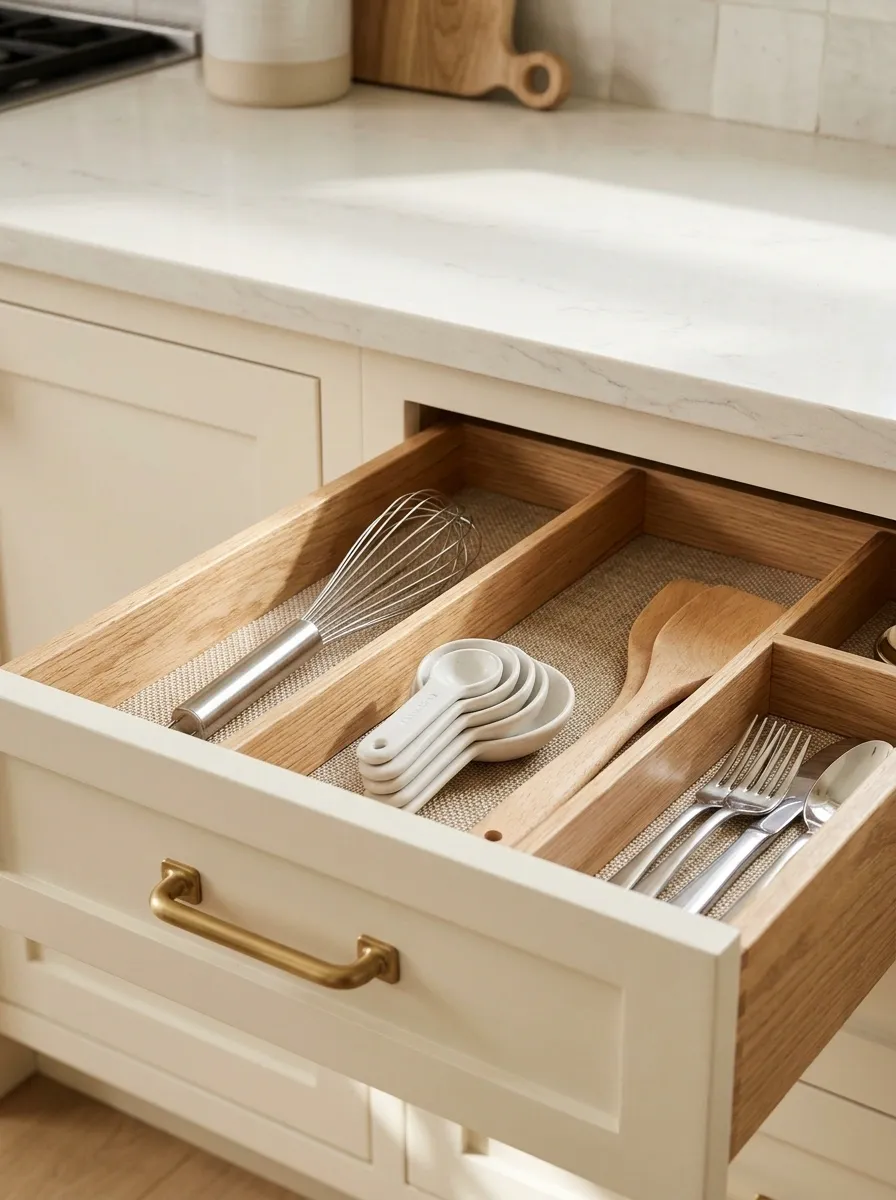
Empty a daily-use drawer, clean it appropriately, and let it dry before adding a compatible removable liner.
Measure before cutting and return only items that belong there. Dividers should leave room for your hands. Organization succeeds when you find things easily, rather than when every miscellaneous object has been transferred into a smaller, more expensive container.
Shorten Curtains to Suit the Actual Window

Hang curtains on their existing sound fitting and mark the intended length in position. Check each panel against the floor.
Use a hemming method compatible with the material and its care instructions. Test heat-sensitive fabric before pressing. Rehang and check movement, heater clearances, and cord safety. Curtains should not collect floor dust with the dedication of a specialist contractor.
Set the length from the installed position.
Build a Real Bedside Charging Station
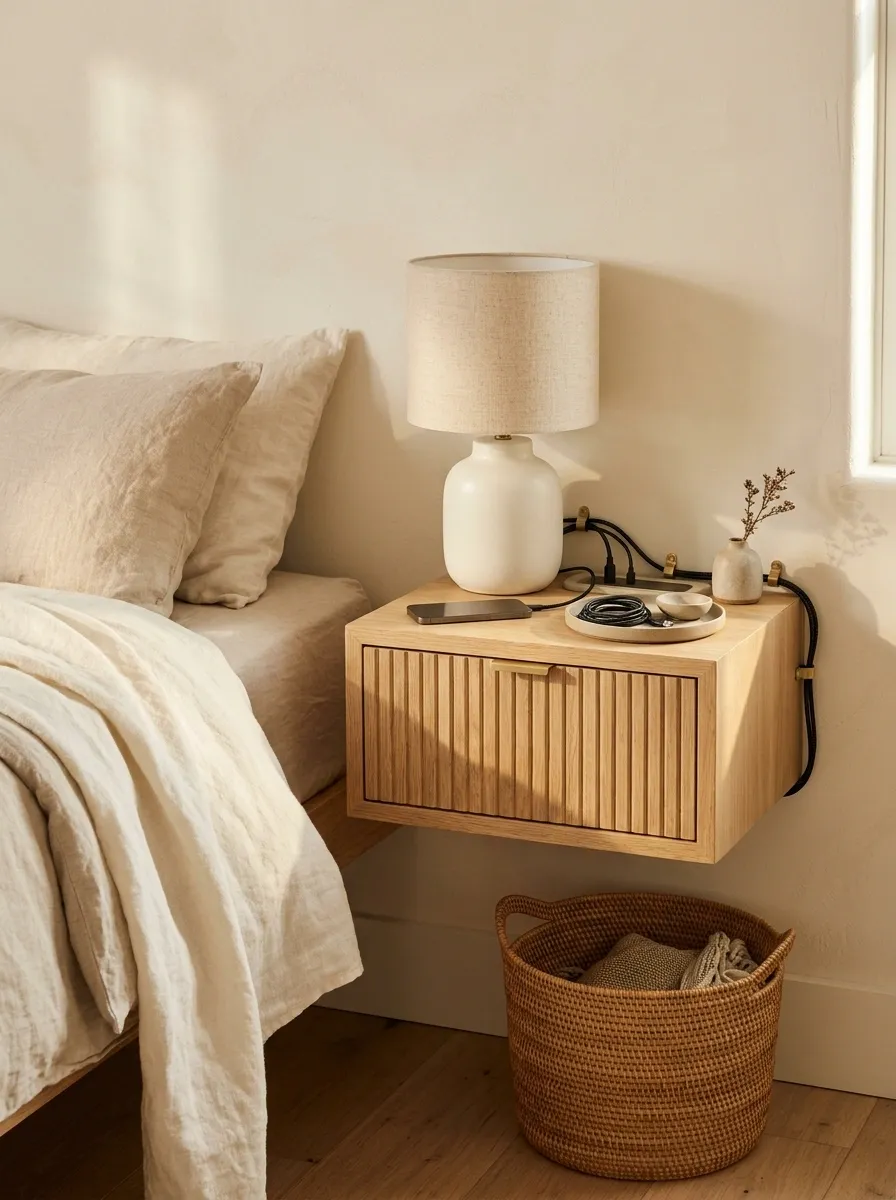
Choose which devices charge beside the bed and route compatible cables safely, leaving drawer and lamp movement clear.
Keep chargers ventilated and follow their instructions. Avoid hiding warm equipment under bedding or inside an unsuitable closed box. Add a small tray if useful. The project succeeds when you can find a lead after dark without pulling a lamp toward your face.
Give an Existing Bookcase a Better Arrangement

Remove everything, clean the shelves, and inspect the unit’s condition and stability. Follow anchoring and load instructions.
Return heavy books low down and group others usefully. Add objects only where books remain accessible. Reversing every spine or organizing dictionaries by emotional tone is optional. Being able to retrieve and replace a book is the more convincing achievement.
Secure furniture, sensible loading, and reachable books.
Refresh a Sound Chair With a Removable Cushion Cover

Measure the cushion’s width, depth, and thickness, then choose a compatible removable cover.
Check seams, closures, cleaning requirements, and the seated feel. A ready-made cover can change color without dismantling the chair. Start with a comfortable sound cushion, though. Fresh fabric changes appearance effectively and remains notably less qualified to repair a collapsed seat.
Create an Entry Station From Furniture You Own
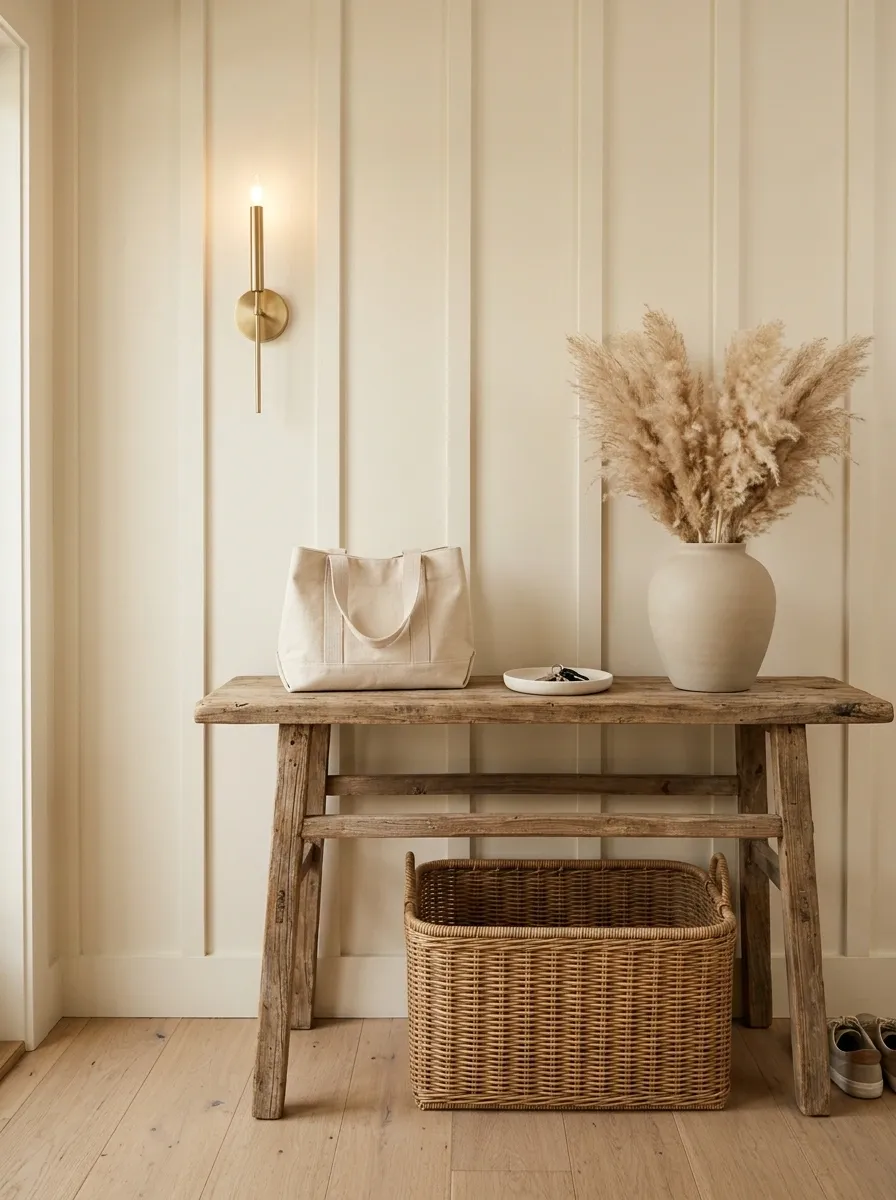
Move a suitable table, cabinet, or bench near the entrance while preserving door movement and circulation.
Add a key tray and assign bags a defined place. Secure furniture as required and test a normal arrival before buying organizers. Give paperwork another destination so the tray does not become a miniature administrative landfill by the following Thursday.
Use existing furniture before buying another unit.
Replace a Lampshade That No Longer Suits the Room

Check the lamp’s fitting, support, bulb requirements, and clearances before choosing a compatible shade.
A simple shape can quiet an ornate base, while a tapered shade softens a plain one. Assess the lamp switched on and off because fabric changes the light. A shade has an actual lighting job alongside its decorative responsibilities.
Make a Freestanding Art Arrangement
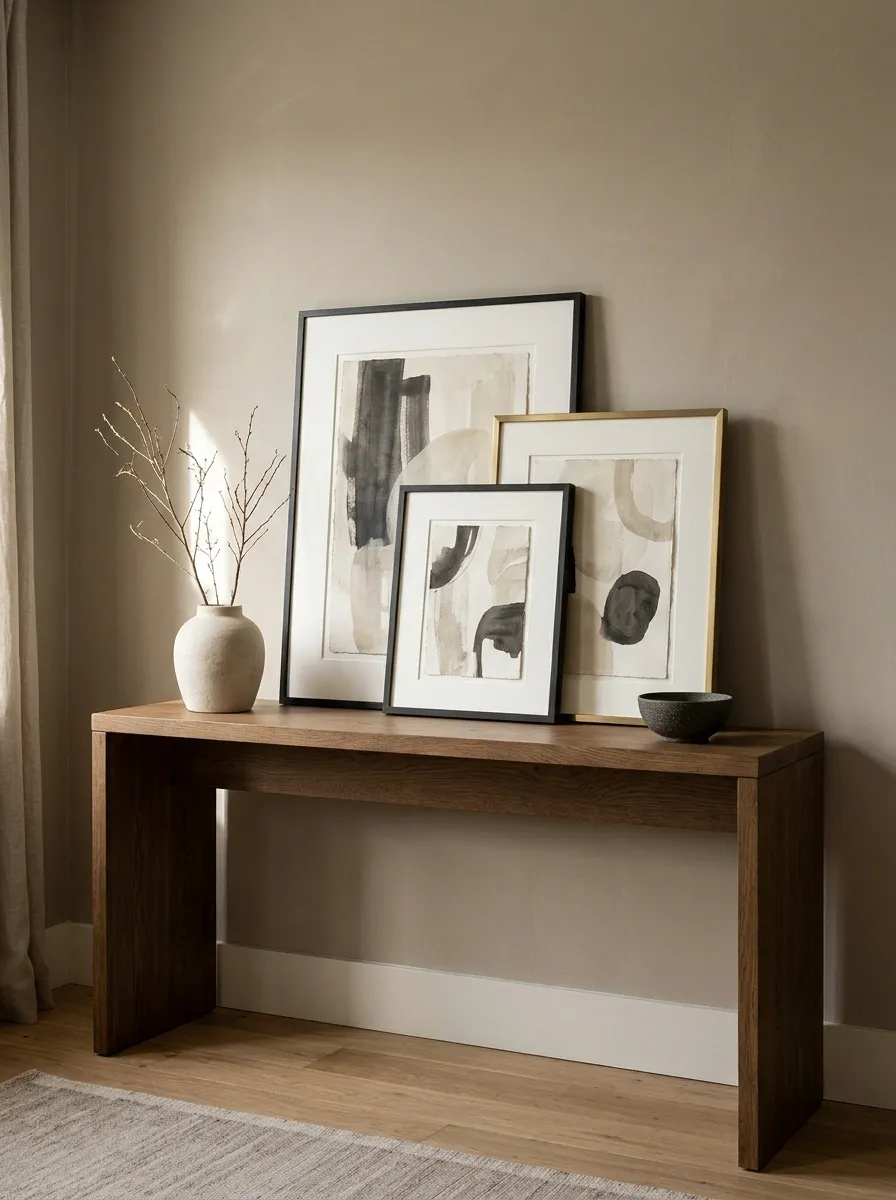
Arrange a few framed pieces on a suitable console or deep shelf. Use stable placement and appropriate restraints where needed.
Connect frames through material, color, or subject. Leave usable surface space and judge the group from normal standing height. Remove a piece if it feels crowded. Every frame since graduation does not need to appear simply because the boxes are finally open.
Rework the Furniture Layout in One Room

Measure and sketch before lifting. Start with the furniture that controls the room, then arrange smaller pieces around it.
Protect floors, get help with heavy items, and preserve exits, heaters, and access. Test the new layout through an evening. You may improve the room without buying anything, although moving the sofa will probably reveal a modest archaeological collection.
Then test doors, walking routes, lamps, and table access.
Organize the Space Under a Bathroom Basin
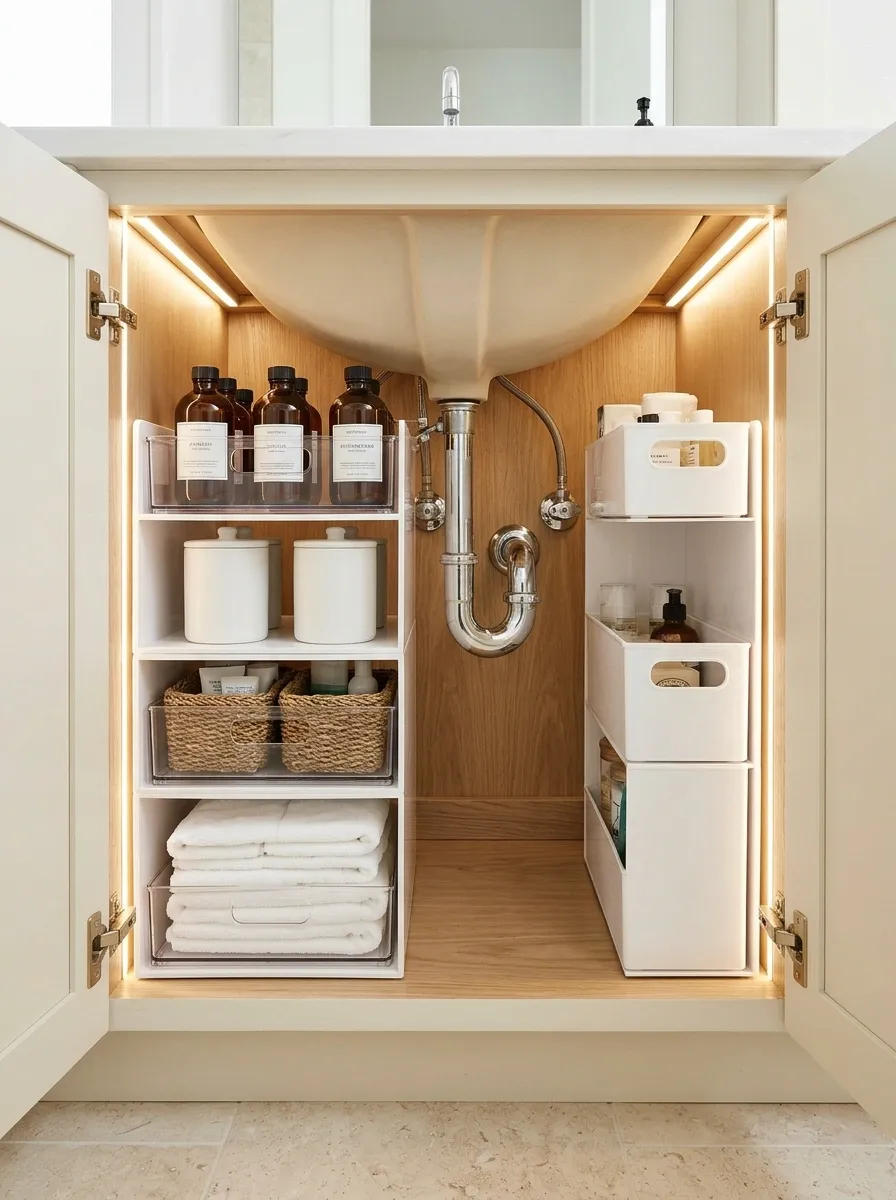
Empty the cupboard and inspect for leaks before adding containers. Keep pipes and shutoff access clear.
Group products by use, retaining labels and storing chemicals safely. Use organizers that fit the actual pipework. A carefully stacked tower around an unresolved leak is still a leak with accessories; resolve moisture problems before the organizing project begins.
Paint a Small, Sound Piece of Furniture
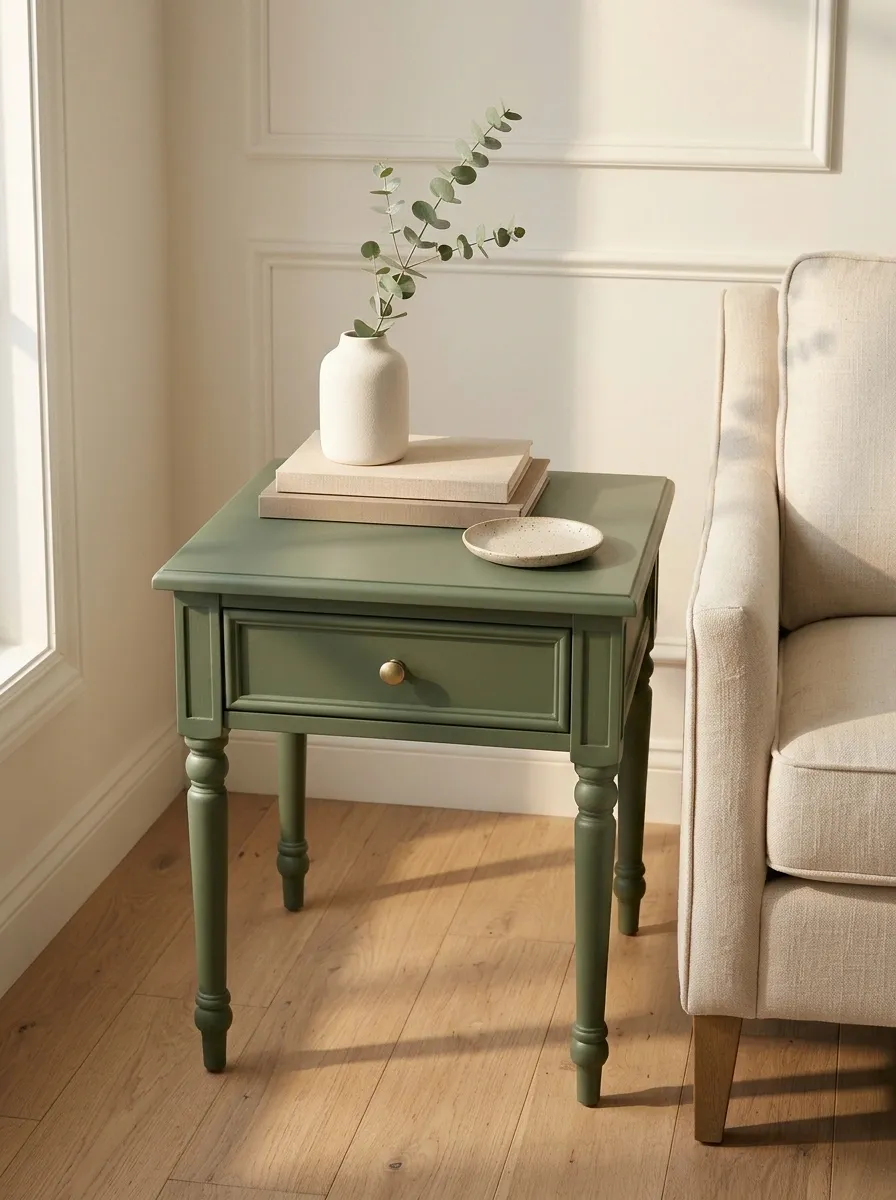
Choose one suitable side table or stool and identify the material and existing finish before selecting paint.
Follow the coating system’s preparation, ventilation, drying, and curing instructions. Assess unknown old coatings before abrasion. Plan somewhere the piece can cure undisturbed. Hands-on painting may fit the weekend even when full use returns later; the fresh finish deserves patience before meeting a coffee mug.
Turn a Laundry Shelf Into a Working System
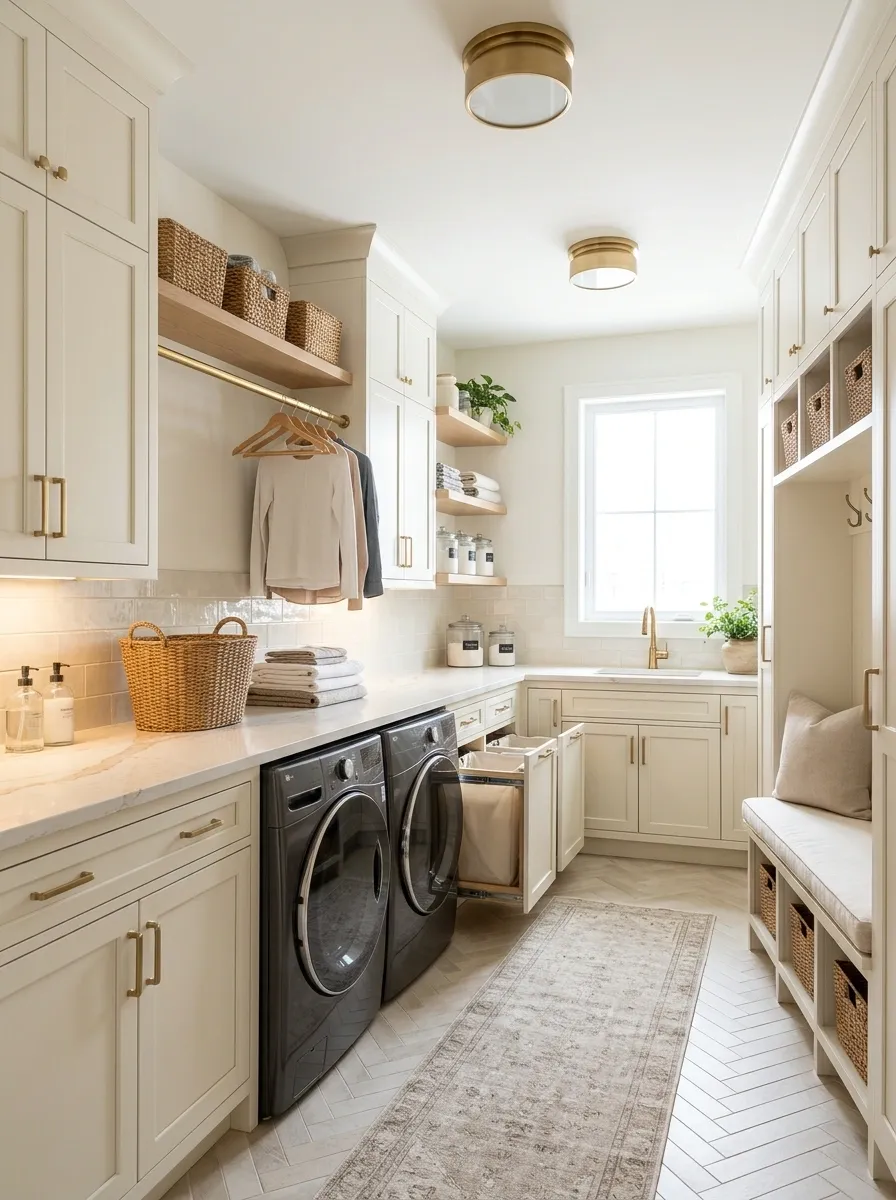
Rearrange an existing sound shelf around loading, treating, folding, and putting supplies away.
Keep products labeled and secured appropriately. Place lighter everyday items within reach and preserve appliance ventilation and maintenance access. One useful container for loose accessories may be enough. Laundry storage should help finish the washing instead of giving detergent an elaborate new social life.
Load, treat, fold, and put away without moving unrelated items.
Refresh the Sofa With What Is Already in the House

Try covers, a throw, or a small table from another room before shopping. Connect the sofa with existing rug or curtain colors.
Clean textiles as instructed and return only useful extras. Sit normally before deciding it is finished. A sofa requiring a preliminary cushion-removal ceremony has developed unreasonable expectations of the people funding its existence.
Replace a Tired Shower Curtain on the Existing Fitting

Measure the opening and choose a curtain and liner appropriate to the arrangement. Check that the existing rail is sound.
Hang it to manage splash without unnecessary bunching and follow its care instructions. Relate the pattern to existing finishes. A fresher bathroom does not require every accessory to announce its new coordinated relationship with the curtain.
Sound fitting, suitable length, and manageable cleaning.
Group Existing Plant Pots Into One Deliberate Arrangement

Gather healthy plants suited to the same location and arrange them with room to grow. Related trays or covers can connect the group.
Protect surfaces and choose household-appropriate plants. Keep each accessible for care. If watering requires moving six pots and a chair, the decorative improvement has created an unnecessarily complicated maintenance arrangement.
Compatible light, protected surfaces, and reachable pots.
Give the Food Cupboard Clear, Practical Labels

Group ingredients by use, check dates, and place everyday supplies within easy reach.
Label shelves or baskets clearly instead of decanting everything automatically. Preserve essential product and allergen information. A pantry works when someone besides its creator can find a snack. Elaborate calligraphy is optional; readable distinctions between baking supplies and breakfast are more useful.
Fit Washable Slipcovers to Sound Dining Chairs

Measure the chair’s back, seat, and shape, then check a compatible cover’s fit and care instructions.
Try one before ordering a set. Make sure it remains secure and does not hide damage requiring repair. Plain fabric can quiet a busy room. Fresh upholstery should improve a sound chair rather than offer excellent camouflage for a structural wobble.
Check fit, stability, cleaning, and the chair underneath.
Add Suitable Protective Pads to Movable Furniture

Inspect chair and small-table feet, then choose pads suited to the furniture, floor finish, and expected use.
Follow application instructions and test movement carefully. Check periodically for wear and trapped grit. This project lacks a theatrical reveal but can improve daily use. Your dining chairs do not require a dramatic transformation to behave more considerately.
Reset a Wardrobe Around the Current Season

Work through one manageable section, returning current clothing to comfortable reach. Store seasonal pieces clean and dry according to their care requirements.
Keep hanging space realistic and drawers able to close. Give reusable worn clothes a defined place. Finish each section before starting another so the bed remains available for sleeping rather than becoming an enormous sorting exhibition.
Wallpaper the Back of a Suitable Open Shelf

A small wallpaper panel gives a shelf personality without committing to a whole wall. Confirm product and surface compatibility first.
Follow preparation and adhesive instructions, protecting valuable furniture and assessing unknown finishes before disturbance. Keep displayed objects simple enough for the background to remain visible. Remaining wallpaper does not create an obligation to continue across every shelf in the house.
Refresh House Numbers on Existing Suitable Fixings

Choose readable numbers with clear contrast against the entrance background. Check applicable display requirements.
Use compatible existing fixings where suitable and follow installation instructions without disturbing concealed services. Inspect visibility from the approach. Decorative handwriting may look elegant close up, but delivery drivers should not need to solve a typographic puzzle to identify the house.
Replace an Uncomfortable Toilet Seat With a Compatible One
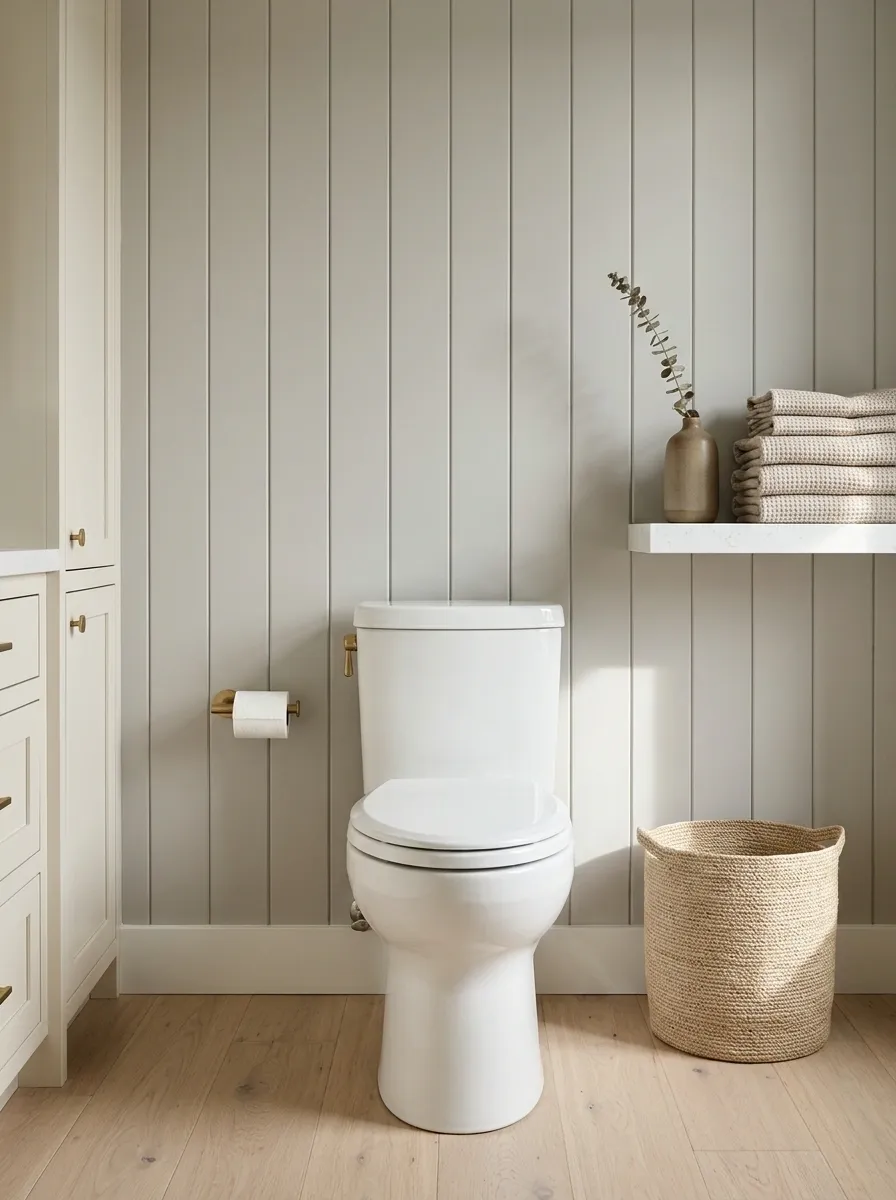
Measure the bowl, fixing positions, and fastener access before ordering a compatible seat.
Follow installation instructions and tighten as directed without overloading the ceramic. Check alignment and stability. Quick-release or soft-close features may help if suitable. Weekend projects are allowed to fix an irritating daily problem without becoming a decorative personality test.
Leave Sunday Evening for Putting the Tools Away
Finish the project, clear the work area, and keep instructions for any remaining drying or curing.
Enjoy the improvement during its actual job. If time remains, you are allowed to keep it. A free hour does not have to become the opening scene of another project.