
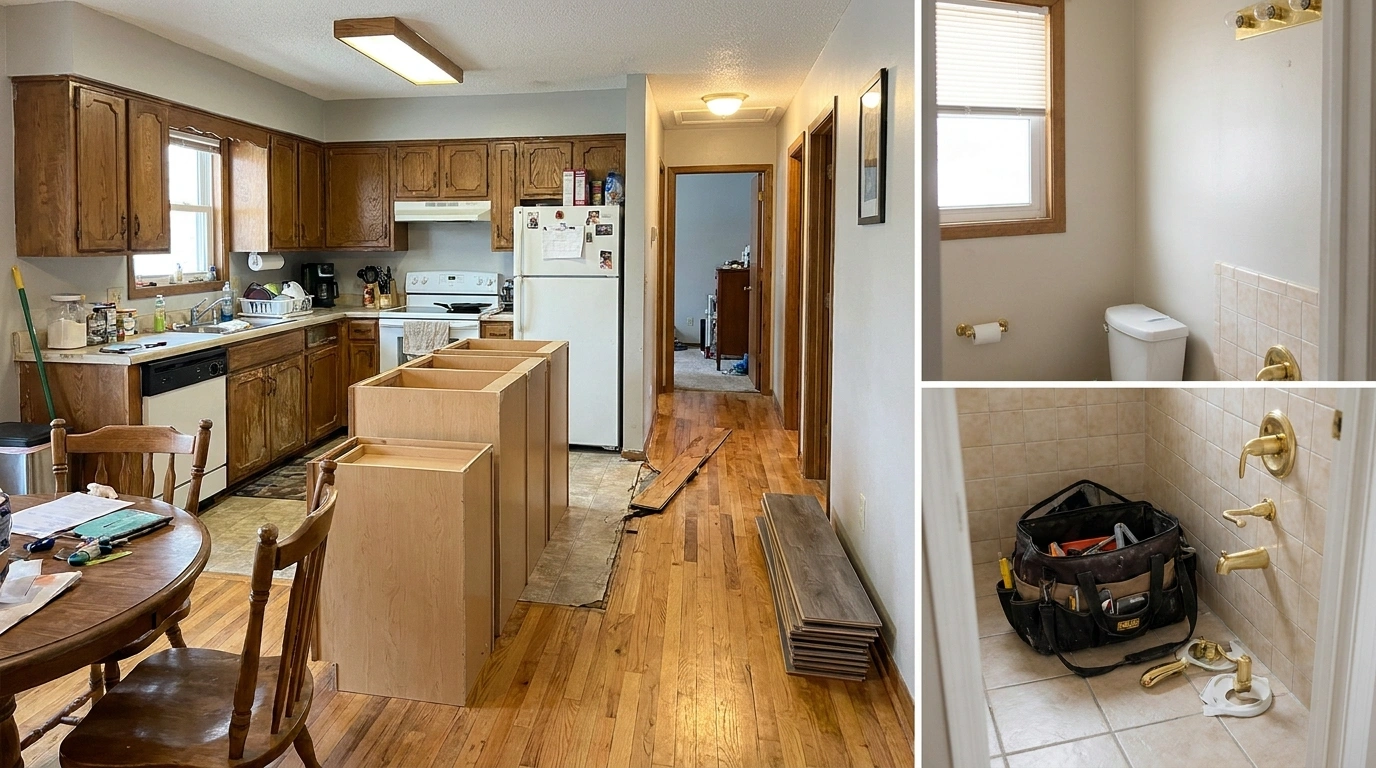
The contractor’s quote arrives, and suddenly your moving plans include a kitchen renovation, new flooring, and a bathroom you’ll barely use before handing over the keys. Somewhere along the way, “get the house ready” became “finish every project we postponed.”
Selling needs a different spending plan.
The repairs to avoid before selling your home are usually optional upgrades, oversized solutions, or projects whose cost and disruption don’t fit the property’s condition and local market. Necessary repairs deserve a separate assessment. A leaking roof and an unfashionable countertop aren’t the same problem.
Start with what’s broken, what’s visibly neglected, and what buyers in your area actually expect. Then question the expensive work that mainly changes taste. A clean, functioning kitchen may need careful presentation rather than demolition.
There’s no universal list of things sellers should leave untouched. Use the decisions below to challenge proposed spending, gather estimates, and discuss priorities with your local agent and appropriate professionals. The goal is to prepare the house responsibly while keeping more of your moving budget available for the home you’ll actually live in.
Separate Necessary Work From Optional Upgrades
Get the Condition Assessed Before Choosing the Finish
Roofing, moisture, structural movement, electrical faults, and major system problems need an informed assessment. Don’t treat cosmetic work as a way to make those issues disappear.
NAR’s consumer guidance recommends obtaining estimates for significant repairs even when you don’t plan to complete them before selling. Those figures can help inform pricing and negotiations. Discuss the property’s condition, applicable disclosure obligations, and any transaction requirements with your local agent and relevant professionals before deciding what to repair or leave. nar.realtor
Judge Spending Against the Sale You’re Preparing For
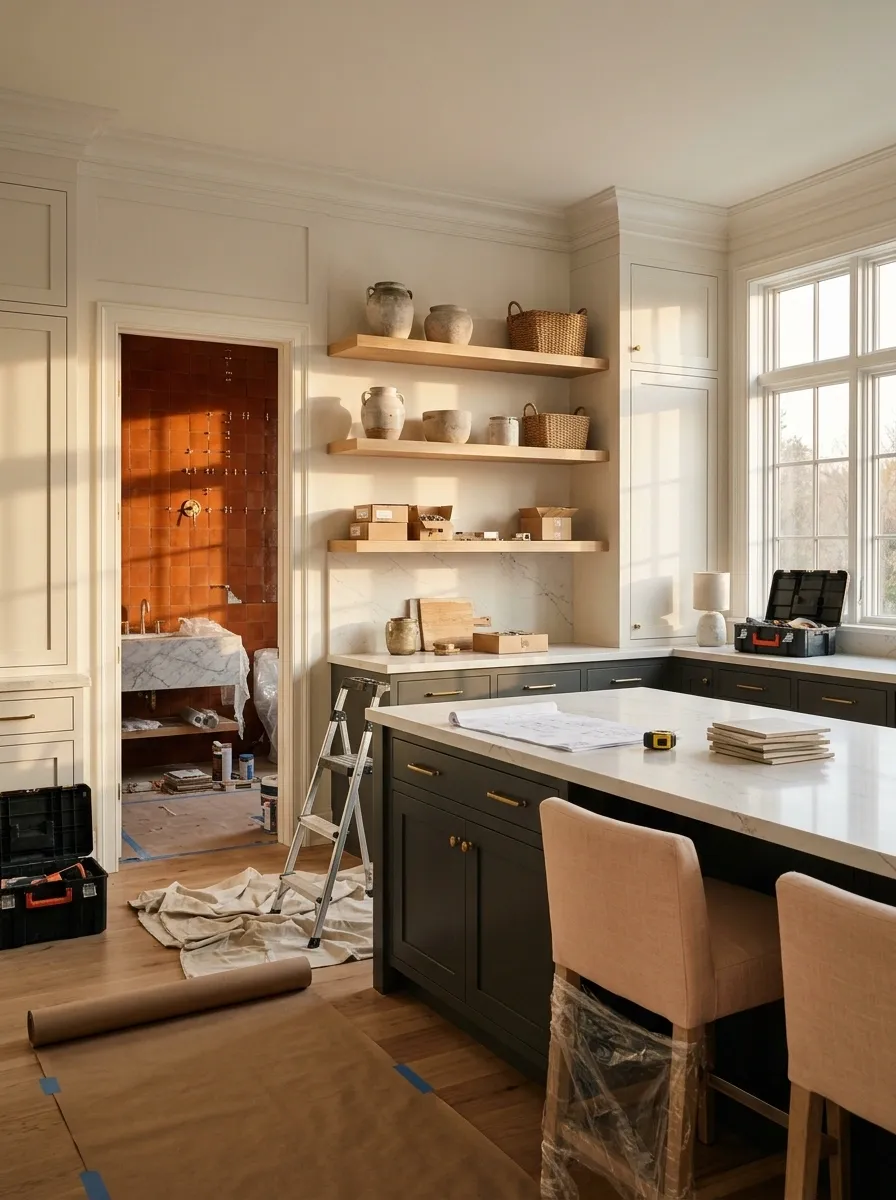
A project you’d enjoy for years has a different purpose from one completed immediately before moving.
The 2025 NAR and NARI remodeling report distinguishes homeowner satisfaction from estimated cost recovery. A renovation that makes its owner happy doesn’t automatically repay its cost at resale. Use local comparable properties and advice about your home’s condition to guide larger decisions. Keep the full expense in view, including preparation, disposal, finishing, delays, and the work one project reveals beside it. nar.realtor
Projects to Question Before You Commit
Avoid Gutting a Kitchen That Still Functions Well
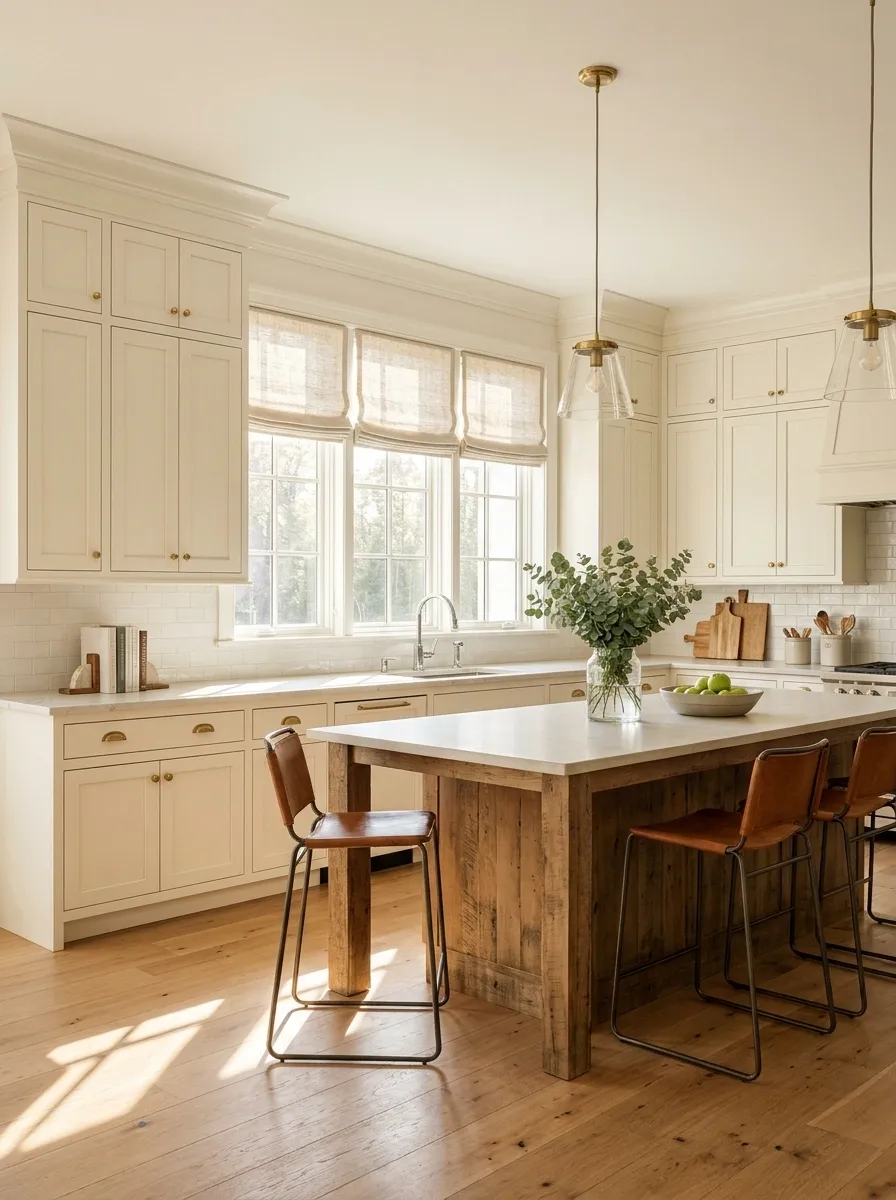
An older kitchen doesn’t automatically need a farewell demolition.
Assess the cabinets, work surfaces, appliances, and layout separately. If they’re sound and useful, cleaning, modest repairs, and a restrained refresh may be enough for the sale you’re preparing for.
A full renovation brings decisions, downtime, and costs that extend beyond the cabinet order. Compare the complete proposal with what similar nearby homes offer. Ask what specific problem the renovation solves. “It would look newer” needs more supporting evidence before you commit the moving budget.
Identify actual damage and operating faults.
Compare with relevant nearby listings and sales.
Include every associated trade and finishing job.
Avoid Moving Bathroom Fixtures Just to Improve the Layout
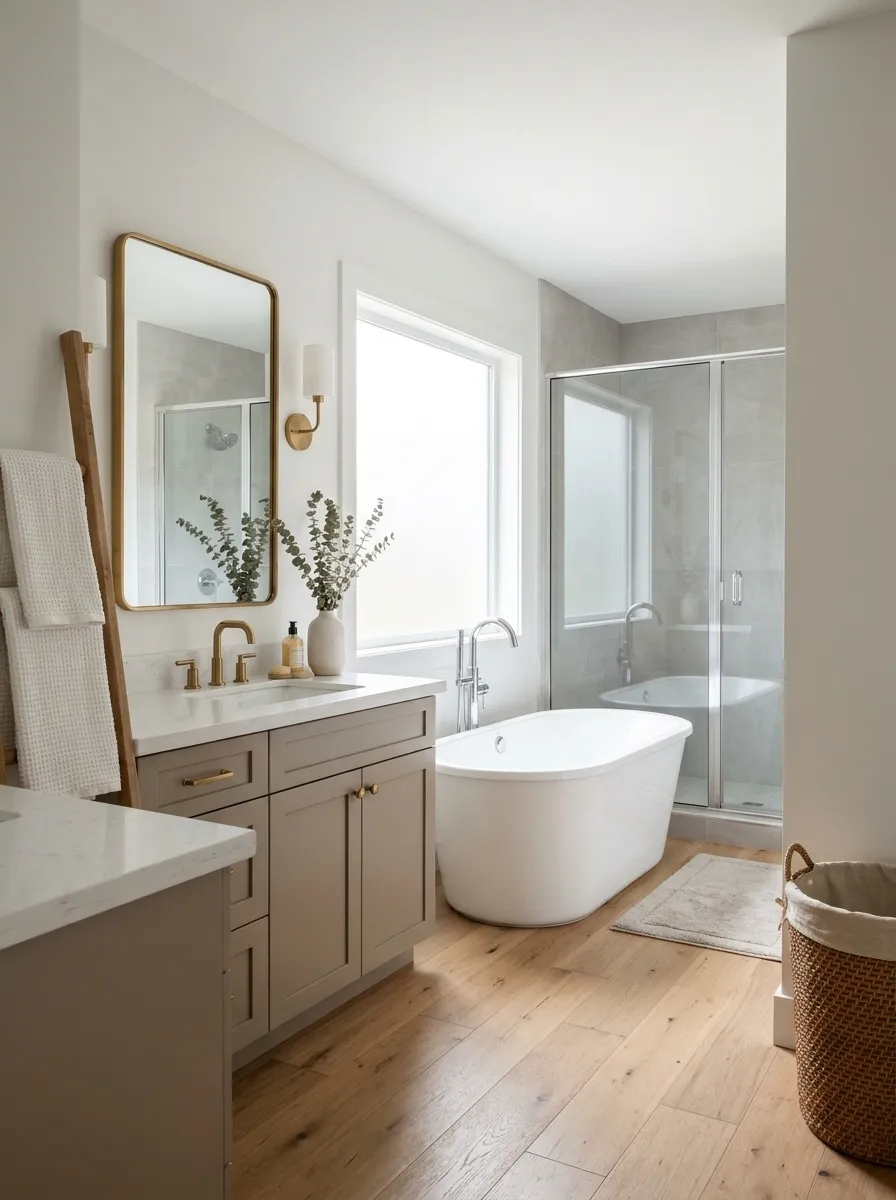
Relocating a toilet, shower, or basin can turn a visual improvement into substantial building work.
First establish whether the existing room functions properly and what faults need attention. Then compare a layout change with smaller work that improves condition and usability. Keep the assessment specific to the room.
A new position can involve plumbing, waterproofing, flooring, and other affected finishes. Get the complete scope before deciding. If the benefit is mainly your preferred arrangement, discuss whether buyers in your market are likely to support that spending before the house goes on sale.
A fixture relocation can affect the surrounding surfaces and systems. Ask for the complete finished result, rather than the plumbing change alone.
Avoid Replacing Sound Cabinets With Custom Joinery
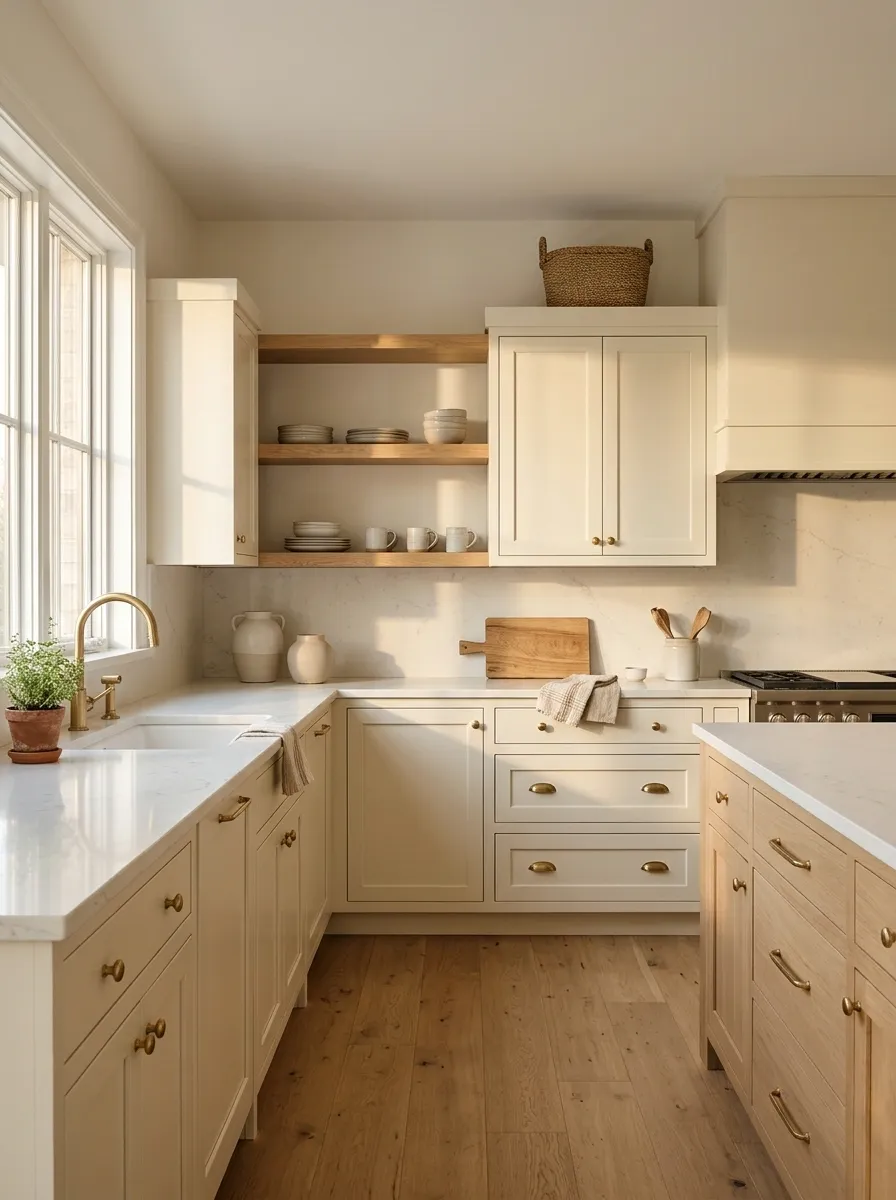
Custom cabinetry can be useful, but the week before listing isn’t the moment to assume everyone shares your storage priorities.
Check the existing units for condition, capacity, and operation. Repairable hinges, worn handles, or tired finishes don’t necessarily justify replacing sound cabinets. Assess those smaller jobs first.
Get local advice before ordering a highly tailored arrangement. Buyers may use the room differently, and custom work carries a design and installation process. Choose it because the property and market support the project, rather than because the standard drawer arrangement has personally annoyed you for years.
A damaged component or cabinet that no longer works properly.
A different internal arrangement or decorative profile.
Avoid Buying Premium Countertops Without Checking the Surroundings
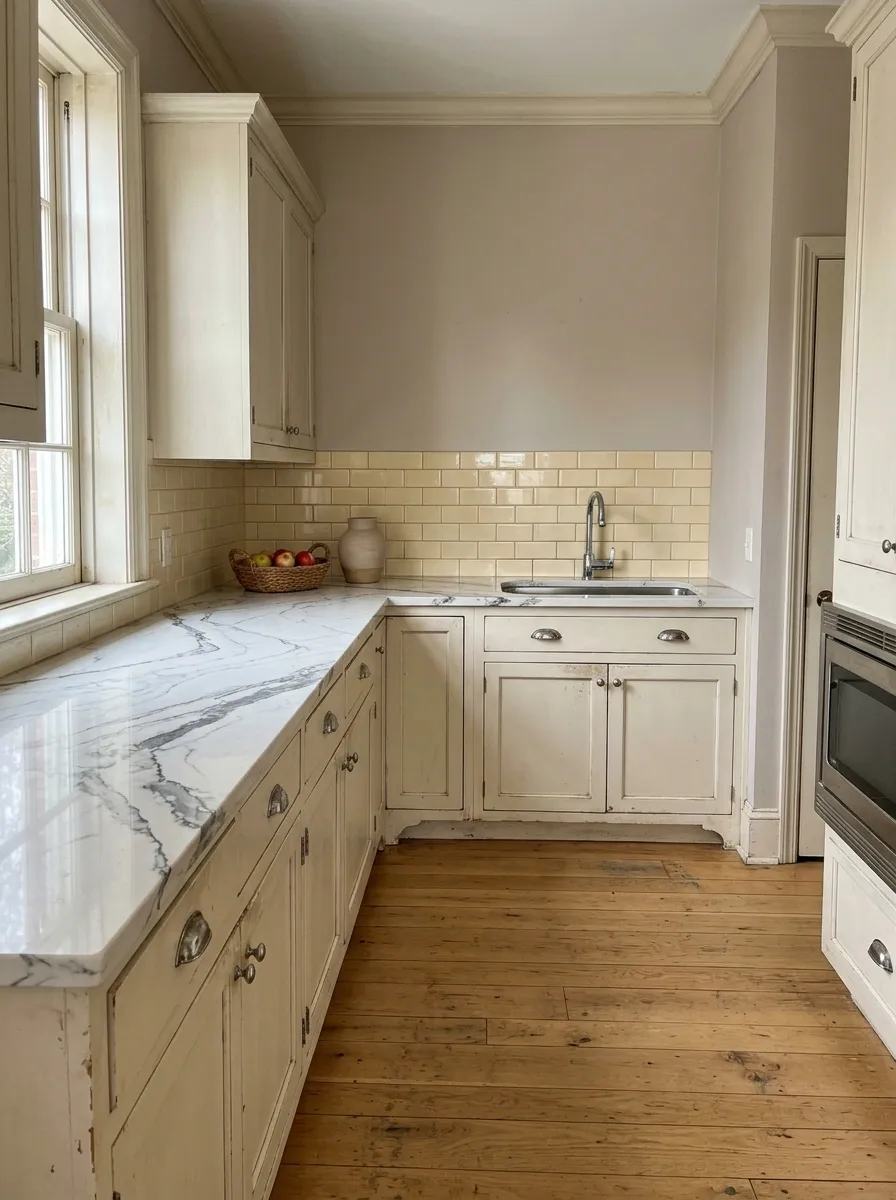
An expensive countertop doesn’t upgrade every cabinet beneath it by association.
Assess the whole kitchen before replacing a sound surface. New material may highlight tired doors, an awkward backsplash, or fittings that then seem to need changing. The original project acquires several enthusiastic companions.
Get a complete estimate and check the condition and suitability of the supporting units. If replacement is necessary, choose a finish proportionate to the property and local expectations. Don’t assume the most expensive material is the most sensible pre-sale choice simply because the sample looks impressive under showroom lighting.
- Supporting cabinet condition.
- Sink and fitting work.
- Backsplash and edge finishing.
- Removal, disposal, and installation costs.
Avoid Replacing Every Appliance to Create a Matching Set
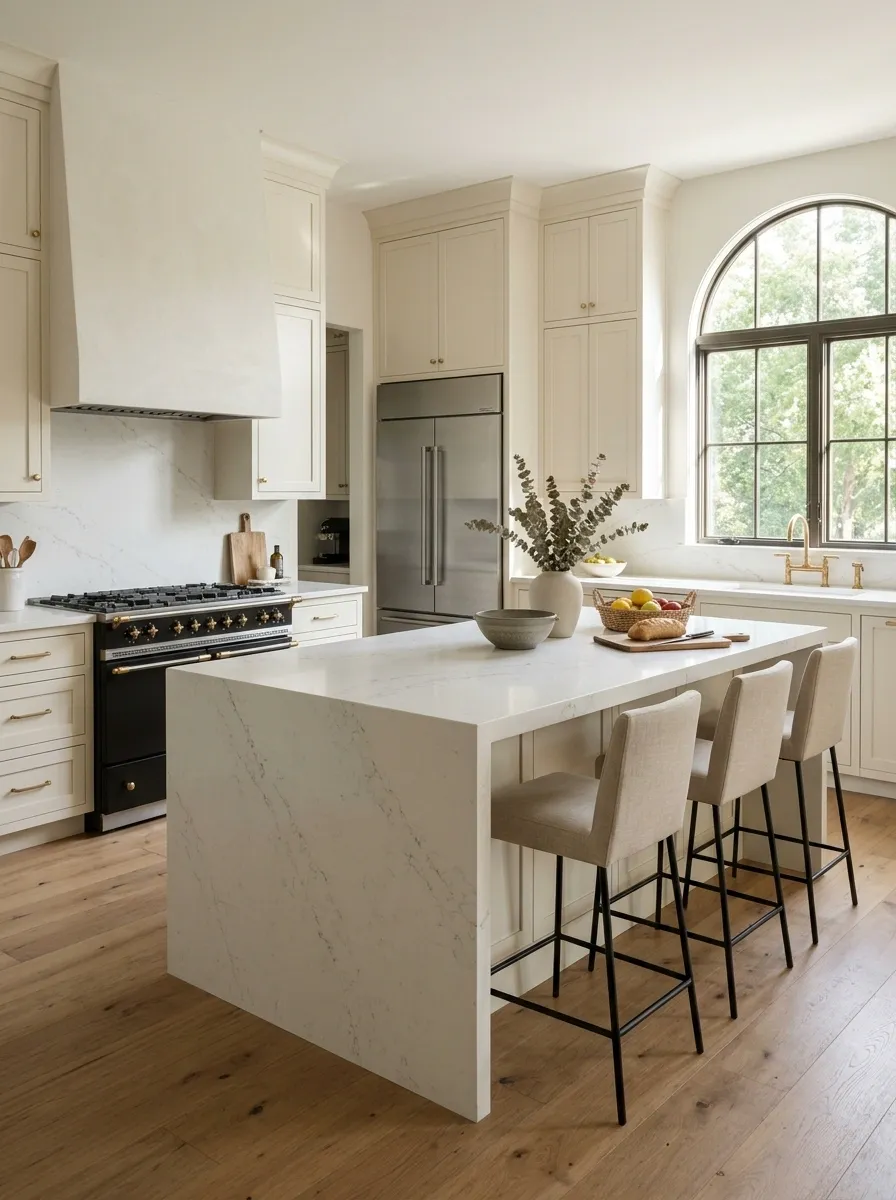
A functioning appliance doesn’t need replacing solely because its finish differs from its neighbors.
Check operation, condition, and what’s included in the sale. Address actual faults appropriately, and assess whether replacement is warranted. An older-looking appliance and a failing one deserve different decisions.
If buying a replacement, keep it compatible with the space and proportionate to the kitchen. Avoid premium features chosen mainly for your own future enjoyment. You’re preparing this home for its next owner, who may have a different opinion about whether the refrigerator needs to communicate with their phone.
Clean and present it appropriately.
Obtain an informed repair or replacement assessment.
Choose suitable fit and function before premium features.
Avoid Replacing All Windows Solely for a New Appearance

Window condition needs assessment before a whole-house replacement enters the plan.
Check operation, damage, moisture problems, and other relevant performance issues. Obtain appropriate advice where needed. Don’t turn “the frames look dated” into an automatic order for every opening.
Compare the complete replacement cost with the property’s needs and local market. Cleaning, appropriate maintenance, or a targeted repair may address a smaller problem. Where replacement is justified, choose the specification for the building and requirements. The decision deserves more than a preference for a different frame color.
| Question | Evidence to gather |
|---|---|
| What’s wrong? | A condition and operation assessment. |
| What’s proportionate? | Targeted work and full replacement estimates. |
Avoid Replacing a Roof Just Because a Different Style Looks Newer

Roofing decisions belong to the roof’s condition and the transaction, rather than a decorating preference.
Have suspected problems assessed and obtain estimates for necessary work. A leaking, damaged, or failing roof deserves serious attention. Don’t use this idea as permission to overlook one.
If the roof is serviceable, discuss whether a purely visual replacement makes sense before committing. Include the full installation scope and timing. A large expense needs a clear reason tied to the property, and “I’ve always preferred that other tile” is a personal preference worth recognizing.
Seek an appropriate assessment and documented scope.
Check whether the expense serves the planned sale.
Avoid Upgrading a Working Heating or Cooling System for Features Alone
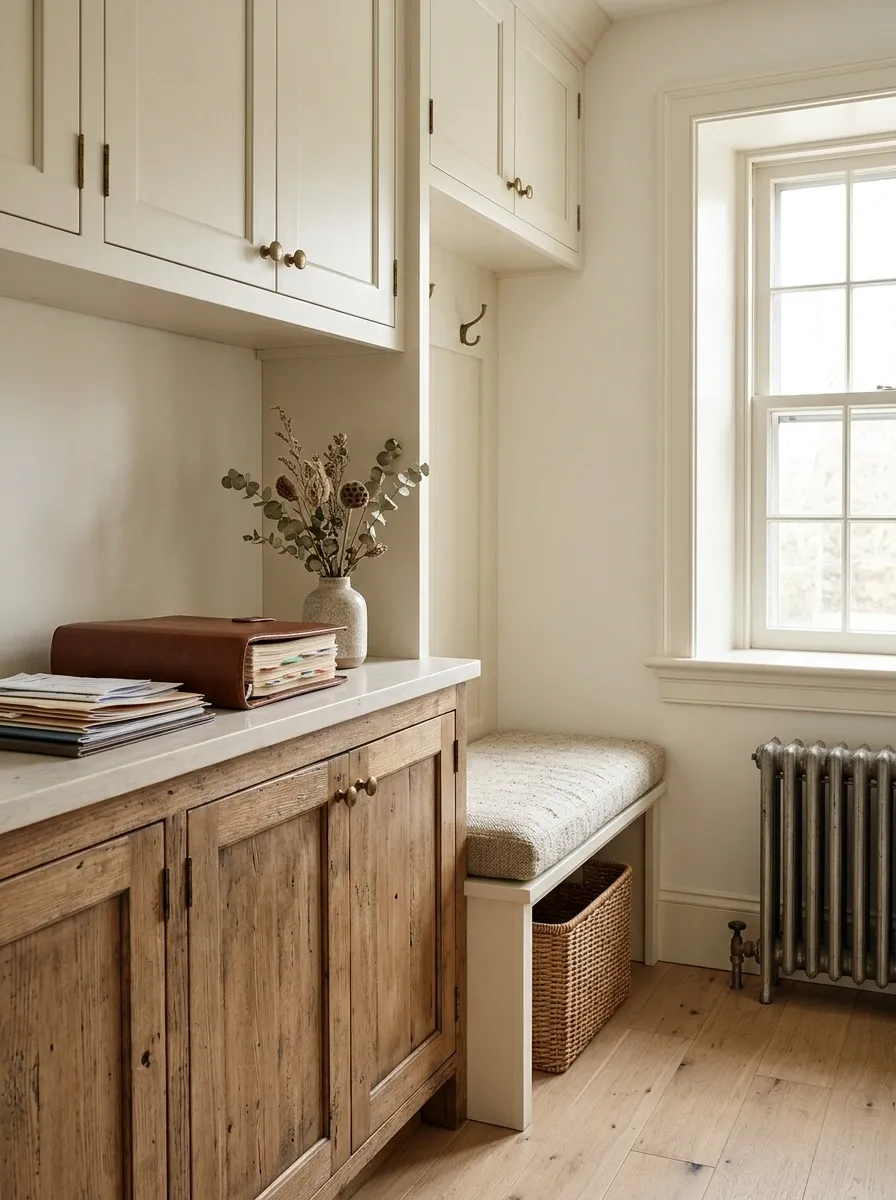
A system assessment should establish whether repair or replacement is needed.
Address faults and maintenance appropriately, and keep relevant records available. Don’t assume an older appearance means the whole system should be replaced immediately before listing.
If replacement is warranted, choose equipment suited to the building and installation requirements. Compare the full options with qualified advice. Premium controls and extra features may improve ownership enjoyment, but that isn’t the same as a demonstrated pre-sale benefit. Keep the decision anchored to condition, suitability, and the transaction you’re preparing for.
Document relevant servicing, identified faults, estimates, and completed work. Clear information supports a better decision than guessing from the equipment’s appearance.
Avoid Installing Designer Lighting Throughout the House
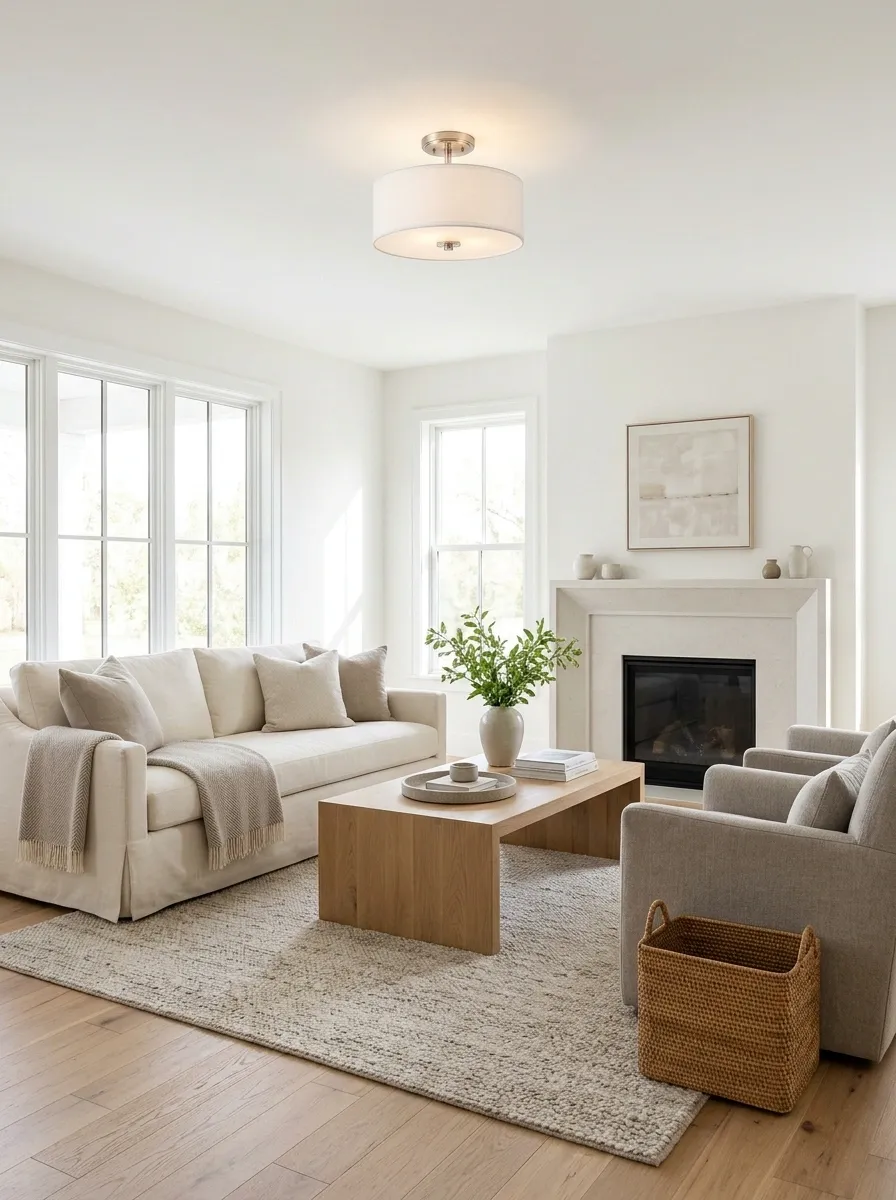
A statement pendant is a design choice, not a universal selling requirement.
Start with functioning fittings, compatible bulbs, clean shades, and useful lighting. Have faults addressed appropriately. Then assess any remaining visual problem room by room.
Replacing every fitting can add installation costs and create a strong style buyers may not share. Keep changes proportionate to the house. A modest fitting that lights the space well may serve the sale better than an elaborate piece chosen for a future home you won’t occupy. Also confirm what stays with the property before marketing it.
Fittings and controls work appropriately.
Rooms and activities have useful light.
The arrangement looks clean and coherent.
Avoid Replacing Every Floor With a Premium Finish

One damaged area doesn’t automatically justify a house-wide flooring order.
Assess the material, condition, and practical repair options. Compare targeted work with broader replacement, including transitions, doors, trim, and any affected areas. Those finishing details belong in the estimate.
If replacement makes sense, choose for the property and expected use. Don’t assume a premium material will recover its extra cost simply because it looks impressive. Keep samples beside existing finishes and check maintenance requirements. The complete result matters more than the attractive square displayed in the showroom.
Include preparation, removal, thresholds, trim, door adjustments, and disposal where relevant. Compare complete options rather than material prices alone.
Avoid Chasing Every Small Scratch in a Sound Floor

Normal wear and actual damage need different assessments.
Clean the floor appropriately, then identify what remains visible and what needs repair. Use methods compatible with the material and existing finish. Don’t turn a few superficial marks into an aggressive restoration project without understanding the surface.
Ask whether the proposed work meaningfully improves the room’s overall condition. A local repair may be proportionate; a complete treatment may be justified in another case. Let the evidence guide the choice. Trying to erase every sign of use can become expensive long before the room looks noticeably different.
How does the room present in normal use?
Which areas need an appropriate repair?
Avoid Repainting Sound Rooms Simply to Follow a Trend

Paint can be useful before selling, but it still deserves a clear brief.
Prioritize obvious wear, poor previous work, and colors your local agent identifies as a presentation issue. Don’t repaint a clean, coherent room because an online forecast has announced a new favorite neutral.
Test any proposed color beside fixed finishes and under the existing lights. Include preparation and enough time to finish properly. The useful outcome is a room that looks cared for and connected to the house. It doesn’t need to demonstrate that you read this month’s paint marketing.
| Reason to assess | Weaker reason |
|---|---|
| Visible wear or unfinished repairs. | A sound room isn’t wearing the newest shade. |
Avoid Repainting the Whole Exterior Before Assessing Localized Wear
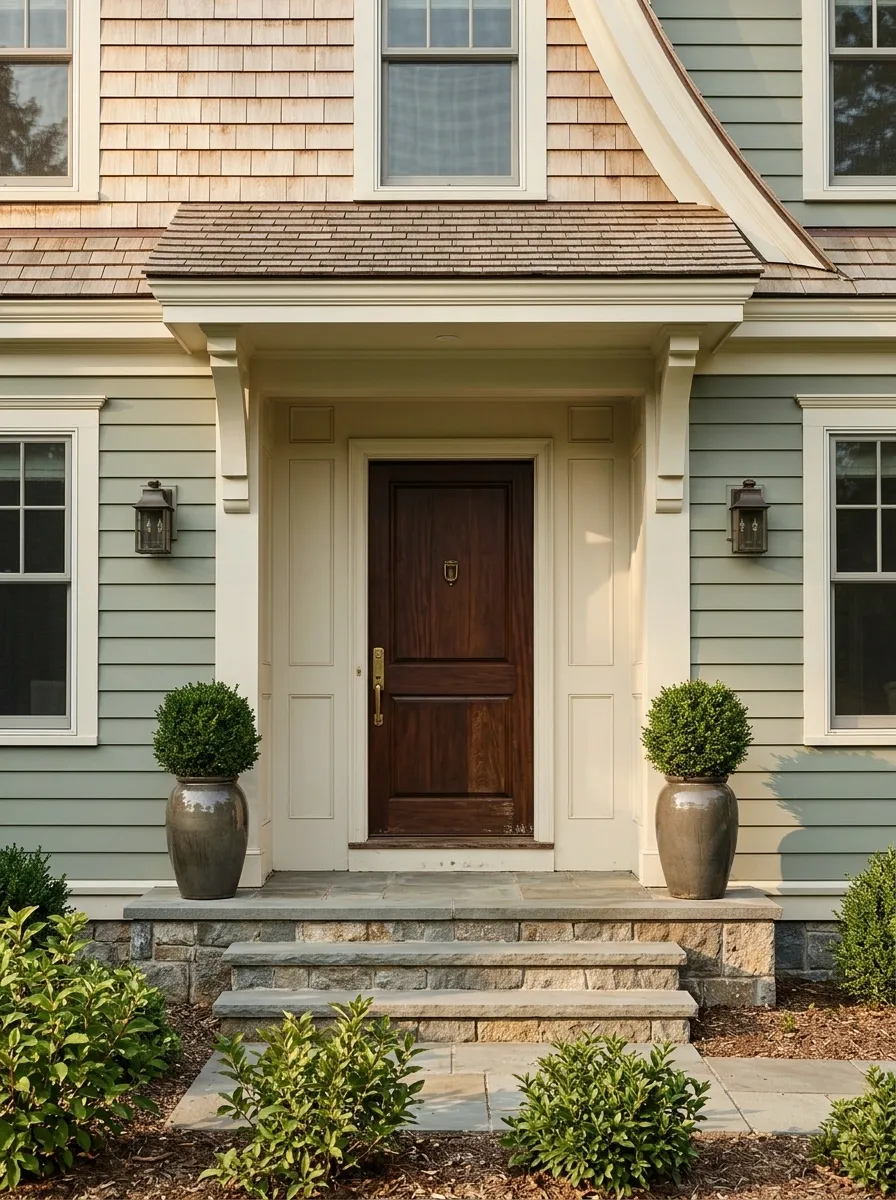
A tired patch and a failing exterior coating aren’t the same scope of work.
Have the surface and underlying condition assessed, then compare appropriate repair and finishing options. Don’t cover moisture problems or deteriorating material with a fresh-looking coat.
Where work is mainly cosmetic, check whether a targeted approach can produce a consistent result. Where the coating has broadly failed, a larger job may be needed. The decision should follow the building’s condition and a proper estimate. A full exterior repaint is too substantial to order because one doorway photograph looked disappointing.
Assess repair and a compatible, consistent finish.
Obtain a complete preparation and coating scope.
Avoid Removing Sound Original Features to Make Everything Match
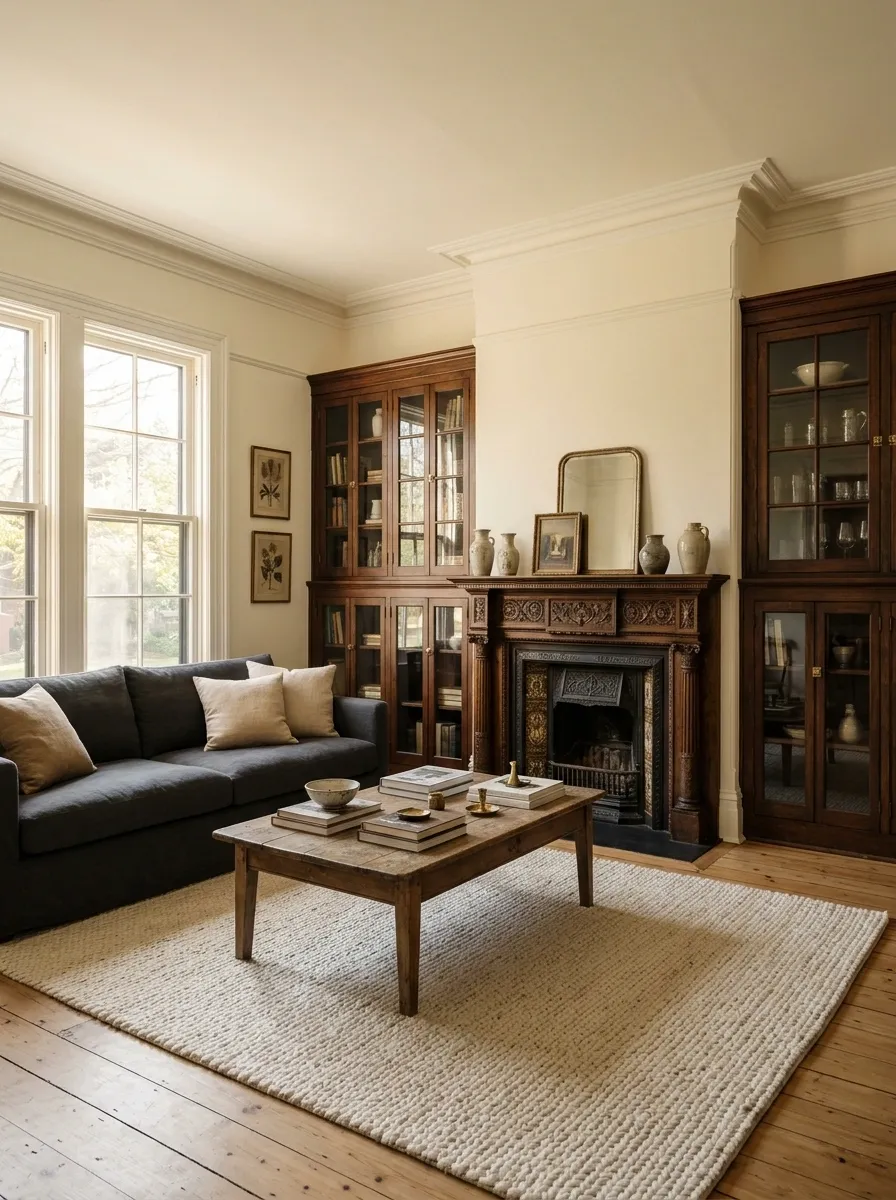
An older door, fireplace surround, or built-in cabinet may contribute to the house’s character.
Assess its condition and relevance before removing it for a uniform new finish. Cleaning, repair, or more thoughtful presentation may be enough. Get appropriate advice where the feature or property has special requirements.
Compare the home with genuinely relevant local examples. Don’t assume every buyer wants the same stripped-back interior. Removing a sound feature is a permanent decision that can create additional finishing work. Make sure there’s a clear reason beyond the object refusing to match a new handle sample.
Consider condition, repair options, the house’s character, and any relevant property requirements before replacing an original feature.
Avoid Replacing Every Interior Door for a Different Style
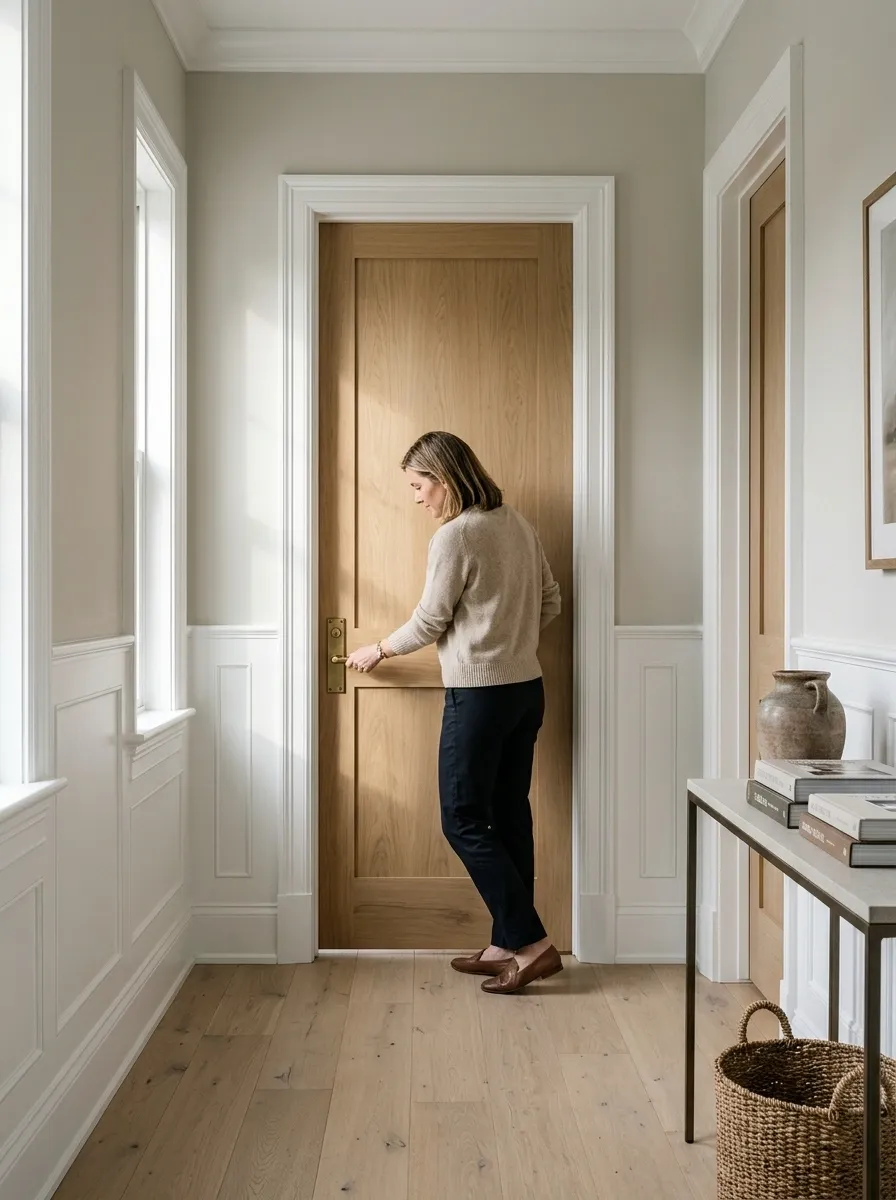
A matching door package can look appealing until the full installation and finishing bill appears.
Check the existing doors individually. Faulty operation, damage, and protective functions need appropriate attention. A sound door with a tired finish may call for a smaller project.
Compare the complete replacement scope with targeted repair or refinishing. Include hardware, fitting, painting, and any frame work. Don’t replace useful doors purely because a different panel design feels more current. If replacement is needed, maintain the relevant function and specification rather than choosing by appearance alone.
Does it open, close, and latch appropriately?
Is the defect in the finish, hardware, or door itself?
What requirements must remain satisfied?
Avoid Removing a Wall Without a Sale-Specific Case

Open-plan living is a layout choice, not a compulsory upgrade.
Before considering wall removal, assess the property, structure, services, approvals, and complete finished result with appropriate professionals. Compare the proposal with what relevant local buyers expect.
A wall can define useful rooms, support storage, or help different activities coexist. Don’t assume its absence automatically improves the home. This is substantial work with consequences beyond the opening itself. If the current layout functions well, the sale needs a stronger argument than a photograph of someone else’s kitchen-dining room.
Include assessment, necessary approvals, affected services, structural work where relevant, and all surrounding finishes.
Avoid Widening Openings Purely for a More Dramatic View

A broader doorway can change a room, but it can also create an unexpectedly large project.
Establish what problem the alteration is intended to solve. Accessibility, safety, or functional needs deserve proper consideration; a purely decorative preference needs its own cost-benefit assessment.
Get appropriate professional advice about the wall, services, and requirements before any work. Include surrounding floors, trim, and finishes in the scope. If furniture placement or removing clutter resolves the awkward view, test that first. A costly opening shouldn’t be the first answer to a badly positioned chair.
Develop an appropriate assessed solution.
Test simpler presentation changes before major work.
Avoid Starting a Basement Conversion Close to Listing
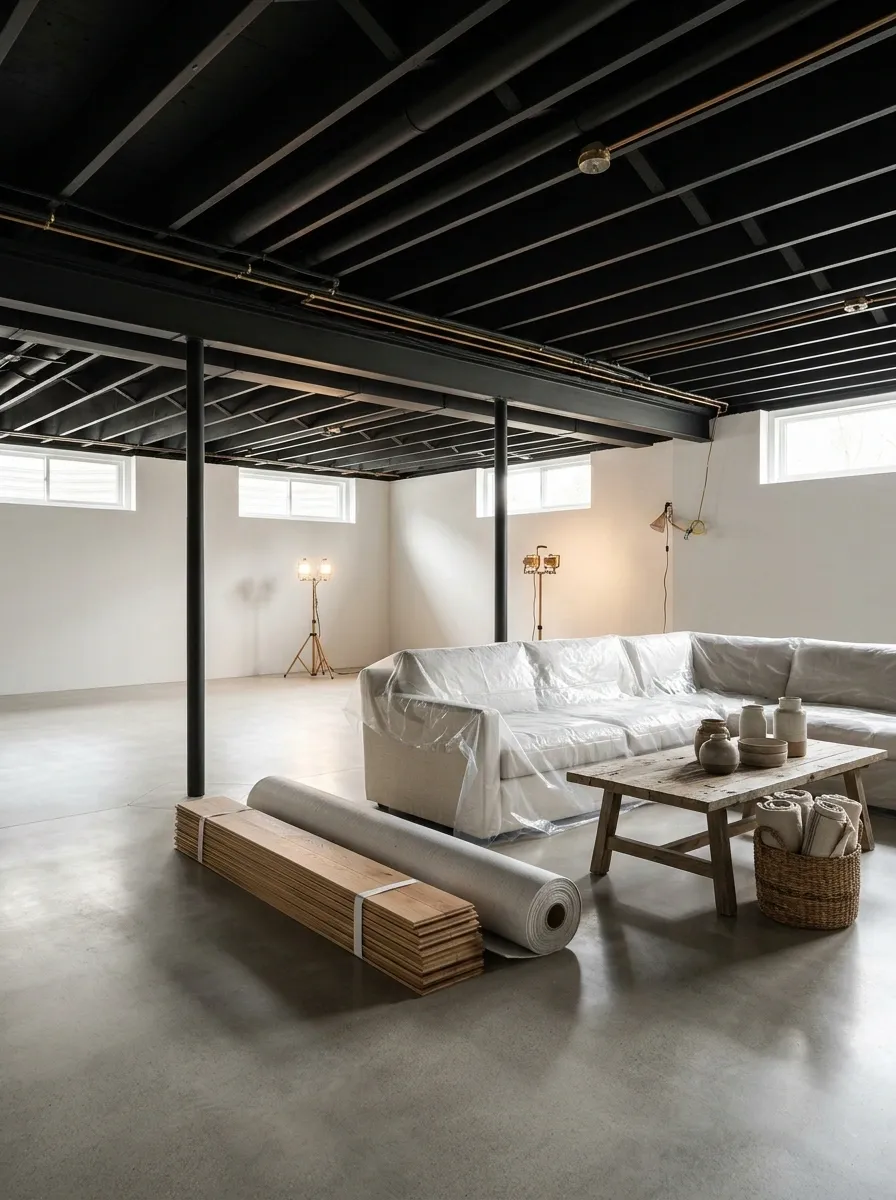
A basement project needs more than flooring and a sofa.
Condition, moisture, access, services, and applicable requirements all need appropriate assessment. Get the full scope and timeline before assuming an unfinished area can become a quick selling feature.
Compare the proposal with the property’s likely sale and the way the finished space can legitimately be described. Don’t rush work or present a partly completed project as a finished room. A clean, accessible basement with its condition understood may be a more responsible starting point than a last-minute conversion with unfinished decisions.
- Existing condition and moisture.
- Suitable access and services.
- Applicable approvals and requirements.
- A realistic completion and marketing plan.
Avoid Treating the Attic as an Easy Extra Bedroom
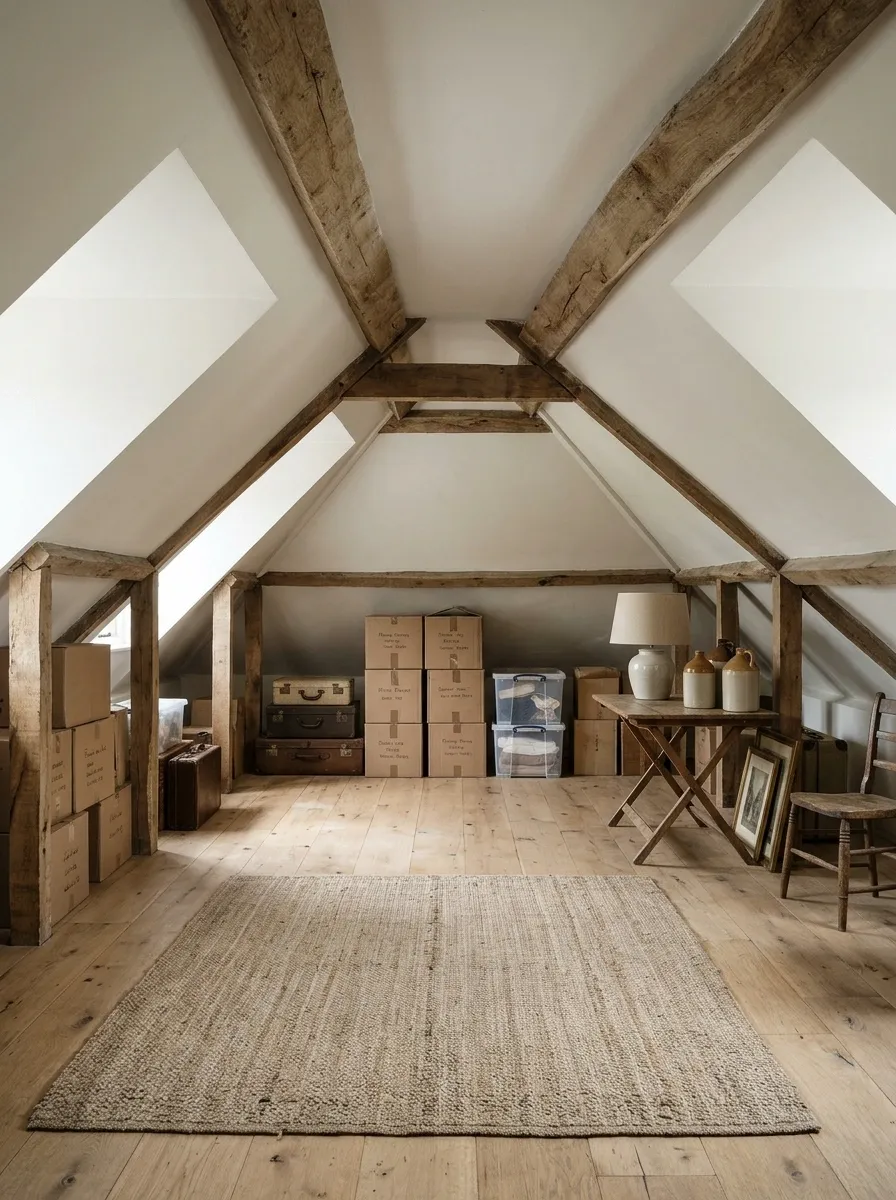
An attic that holds boxes isn’t automatically ready to hold a bedroom.
A conversion needs appropriate assessment of structure, access, services, and relevant requirements. Don’t assume a new floor covering and fresh paint create a finished habitable room.
Get professional advice and a complete estimate before tying the project to an expected selling price. Consider the disruption elsewhere in the house as well. If the work doesn’t suit the timeline or market, present the existing space accurately and keep it accessible. Speculative bedroom arithmetic is a poor substitute for a properly assessed conversion.
A possibility requiring proper feasibility work.
Finished appropriately and described accurately in the sale.
Avoid Installing Highly Personalized Closet Systems

A custom arrangement for your wardrobe may be less useful to the next household.
Start by repairing existing fittings, clearing unrelated overflow, and making the storage easy to inspect. Check whether simple, suitable adjustments resolve the problem before commissioning a specialized system.
Get local advice before larger spending. Buyers may need different hanging, shelving, or accessible storage. A sound, flexible closet can be easier to understand than an expensive arrangement devoted to your particular collection. Keep the proposal proportional to the property and the sale, rather than treating the final month as a deadline for your dream dressing room.
Sound fittings, clear access, and sensible organization help people assess the space without requiring a highly customized installation.
Avoid Adding a Whole-Home Smart System Just for the Listing
A complex technology setup can bring account transfers, compatibility questions, and ongoing service decisions.
Repair faulty equipment appropriately, but assess optional smart upgrades separately. Ask whether the system serves an identified buyer expectation in your market or mainly interests you.
If devices are already installed, plan how included equipment, access, and accounts will be handled securely during the sale. Don’t add complexity because the product description promises a futuristic lifestyle. A house with understandable, functioning controls can be more straightforward to present than one requiring a lengthy explanation beside every switch.
Be clear about what stays.
Plan an appropriate secure transfer or reset.
Keep useful information available for the next owner.
Avoid Building a New Deck Before Checking Local Demand

A new deck can be a substantial project, even when the finished photograph looks simple.
Assess the site, design, installation requirements, and complete cost with appropriate advice. Compare that spending with the property’s existing outdoor space and local expectations.
An existing patio or garden area may benefit from condition repairs and clearer presentation instead. If the deck has a strong sale-specific case, plan it properly and allow enough time to finish. Don’t assume extra entertaining space is automatically worth more than the work costs simply because the design includes attractive chairs.
Assess whether repairing and presenting what’s already there meets the practical need before adding a new structure.
Avoid Rebuilding the Entire Garden for a Different Look

An untidy garden and a garden with the wrong design are different starting points.
Clear debris, assess neglected areas, and identify genuine condition problems before planning a complete redesign. Appropriate maintenance may reveal that much of the existing landscape already works.
New beds, irrigation changes, paving, and mature planting can expand the scope quickly. Get local advice about proportionate pre-sale work, and choose suitable plants and materials where changes are justified. Don’t let one attractive garden photograph persuade you that the next owner requires your exact vision of outdoor living.
Deal with litter, appropriate plant care, and overgrown edges.
Assess separately with a complete scope and budget.
Avoid Replacing a Driveway Before Understanding Its Defects

A stained surface, a superficial mark, and a moving or poorly draining driveway call for different responses.
Have suspected defects assessed and obtain appropriate repair options. Don’t cover a problem with a cosmetic treatment or assume every visible crack has the same cause.
Compare cleaning, targeted repair, and replacement based on the material and condition. Include the whole finished scope where replacement is justified. A new driveway is too substantial to choose because the old one looks disappointing while wet. Let an informed assessment establish what needs doing before the quotation becomes a moving expense.
Record where it occurs, what changes, and whether water or movement is involved. Use that information to seek the appropriate assessment.
Avoid Attempting Unfamiliar Major Repairs to Save the Final Bill
The listing deadline doesn’t make complicated work easier.
Keep DIY within your skills and the requirements of the task. Obtain appropriate professional help for work that needs it, and retain relevant records. A rushed repair can create unfinished surfaces, unreliable operation, or a problem that needs doing again.
Estimate the whole job before starting, including the time needed to restore the room. If it doesn’t fit the sale plan, discuss responsible alternatives with your agent and relevant advisers. “I watched a video” is useful preparation for some tasks, but it isn’t a completion certificate.
Understand the task and its requirements.
Include preparation and the finished surrounding area.
Keep relevant assessments and completed-work records.
Keep the Selling Budget Attached to the Property’s Needs
Before approving the next quote, write down the problem it solves, the complete cost, and the advice supporting it. That small exercise can separate a necessary job from a renovation you’ve emotionally adopted.
The repairs to avoid before selling your home are the ones chosen without a clear understanding of condition, scope, and local expectations. Address genuine issues responsibly, prepare the house carefully, and resist treating every dated finish as a financial emergency.
Save this list on Pinterest before the next estimate arrives. Your next home will have plenty of opportunities to absorb the remaining budget.