
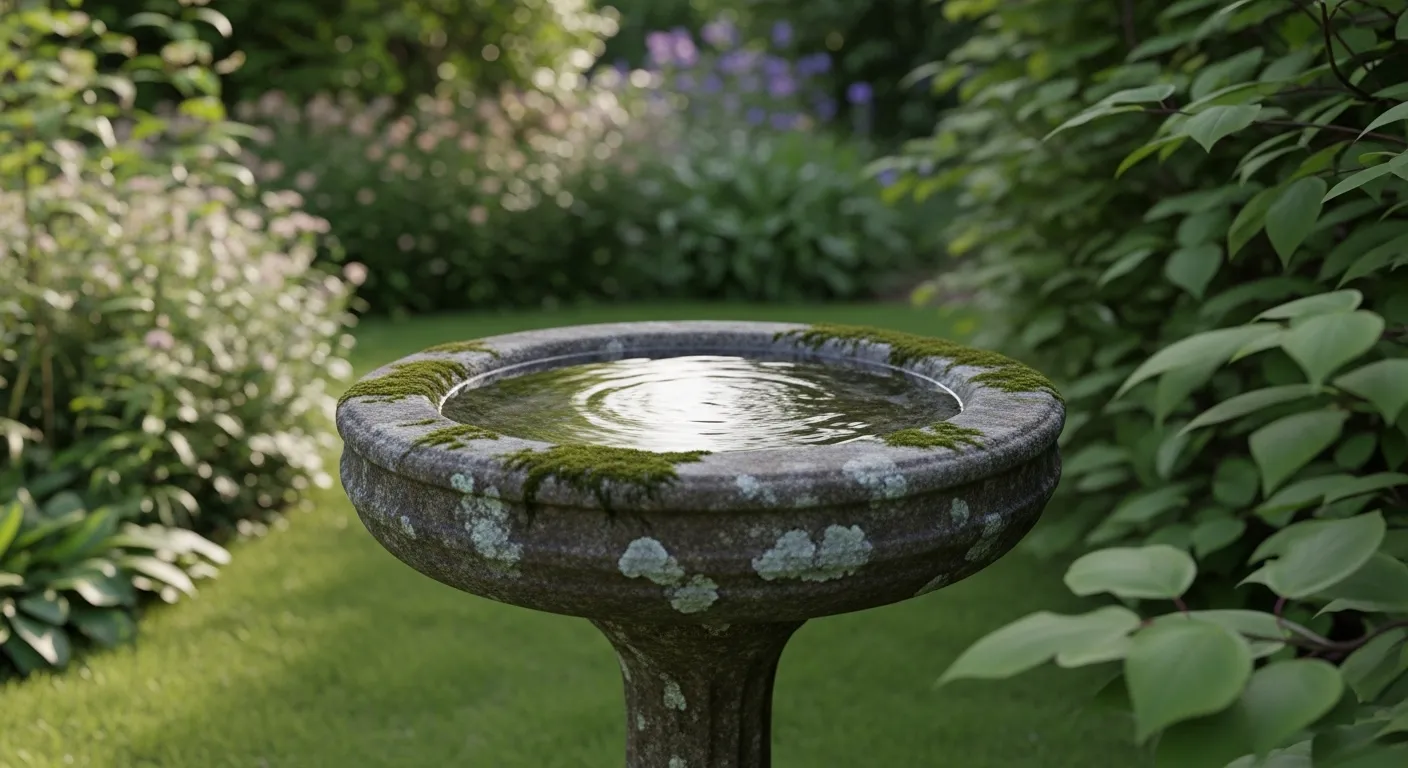
At some point, every garden reaches a crossroads: keep it functional, keep it forgettable, or make one decision that gives the whole space a reason to exist beyond “I mow this on Saturdays.” Most people never make that decision, which is why most gardens look exactly like what they are — a lawn with some border plants and a vague sense that something’s missing. The bird bath is that something, and the fact that it’s been dismissed as purely practical or relentlessly grandmotherly for decades doesn’t change the design fact that a well-chosen bath on the right pedestal in the right spot is the focal point that organizes an entire garden the way a chandelier organizes a dining room.
The problem isn’t bird baths themselves. The problem is the generic grey concrete pedestal variety, mass-produced by the million, that looks like it arrived at its current location via attrition rather than decision. That specific bird bath communicates one thing loudly: nobody thought too hard about this. And yet the alternative — a genuinely beautiful, thoughtfully placed bath that doubles as a garden sculpture — is available at every price point from every source from the local garden center to the estate sale circuit, waiting for someone to treat it like the design element it actually is.
Birds are, it turns out, the most low-maintenance garden visitors you’ll ever attract and the most reliably entertaining — they show up daily, require nothing but clean water and a welcoming depth, and make a garden feel genuinely alive in a way that plants alone never quite manage. Getting the bath right is how you earn that daily visit and make the experience look good while it happens.
What Your Current Bird Bath Situation Is Saying About Your Garden
Before anything else, an honest look at the three ways bird baths most commonly fail their gardens.
Placement is an afterthought and it shows — A bird bath shoved into a corner because that’s where there was space, or planted in the middle of a lawn with nothing around it because symmetry seemed logical, reads as something that was installed rather than designed. The bath needs a relationship with its surroundings — nearby planting, a defined surface at its base, or a structural element behind it — to read as a focal point rather than an orphaned object waiting for context.
The pedestal is doing no work — The basin of a bird bath gets all the attention, but the pedestal is the architectural element that gives the whole piece its visual weight, its height relationship to surrounding plants, and its character. A beautiful basin on a bland pedestal looks like a design project that ran out of enthusiasm halfway down. The pedestal matters as much as what sits on top of it.
It’s not visible from where you actually sit — A bird bath that can’t be seen from the patio, the kitchen window, or wherever you actually spend time in the garden is a bird bath that serves the birds exclusively, which is generous but not particularly good garden design. Siting the bath in a sightline from your most-used outdoor or indoor viewing position is what transforms it from garden furniture into genuine daily entertainment.
What Separates a Garden Focal Point from a Garden Fixture
The bird baths that genuinely elevate a garden aren’t necessarily the most expensive or the most elaborate. They share a quality of intention that cheaper and more complicated baths often lack.
Material authenticity reads from twenty feet away — Stone looks like stone. Mosaic looks like craft. Cast resin trying to look like either looks like cast resin from the distance that matters, which is the distance from your garden chair. Choosing a bath material that is genuinely what it appears to be — real ceramic, actual carved stone, honest hammered copper — is the quality investment that pays back in visual credibility every single day.
Scale has to match the garden’s ambition — A tiny basin on a short pedestal disappears in a border full of tall perennials. An oversized bath dominates a small contained garden and makes everything around it feel miniature. Getting the scale right requires standing in the garden with the planting at its fullest and imagining what size object actually reads as a focal point at that height, in that context. Most people go too small because they’re being cautious, and cautious produces invisible.
The surround completes the bath — No bird bath exists in isolation and the best-looking ones have a deliberate base treatment — river pebbles, a ring of low planting, a timber slice, a stone circle — that frames the pedestal and creates a defined zone around the bath. That framing is what separates a placed object from a designed element, and the difference is visible from anywhere in the garden.
Bird Bath Ideas That Treat Your Garden Like It Deserves Better Than Default
The Raised Circular Bed with Pedestal Bath:
My dad recently put in a bird bath next to our walkway. How do we make it more appealing for them? Any tips are appreciated.
by u/spammalrammal in birding
Building a low circular retaining wall from segmented concrete edging blocks, filling it with river pebbles, planting a few small shrubs and flowering annuals within, and centering a solar-powered pedestal bird feeder as the vertical focal point is the garden design decision that most front yard beds never get around to making: choosing one element as the clear center of the composition and building everything else around it. The circular bed structure does the design work that loose planting borders rarely achieve — it creates a defined, contained zone with a clear perimeter that reads as intentional from the street or the driveway, which is the difference between a garden feature and a patch of plants with a bird bath near it. The river pebble base inside the circle is the material detail that elevates the whole thing: it provides a clean, weed-suppressed surface that makes the planting look considered and gives the pedestal a proper stage to stand on rather than rising directly from mulch or soil. The small solar lantern tucked into the pebbles beside the bath continues the vertical element language at ground level and extends the feature’s visual interest into the evening without requiring any electrical work.
The Blue Mosaic Bath on a Log Slice:
A vivid cobalt and teal mosaic ceramic bird bath — shallow enough for birds to actually use it, glazed brilliantly enough to read as a jewel from across the garden — elevated on a natural timber cross-section as a plinth, surrounded by white alyssum and low border planting, with a dark-painted fence backdrop hung with brass stars and garden decorations, is the garden that committed to an aesthetic with enough confidence that the result reads as designed rather than accumulated. The timber log slice as a pedestal base is the detail that takes a standard standalone bath and gives it a material connection to the natural garden context — the organic, unfinished edge of the cross-section in direct contrast with the glossy glazed mosaic above creates exactly the kind of material tension that makes a garden element genuinely interesting to look at. The dark fence backdrop is the staging decision that most gardens never make consciously: a dark surface behind a colorful focal object makes that object pop in a way that no amount of surrounding planting can replicate, which is why this bath reads clearly from across the lawn while a similar bath against a light fence might disappear into its surroundings. The garden decorations on the fence — stars, lanterns, disc ornaments — continue the personality of the bath upward without competing with it directly, creating a whole corner composition rather than a single isolated feature.
The Mosaic Mandala Bath in the Cottage Border:
A wide, shallow basin hand-set with a geometric mandala pattern in cobalt, turquoise, white, and terracotta mosaic tiles, mounted on a carved stone column with matching decorative tile insets, positioned in the middle of a lush mixed cottage border full of orange day lilies, lavender, hostas, and assorted perennials at every height — this is the bird bath that earns its status as garden sculpture rather than garden accessory because it’s genuinely more beautiful as an object than most things most gardens contain. The mosaic tile work is the element that requires the most commitment: sourcing or commissioning a bath with this level of pattern detail costs more than a garden center impulse purchase, but the result is an object that improves with close inspection in the way that truly crafted things do — the individual tile edges, the grout variation, the slight imperfections that signal hand-work rather than mass production are all visible at bath-side and they all communicate quality to anyone who gets close enough to see them. Surrounding it with the kind of generous, layered cottage planting that fills every vertical zone — low groundcover at the base, mid-height flowering perennials in the middle register, tall architectural plants behind — makes the bath feel embedded in the garden rather than placed in front of it, which is the integration quality that separates a garden with a focal point from a garden with good focal point placement.
The Carved Pedestal with Crystal Bowl and Floating Petals:
A deeply carved decorative stone pedestal supporting a faceted glass or crystal-clear resin bowl filled with clean water and scattered with floating rose and nasturtium petals, positioned on a timber deck with a cottage garden behind it and a small bird resting on the rim — this is the bird bath that doubled down on the idea that the water surface itself is a design element and styled it accordingly. Floating flower petals in a bird bath is either the most effortlessly lovely garden detail or a maintenance commitment that becomes quickly depressing when the petals brown, and the distinction is entirely in how often you’re willing to refresh them — daily for something that looks like this setup, which is either a discipline or a pleasure depending on your relationship with the garden. The carved pedestal is the architectural element that makes the glass bowl work visually: the ornate acanthus-leaf detailing and the structured panel base give the whole piece substantial visual weight that a plain pedestal could never provide, so the relatively simple glass bowl above reads as a deliberate pairing with something decorative rather than a bowl sitting on a post. The bird already perched on the rim in the photograph is the entirely unplanned detail that makes the whole image work — it’s proof that a well-designed, properly maintained bird bath actually does what it promises, which is more than most garden features can claim.
Go Monolithic With Limestone for Rockstar Status
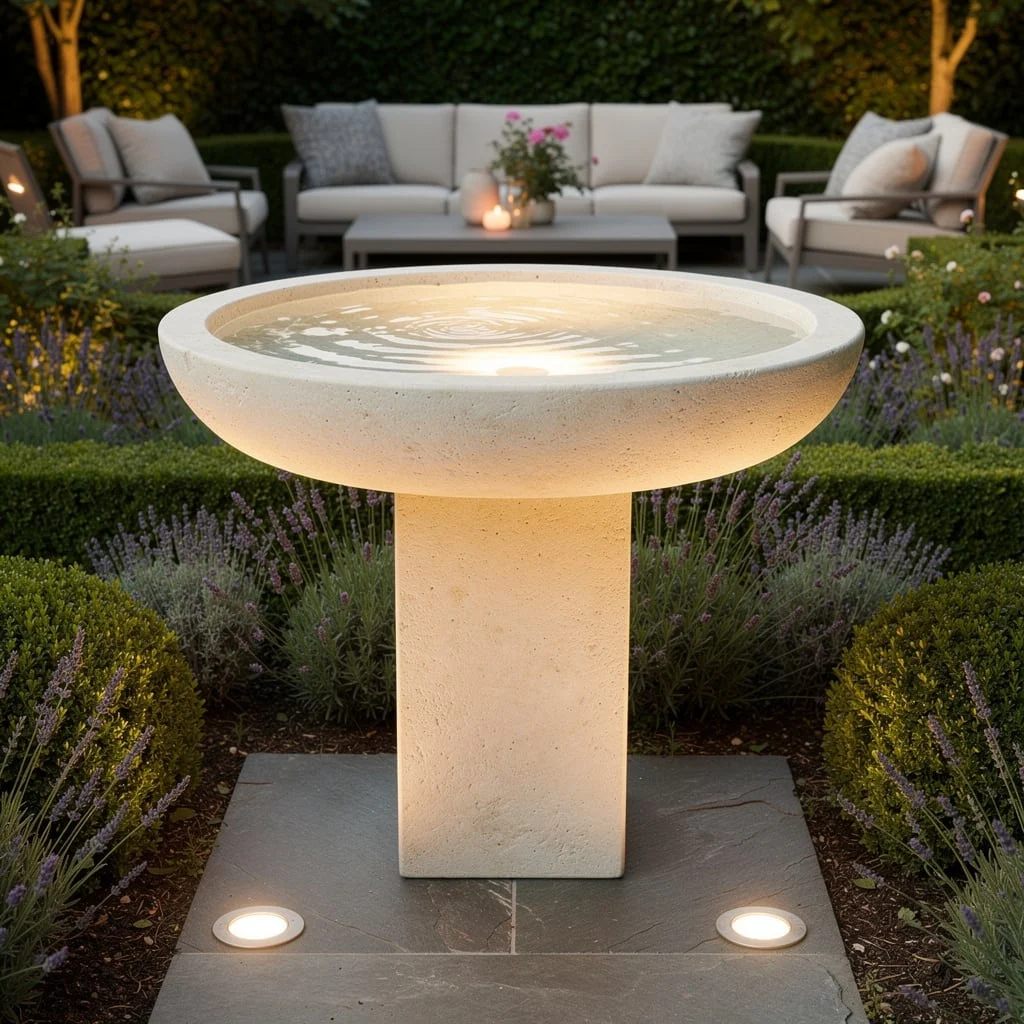
Craving that “old money but still posts on TikTok” courtyard energy? Get loud with a sculpted limestone bird bath as your main event—center it like you actually care about symmetry. Flank the bath with boxwood hedges and lavender to broadcast you don’t do boring borders. You want honed edges: skip glossy finishes unless you like the ‘slippery when wet’ bird drama. Surround the bath with slate pavers and shove in-ground spotlights into the edges—no boring solar garden stakes here. Pro tip: Water clarity matters—if you don’t want your bird bath looking like toxic soup, clean it, or just invite local frogs instead.
Flex with Brass for That Luxe Rooftop Vibe
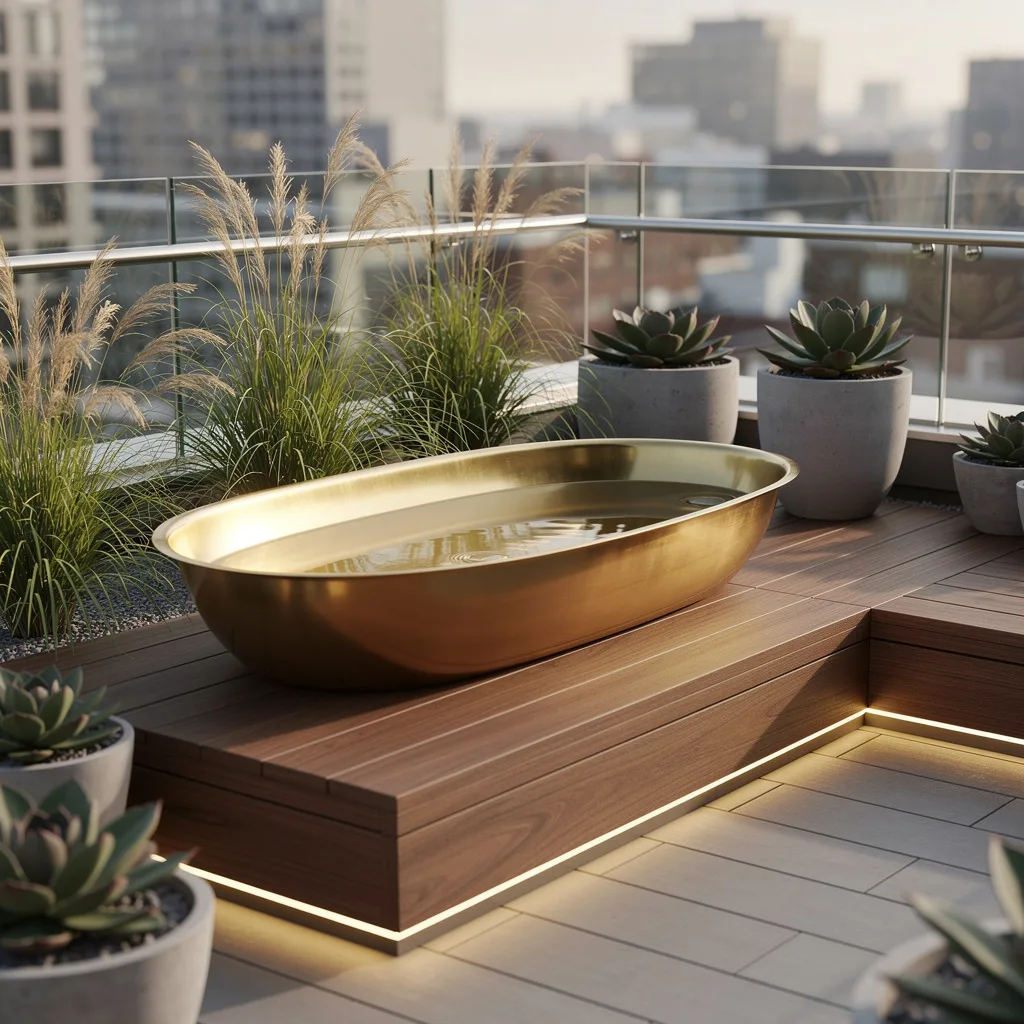
Level up your city rooftop with a brushed brass bird bath as your centerpiece because, no, stainless isn’t glamorous enough for sky-high living. Raise it up in a teak deck so it feels intentional, not like you dropped it off after a yard sale. Back it with tall grasses and dump succulents in chunky concrete planters—fussy flowers are unnecessary drama. LED strip lighting? Mandatory, unless you want your bath lost in the dusk. Minimalist glass railings finish the look—so skip anything colonial unless you want birds staging a Gone with the Wind reboot. Pro tip: Regularly polish your brass or accept the patina. No green grime allowed.
Drop Major Color with Cobalt Ceramic
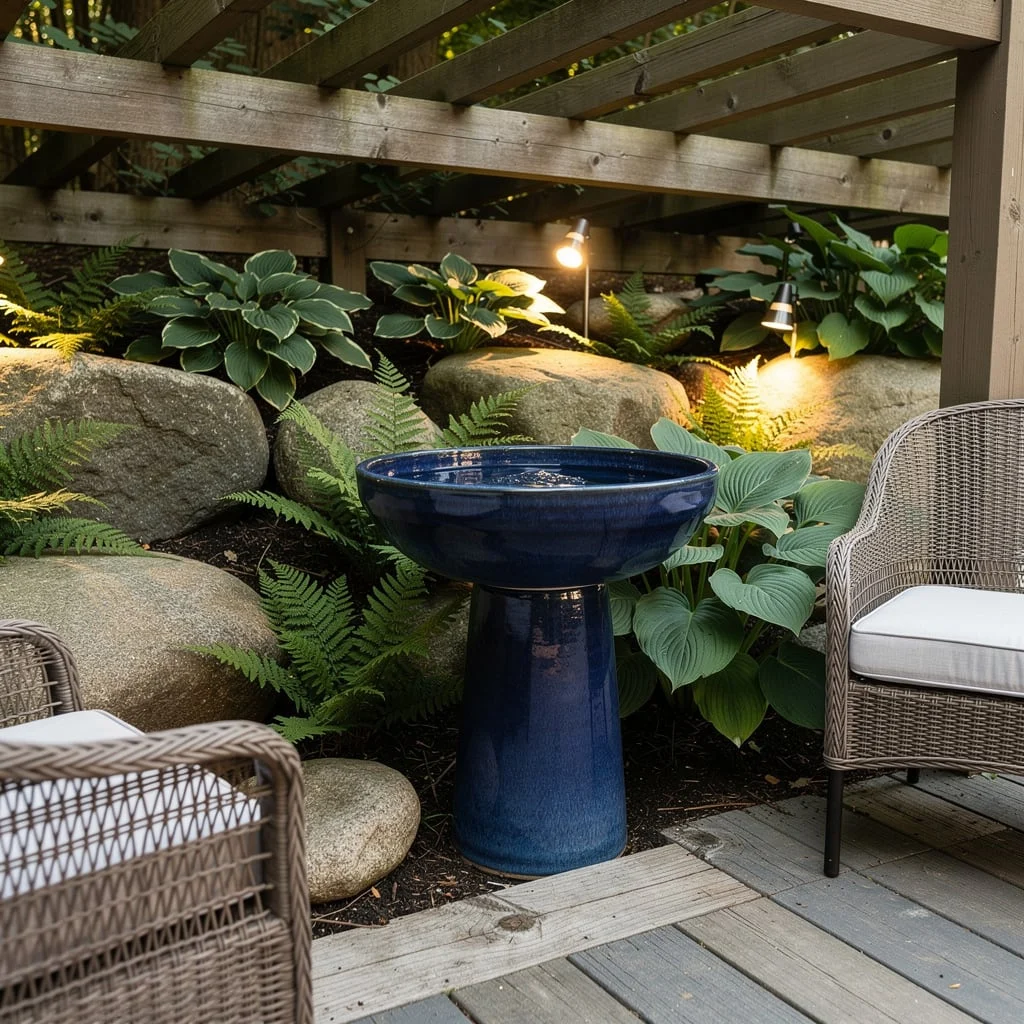
Ready for color? Stick a deep cobalt blue, hand-glazed ceramic bath by your patio to stir up plant drama and blast past washed-out garden fare. Plop it among shade-loving ferns and hostas for easygoing vibes—because sun-worshipping plants can chill somewhere else. Lay river stones around and run timber planks for texture. Highlight your bath with ground LEDs if you want night glam that outshines the neighbor’s porch light. Want texture? Add woven rattan chairs. Pro tip: Use ceramic for color but don’t cheap out—flimsy mass-produced junk looks tragic up close (and gets wrecked in one winter).
Pour on Concrete for Modern Meadow Realness
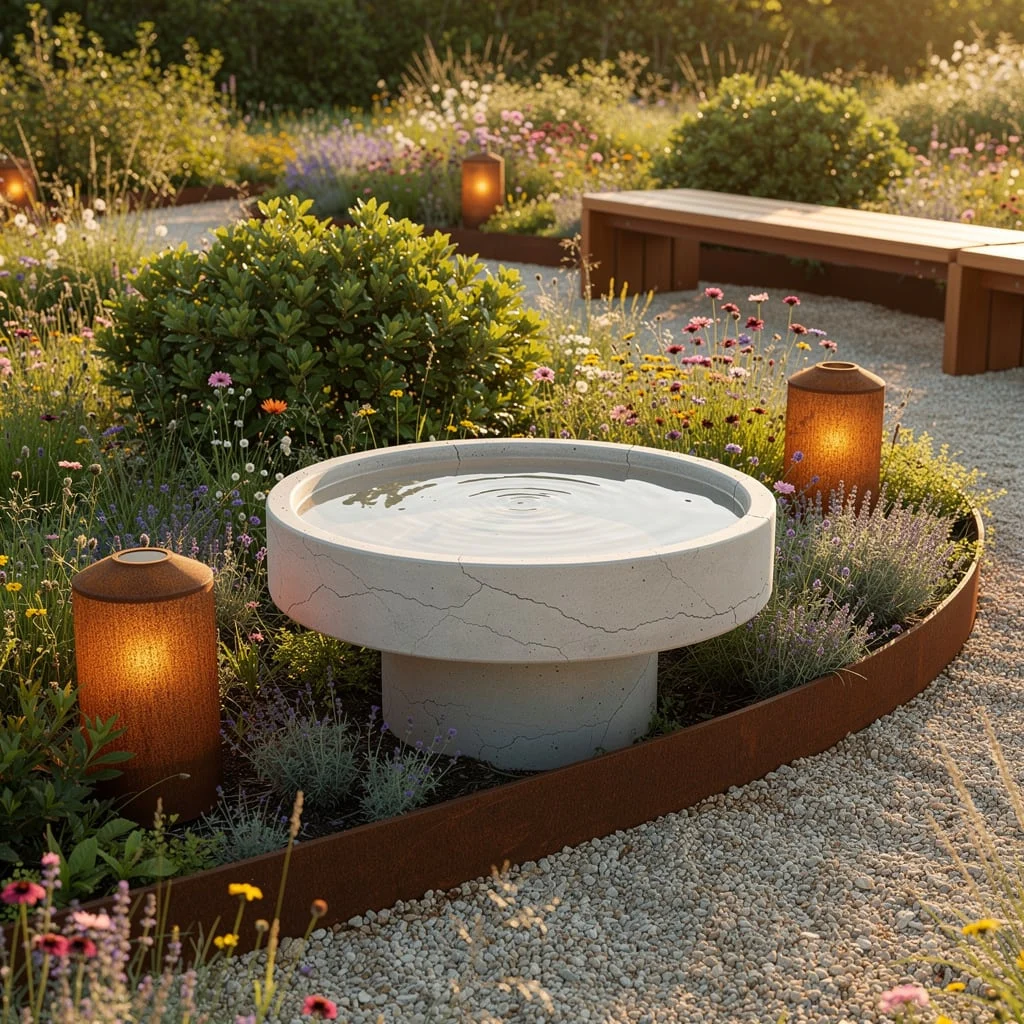
Want the meadow to look intentional, not neglected? Plant an artisan-poured concrete bird bath dead center in your techy wildflower patch, surrounded with corten steel edging because rust is finally cool. Choose a smooth, matte bath for that understated, ‘I didn’t even try but I totally did’ vibe. Dress the perimeter with shrubs and perennials—no single-season posers. Pop lanterns with a rusty patina near the bath for campfire energy, but upgrade your benches to low-profile teak. Pro tip: Never let random lawn chairs invade your wildscape. Design your seating like you mean it.
Hang Stainless Steel Like You’re Building the Future
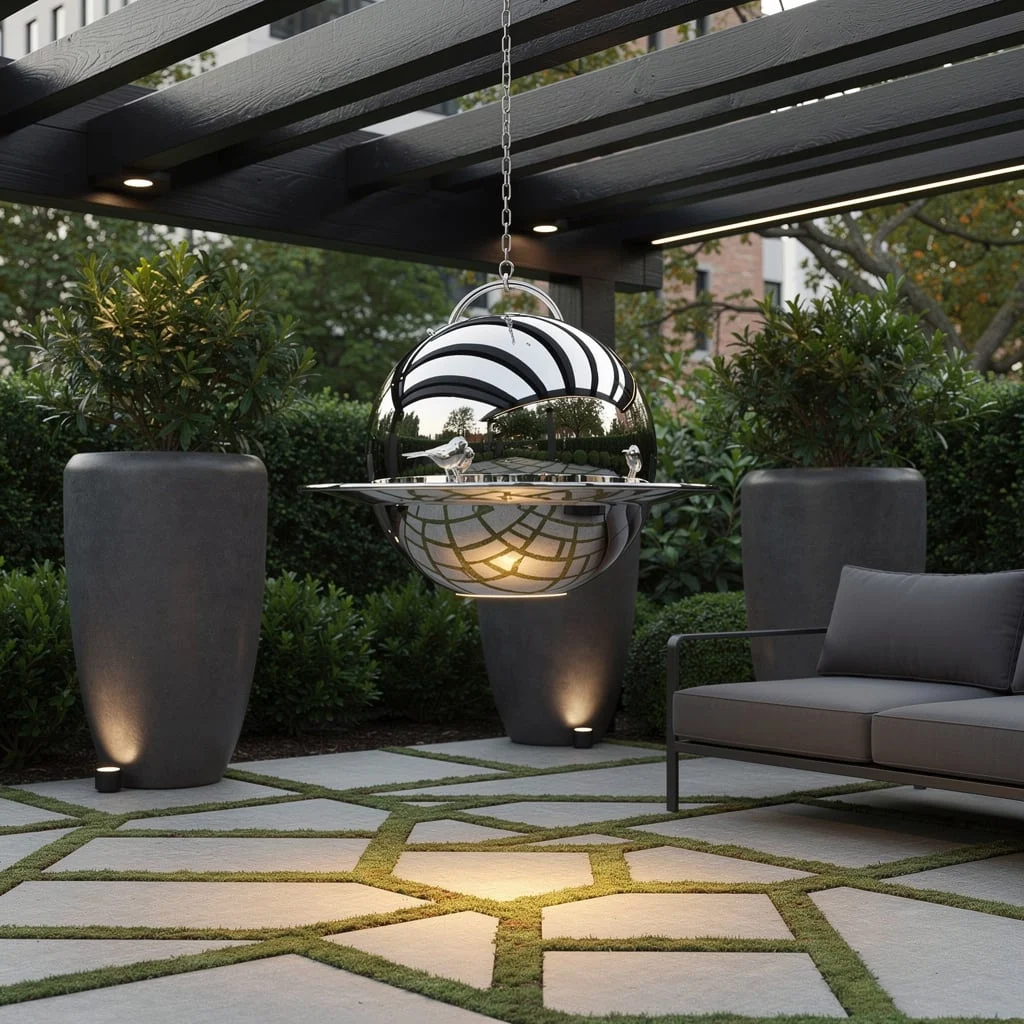
Ready for architectural drama? Suspend a mirror-finish stainless steel bird bath from a cantilevered wood pergola. Let it spin with the breeze—because a static bird bath is a snooze and you’re not here for boring. Pave the ground below with geometric stone and wedge moss in the seams because humidity doesn’t have to be ugly. Plant giant greenery in graphite planters so your outdoor space looks like a modern art museum. Light it up with custom LEDs (yes, that includes the bath itself) to flex on every bland patio in the block. Pro tip: Choose smoky gray seating—anything else is trying too hard.
Do the Moss Garden River Stone Power Move
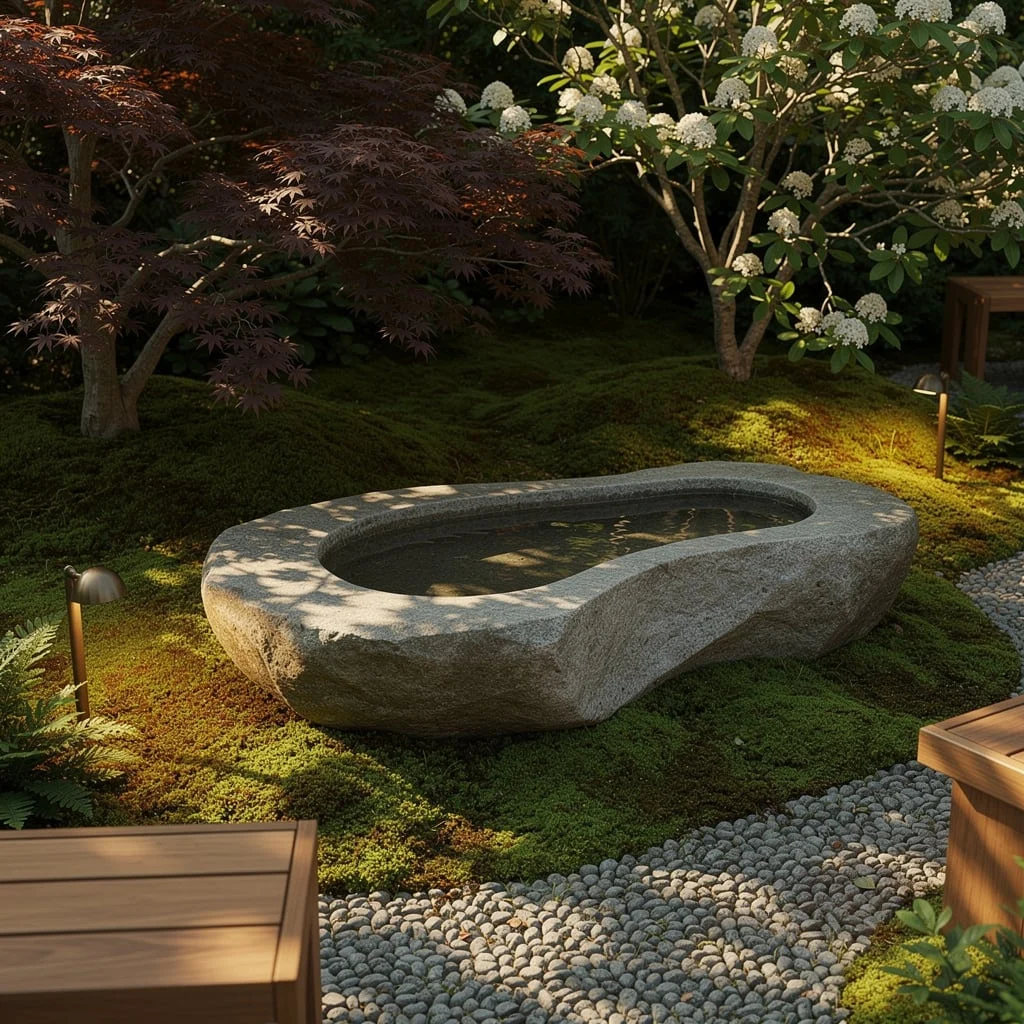
Channel Zen garden vibes by setting an organically-shaped river stone bird bath deep in a moss garden under a tree canopy. That’s right, make your landscape look like a billionaire’s retreat. Source a basin with a gentle slope to keep birds’ talons happy—narrow rims are for amateurs. Accent everything with low-watt bronze lights to dial up tranquility—not flood lights for your local soccer team. Wind pebble paths throughout so it’s more retreat and less obstacle course. Pro tip: Always anchor the look with custom wood benches—flimsy plastic ruins everything instantly.
Sculpt with Terrazzo When ‘Boring’ Isn’t in Your DNA
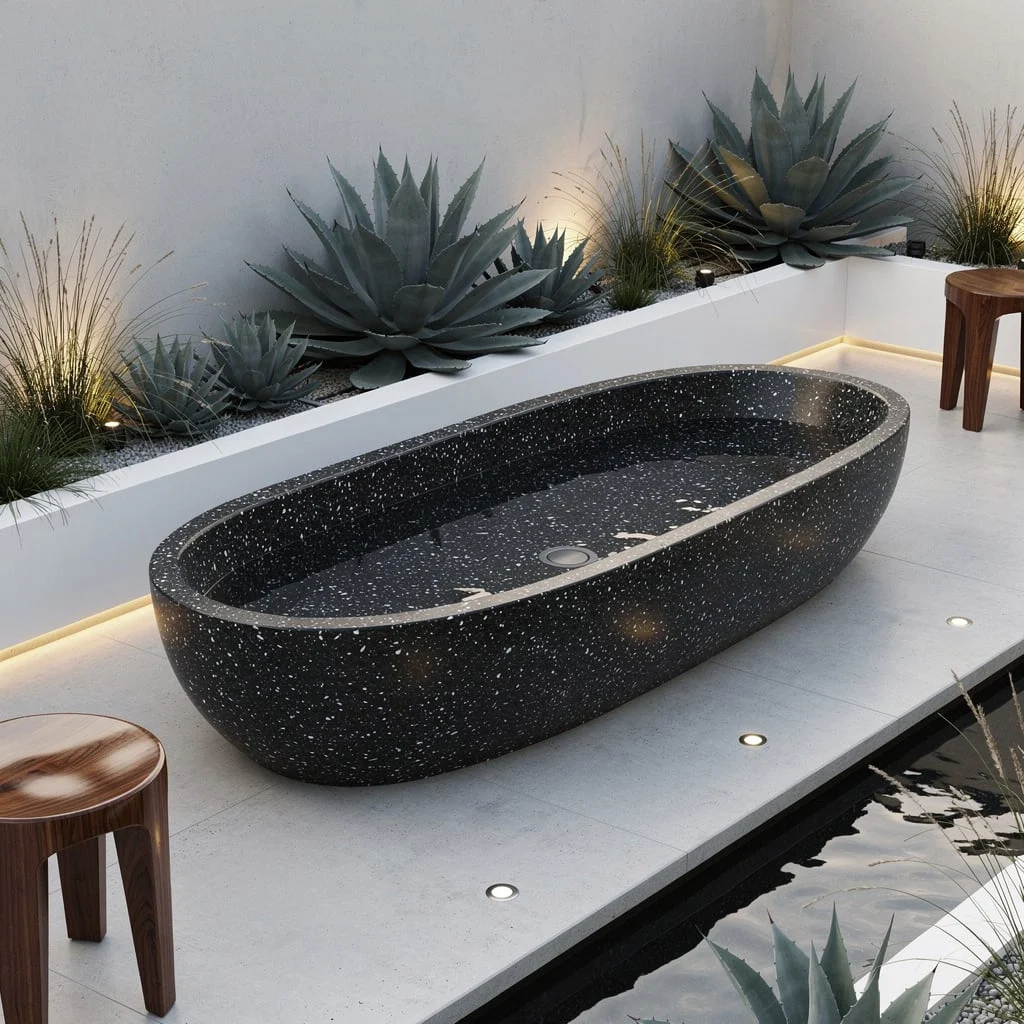
Think black terrazzo, sparkling with quartz chips, as your centerpiece for a courtyard that won’t be ignored. Go elliptical, not round—round is for birds who still use Yahoo Mail. Drop in low white planters stuffed with sculptural agaves and grasses because you want structure, not chaos. Run recessed lighting into pale concrete flooring so when dusk hits, the bath still stuns. Add a water rill nearby (if you know what one is), and bring in polished timber stools for that luxury lounge, not park bench. Pro tip: If you want to fake sophistication, stick to three materials, max.
Two-Tiered Porcelain: Waterfall Your Way to Estate Vibes
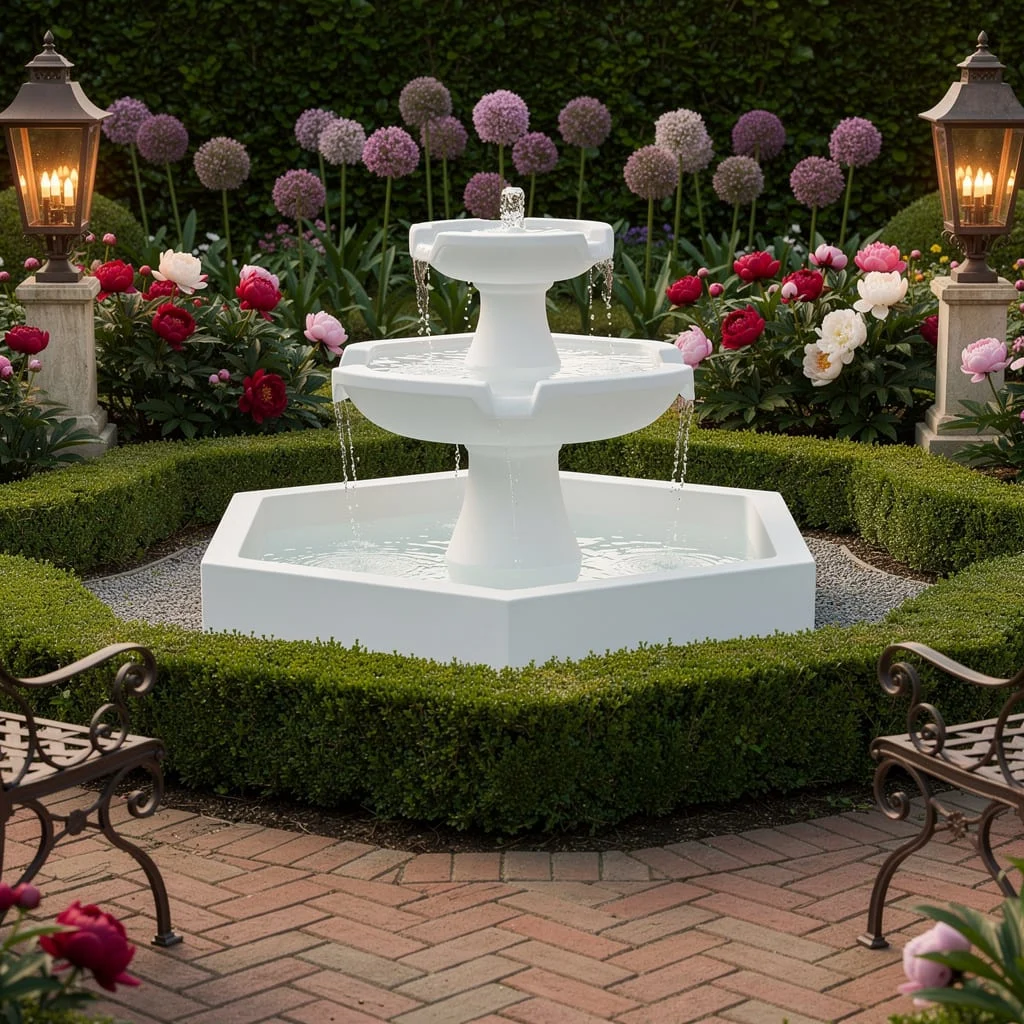
You want that French garden fantasy? Make a grand gesture with a two-tiered white porcelain bird bath—waterfall effect included so birds actually stick around. Anchor it within a formal parterre: boxwood, peonies, and alliums make everyone jealous, even the local squirrels. Pave the space with herringbone brick, never boring stacked patterns, and flank with classical lanterns for twilight glow. Invest in wrought iron benches—not cheap aluminum knockoffs—and actually sit there sometimes. Pro tip: Always test your waterfall for proper flow. Trickling, not splashing. You’re not running a Slip-N-Slide.
Hand-Patinated Copper? Yes, You Can Be That Extra
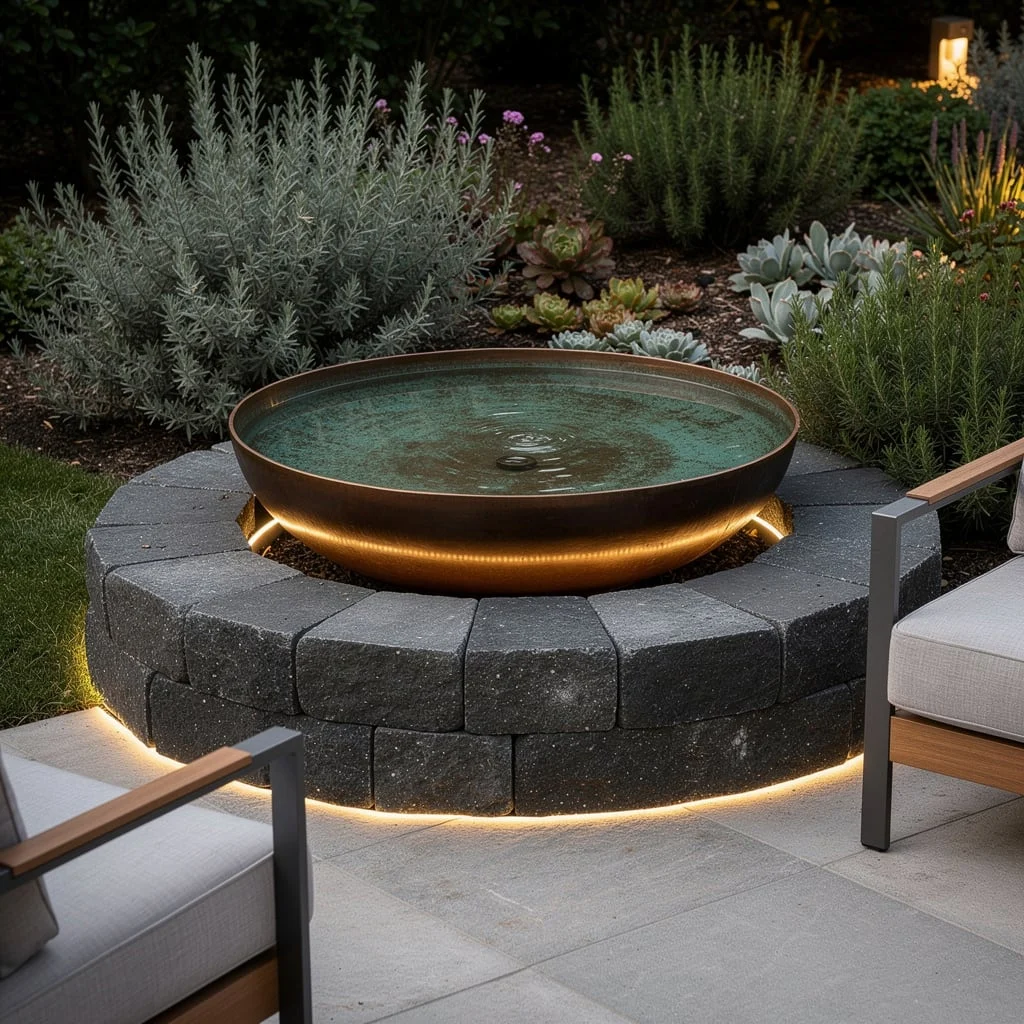
Show up your neighbor’s bird bath game with an oversized, hand-patinated copper bath—verdigris green is a power play against standard-issue garden everything. Elevate it on basalt, because stacking just any stones looks like a tired Pinterest fail. Set your scene with streaming under-lighting that fans out for nighttime drama, not harsh spotlight interrogation. Plant xeriscape favorites like sage and rosemary—drought is chic now—and furnish with low-profile, neutral outdoor gear that can hang in the weather. Pro tip: Don’t pair copper with fussy florals—keep it textural or the whole scene gets busy. Less is more.
Carrara & Champagne: Serve Freshness with Italian Swagger
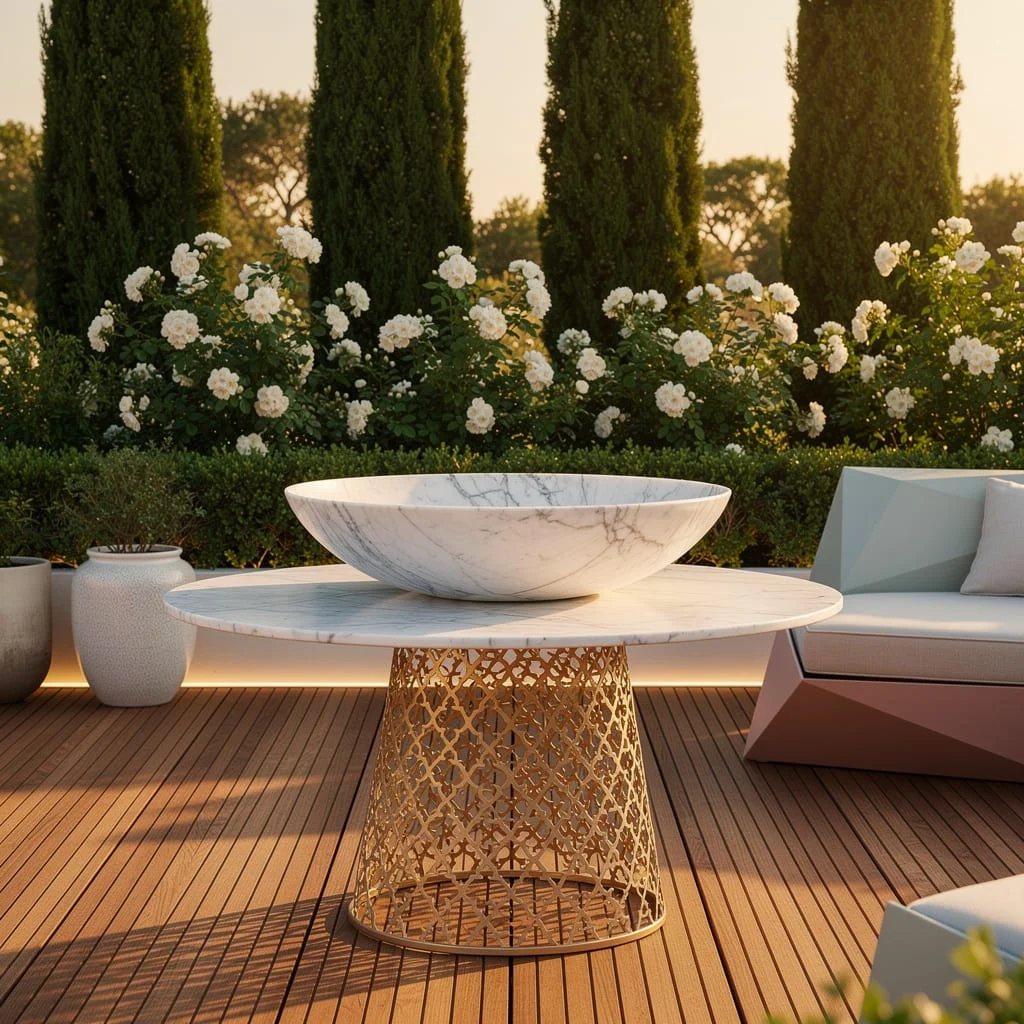
Dare to serve serious terrazza glam? Drop a shallow bowl carved from Carrara marble on an intricate champagne gold base for an insta-worthy focal point. Let the bowl snatch sunlight as it sits among cypress and clouds of jasmine (fragrant and on-trend, please). Deck the ground in teak for warmth, but for the love of all things cute, leave fake turf at the store. Scatter geometric planters and muted pastel furniture for that ‘spent a fortune but keeps it casual’ air. Low-voltage landscape lighting brings the vibe at dusk. Pro tip: Always cluster your planters—not one lonely pot in sight.
Final Thoughts
The bird bath is the garden feature with the lowest barrier to entry and the highest potential return on genuine attention — it can be found secondhand for almost nothing, installed in an afternoon without professional help, and maintained with nothing beyond a weekly water change and occasional scrubbing. None of that sounds glamorous, but the daily result — a garden with movement, with birds, with a clear focal point that organizes the surrounding planting — is worth considerably more than its input cost.
Every bath here earned its place by being placed intentionally, surrounded thoughtfully, and maintained well enough that the water stays clear and the birds keep coming back. That’s the whole requirement. Pick a material that’s genuinely what it looks like, size it to the garden it’s going into, give it a base treatment that frames it properly, and site it somewhere you’ll actually see it from. The birds will find it regardless of where you put it. The design success is purely for your benefit — and that’s reason enough to get it right.