
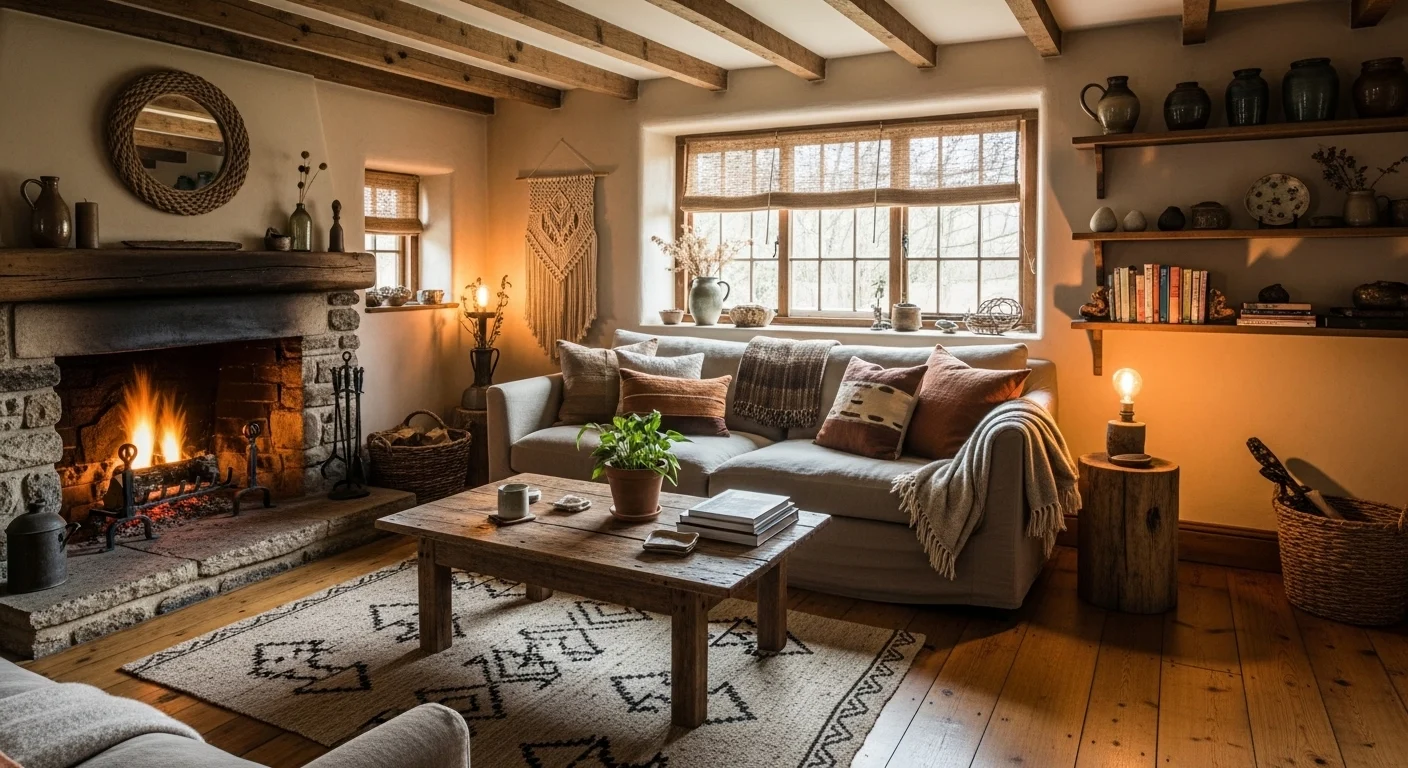
Most living rooms have one light. One overhead fixture doing the work of an entire lighting system, flattening every surface, washing out every texture, and making the room feel like a waiting area regardless of how much money went into the sofa.
That single light is not a lighting plan. It’s a default setting nobody ever questioned.
Good living room lighting isn’t about buying a more impressive fixture. It’s about understanding that a room needs multiple light sources working at different heights, in different intensities, for different purposes — and that the moment you layer those sources correctly, the room stops looking like a room and starts feeling like somewhere worth being in.
Light Layering Studio
A single overhead kills depth. Build a 3-layer system to create a room worth being in.
Why One Overhead Light Is Actively Ruining Your Room
Overhead light alone creates one problem that no amount of good furniture solves: it kills depth. A single source from above removes shadow entirely, which removes the visual contrast that makes textures interesting, objects dimensional, and rooms feel considered. Every expensive material you’ve chosen — the linen sofa, the stone coffee table, the art on the wall — looks half as good under a single overhead as it does under layered light. The fixture isn’t the issue. The absence of everything else is.
The Three Layers Every Living Room Needs
Ambient light sets the room’s base level — usually from ceiling sources, whether recessed, cove, or a central pendant. Task light handles functional needs — reading, working, finding things. Accent light does the design work — highlighting art, grazing textures, creating warmth in corners that ambient light can’t reach. A living room with all three layers working simultaneously feels entirely different from one with only one. The difference is not subtle.
Why Warm Bulbs Matter More Than Fixture Choice
A spectacular chandelier with a cool white bulb looks worse than a basic pendant with a warm bulb. Color temperature is the single most overlooked lighting decision in most homes. Warm white — 2700K to 3000K — makes skin look alive, makes wood look richer, and makes fabric look luxurious. Cool white makes everything look clinical and slightly exhausted. Change the bulbs before buying any new fixtures. The improvement is immediate and costs almost nothing.
The Death of Depth
Why your single overhead light is ruining the room, and how to build a layered system.
Living Room Lighting Ideas
Layered Candles, Crystal Pendant, and Warm Lamps:
Position a multi-tier crystal pendant on a brass ceiling rose as the room’s ambient anchor — warm enough to glow rather than illuminate, decorative enough to read as an object even when off. Add a table lamp on the sideboard at the far end of the room, a globe lamp on a shelf near the plants, and a small accent lamp on a surface in the entry zone. Then candles — pillar candles and tea lights on the coffee table, tapers on the dining table, clustered votives on the windowsill. The candles are not decoration. They are the third lighting layer that makes everything above them look warmer and more deliberate. Large tropical plants in every corner catch the warm light and cast soft shadows against white walls. Original period cornicing and wood paneling reflect warm light back into the room. The result is a living room where the ceiling light is the least important source in the space — which is exactly how it should be.
Sculptural Cloud Chandelier, Mirror Panel Wall, Slim Floor Lamps:
Hang an oversized sculptural chandelier — branching chrome with dozens of small disc elements catching and scattering light in every direction — from a high ceiling above the main seating zone. The chandelier is art that generates light rather than a light that happens to look interesting. Keep the wall behind the sofa in alternating vertical mirror strips and matte panels so the chandelier reflects at multiple angles simultaneously. Add one slim sculptural floor lamp in the sitting area for a second light source at standing height. Everything else — the sofa, the rug, the coffee table — stays in a composed neutral palette so the chandelier can carry the room’s entire visual energy without competition. The mirror wall behind the sofa multiplies the chandelier’s light across the room’s depth, making the space feel significantly larger than it is.
Sculptural Floor Lamp With Two Sources:
Choose a floor lamp that functions as a sculptural object first and a light source second — a forked matte black form with a conical shade above and a cylindrical secondary shade at mid-height, both casting warm amber light in different directions simultaneously. Position it in the corner between the sofa and the sideboard. The upper shade throws warm light onto the wall above and across the ceiling. The lower cylindrical element glows at mid-height, casting amber light at eye level when seated. The art on the wall behind receives grazing light from the upper source. The credenza below catches the warm spill. Set neutral furniture — a linen sofa, a round dark coffee table, a dark sideboard — in warm tones so the amber lamp light registers as the room’s primary mood-setter. This is a room built around one lamp, and it works entirely because that lamp was chosen for its behavior rather than just its appearance.
Cove Ceiling, Recessed Downlights, Slim Pendants, Backlit Shelves:
Build a recessed cove detail into the ceiling perimeter and run warm LED strip lighting inside it so the ceiling glows rather than the fixtures showing. Add a grid of recessed downlights in the main ceiling field for ambient fill, all on dimmers. Drop three slim black cylinder pendants at different heights from a ceiling track on the far side of the room for a vertical accent element that adds dimension to the wall plane. Build floor-to-ceiling joinery panels in cream lacquer as the main wall surface and mount the television flush within them — a seamless panel wall rather than a floating screen. Add LED strip lighting inside the open shelf niches on one side. A tall dried grass arrangement in a cylindrical vase on the floor. A warm camel sofa in the foreground. White marble-effect large-format floor tile that reflects the warm ceiling cove light. The cove lighting is the room’s foundation — everything else layers on top. No single source dominates. Every zone has its own contribution to the overall warmth.
Layered Plaster Ceiling, Crystal Ring Chandelier, Recessed Grid:
Design the ceiling as architecture rather than a surface — multiple stepped plaster tiers at different depths, each edge housing warm LED cove lighting so the ceiling itself becomes a light source. A circular stepped recess at center drops a multi-tier crystal chandelier in gold. Recessed downlights are distributed across every ceiling tier for functional ambient fill. Floor-to-ceiling sheer curtains in warm taupe filter natural daylight by day and become a warm glowing backdrop at night when the cove lights reflect against them. A large L-shaped sofa in cream fabric across the full width of the seating zone. Tall framed abstract art flanking the window. A round glass coffee table at center. The ceiling is doing the majority of the design work, which means the furniture and accessories can stay calm and considered without the room feeling under-designed. The crystal chandelier is the punctuation — the ceiling is the sentence.
Stack Your Light Like a Celebrity—Brass, Velvet, and Drama
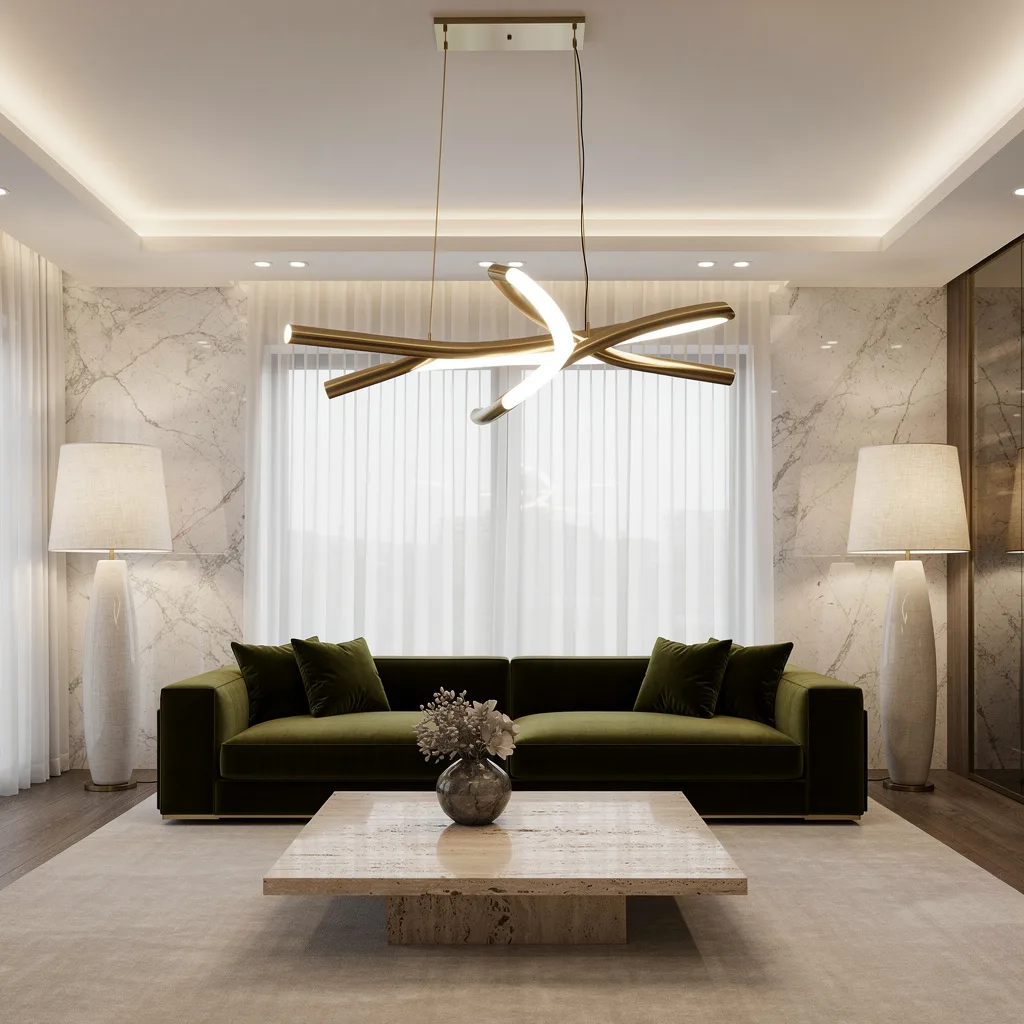
Want your space to scream ‘glam’ instead of ‘rental sadness’? Build up layers, starting with a sculptural brass chandelier and Italian travertine table for major punch. Add recessed LED strips along your ceiling for vibe lighting everyone wishes they had. Flank your velvet sectional with tall ceramic floor lamps—yes, make it symmetrical, just this once. Keep your Carrara marble walls polished for reflected warmth, and don’t skip the floor-to-ceiling sheer curtains; these help diffuse daylight and banish harsh shadows. Always mix lamp heights and dimmable sources for Insta-worthy mood.
Minimalist Lighting: Less Is Actually More, If You Do It Right
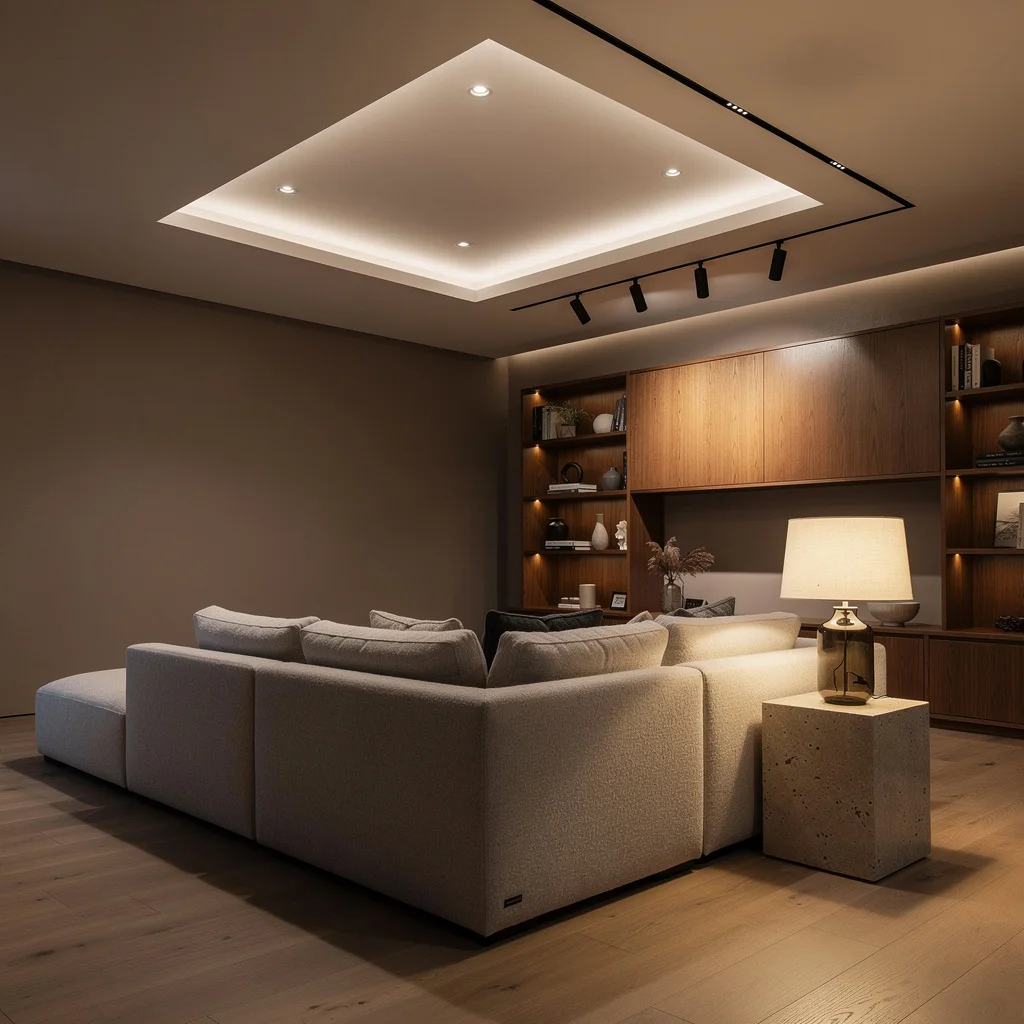
Want something clean but not clinical? Ditch the chandeliers and go for floating ceiling panels with dimmable LEDs. Set up matte black track lights to spotlight your best decor (no one cares about your cousin’s graduation photo, so pick art that matters). Drop a smoked glass lamp onto a limestone side table, and stick with wool upholstery for cozy modernity. Ash oak floors and taupe walls need even, crisp illumination—never settle for patchy lighting. Always aim for multiple sources and directional lights to keep things from feeling flat.
Gallery-Chic: Globes, Brass, and Concrete—Do You Even Art?
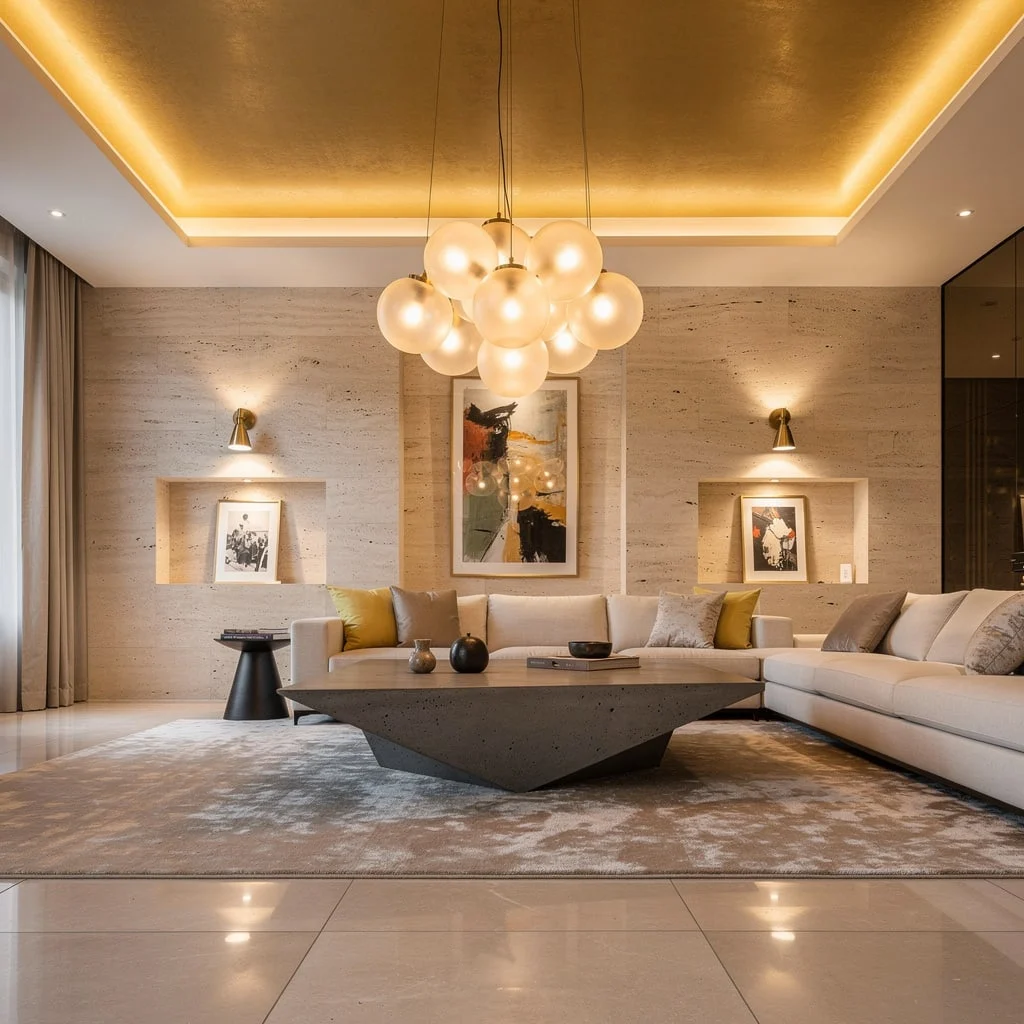
If you want a gallery-inspired space that feels lush, grab a frosted glass globe pendant for your main zone and anchor a concrete coffee table beneath. Install cove lighting to wash your walls with golden warmth. Get adjustable brass picture lights to spotlight your artwork—stop pretending your family vacation photo is high art. Ground the room with a silk-blend rug and keep your floors reflective. Always use more than one light source and remember: Artwork only pops if it’s lit from above and the side.
Hide Your Fixtures—Let the Uplight Shine and Ditch the Lamp Store Aesthetic
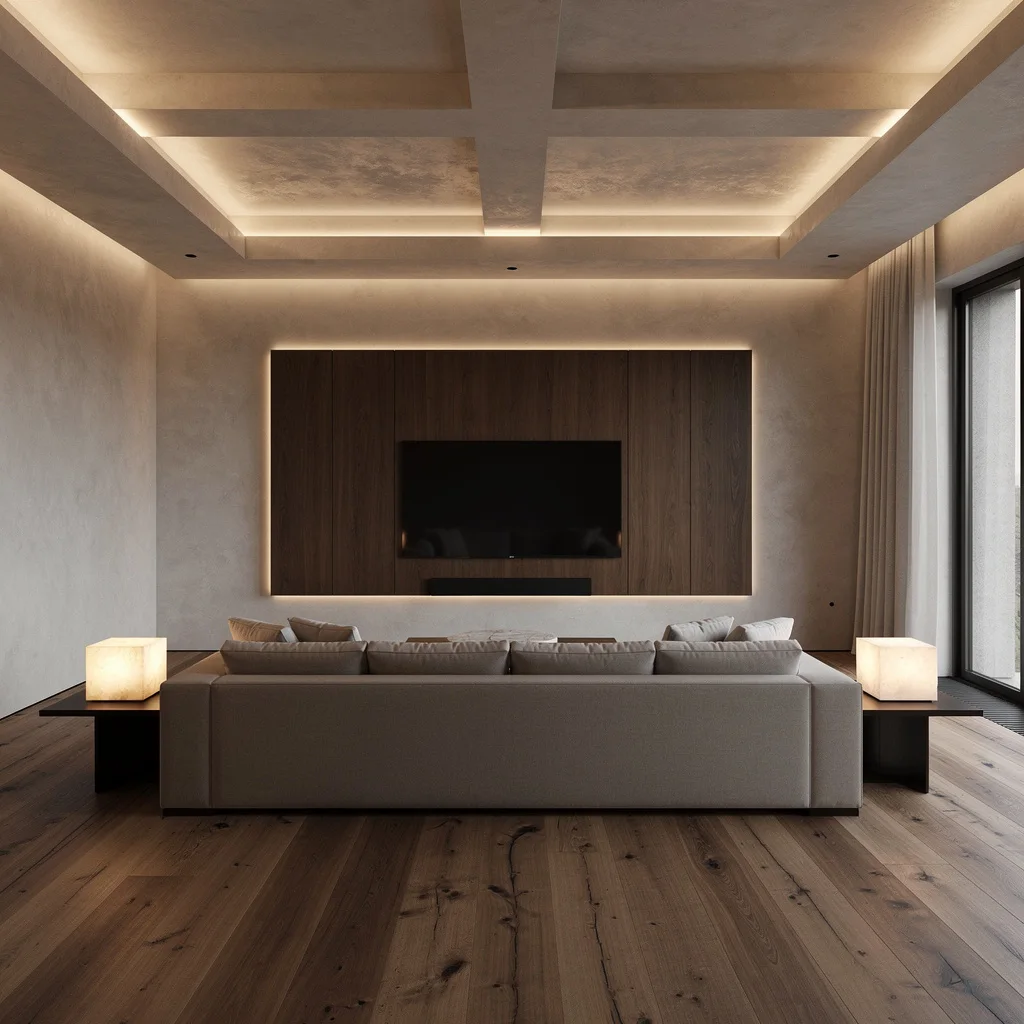
Want your space to whisper luxury instead of scream ‘lamp aisle disaster’? Embed continuous LED strips into your coffered ceiling and behind walnut media walls. Add low-profile alabaster cube lamps at each sofa end. Use hand-troweled plaster and wide hickory flooring as a backdrop, letting soft uplight radiate without glare. Make sure fixtures stay hidden; visible hardware is so basic. The true pro tip—never let light sources hit you with direct glare. Conceal all strips for buttery, seamless brightness the cool kids crave.
Classic Opulence: Oval Chandeliers and Sconces That Say “I’m Not Broke”
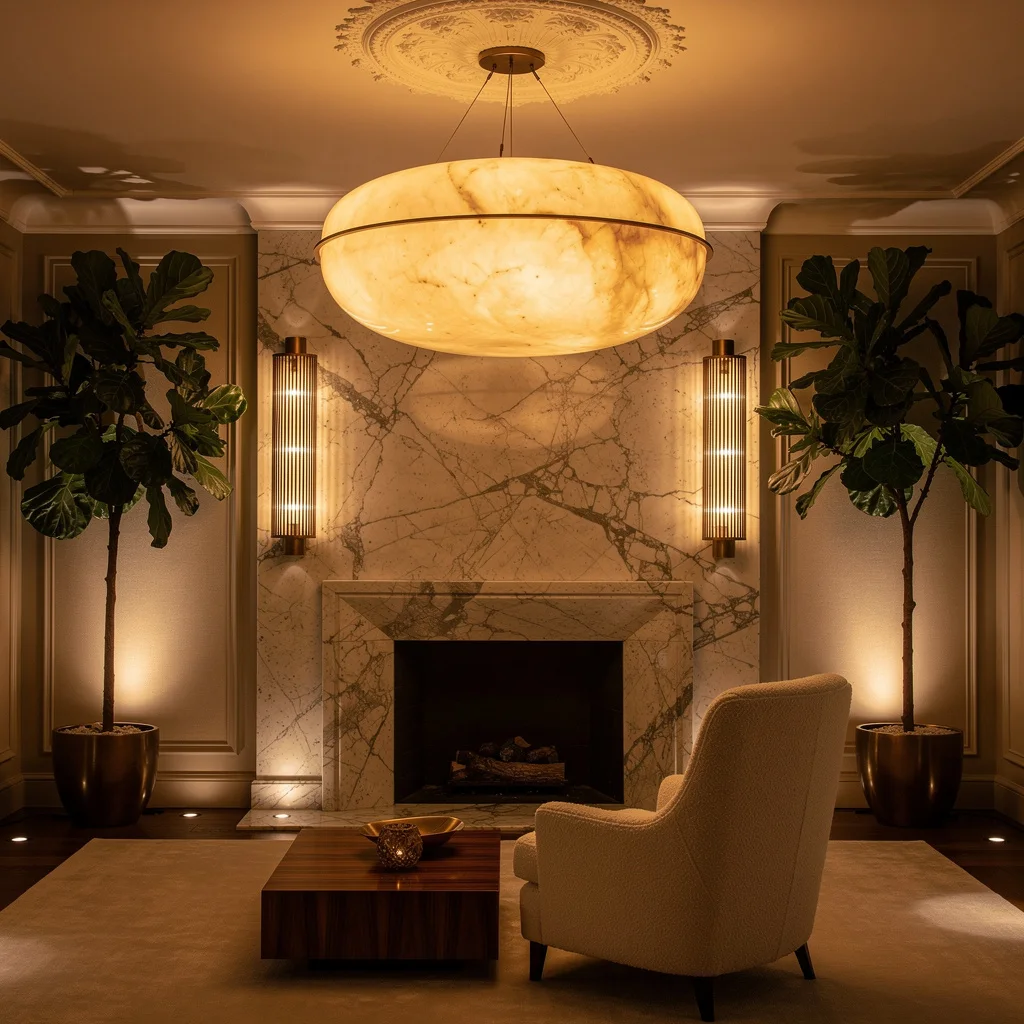
You crave elegance? Hang an oval alabaster chandelier from a medallion to get that old-money vibe. Flank your fireplace with vertical bronze sconces with ribbed glass to frame up the marble surround. Plant fig trees in your corners and illuminate them with recessed uplights, boosting the drama. Throw in a boucle armchair and stained walnut coffee table—textures matter, stop ignoring them. Always layer your lighting; sconces plus chandelier plus uplights are the holy trinity for big-night energy. Let every layer do a job, not just look pretty.
Indirect Lighting for Chill Moods—Sorry, Overhead Fans Are Not Invited
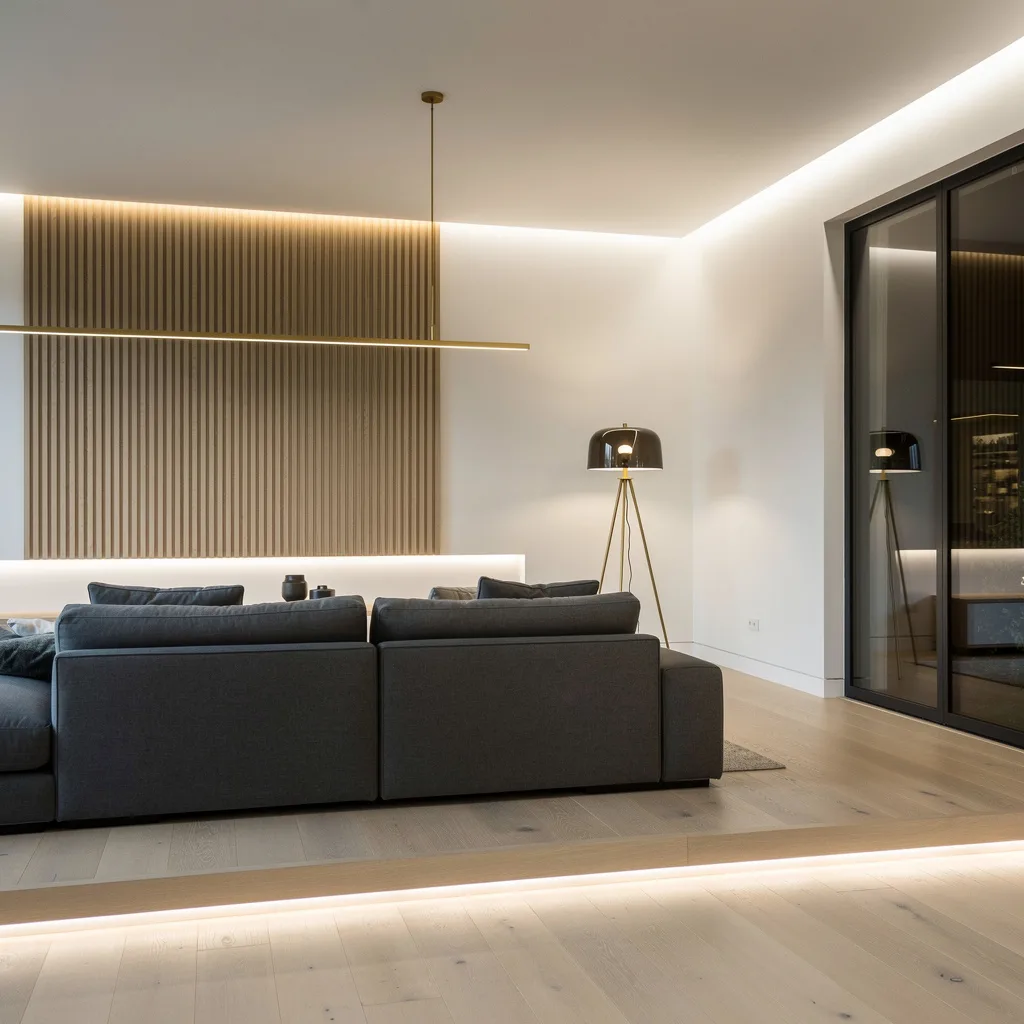
Less is more, but that doesn’t mean living in darkness. Run recessed LED channels along the floor-wall joint for a floating effect, and install a matte gold linear pendant to highlight your feature wall. Use skinny tripod floor lamps with smoked glass next to your slate gray sofa—never go chunky unless you want your living room to feel like grandma’s den. Glass doors do wonders for reflecting ambient light, so keep them clean for maximum glow. The trick—always light architectural details, not just the middle of the room.
Double-Height Drama: Tinted Pendants and Uplights That Make You Look Rich
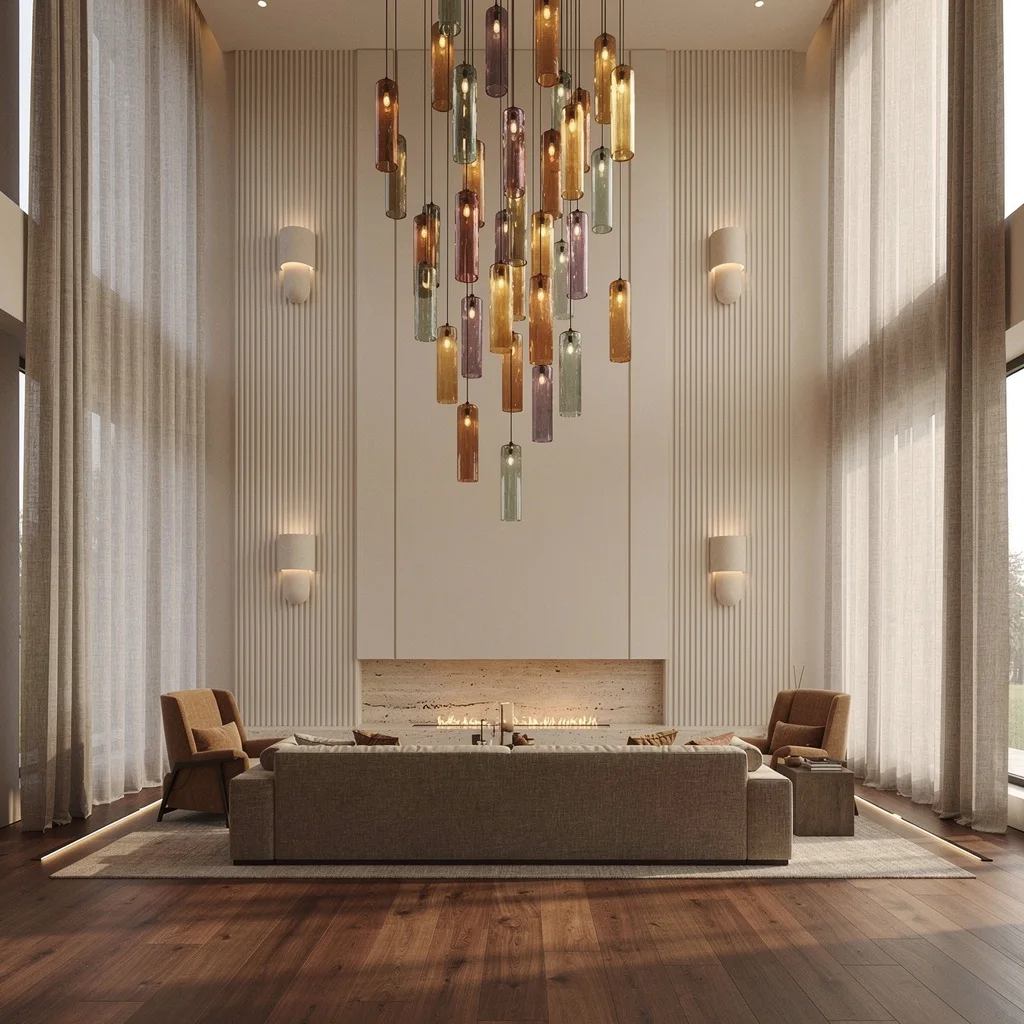
Ready to wow everyone who walks in? Go vertical with hand-blown glass cylinder pendants cascading above your hearth. Wall-mounted plaster sconces should graze ribbed panels for architectural depth. Add linear floor uplights to show off those linen-draped windows—stop covering them with heavy curtains. Engineered walnut floors and earthy textiles make the light super cozy. Important: never skip uplighting in double-height rooms; it draws eyes up and makes you look like you hired an actual designer instead of just scrolling Pinterest in your pajamas.
Accent Lighting for Depth That Doesn’t Suck—Backlit Everything
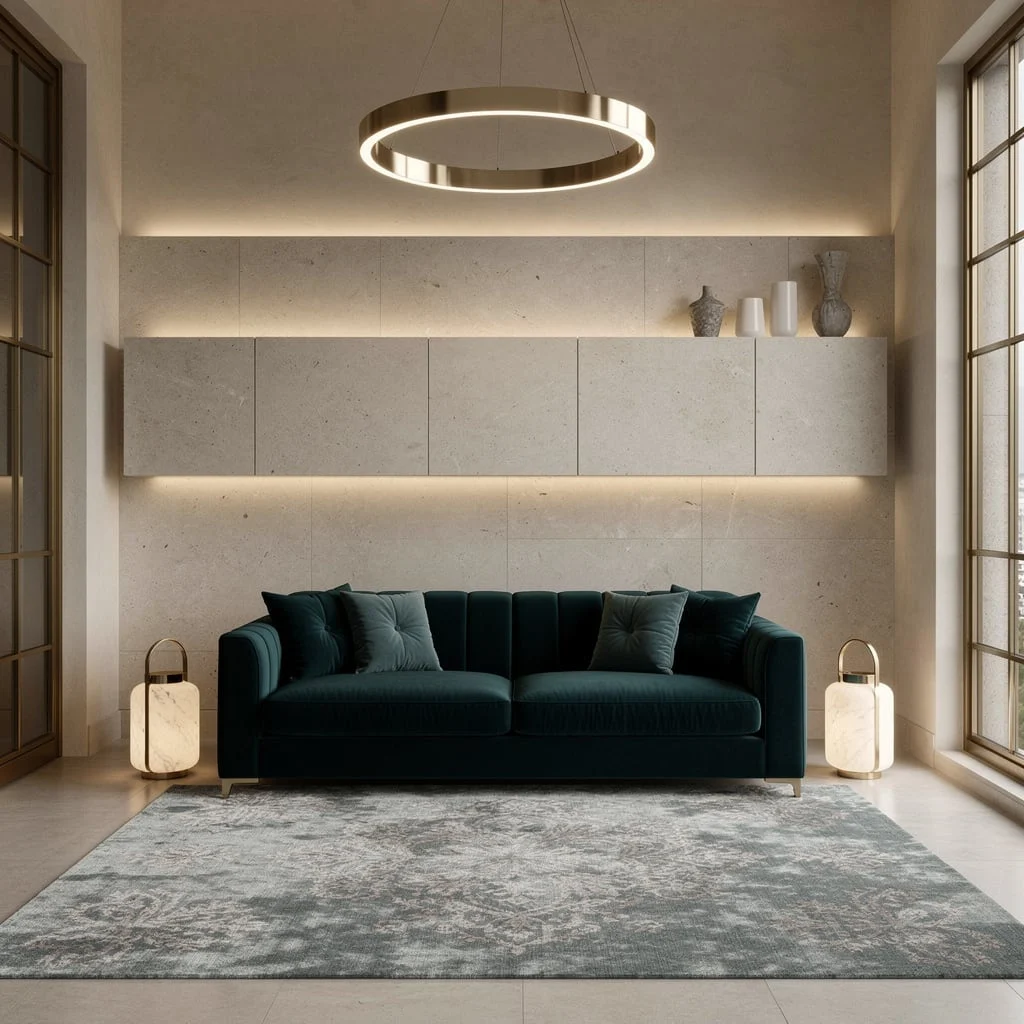
Dreaming of serenity with flex? Backlight your floating credenza wall with soft LED panels so your matte stone tiles glow like the grown-up version of a nightlight. Center the room with a brushed nickel ring pendant over your silk rug for that quiet luxury. Deploy battery-powered marble lanterns beside your velvet sofa—leave cords in the past, thanks. Always pair neutral walls with layered accent sources. The pro move: backlight architectural details for depth but keep fixtures invisible so guests ask, ‘Where’s the light even coming from?’
Designer Grid: The Square Downlight Move Everyone Sleeps On
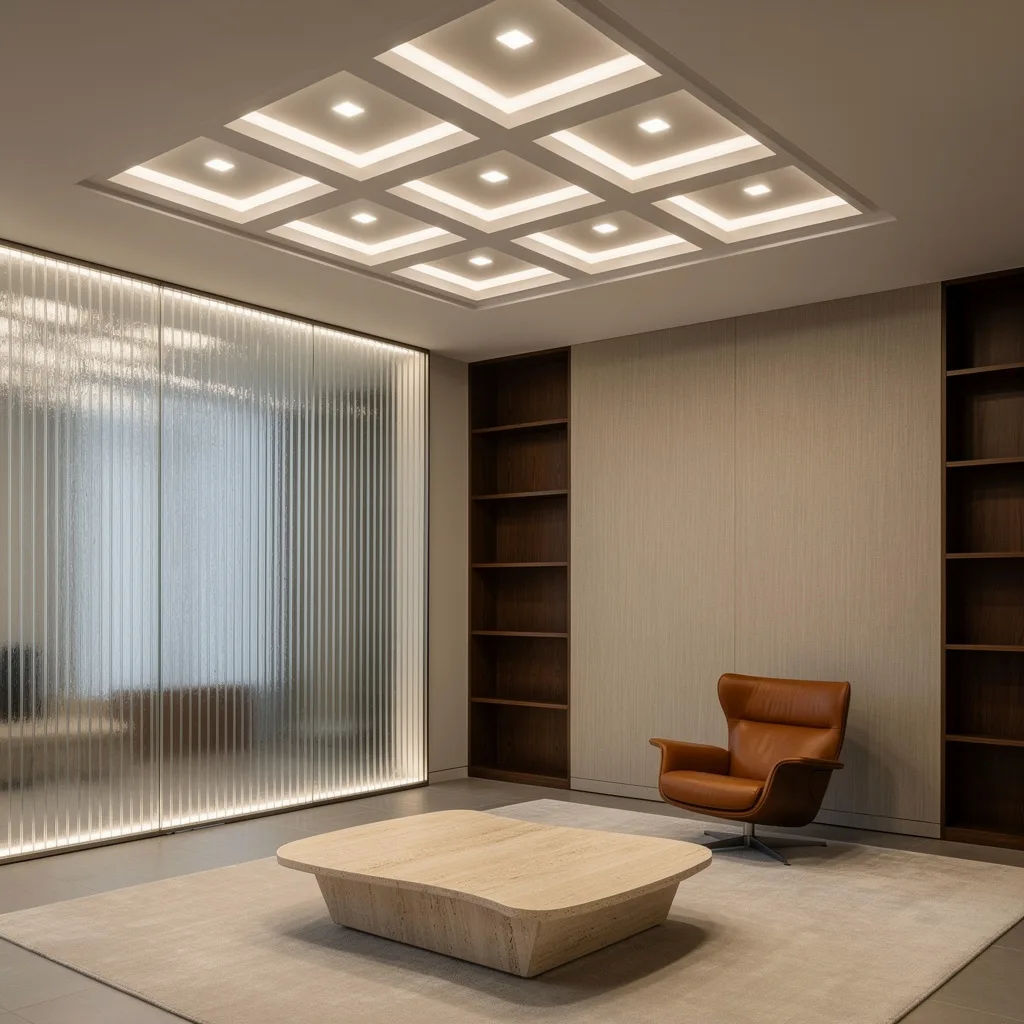
Forget boring ceiling bulbs—install a rectangular grid of recessed square LEDs in a negative-detail ceiling for pools of crisp light. Anchor your layout with a curved travertine coffee table. Pop some backlit fluted glass panels for shimmer, and blur the line with warm walnut shelving. Silk wallpaper and a caramel leather lounge chair, yes please. Keep lighting minimal but intentional—each pool should highlight something on purpose. Always use a grid pattern; this prevents dead corners and creates visual flow that’s painfully chic.
Urban Layering—Track Lights and Parquet Floors for Big-City Vibes
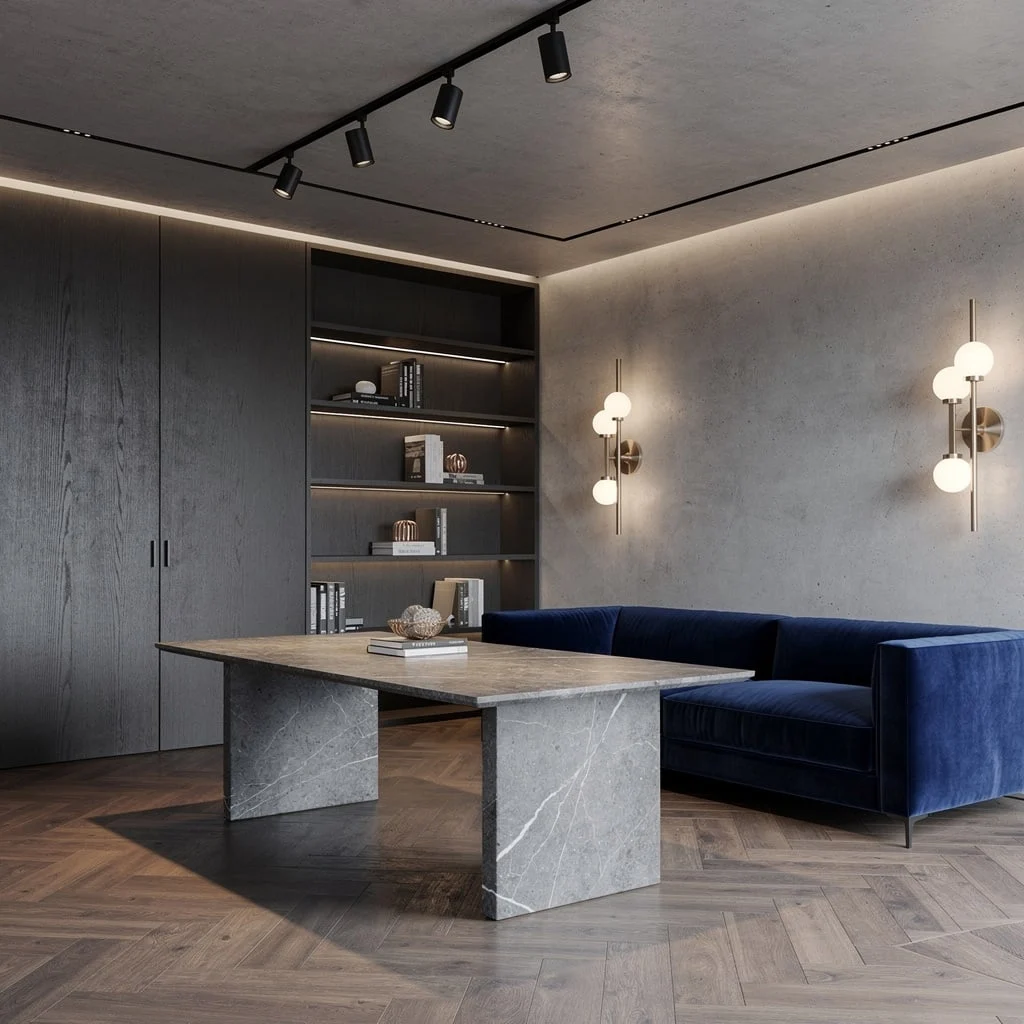
Channel your inner ‘penthouse in the city’ with an architectural black track loaded with adjustable spotlights above your marble table. Install recessed washers on built-in charcoal bookcases, and satin nickel wall sconces with opal shades for diffuse side lighting. Grab a blue mohair sofa (because basic is not your brand) and lay herringbone parquet floors for classic urban cred. Never stick with just overhead or just side lighting; mix direct and ambient for that metropolitan layer. Paint walls with muted concrete finishes for real grown-up mood.
Sculptural Lighting—Stop Copying TikTok and Get Original
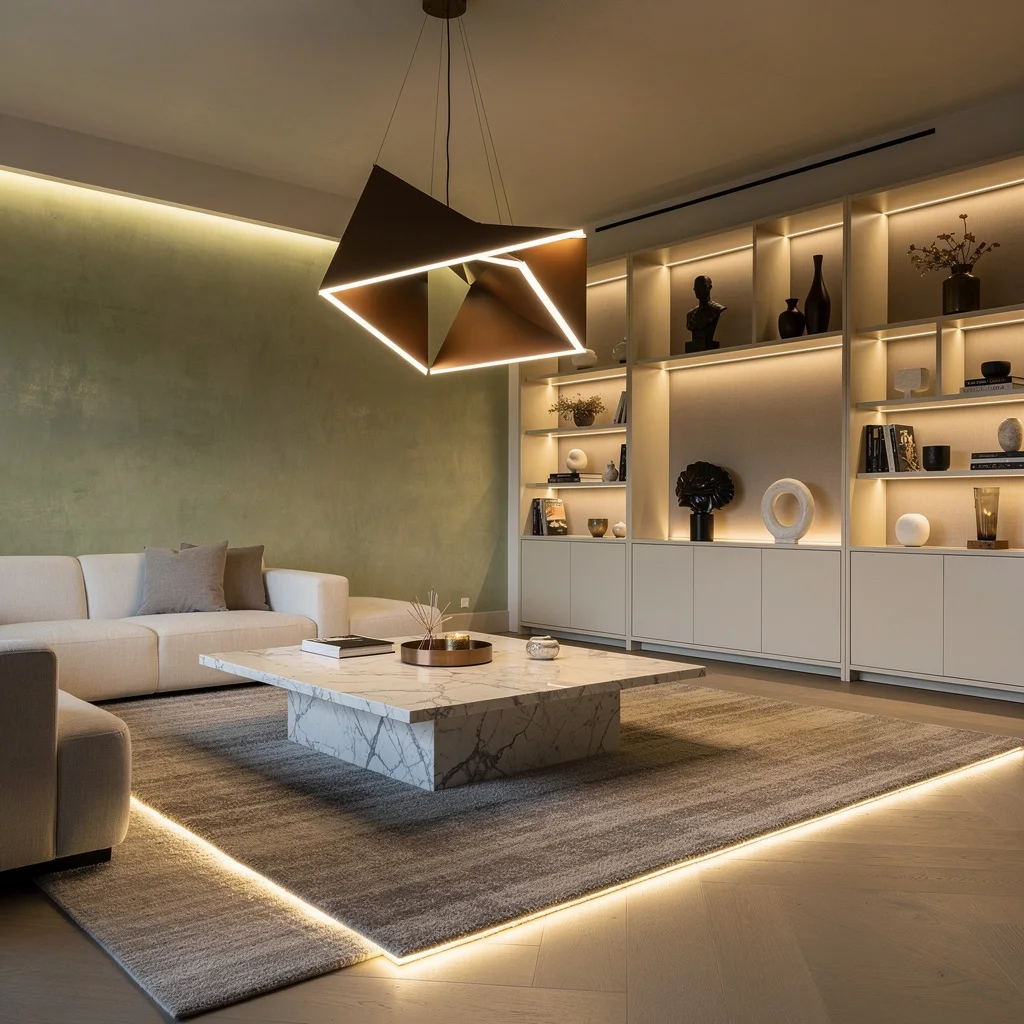
Make your ceiling pop with a custom geometric LED pendant in brushed bronze—no random Amazon fixtures allowed. Drop a white-veined quartzite coffee table beneath for structure. Build cabinet shelving with integrated lighting to subtly backlight your objects, then highlight a layered wool rug with floor-level LED tape for high drama. Use delicate wall washers on lime-washed feature walls—home should be art, not just somewhere to binge Netflix. Always stagger your lights at different heights for true sculptural effect—never line up fixtures like you’re in a cafeteria.
The Lighting Decisions That Apply to Every Living Room
Put every source on a dimmer. A living room that can only be at full brightness is a living room that can only be at one mood. Dimmers cost almost nothing relative to what they do for a room’s usability throughout the day and evening.
Light the walls, not just the room. A floor lamp directed at a wall, a picture light above art, a cove light washing across a ceiling — these change how the room reads because they create the contrast and depth that central overhead lighting removes. Walls that receive light feel like surfaces. Walls that don’t feel like boundaries.
The lamp in the corner is doing more work than you think. A floor lamp or table lamp in a corner at standing height creates a pool of warm light that no ceiling source can replicate. It changes the room’s atmosphere at seated eye level — exactly where a living room is experienced most. If a corner doesn’t have a light source in it, it’s dead space pulling the room’s energy down.
Never match lamp heights across a room. A table lamp at the same height as the floor lamp at the same height as the pendant creates a flat, even light field that has no visual interest. Different heights create different shadows, different depths, different moments. The variety is what makes the room feel layered.
Light Is Not Decoration. It Is the Medium.
Everything in a living room — the furniture, the materials, the art, the plants — exists in relationship to the light that falls on it. Change the light and you change how everything else reads. This is why two rooms with identical furniture feel completely different when one has layered lighting and one has a single overhead fixture.
The living room deserves a lighting plan as much as it deserves a furniture plan. Both shape the experience of being in the room. One costs more and gets more attention. The other does more work and gets almost none.
Stop accepting the default. The room you have could look significantly better tonight, with nothing but different bulbs and one additional lamp. Start there. Layer from there. The difference is immediate and it never stops paying back.