
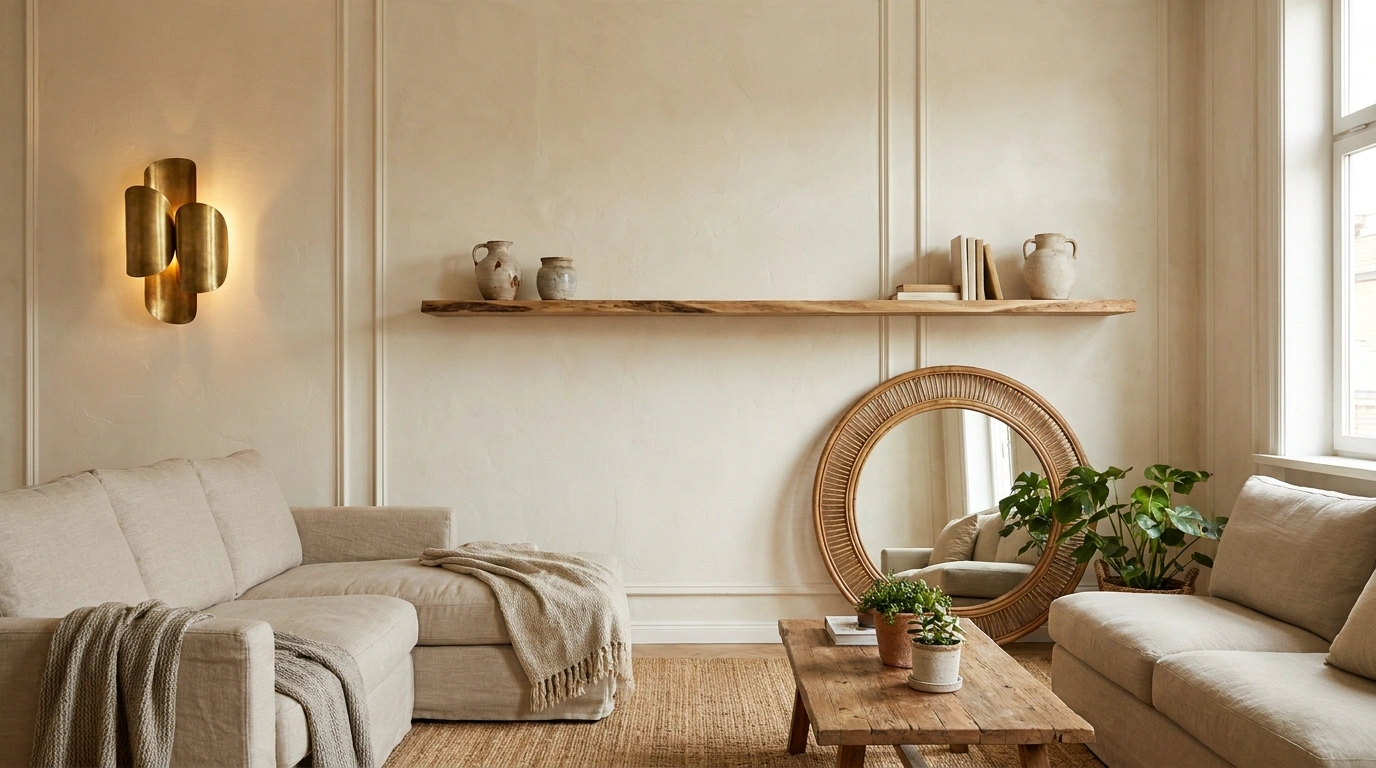
The blank wall has been waiting patiently. Meanwhile, you have saved enough gallery-wall inspiration to open a small framing business.
You can leave the frames out.
A wall can gain interest through texture, lighting, scale, useful storage, or one substantial object. Some solutions occupy the surface itself. Others work through the furniture placed against it and the empty space left around that furniture.
Start by deciding what the wall needs to contribute. “Something should go there” is how people acquire several small objects that remain unrelated for the rest of their lives.
Choose the Wall’s Job
Does the room need warmth, storage, a focal point, softer acoustics, or simply more visual depth?
Check the wall construction and choose suitable mounting for any load. For removable adhesive products, follow the specific surface and weight guidance; adding extra strips does not automatically create a higher-rated fixing. Command™ Brand
Alternatives to a Gallery Wall
Mount Playful Recycled Planters
A grouping of decorated tin cans can bring texture and life to an empty wall without needing standard picture frames. Choose cheerful patterns and soft colors to keep the display looking intentional.
Fill the vessels with fresh or dried stems to add organic height and natural charm. Stagger their placement carefully to create an engaging arrangement that draws the eye across the surface.
Keep surrounding decor simple so the creative display remains the focal point. This approach turns everyday objects into a charming and personal wall feature.
Hang One Substantial Textile
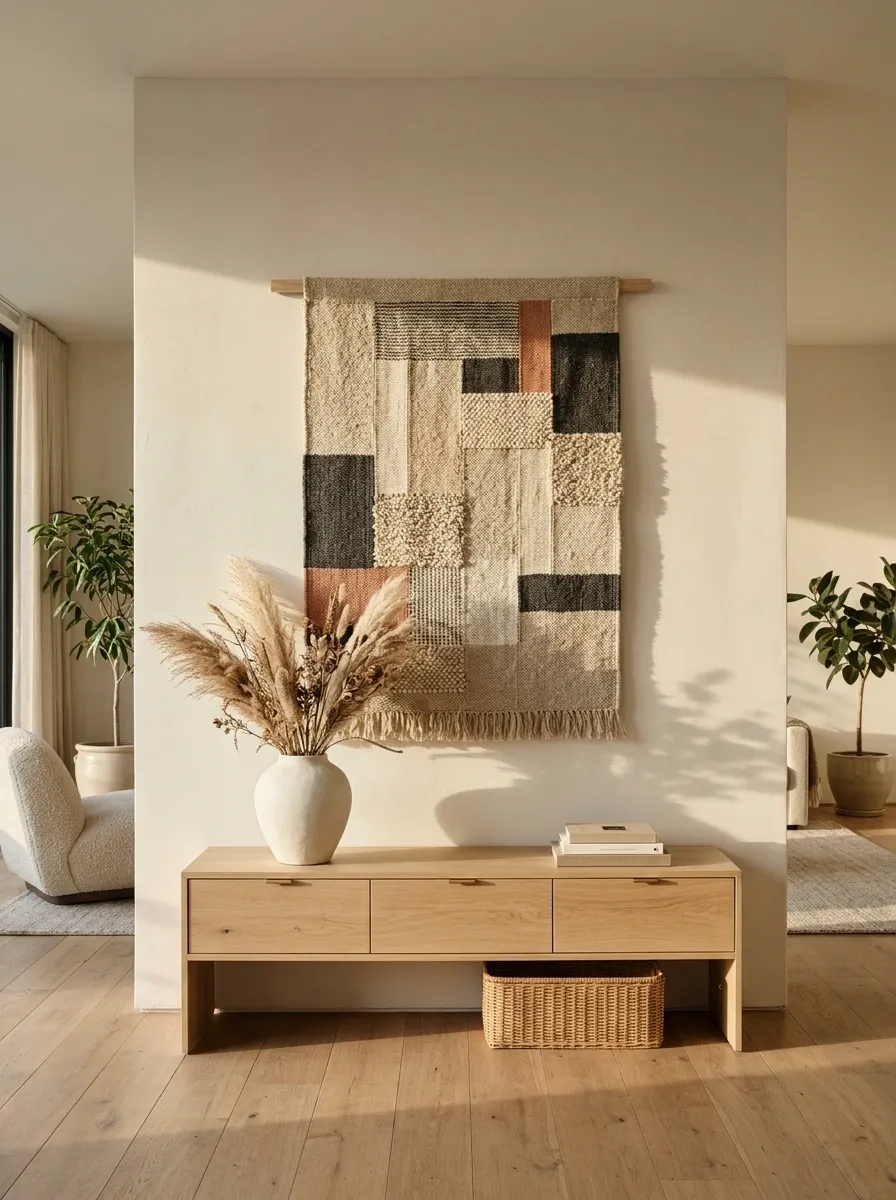
A large textile can soften a plain wall and introduce pattern without a collection of frames. Choose a piece proportionate to the furniture beneath it.
Use an appropriate hanging system and let the fabric sit deliberately rather than sagging from improvised corners.
A restrained room can handle a stronger textile, while a patterned room may need a quieter weave. One generous piece often feels more settled than several small items scattered across the wall.
Scale it to the furniture below and leave breathing room around the edges.
Install a Backlit Stone Feature
A textured stone panel paired with integrated lighting can transform a plain partition into a dramatic architectural moment. Choose a rustic finish to contrast beautifully against clean vertical wood paneling.
Position a minimalist console and matching mirror against the textured backdrop to create a functional and stylish vignette. The warm glow highlights the natural contours of the stone without requiring extra artwork.
Keep surrounding accessories streamlined to let the organic materials shine. A single potted plant or elegant vase completes the sophisticated entryway look.
Use a Sculptural Mirror
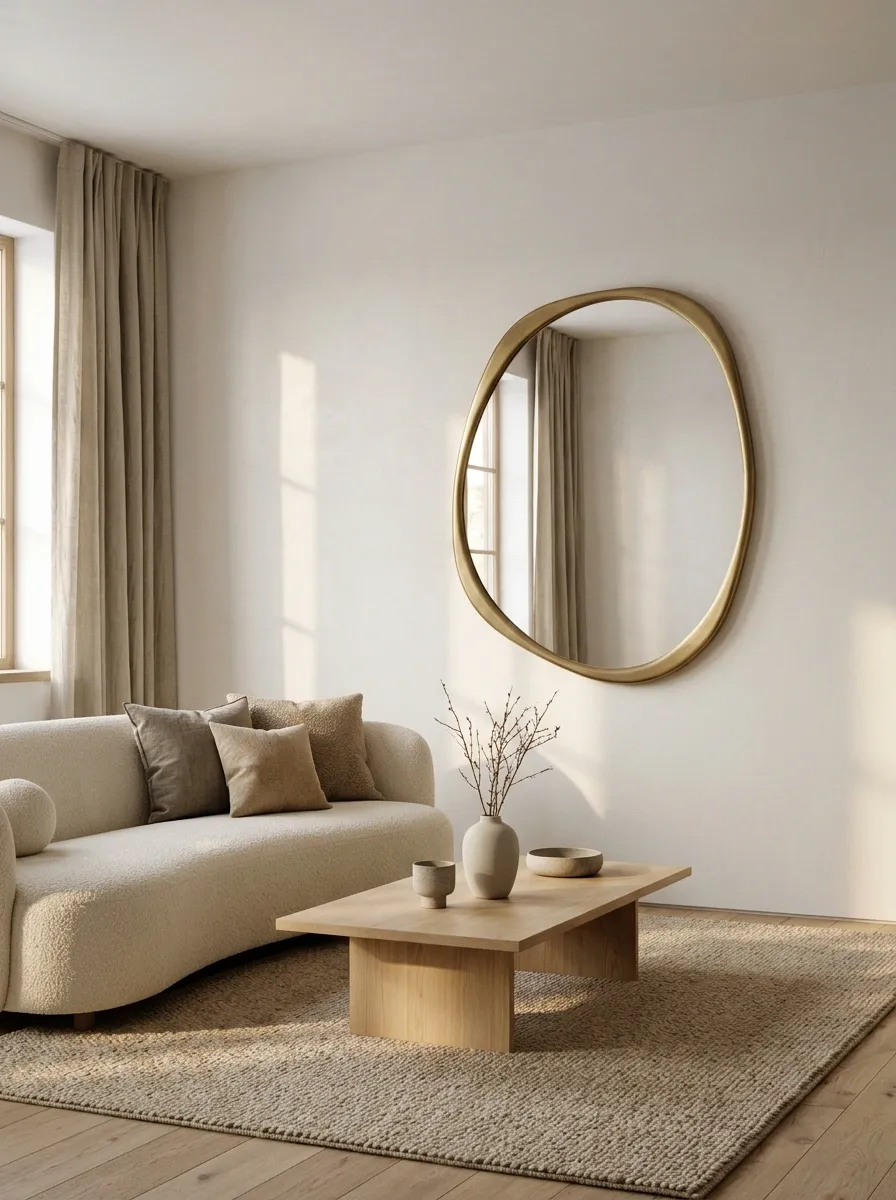
An interesting mirror can provide shape without introducing another print. Try an oval, softly irregular outline, or a restrained arched form.
Check the reflection before choosing the location. A mirror can double a pleasant view or give the room a larger version of the laundry pile.
Have it securely installed for its weight and wall construction. Keep nearby objects simpler so the outline remains the feature.
Placement test: Stand where you normally enter or sit and check exactly what the mirror reflects.
Paint a Botanical Masterpiece
A sweeping floral botanical mural can instantly anchor a dining space and establish a romantic mood. Choose a cascading vine motif that softens the upper portion of the room with natural elegance.
Align your furniture carefully with the painted composition so the stems appear to drape naturally over the seating area. This creates a cohesive environment where art and architecture seamlessly blend.
Keep nearby window treatments and wall finishes understated to let the intricate pattern command attention. A soft, neutral backdrop ensures the floral display feels serene rather than overwhelming.
Make the Wall a Mural
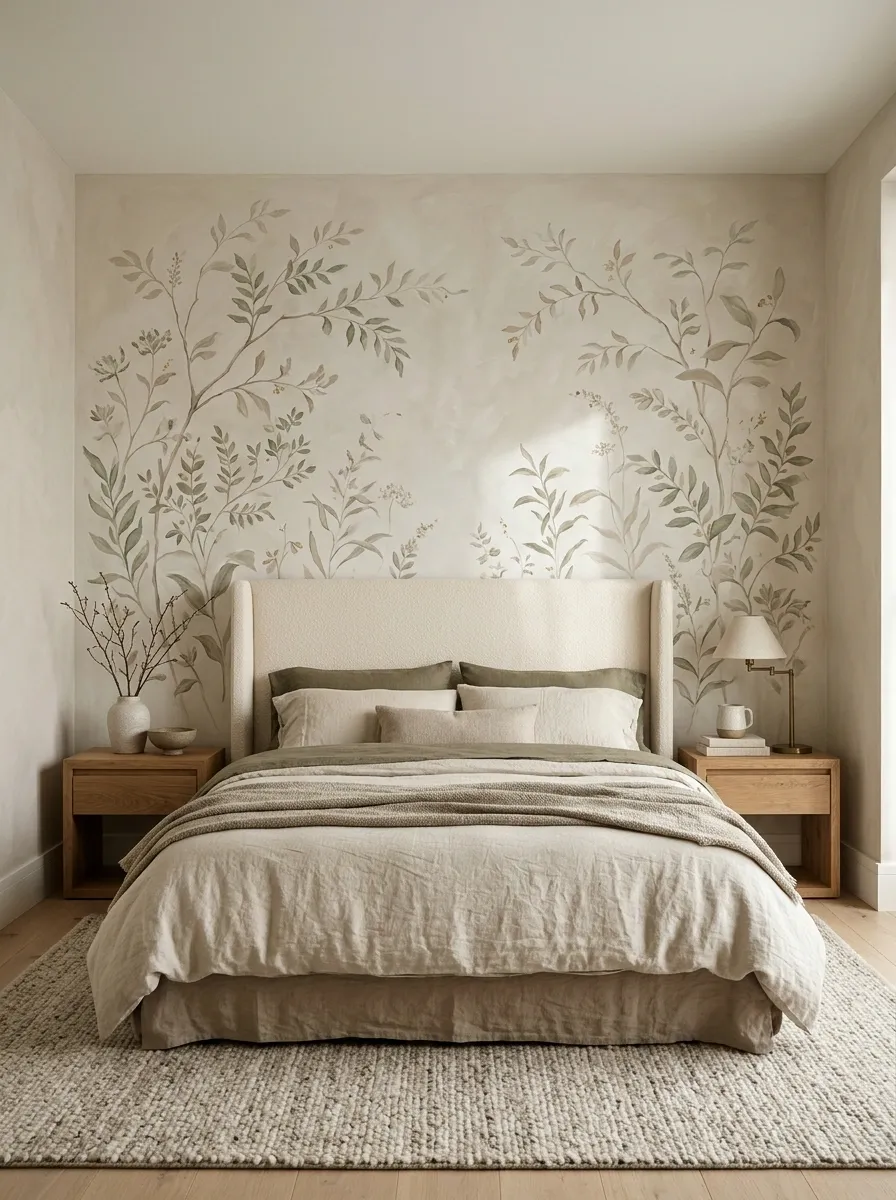
A mural can become the room’s main visual feature. Choose a composition that works with the wall’s proportions and furniture.
Plan where the most important elements land before installation or painting. A bed, cabinet, or doorway may cover more of the scene than expected.
Keep surrounding patterns quieter. The mural needs room to read, rather than becoming one contributor to a room-wide competition for attention.
Check which parts of the artwork remain visible behind the furniture.
Feature a Large Lit Sculpture
A substantial sculptural wall hanging with perimeter lighting can add incredible dimension and a soft glow to a hallway. Choose an organic shape like a feather to introduce movement and grace to a flat surface.
Ensure the mounting is secure and the hidden light source is properly wired to cast an even halo effect. The interplay of shadow and light emphasizes the fine details of the carved relief.
Maintain a restrained palette in the surrounding space to let the illuminated art piece stand out. Pairing it with a sleek recessed niche creates a gallery-like atmosphere in your own home.
Arrange a Few Sculptural Objects on a Shelf
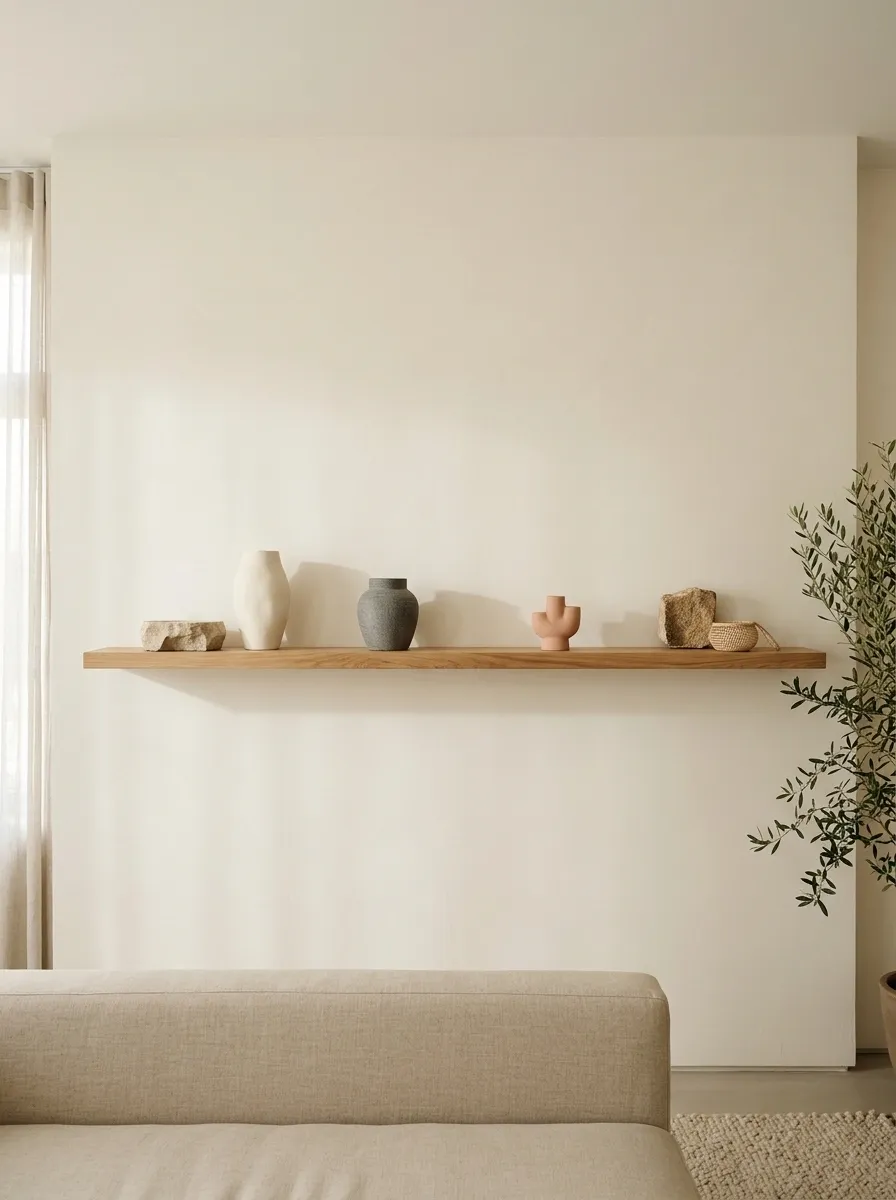
A properly installed shelf can hold a small, deliberate collection of objects. Vary height and shape while connecting the materials.
Leave enough empty surface for the pieces to remain distinct. Follow the shelf’s load guidance and use suitable restraints where needed.
The shelf does not need every souvenir you own. A little editing makes the objects look chosen instead of suggesting the cupboard has quietly overflowed onto the wall.
| Vary | Keep related |
|---|---|
| Height | Material or color |
| Shape | Overall visual weight |
| Texture | The amount of detail |
Display a Quilt as the Main Pattern
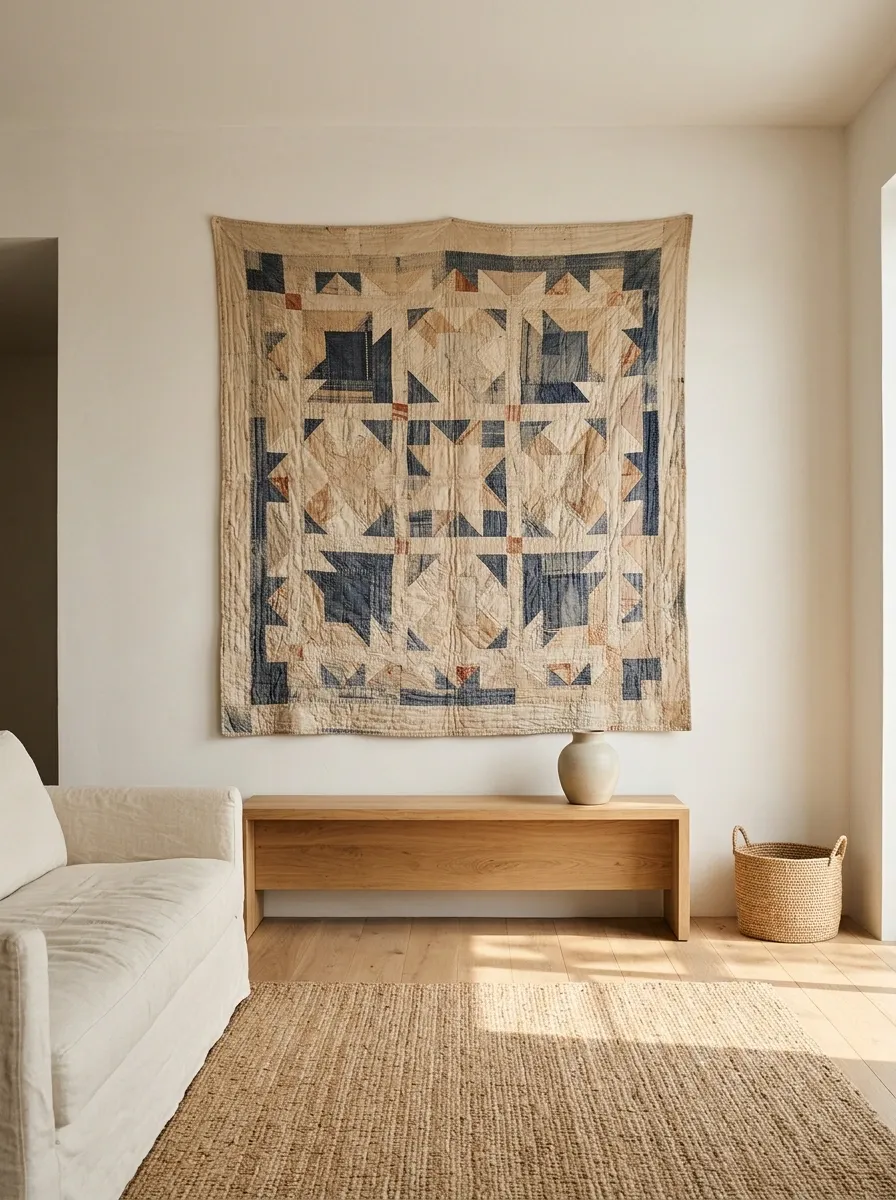
A quilt can bring color, stitching, and personal history to a room. Use an appropriate textile-hanging method that supports it properly.
Choose a wall where the pattern can be appreciated and consider exposure, care, and the textile’s condition.
Plain furniture nearby can give it enough space. A familiar handmade piece may provide more character than a new collection of coordinated prints purchased because the wall seemed embarrassingly empty.
Let the textile supply the pattern. Keep adjacent fabrics quieter.
Choose One Well-Proportioned Clock
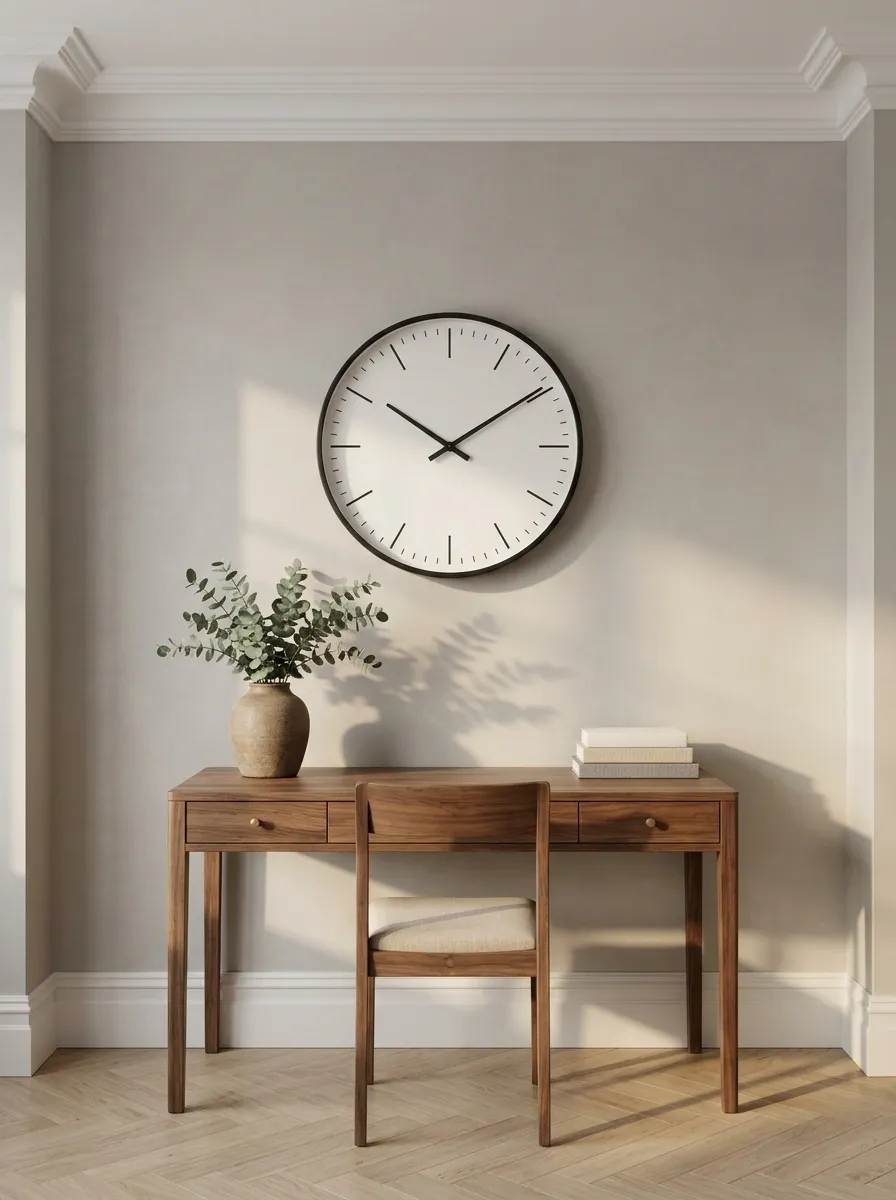
A substantial clock can give a kitchen, study, or dining wall a useful focal point. Select for readability and scale as well as appearance.
Check the mechanism’s sound if the room needs quiet. A ticking clock can be charming until it becomes the loudest participant in your evening.
Keep the surrounding arrangement simple. One clock generally looks more intentional than several decorative objects placed around it to help occupy the remaining space.
Before buying: Check diameter, readability from the room’s main seat, and whether the movement is audible.
Let Wall Lighting Create the Composition
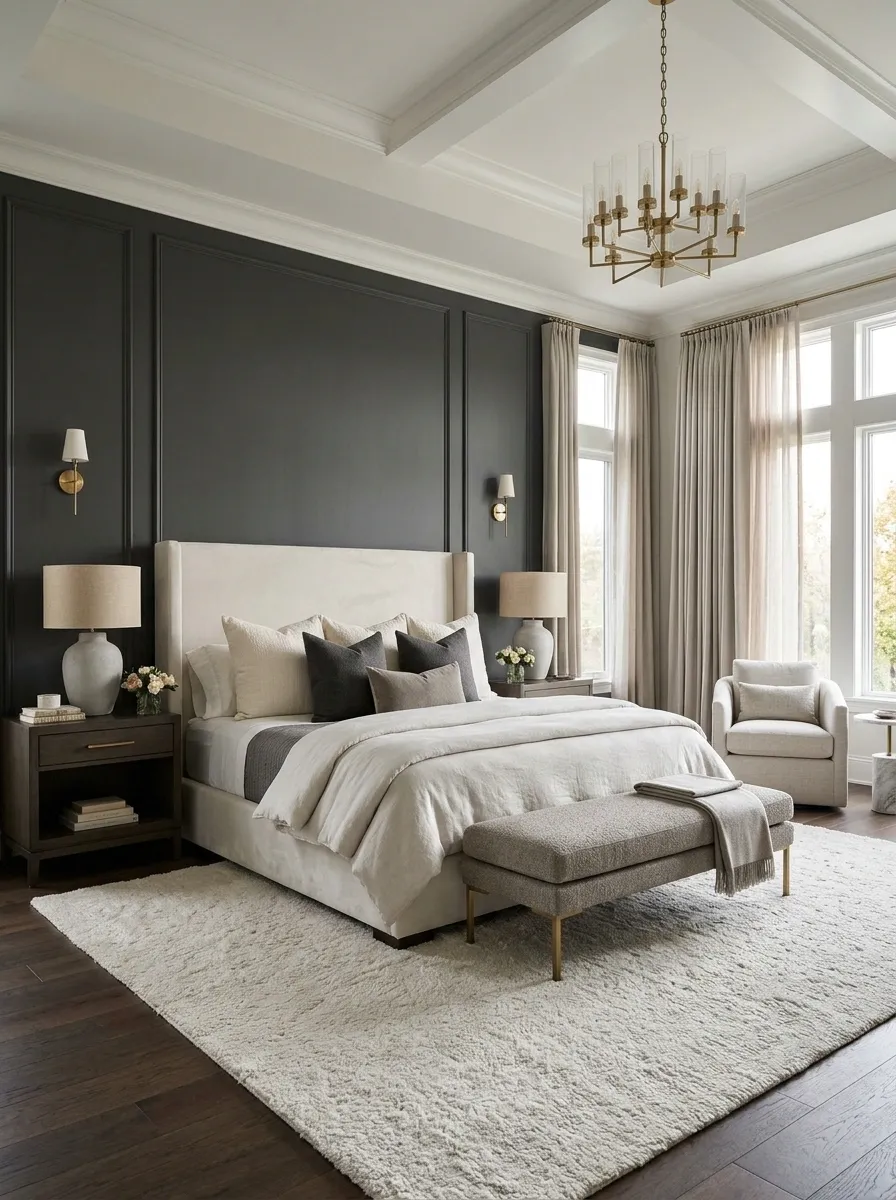
A pair of suitable wall lights can give a plain wall structure, particularly above a console or beside a bed.
Plan light direction and mounting positions around actual use. Electrical installation and any visible cables need appropriate handling.
The light itself can create interest through shadow and spread. You do not need to add several pictures between the fittings merely because a patch of wall remains visible.
Paint a Generous Color Block
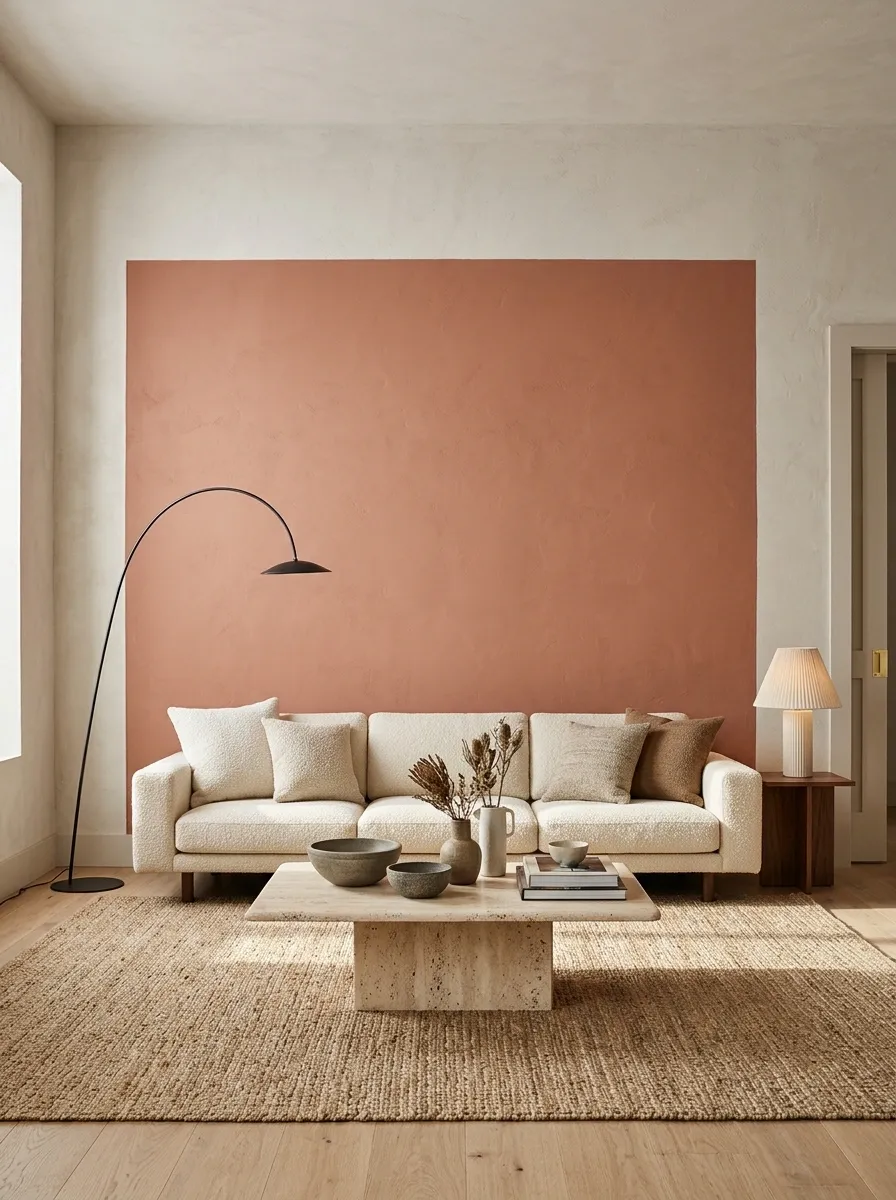
A painted block can organize a sofa, desk, or dining area without hanging anything. Make it large enough to relate to the complete furniture group.
Mark the edges temporarily and inspect them from the doorway. Avoid a block that barely contains the furniture and looks accidentally undersized.
Choose a color connected to the room. The painted area should feel like part of the composition rather than a decorative rectangle awaiting further instructions.
| Include in the block’s scale | Check outside it |
|---|---|
| Main furniture | Door and window edges |
| Lamps or side pieces | Switches and sockets |
| Intended breathing room | Nearby color changes |
Use an Arch as a Backdrop
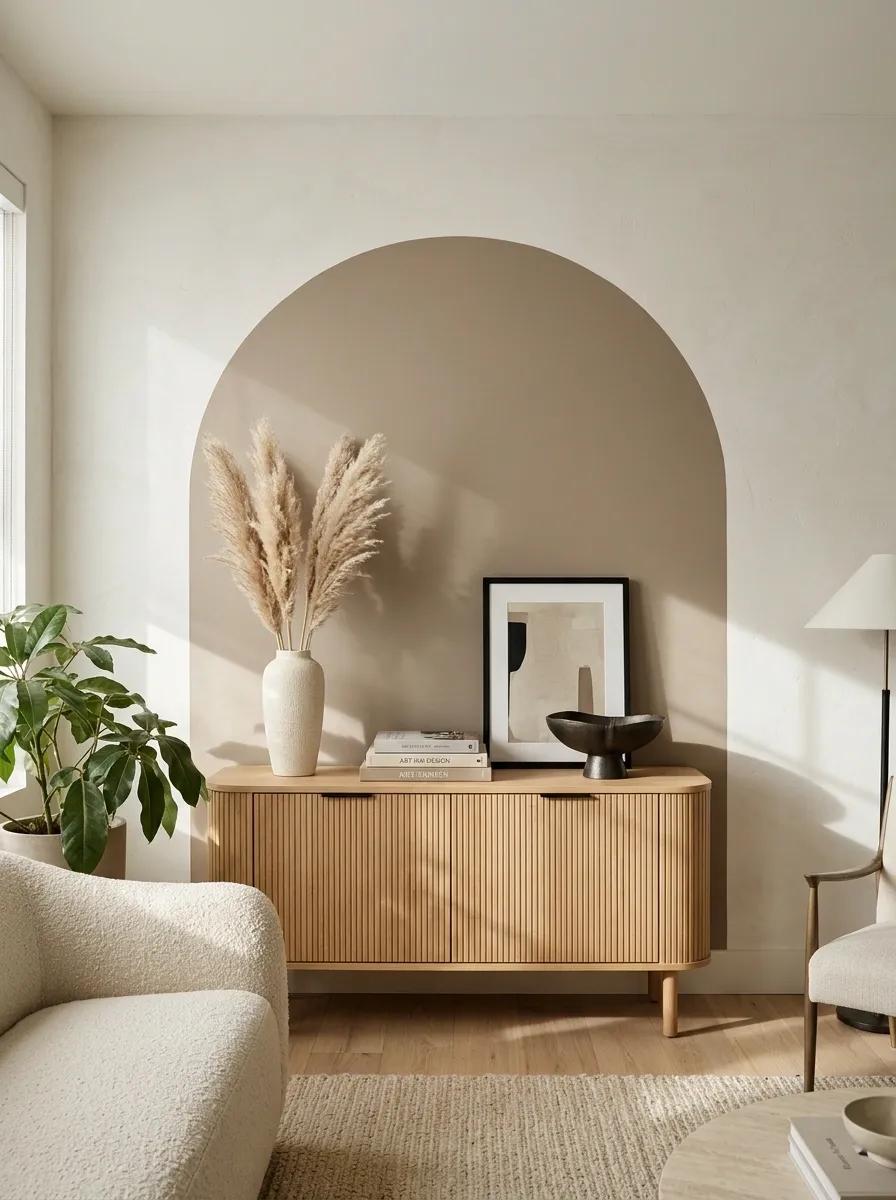
A painted arch can soften a plain wall behind a chair, console, or bed. Draw the shape around the whole arrangement rather than tracing the furniture tightly.
Keep the color distinct enough to read without necessarily using a dark shade.
Plan the curve carefully before painting. The arch should look intentional from normal viewing positions, not like a rectangle that changed its mind near the ceiling.
Give the object room inside the shape.
Add Timber Slats Where They Suit the Room
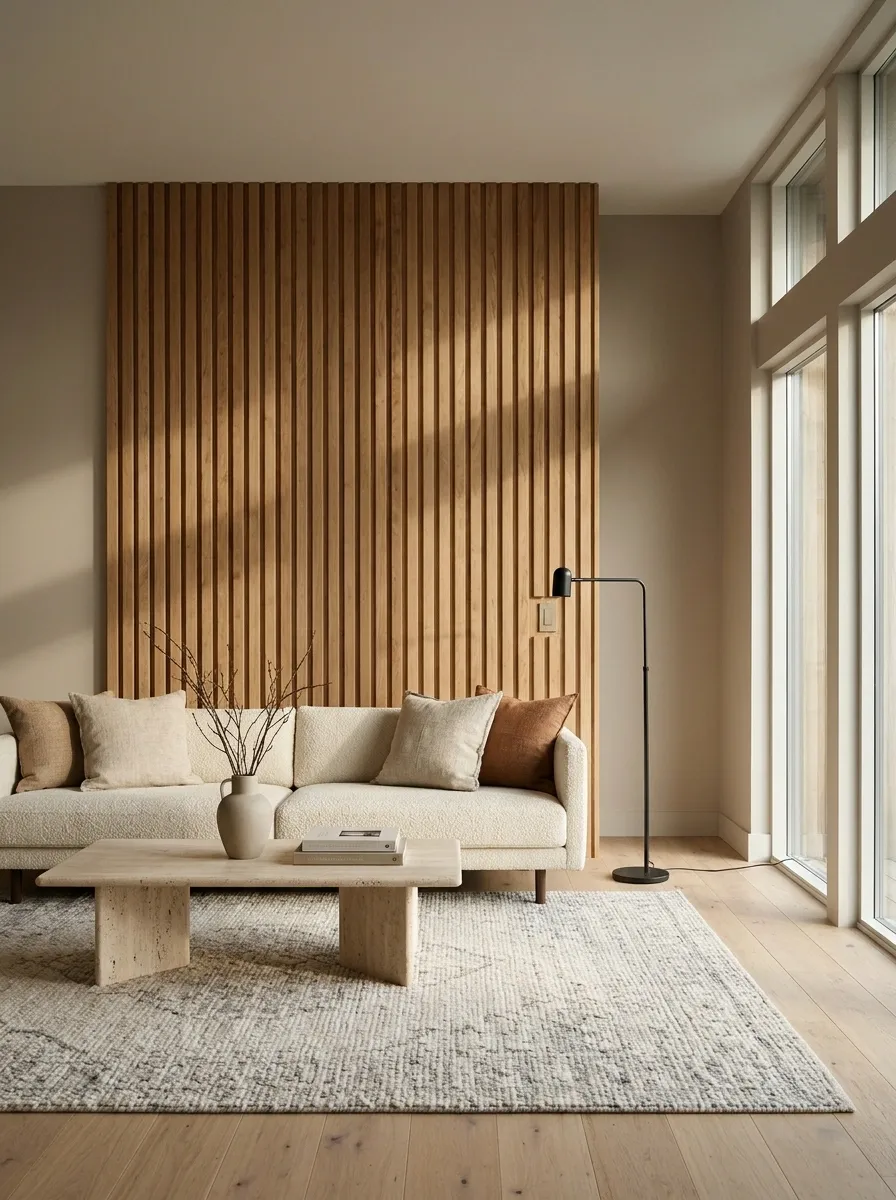
Timber slats can introduce depth and rhythm to a plain wall. Choose spacing, finish, and coverage around the architecture rather than covering the entire room automatically.
Plan the installation properly, including outlets and wall conditions. Keep adjacent patterns restrained.
Slats are a finish choice, not a requirement for every modern interior. Use them because their texture suits the space, rather than because the algorithm has shown you seventeen versions before breakfast.
Design decision: A partial slatted area can be enough when the room already has strong timber furniture or flooring.
Use a Picture Ledge for Objects Instead of Frames
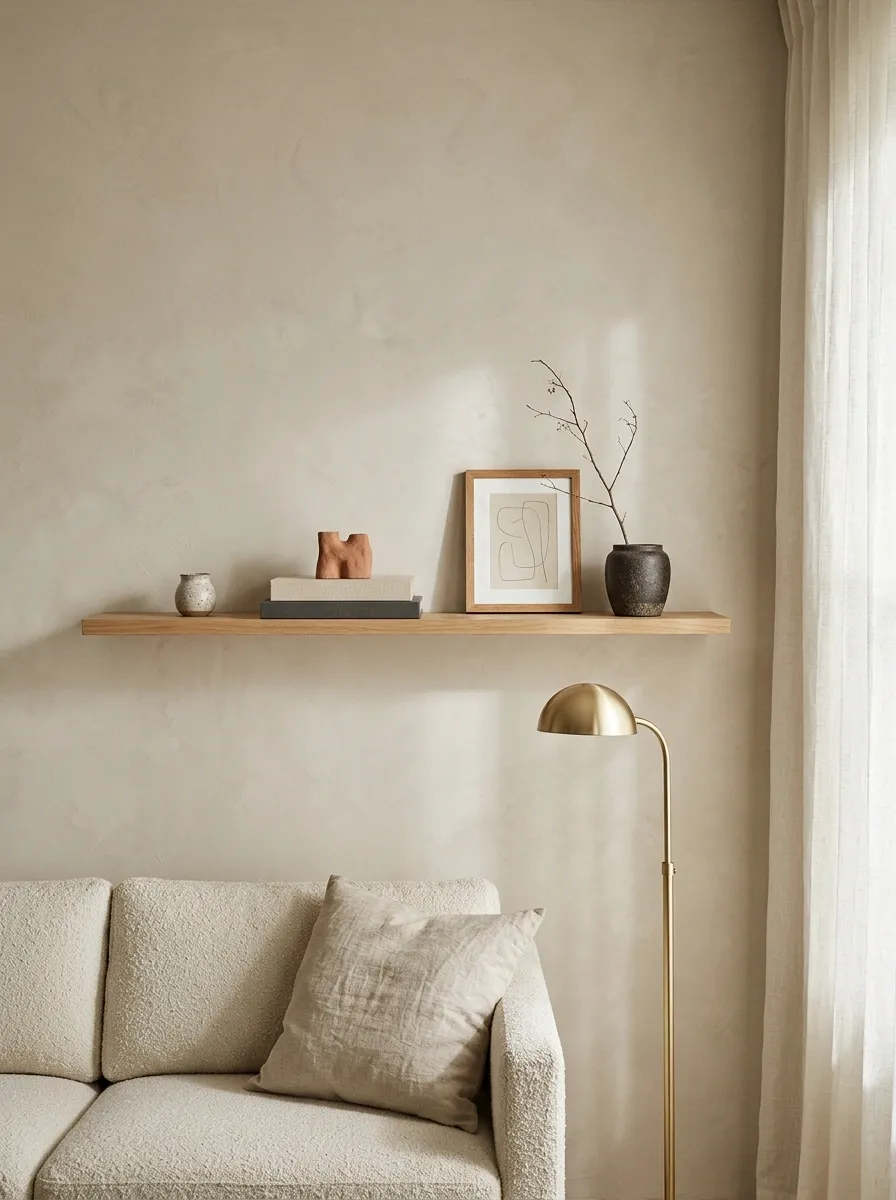
A ledge can display small ceramics, books, or sculptural pieces without becoming a gallery wall. Choose objects suited to its depth and load rating.
Keep the collection limited and stable. A narrow ledge is not the right home for large, top-heavy vessels.
Relate the objects through material or color and leave gaps. The empty spaces help each piece register rather than turning the ledge into a high-level storage queue.
Different heights, visible gaps. Keep the pieces stable and proportionate to the ledge.
Introduce Hanging Plants With a Proper Support Plan
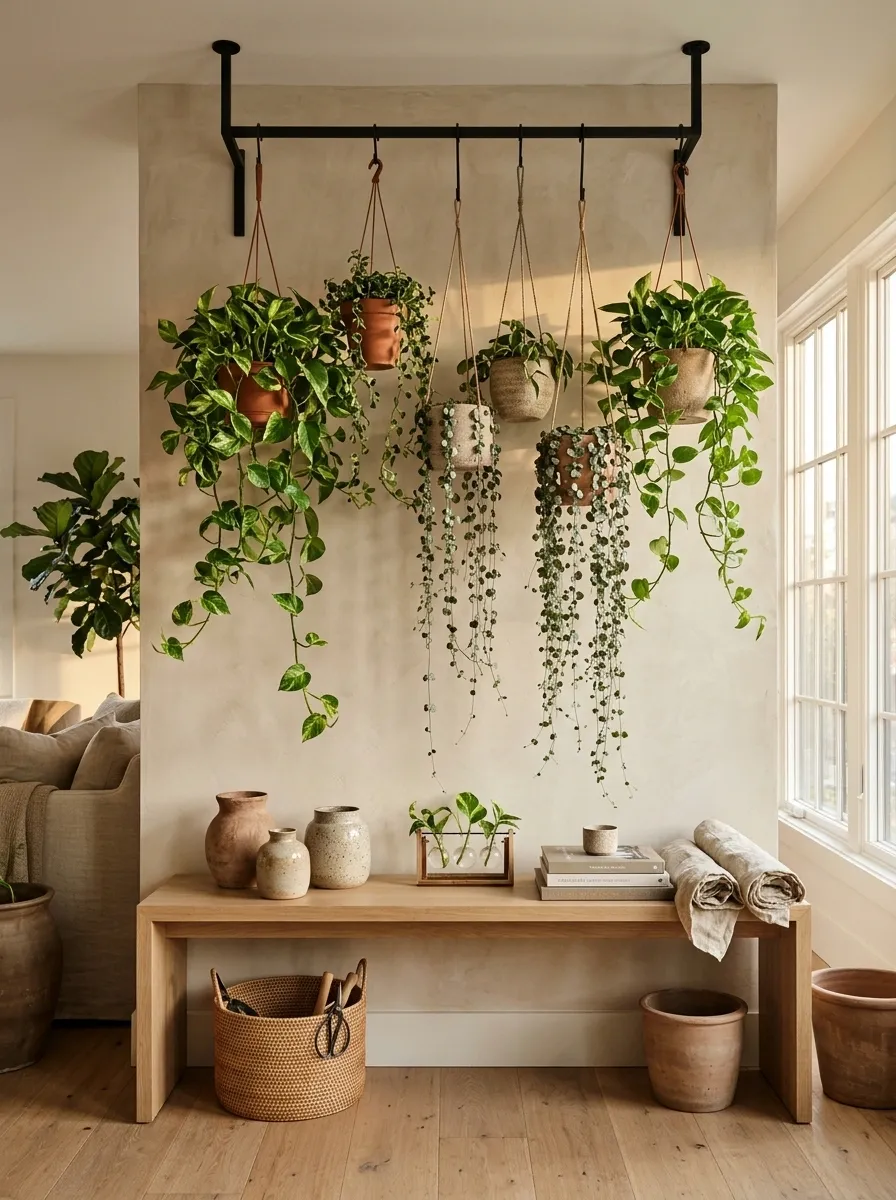
Plants can soften a wall when the species, light, and care arrangements suit the location. Choose the plant after assessing the conditions.
Use installation appropriate to the full watered weight and protect the wall and floor from moisture. Consider household and pet suitability.
Avoid placing a plant where reaching it requires a weekly acrobatics demonstration. Attractive trailing foliage becomes less appealing when watering it is the room’s most difficult task.
| Check | Include |
|---|---|
| Light | The actual position |
| Weight | Container, medium, plant, and water |
| Care | Reachable watering and pruning |
| Protection | Moisture management |
Arrange Decorative Plates as a Single Composition
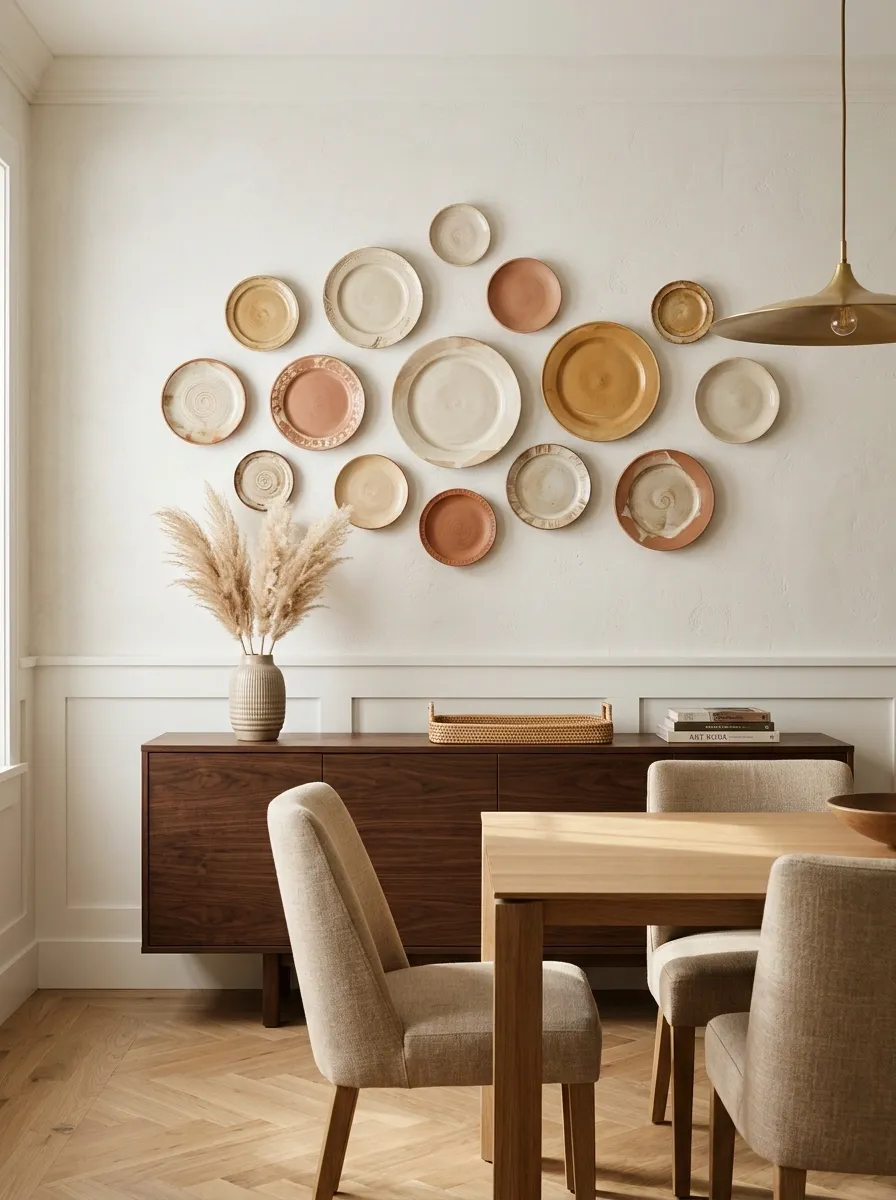
Plates can provide shape and pattern without frames. Choose pieces with a shared color, material, or visual relationship.
Plan the whole arrangement on the floor first and use hangers appropriate to the pieces and wall. Leave enough separation to appreciate individual outlines.
This can suit dining areas and kitchens particularly well. Keep the grouping deliberate so it feels collected rather than like the crockery cupboard has developed a vertical escape route.
Vary the size while repeating one clear material or color relationship.
Use Woven Baskets for Depth
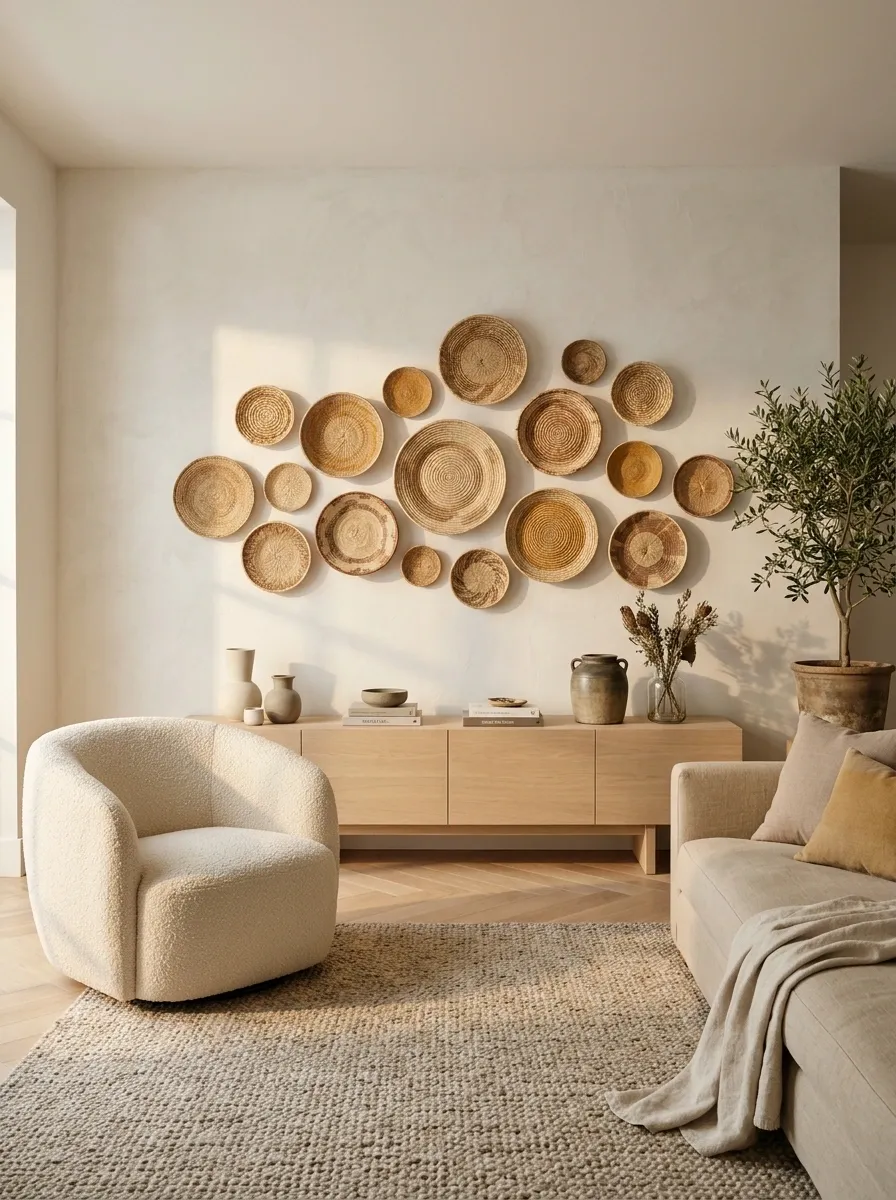
A small group of shallow woven pieces can introduce texture to a plain wall. Vary size without making the arrangement excessively scattered.
Keep the tones related and mount each piece securely. Consider dusting access before placing them high above furniture.
The texture works best when the room has some quieter surfaces nearby. You do not need woven furniture, woven lighting, woven rugs, and woven wall decor all explaining the same idea simultaneously.
Keep the grouping connected: Related tones and deliberate spacing matter more than the number of baskets.
Hang a Natural-Fiber Mat as One Large Shape
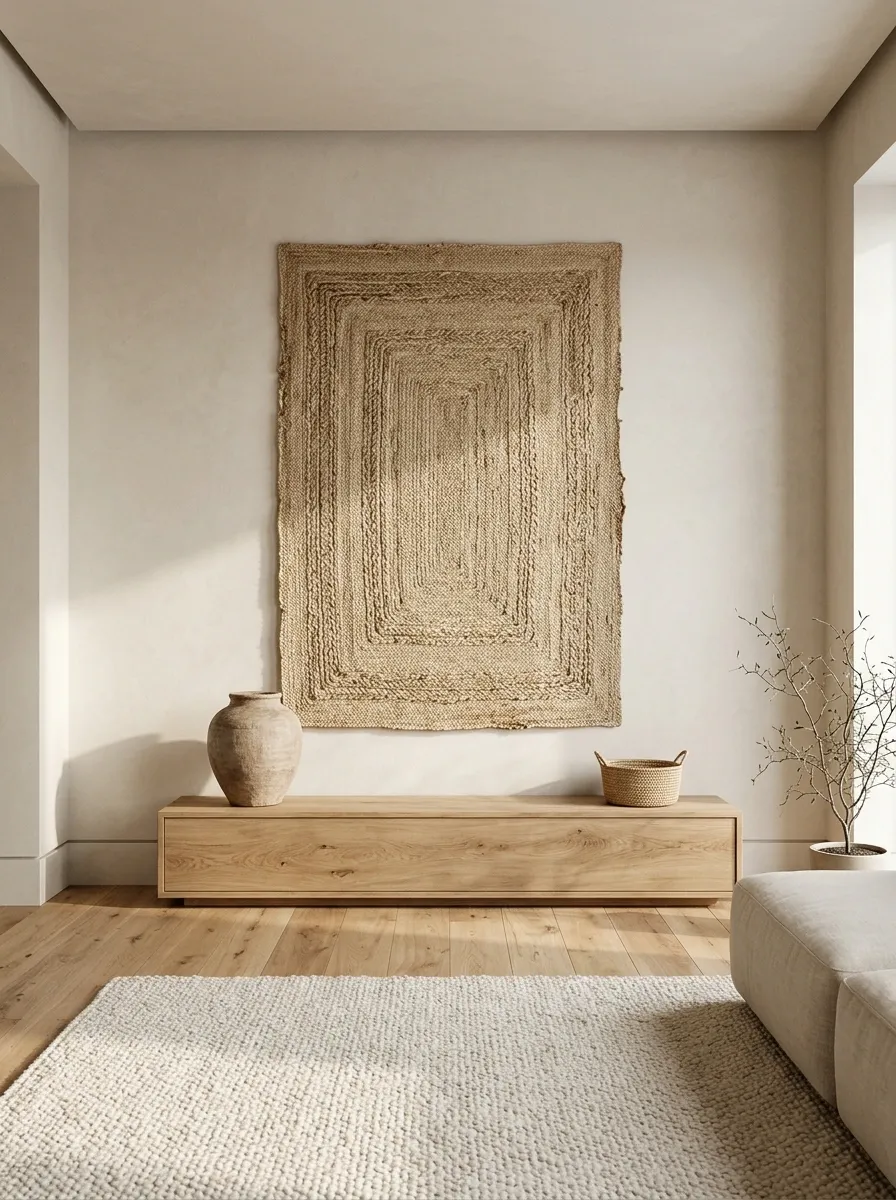
A woven mat or suitable textile panel can create a substantial textured feature. Choose one with enough visual presence for the wall.
Use a hanging method appropriate to its construction and weight. Avoid damaging a valuable textile with unsuitable clips or fixings.
Keep furniture beneath relatively simple. One generous natural surface can do more for a plain room than a collection of small neutral ornaments that disappear as soon as you stand back.
One broad texture. Let scale replace a crowd of smaller decorations.
Choose a Wall-Mounted Cabinet With an Interesting Front
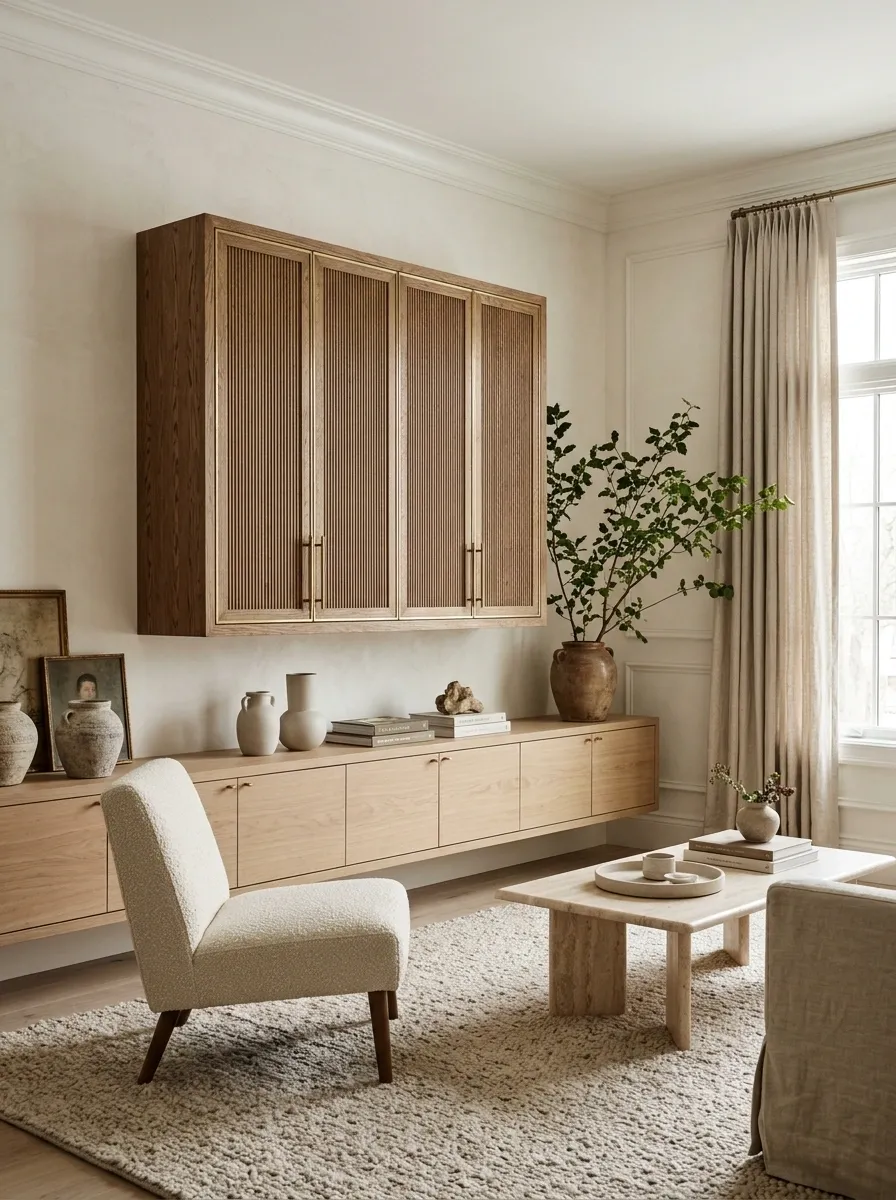
A properly installed cabinet can provide storage and become the wall’s main feature. Look at proportion, door detailing, and finish rather than treating it as a purely practical addition.
Plan opening space and mounting for the expected load. Keep the contents suited to the cabinet’s purpose.
This works where the room needs storage anyway. An attractive cabinet earns its space more convincingly than decorative pieces bought to hide the fact that everyday belongings have nowhere to live.
| Cabinet choice | Room benefit |
|---|---|
| Suitable dimensions | Storage without overwhelming the wall |
| Interesting front | A clear focal point |
| Appropriate installation | Reliable support |
| Useful interior | Less clutter elsewhere |
Make a Peg Rail Part of the Decor
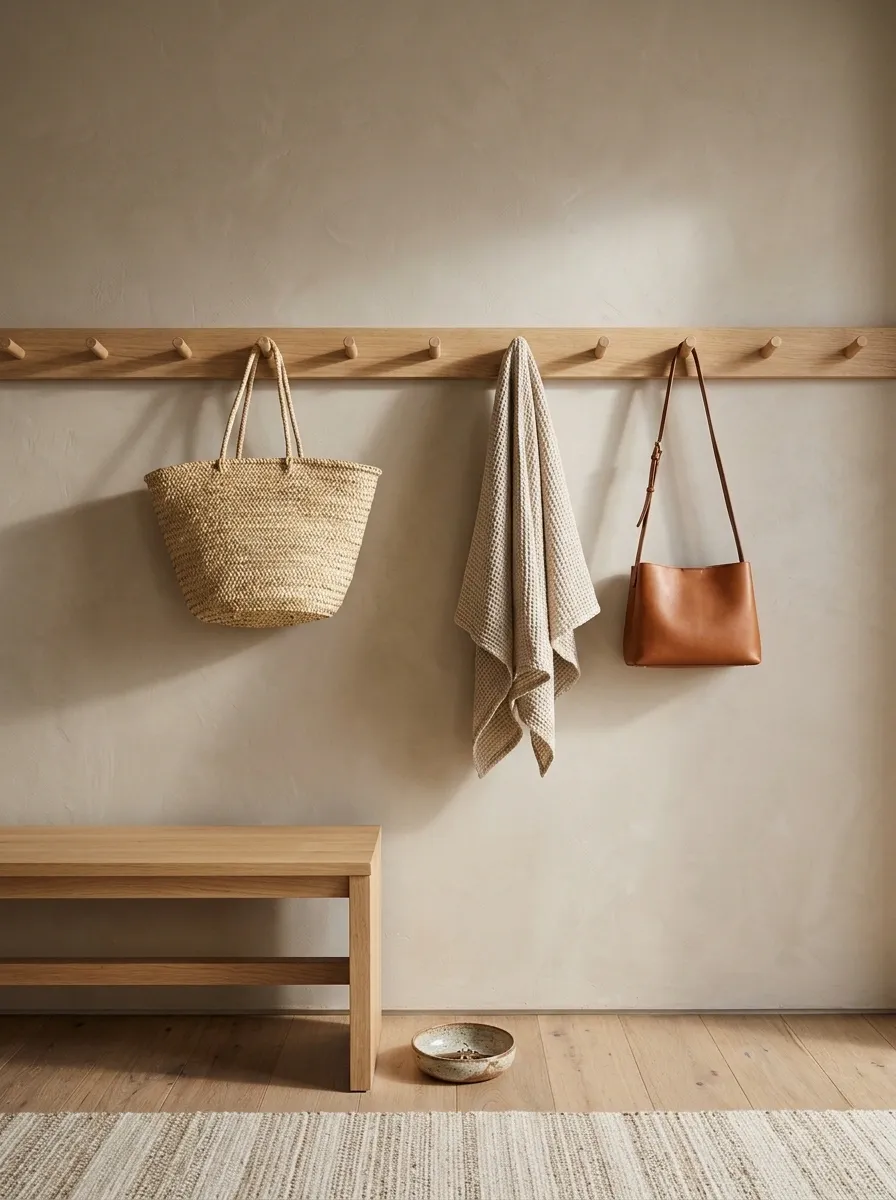
A peg rail can organize bags, hats, or a few useful textiles while giving the wall a clear horizontal line.
Choose appropriate fixings and keep projecting items out of circulation. Leave some pegs free so the arrangement remains usable.
This suits an entry, kitchen corner, or dressing area. The rail should help everyday objects look considered, rather than become a formally mounted version of the pile that previously lived on the chair.
Useful objects can provide the variation. Leave room for tomorrow’s arrivals.
Use a Decorative Screen as the Backdrop
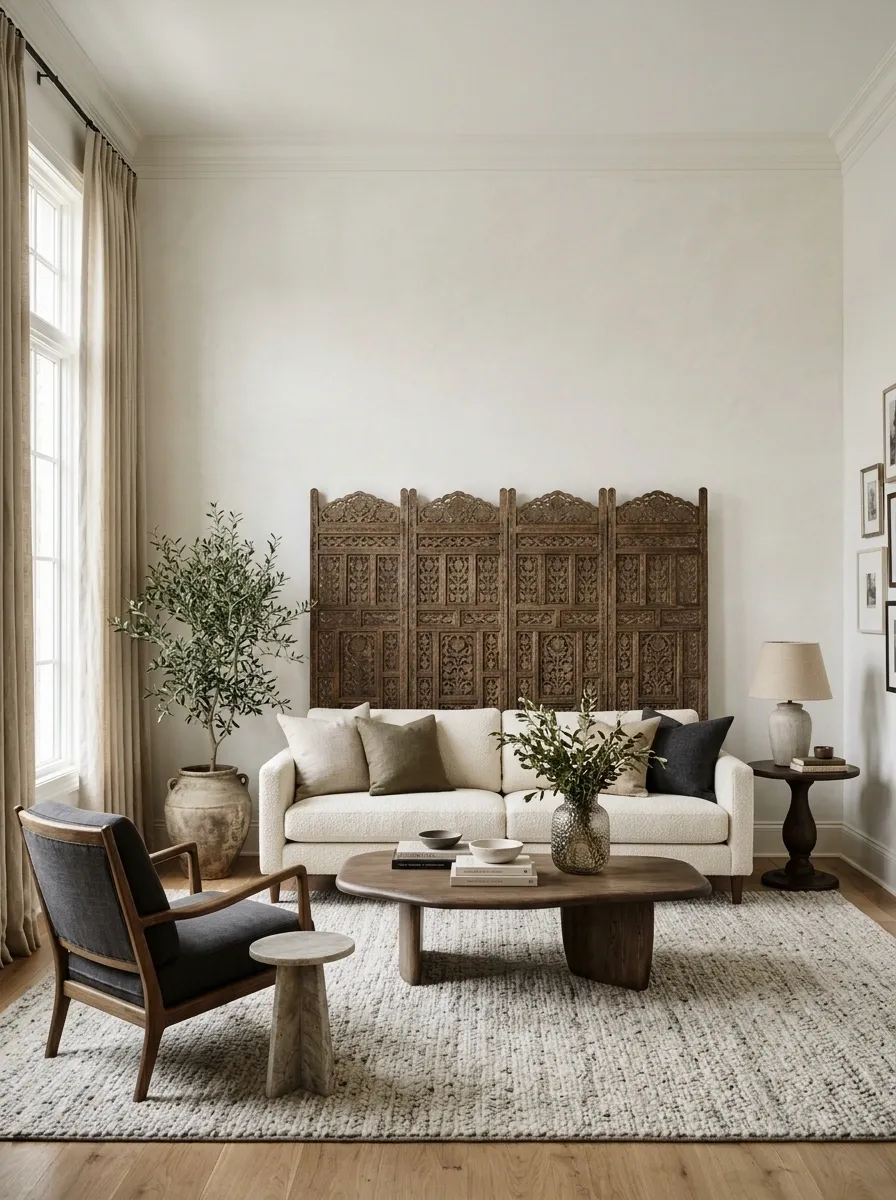
A suitable freestanding screen can sit in front of a blank wall to add shape, texture, or pattern. Secure it as required for stability.
Choose a scale that works with nearby furniture and keep doors, heaters, and routes clear. A screen can define a dressing or reading area without changing the wall itself.
This is particularly useful when direct wall treatment is restricted. It should look placed, not like spare furniture temporarily awaiting a better decision.
A large backdrop needs stable placement and enough space around it.
Choose a Textured Paint Finish
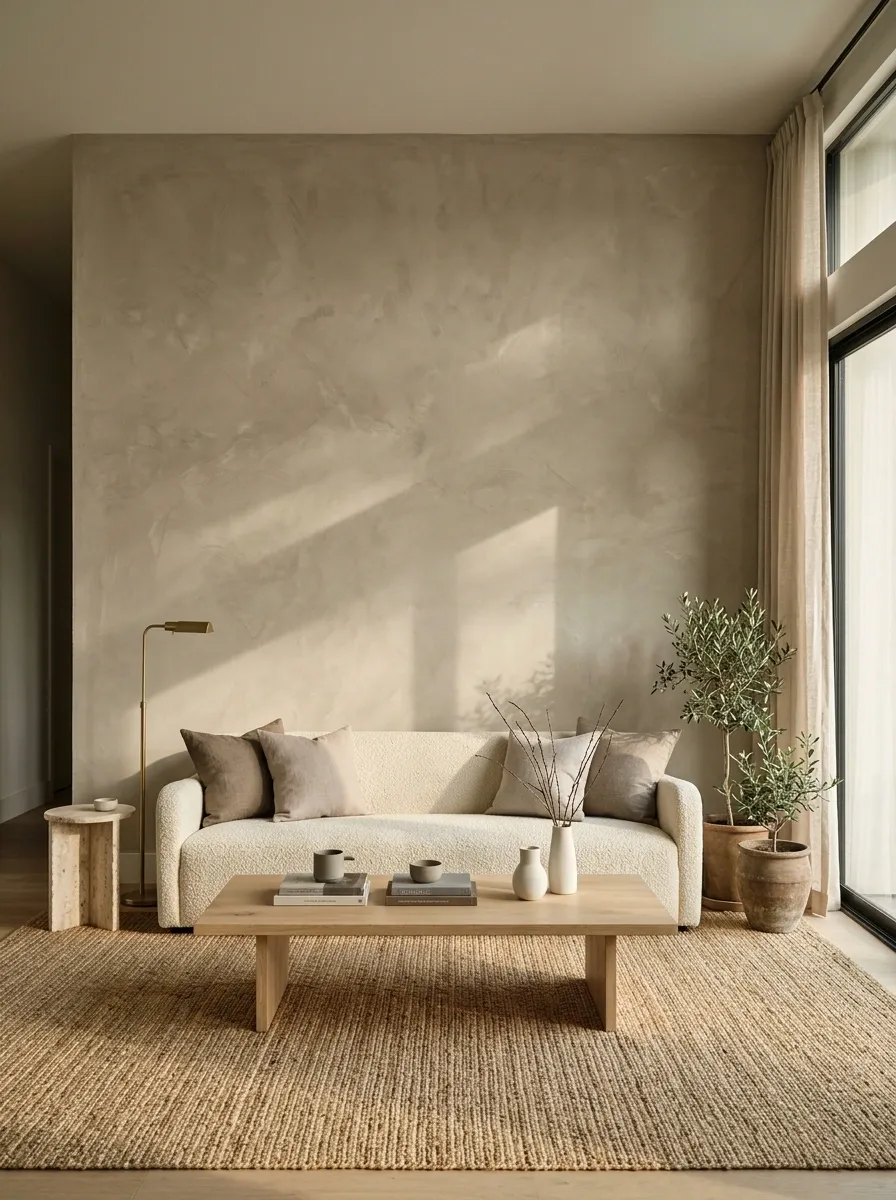
A suitable decorative paint finish can give the wall depth without hanging anything. Subtle variation may be enough in a room with interesting furniture.
Test the finish on a sample area and confirm preparation, application, and maintenance requirements. Specialist-looking finishes can be less forgiving than ordinary paint.
Choose it for the room’s light and existing materials. The wall should have a considered texture rather than suggest an unfinished repair has been given an ambitious new name.
| Test first | Look for |
|---|---|
| Daylight | How texture reads |
| Evening lighting | Unwanted shadows or shine |
| Adjacent finishes | A comfortable relationship |
| Product guidance | Suitable preparation and care |
Paint a Geometric Composition
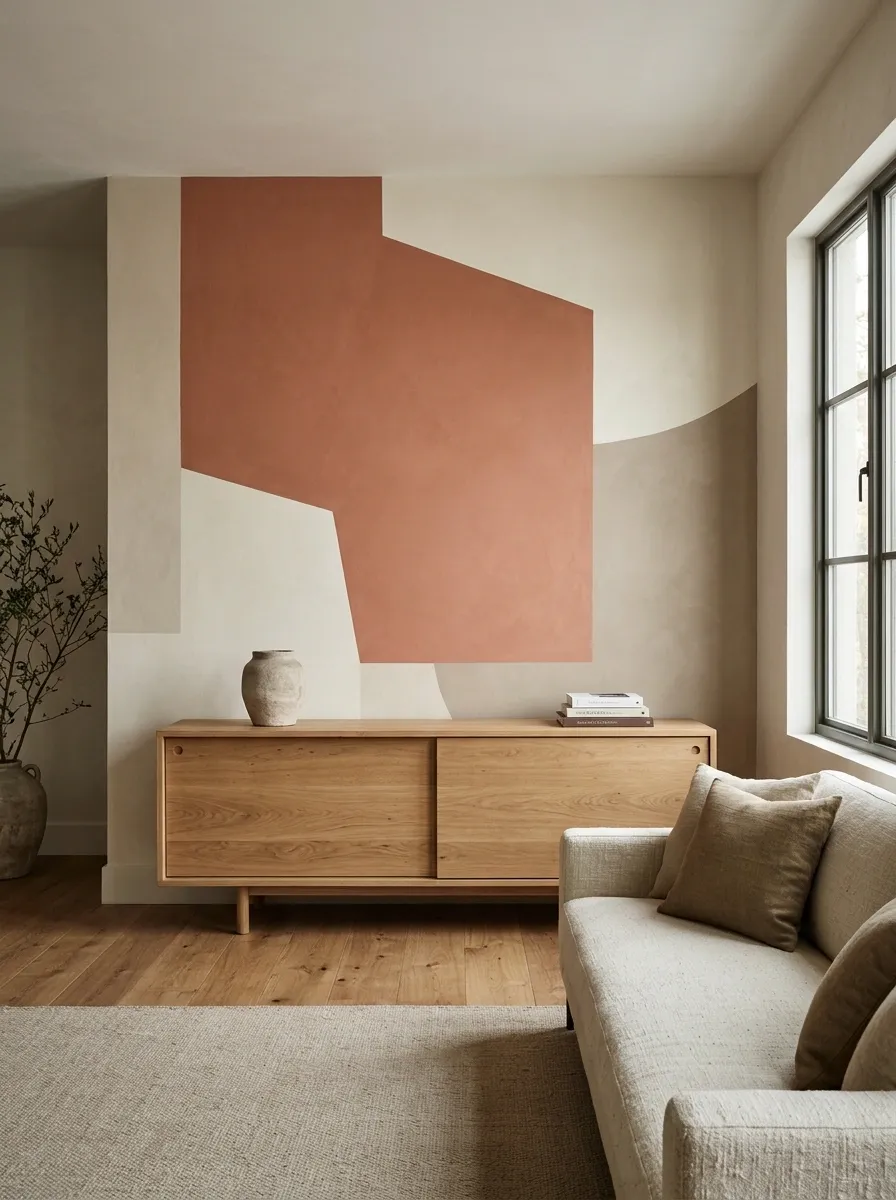
A planned arrangement of broad geometric shapes can become the wall’s artwork. Choose a restrained palette linked to the room.
Sketch the complete design around furniture, sockets, and doorways before painting. Keep the number of competing shapes manageable.
The composition should have a clear hierarchy. Several equally strong colors and angles can make the room feel as though multiple decorators began separate projects on the same afternoon.
One leading shape, quieter support. Plan the overlaps before painting.
Hang One Large Unframed Canvas
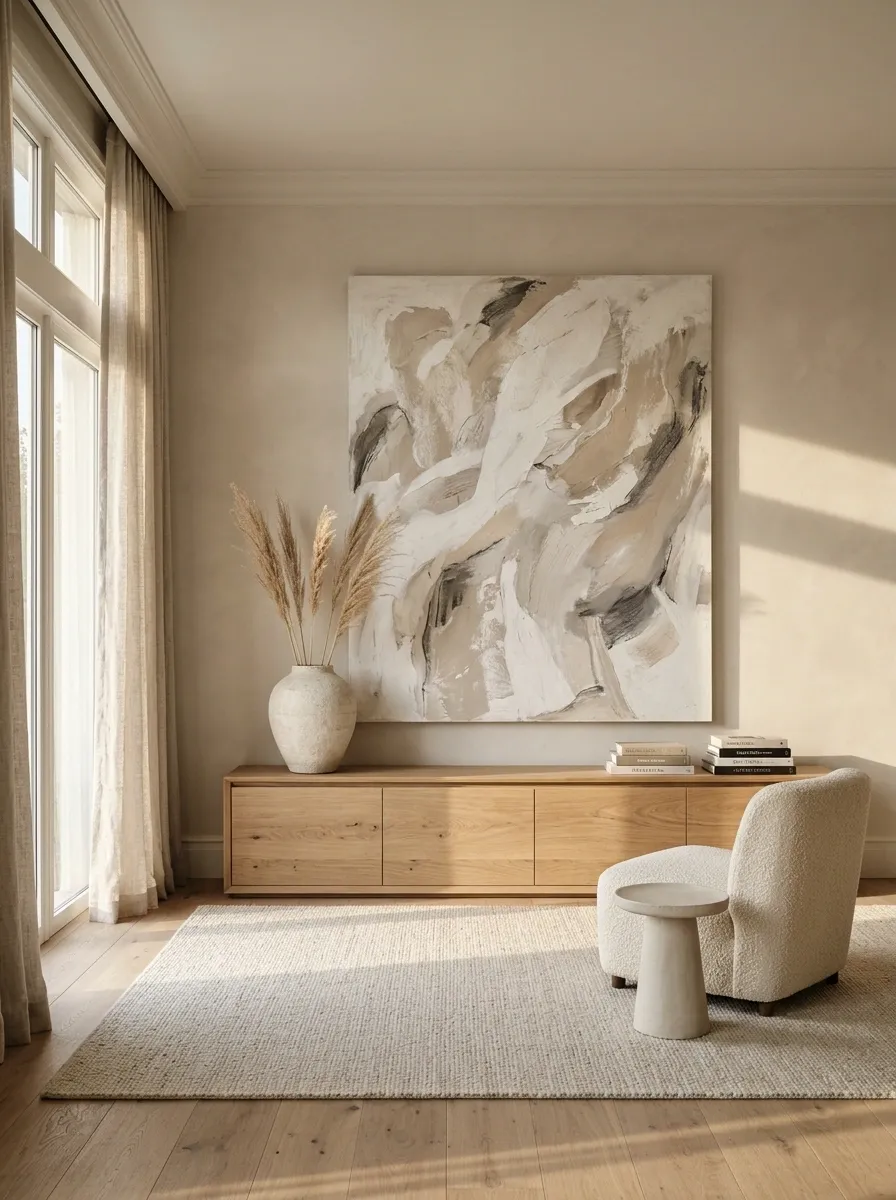
A single canvas can provide artwork without a gallery-frame arrangement. Choose its size around the wall and furniture beneath it.
Use appropriate mounting and keep the surrounding wall relatively clear. A larger piece can establish a focal point without needing several companions.
You do not have to fill the remaining space simply because it exists. The canvas may already be doing the job, despite the internet’s ongoing enthusiasm for adding one more thing.
Scale check: Judge the canvas with the sofa, console, or bed in place rather than measuring the empty wall alone.
Add a Fold-Down Desk or Table
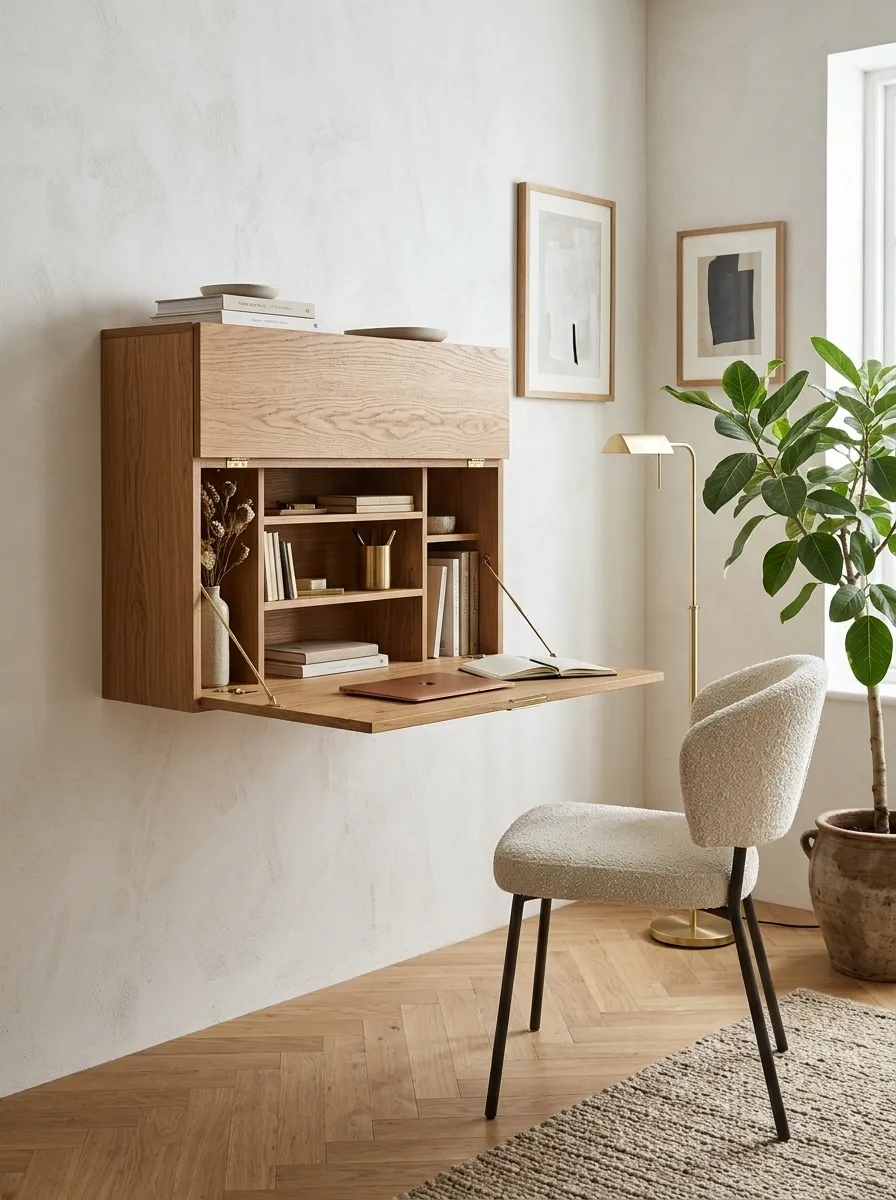
A purpose-made wall-mounted desk can turn a blank wall into a useful working area. Plan installation for the structure and expected load.
Check both open and closed positions, including chair space and nearby doors. Use the surface according to its intended purpose.
The closed front can contribute to the room’s appearance, but the open arrangement needs to work. A beautiful cabinet containing an impractical desk is still an impractical desk with better manners.
A quiet wall front.
Usable surface, chair space, and proper support.
Use Acoustic Panels as a Deliberate Pattern
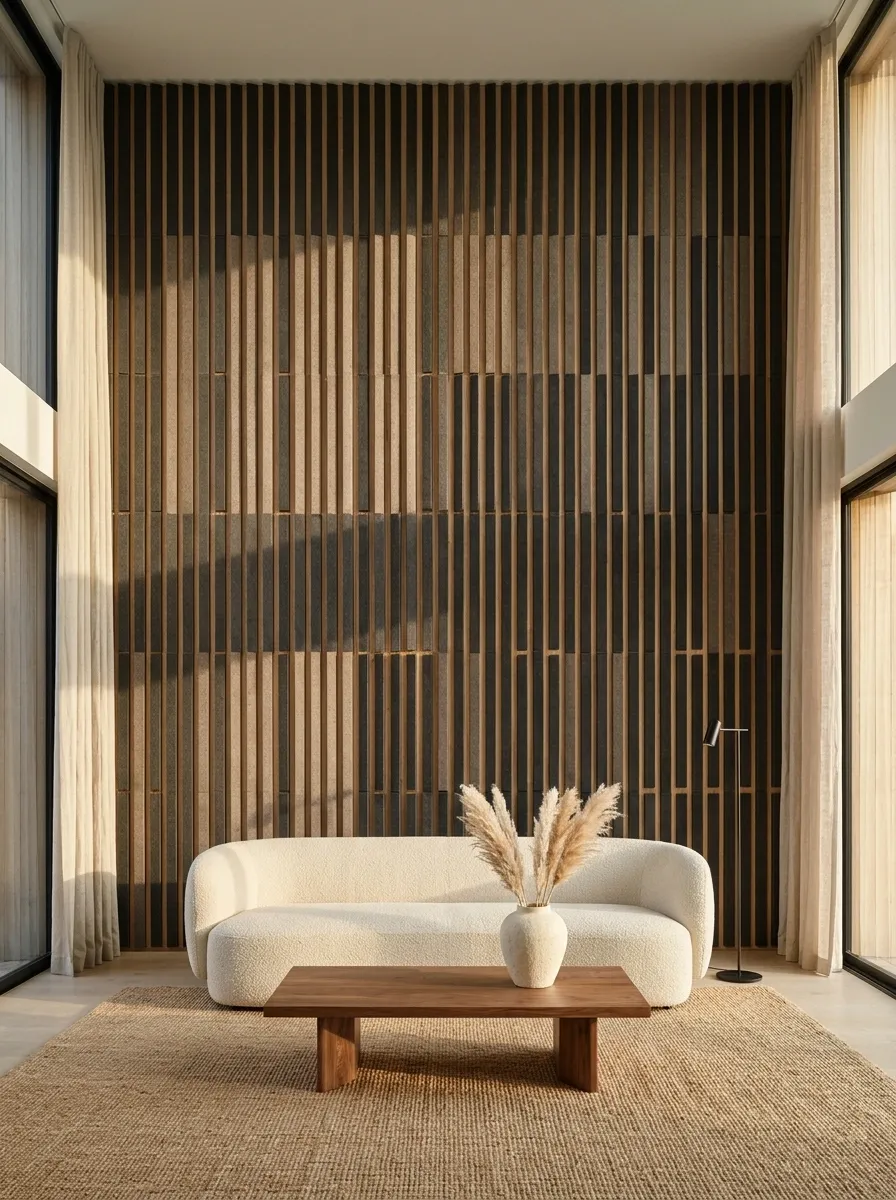
Acoustic products can be arranged to provide visual structure where the room also has a sound-management need. Choose products for their specified performance and installation.
Do not assume every felt-looking decorative tile offers the same acoustic benefit. Keep fire and location requirements in mind.
Plan the pattern as a whole rather than scattering panels until the packet is empty. A restrained arrangement can look intentional while serving a practical purpose.
| Choose for | Confirm |
|---|---|
| Appearance | A coherent wall arrangement |
| Sound requirements | Specified product performance |
| Location | Suitable material and installation |
| Coverage | The actual room need |
Build a Composition With a Low Console and Tall Objects
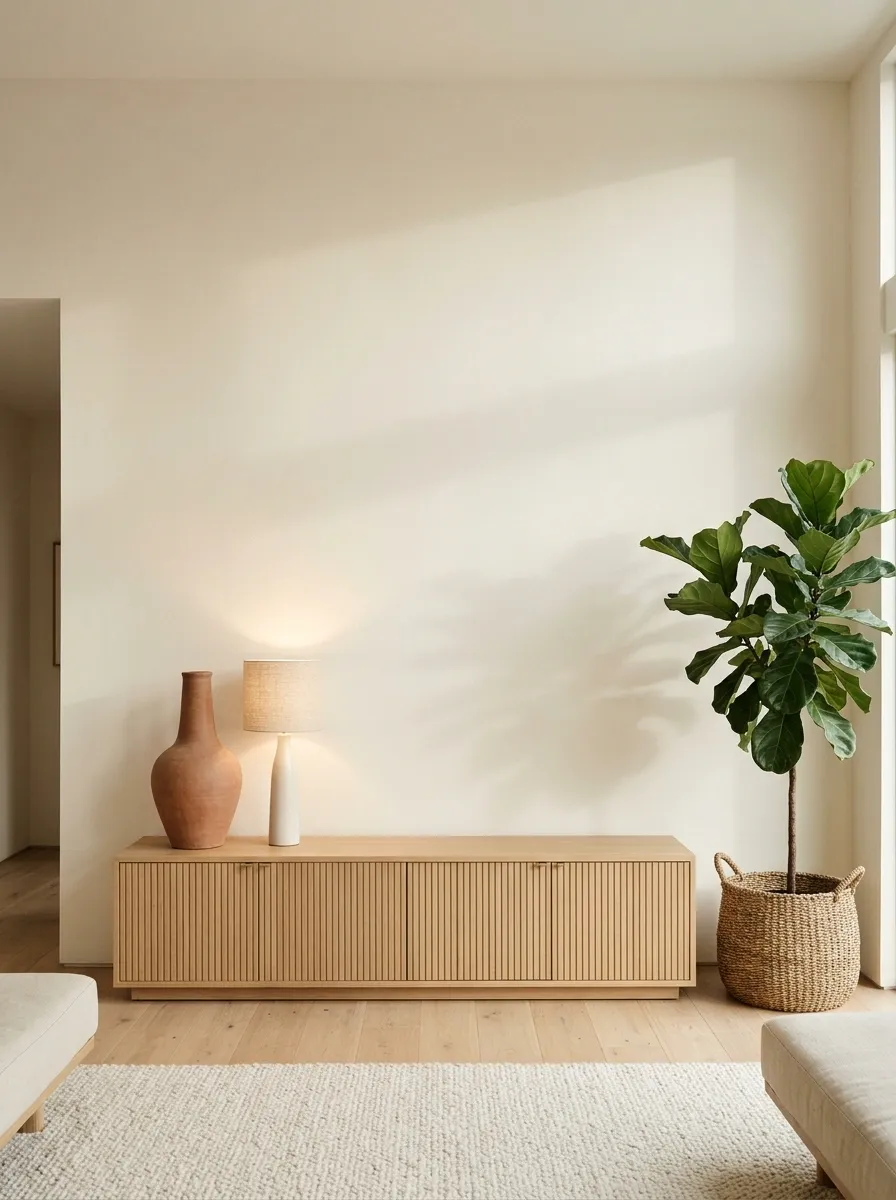
A blank wall can look finished through the furniture and objects in front of it. Use a low console with one or two proportionate vertical elements.
Keep tall objects stable and secure where needed. A lamp, substantial vase, or suitable plant can create height without several wall-mounted pieces.
Leave some wall visible. The empty area helps the arrangement read, rather than indicating a decorating emergency that needs to be filled before visitors arrive.
The wall’s empty space is part of the balance.
You Can Stop Before the Wall Is Full
Look at the arrangement from the doorway and from your usual seat. If the room now has enough interest, leave the remaining space alone.
The wall does not need to display every decorative category you have recently discovered.
A useful cabinet, one textile, a well-placed mirror, or a thoughtful paint treatment can be a complete answer. Completeness is not measured by how little plaster remains visible.