
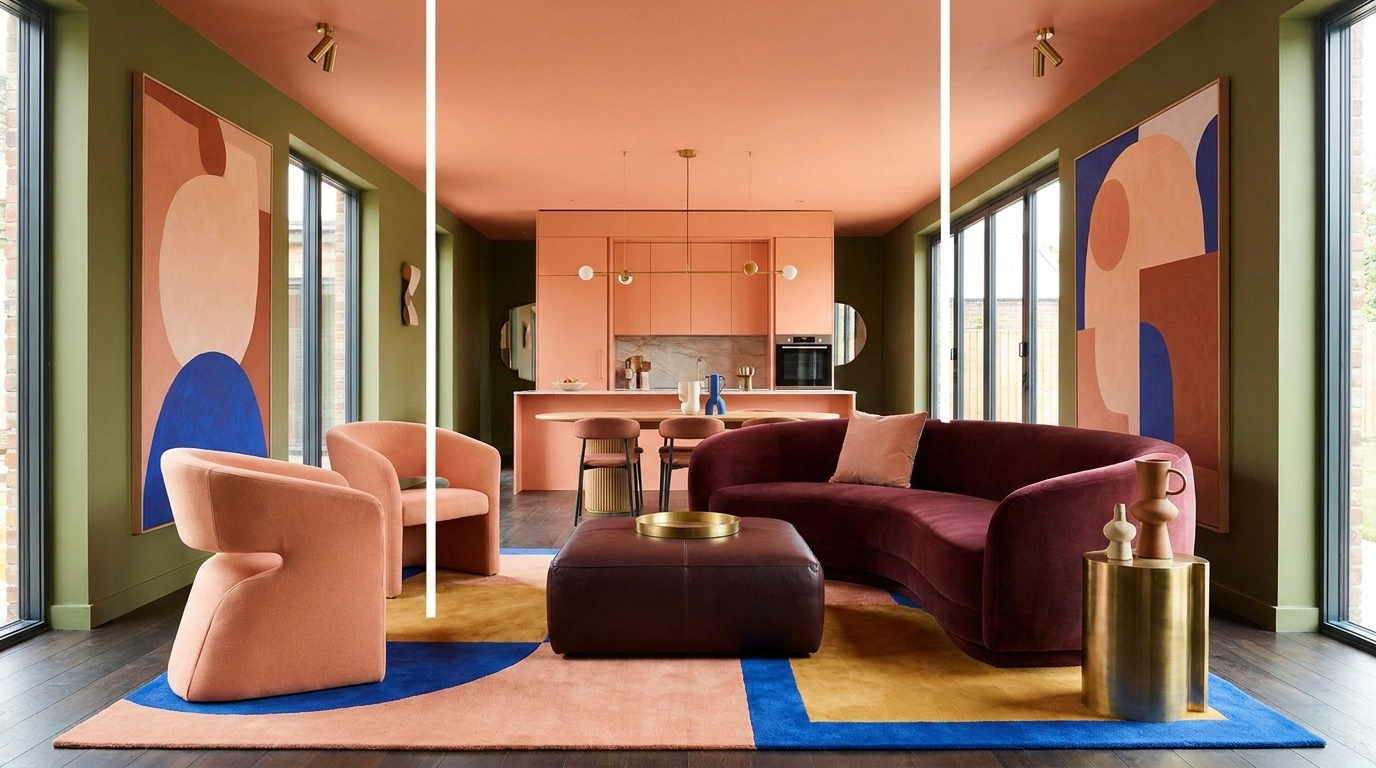
Peach has been unfairly assigned a permanent position between nursery curtains and a bathroom suite somebody still has strong opinions about.
It can do considerably more. A dusty peach can sit beside charcoal, a bright apricot can sharpen a small furniture piece, and a brownish peach can work almost like a warm neutral. The shade and placement matter more than the fruit association.
These ideas use peach as a deliberate material or color choice, often in places that usually receive the default white treatment. The digital swatches illustrate possible relationships; test actual paint, fabric, and finishes in your room before committing.
Peach Decorating Ideas Beyond the Predictable Accent Cushion
Surround Your Desk With Peach
A warm peach wall paired with playful daisy patterns can transform a functional home workspace into an inspiring daily retreat. Choose a soft tone that feels welcoming without overwhelming the natural light from the window.
Keep surrounding accessories simple and coordinated, using subtle mustard accents and natural greenery to ground the scheme. A light-toned desk and sleek chair maintain an airy feel against the saturated backdrop.
Test the wallpaper pattern scale carefully before committing to a full accent wall. A vibrant backdrop requires just the right balance of minimalist furniture to ensure the space remains productive and serene.
Put Dusty Peach on the Ceiling Above Gray Walls
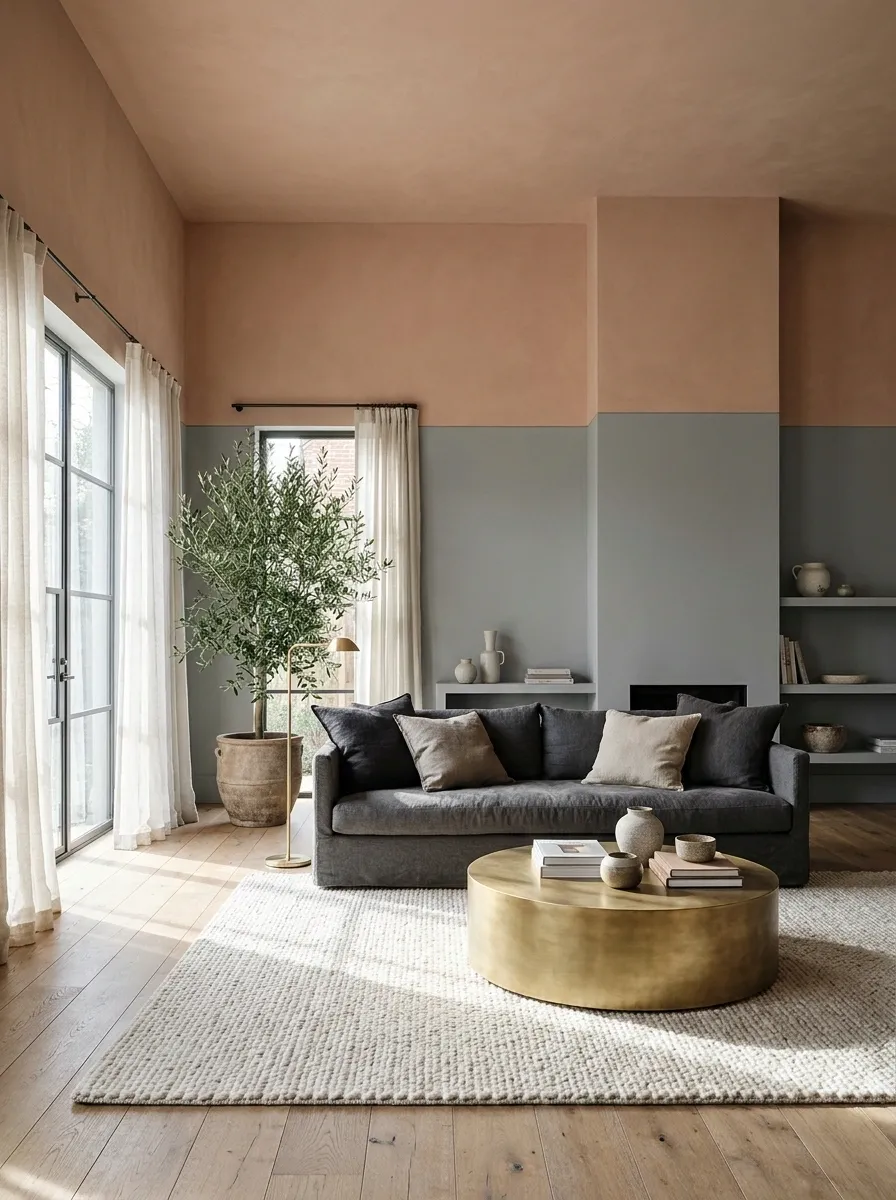
A muted peach ceiling can warm the upper part of a room while cool gray walls keep the scheme restrained. Choose a shade with enough softness that the ceiling feels connected rather than sugary.
Sample the peach horizontally and view it in daylight and evening light. Its relationship with the wall can change when light reflects across a broad surface.
Give the ceiling a clear role:
- Keep fixtures relatively simple.
- Sample its meeting edge with the gray wall.
- Let the surrounding textiles stay quiet.
The effect does not require peach cushions below; the ceiling is fully capable of attending the room by itself.
Ground Peach Walls With Dark Trim
A bold peach ceiling paired with a matching picture rail can visually anchor a tall white room while adding architectural interest. Keep the upper perimeter saturated to create an enveloping cocoon effect overhead.
Layer in rich terracotta furniture and vintage accents to echo the warmth of the ceiling paint. A classic white fireplace and crisp bedding provide a clean counterpoint to the heavier, earthy tones.
Sample the ceiling color in various lighting conditions to ensure the transition from the white walls feels deliberate. The right peach shade will cast a flattering glow across the entire space throughout the day.
Paint the Inside of a Dark Bookcase
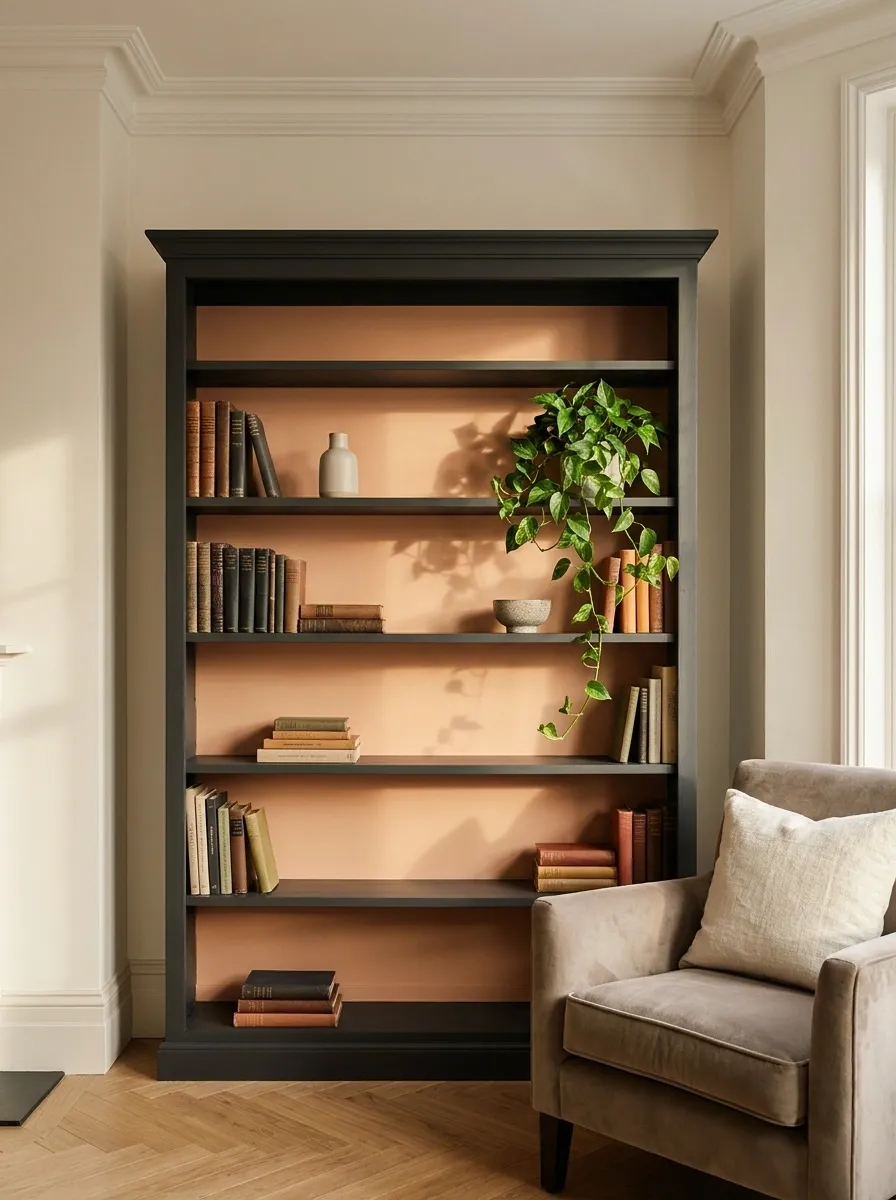
A peach back panel can bring depth and warmth to a dark timber or painted bookcase. Keep the frame dark so the interior color appears as a clear, contained surprise.
Remove shelves and objects before planning the finish, and use a coating system suitable for the existing surface. A test panel is worth the effort.
Edit the shelf contents so some of the peach remains visible. Painting a beautiful interior and then packing every inch with books is a remarkably committed way to keep your decorating private.
Try a reversible sample: Place painted card behind one shelf before refinishing the whole unit.
Create a Monochromatic Peach Bath
Drenching an arched bathroom alcove entirely in peach creates a seamless, immersive sanctuary. Extending the warm hue from the tiled backsplash to the surrounding walls delivers a soothing, spa-like atmosphere.
Incorporate organic textures like fresh florals in an earthenware vase and a plush textile draped over the tub to soften the monochrome palette. Brushed fixtures enhance the cohesive, high-end look without introducing competing metals.
Verify how the chosen peach reacts to moisture and steam if using specialty wall finishes. A fully saturated room relies on precise lighting to highlight the subtle tonal shifts in the tilework and plaster.
Pair Peach With Oxblood in a Dining Nook
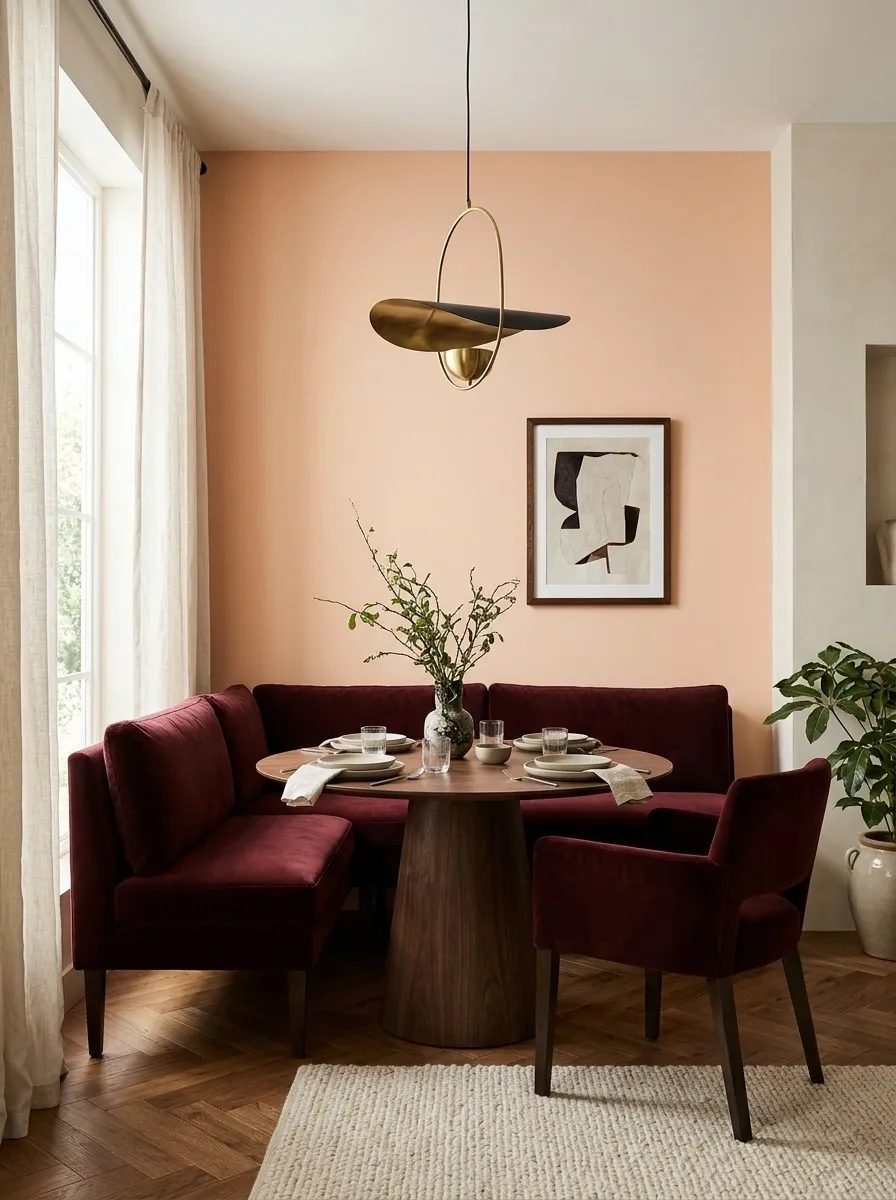
Use a soft peach wall behind a deep oxblood chair, bench, or cabinet. The darker red-brown gives the pale color weight and moves it away from the usual pastel setting.
Keep the table finish and nearby walls relatively quiet. You want a distinct relationship between the two colors rather than a complete spectrum of red and orange.
Check the upholstery in person; oxblood can lean purple or brown. The peach should look intentional beside that particular shade, not merely beside an attractive color description on a screen.
Pair Peach Cabinets With Wood
Soft peach kitchen cabinetry can modernize a traditional layout while keeping the atmosphere bright and inviting. Pair the custom cabinetry with warm wooden flooring to ground the delicate color scheme naturally.
Select minimalist white counter stools and sleek hardware to maintain a clean, uncluttered aesthetic. The arched detailing on the tall cabinetry units adds a sophisticated architectural element to the functional cooking space.
Test finish samples directly against your chosen flooring material before installation. Kitchen lighting shifts dramatically from morning to evening, so ensuring the peach reads sophisticated rather than overly sweet is essential.
Frame Peach Joinery With Checkers
Classic peach kitchen cabinetry brings an unexpected softness when paired with a dramatic checkerboard floor. The muted cabinetry tone keeps the traditional door profiles feeling fresh and contemporary.
Introduce open dish racks and sleek metallic hardware to break up the solid runs of color. A gathered fabric skirt on the lower cabinetry adds a charming, tactile layer that softens the harder surfaces in the room.
Check the contrast between the floor tiles and the cabinet paint in natural daylight. A patterned floor demands a restrained upper wall color to keep the compact kitchen feeling balanced and well-proportioned.
Give a Cobalt Cabinet a Peach Wall
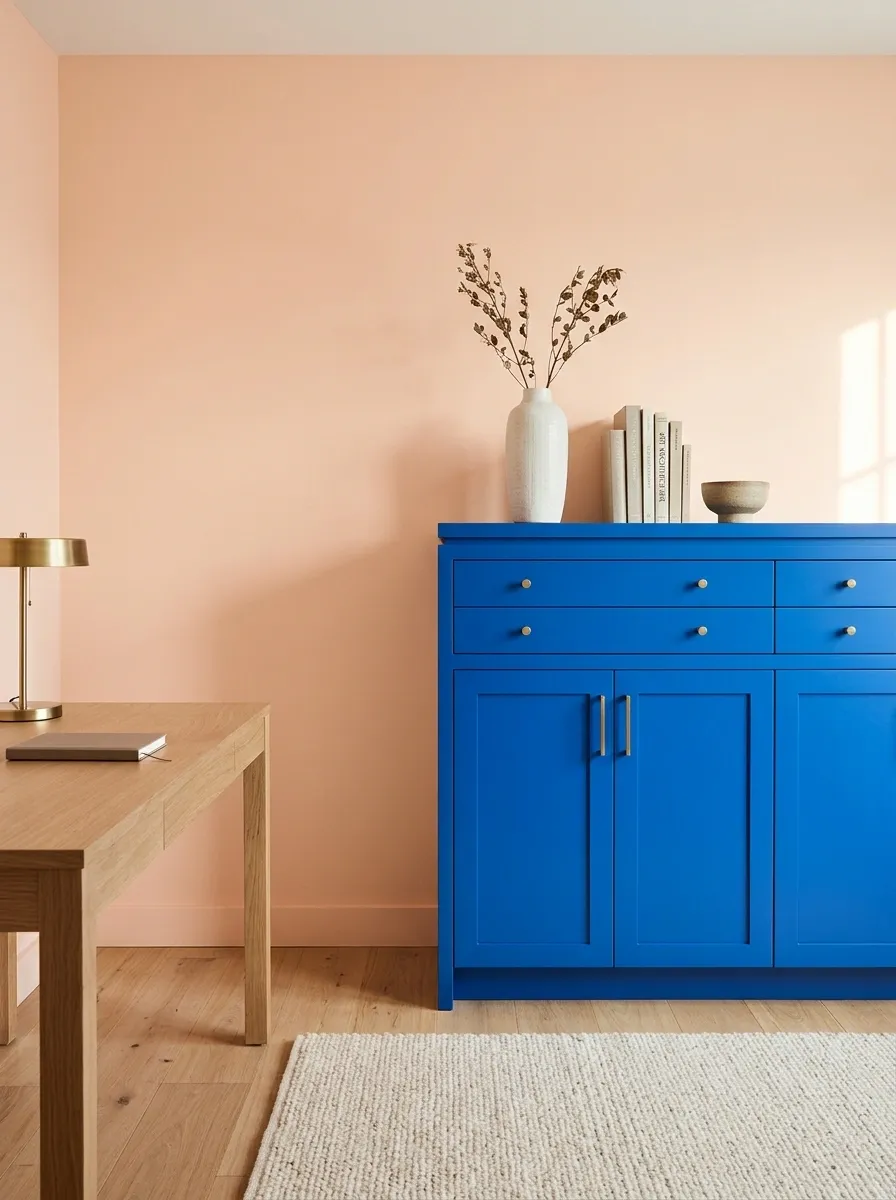
A saturated blue cabinet can look especially crisp against a softened peach backdrop. Keep the peach quieter so the blue has a clear outline.
Use the combination in a home office, dining room, or landing with enough wall space to appreciate it. Neutral flooring and a simple countertop or top surface can keep the arrangement focused.
Test the scale with a large sample behind the cabinet. A postcard-sized peach swatch will not tell you whether the whole wall feels warm and interesting or unexpectedly enthusiastic after sunset.
Paint a Door Reveal Instead of the Whole Door
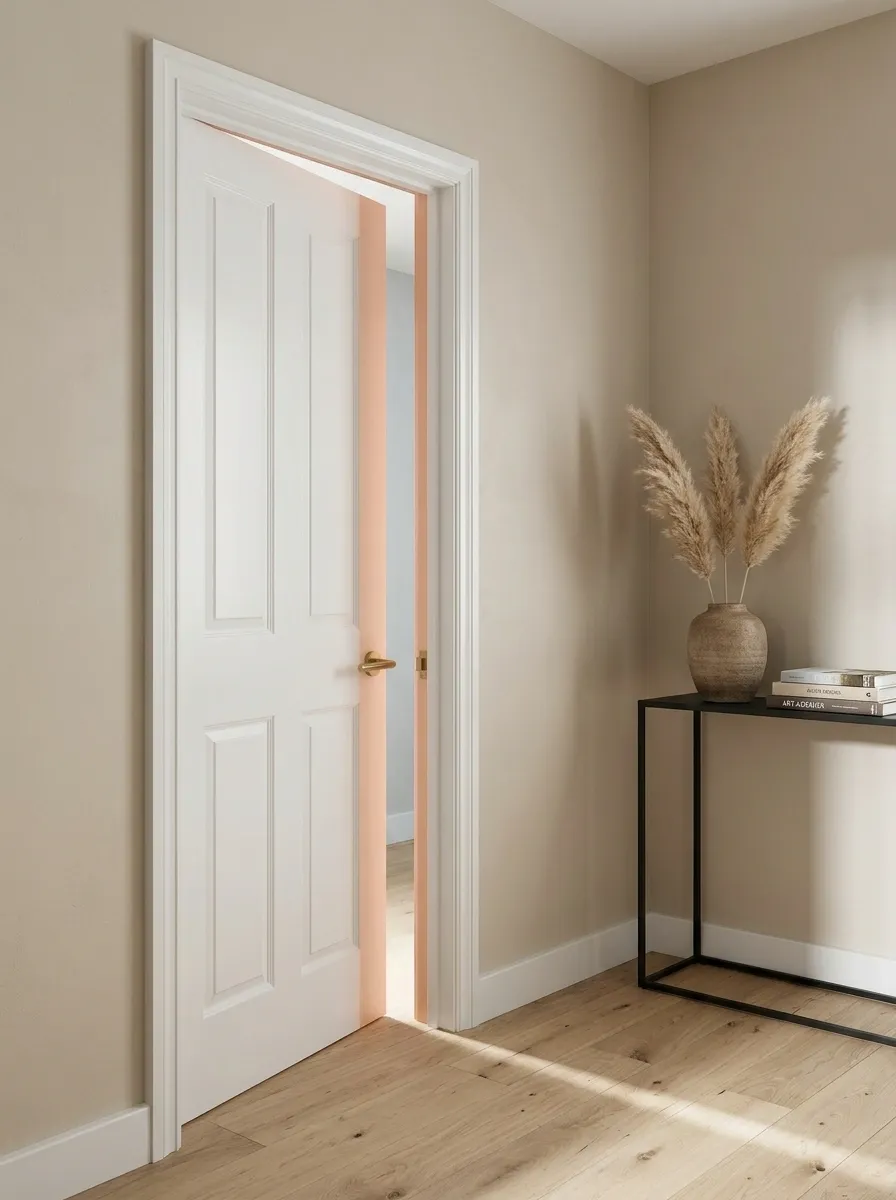
A peach inner reveal can create a glimpse of color as you move between rooms. Keep the door and outer frame neutral if you want a contained detail.
Choose the reveal boundaries carefully and include the view from both sides. The color should feel intentional when the door is open, half-open, and closed.
Check the existing surface and prepare it appropriately. Crisp edges matter here because the detail is small enough that a wobbly boundary becomes the main attraction, which is an unkind use of your painting time.
See it in motion: Tape peach-colored paper along the reveal and open the door through its usual positions.
Put Peach on a Kitchen Cabinet Interior
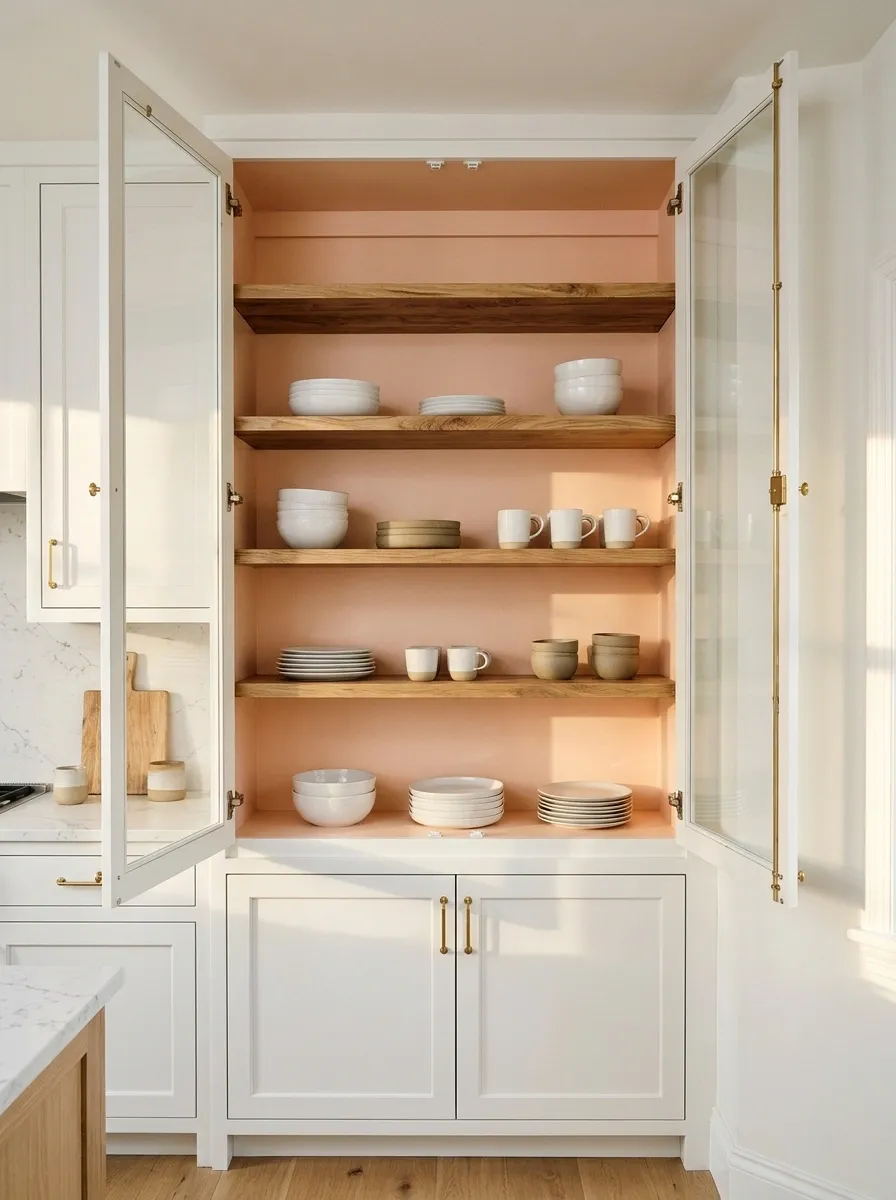
A peach cupboard interior can make ordinary dishes feel more considered without changing the whole kitchen exterior. Use a suitable coating system and allow the finish to cure as directed before returning contents.
Choose one cupboard first, particularly if you are uncertain about the shade. Open shelving or glass-fronted doors can make the color part of the everyday view.
Keep the contents relatively simple so the background registers. White crockery can provide a clear contrast, while timber shelves or darker dishes can make the peach feel earthier.
Use a Peach-Toned Rug With Olive Furniture
A faded peach rug can connect well with muted olive seating, particularly when the pattern includes darker brown or charcoal notes. Look for enough variation to suit ordinary use.
Choose the size for the furniture arrangement rather than the color alone. The rug should support the seating group instead of sitting in the middle like a decorative postage stamp.
Compare a real sample with the olive upholstery. Yellow-green and gray-green olives make different partners, so the room needs the actual pair rather than a theoretical agreement between color names.
| Rug detail | Room relationship |
|---|---|
| Peach field | Warm base |
| Darker pattern | Links furniture outlines |
| Olive notes, if present | Connects to upholstery |
Try Peach Window Trim With White Walls
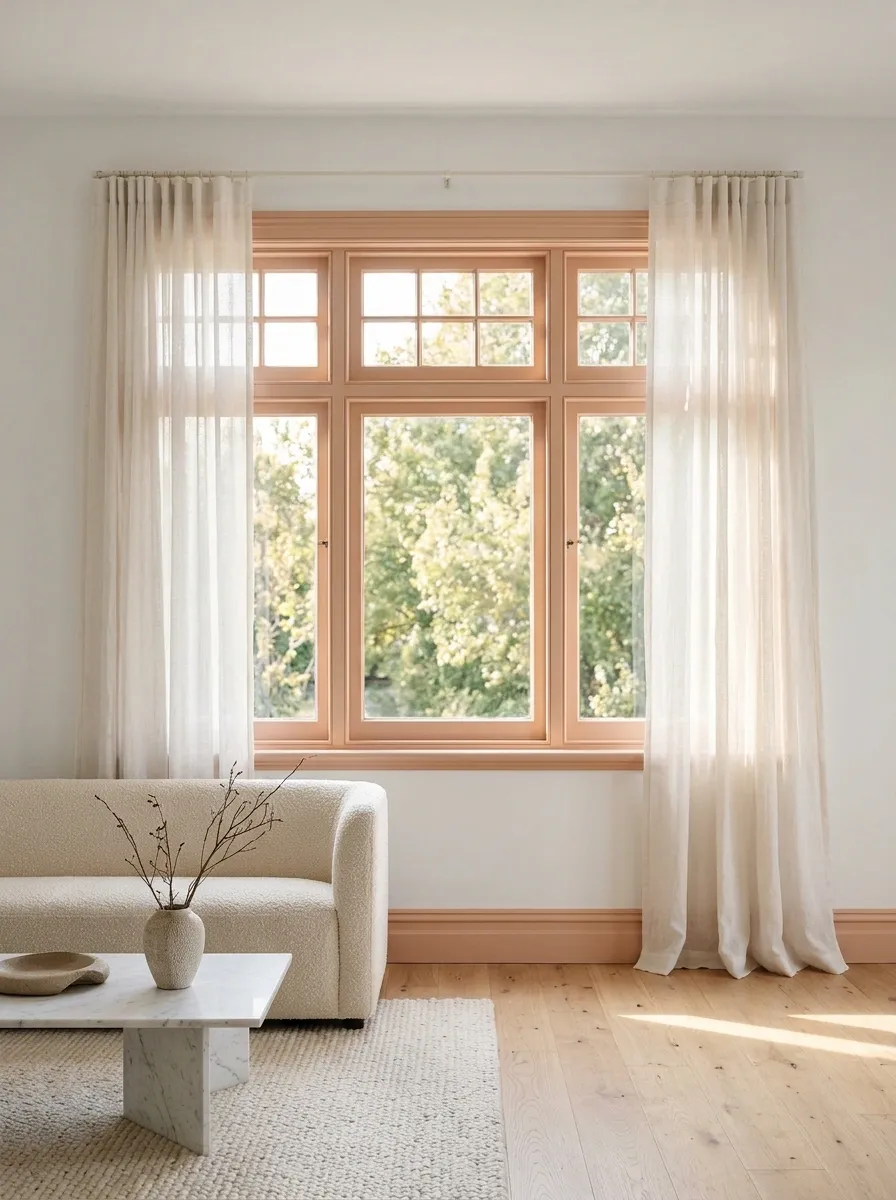
Peach-painted interior window trim can give a plain room a distinct detail while the larger walls stay white. Choose a shade that works with the exterior view and existing fixed finishes.
Paint only suitable surfaces with the appropriate system; factory-finished frames may have specific restrictions. Start with surrounding timber trim if that is the suitable surface.
Keep the window treatment simple enough to reveal the detail. Heavy patterned curtains can hide the color completely, which makes the careful brushwork feel rather underappreciated.
A small architectural color choice
Simple white walls and a clear window outline
Use only finishes approved for the actual frame or trim material.
Use Peach as the Quiet Color in a Black Room
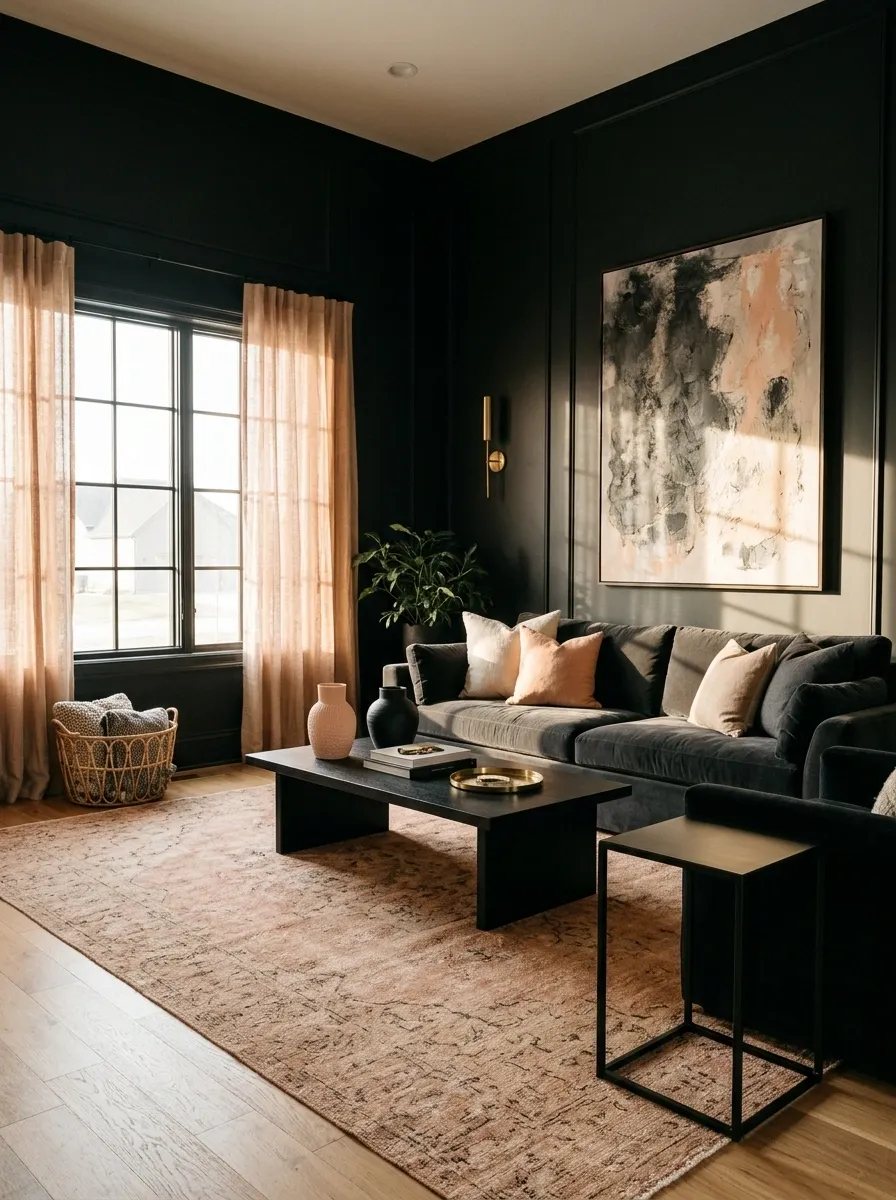
In a room with substantial black furniture or dark walls, peach can act as a softer supporting color. Try it through a rug, curtain, or large artwork rather than several small accessories.
Choose a subdued peach if you want warmth without a dramatic pastel contrast. Texture can keep the relationship interesting.
Leave some light neutral space if the room needs it for balance. Black and peach can feel rich, but the exact effect depends on the proportions, materials, and available light rather than the color pairing alone.
Paint a Stair Riser in a Controlled Color Sequence
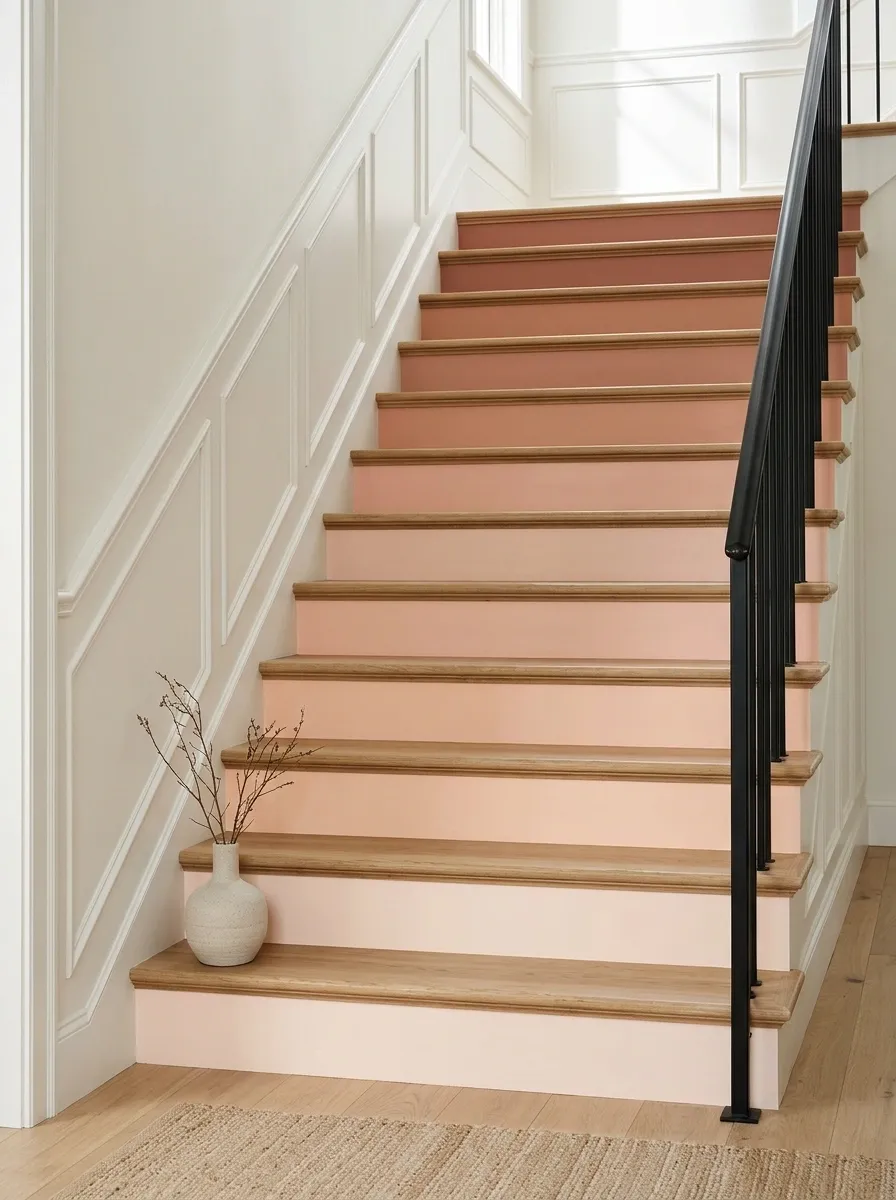
Peach can appear on risers as a repeated architectural detail while treads retain a suitable durable finish. Check the construction and coating requirements before planning any work.
Use a single shade for a quieter effect, or a restrained sequence of related tones if the stair is intended to be a feature. Keep tread edges and safe visibility clear.
Do not add paint, coverings, or decorative layers that compromise traction or the stair’s intended function. The charming color is optional; the ability to use the stairs safely remains the main event.
| Surface | Priority |
|---|---|
| Riser | Appropriate coating and deliberate color |
| Tread | Suitable durable, safe walking surface |
| Edge | Clear visibility and sound condition |
Introduce Peach Stone or Stone-Look Detail
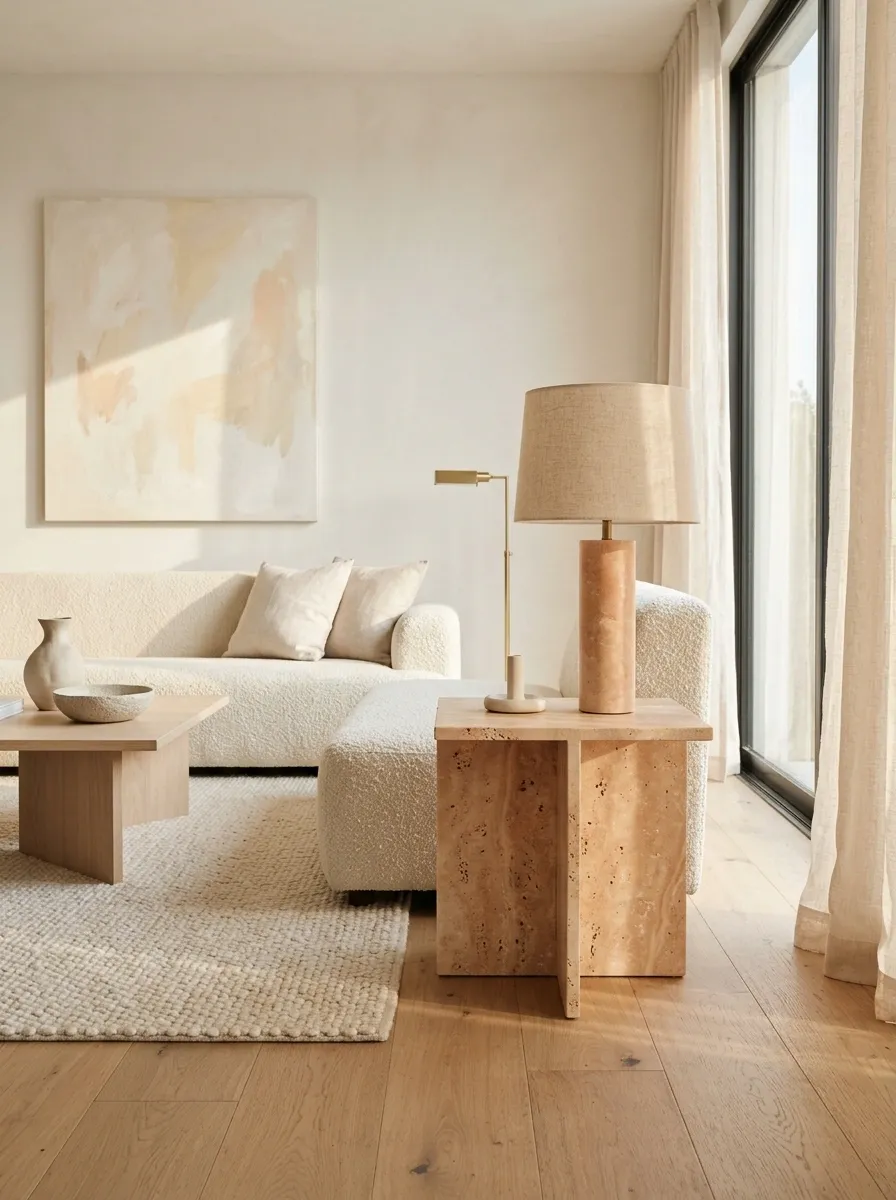
A peach-toned stone tray, lamp base, or suitable side table can bring the color through material rather than paint. Look for variation that relates to the rest of the room.
Check care requirements, weight, stability, and surface protection. Porous stone may need particular treatment and can react badly to spills or cleaning products.
Keep nearby objects simple so the material’s pattern is visible. One interesting stone surface can do enough; surrounding it with several competing marble effects makes the room feel like a sample library with cushions.
Use Peach Linen Beside Stainless Steel
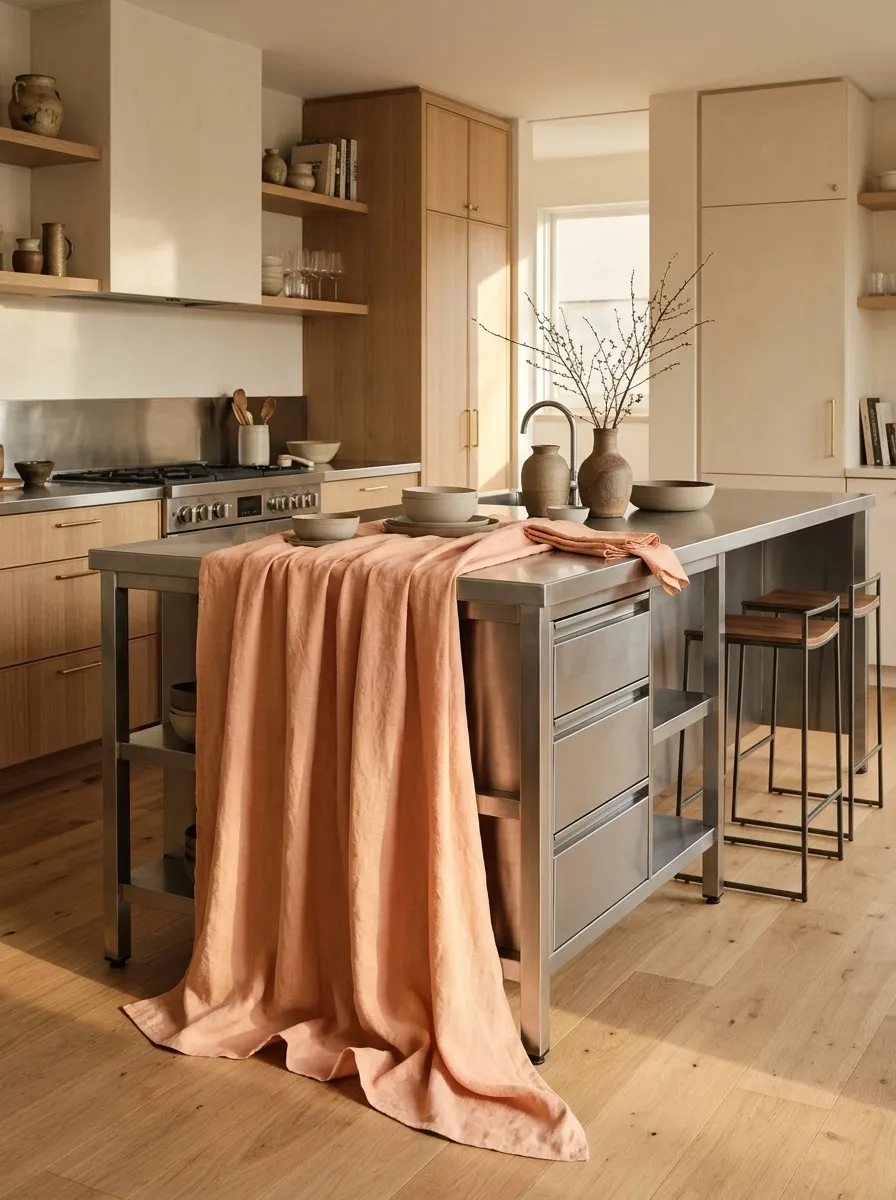
Peach napkins, a tablecloth, or an appropriate window textile can soften a room with visible stainless steel. The warm fabric and cool metal create a clear material contrast.
Choose washable textiles for food-preparation or dining areas, and keep loose fabric safely away from cooking appliances and heat sources.
Let the metal remain metal. There is no need to hide every cool surface before introducing warmth. A large enough textile gesture can make the combination look intentional without changing an appliance or replacing perfectly functional fittings.
Paint the Back of an Entryway Niche
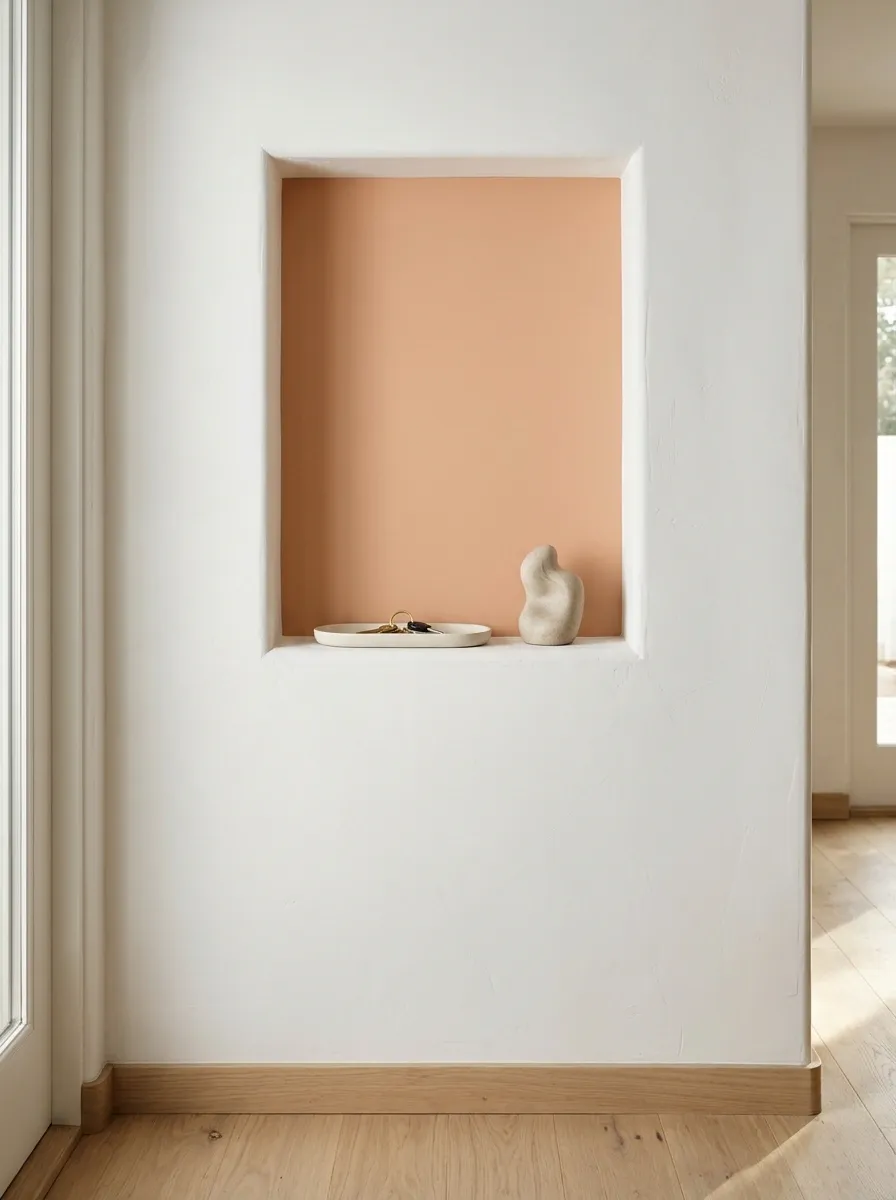
A small recess can take a surprisingly confident color.
A peach back panel makes a shallow niche feel like a deliberate place for a bowl, a key tray, or a small sculpture. Keep the surrounding wall quieter to define the recess.
Choose a shade that works with nearby doors and flooring. A warm niche in an otherwise cool hallway can be effective when the contrast is clear.
Use the space lightly. The color provides depth already, so every available inch does not require an object. Leave enough room for the useful item you actually put down when you arrive home.
| Keep the niche useful | Let color provide |
|---|---|
| One landing tray | Warmth |
| Clear placement space | Depth |
| Easy cleaning | A defined architectural detail |
Put Peach and Lilac in Different Materials
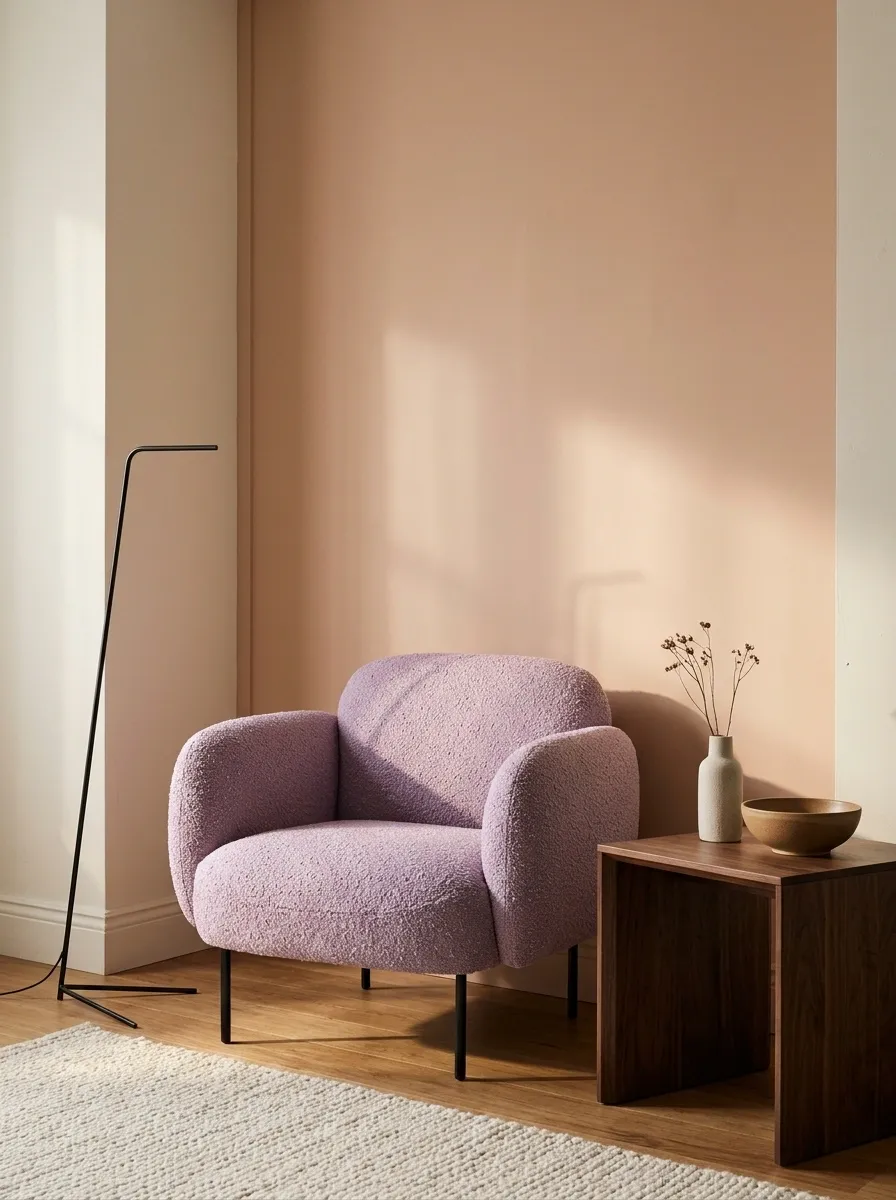
A peach-painted wall beside a lilac upholstered chair can feel more interesting than two adjacent pastel paint blocks. Different materials give each color a distinct role.
Keep both shades somewhat muted if you want a gentle room. A darker timber or black detail can give the arrangement definition.
Sample the fabric against the paint in person. Some lilacs lean strongly blue, while others feel pinker, and that difference affects whether the peach feels warm and balanced or unexpectedly orange. The names alone will not settle it.
Use Peach Behind a Dark Hallway Door
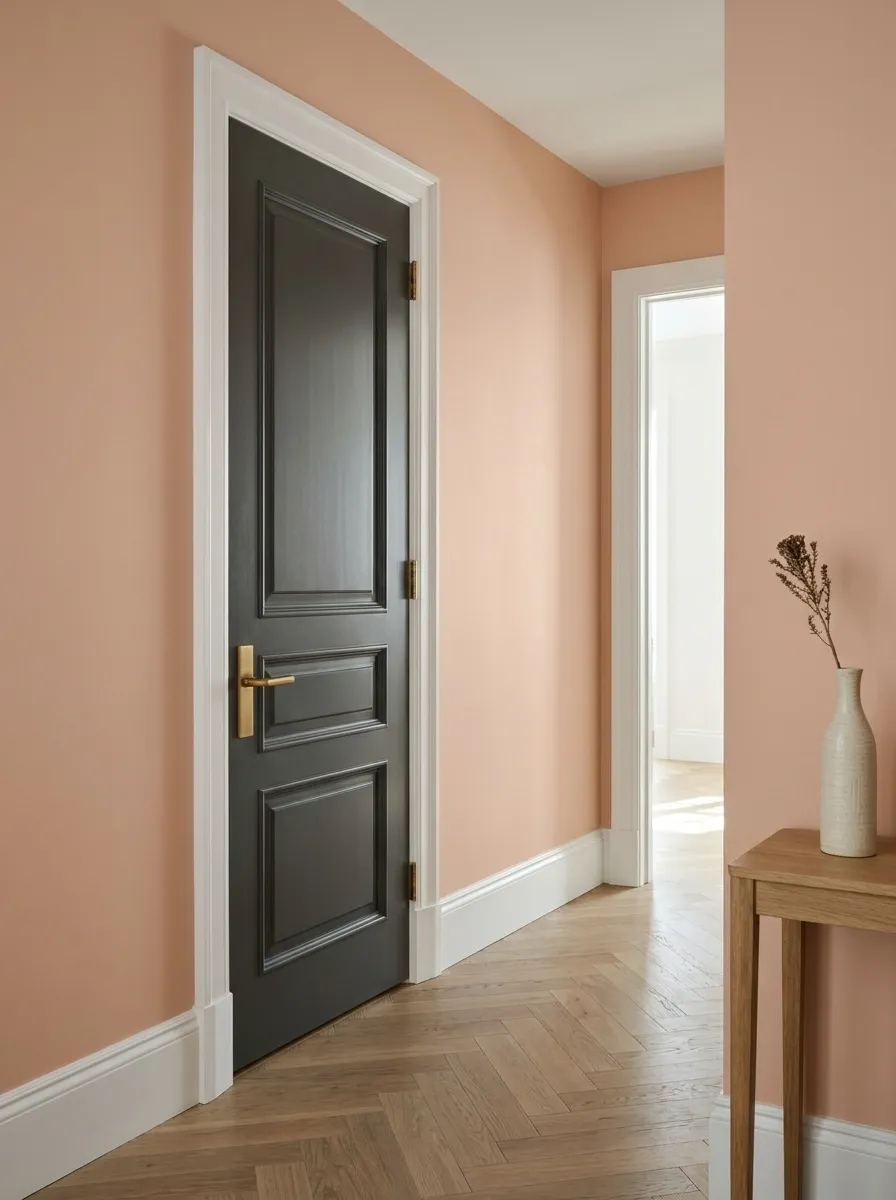
A peach wall can make a dark green, charcoal, or brown door feel deliberate and substantial. Keep the trim relationship clear rather than introducing another nearly matching pale neutral.
View the scheme from adjoining rooms as well as the hallway. The door may be visible from more places than the wall you are painting.
Choose the peach depth to suit the lighting. A deeper shade can hold its character in a dim area, while a pale one may suit a brighter hall. Test rather than relying on the word “warm.”
Doorway check: Compare the peach wall sample with the door both open and closed.
Choose a Peach Pendant Shade With a Neutral Exterior
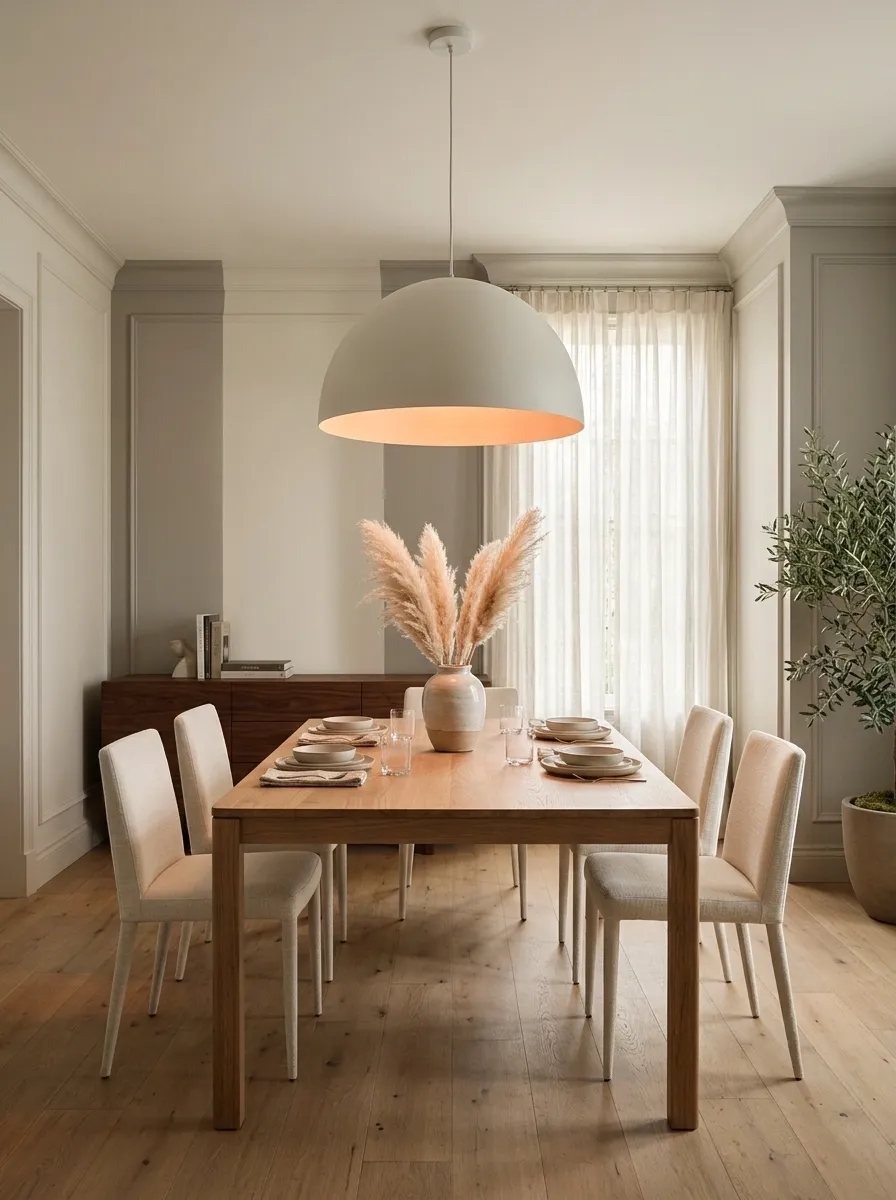
A pendant with a peach-toned interior can introduce the color subtly. Use a purpose-designed, electrically compliant fixture with the specified lamp and installation method.
Do not improvise a painted lining on an existing fitting unless its manufacturer explicitly permits the treatment. Heat and electrical components deserve more respect than a promising weekend idea.
View the fixture illuminated before committing if possible. The shade and lamp together influence the appearance, so the unlit product photograph cannot show the complete effect over your table or seating area.
Use Peach in a Bathroom Vanity Rather Than on Every Wall
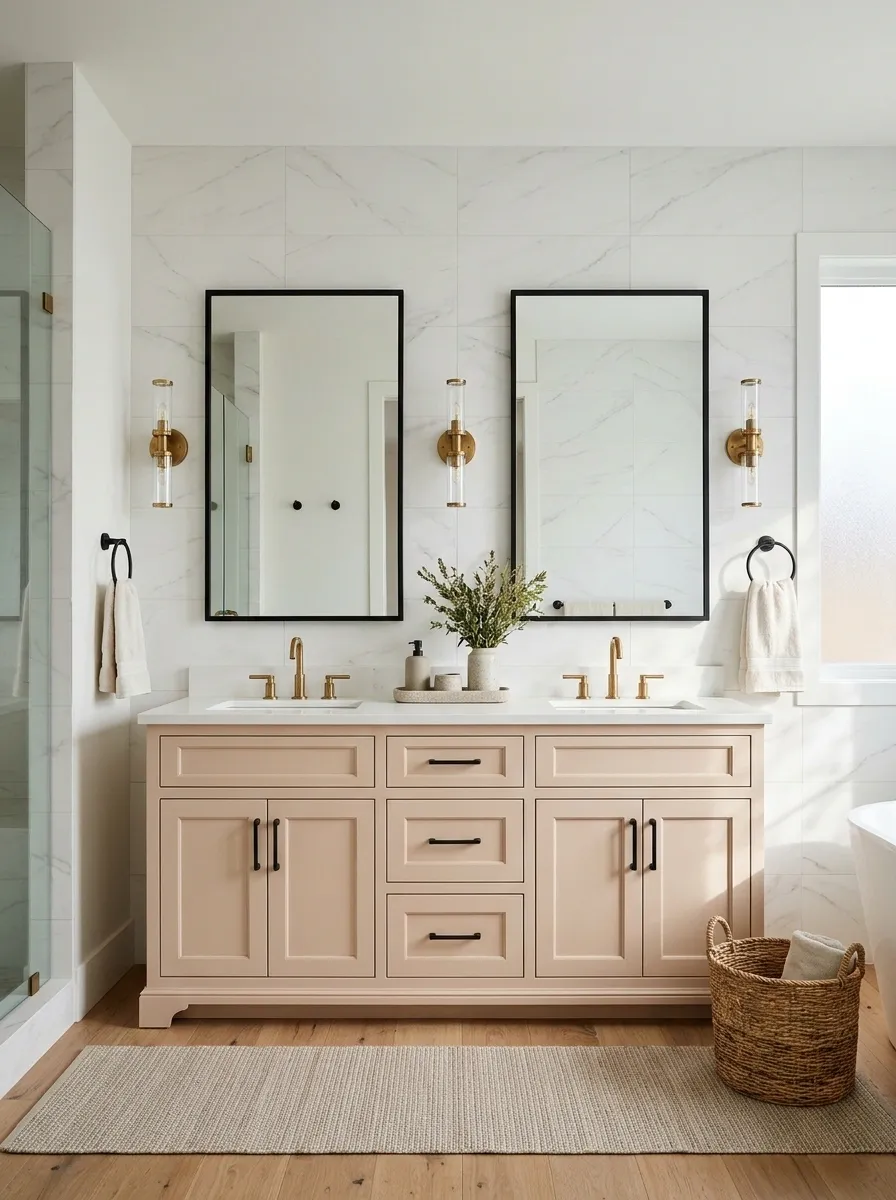
A muted peach vanity can bring warmth to gray tile or a white bathroom. Keep the surrounding surfaces relatively quiet so the cabinet reads as a deliberate furniture-like element.
Check the cabinet material and coating system before refinishing. Use a product appropriate for the surface and conditions, then allow the required curing time.
A dark handle or mirror frame can give the pale color definition. The result does not require a peach bath mat, peach towels, and a soap dispenser apparently appointed head of color coordination.
| Element | Suggested role |
|---|---|
| Vanity | Muted peach focal point |
| Wall | Quiet supporting neutral |
| Metal or frame | Clear outline |
| Textiles | Simple and practical |
Paint a Freestanding Screen in a Dusty Peach
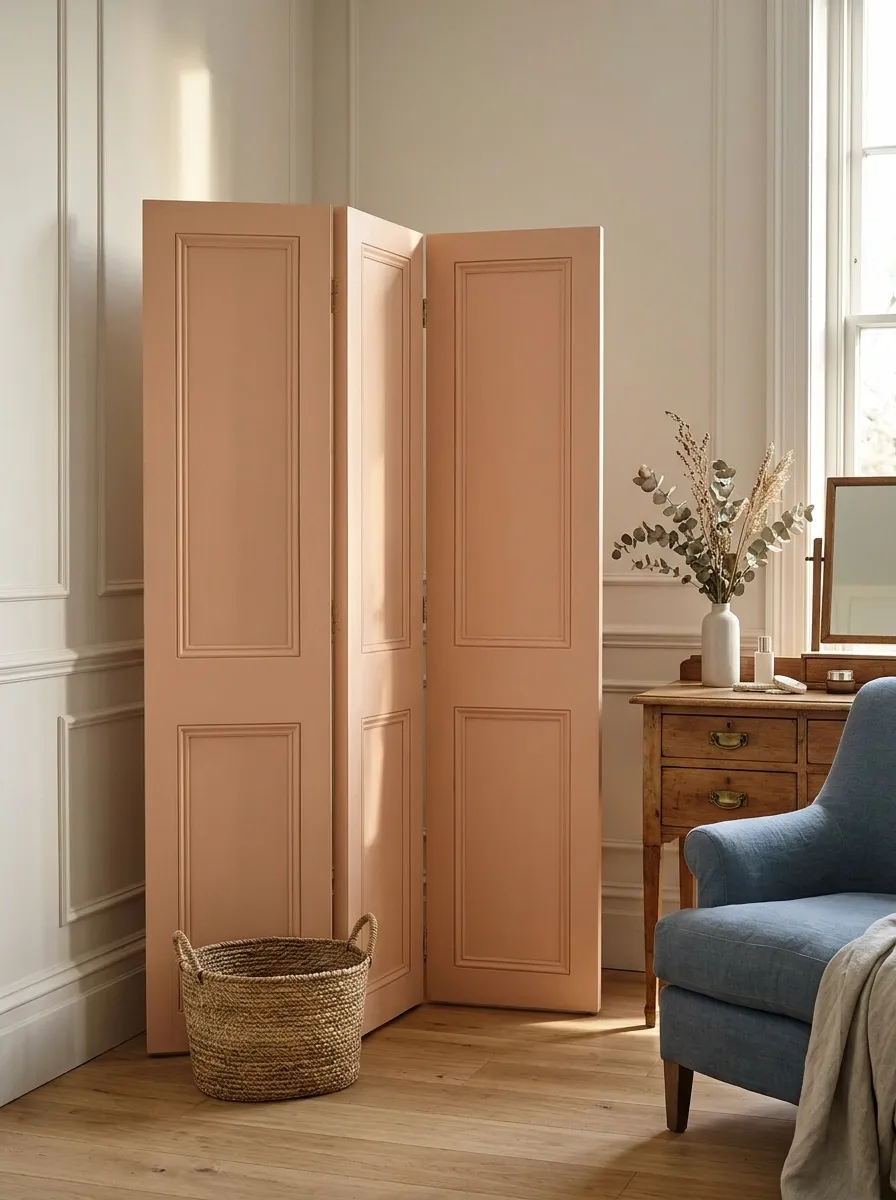
A movable screen can introduce a broad peach surface without changing the room’s walls. Choose a stable piece suited to its location and household.
Use it to define a dressing corner or visually soften a blank area, keeping exits, circulation, heating, and ventilation clear. It should not wobble when moved or create a hidden trip point.
A dusty finish can work well with timber and muted blue textiles. Because the screen moves, you can test different positions before deciding where the color contributes most to the room.
Use Peach in Oversized Abstract Art
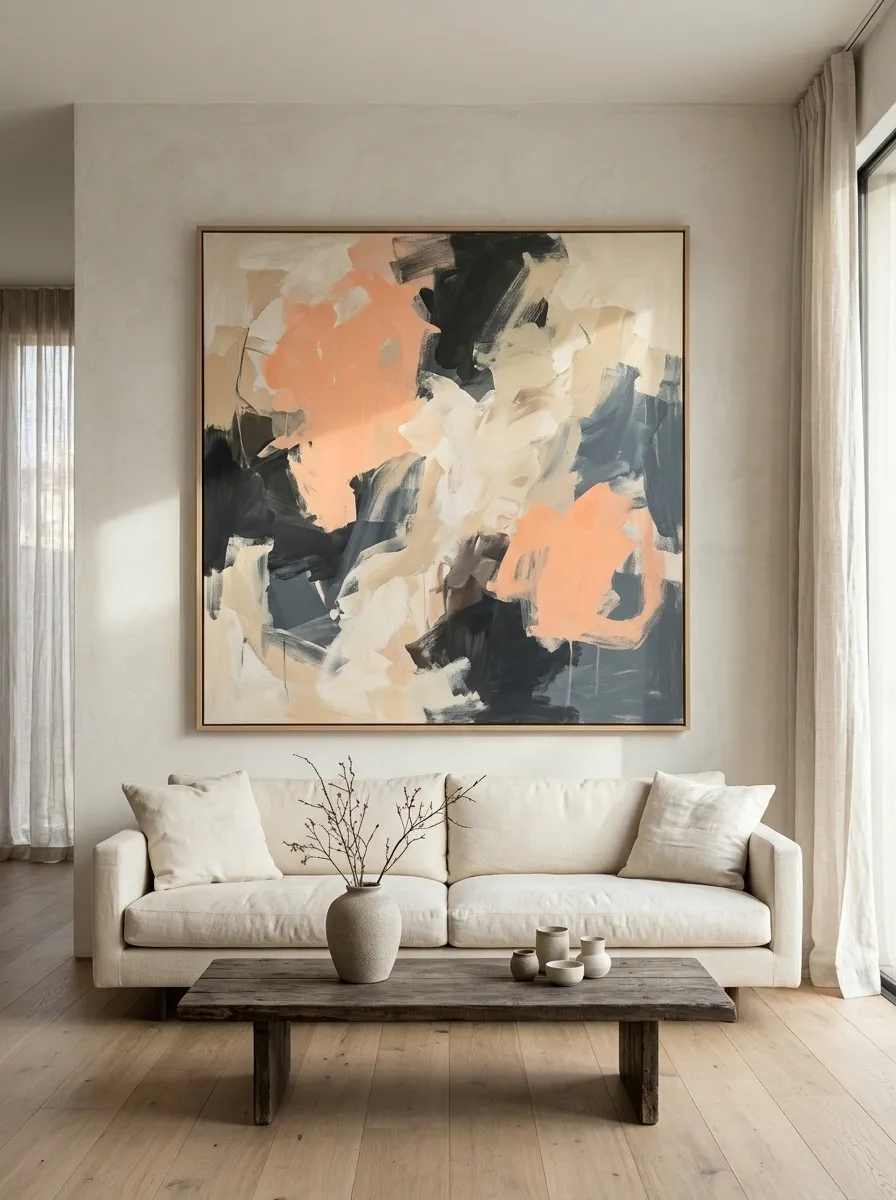
A large artwork can introduce peach as a substantial shape within a composition of charcoal, cream, or blue. This is useful when you like the color but do not want a peach-painted surface.
Choose the work for its composition and personal appeal, then check the scale against the furniture below. A frame can repeat an existing material.
Keep surrounding accessories restrained enough for the artwork to register. You do not need to extract every painted color into a separate cushion; the artwork is allowed to contain ideas that remain inside the frame.
Scale trial: Tape paper to the wall in the intended size before choosing the frame or canvas.
Pair Peach With a Deep Brown Bedroom
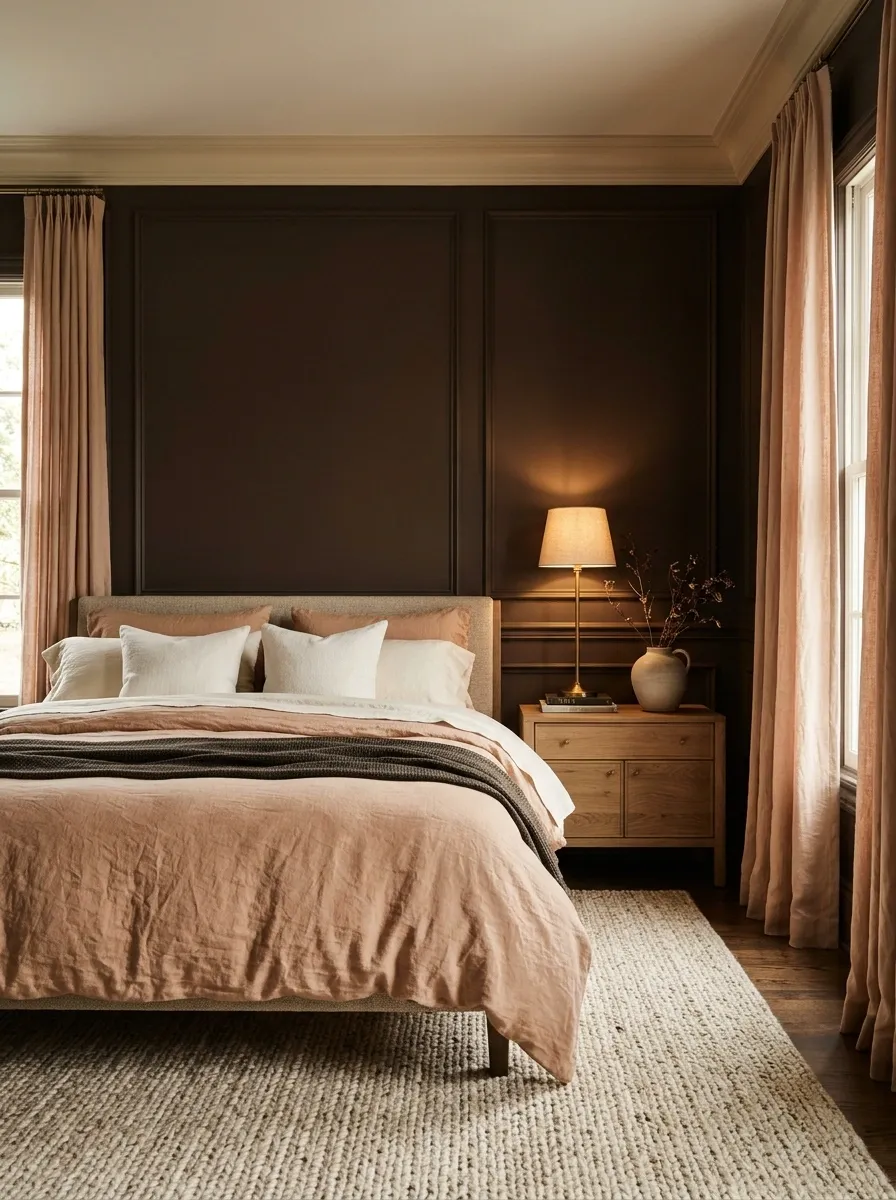
Peach bedding or curtains can soften deep brown walls or furniture. Choose a muted peach that relates to the brown’s undertone rather than a very orange apricot by default.
Use lighter cream or warm white where the room needs separation. A textured fabric can make the palette feel layered without adding more colors.
Check the scheme under bedside lighting. Brown and peach can both deepen after dark, which may suit the room beautifully or feel heavier than intended. The bedroom deserves a nighttime sample test, given its usual working hours.
Give a Utility Cabinet a Peach Interior Door
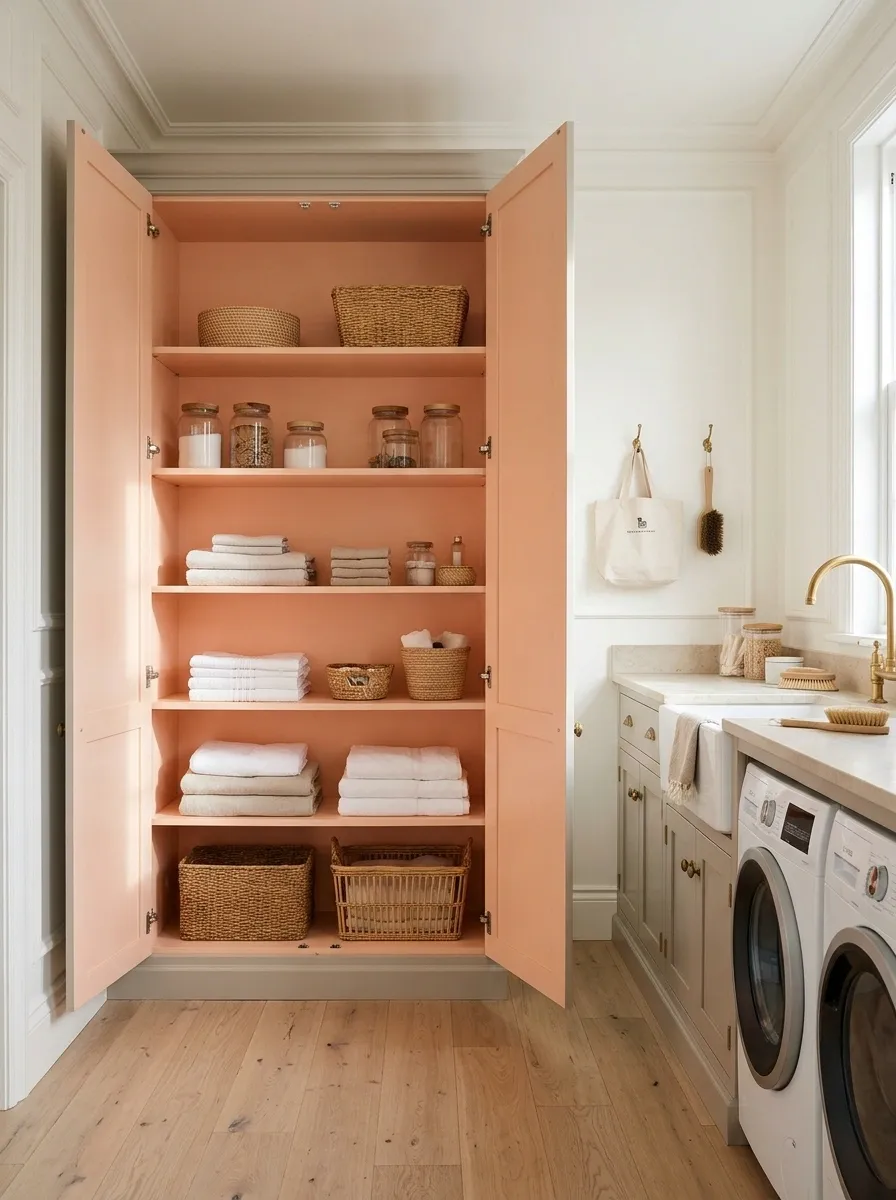
Paint the inside face of a suitable utility or laundry cabinet door for a small everyday surprise. The exterior can stay neutral, keeping the color contained when the room is closed up.
Keep the practical details working:
- Labels remain readable.
- Ventilation openings stay clear.
- Hinges and required clearances remain functional.
Use an appropriate coating system. The color should not compromise how the cabinet or any equipment operates.
Choose a hue you enjoy seeing while doing ordinary tasks. Decorative effort need not be reserved for guests; you are the person opening that door repeatedly, usually while carrying something unglamorous.
| Keep visible and usable | Add color to |
|---|---|
| Required labels | Suitable clear door surface |
| Ventilation openings | Non-operating decorative areas |
| Hinges and clearances | Properly prepared material only |
Treat a Brownish Peach as the Room’s Main Neutral
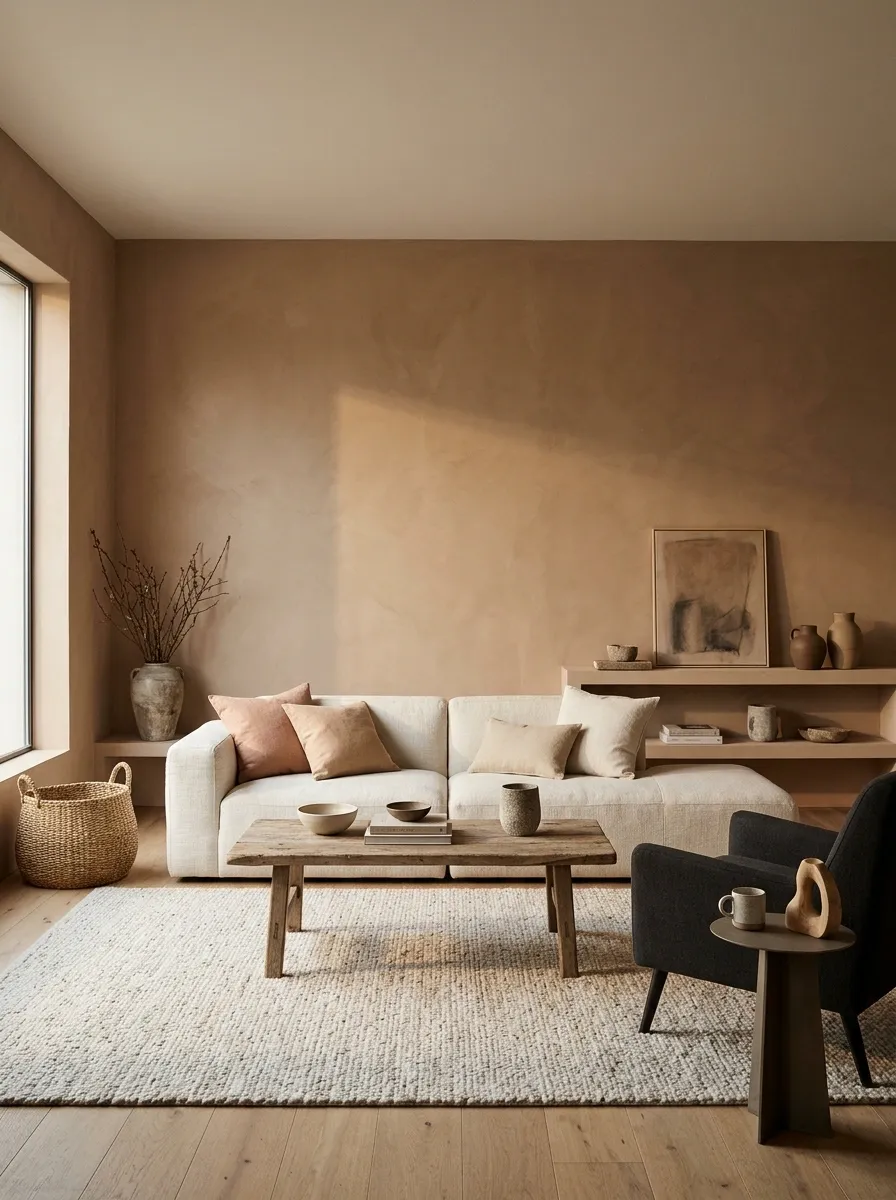
A subdued peach with brown or clay notes can cover a larger wall area without feeling like a conventional pastel. Pair it with timber, stone, off-white, and a little dark contrast.
Keep the supporting palette restrained so the wall’s warmth remains clear. Too many competing pinks and oranges can change the mood completely.
Sample a generous area before painting. You are choosing a room-sized background, not the charming color of a small ceramic cup. The shade needs to feel comfortable during the hours and lighting conditions in which you actually use the space.
Start with the placement that interests you, then find the peach that suits it. A cabinet interior can handle a different intensity from an entire ceiling, and neither needs permission from the nursery.