
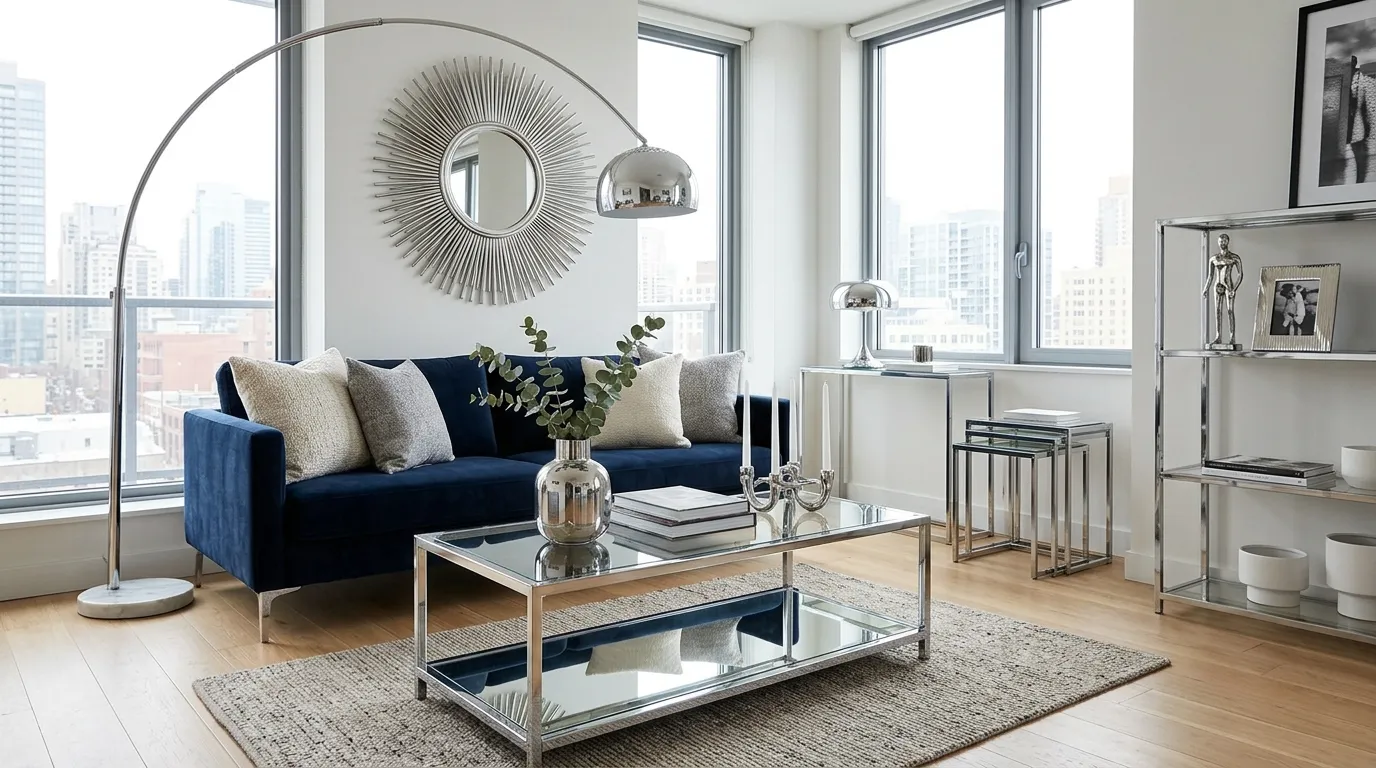
Chrome can make a room look incredibly polished, but it can also make the same room feel cold in about five minutes. The difference isn’t how much chrome you use. It’s what you put next to it.
A reflective coffee table beside another glossy surface usually looks harder than expected. Put that same table beside warm oak, a deep upholstered sofa, a thick rug, and a matte ceramic object, and suddenly the metal looks deliberate. That’s the part most decorating advice skips.
That’s the approach behind the ideas below. Some work as tiny upgrades, some can reshape an entire room, and several cost far less than replacing the furniture around them.
Chrome Home Decor Ideas
Anchor Chrome With Deep Burgundy Tones
Deep burgundy and rich merlot shades provide the ultimate counterweight to high-shine metallic surfaces.
A sculptural plum lounge chair or a dark leather sofa introduces a moody richness that prevents chrome from feeling overly clinical or cold.
Keep surrounding walls a soft, creamy neutral to let the deep jewel tones and gleaming metal elements bounce light through the space intentionally.
Start With a Chrome Coffee Table and Keep the Rest of the Room Soft
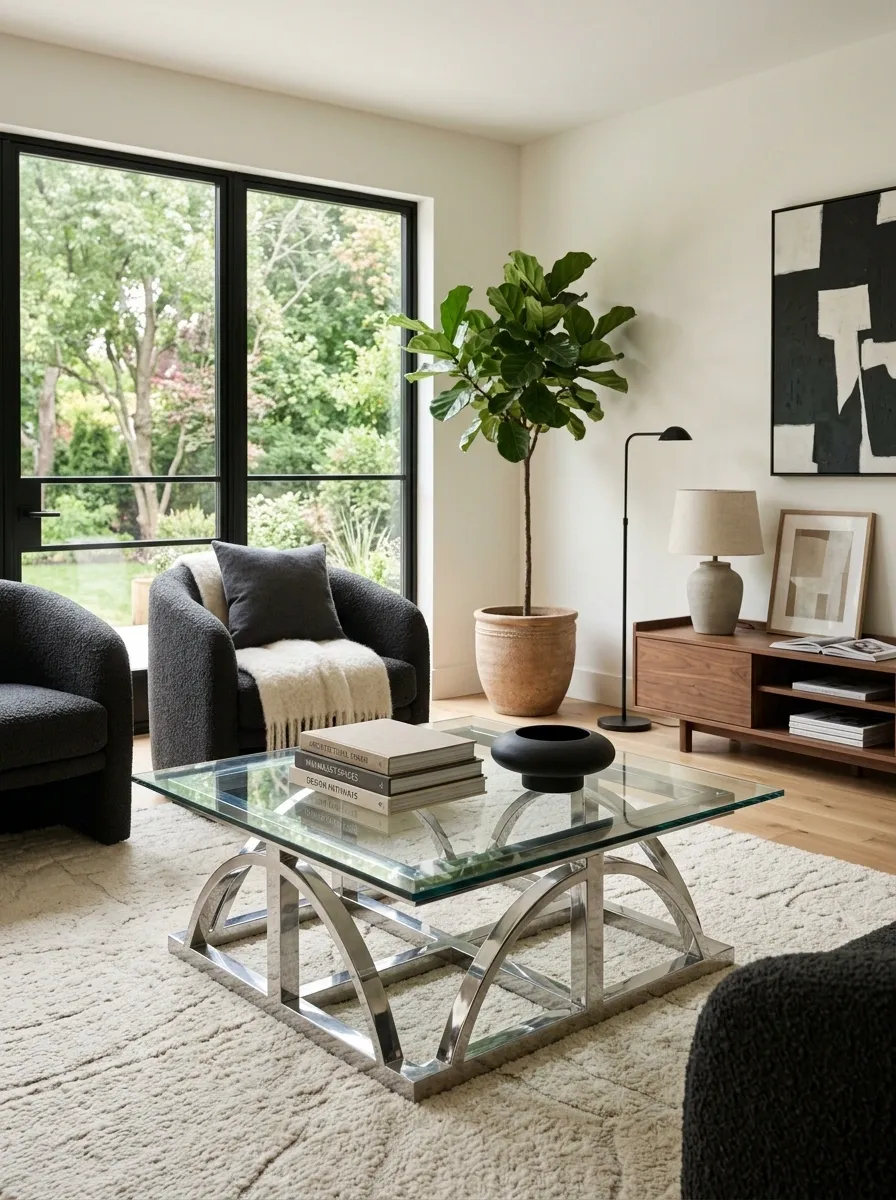
The coffee table can carry most of the metallic impact if everything around it stays tactile.
Choose a broad chrome base or frame, then soften it with a thick rug, upholstered seating, and one warm material such as walnut or oak nearby.
Keep the tabletop edited. A stack of books and one low ceramic object are enough. Chrome already catches the light, so it doesn’t need a pile of accessories competing with it.
Ground Dramatic Lighting With Graphic Rugs
An oversized architectural arc lamp instantly transforms a dining area into a high-design statement zone.
A bold, high-contrast graphic rug beneath the table grounds the sweeping metallic curves and anchors the entire room visually.
Pair matte black cabinetry and sleek tubular dining chairs with the shining fixture to create a balanced rhythm of textures and finishes.
Pair Chrome With Warm Wood Instead of More Metal
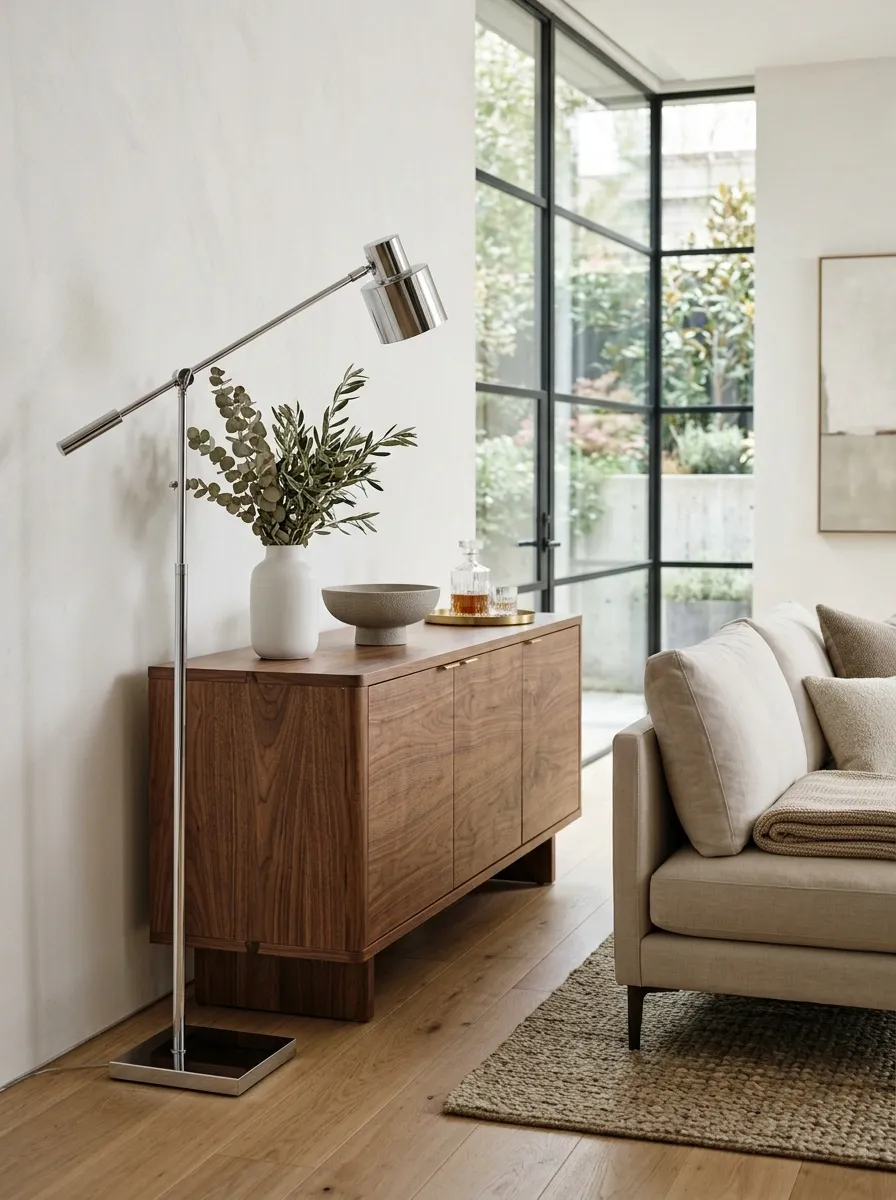
Warm wood is the fastest way to stop chrome from feeling too sharp.
A walnut sideboard, oak media console, or even a small wood stool gives the eye a matte surface to rest on while the chrome catches light beside it.
Keep the wood grain visible. Painted wood won’t create the same contrast.
Use this pairing rule:
- Let chrome handle the reflection.
- Let wood handle the warmth.
- Keep nearby fabrics matte and understated.
Layer Organic Mirrors Into Dark Interiors
Asymmetric chrome mirrors break up the rigid lines of dark furniture while adding a touch of liquid reflection to the walls.
A textured cowhide rug introduces natural pattern and warmth across dark wood flooring, keeping the dark palette tactile rather than heavy.
Combine warm ambient wall sconces with polished metallic accents to make moody corners feel inviting, sophisticated, and deeply layered.
Use a Chrome Floor Lamp to Draw the Eye Upward
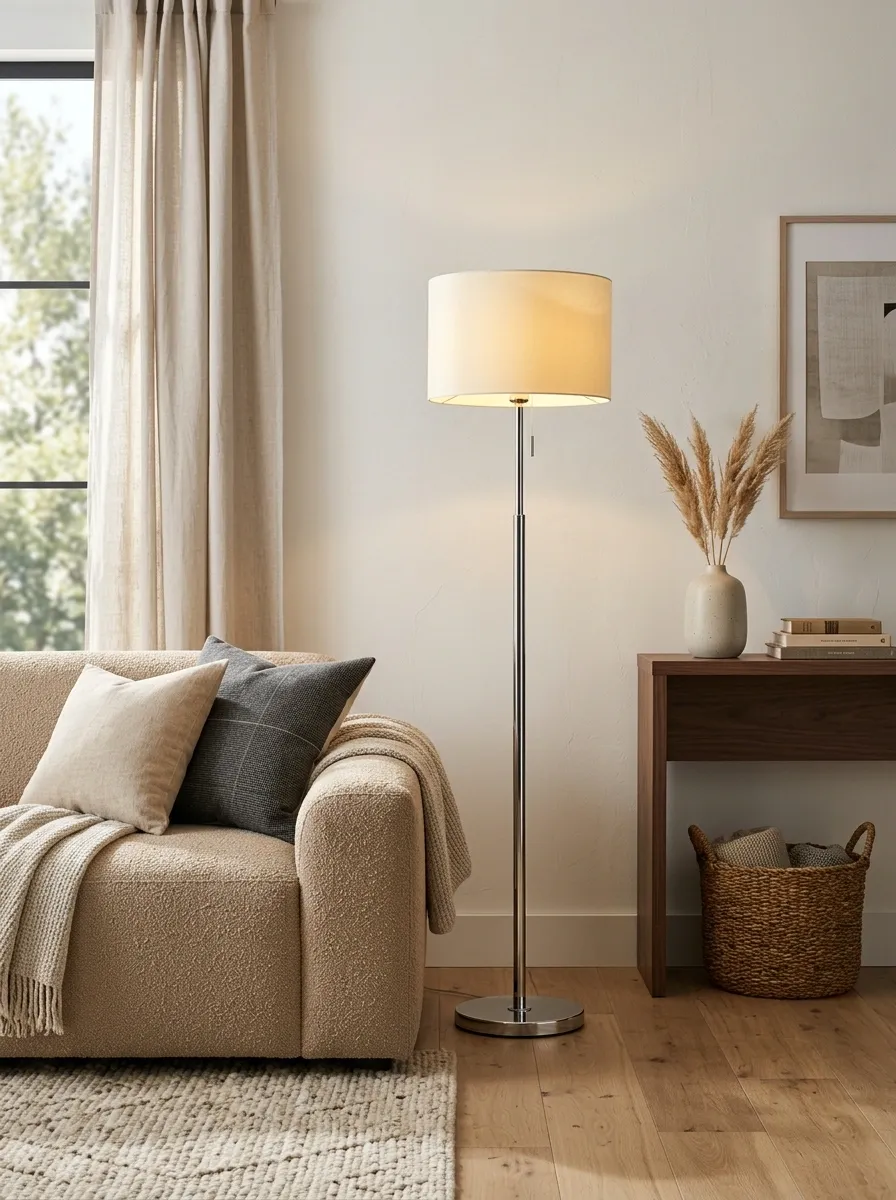
A floor lamp works especially well when the room already has low furniture.
Place a slim chrome lamp beside a sofa, reading chair, or console. The tall shape adds vertical structure, while the metal catches light at several heights.
Don’t bury it behind a side table or crowd it with accessories. Give the lamp some breathing room.
Best pairing: a warm bulb, a soft shade, and a neutral wall behind it.
That little change makes the chrome feel architectural rather than decorative.
Put Chrome Hardware Against Cream or Off-White Cabinets
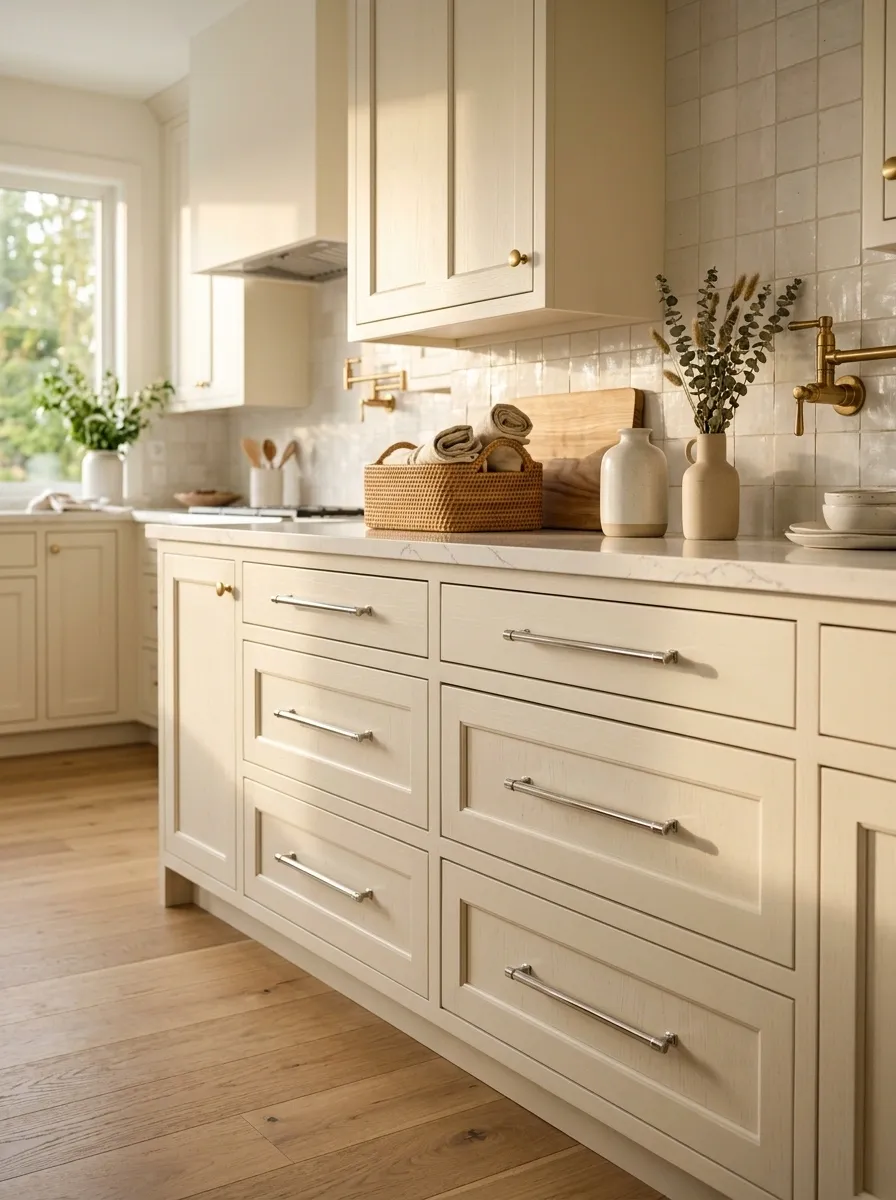
Chrome hardware looks much richer against a warm pale cabinet than against a cold white one.
Swap tiny generic pulls for longer chrome handles on the drawers that matter most. The shine becomes visible without taking over the whole room.
This works particularly well in kitchens, bathroom vanities, and built-ins where changing the furniture itself isn’t practical.
Tip: Choose one hardware shape and repeat it. Consistency makes inexpensive updates look deliberate.
Build a Chrome Gallery Wall With Reflective Frames
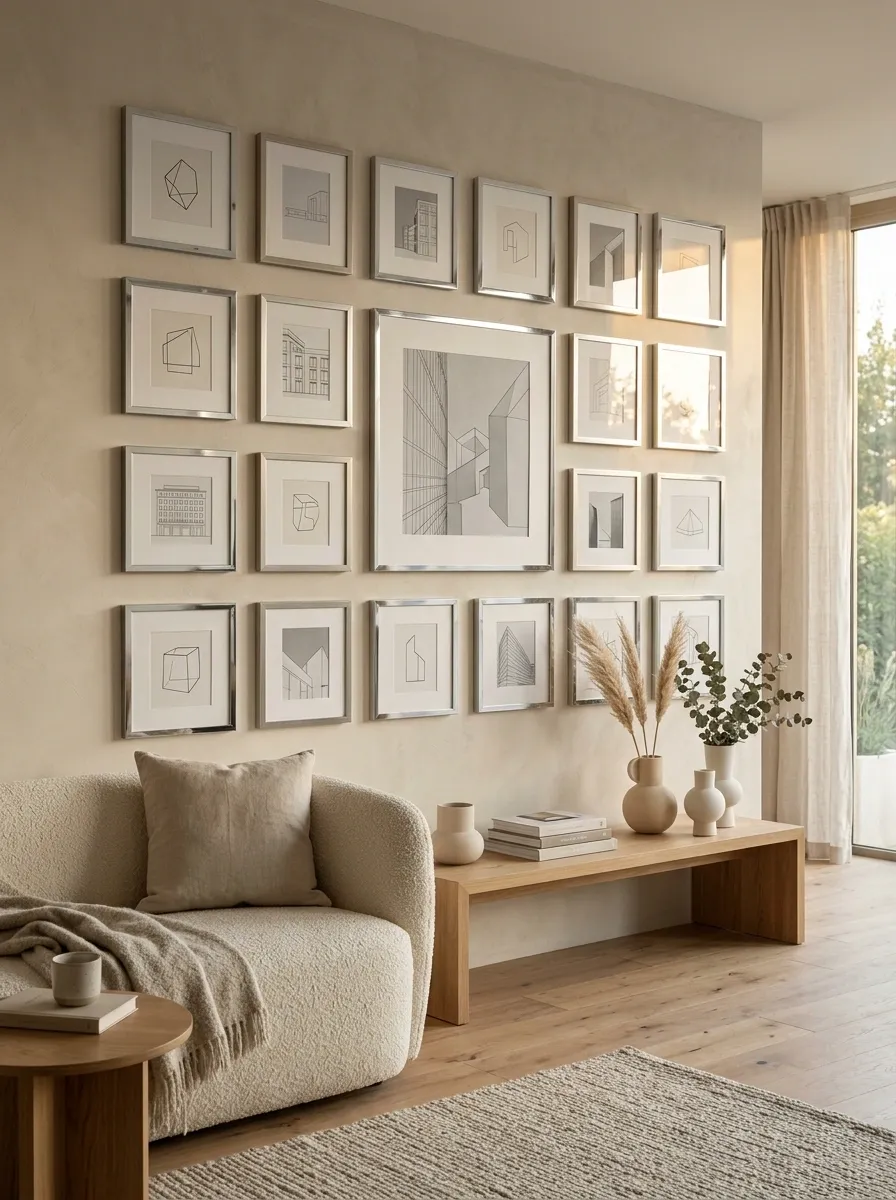
A chrome gallery wall doesn’t need every frame to match.
In fact, that usually looks too deliberate. Mix polished chrome frames with one or two quieter silver frames, then add artwork with matte paper so the reflections stay around the edges.
Keep the artwork itself calmer than the frames. Black line drawings, muted photography, architectural prints, or soft neutral artwork all work.
The important part is spacing. Chrome catches stray light, so overcrowding the frames makes the whole wall feel noisy.
Mix Chrome With One Warm Metal, Not Five
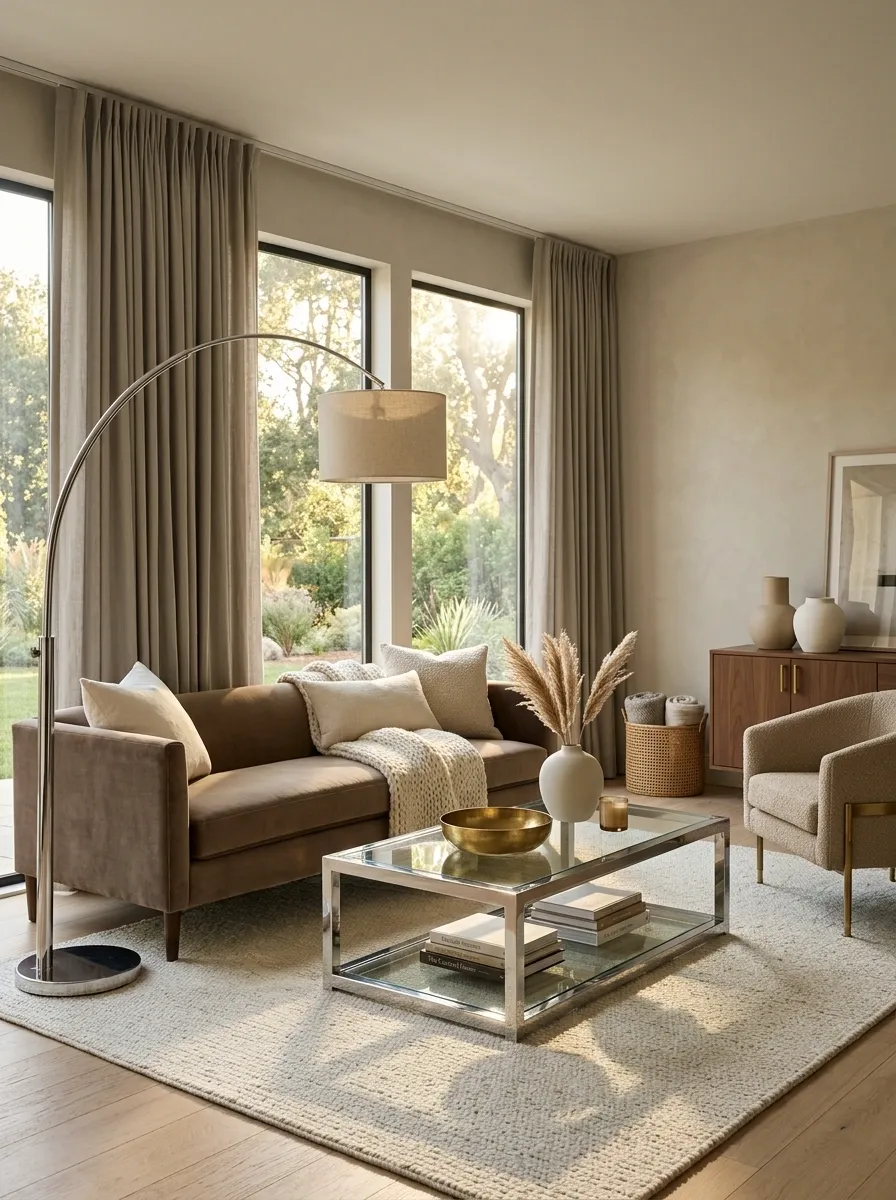
Chrome doesn’t need a whole collection of competing metals to feel layered.
If you want another metallic finish, make it the supporting player. A little aged brass can warm up a chrome-heavy room, while black metal can make the chrome look even crisper. The mistake is adding brass, gold, copper, bronze, and chrome all at once.
Pick one secondary metal and repeat it in small places. That’s enough to make the room feel collected rather than matched.
| Main Finish | Support Finish | Best Effect |
|---|---|---|
| Polished chrome | Aged brass | Warmer and more lived-in |
| Chrome | Matte black | Sharper and more graphic |
| Chrome | Soft bronze | Quieter contrast with warmth |
Add a Chrome Console Under a Large Mirror
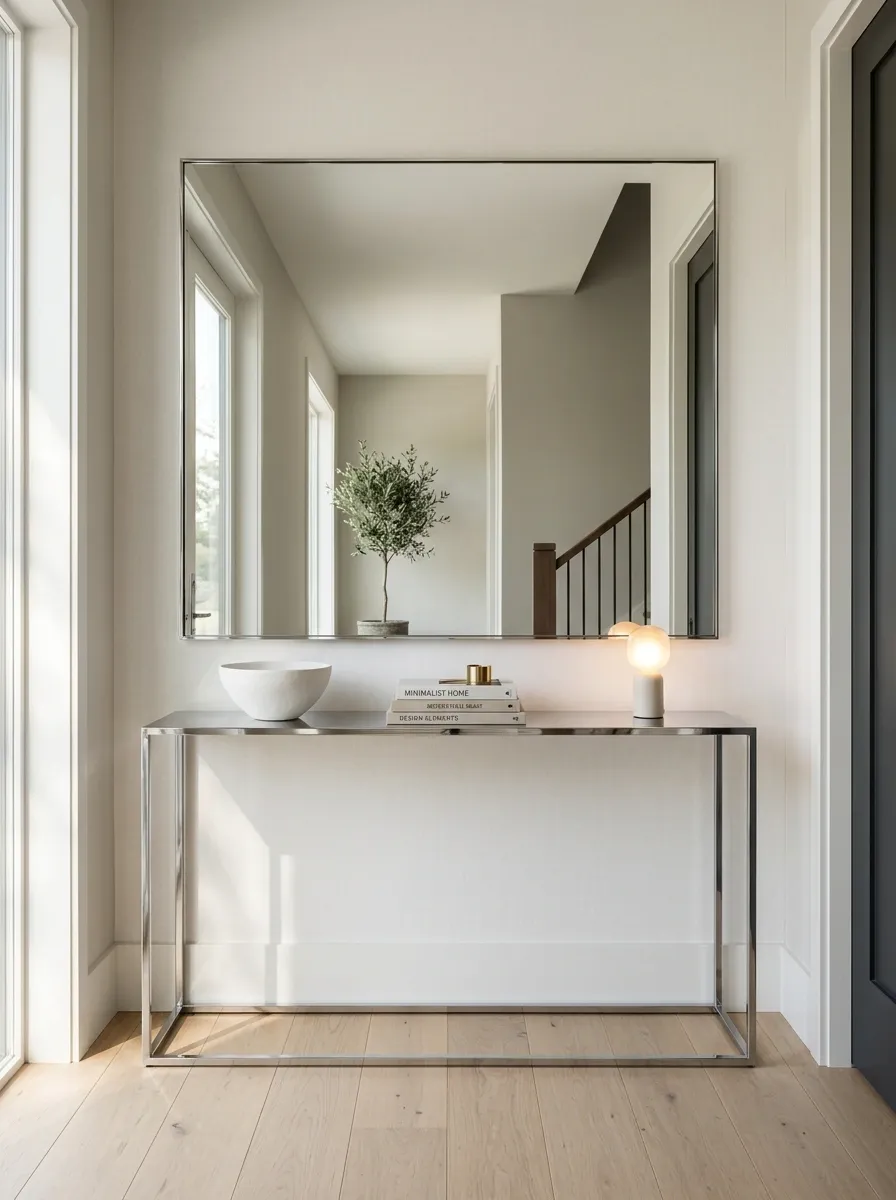
A large mirror gives a chrome console a job to do. The reflective surfaces echo each other, but the furniture underneath keeps the arrangement grounded.
Choose a console with a thin frame instead of a bulky base. Then leave some of the surface visible. A ceramic bowl, one stack of books, or a small lamp is enough.
The mirror should be wide enough to feel connected to the console, not like a separate object hanging above it.
Use Chrome Curtain Rods as a Quiet Metallic Detail
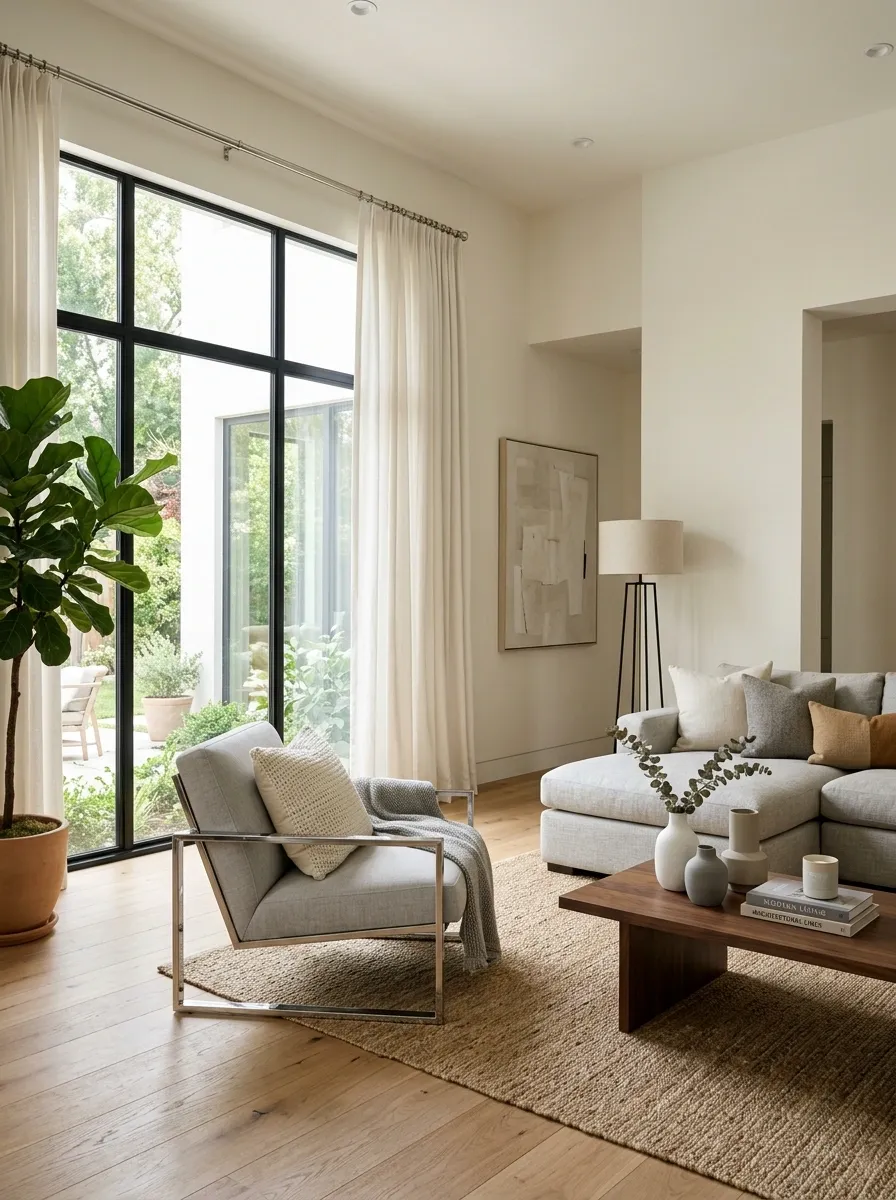
Not every chrome detail needs to announce itself.
A slim chrome curtain rod adds just enough shine near the ceiling to repeat the finish without creating another focal point. It’s especially effective when the room already has a larger chrome piece.
Hang the rod slightly wider than the window so the fabric can frame the opening instead of covering the glass.
Keep the curtains soft. Linen, cotton, or another matte fabric lets the metal stay crisp.
Give a Minimal Bathroom One Strong Chrome Focal Point
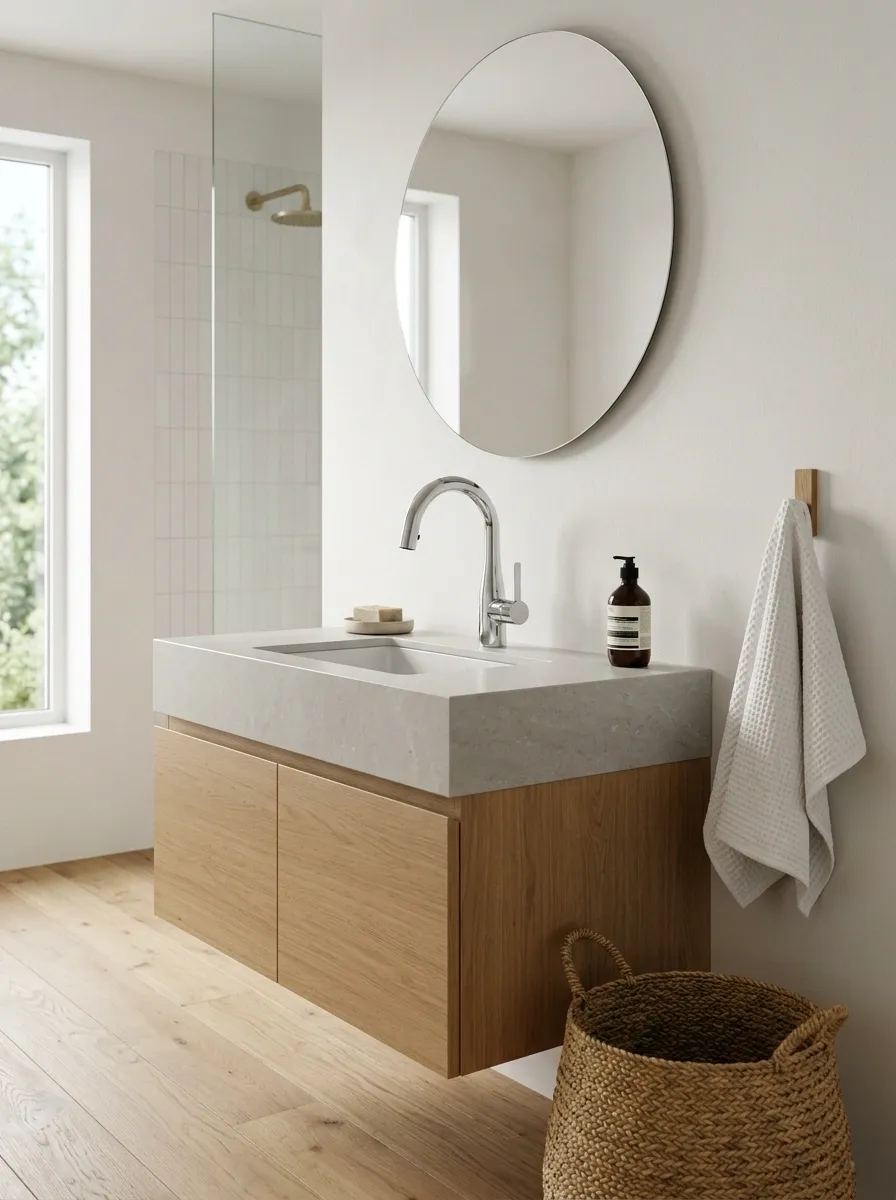
Chrome belongs naturally in bathrooms, but more isn’t automatically better.
Instead of making every fixture the star, choose one element to carry the visual weight. A sculptural faucet, framed mirror, or exposed shower hardware can do it.
Keep the surrounding surfaces quiet. Pale stone, warm white walls, and soft towels give the reflective finish enough contrast to stand out.
A clean bathroom doesn’t need ten interesting objects. It needs one strong detail and enough empty space around it.
Repeat Chrome in Small Places Instead of Big Ones
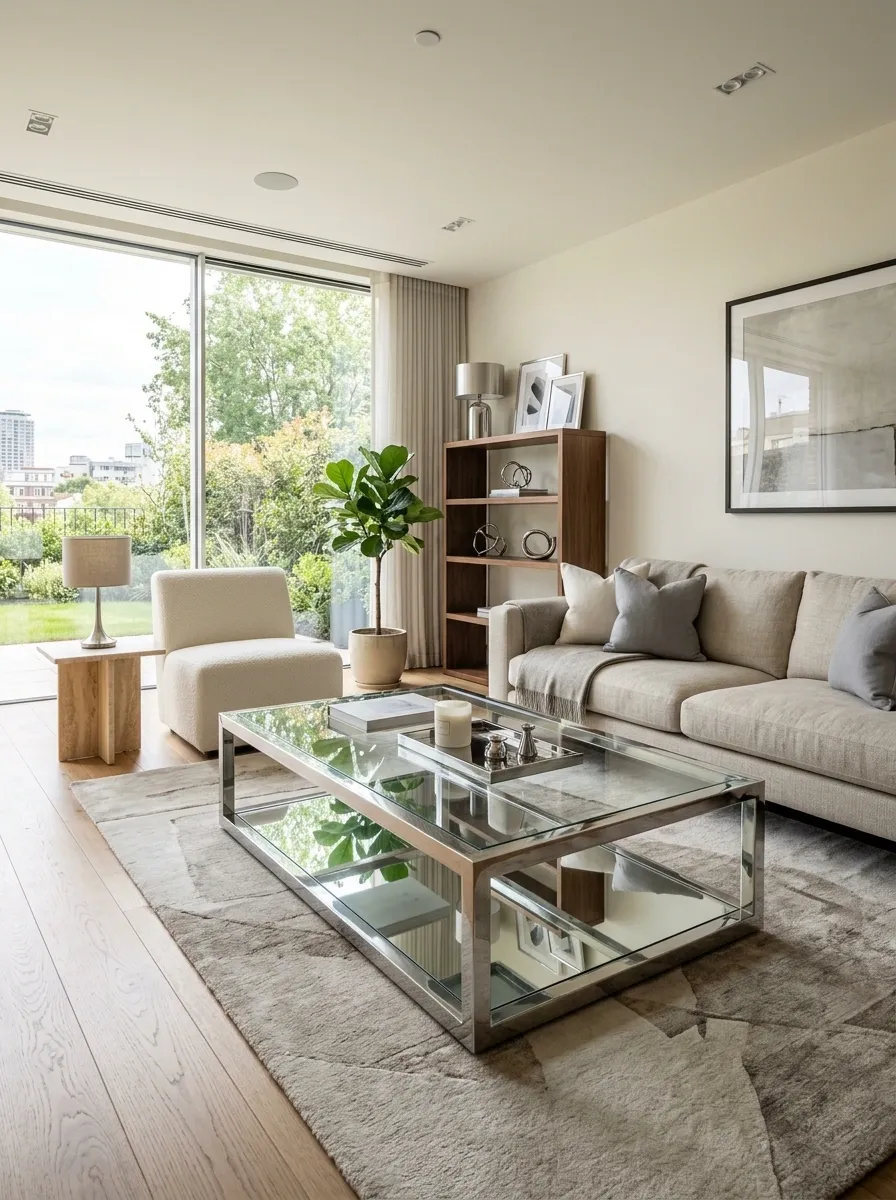
Here’s the rule that keeps chrome from taking over: repeat the finish, but shrink the scale.
A large chrome coffee table can echo through a lamp base, picture frame, cabinet pull, or small tray. Those little references make the room feel connected without adding another major furniture piece.
Walk around the room and look for places where the same finish can appear naturally.
Think three levels: one large chrome piece, a couple of medium references, and tiny details that barely register.
Use a Chrome Side Table Beside a Deep, Soft Sofa
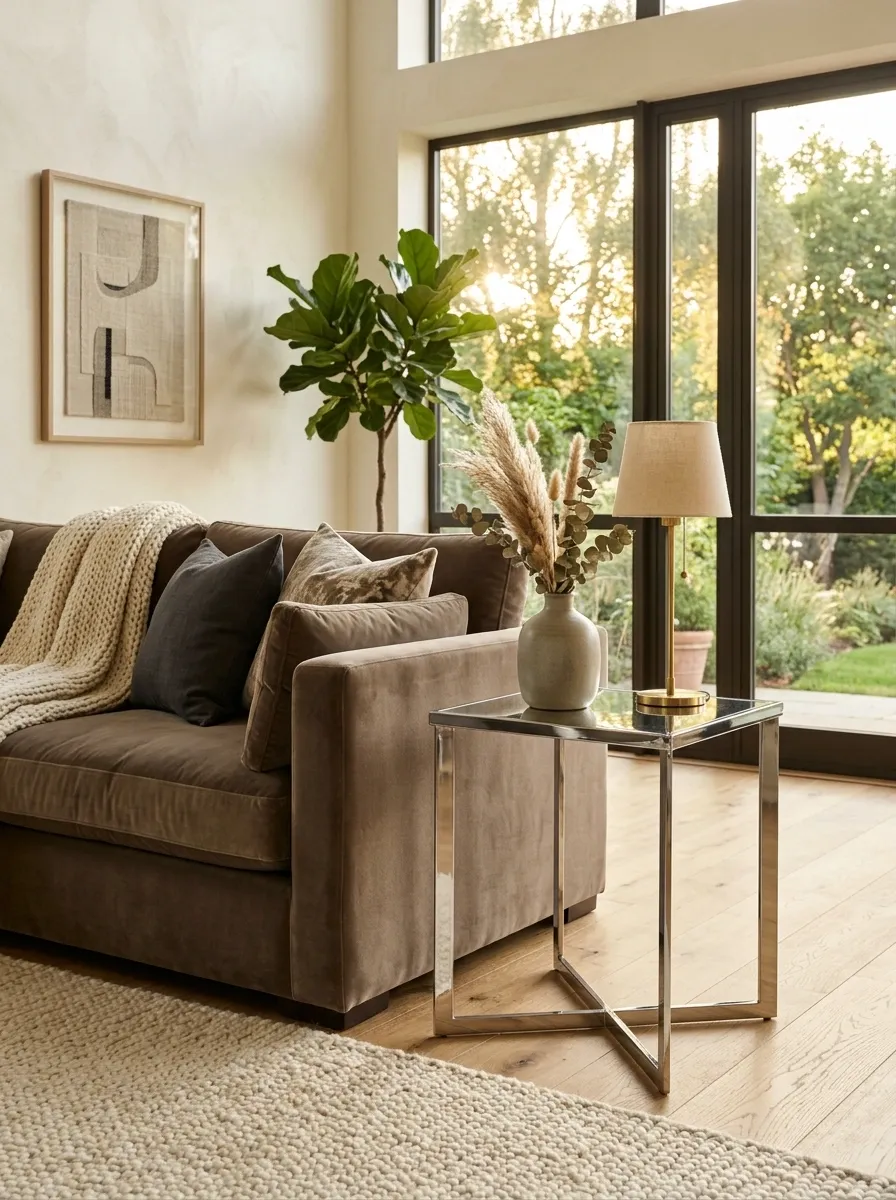
A chrome side table looks best when the sofa beside it feels heavy and comfortable.
That contrast is what makes the metal useful. Put a slim reflective table next to a deep upholstered sofa in cream, taupe, charcoal, or another quiet shade. The table brings structure while the fabric keeps the corner from feeling hard.
Don’t fill the tabletop. A small lamp, cup, or single ceramic piece is enough.
Choose Smoked Glass With Chrome for a Darker Look
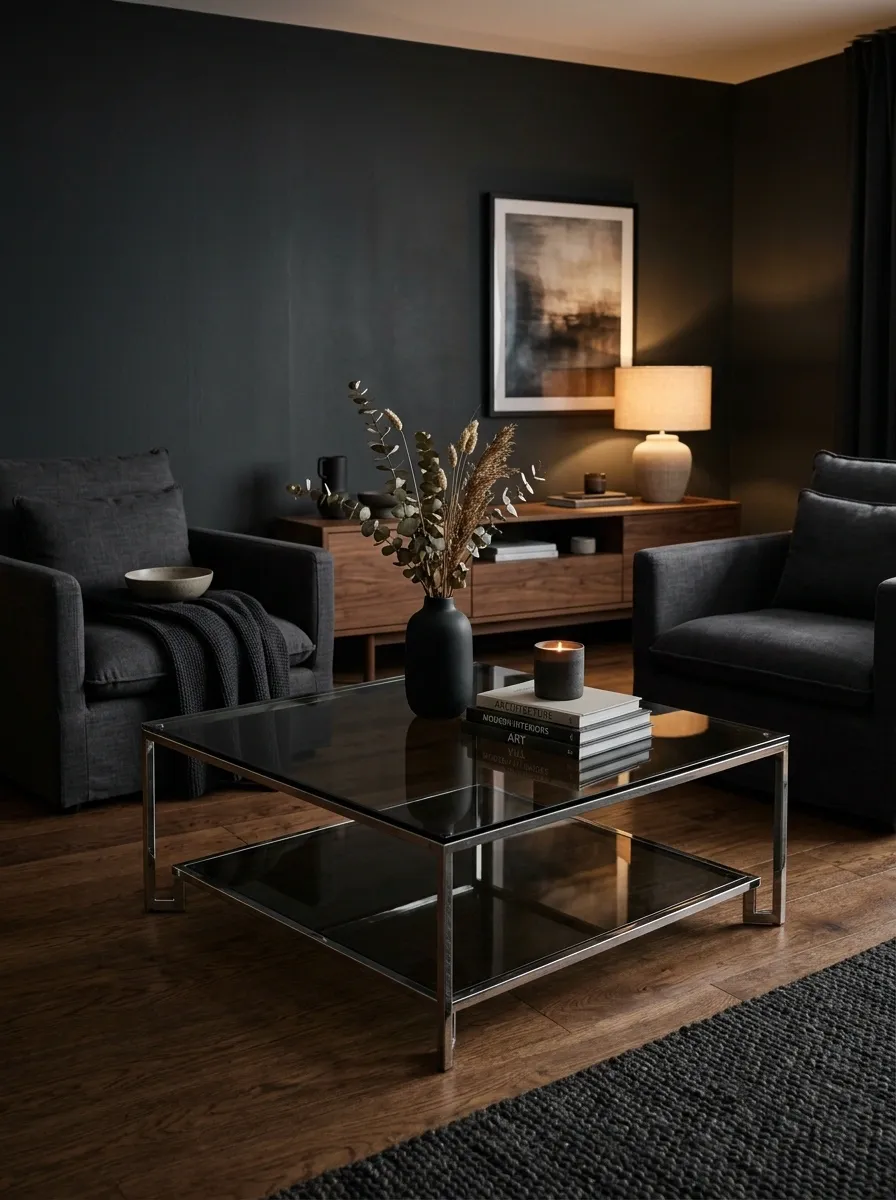
Clear glass and chrome create a bright, airy combination. Smoked glass changes the mood completely.
Use it when your room has darker walls, walnut furniture, charcoal upholstery, or low lighting. The gray-tinted glass absorbs some of the glare while the chrome still gives you those crisp reflections.
The combination feels more grown-up than an all-clear glass setup.
Best move: keep the surrounding surfaces matte so the smoked glass and chrome remain the only noticeably reflective elements.
Let Chrome Lighting Replace Extra Wall Decor
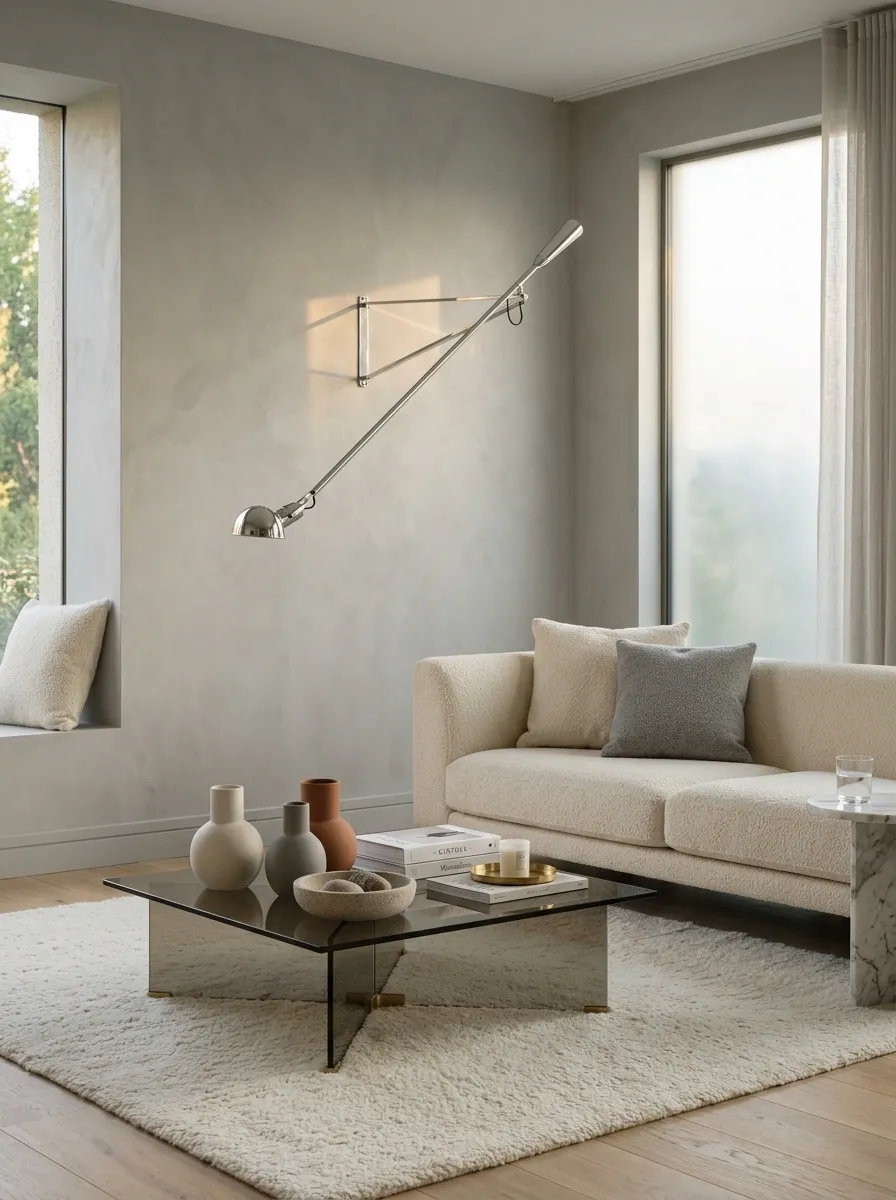
A chrome light fixture can do more than illuminate the room. It can become the wall’s visual punctuation.
A sculptural wall sconce, chrome pendant, or articulated reading lamp gives you shape, reflection, and function in one move. That’s especially useful in small rooms where another framed piece would just add clutter.
Choose a fixture with a strong silhouette rather than lots of tiny decorative details.
The light should earn its place.
Use Chrome Bar Stools to Sharpen a Soft Kitchen Palette
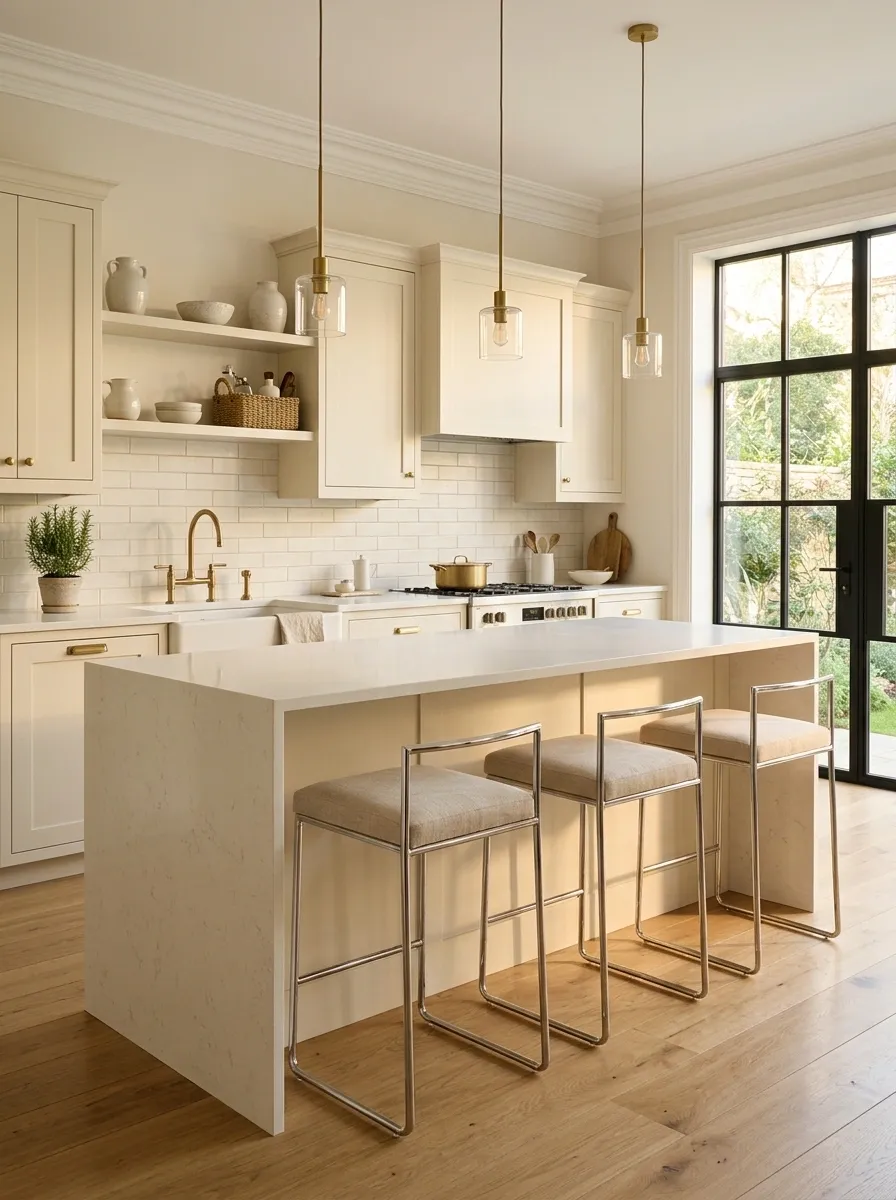
A pale kitchen can start looking too gentle. Chrome bar stools bring back some edge without forcing you into dark cabinets or dramatic countertops.
Look for a slim metal frame with a padded or upholstered seat. The metal adds structure while the seat keeps the kitchen comfortable.
Keep the stools visually light. Thick chrome bases and bulky backs can make a narrow island feel crowded.
Frame a Fireplace With Chrome Without Making It Look Futuristic
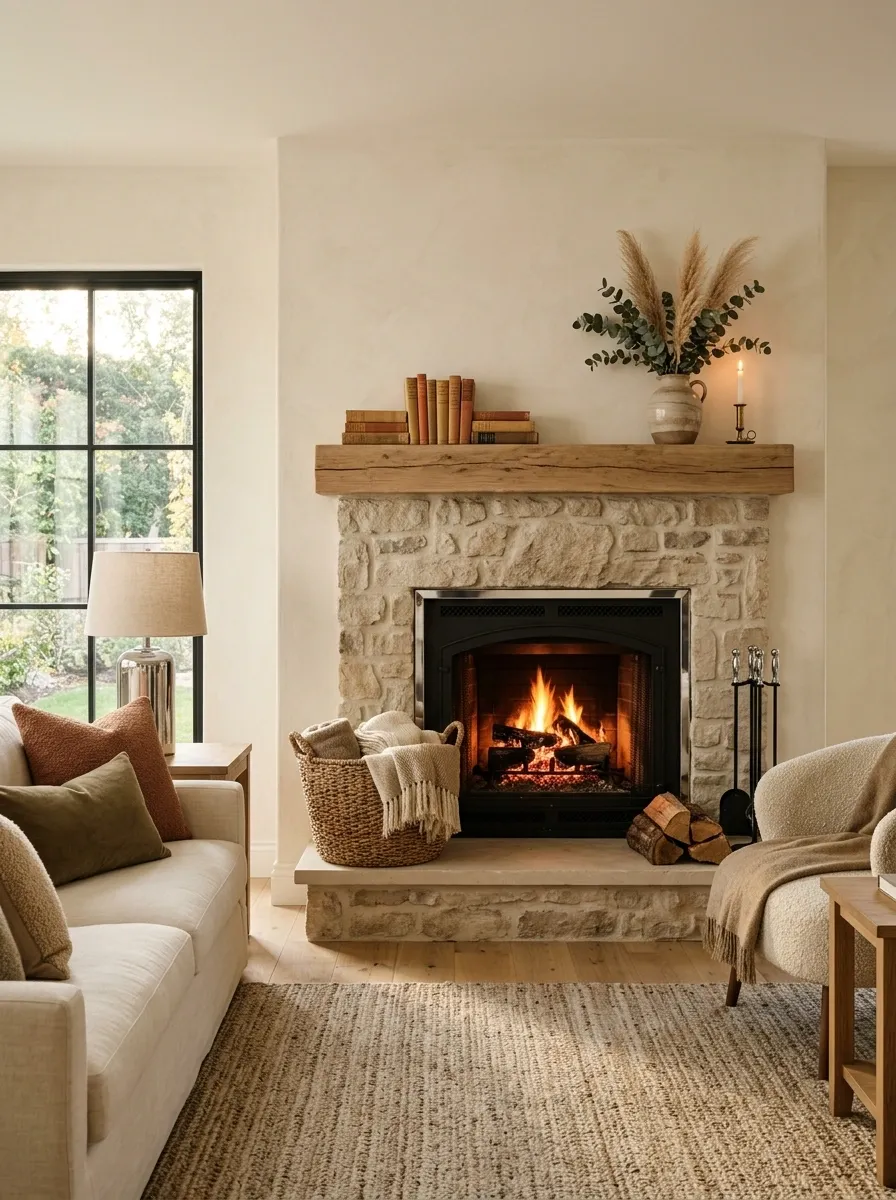
Chrome around a fireplace can look surprisingly warm when the surrounding materials carry enough texture.
Use chrome as a thin trim, a simple fire-screen frame, or a pair of small reflective details. Then balance it with brick, limestone, plaster, wood, or a chunky mantel.
Don’t make the fireplace symmetrical just because the metal is symmetrical. A slightly relaxed arrangement feels more residential.
The fireplace should still feel like the room’s anchor, not a piece of futuristic machinery.
Add Chrome Legs to Upholstered Furniture
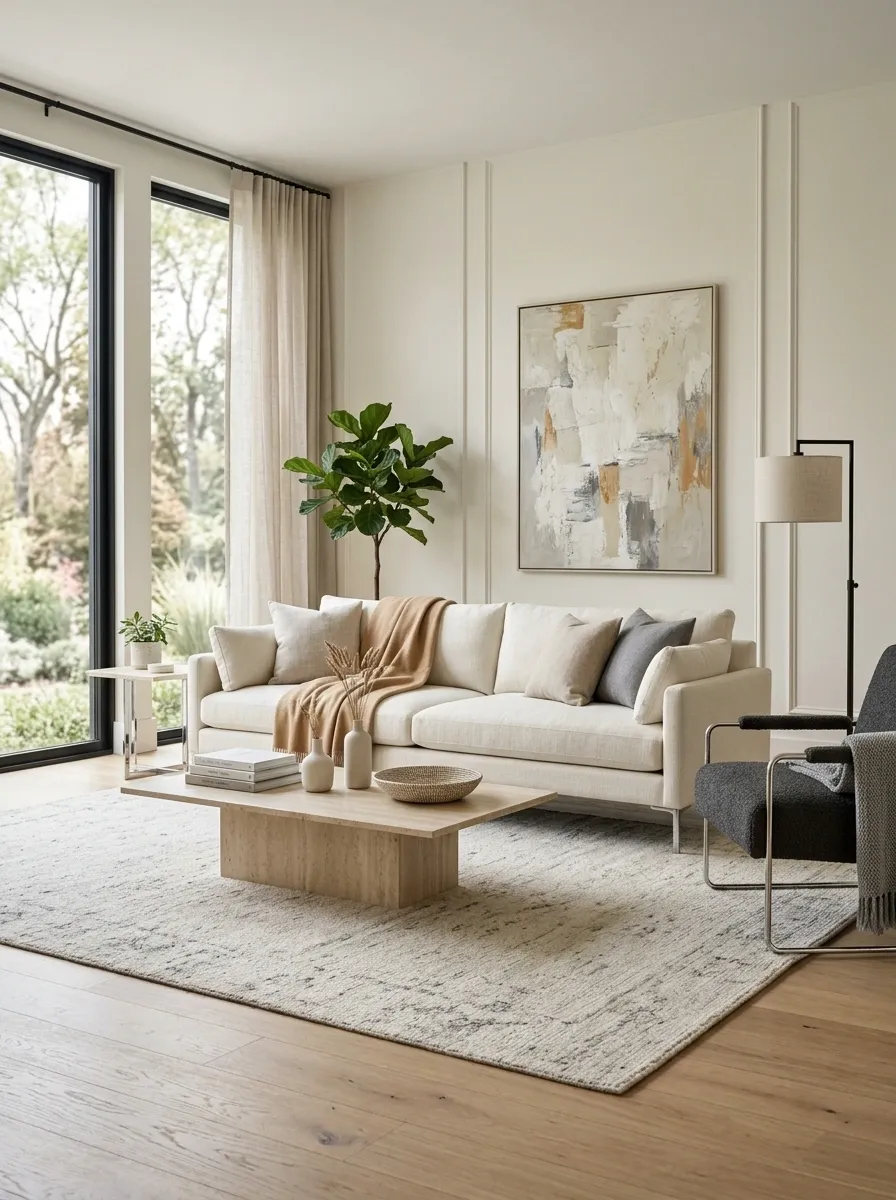
Chrome doesn’t have to be the main attraction. Sometimes the smartest place for it is underneath something soft.
A chair, bench, ottoman, or sofa with slim chrome legs gets a cleaner outline without adding another shiny object at eye level. The upholstery does the visual heavy lifting while the metal quietly lifts the furniture off the floor.
This works especially well with cream, oatmeal, camel, charcoal, and muted gray fabrics.
Choose narrow legs over chunky ones. Chrome looks better here when it feels like a fine structural line rather than a heavy base.
Use a Large Chrome Mirror as the Main Bedroom Statement
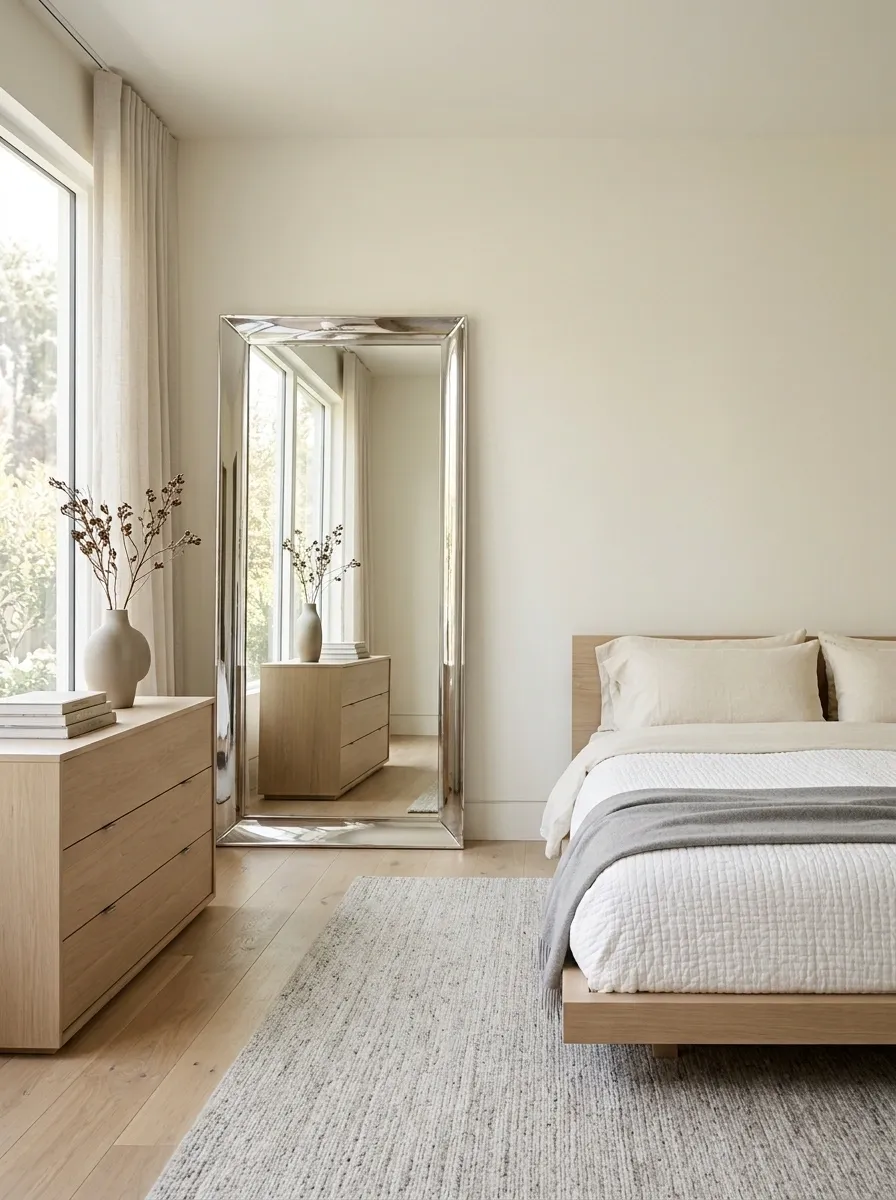
A large chrome mirror can make a bedroom feel finished without adding another piece of furniture.
Place it where it can catch daylight from a window or reflect a lamp after dark. A tall rectangular shape works well beside a dresser, while a rounded frame softens a room filled with straight furniture.
Keep the bedding simple. Cream sheets, a textured duvet, and one throw give the reflection somewhere quiet to land.
Don’t hang a dozen small mirrors around it. Let the large one own the wall.
Keep Chrome Away From Too Many Glossy Surfaces
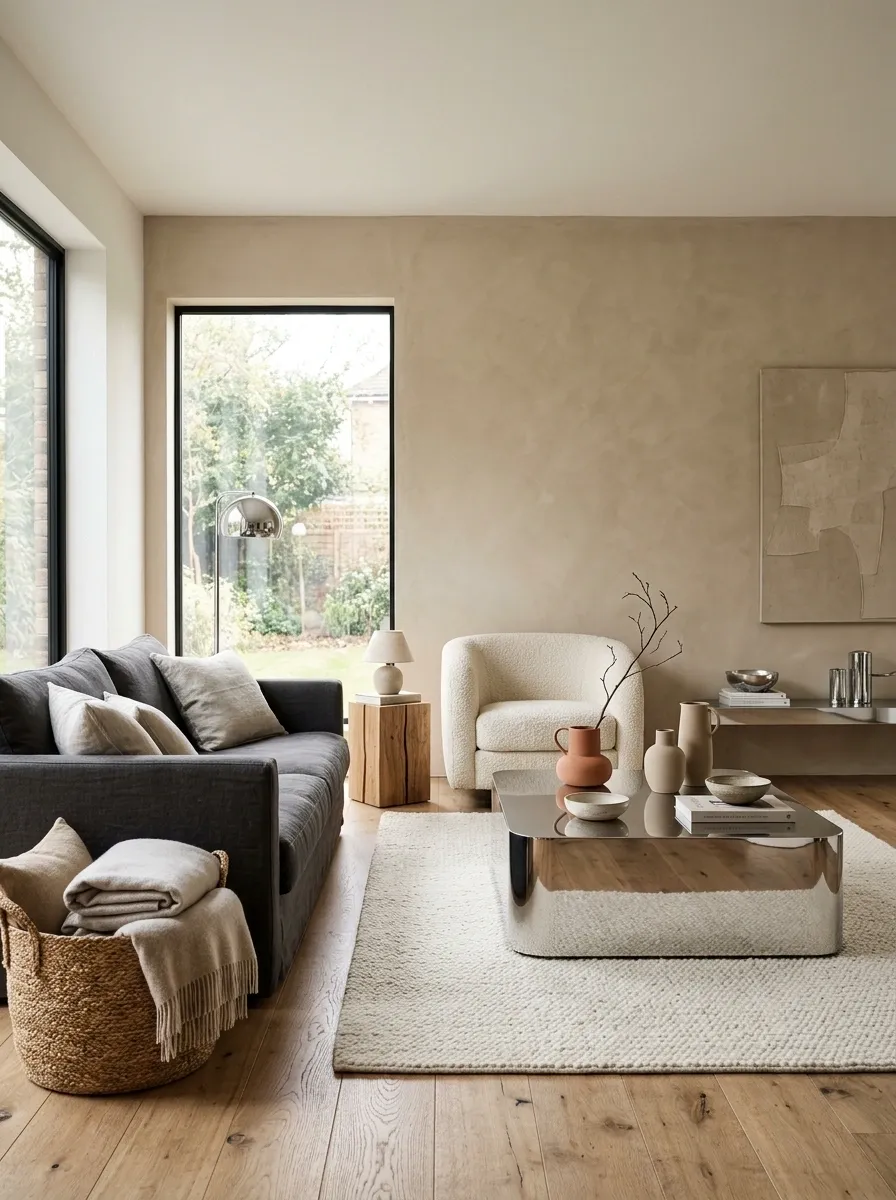
Here’s the warning worth remembering: chrome already creates shine.
Add glossy cabinets, lacquered furniture, mirrored accessories, polished stone, and glass all around it, and the room loses visual hierarchy. Nothing gets to be the star.
You don’t need to remove every reflective material. Just make sure some major surfaces are matte or textured.
The easiest correction: keep one reflective hero piece, then use linen, wood, plaster, stone, or woven materials around it.
Create a Chrome Entryway With One Reflective Hero Piece
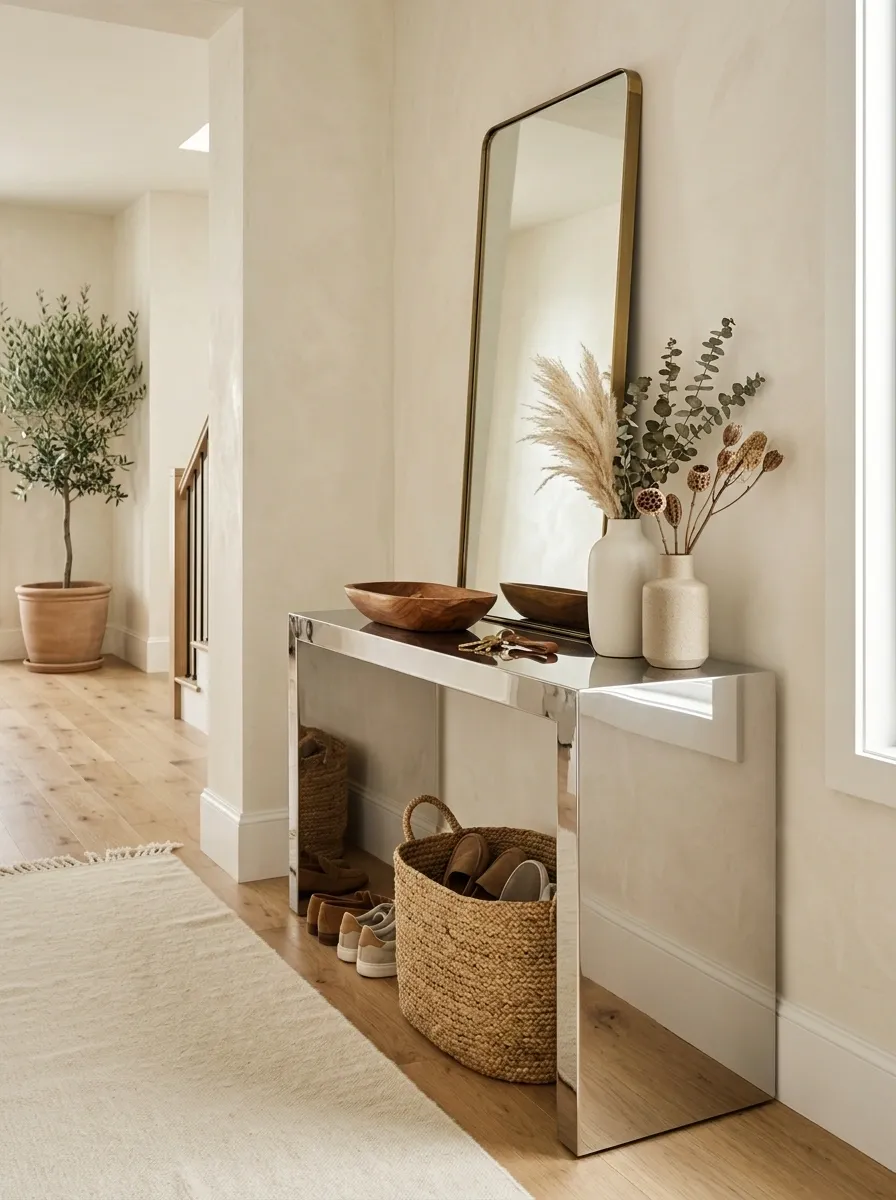
Entryways are small, which makes chrome especially useful there. You can get the reflective effect without committing an entire room to metallic finishes.
Choose one hero piece: a chrome console, a framed mirror, or a sculptural lamp. Then keep practical items simple. A woven basket for shoes, a wood bowl for keys, or a fabric runner supplies the warmth.
The entry should feel useful first. Chrome should sharpen the composition, not make the doorway feel like a display window.
Use Chrome Drawer Pulls to Update an Older Dresser
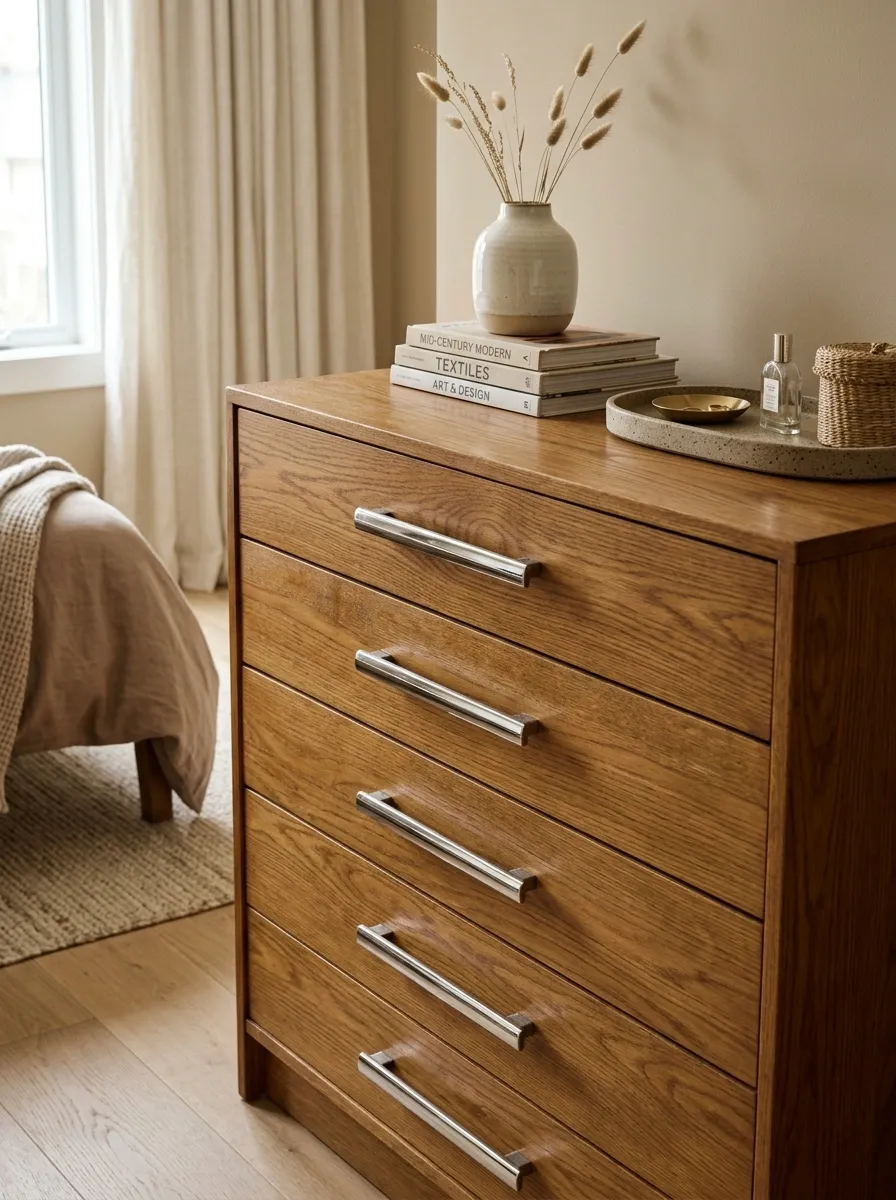
You don’t need a new dresser to change the entire feel of a bedroom.
Swap dated pulls for clean chrome hardware and keep the original wood finish visible. That combination works because the old surface supplies character while the metal brings a sharper, more current note.
Measure the existing hole spacing before buying anything. Matching the placement keeps the update simple instead of turning it into a furniture repair project.
Choose one hardware shape and use it consistently across the piece.
Combine Chrome With Stone for a More Architectural Look
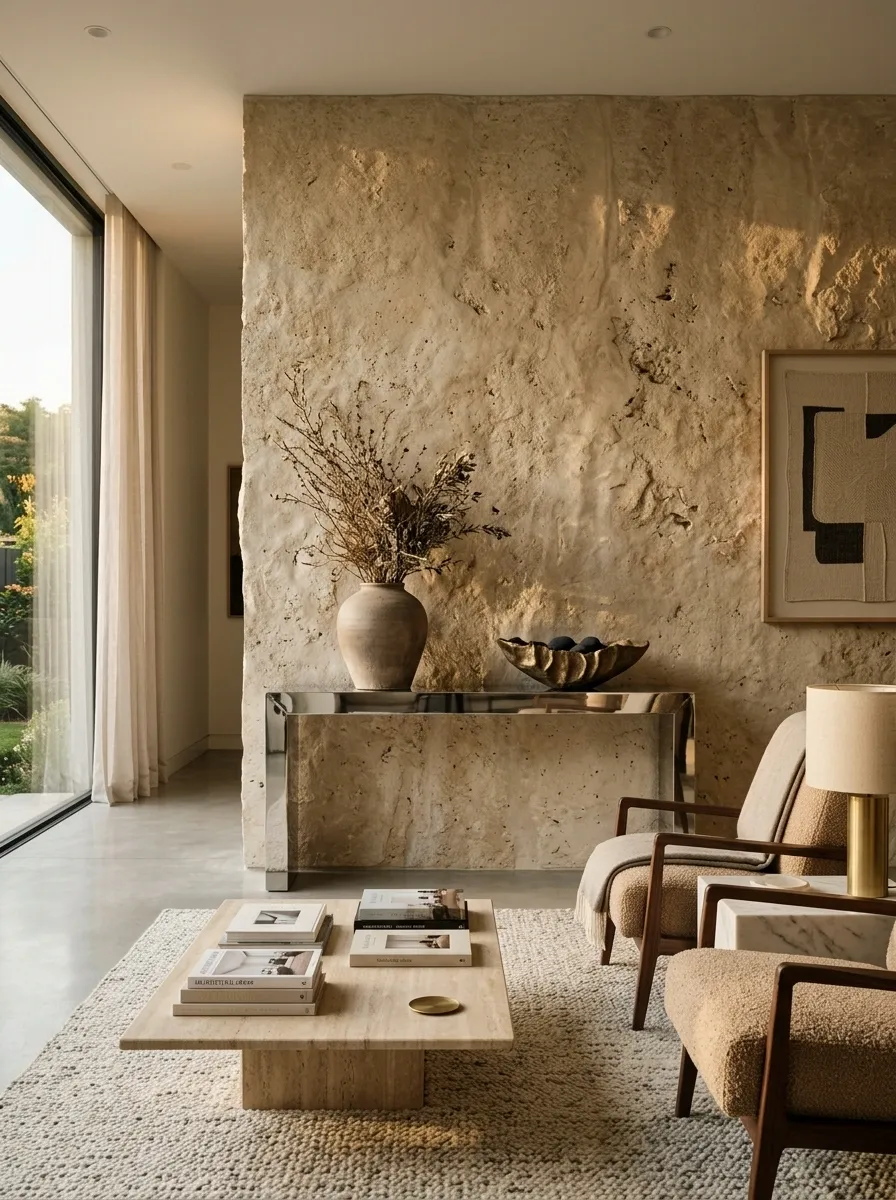
Chrome feels much more substantial when it meets stone.
A honed stone console, marble side table, travertine top, or limestone wall gives reflective metal a solid visual base. The contrast is important. Chrome catches light while stone absorbs it.
Skip highly polished stone if the room already has plenty of shine. A honed or lightly textured surface creates a stronger balance.
The combination works especially well in entryways, bathrooms, and living rooms where you want the room to feel structured without looking overly decorated.
Use Chrome Accessories Against Dark Walls for Contrast
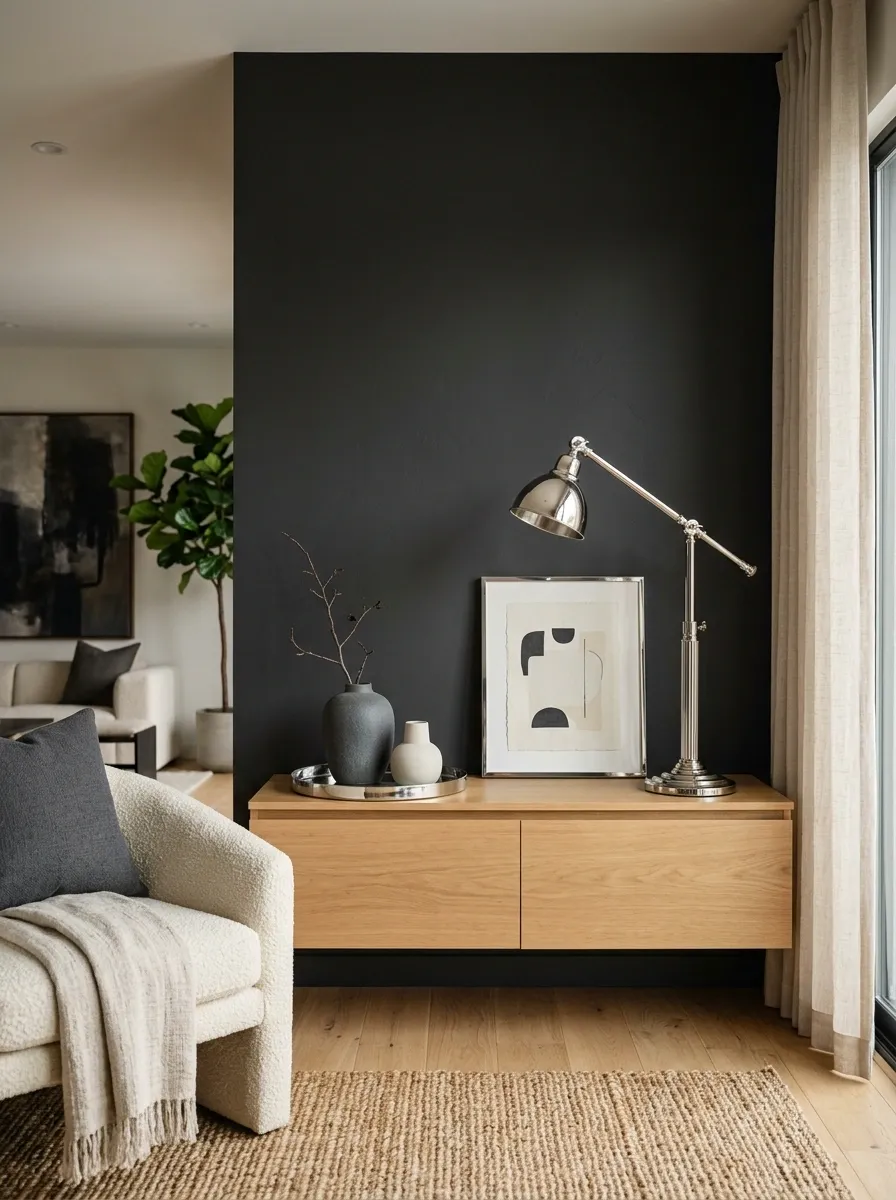
Dark walls make chrome dramatically easier to see.
A charcoal, deep green, navy, or nearly black wall gives reflective pieces a clear outline. A chrome lamp, framed print, mirror, or small sculpture won’t disappear into the background.
Keep the number of accessories low. The dark wall is already doing part of the decorating.
Use warm lighting in the evening so the chrome picks up softer reflections instead of looking harsh.
Add Chrome to a Soft Bedroom Without Losing Its Cozy Feel
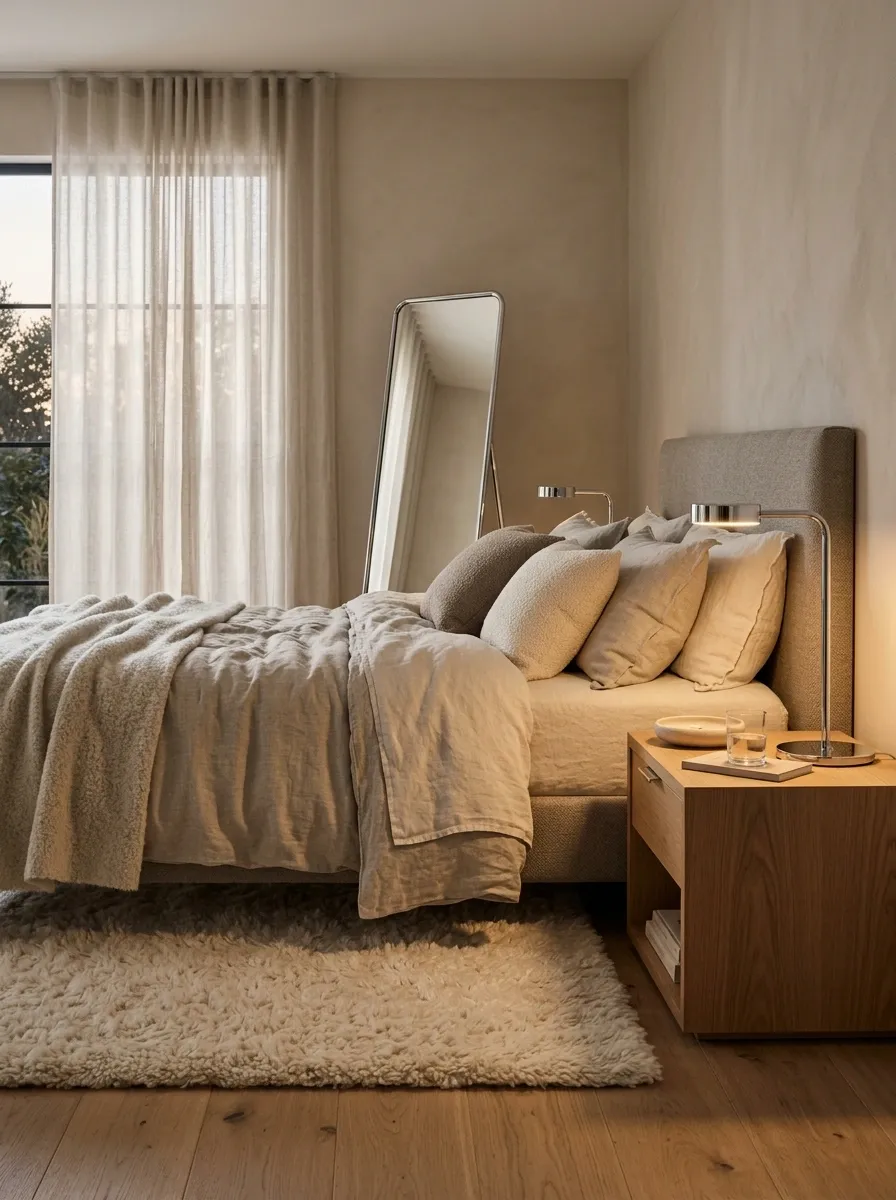
Chrome doesn’t have to make a bedroom feel cold.
Put the metal where it can be seen without dominating the bed. A chrome bedside lamp, slender bench frame, mirror edge, or small table works better than several metallic decorations scattered across the room.
Then build softness around it. Use layered bedding, fabric curtains, a rug underfoot, and one warm wood element.
The bedroom should still feel good at 11 p.m. with the overhead lights off. That’s the real test.
Repeat One Chrome Finish Across the Room and Stop There
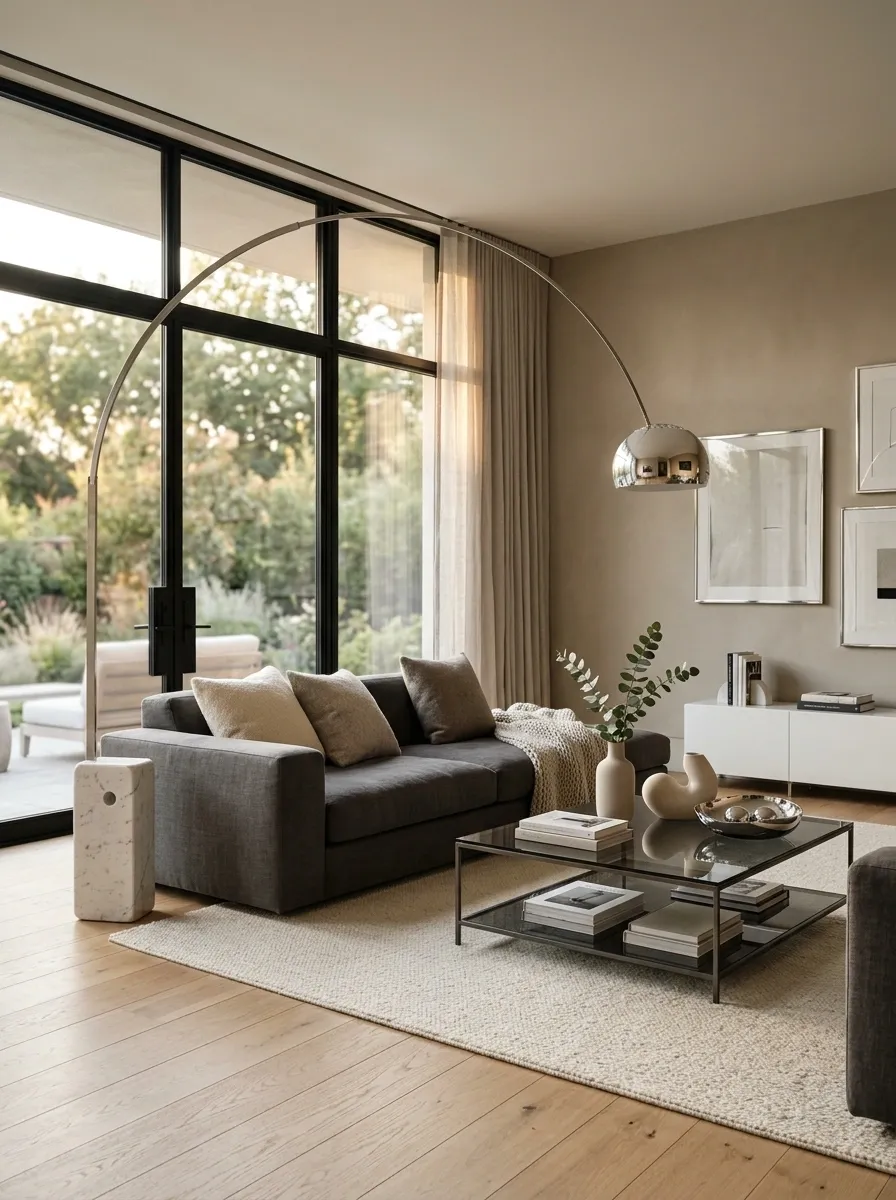
Consistency matters more than quantity.
Choose the chrome finish you actually like, then repeat that same finish in a few deliberate places. A polished chrome lamp shouldn’t suddenly be followed by dull pewter hardware and a yellowed antique silver mirror unless there’s a clear reason for the mix.
You don’t need exact matching. You need visual continuity.
Walk through the room from the doorway. Your eye should notice chrome in several places, but never feel surrounded by it.
Finish the Room With One Unexpected Chrome Detail
The last chrome piece shouldn’t be another obvious metallic accessory.
That’s where a slightly unexpected choice works better. Try a chrome umbrella stand in the entry, a reflective plant holder, a polished sculpture on a wooden shelf, or a chrome-edged tray on a dark coffee table.
The detail matters because it feels discovered rather than planned.
Put it somewhere you’ll actually see during everyday use. Good decor isn’t just about what photographs well. It has to make sense when you’re walking through the room with a coffee in your hand.
The Chrome Home Decor Rule That Pulls Everything Together
Chrome works when it has something to bounce light against and something quiet beside it.
That’s why the strongest rooms don’t simply add silver objects until the space looks finished. They use chrome selectively, then balance it with wood grain, stone, linen, upholstered furniture, warm lighting, or darker surfaces. The contrast makes the metal look richer and the entire room feel more intentional.
Start with the piece you actually want people to notice. Then repeat the finish in smaller places and stop before the room starts competing with itself.
A good chrome room should have reflection, but it should also have somewhere for your eye to rest.