
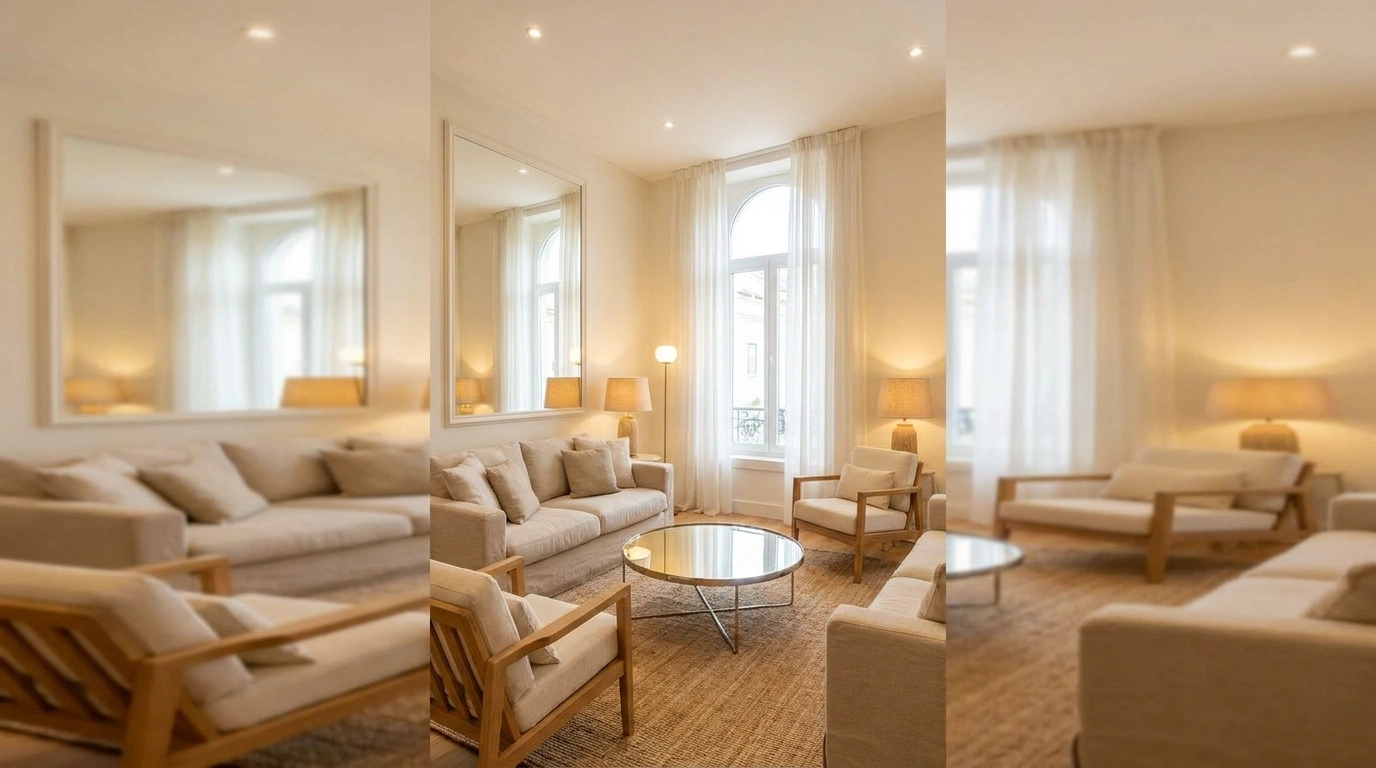
Dark rooms rarely look gloomy because they need more decoration. They look gloomy because the light is getting blocked, swallowed, or badly distributed.
A window can be sitting right there while heavy curtains cover half the glass. A pale wall can be surrounded by dark furniture. A ceiling fixture can blast light directly downward while the corners remain practically invisible. Then another little lamp gets added, because apparently the solution is to keep buying lamps until the room taps out.
The good news is that how to brighten up a dark room isn’t really about making everything white or replacing half the furniture. It’s about changing what the available light touches and where it travels.
Clear the window. Lighten the biggest surfaces. Open up heavy silhouettes. Bounce light where the room loses it. Use lighting at more than one height.
These fixes work because they change the room itself, not just the shopping cart.
Before You Blame the Room, Check These Crimes Against Daylight
Smart Ways to Brighten Up a Dark Room
Layer Multiple Lighting Sources Instead of Relying on One Overhead Fixture
A single overhead light in the center of the ceiling acts more like an interrogation lamp than a helpful glow.
Swap that solitary fixture for a combination of track lighting, concealed strip lights, and a low floor lamp to distribute warmth evenly.
The strategy is straightforward:
Layering different light heights washes the walls with a soft radiance and completely eliminates those harsh, dreary corners that a single bulb just ignores.
Hang Sheer Curtains That Let Daylight Reach the Whole Room
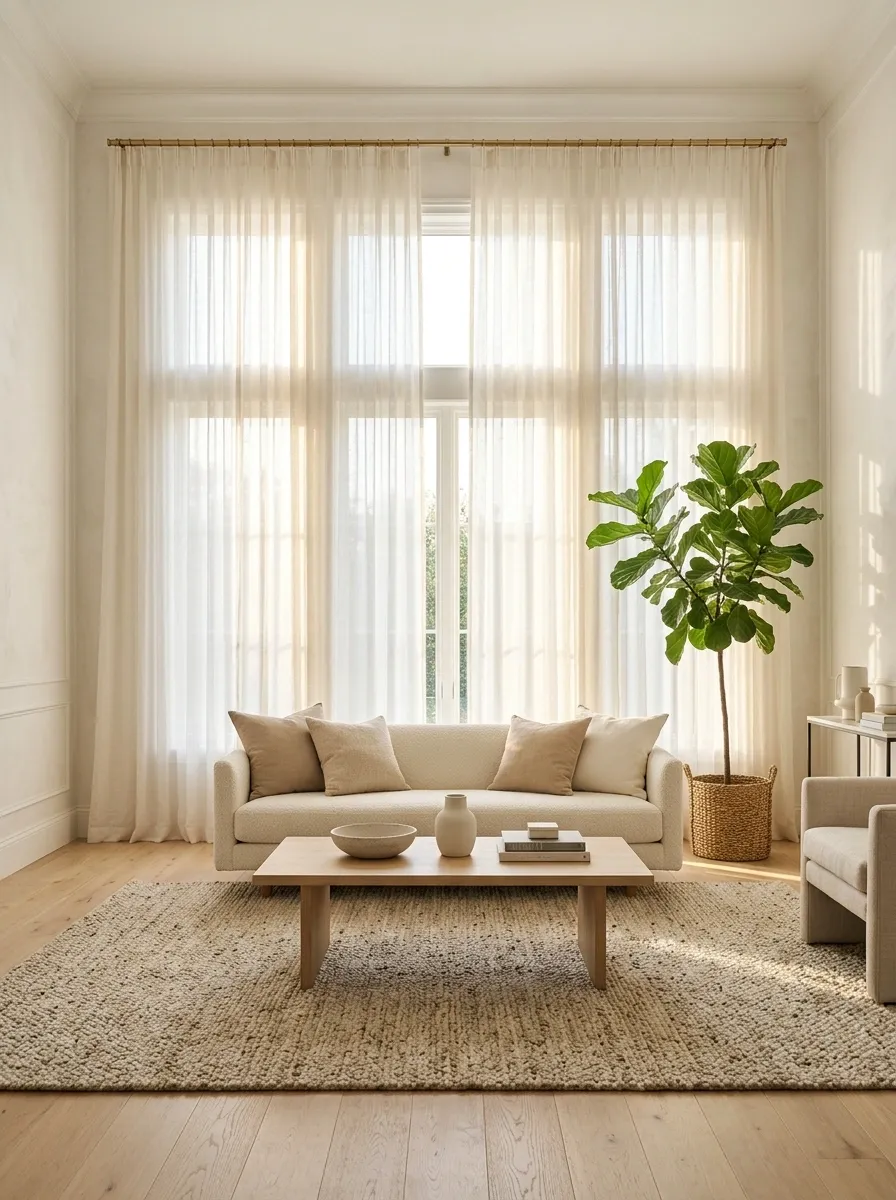
Heavy curtains can make a decent window behave like a tiny basement window.
Swap thick panels for sheer or lightweight curtains that still soften the view without swallowing the daylight.
The goal is simple:
- Keep the glass as exposed as possible during the day.
- Let the curtain sit outside the main window area.
- Choose a light fabric that doesn’t create another dark rectangle.
A sheer panel works especially well in living rooms and bedrooms where privacy still matters. The room gets softer light without looking like the curtains are staging a hostile takeover.
Embrace Warm Glows and Ambient Lighting Accents
Overhead glare can sometimes make a cozy space feel sterile when what you actually want is sanctuary vibes.
Introduce woven pendant lights, string lights tracing the roofline, and plenty of strategically placed candles to wrap the room in a gentle, welcoming ambiance.
The magic formula:
Textured shade overhead↓Glow of accent lamps and candles↓Maximum coziness at eye level
When natural light falls short, filling the corners with soft organic textures and warm illumination turns a dim room into an inviting retreat.
Move Tall Furniture Away From the Window

A tall cabinet parked beside the window can cast a giant shadow across the exact area that needs help.
Give the brightest part of the room some breathing room. A lower console, bench, or open side table keeps the window zone visually lighter.
Quick furniture check
☐ Nothing tall is crowding the glass
☐ A bookcase isn’t blocking the brightest wall
☐ Window-adjacent pieces stay below the main sightline
☐ The path from window to room feels open
This is one of those fixes that costs nothing and somehow gets ignored constantly. The giant cabinet can survive another wall.
Paint the Walls a Warm Off-White Instead of Stark Gray
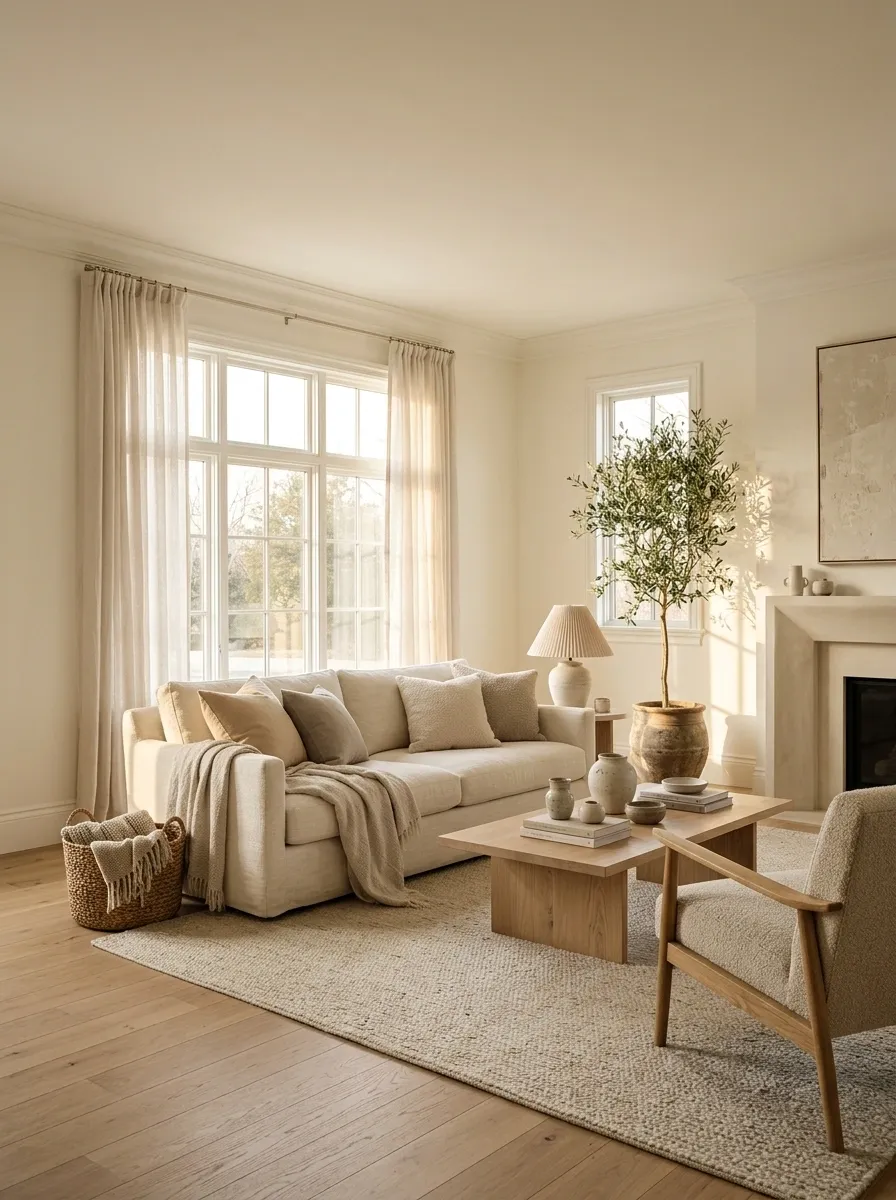
Not every “light” paint makes a room feel bright. Some cool grays make weak daylight look even flatter.
A warm off-white gives the room a cleaner backdrop without turning every wall into refrigerator white.
Better choices lean toward:
- soft ivory
- creamy white
- pale sand
- gentle greige
The trick is keeping the undertone warm enough to work with the existing daylight. Test the shade on the actual wall first because paint samples have a nasty habit of looking completely different once evening arrives.
Give the Ceiling a Clean Bright Finish
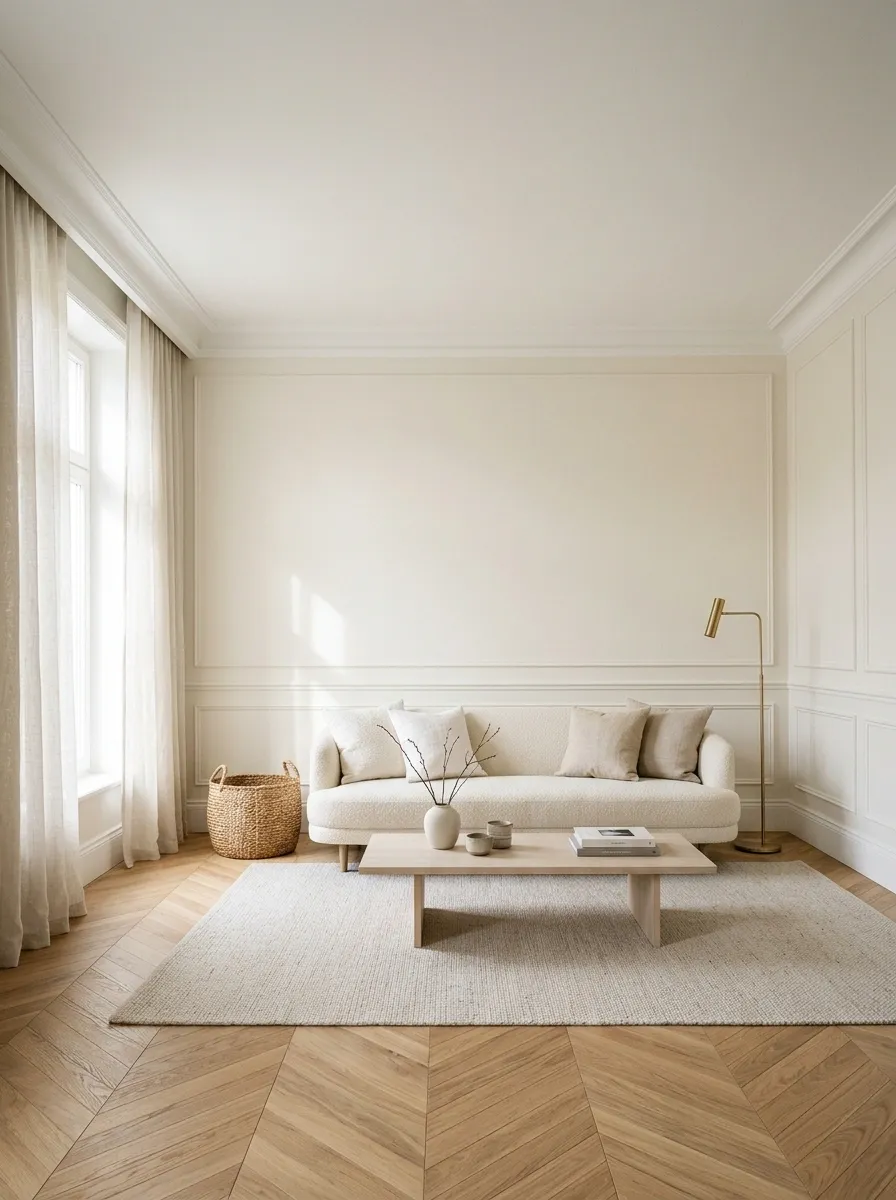
The ceiling gets ignored because it’s overhead. Convenient, but wrong.
A bright, clean ceiling helps the room feel lighter from top to bottom, especially when the walls aren’t receiving strong natural light.
The brighter-room formula:
Light ceiling
↓
Light upper walls
↓
Less visual heaviness above eye level
A dingy ceiling can undo some of the work happening on the walls. Keep the finish clean, avoid unnecessary visual contrast, and let the ceiling disappear into the room instead of becoming another dark surface demanding attention.
Replace Bulky Lampshades With Lighter, More Open Shades
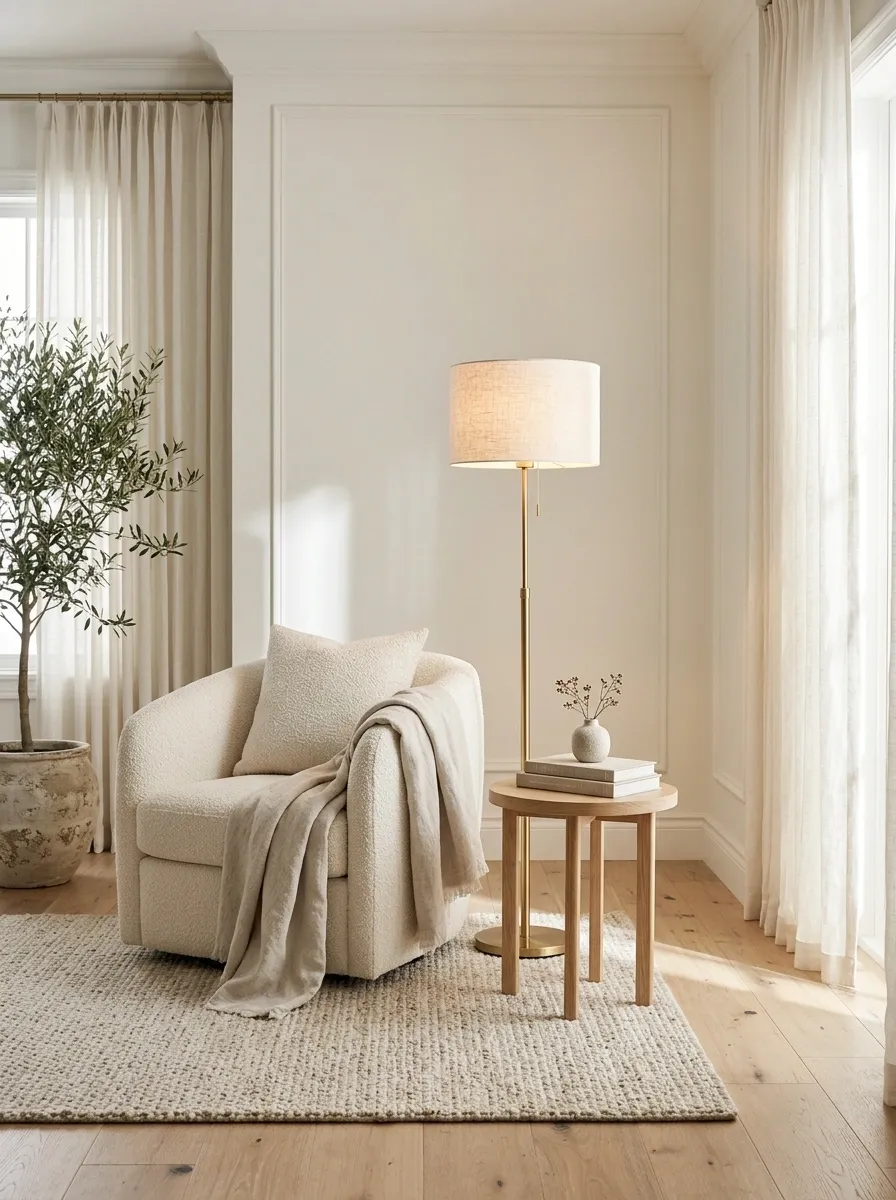
A lamp can be switched on and still make a room feel gloomy.
Thick, opaque shades trap a lot of the light. Choose linen, woven fabric, frosted material, or another light-diffusing shade that lets the glow spread instead of pointing it straight at the floor.
Quick shade swap
☐ Light-colored shade
☐ Open or translucent construction
☐ Soft diffusion instead of harsh glare
Skip the giant dark drum shade if the room already feels heavy. It doesn’t need another visual weight hanging from the ceiling.
Layer Floor, Table, and Wall Lighting Instead of Relying on One Fixture
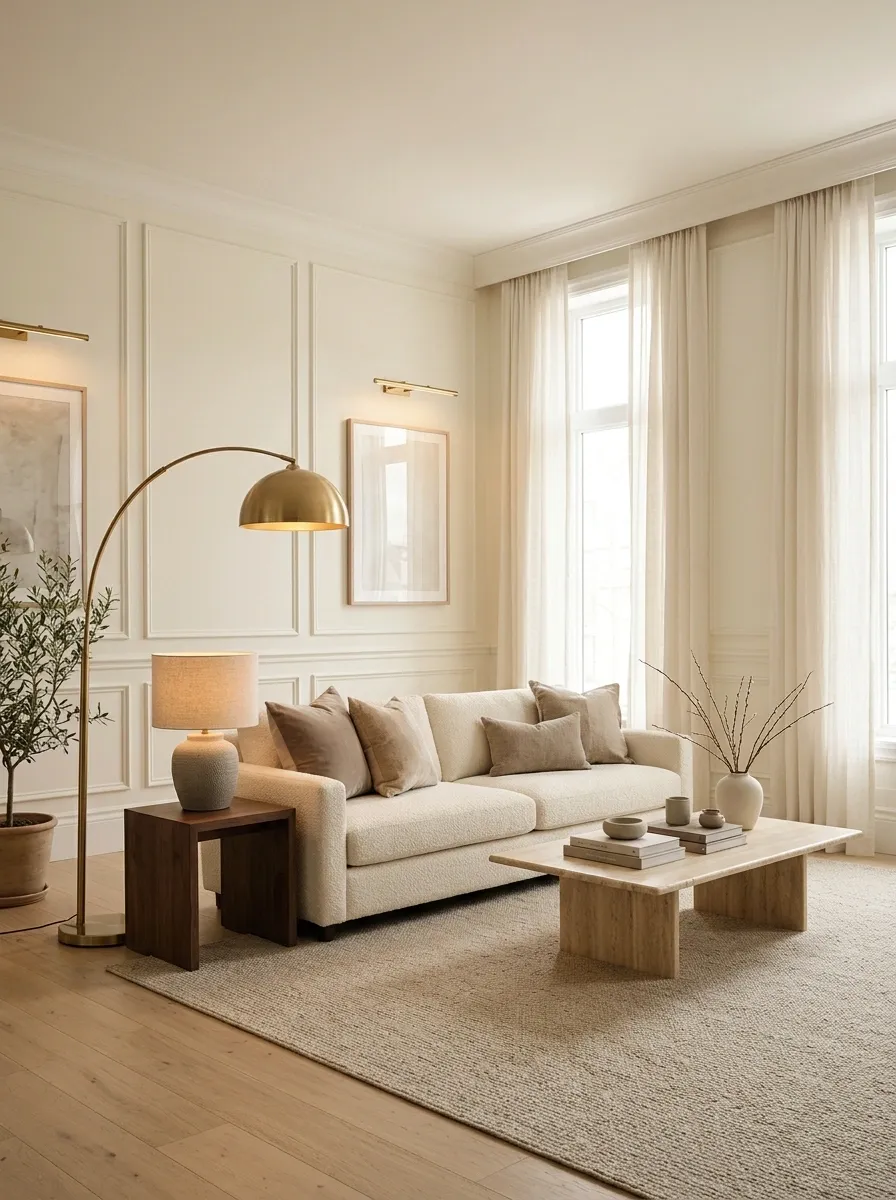
That one ceiling light isn’t a lighting plan. It’s an SOS signal with a switch.
A brighter room at night needs light at different heights. Put useful illumination near the floor, eye level, and work areas so shadows don’t pile up in the same corners.
Build the room in layers:
- Ambient: the main room light.
- Task: a lamp beside a chair, desk, or bed.
- Accent: a smaller light aimed at artwork, shelving, or a dark corner.
Once the room stops depending on one central bulb, it starts feeling brighter without needing every fixture switched on at once.
Swap Dark Bulky Furniture for Pieces With Visible Legs
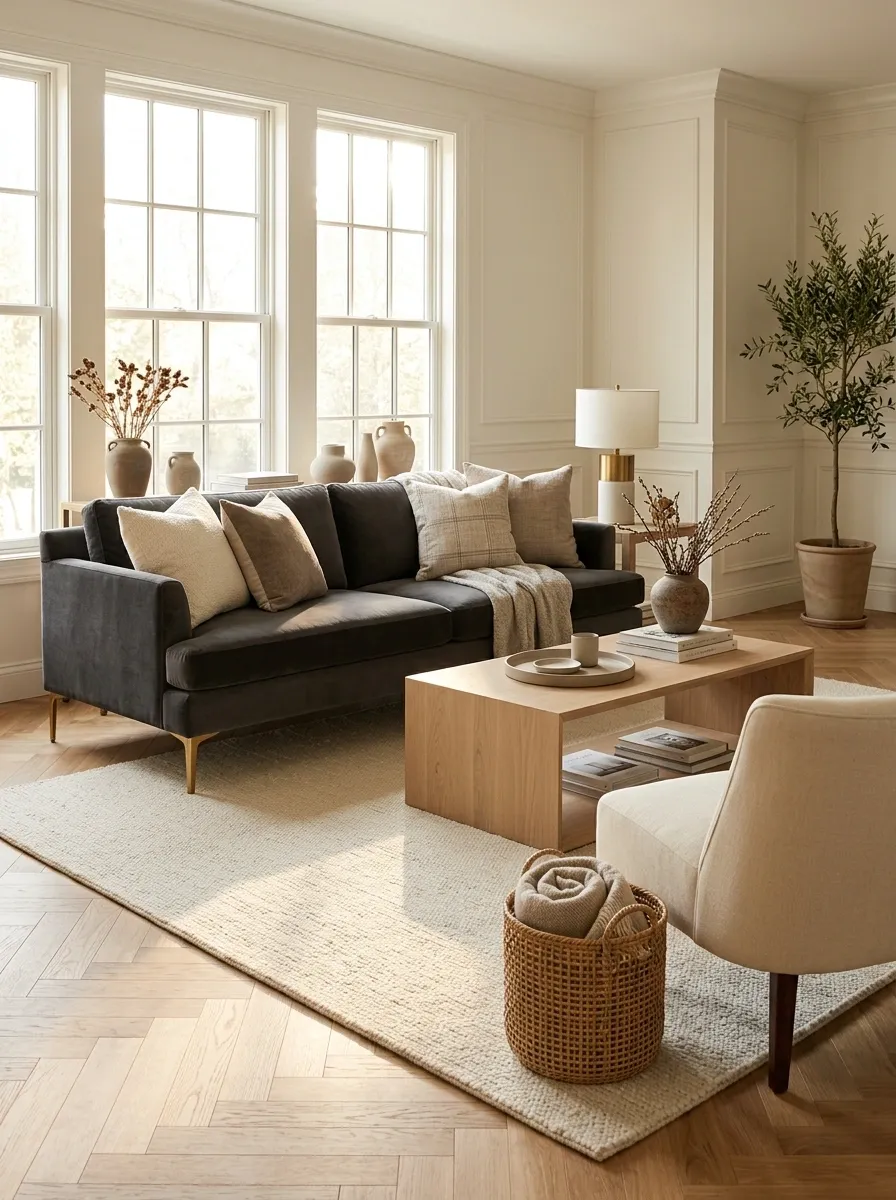
A solid furniture block sitting on the floor makes the whole room feel heavier. That’s especially obvious in small living rooms and bedrooms.
Furniture with visible legs lets more of the floor remain exposed, so the room reads as lighter and less crowded.
Look for:
- sofas raised slightly off the floor
- chairs with open legs
- consoles with space underneath
- beds with a little visible floor around the base
This doesn’t mean replacing every dark piece. One or two lighter silhouettes can be enough to break up a wall of visual weight.
Point a Floor Lamp Toward the Wall, Not Straight Across the Room
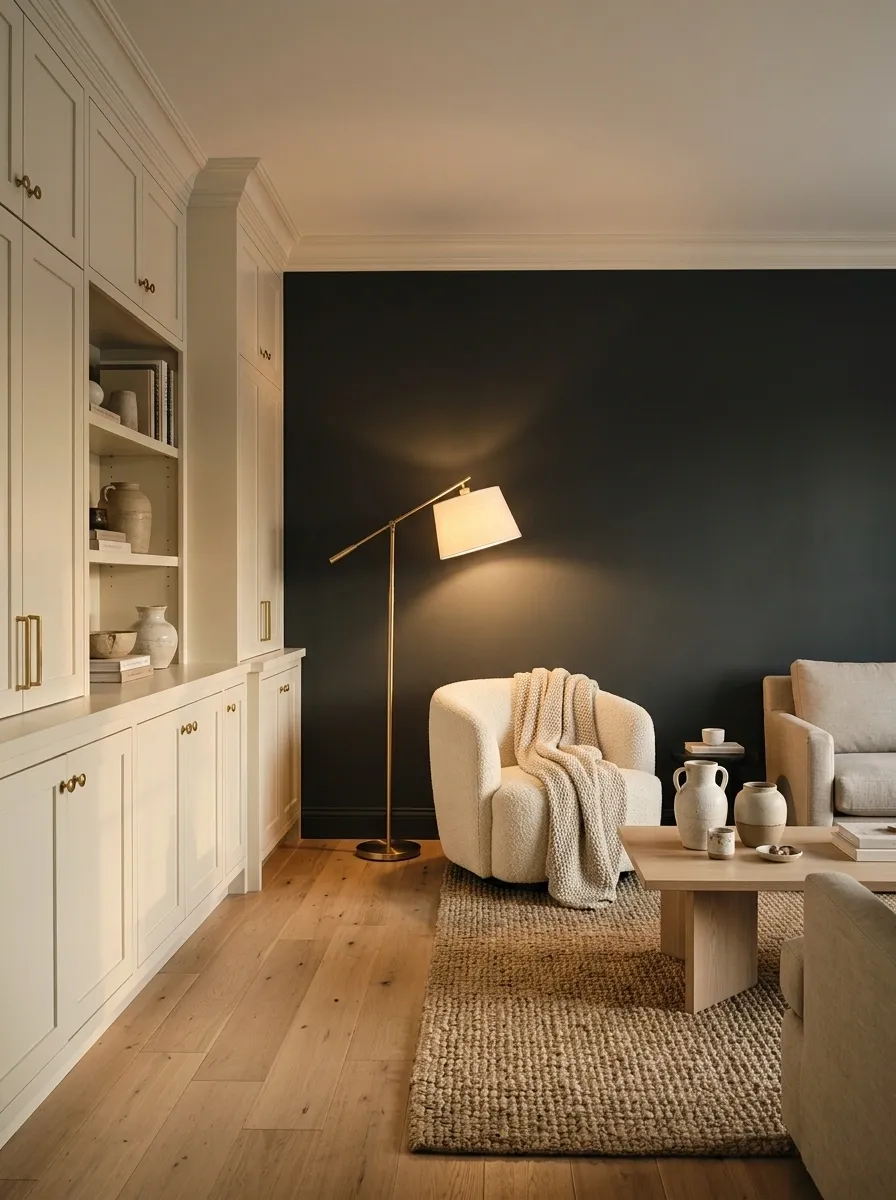
The easiest way to soften a dark wall is to stop throwing light into the middle of the room.
Aim a floor lamp toward a blank wall and let the light bounce back. The result is softer, broader illumination than a bare bulb blasting directly into the seating area.
Try this setup:
- Put the lamp a short distance from the dark wall.
- Turn the shade toward the wall.
- Keep the beam above the main furniture line.
- Check the wall after dark.
That empty wall suddenly becomes useful. It catches the light instead of sitting there looking suspiciously gloomy.
Repeat Light Tones Across the Biggest Surfaces
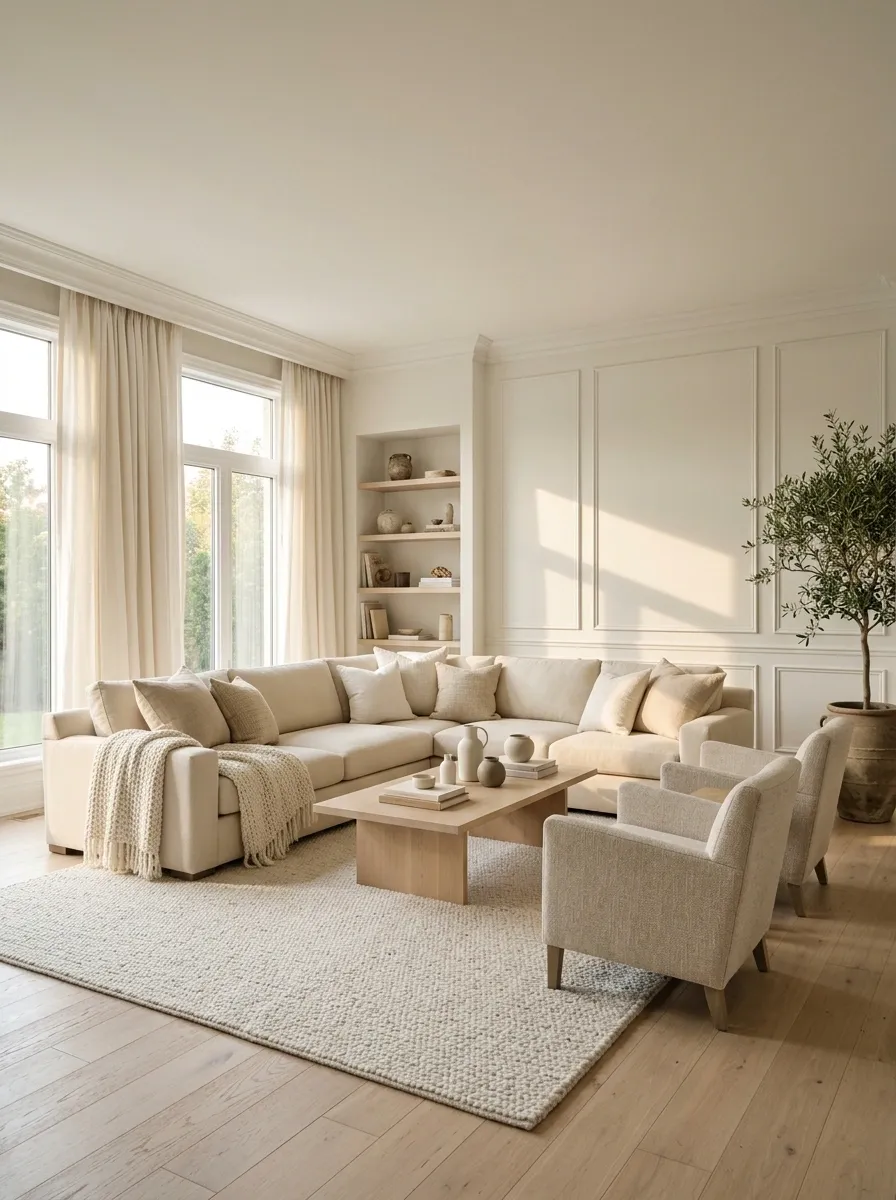
One pale cushion won’t rescue a room covered in dark visual weight.
Brightness works better when the larger surfaces speak the same language. Repeat a light tone across the curtains, rug, sofa, bedding, or upholstery so the room has a continuous brighter base instead of random pale accessories floating around.
Build the chain like this:
- Window: soft ivory or cream
- Main furniture: warm light neutral
- Floor: pale rug or lighter finish
- Smaller textiles: repeat one of those tones
The room starts reading as one lighter composition. That’s far more convincing than scattering twelve beige cushions around and declaring victory.
Keep the Window Wall Visually Quiet
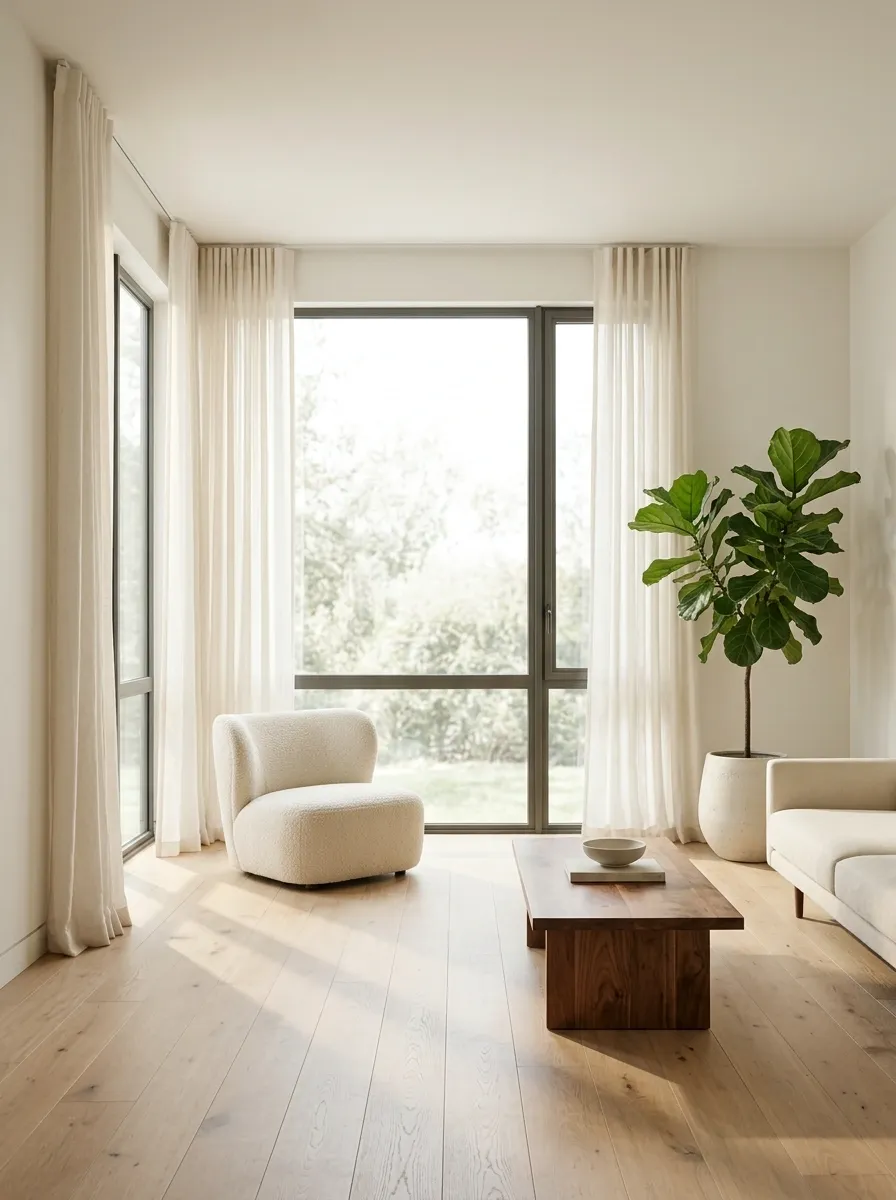
The window is already doing the hard work. Stop making it compete with a crowded collection of furniture and decor.
Clear the area immediately around the glass and keep the largest nearby pieces low. A plant can stay. Three baskets, a floor mirror, a towering shelf, and a decorative chair having a group meeting beside the window cannot.
Quick declutter test
☐ Can the full window be seen easily?
☐ Does daylight have a clear route into the room?
☐ Is anything tall creating a heavy silhouette?
☐ Would removing one object make the area calmer?
A bright window deserves breathing room. It shouldn’t need security clearance to get into the room.
Add Glass and Acrylic Pieces Where the Room Feels Heavy
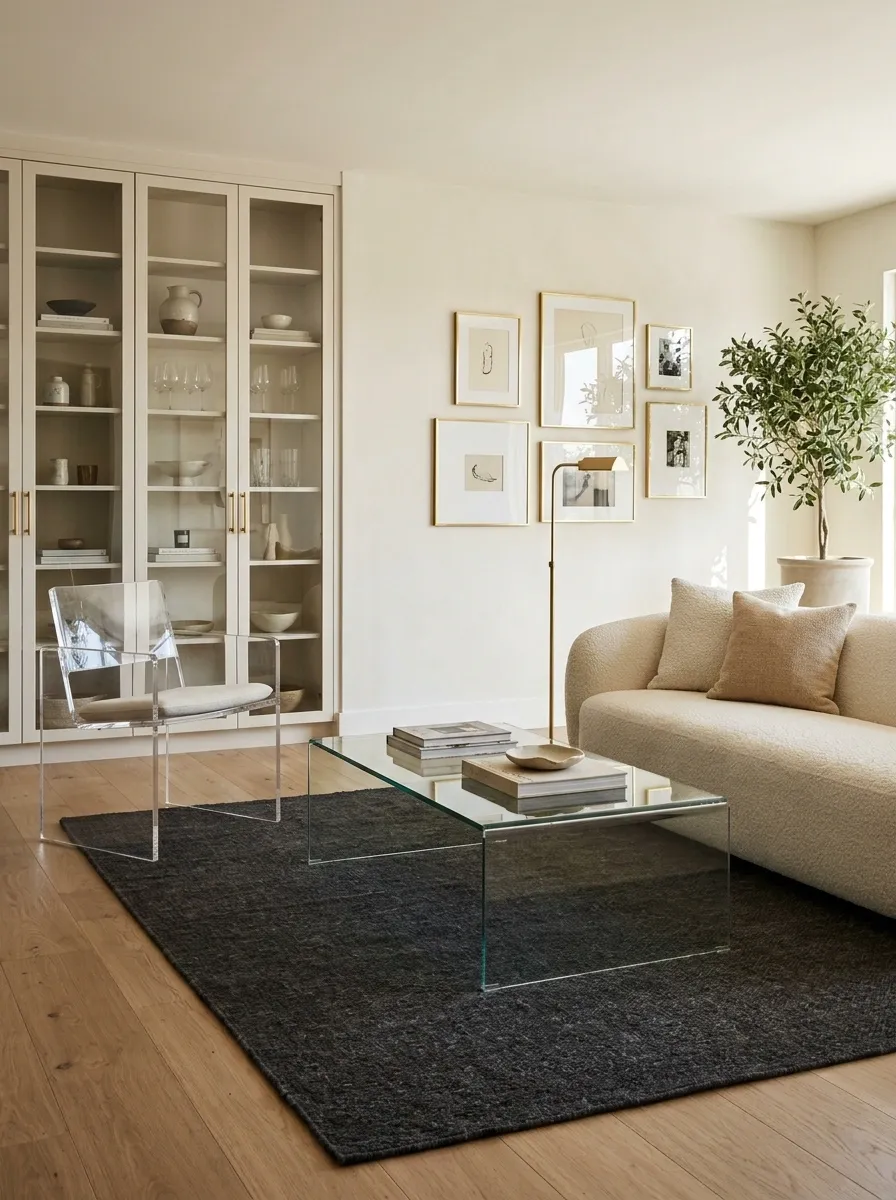
Reflective materials aren’t only about shine. Glass and acrylic can occupy useful surface area without creating another chunky visual block.
A glass coffee table can keep a dark rug from feeling boxed in. An acrylic chair can provide seating without adding another solid shape. A glass-front cabinet can break up a large storage wall while still doing its actual job.
Use reflective or transparent pieces where the room feels crowded, not everywhere.
One well-placed material change works better than turning every surface into a showroom of shiny objects. The goal is visual breathing room, not a furniture store having an identity crisis.
Use Warm White Lighting That Still Keeps Colors Clear
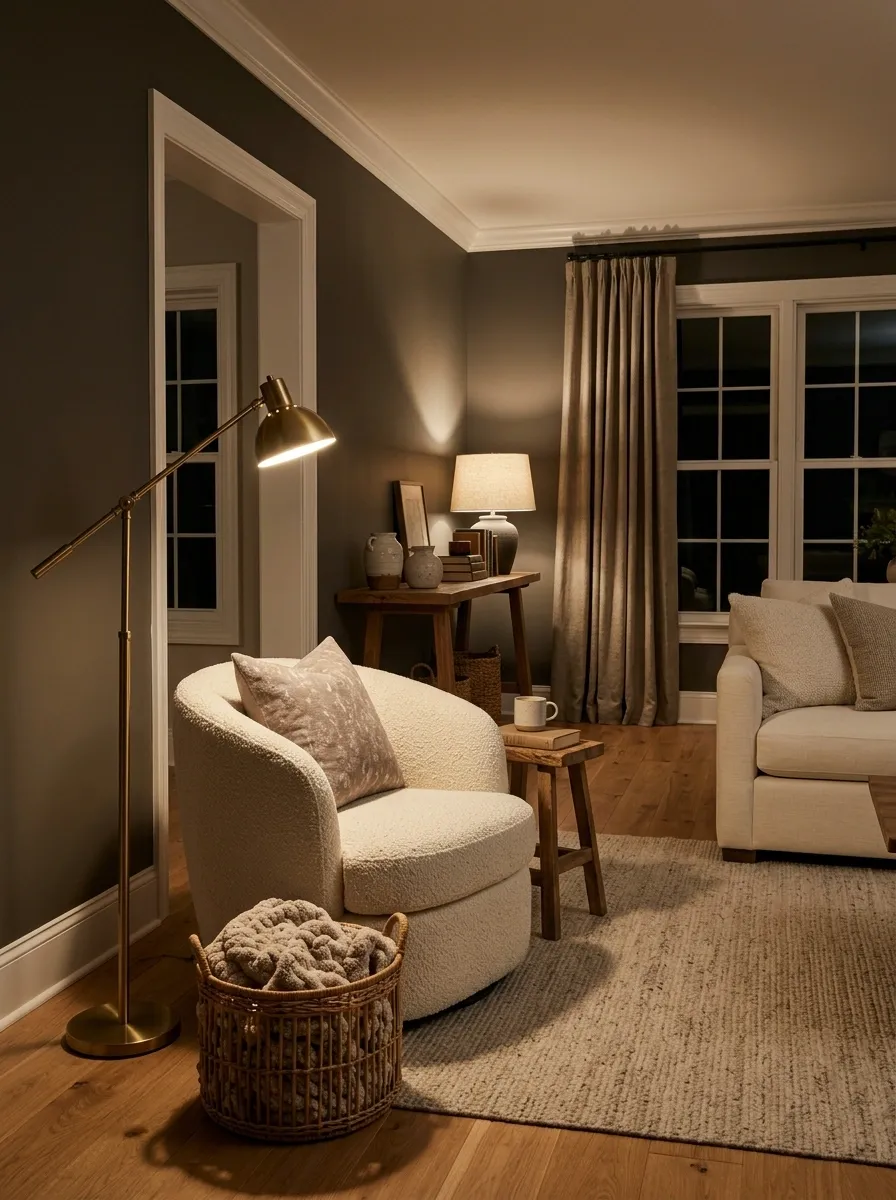
Cold, harsh light can make an already dark room feel strangely flat.
Choose bulbs and fixtures that produce a comfortable warm-white glow, then match the light to what happens in the room. A reading corner needs useful visibility. A bedside lamp needs softer illumination. A hallway needs enough light to stop the corners from disappearing.
Check the actual light in the room after sunset.
Bring the bulb choice into the context of the paint, wood, upholstery, and flooring. A bulb that looks great in a store can look completely different against a cool wall or a warm wood finish.
Lighten Dark Wood With a More Balanced Mix of Finishes
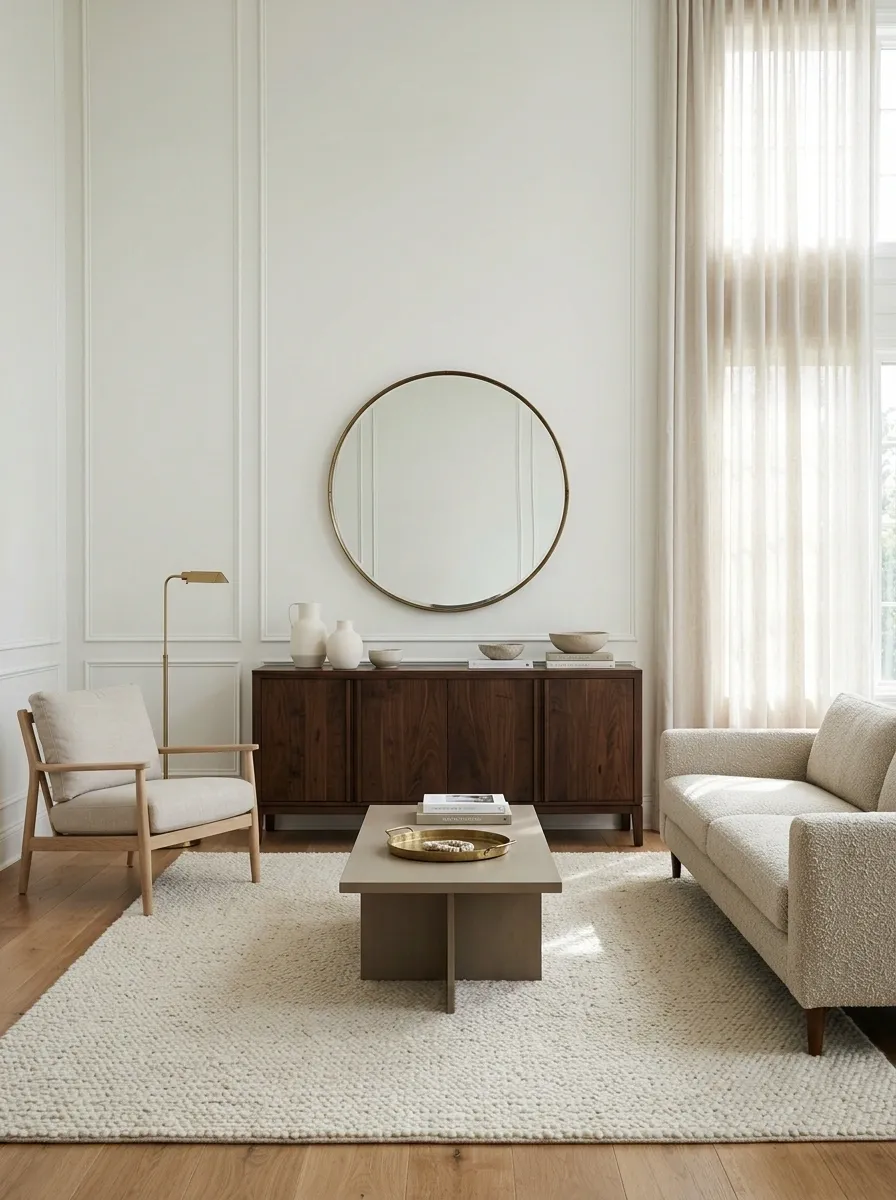
Dark wood isn’t automatically a problem. An entire room of it is.
Keep the character of a walnut, espresso, or deep-stained piece, then surround it with lighter finishes so the wood becomes an anchor instead of the entire visual story.
Pair a dark wood cabinet with a pale wall, a light rug, airy curtains, and a reflective accent. The contrast makes the wood look intentional rather than gloomy.
The rule is simple: don’t fight every dark finish. Give it enough lighter material around it to breathe.
Otherwise the room starts looking like a collection of wooden monoliths waiting for a fantasy movie franchise.
Choose Furniture With a Lower Visual Profile
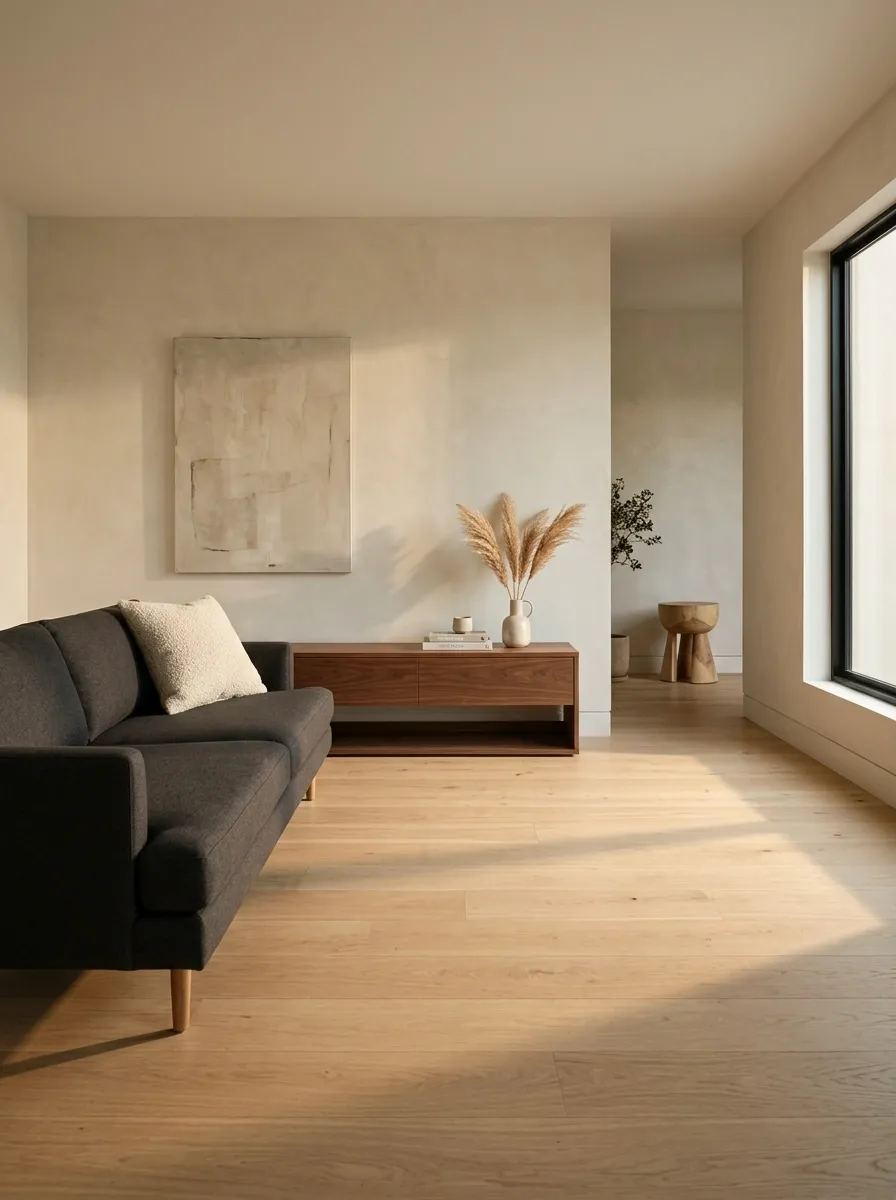
A dark room can feel much larger when the furniture stops towering over it.
Low sofas, streamlined bed frames, shorter cabinets, and open-base consoles leave more wall and floor visible. That extra breathing room matters because large pieces at eye level create a visual wall, especially in small rooms.
When a piece feels too heavy, check its height before replacing its color.
A dark low cabinet can look lighter than a tall pale cabinet simply because it occupies less of the visual field.
Place a Mirror Across From or Near the Brightest Light Source
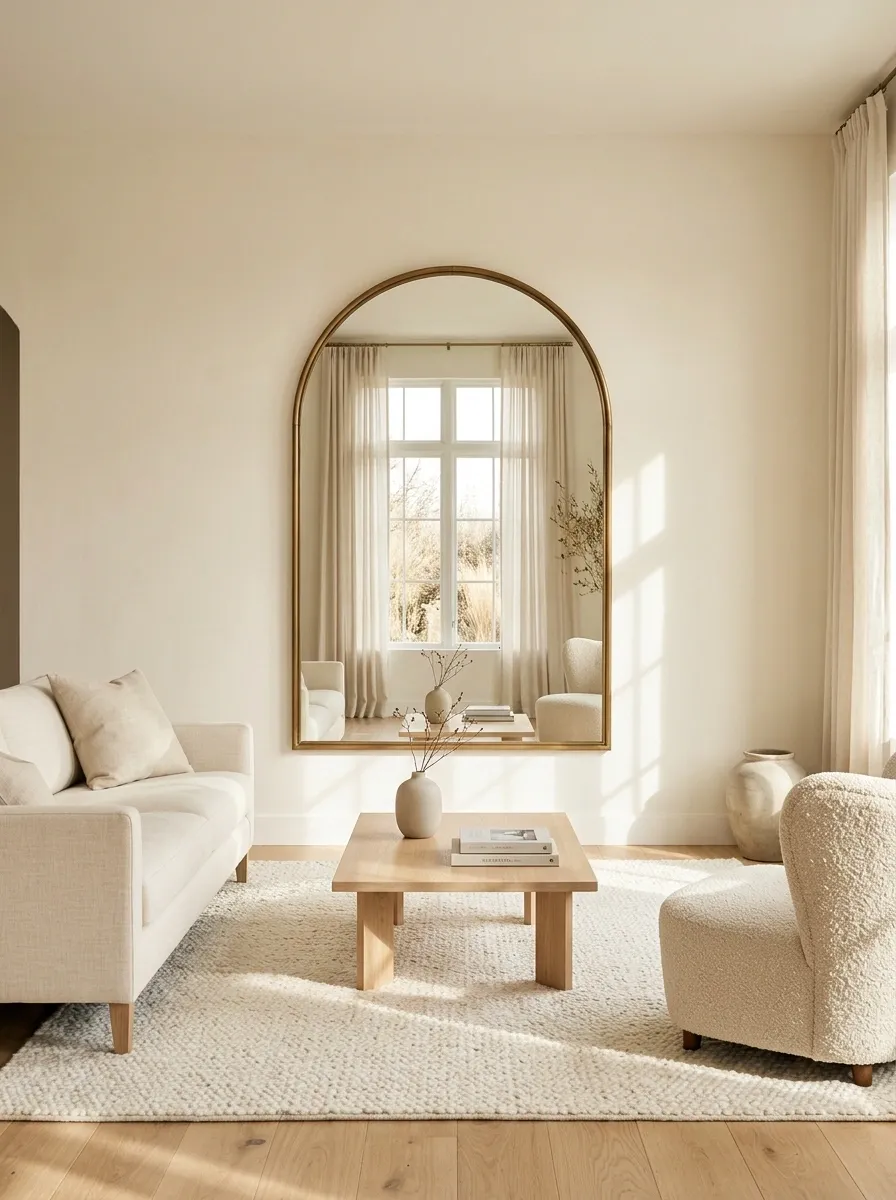
The mirror works hardest when it has something worth reflecting.
Put it where it can catch daylight from the window or pick up the brightest lamp at night. A mirror facing a dark bookcase is technically reflective, but that’s not exactly helping the situation.
Use this simple placement test:
- Find the brightest point in the room.
- Stand where the mirror could capture that brightness.
- Check the reflection from the main seating or sleeping area.
- Keep the reflected view attractive and light.
That last part matters. A mirror shouldn’t double the visual clutter. Nobody needs twice as many random baskets.
Use Warm Neutral Textiles Instead of Cold Dark Layers
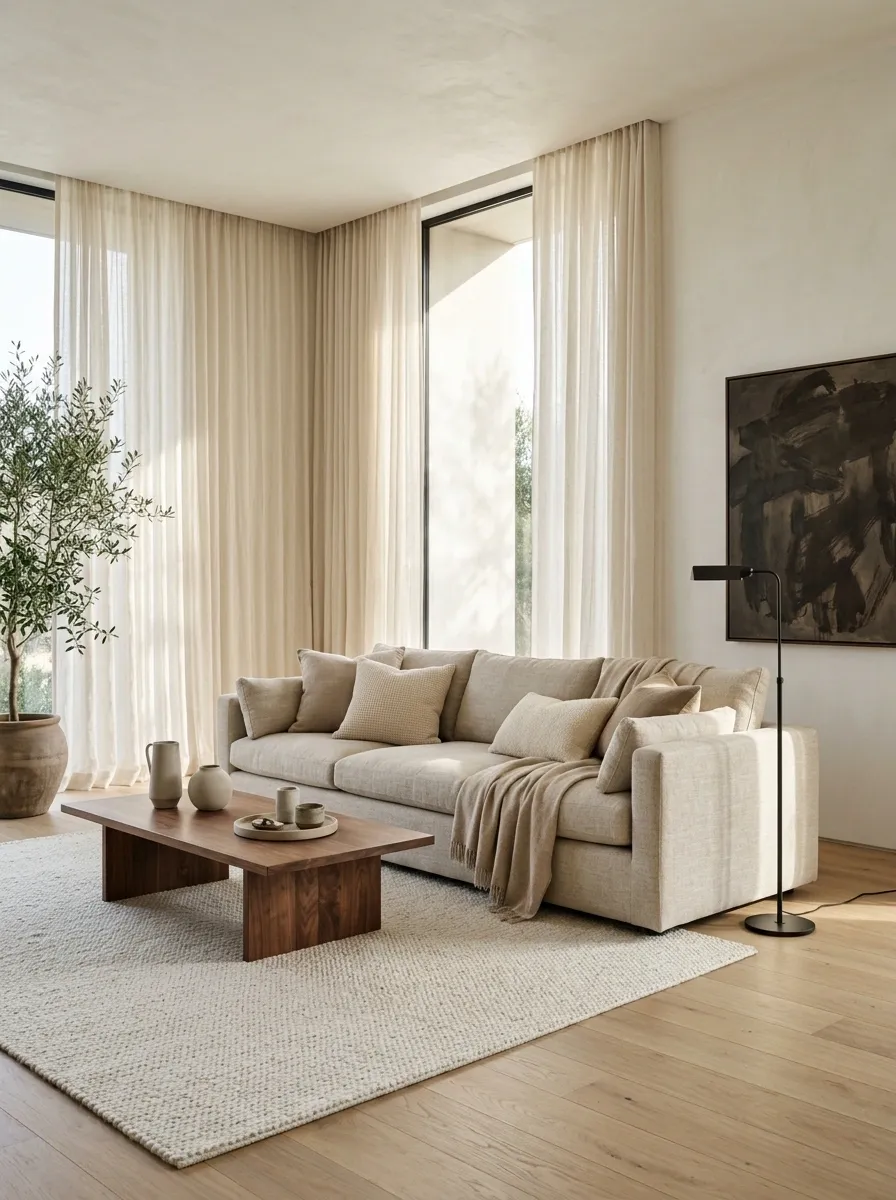
The soft stuff takes up a lot of visual space, so don’t treat pillows and throws like tiny afterthoughts.
Swap charcoal bedding, heavy black curtains, or deep brown upholstery accents for warm ivory, oat, sand, mushroom, or soft beige textiles. These shades keep the room from looking washed out while still making the larger surfaces feel lighter.
A simple textile reset:
- Start with curtains.
- Then lighten the biggest upholstered piece.
- Finish with bedding, cushions, or throws.
Don’t replace every dark accent. A little contrast keeps the room interesting. The goal is less “blanket fort at midnight” and more “daylight has somewhere to land.”
Brighten a Dark Corner With a Vertical Light Source
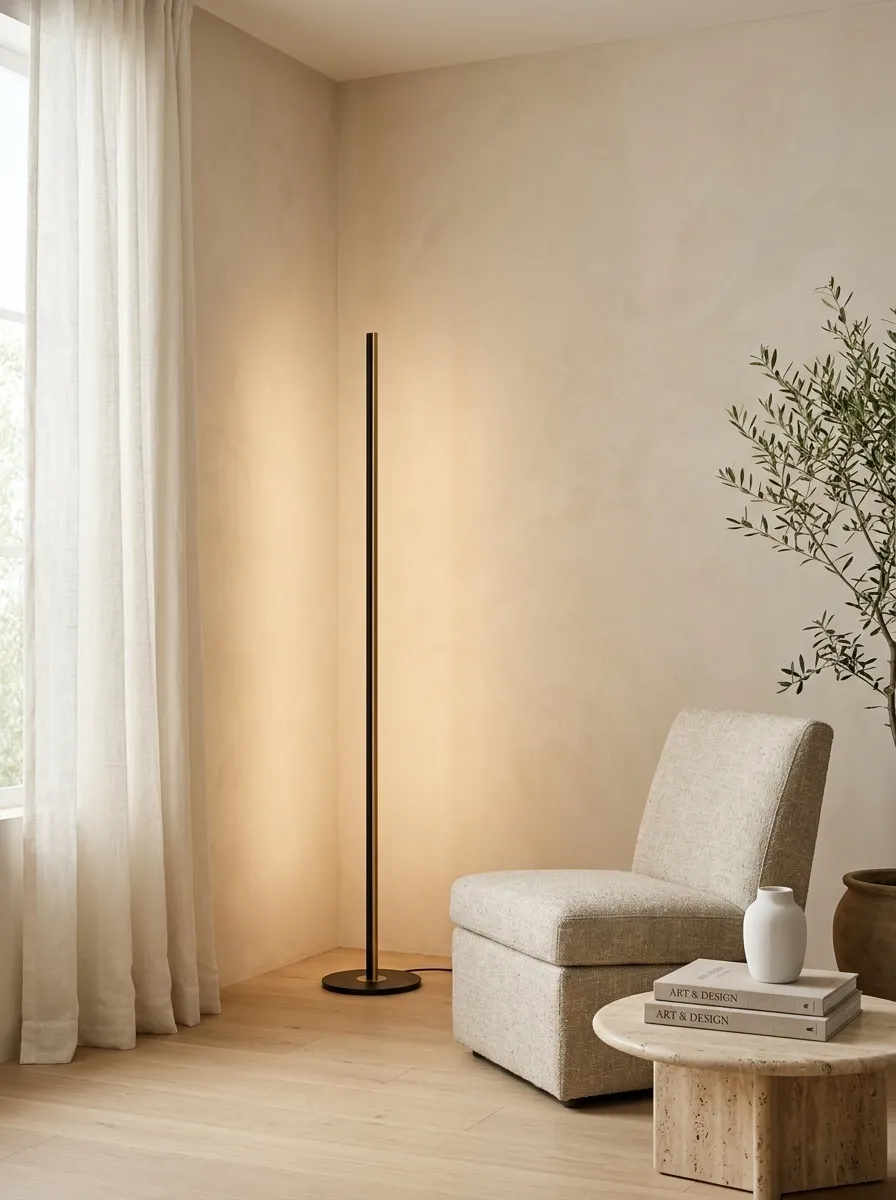
Every dark room has that one corner that seems committed to staying gloomy.
Give it a vertical light source. A slim floor lamp, tall uplight, or narrow lamp beside a chair can pull the eye upward while filling the dead space that overhead lighting misses.
Corner recipe
☐ Tall light source
☐ Small footprint
☐ Nearby wall or surface to catch the glow
☐ Enough empty space around the fixture
Don’t cram a huge lamp into the corner just because the corner is empty. The whole point is to make the area feel useful without replacing one dark obstruction with another.
Pull Furniture Slightly Away From the Walls
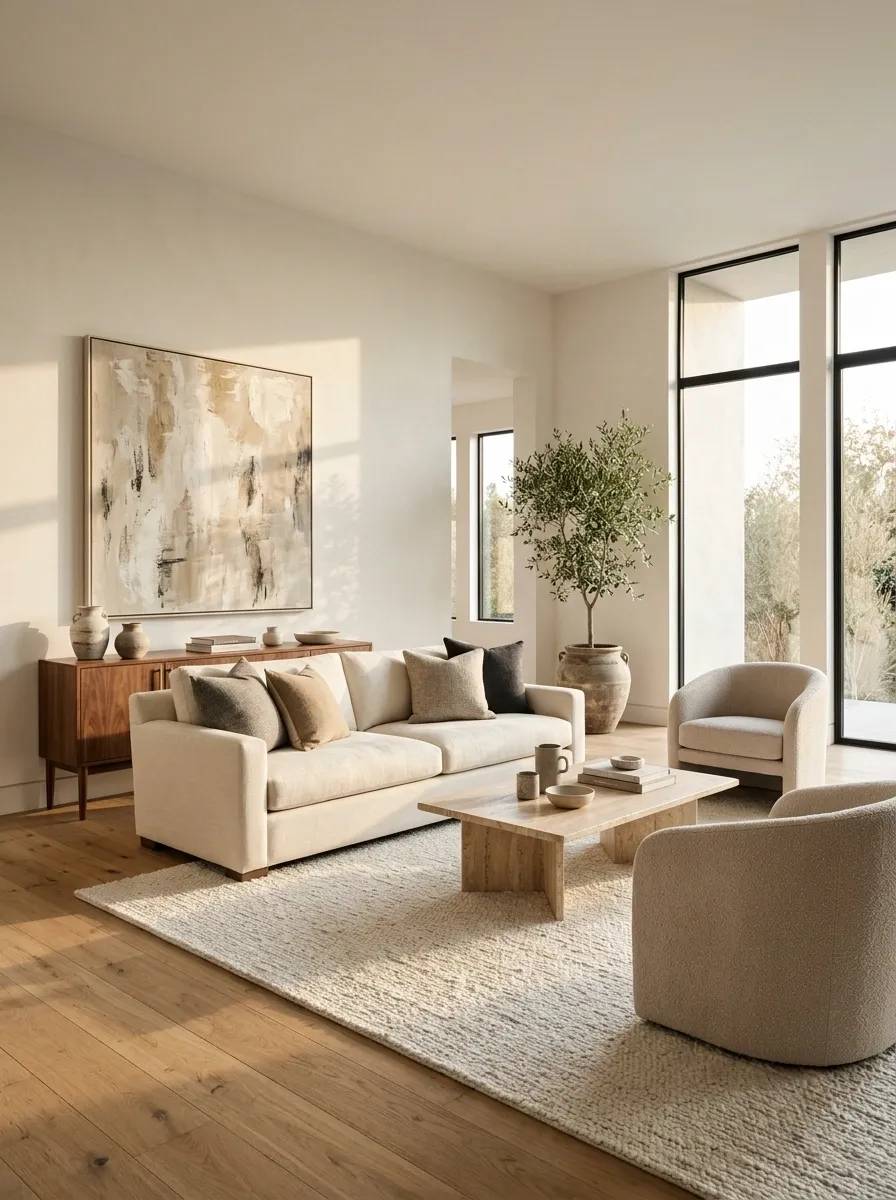
Pushing every piece hard against the wall feels efficient, but it often makes a room look tighter and darker.
Create a little separation around major furniture where the layout allows it. A sofa can sit slightly forward from the wall. A bed can have breathing room around its sides. A console can stop looking glued to the baseboard.
Start with the biggest piece in the room.
Move it enough to create a visible gap, then check the new sightlines. That small change can expose more floor, make shadows less concentrated, and stop the room from reading like a furniture showroom where everything has been pressed backward.
Use Reflective Metal Accents Without Making the Room Feel Shiny
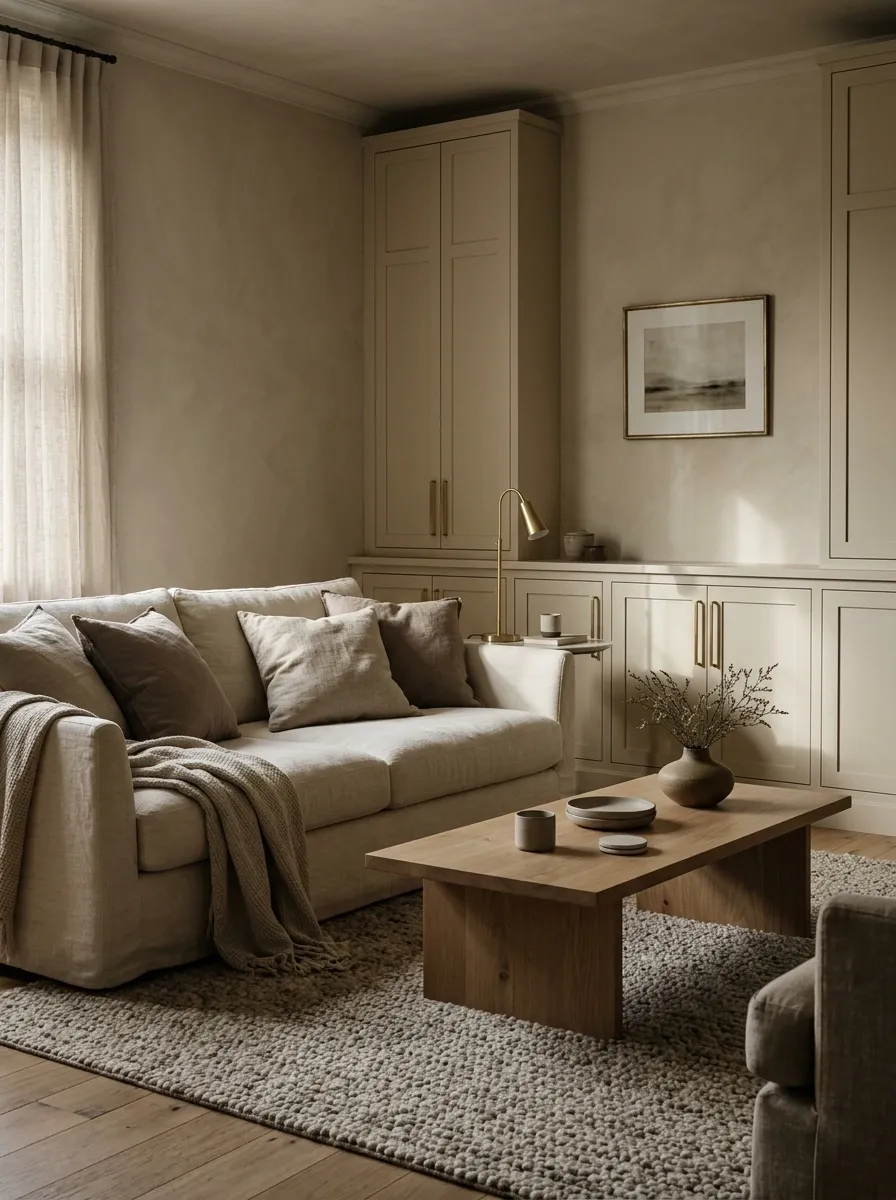
A dark room doesn’t need to become a mirror showroom.
The smarter move is to use a few reflective metal surfaces where they can catch existing light. A brass lamp base, a slim metal frame, or a polished hardware detail adds small flashes of reflection without making the entire room feel cold or overly glossy.
Use metal as punctuation, not wallpaper.
Good spots include:
- lamp bases
- picture frames
- cabinet hardware
- small side tables
Warm metals work especially well when the room already has cream, beige, wood, or warm white finishes. One deliberate glint looks expensive. Ten unrelated shiny objects start looking like the decor aisle won a fight.
Keep Doorways and Walkways Free of Visual Obstacles
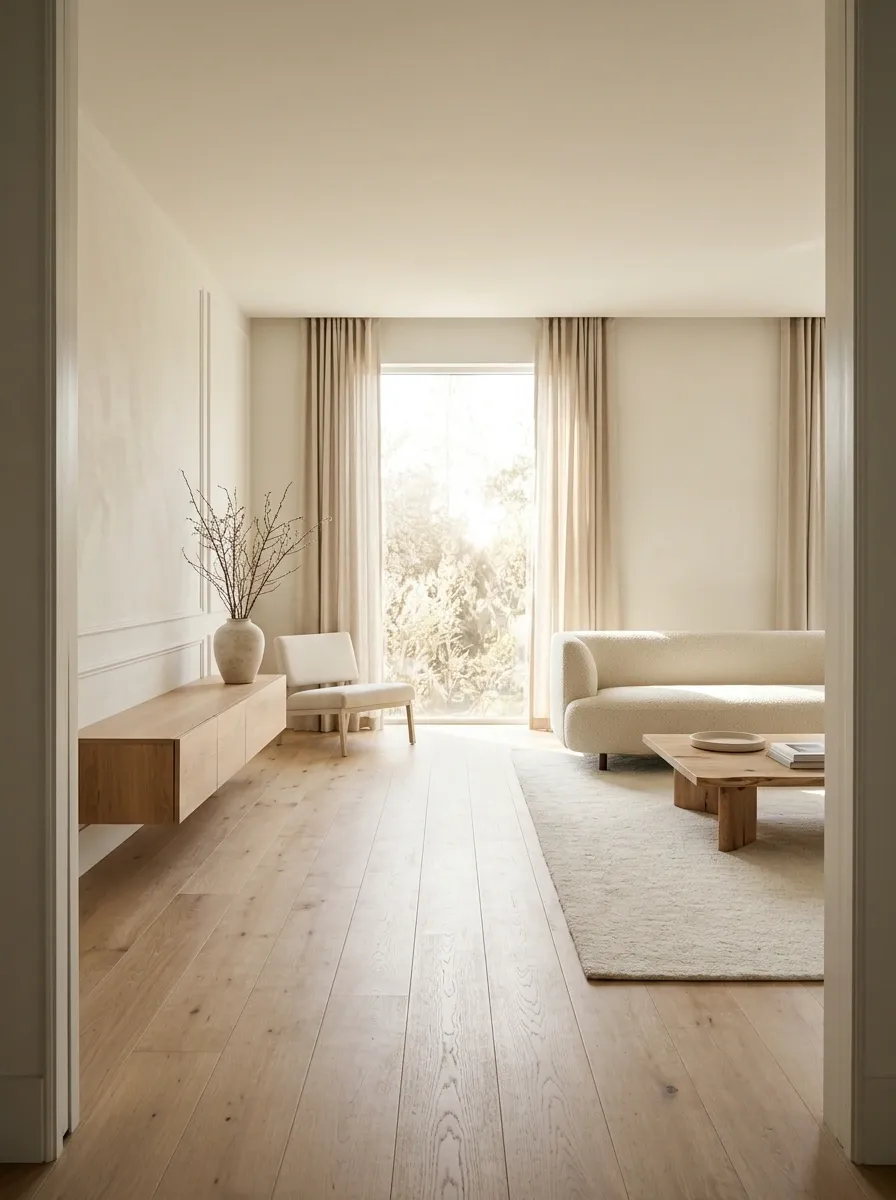
Light isn’t the only thing that needs a clear route. Your eyes do too.
A dark room feels heavier when chairs, baskets, stools, plants, and little tables interrupt the main path through it. Clear the walkway and the room instantly becomes easier to read.
Check the room from the doorway.
☐ Can the eye travel straight into the space?
☐ Is furniture blocking a major sightline?
☐ Are small pieces creating a cluttered edge?
☐ Does the brightest area still feel visible from the entrance?
A clear path makes the room feel more open without changing a single finish. Also, nobody needs to perform an obstacle course just to reach the sofa.
Paint Dark Trim Lighter When It Visually Shrinks the Room
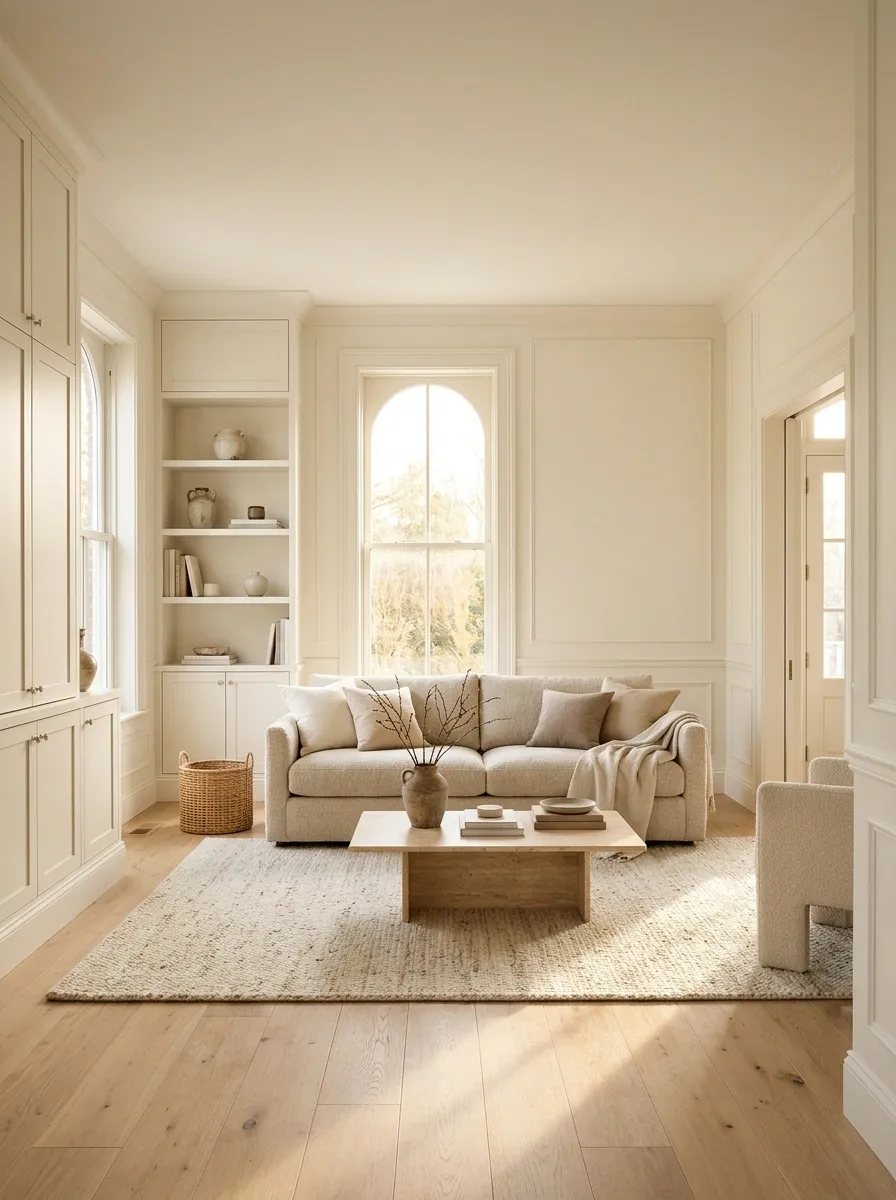
Dark trim can look dramatic in the right space. In a dim room, it can also outline every opening like a giant marker pen.
Lightening the trim around windows, doors, and baseboards reduces those strong visual borders. The walls then feel more continuous, and the room reads as one brighter envelope.
This works especially well when:
- the walls are already light
- windows are limited
- doorways create lots of contrast
- the room feels visually boxed in
Don’t repaint beautiful dark trim just because it’s dark. Change it when the contrast is making the architecture feel smaller than it actually is.
Choose Artwork With More Light Space and Less Visual Weight

Dark artwork can absolutely work in a bright room. In a dim room, a giant black rectangle isn’t helping much.
Choose art with lighter backgrounds, open negative space, pale mats, or a restrained frame. The artwork still gets to have personality without becoming another heavy block on the wall.
Look for these details:
- lighter background areas
- visible negative space
- slimmer or lighter frames
- artwork that echoes the room’s brighter palette
One strong piece beats a packed gallery wall when brightness is the goal. Ten tiny frames can turn one calm wall into a filing cabinet with opinions.
Use a Lighter Bed or Sofa as the Room’s Biggest Anchor
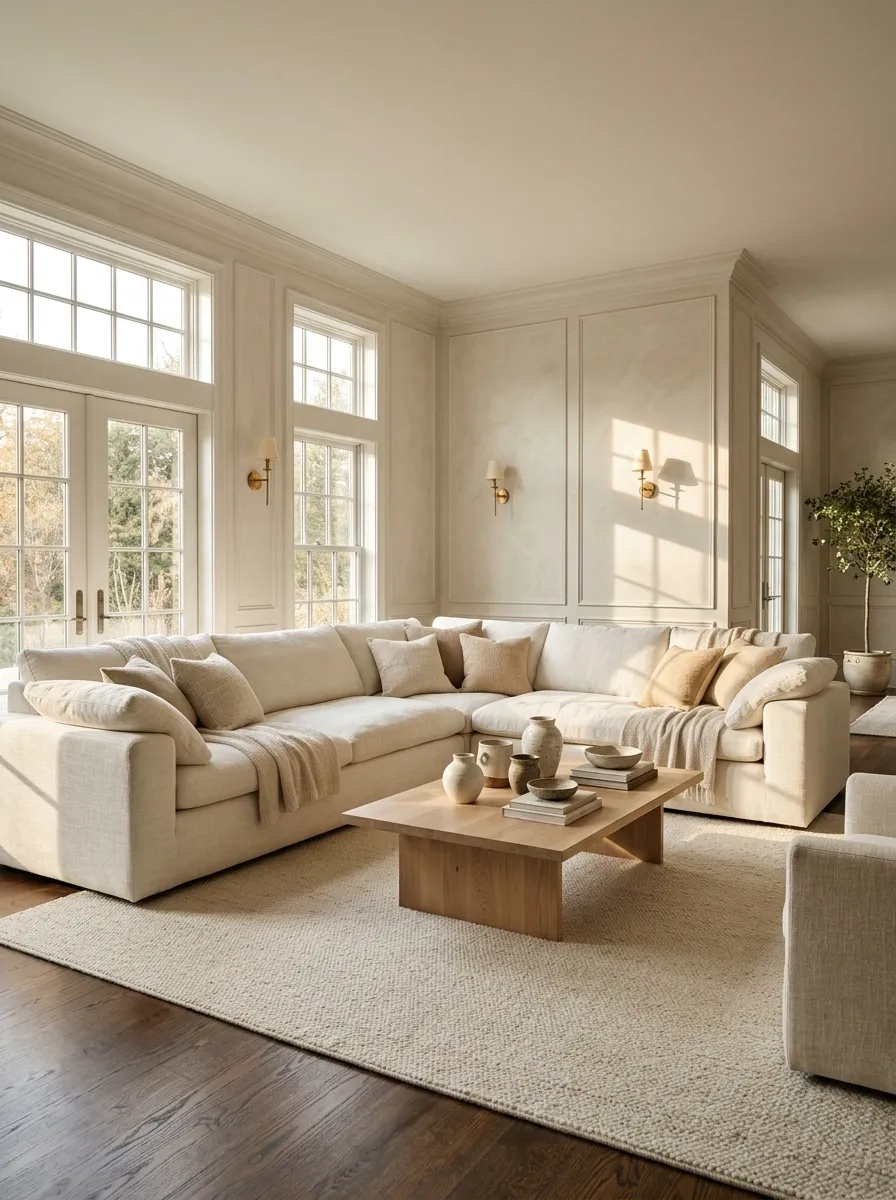
The largest upholstered piece usually has more influence than every accessory combined.
A pale sofa or light bed can shift the entire room because it occupies so much visual space. Cream, oatmeal, warm beige, light taupe, and soft ivory all create a calmer base than a large charcoal or deep brown anchor.
This doesn’t mean every dark sofa needs replacing. Use a light slipcover, a large pale throw, lighter cushions, or a brighter rug around it when replacement isn’t realistic.
Start with the largest mass. That’s where the biggest visual return lives.
Add a Small Lamp to the Spot You Actually Use at Night
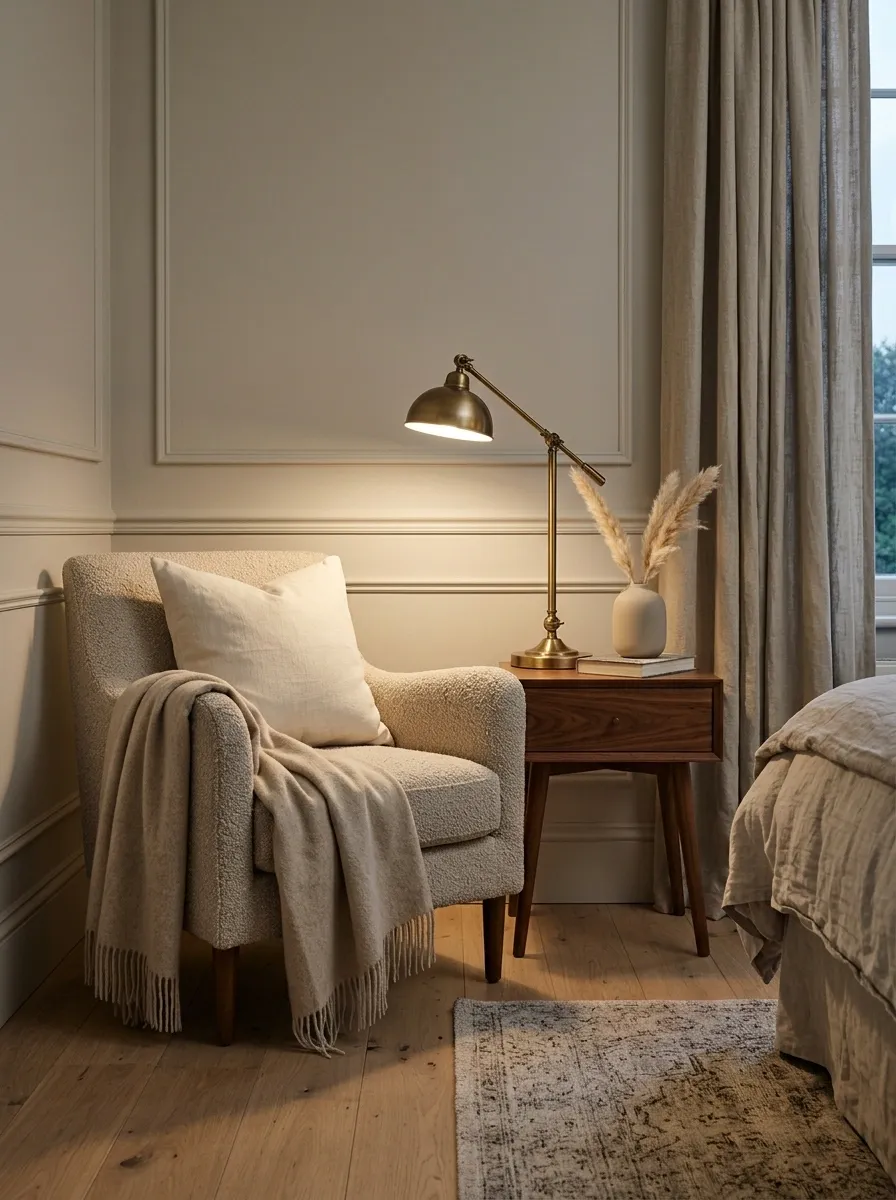
A lamp tucked onto a random console because it “looks nice” isn’t doing much for the room.
Put the light where evening activity actually happens. A bedside table, reading chair, desk, or entry console can all benefit from focused illumination that fills a darker area without lighting the entire room like a dentist’s office.
Match the lamp to the activity:
- Bedside table for reading or winding down
- Desk for focused work
- Chair for reading
- Console for soft entry light
The best lamp isn’t the fanciest one. It’s the one that makes a previously useless corner functional after sunset.
Keep Window Treatments High and Wide Enough to Expose the Glass
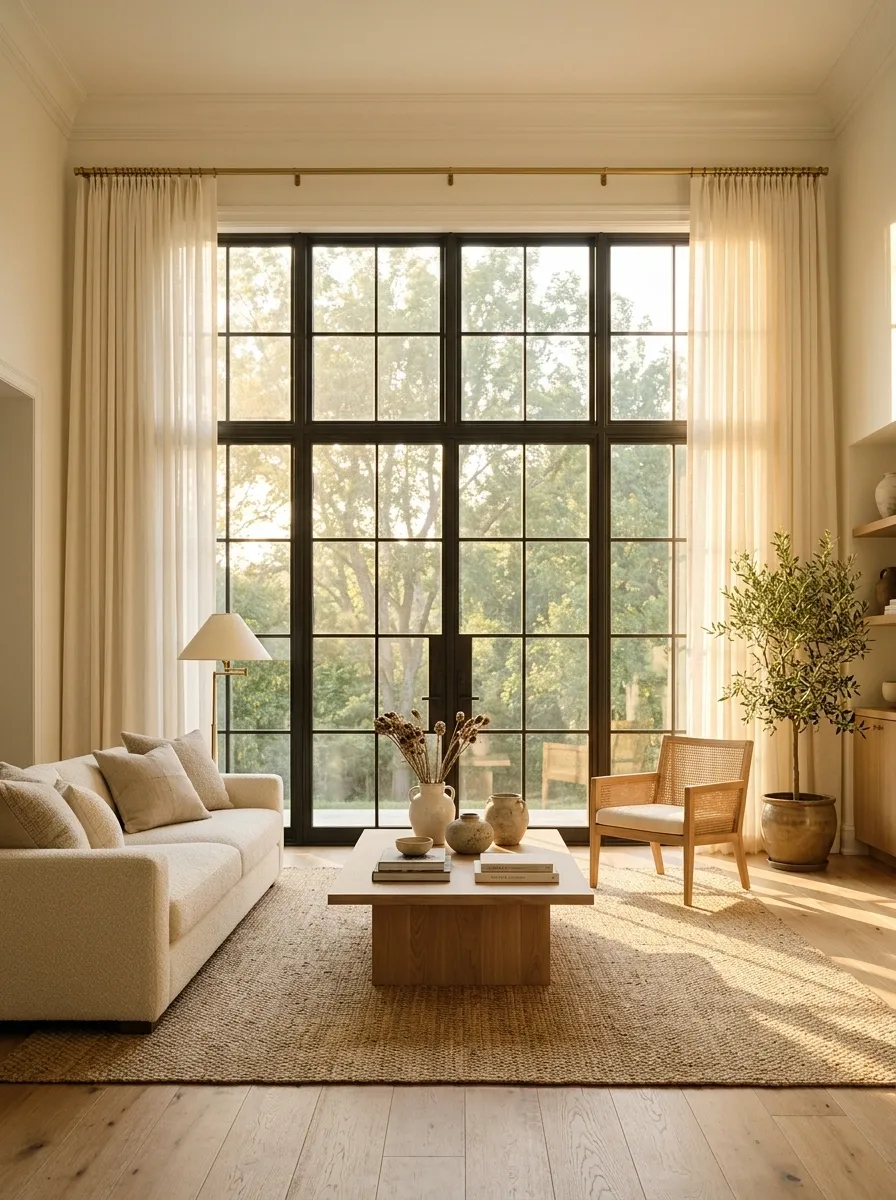
Curtains can make a window look larger while somehow blocking the actual window. Decor irony is alive and well.
Mounting the curtain hardware higher and allowing the panels to sit wider outside the glass keeps more of the window visible when they’re open. That gives daylight a clearer entrance and makes the entire window wall feel taller and less cramped.
Check three things before hanging them:
- The rod sits above the window rather than directly across its top edge.
- The panels stack outside the glass when open.
- The fabric doesn’t spill inward and cover useful window area.
The curtain should frame the daylight, not compete with it.
Break Up Dark Flooring With Light, Textured Layers
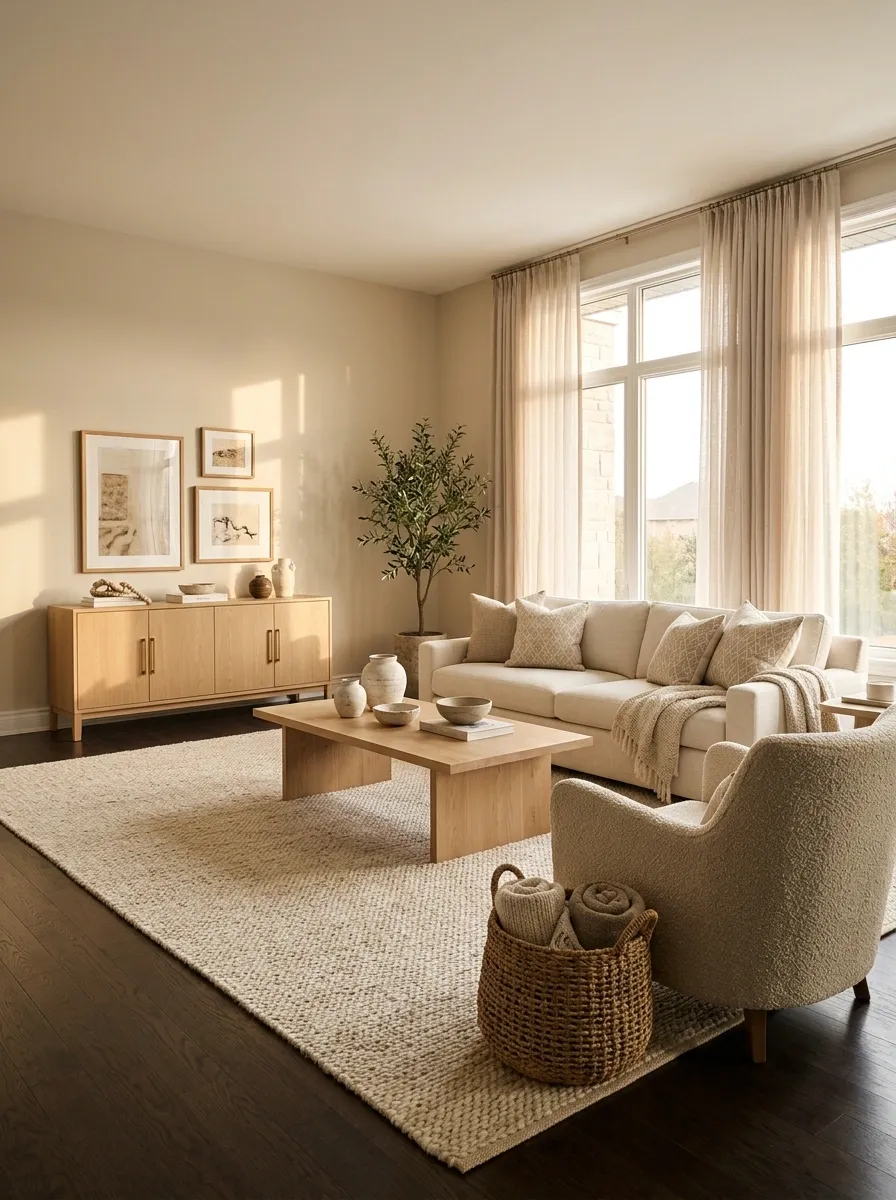
A dark floor can make an otherwise bright room feel surprisingly grounded and heavy.
A light rug or runner breaks up that dark surface without demanding a complete flooring replacement. Texture keeps the lighter layer from looking flat, while the placement should connect the major furniture rather than sit awkwardly in the middle of nowhere.
Floor reset checklist
☐ Choose a light warm neutral
☐ Add texture so the surface has depth
☐ Anchor the main furniture group
☐ Leave enough visible floor to keep the layout intentional
One well-placed rug can do more than a shopping spree full of tiny beige accessories. The floor has a much bigger vote.
Use One Strong Reflective Focal Point Instead of Lots of Tiny Decor
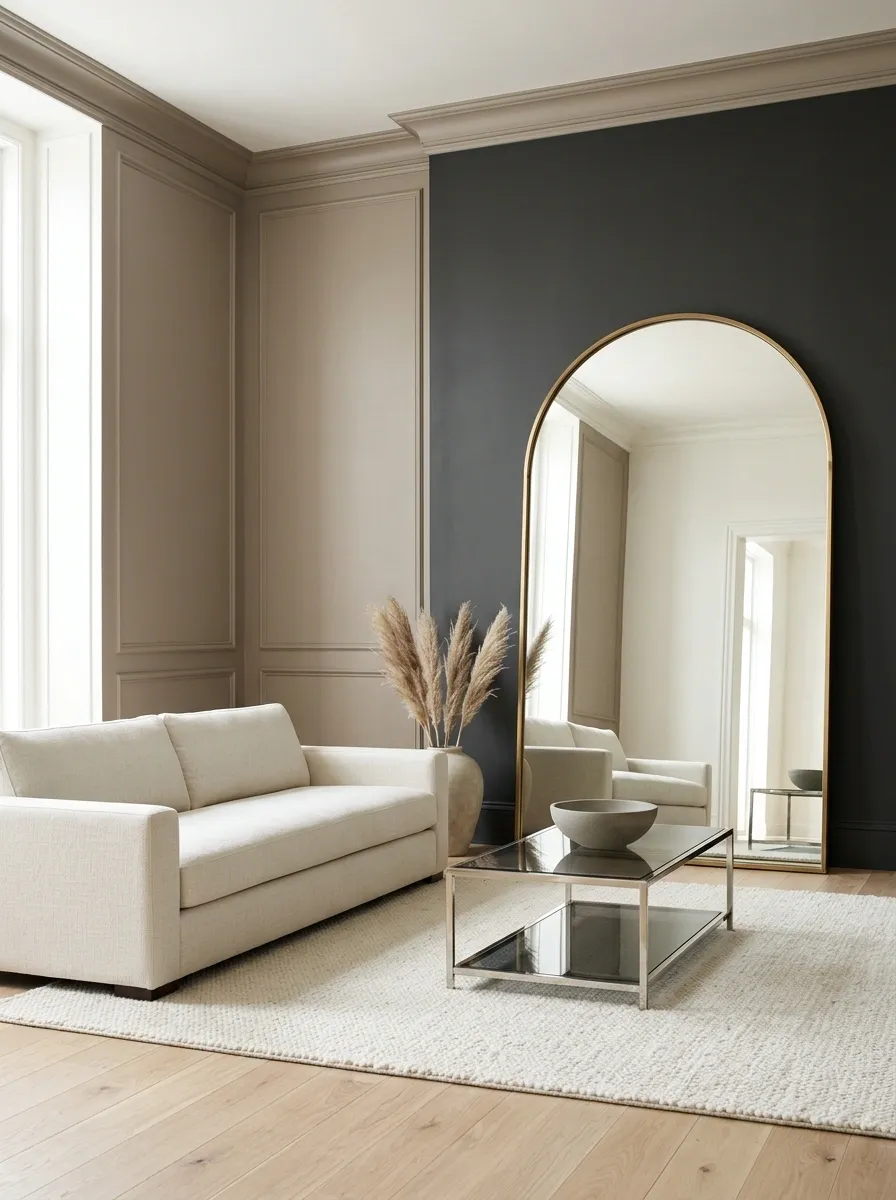
A dark room doesn’t need twenty little objects trying to reflect light at once.
Choose one substantial reflective feature and give it some space. That could be a large mirror, a glass-front cabinet, a metallic framed artwork piece, or a reflective table surface.
Why one works better:
- It creates a clear visual destination.
- It reflects more intentionally.
- It avoids cluttering the room.
- It gives the eye one bright point instead of scattered distractions.
The secret isn’t adding more reflective decor. It’s removing the objects that are getting in its way.
Finish With a Simple Brightness Audit From Daylight to Night
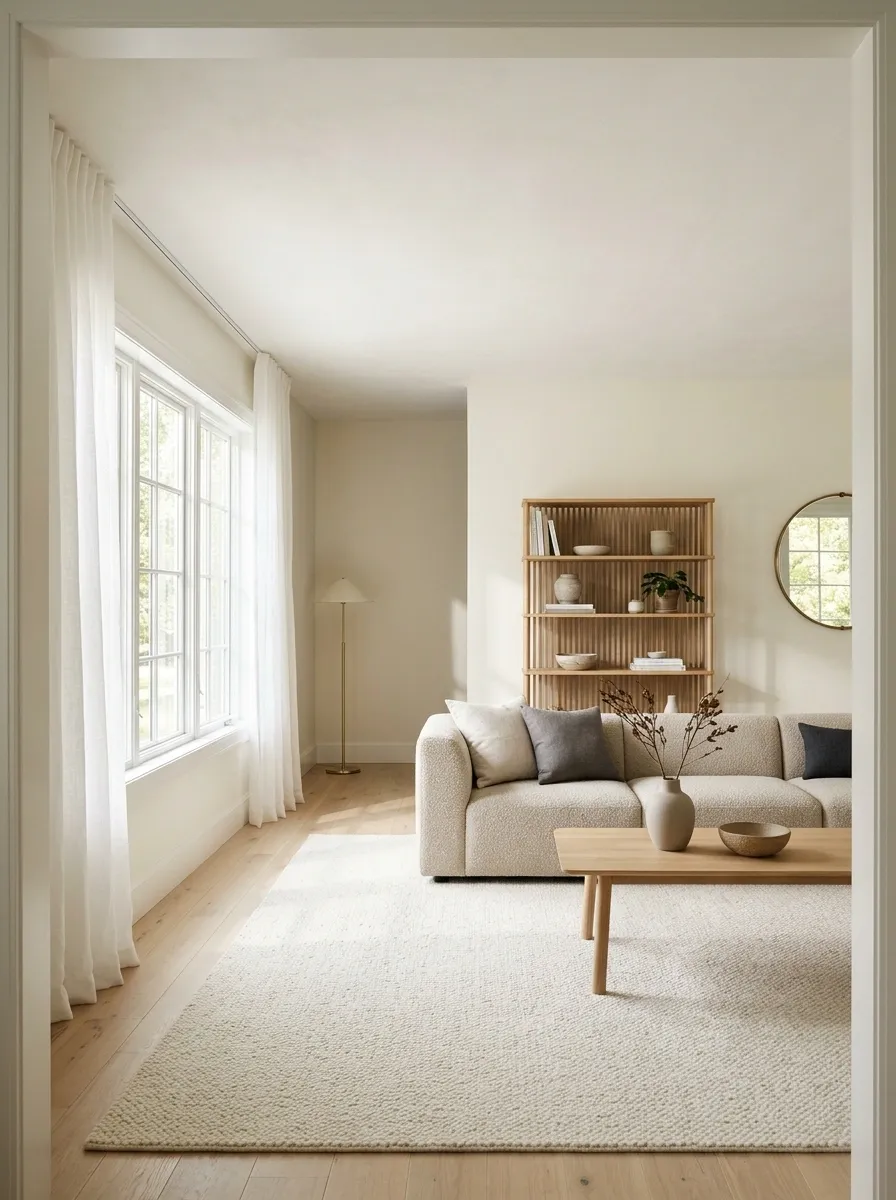
Before buying another lamp, walk through the room and inspect what is actually making it feel dark.
Start at the window. Then look at the largest surfaces. Then check the furniture silhouettes, mirrors, flooring, and nighttime lighting. The darkest-looking feature usually becomes obvious once everything is viewed together.
Run this final audit:
☐ Window glass stays exposed
☐ Curtains don’t block useful daylight
☐ Walls and ceiling feel visually light
☐ Major furniture isn’t forming giant dark blocks
☐ At least one surface reflects available light
☐ Dark corners have useful lighting
☐ Walkways and sightlines stay open
Fix the biggest problem first. The room doesn’t need every idea on this list just because the list is long.
The Bottom Line
A dark room doesn’t need to become stark, sterile, or overloaded with lamps to feel brighter. The best rooms use a few strong moves repeatedly: clear the daylight path, lighten the biggest surfaces, reduce bulky silhouettes, add useful reflections, and spread artificial light across different heights.
Start with the thing your eye notices first. A heavy curtain, giant dark sofa, blocked window, or gloomy corner will usually matter more than another decorative object.
And don’t let the hunt for brightness erase the room’s personality. Warm wood, deeper accents, and contrast still belong. They just need a lighter team around them.
Save this list on Pinterest for the next time a room looks gloomy and the ceiling light is somehow being asked to solve everyone’s problems.