
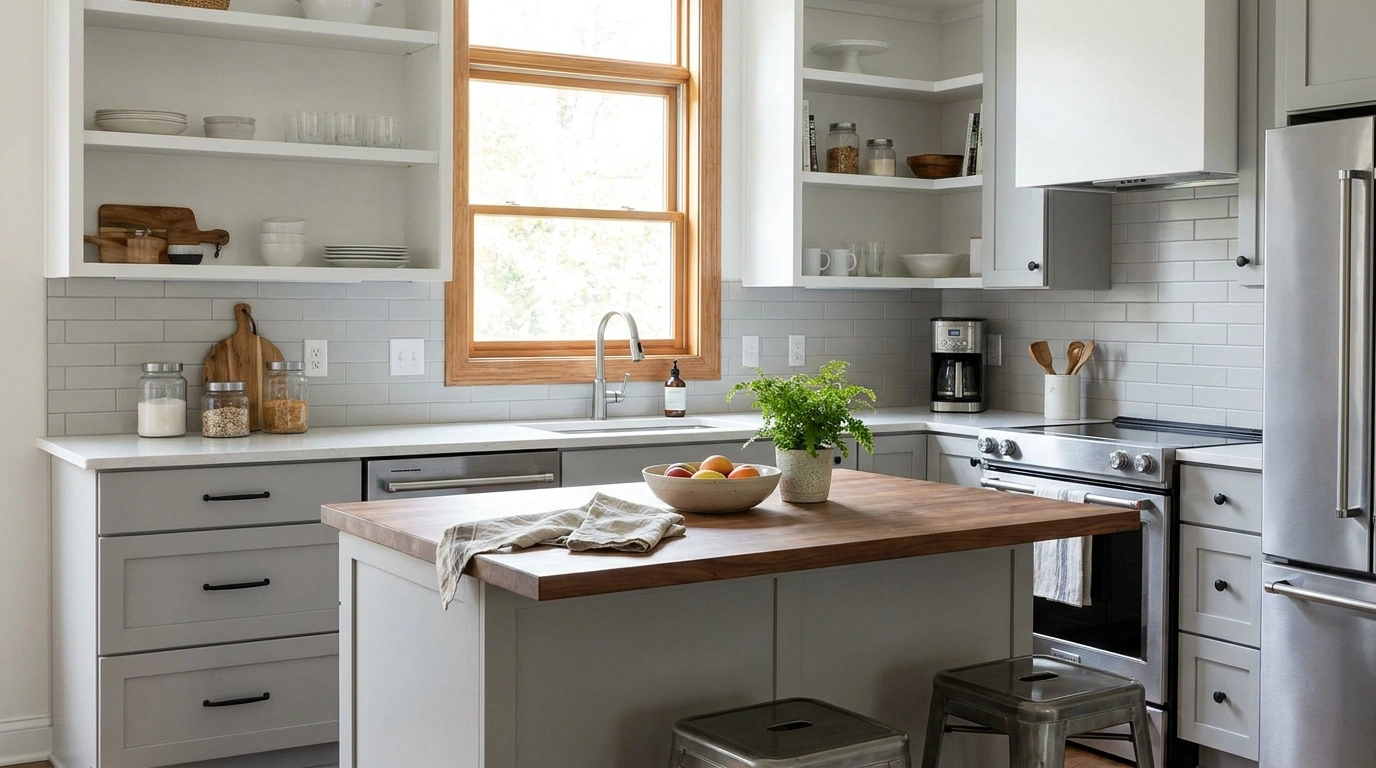
A house doesn’t have to be ugly to make buyers start subtracting money in their heads.
Sometimes it’s the front door that looks like it lost an argument with the weather. Sometimes it’s a living room with so much furniture that getting to the sofa feels like a minor expedition. Then there’s the bathroom fan making a noise like it’s filing for takeoff clearance.
Buyers notice these things because they’re not walking through the house as the people who live there. They don’t know which stain has been there for years, which cabinet has always stuck, or which weird little repair is supposedly “no big deal.” They just see the house in front of them and start wondering what else needs attention.
And yes, some of these fixes are so obvious that buyers will silently wonder why they weren’t done already.
Your House May Be Saying “Please Negotiate”
Buyers don’t need to find a disaster. They just need a few details that make the house feel like extra work.
Things Buyers Will Hate About Your House
A Front Door That Looks Tired Before Anyone Walks In
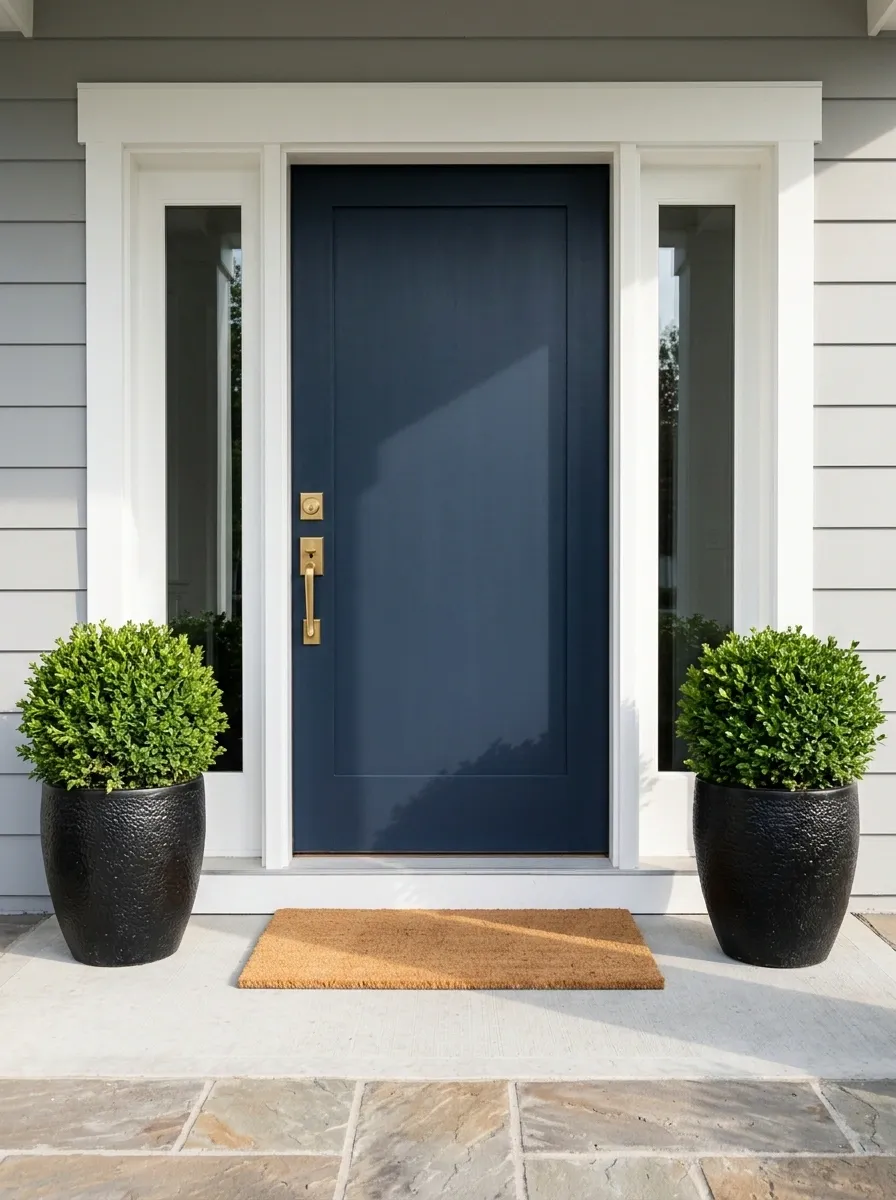
The front door gets judged before the living room even gets a chance.
Peeling paint, a grimy threshold, cloudy glass, or a handle that has seen better decades makes the whole property feel less cared for. That’s a terrible opening argument when the buyer hasn’t even stepped inside.
Fix this first:
- Clean the door, frame, glass, and threshold.
- Tighten loose hardware.
- Replace visibly worn weatherstripping.
- Touch up obvious paint damage.
The entrance doesn’t need expensive upgrades. It needs to look clean, solid, and intentional. Nobody wants their first thought to be, “Well, that needs fixing.”
Peeling Exterior Paint That Signals Bigger Maintenance
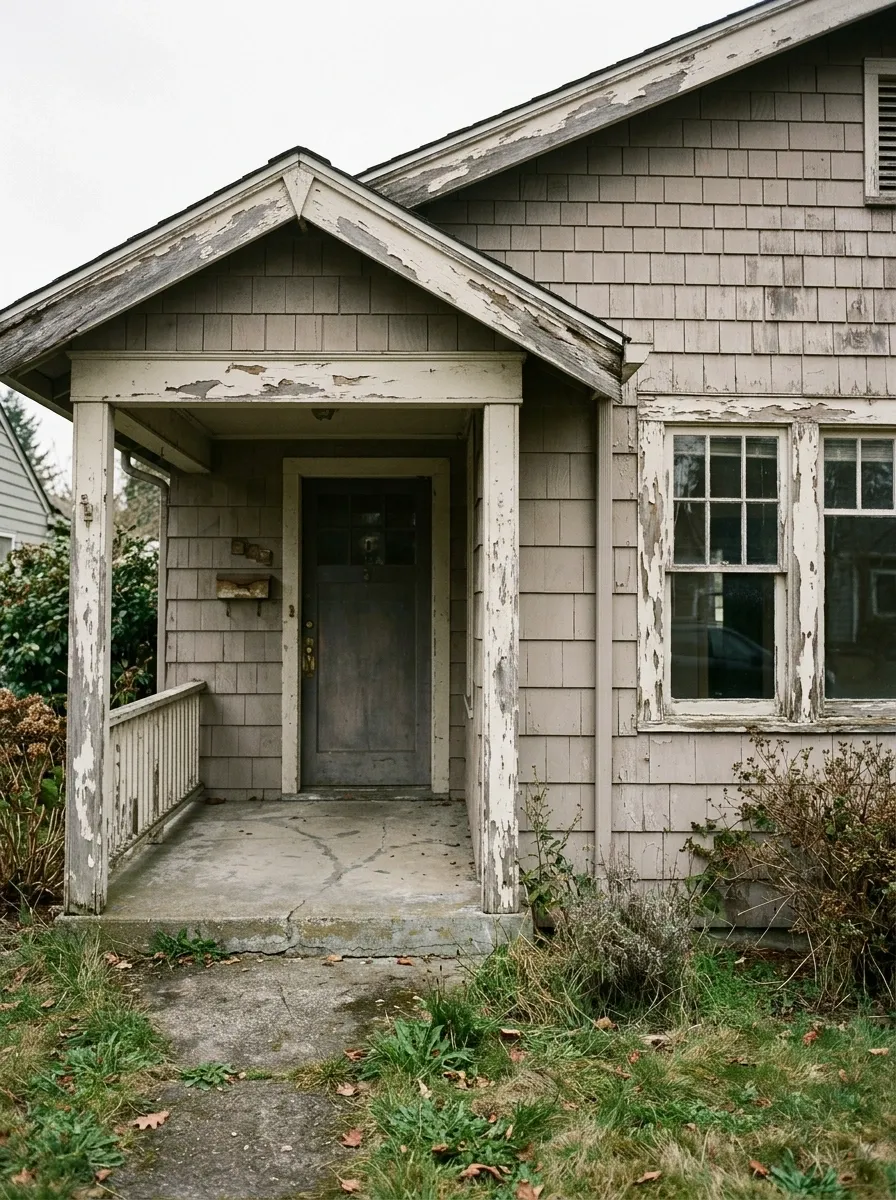
A little peeling paint rarely stays a little problem in a buyer’s mind.
The moment cracked or flaking areas appear around siding, trim, railings, or porch posts, the brain starts inventing a maintenance backlog. “What else got ignored?” is a very easy question for a buyer to ask.
Don’t repaint the entire exterior just because one section looks rough.
Fix the obvious offenders first: scrape loose paint, repair damaged surfaces, prime where needed, and touch up the visible areas. Clean trim matters too. A fresh-looking entry can make an older exterior feel maintained instead of forgotten.
A Yard That Feels Neglected Instead of Low Maintenance

Low maintenance is attractive. Neglected is not. Those two aren’t remotely the same thing.
A buyer can appreciate a simple yard with clean edges, a clear path, and a few healthy plants. Weeds swallowing the borders, dead leaves piled in corners, broken edging, or an entrance hidden behind overgrowth tells a completely different story.
The yard doesn’t need to become a landscaping project.
Put the effort where buyers naturally look: the path to the door, the area beside the entrance, the front lawn, and any obvious sitting area. Trim, sweep, remove dead growth, and make the route to the house easy to read. A tidy yard feels manageable. A messy one feels like Saturday disappeared.
These areas deserve attention before decorative extras.
Too Much Furniture Making Every Room Look Smaller
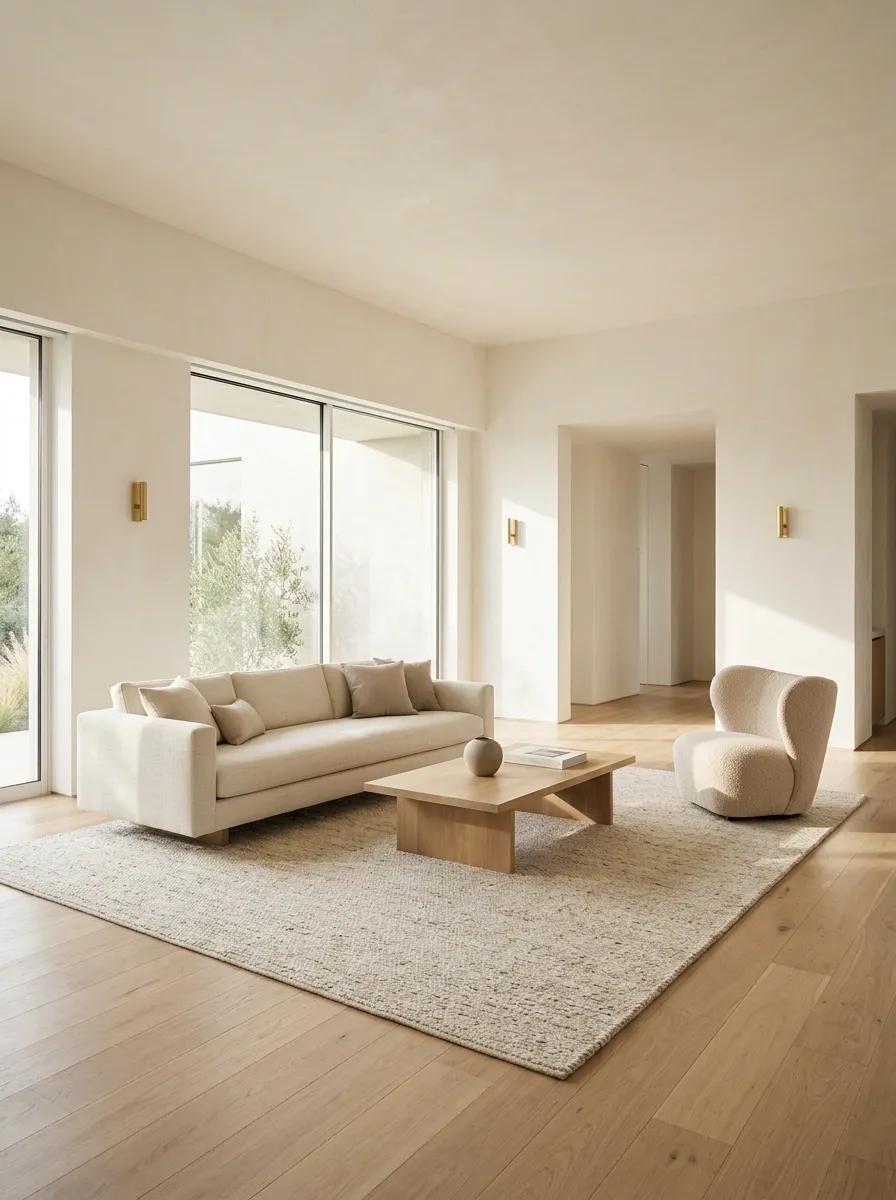
Nothing makes a decent room feel tiny faster than furniture that refuses to leave.
A sofa, chair, side table, cabinet, ottoman, plant stand, and decorative ladder can all be individually fine. Together, they’re auditioning for the role of “why is there nowhere to walk?”
Before a showing, remove anything that blocks a doorway, squeezes a path, or makes the room’s main function unclear.
Use this edit order:
- Remove duplicate seating.
- Pull out furniture that interrupts walking paths.
- Store small pieces that make corners look crowded.
- Leave the main focal area visible.
A room should show its floor space. Buyers need to understand the size without performing furniture gymnastics.
Dark Rooms That Hide the House’s Best Features
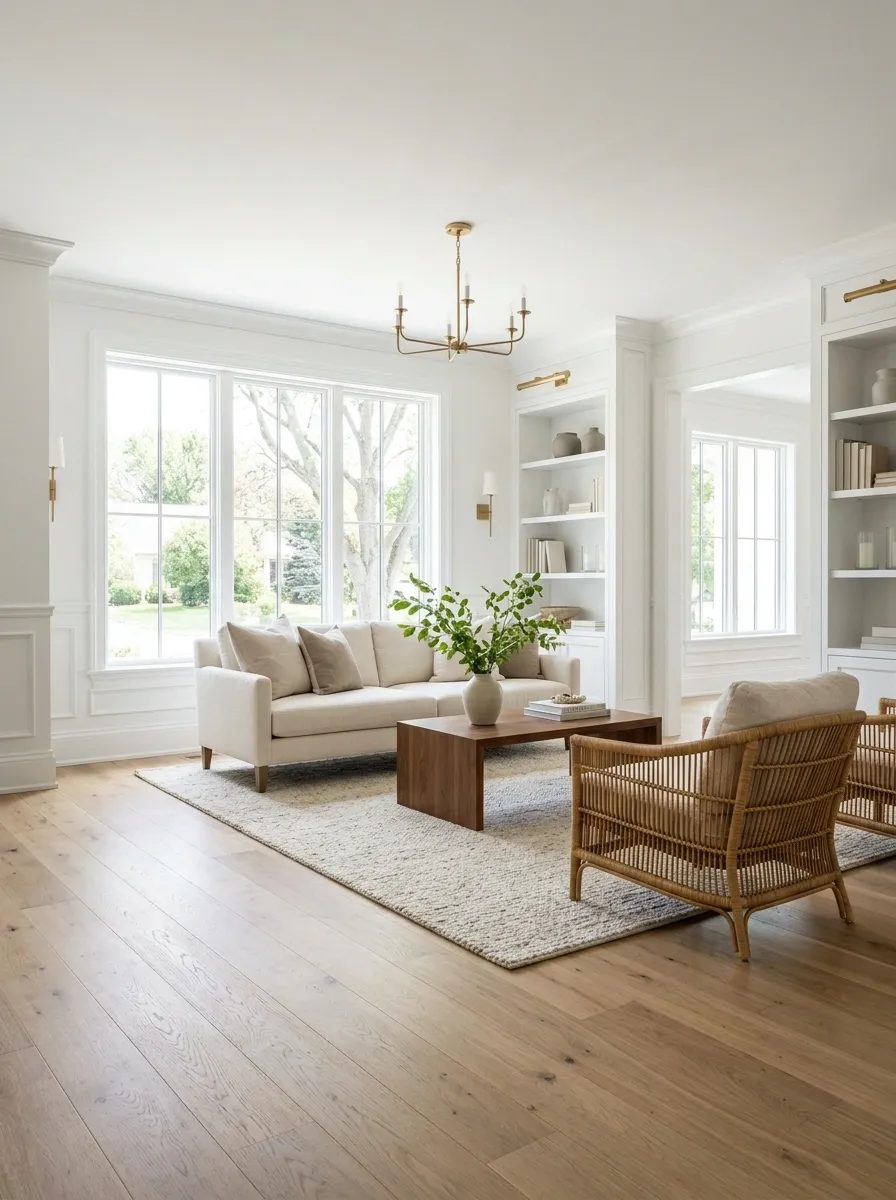
A dark room doesn’t automatically feel cozy. Sometimes it just looks like the house forgot to turn the lights on.
Heavy curtains, blocked windows, dark corners, and weak bulbs can make good architecture disappear in listing photos and in person. That’s especially rough when the room already has nice windows, flooring, or built-in details that should be doing the selling.
Start with the daylight.
Open every curtain and blind. Clean the glass. Move tall furniture away from windows. Then brighten the corners that still look flat. The goal isn’t maximum brightness everywhere. It’s making the room readable, especially around windows, pathways, and major features.
Good features shouldn’t need a flashlight and a guided tour.
Brighten the areas that help buyers understand the room.
Harsh Lighting That Makes the Interior Feel Cheap

A room can be spotless and still look strangely unwelcoming under one blazing ceiling fixture.
That cold, overly bright light flattens everything. Walls look harsher, finishes lose warmth, and every little scuff suddenly gets a starring role. The ceiling light isn’t the villain by itself. Using it as the only source of light is.
Fix the lighting layers:
- Use the main fixture for general light.
- Add a floor or table lamp where the room needs softer light.
- Keep bulbs consistent within the same space.
- Turn on all useful light sources before a showing.
Buyers should see the room, not feel like they’ve wandered into an interrogation room.
A Layout That Forces Awkward Walking Paths
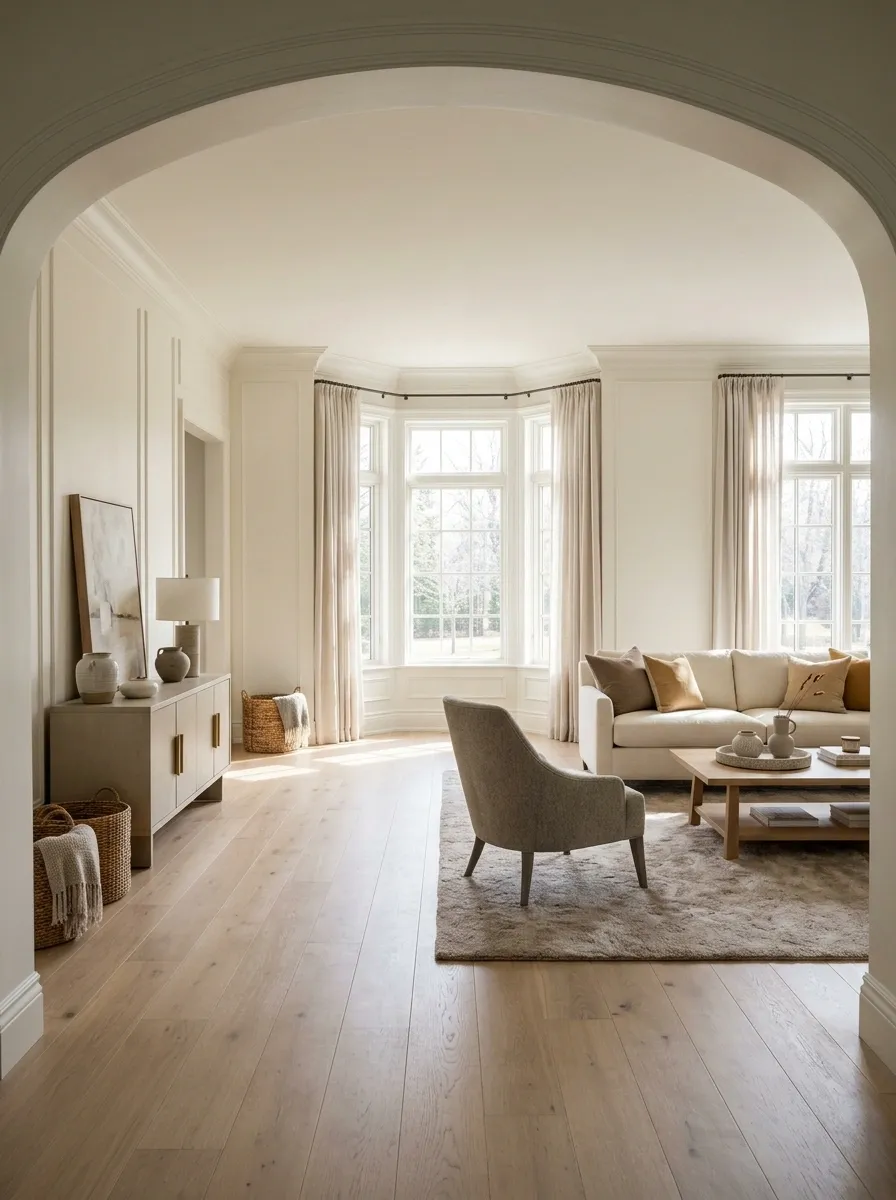
Nothing says “good floor plan” like squeezing sideways to get past a chair.
Bad circulation makes even a generous room feel smaller. Furniture might technically fit, but that doesn’t mean people can move through the space comfortably. Buyers notice this almost immediately because they naturally walk through the rooms during a viewing.
Walk the house the same way a stranger would.
- Enter through the main door.
- Follow the obvious route into each room.
- Move toward doors, windows, and seating.
- Notice every place that forces a detour.
Then move the offending piece. A chair that’s blocking the natural path isn’t adding character. It’s creating a tiny obstacle course.
Good circulation should feel obvious without needing directions.
Cluttered Counters That Shrink the Kitchen
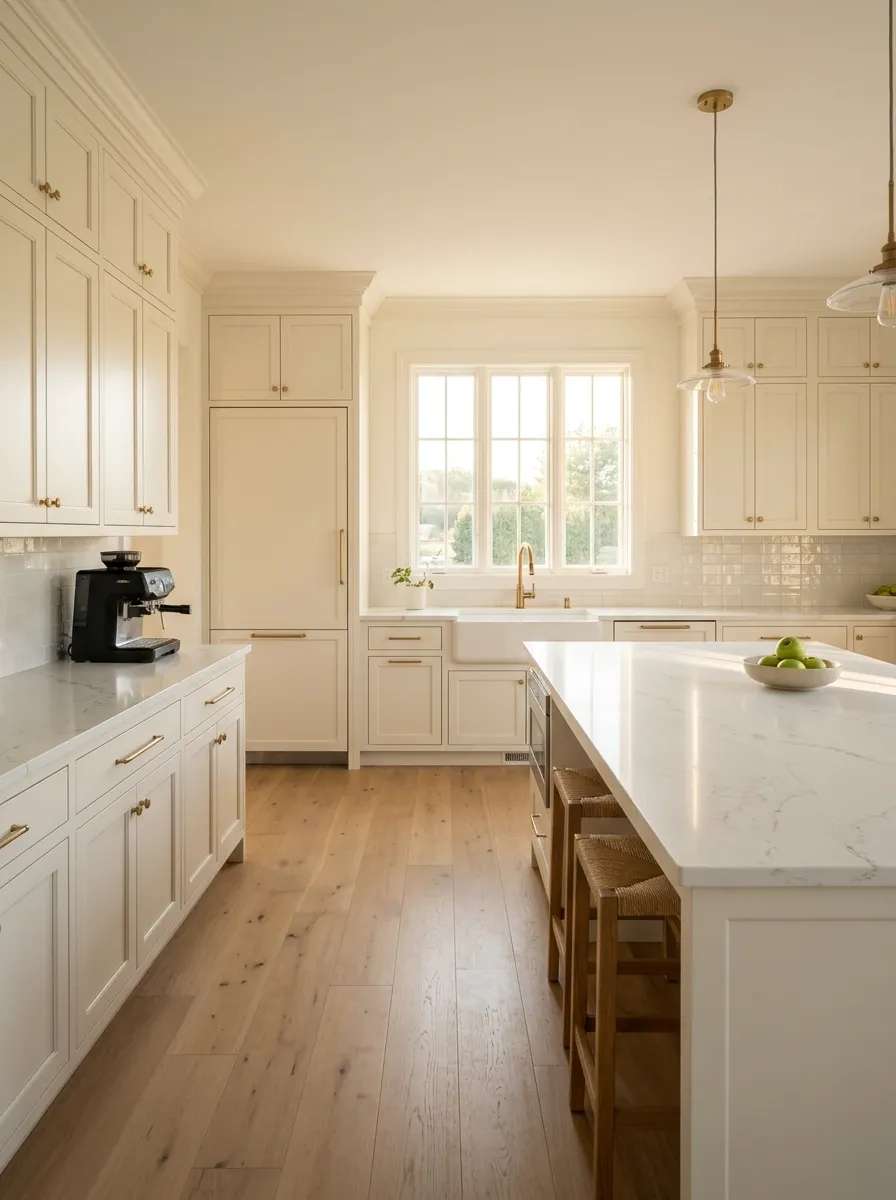
A kitchen counter isn’t supposed to be a permanent parking lot for every appliance in the house.
Coffee maker. Blender. Toaster. Knife block. Mail. Fruit bowl. Random charger. Suddenly the counter that looked spacious in the listing photos has approximately six inches of breathing room.
Before buyers arrive, clear anything that doesn’t need to live there.
Keep visible: one or two useful everyday pieces, a simple fruit bowl if it genuinely helps the room, and almost nothing else. Store bulky appliances inside cabinets when practical. Remove papers, bags, medication, and personal items completely.
Open counter space sells better than a collection of gadgets.
A Kitchen With Almost No Useful Counter Space
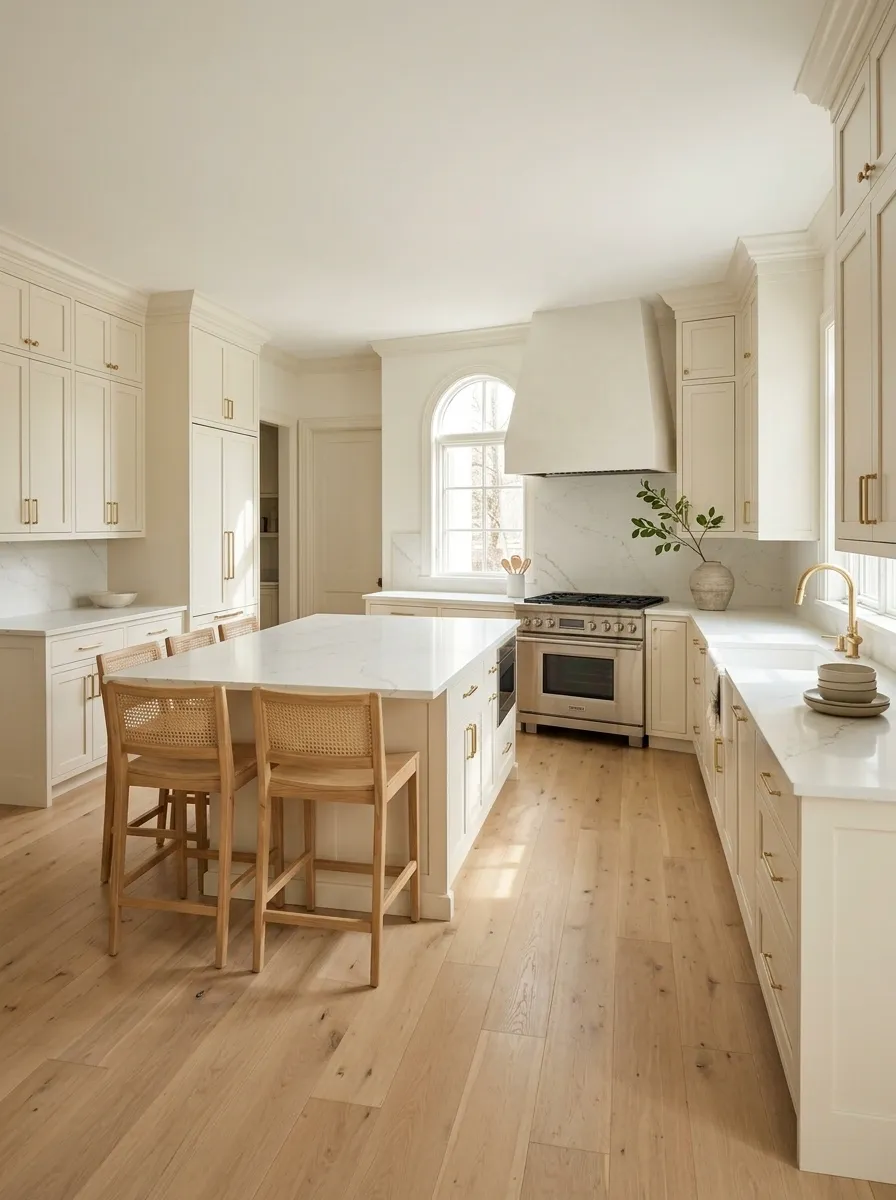
Some kitchens aren’t short on cabinets. They’re short on places to actually do anything.
A buyer doesn’t just see square footage. They see where groceries get unloaded, where vegetables get chopped, where a hot pan lands, and where dishes pile up for three minutes before someone deals with them.
That’s why a kitchen with a decent-looking surface can still feel frustrating.
Protect the main work zones. Keep the area beside the cooking surface reasonably clear. Don’t crowd the space beside the sink. Make sure the most practical section of counter isn’t buried under decorative trays and appliances.
The kitchen should look usable, not like every surface has already been assigned a job.
Appliances That Make the Kitchen Feel Dated
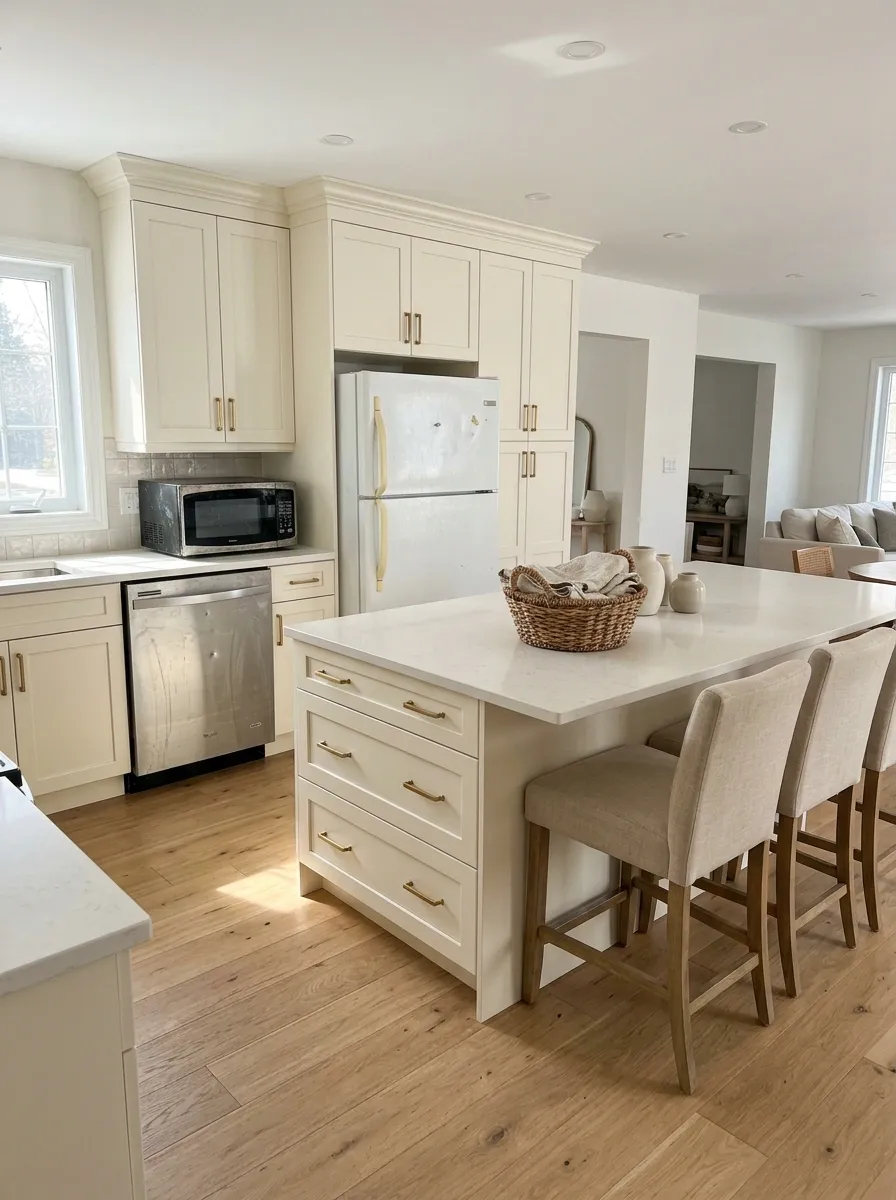
The refrigerator doesn’t need to be brand new. The microwave doesn’t need to look like it came from a luxury showroom. But a collection of visibly mismatched, worn, or outdated appliances can pull the entire kitchen backward.
That’s especially obvious when the cabinets and counters have already been refreshed.
Look for the visual troublemakers first:
- Appliances with badly scratched fronts
- Yellowed or heavily discolored plastic
- Broken knobs, handles, or displays
- A mismatched finish that dominates the room
Don’t replace something that works simply because it’s older. Fix what looks damaged or distractingly tired. Buyers can live with age. They don’t enjoy seeing evidence that the kitchen has been waiting for attention.
Age isn’t the issue. Visible wear is.
Cabinets That Are Worn Out, Sticky, or Hard to Use
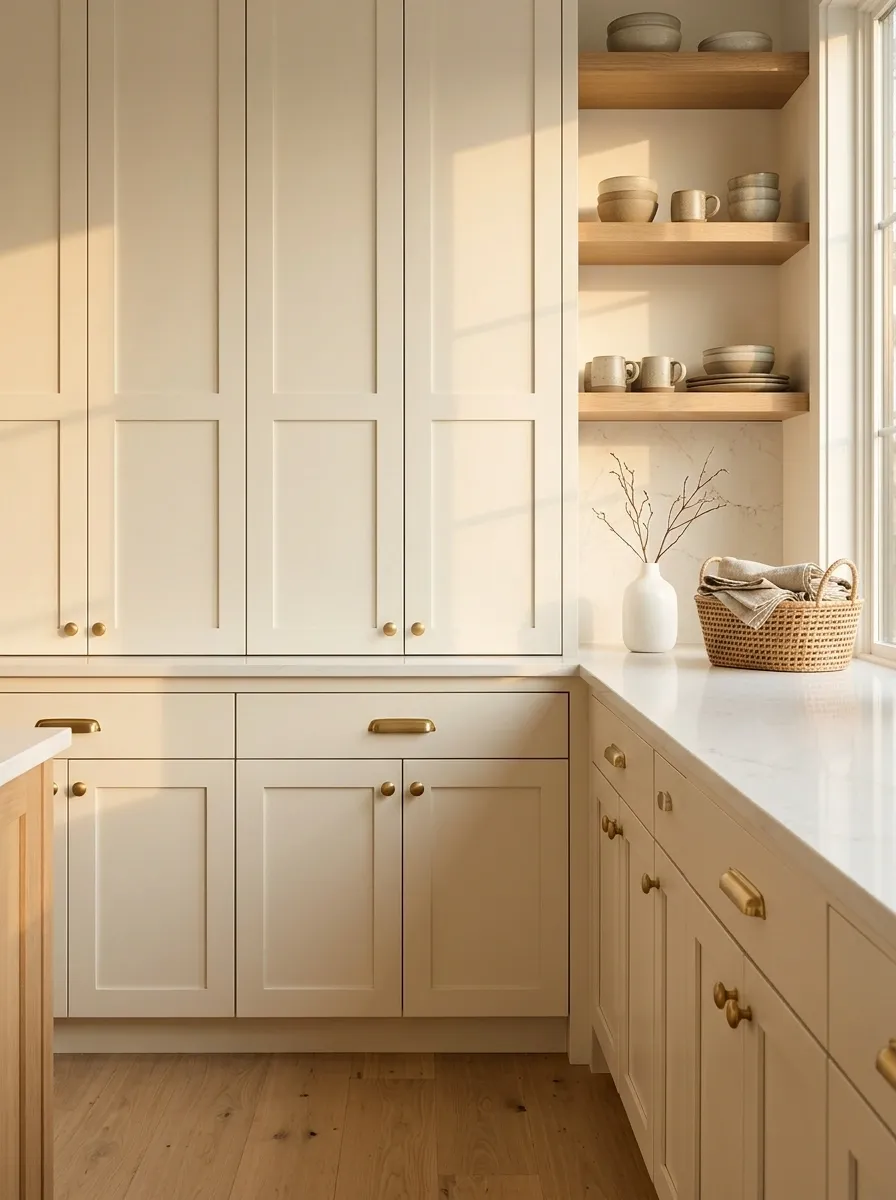
Cabinets don’t have to be new. They do have to open without a fight.
Doors that sag, drawers that scrape, sticky shelves, chipped edges, and greasy handles make a kitchen feel poorly maintained even when the layout is decent. And once one cabinet starts misbehaving, buyers suddenly become very interested in all the others.
Give every door and drawer a quick test.
- Tighten loose hinges.
- Clean sticky shelves and greasy fronts.
- Replace broken pulls or knobs.
- Fix drawers that catch or refuse to close properly.
A cabinet that closes cleanly feels functional. A cabinet that needs a shoulder check to shut is basically leaving a comment section review by itself.
Cheap Hardware Everywhere You Look
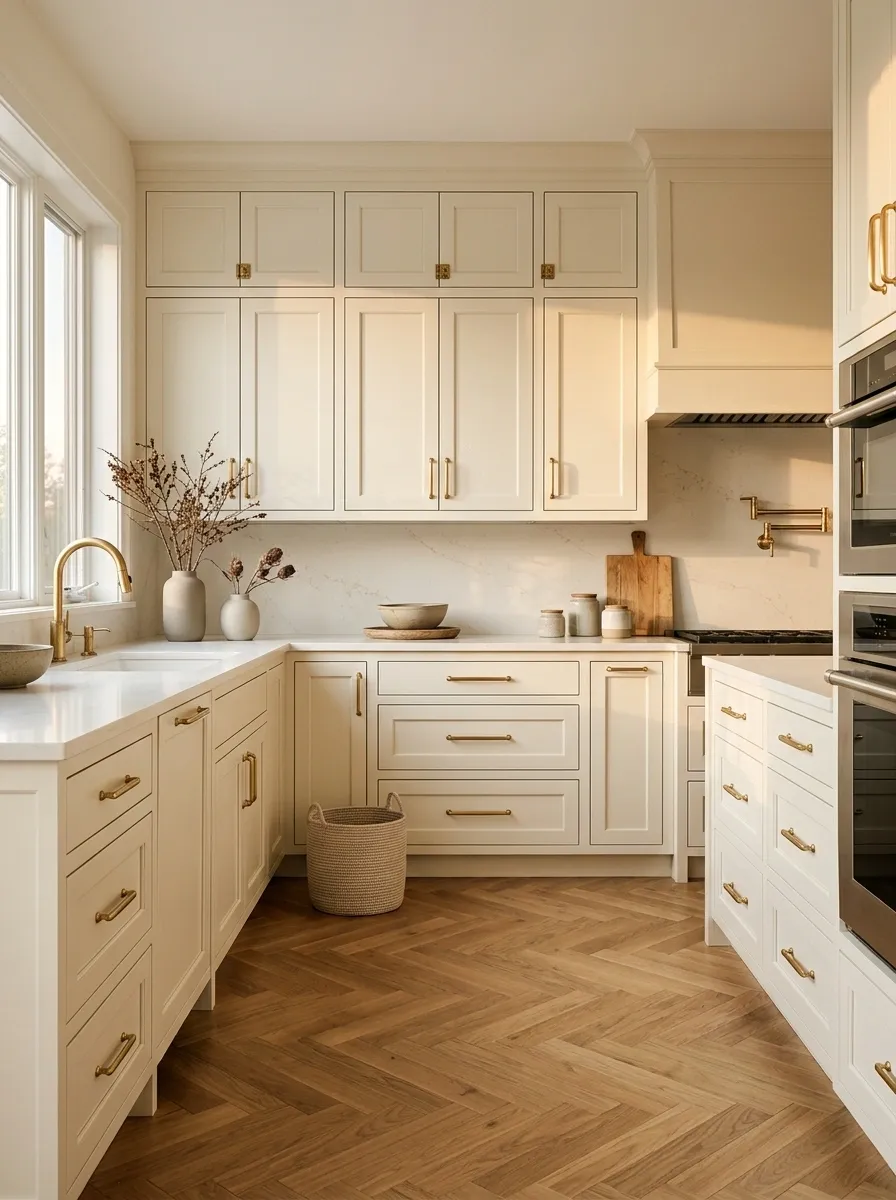
Hardware is small until there is a lot of it.
A flimsy cabinet pull might not matter alone. Put the same tired-looking hardware on cabinets, bathroom doors, closets, and drawers, and the whole house starts feeling cheaper than it needs to.
This is one of those details buyers don’t always mention. They just register the room as less finished.
Do a hardware walk-through: touch every handle, pull, knob, and frequently used latch. Anything loose, cracked, badly scratched, or obviously worn should be repaired or replaced. Keep finishes consistent within each room instead of mixing random metals without a reason.
Nobody is expecting museum hardware. They are expecting the handle to feel like it belongs there.
A Bathroom That Smells Damp Even When It’s Clean
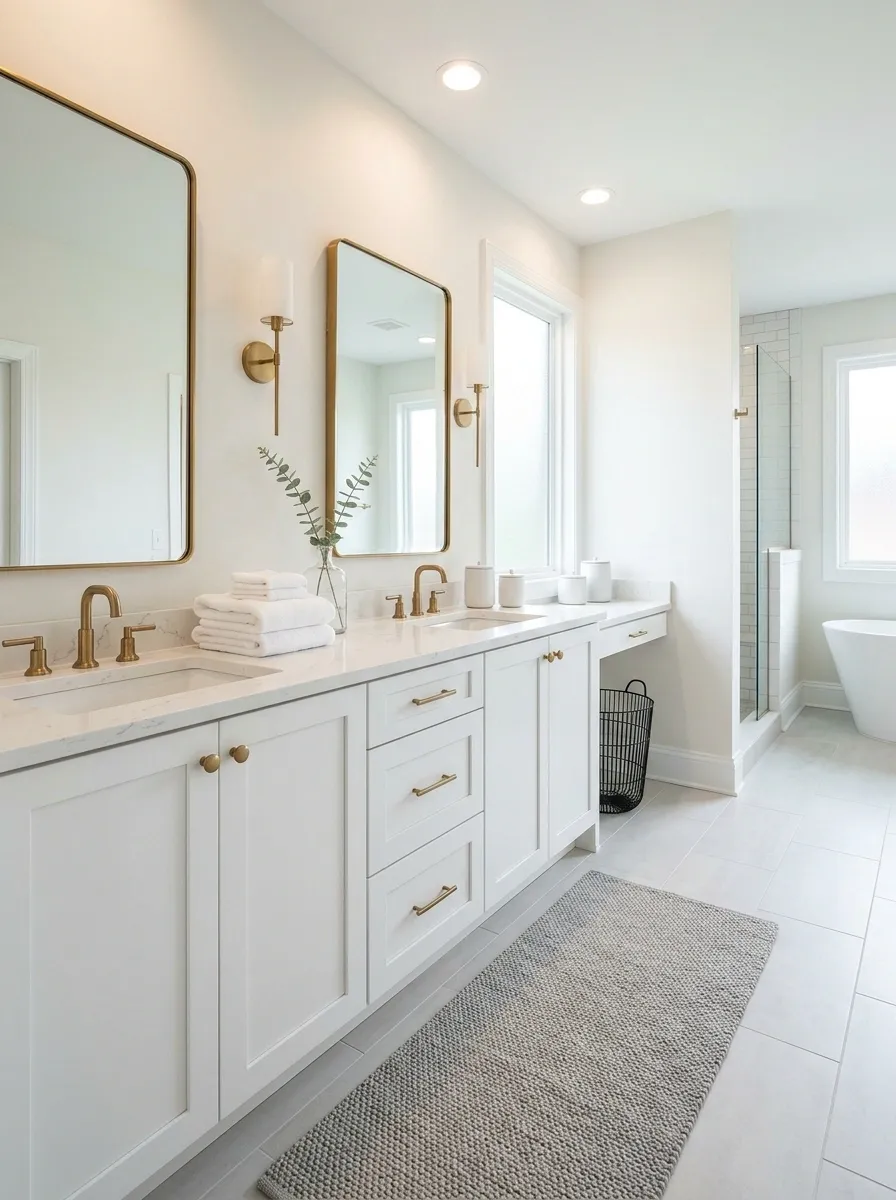
A spotless bathroom can still give off a “something isn’t right” smell.
That stale, damp odor tends to hang around fabrics, drains, bath mats, cabinets, and other places that hold moisture. Scrubbing the sink while leaving the actual source untouched is basically putting perfume on the evidence.
Start with the hidden spots.
Wash or replace damp textiles. Clean the drain. Empty the bathroom bin. Dry wet surfaces. Check under-sink storage. Make sure towels aren’t permanently living in a damp heap.
The room should smell neutral and clean, not like it has a secret basement.
Poor Bathroom Ventilation and Lingering Moisture
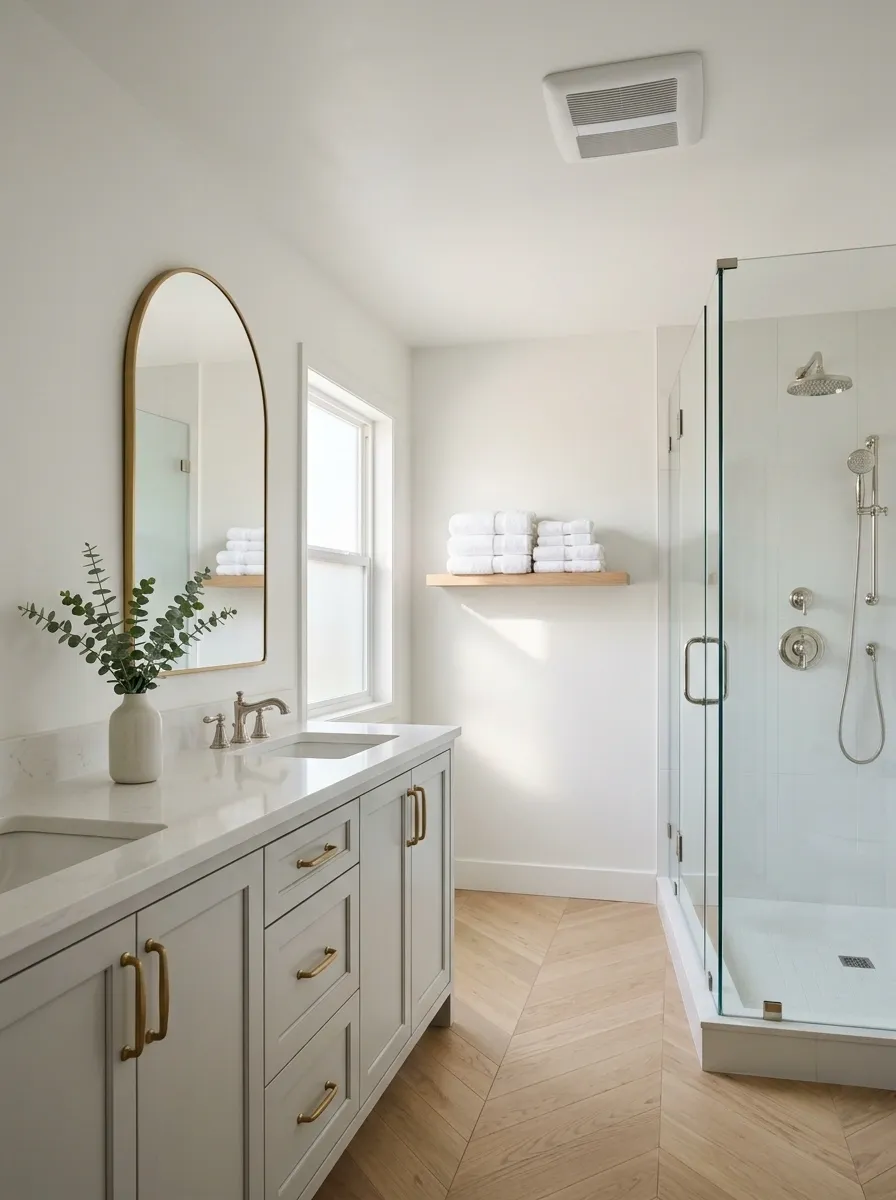
Steam on the mirror after every shower is normal. A bathroom that stays damp long after the shower is over is a different problem.
Buyers notice condensation, peeling finishes, swollen wood, musty corners, and moisture sitting around the room. Once those details appear together, the bathroom starts looking like a maintenance project instead of a clean selling point.
Check the ventilation before styling anything.
- Run the exhaust fan during and after showers.
- Clean dust from the fan cover.
- Keep wet towels spread out to dry.
- Wipe away obvious condensation before a showing.
And don’t hide peeling paint behind a cute little framed print. The wall already knows what happened.
Grout, Caulk, and Sealant That Look Neglected
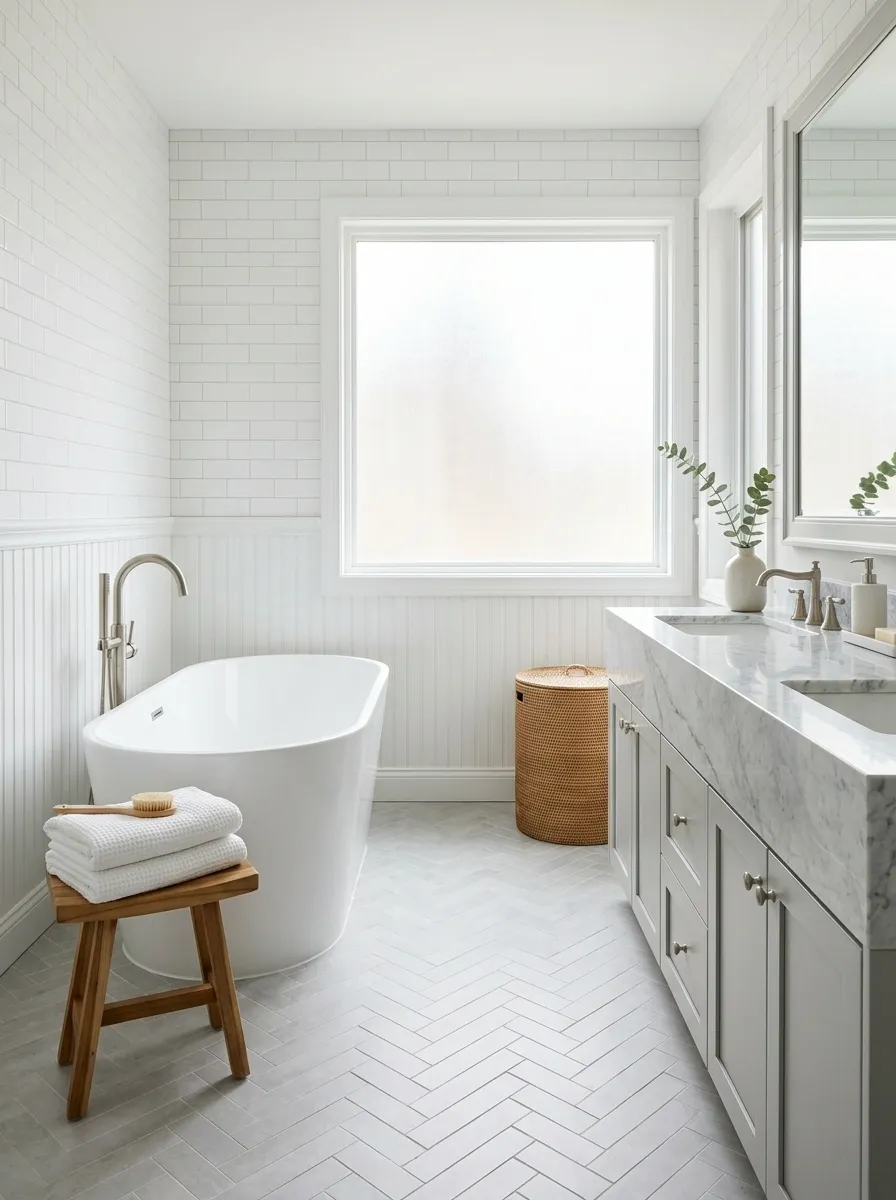
Nobody expects a bathroom to have flawless grout under laboratory lighting.
They do notice blackened caulk, cracked lines, missing sealant, grimy grout, and those weird little edges around the tub that have clearly been ignored since another administration.
These details sit right where water and dirt collect, so neglect shows quickly.
Focus on the lines, not just the big surfaces. Scrub dirty grout. Replace cracked or mold-stained caulk where appropriate. Clean the edges around the sink, tub, shower, and floor. The room instantly looks more maintained when these small boundaries are clean and intact.
The joke is that grout covers tiny spaces, yet somehow manages to occupy the buyer’s entire attention once it looks bad.
Run an eye along every seam. That’s where neglected maintenance likes to hide.
Flooring That’s Damaged, Mismatched, or Visibly Worn

Flooring takes a beating, but buyers aren’t grading it on a curve.
Deep scratches, stained carpet, swollen boards, chipped tile, and random flooring changes can make the house feel less cohesive. A room can have lovely walls and furniture, then the floor walks in like it has a personal grudge against the renovation budget.
Don’t assume everything needs replacing.
Start with the least dramatic fix:
- Deep-clean carpet and hard floors.
- Repair small damaged sections where practical.
- Refinish tired wood when the finish is the real problem.
- Remove loose or broken pieces before showings.
Consistent, clean flooring makes rooms feel connected. Matching every floor perfectly isn’t required. Making the transitions look deliberate is.
Wall Damage That’s Been Covered Instead of Fixed
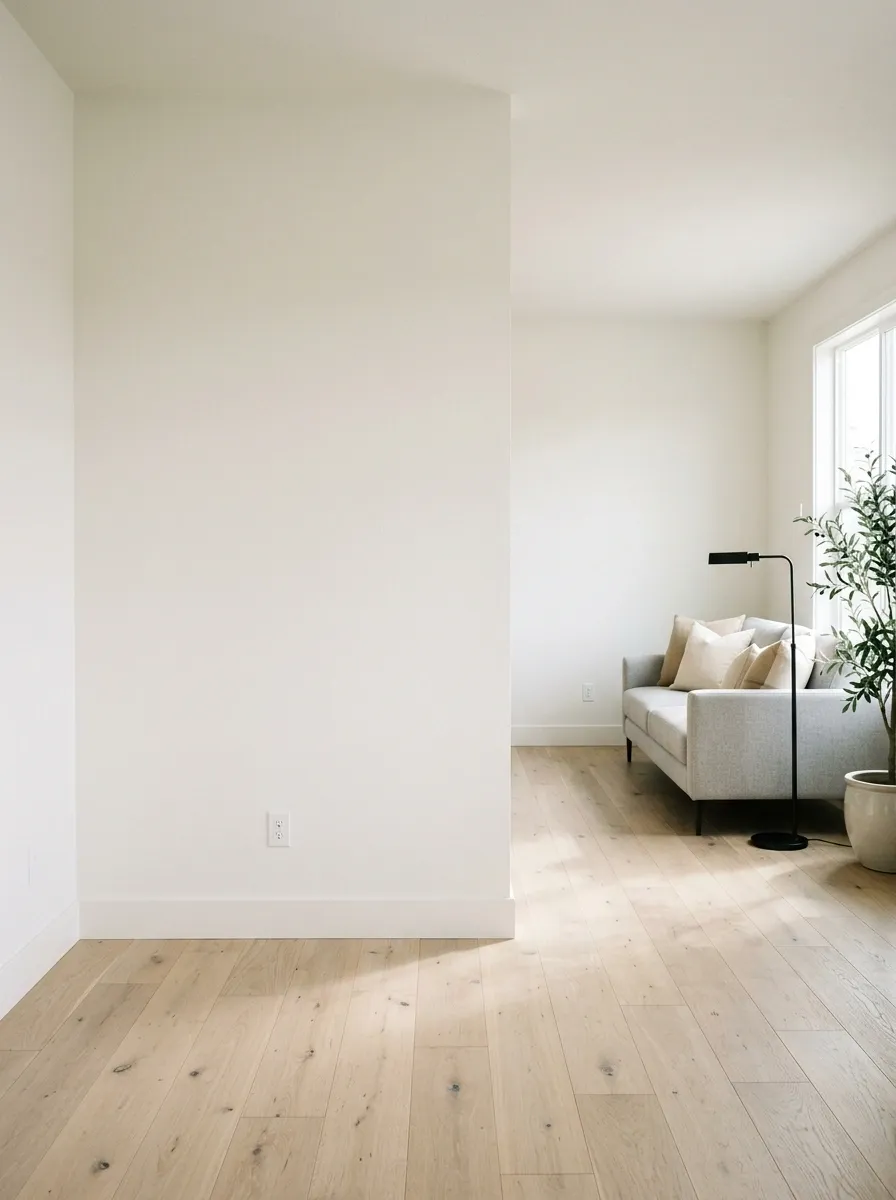
A framed print strategically placed over a giant dent is not a repair.
Walls collect evidence of everyday life. Nail holes, furniture scuffs, patched cracks, grubby corners, and random paint touch-ups become much more obvious once a room is mostly empty. A buyer doesn’t need a perfect wall. They do need to avoid wondering why one section looks suspiciously decorated.
Walk the rooms in daylight and look at the walls from different angles.
Fill small holes. Sand rough patches. Clean marks that will wash off. Touch up paint where the color actually matches. When a repair still looks obvious, don’t keep adding paint on top and hoping nobody notices. That strategy has never fooled a buyer with functioning eyesight.
Popcorn Ceilings or Other Finishes That Date the House

Dated isn’t automatically bad. Dated and visibly neglected is where things get awkward.
Some ceiling or wall finishes simply reflect the age of the property. Buyers can accept that. What looks worse is a finish that’s stained, damaged, patched badly, or completely out of step with the rest of the room.
So don’t start tearing out every old surface because somebody online declared it illegal to have a dated ceiling.
Judge the finish by condition first.
Keep sound finishes clean. Repair obvious damage. Paint where appropriate. For larger changes, weigh the cost and mess against the rest of the house instead of renovating one ceiling in isolation.
The goal isn’t to erase every trace of the home’s age. It’s to stop the age from looking like neglect.
Water Stains That Make Buyers Start Asking Questions

A water stain has a special talent: it turns a five-second viewing into an investigation.
That brownish patch on the ceiling might be old and harmless. The buyer doesn’t know that. All they see is evidence of water and an unanswered question.
Don’t simply paint over a suspicious mark right before putting the house on the market.
Find out what caused it. Repair the source when necessary. Then repair the visible damage properly. Keep any relevant records available so there is an answer if the buyer asks what happened.
Hiding the stain makes the problem look sneaky. Fixing it makes the house look maintained. Those are very different messages.
Too Little Storage in the Places Buyers Actually Need It
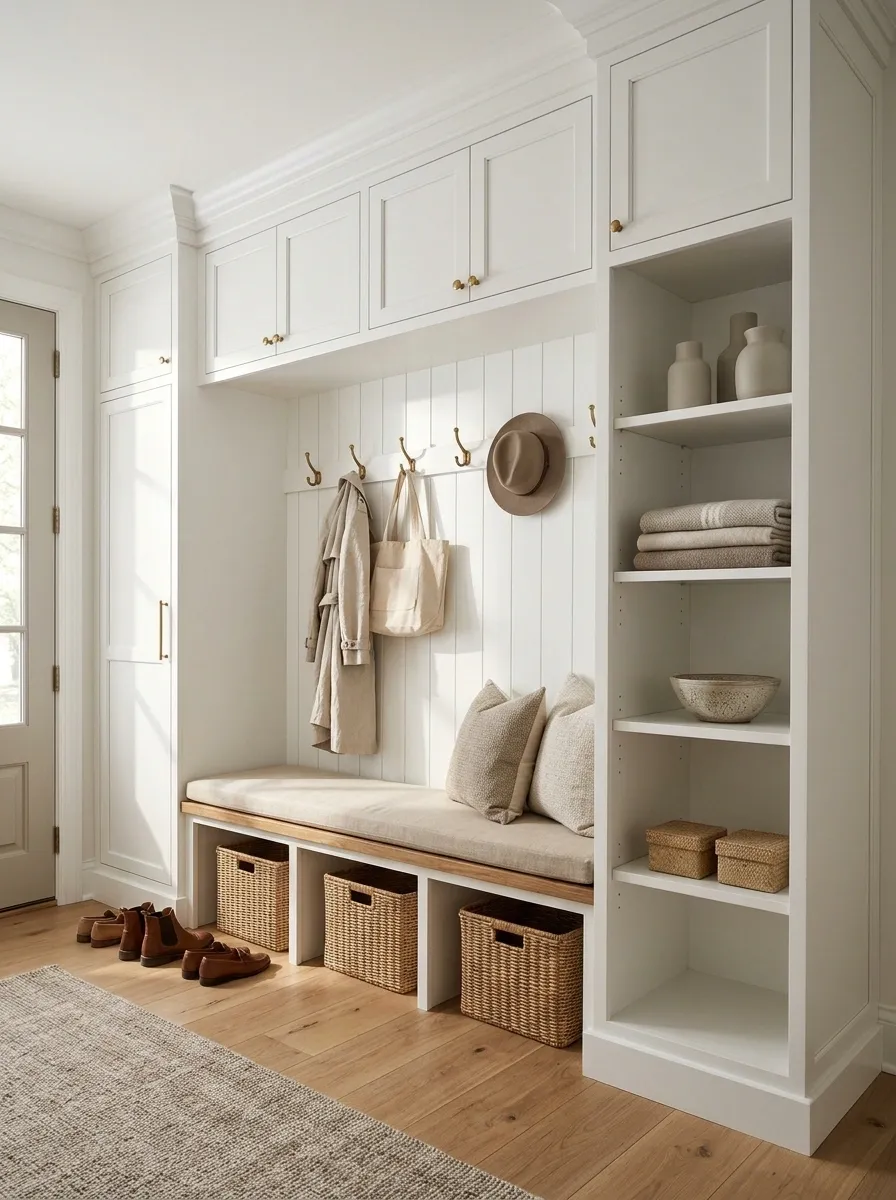
A house can technically have storage and still feel like it has none.
That’s what happens when the pantry is packed solid, the entry has nowhere for shoes, bathroom cabinets are overflowing, or the utility area is doing three jobs with the storage space of a shoebox.
Buyers aren’t just counting cabinets. They’re asking whether daily life will fit.
Show usable storage instead of maximum storage. Clear out expired products, duplicate kitchen tools, rarely used linens, and whatever has been hiding in the back of the closet since approximately forever.
An empty shelf communicates capacity. A packed shelf communicates “good luck.”
Closets So Packed They Make Storage Look Scarce

The closet isn’t small. The clothes are simply having a hostile takeover.
A packed closet makes even decent storage look inadequate because buyers can’t see the shelves, floor, hanging space, or depth. Clothes jammed against the door and boxes stacked everywhere turn “good storage” into “where is anything supposed to go?”
Before a showing, edit hard.
Leave breathing room around shelves and hanging areas. Remove seasonal pieces, duplicate items, empty packaging, and anything that hasn’t been touched in ages. The goal isn’t to pretend nobody owns clothes. It’s to make the storage capacity obvious.
An overflowing closet doesn’t prove the house lacks storage. It proves there are too many clothes in one closet.
Exposed Cables, Chargers, and Random Utility Mess

Nothing makes a polished room look unfinished faster than a nest of cables under the TV.
One cable is normal. Five cables, three chargers, a power strip, and a mystery wire going behind the cabinet starts looking like the home’s electrical system is being held together by hope.
Do a cable sweep before every showing.
- Hide loose charging cables.
- Bundle visible wires neatly.
- Remove unused electronics from surfaces.
- Tuck power strips out of the main sightline.
- Clear cable clutter from desks and bedside areas.
The trick isn’t making the house look gadget-free. It’s keeping technology visually quiet.
A buyer should notice the TV, not the cable situation beneath it.
Too Many Personal Photos and Highly Specific Decor

A few family photos make a house feel lived in. Fifty of them can make a buyer feel like they’ve accidentally opened someone else’s camera roll.
The same thing happens with highly specific collections, giant hobby displays, oversized signs, and decor tied strongly to one person’s taste. Buyers don’t need an empty personality-free box, but they do need enough visual breathing room to imagine their own stuff there.
Keep the strongest pieces and put the rest away.
That means fewer frames on crowded surfaces, smaller collections, and less decor competing for attention in every room. The house can still feel warm. It just shouldn’t read like a permanent personal exhibition.
The future buyer is trying to mentally move in. Give that imagination some bandwidth.
Built-Ins That Take More Space Than They Give Back
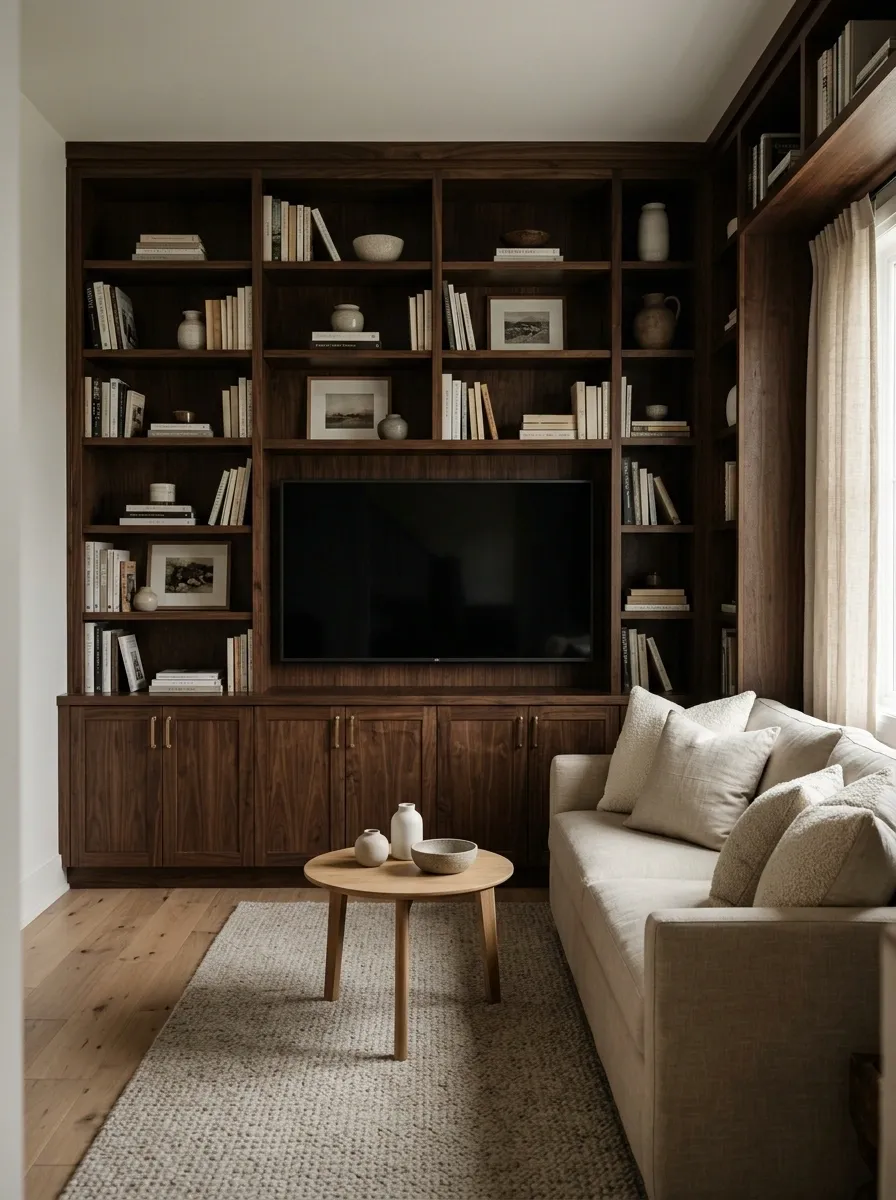
Built-ins get treated like sacred objects online.
But if a giant shelving unit eats half a small living room, blocks natural light, or creates a huge visual wall around the television, buyers aren’t thinking “custom feature.” They’re thinking, “That’s going to be annoying to remove.”
Built-ins work when they solve a real problem and belong to the architecture. They become a liability when they make a room harder to use.
Look at the trade-off honestly.
Does the storage justify the floor space? Does the unit help the room’s layout? Does it still look maintained? If the answer keeps leaning toward no, reduce what sits inside it before considering major removal.
The fanciest shelving in town can’t compensate for losing half the room.
Windows That Feel Drafty, Dirty, or Visually Neglected

Clean windows are one of those boring details that suddenly become very important the second a house goes on the market.
Smudged glass reduces light. Dirty frames make the opening look tired. Broken blinds, crooked curtains, damaged screens, and hard-to-open windows create even more little doubts.
Clean the entire window zone, not just the glass.
Wash the panes. Dust the frame and sill. Straighten or simplify window coverings. Repair obvious hardware problems. Remove screens only when appropriate for the season and property, but don’t leave visibly damaged ones in place.
A good window should make buyers notice daylight and the outside view.
Not fingerprints. Not dust. Not a blind that has given up on alignment.
Treat the whole window as one visual feature.
Weak Privacy in Bedrooms, Bathrooms, or Street-Facing Rooms

Privacy is one of those features buyers notice the second a room feels exposed.
A bedroom facing the street with no proper window covering can feel less comfortable. A bathroom window with questionable coverage creates an instant awkwardness. Even a living room that sits directly in front of a walkway can make buyers start thinking about where curtains will have to go.
Check privacy from both inside and outside.
Stand where a passerby would stand. Look through the windows during the day and at night. Make sure the coverings provide sensible privacy without swallowing all the natural light.
The goal isn’t blackout-everything territory. It’s avoiding a future buyer standing in the bathroom thinking, “Absolutely not.”
Doors and Drawers That Stick, Slam, or Creak
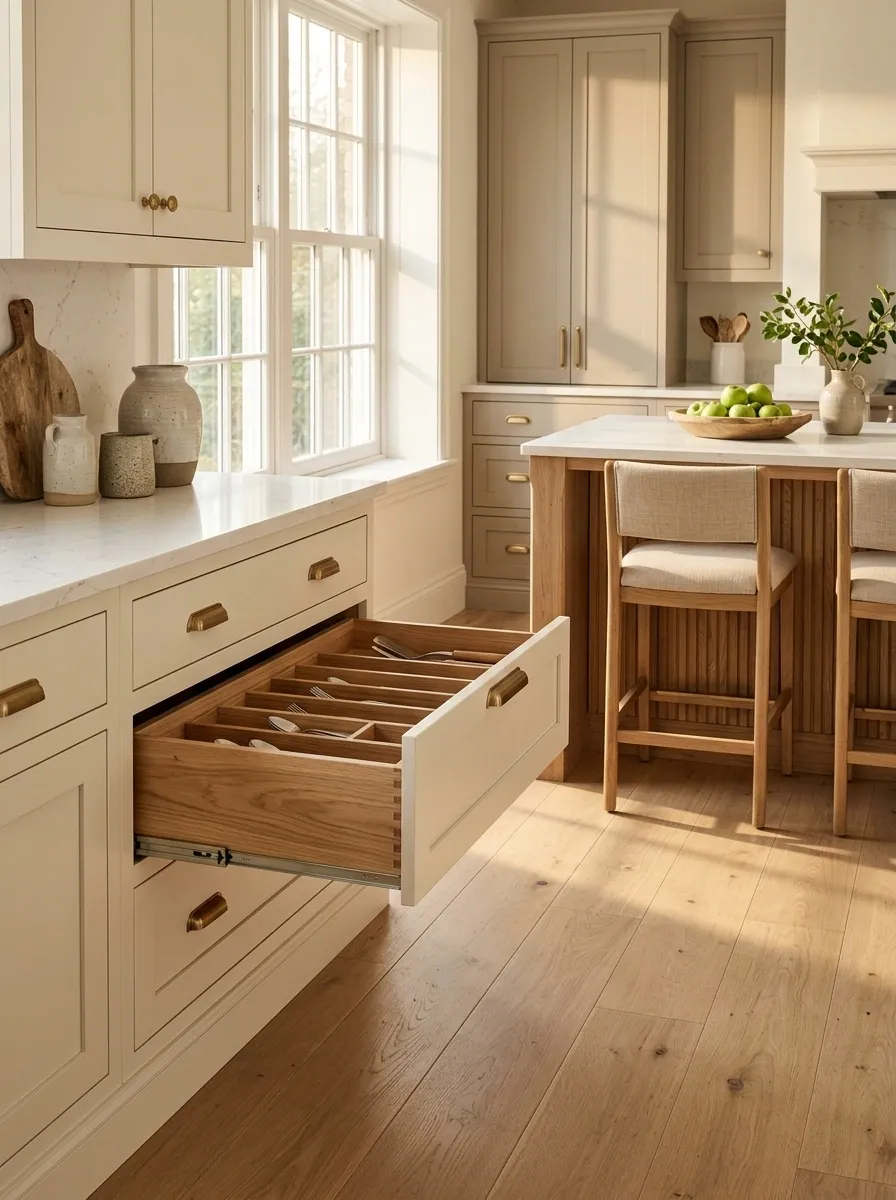
A buyer will open things.
Not because they’re nosy. Because they’re buying a house and want to know how it actually works.
That means sticky drawers, squeaky hinges, doors that slam, and cabinet fronts that don’t line up are fair game. A tiny annoyance repeated across several rooms starts to feel like a house-wide maintenance habit.
Do a function pass through the house.
Open every obvious drawer. Close every interior door. Test cabinets. Listen for squeaks. Check handles and catches. Fix the little failures that happen during normal use.
A door that closes properly doesn’t impress anyone. That’s the point. It simply removes one more reason to pause.
A House Full of Small Unfinished Repairs
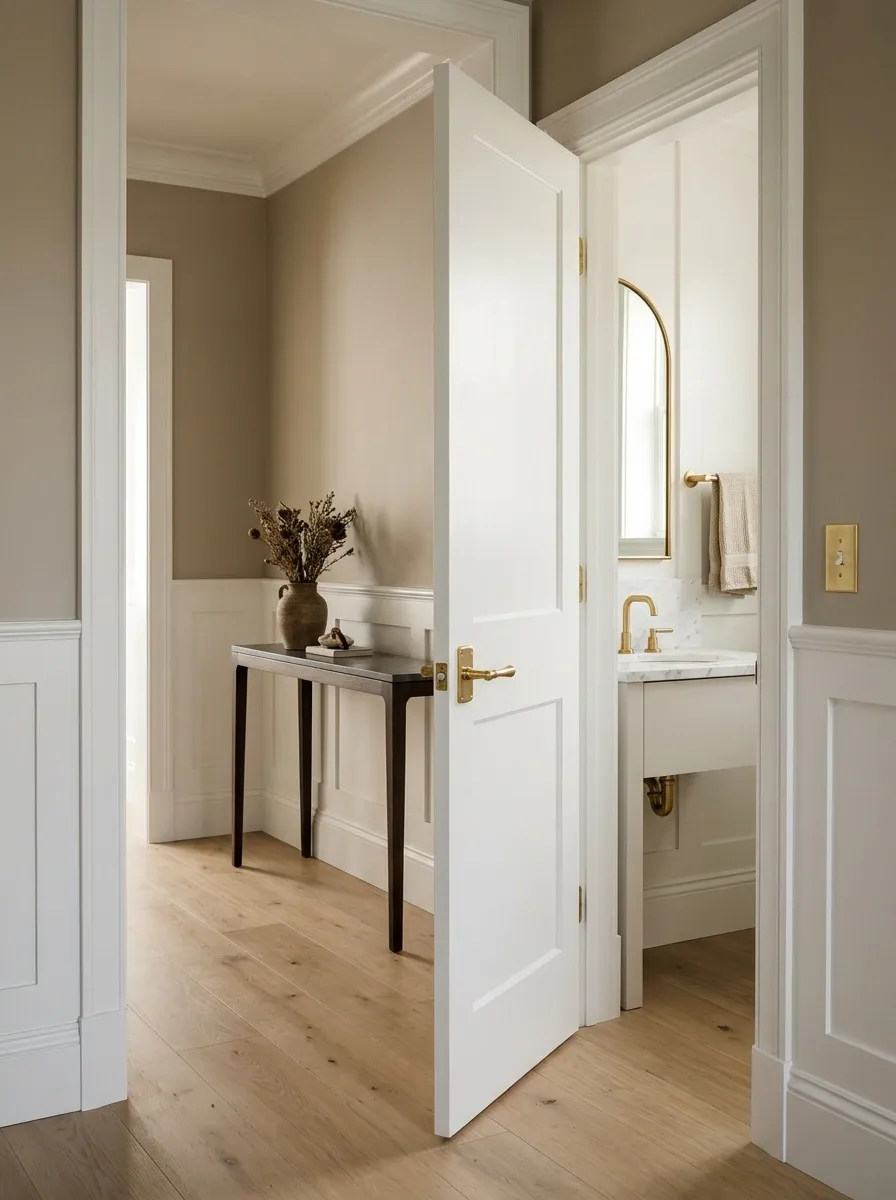
This is the category that quietly wrecks confidence.
One loose towel bar doesn’t matter much. One missing switch plate doesn’t matter much. One cracked corner doesn’t matter much.
Then there’s the loose towel bar, missing switch plate, cracked corner, crooked door, chipped baseboard, unfinished patch, and light fixture that stopped being level sometime last winter.
Now the buyer has a collection.
Make a room-by-room repair list and clear the easiest visible jobs first. Don’t spend a weekend inventing complicated projects. Tighten, patch, replace, clean, straighten, and finish what can be finished cleanly.
A house doesn’t need to look untouched. It needs to look like someone notices when something breaks.
Strong Pet, Cooking, Smoke, or Musty Odors

A house can look beautiful and still lose the room the second someone notices the smell.
That stale pet odor. The deep cooking smell trapped in curtains. Smoke lingering in soft surfaces. A musty closet that hits the nose before the eyes even adjust.
Opening one window for ten minutes isn’t a strategy.
Work from the source outward. Wash washable fabrics. Clean carpets and upholstery when needed. Empty bins. Clean drains. Check soft furnishings. Air out closets and rooms. Don’t try to overpower the problem with a collection of scented sprays.
A neutral-smelling home gives buyers room to think about the house. A suspicious smell gives them a mystery to solve.
And buyers did not arrive hoping to solve mysteries.
A Home That Feels Over-Styled but Under-Maintained
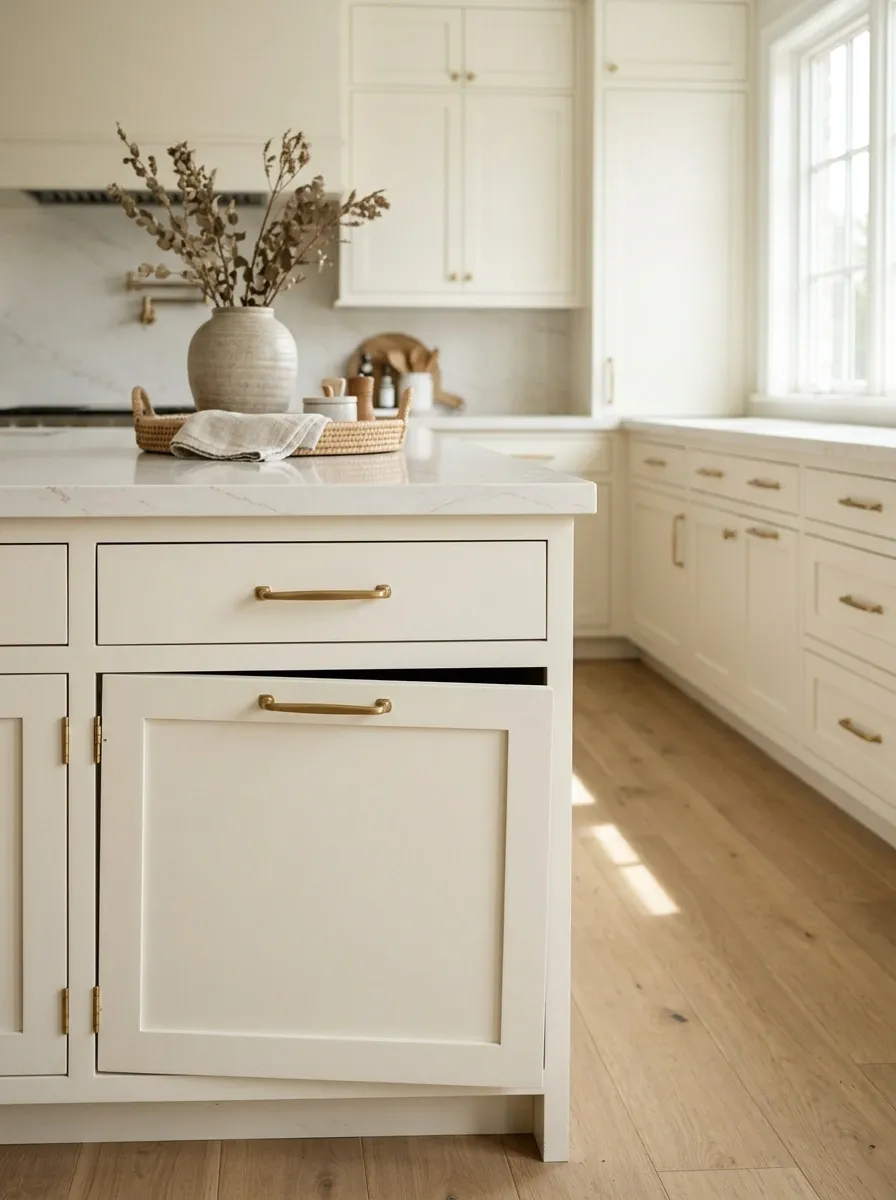
This is where things get interesting.
A house can have the right pillows, the nice tray, the carefully arranged coffee table, and enough decorative objects to impress an algorithm. Then a buyer notices the loose faucet, dusty vent, worn baseboard, crooked cabinet door, or sticky handle.
Now the styling starts working against the house.
Maintenance should always win the visual priority battle. Clean first. Repair second. Edit clutter third. Style last.
A beautiful room with five visible maintenance issues doesn’t feel more expensive. It feels like somebody decorated around the problems.
That oversized vase can wait. The cabinet hinge can’t.
The Buyer-Tested Version of Your House
The strongest pre-sale improvements usually aren’t the glamorous ones.
They’re the things that make a buyer stop calculating problems.
A cleaner entry says the property is cared for. Clearer rooms make the floor plan easier to understand. Working doors, drawers, cabinets, and windows reduce friction. Clean bathrooms and neutral odors stop unnecessary alarm bells. Less clutter gives storage and space room to show themselves.
That’s the real goal behind the things buyers hate about your house. Don’t chase a showroom. Remove the distractions that make a good house feel like work.
Walk through the property slowly, look at it like a stranger, and fix the details that keep demanding attention. Then stop decorating and let the house do its job.
Save this list before the next showing so the tiny problems don’t become the buyer’s favorite reason to negotiate.