
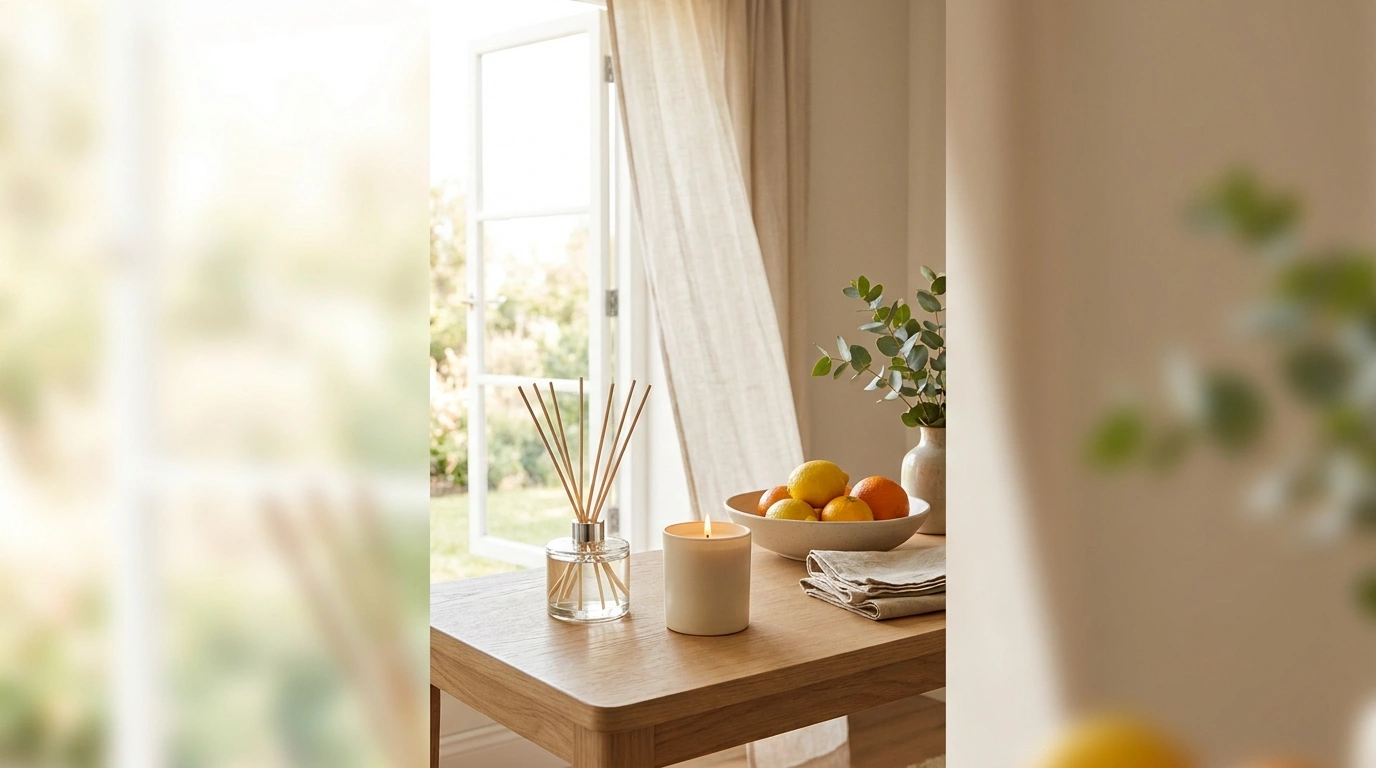
Some homes smell fresh the second the door opens. Others smell like last night’s cooking, damp laundry, and a scented candle working three shifts with no benefits.
The difference isn’t always an expensive diffuser or a cabinet full of fragrance sprays. It’s the little household habits that stop unpleasant smells from settling in the first place.
Soft furnishings hold onto cooking odors. Shoes develop their own questionable chemistry. Bathroom towels stay damp, sink drains collect residue, and the kitchen bin somehow smells terrible even after the trash has been taken out. A floral room spray isn’t going to negotiate peace between all those suspects.
The Home Scent Reality Check
Your Home Smells Weird. Here’s the Actual Problem.
Spraying vanilla over a damp towel isn’t fragrance layering. It’s denial with a price tag. Find the problem first.
Sour or Damp?
Check wet towels, bath mats, washer seals, pet bedding, and shoes.
FIRST MOVE: Wash and dry thoroughly.
Stale or Funky?
Inspect trash-can lids, sink drains, fridge spills, and forgotten leftovers.
FIRST MOVE: Remove the source.
Musty or Trapped?
Look for damp corners, blocked vents, crowded closets, and hidden moisture.
FIRST MOVE: Find the moisture and improve airflow.
The order matters. Yes, really.
Remove the source. Clean the area. Let it dry. Move the air. Add fragrance last.
Persistent musty smells, visible mold, and recurring dampness need attention at the source. A stronger room spray isn’t the fix.
Practical Ways to Make Your Home Smell Insanely Good
Remove the Odor Source Before Adding Fragrance

The first rule of a good-smelling home is brutally simple: don’t perfume a problem you haven’t cleaned up.
Start with the places that collect smells without announcing themselves. Check the kitchen bin, sink area, sofa cushions, laundry basket, and the corner where shoes mysteriously gather into a small civilization.
Work through the rooms one at a time rather than spraying everything and hoping for the best. A clean kitchen with no lingering food smells needs very little fragrance to smell pleasant. A kitchen with old spills hiding under appliances needs a cleaning session, not a scented candle with a superiority complex.
Your odor-source map
Track Down the Smell
Kitchen
Check the bin, drain, fridge spills, and greasy splashes around the cooker.
Living Room
Inspect throws, upholstery, rugs, and pet resting spots.
Bathroom and Laundry
Look for damp towels, washer residue, bath mats, and slow-drying fabrics.
The rule: Find the source, clean the surface, and let it dry before bringing in fragrance.
Air Out Rooms With Cross-Ventilation

Stale air can make even a tidy room smell like it’s been holding its breath all day.
When outdoor conditions are suitable, open windows on opposite sides of the home to encourage air to move through instead of simply swapping one pocket of stale air for another. Use kitchen and bathroom exhaust fans when cooking, showering, or dealing with humidity.
The trick is movement, not just an open window.
If outdoor air is smoky, dusty, or heavy with pollen, keep windows closed and use suitable ventilation or air filtration instead. No need to invite the entire neighborhood’s air quality into the living room.
The fresh-air checklist
Open a route
Create a path between suitable openings where possible.
Clear the airflow
Keep curtains and furniture from blocking vents.
Control moisture
Run exhaust fans during steamy chores and afterward as needed.
Wash Curtains and Cushion Covers That Hold Stale Smells

Soft furnishings can hold onto cooking smells, smoke, pet odors, and ordinary household dust. That’s why a room can look clean while still smelling suspiciously like last weekend’s takeaway.
Start with removable cushion covers, throws, and curtains that are due for cleaning. Check their care labels before washing, especially when fabrics are lined, delicate, or prone to shrinking. Let everything dry completely before putting it back.
There’s no need to wash every fabric in the house on the same afternoon. Start with the items closest to kitchens, pets, and places where people spend the most time.
The Fabric Refresh Plan
Start with fabrics that absorb the most everyday smells.
Curtains
Check washing instructions and vacuum or launder as the fabric allows.
Cushion Covers
Remove washable covers and clean up spills before they settle in.
Throws and Blankets
Wash according to the care label and dry fully before folding.
Small detail, big difference: A damp cushion cover put straight back on the sofa is just a new odor problem wearing clean clothes.
Give Shoes a Contained Landing Spot

Shoes scattered beside the front door can turn the entrance into the first thing guests notice for all the wrong reasons. Add damp trainers and closed storage, and the situation gets even less charming.
Set up a dedicated shoe zone near the entrance. Use an open rack or a ventilated tray, and let wet footwear dry before putting it away. Keep outdoor shoes separate from slippers and anything worn around the house.
A nice basket can help organize the area, but it isn’t a substitute for airflow. Storing damp shoes in a pretty closed box is still storing damp shoes in a box.
Entryway rules that actually work
Use an open rack. Air needs somewhere to go besides nowhere.
Separate wet footwear. Dry it before storage.
Clean the tray. Dirt, grit, and moisture don’t vanish just because the shoes moved.
Keep the area uncluttered. Make it easy to spot and clean up dirt.
Deodorize Carpets Only After Checking the Care Label

Carpets collect crumbs, dust, pet hair, and spilled drinks. They also absorb odors that seem to reappear the second the room warms up. Spraying the surface can leave you with a perfumed carpet and the same problem underneath.
Start by vacuuming slowly, including the edges and the areas beneath movable furniture. For spills, follow the carpet manufacturer’s cleaning instructions and use a compatible product. Blot rather than scrub when treating a fresh spill, since aggressive rubbing can damage fibers or push the mess deeper.
Skip random cleaning hacks on delicate materials. Wool, specialty rugs, and stubborn stains may need a suitable professional treatment.
Choose the right carpet reset
Match the Fix to the Mess
Everyday Dust
Vacuum slowly, paying attention to edges and furniture legs.
Fresh Spills
Blot promptly and use a cleaner approved for the carpet material.
Delicate Rugs
Check fiber-care instructions before applying water or cleaning products.
Red flag: If a carpet keeps smelling musty, feels damp, or has recurring stains, investigate the underlying moisture instead of repeatedly scenting the surface.
Clean Sink Drains Instead of Masking the Smell
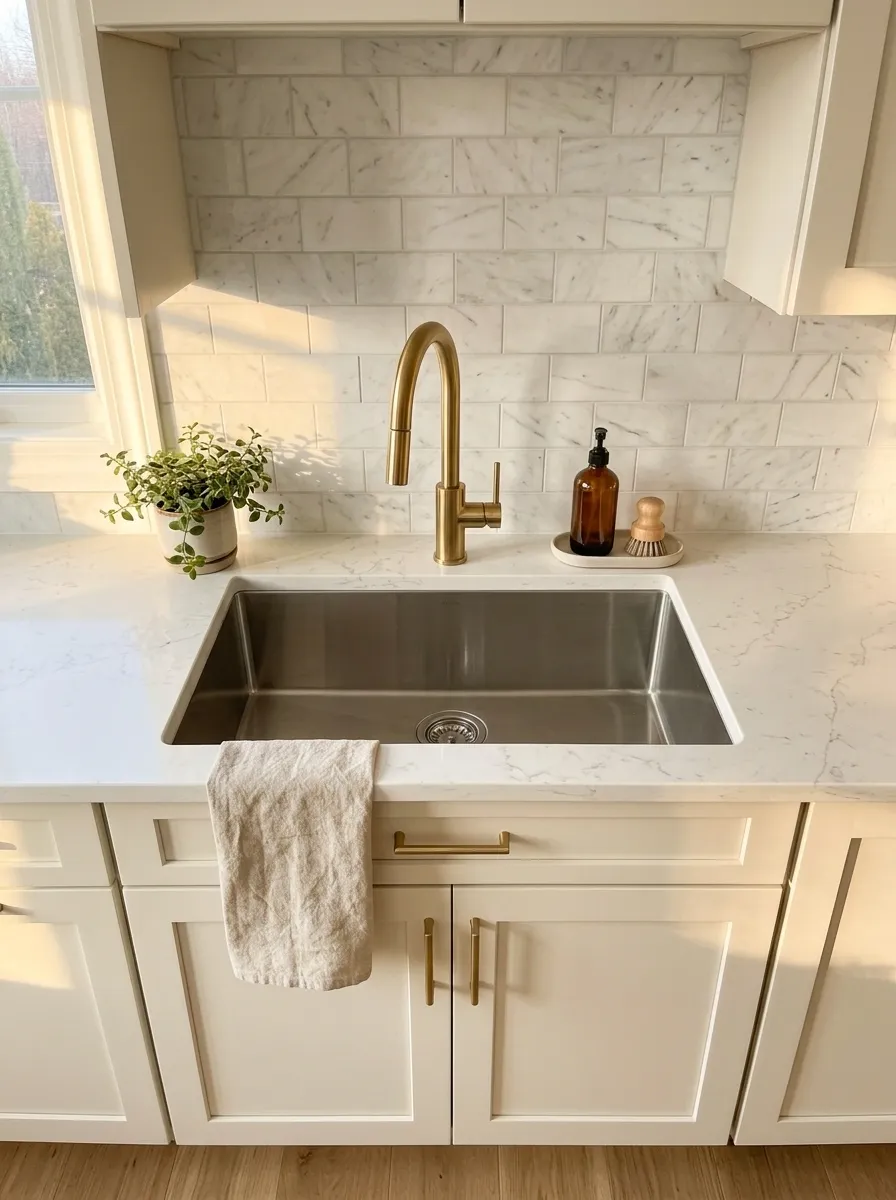
A kitchen sink can look clean while the drain is quietly collecting food residue and unpleasant smells. Spraying lemon fragrance around the sink won’t fix that little plot twist.
Start by cleaning the removable stopper and the accessible parts of the sink according to the fixture manufacturer’s instructions. Remove visible debris, then flush with warm tap water if appropriate for your plumbing. Keep the surrounding sink area clean, too, especially where food scraps and greasy splashes collect.
One rule isn’t negotiable: never mix drain cleaners with bleach, vinegar, ammonia, or other cleaning products. The resulting chemical reactions can be dangerous. If a sewer-like odor keeps returning, get the plumbing checked instead of escalating the fragrance budget.
The Sink Drain Reset
A sensible cleaning order, minus the chemistry experiment.
Remove debris
Clean accessible stopper parts and clear visible food residue.
Clean safely
Follow product directions and use only compatible cleaning methods.
Check the result
Watch for recurring odors, slow drainage, or signs of a plumbing issue.
Safety first: Never combine drain cleaners or mix bleach with other cleaning products. If a chemical cleaner has already been used, follow its label before doing anything else.
Simmer Citrus Peels With Herbs and Spices
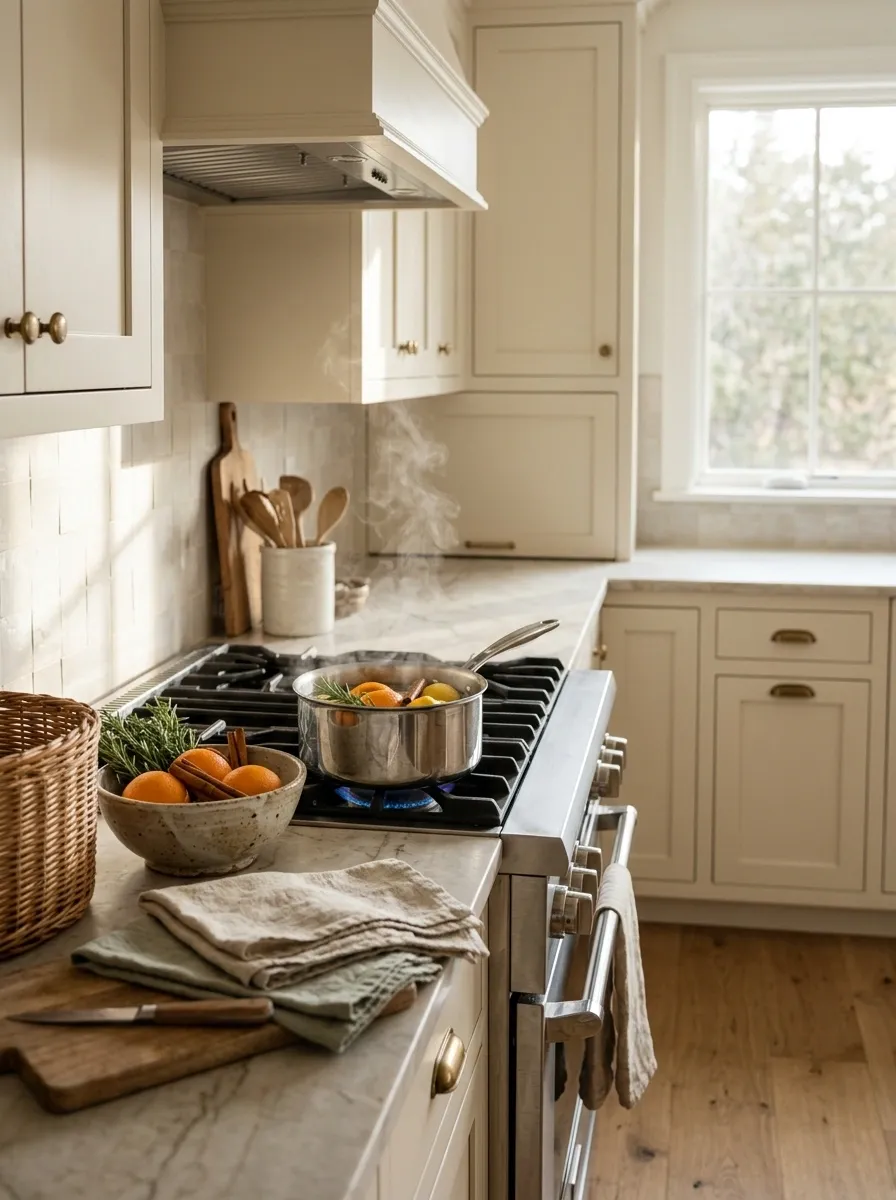
This is the kitchen trick for days when a gentle, fresh scent sounds better than an aggressively perfumed living room.
Add orange or lemon peels, a rosemary sprig, and a cinnamon stick to a saucepan of water. Bring it to a gentle simmer, then lower the heat and let the aroma drift through the nearby rooms. Add water as needed so the pan doesn’t run dry.
The combinations are easy to adjust. Citrus and rosemary smell fresh and herbal, while orange and cinnamon feel warmer and more suited to a cool evening. No elaborate recipe or expensive fragrance oil required.
Stay in the kitchen while the pot is heating, and never leave it unattended. A pleasant-smelling home isn’t worth a scorched saucepan.
The stovetop scent bar
Build a Simmer Pot
Fresh and Citrusy
Orange peel + lemon peel + rosemary
Bright herbal scentWarm and Spiced
Orange peel + cinnamon stick + a little fresh ginger
Soft spicy aromaGreen and Earthy
Lemon peel + rosemary + a small sprig of thyme
Fresh garden notesHow to use it
Cover the ingredients with water, bring to a gentle simmer, then reduce the heat. Check the water level regularly. Never leave the stove unattended or allow the pan to boil dry.
Refresh the Refrigerator’s Hidden Odor Traps

Opening the fridge and getting hit with a mysterious smell is a special kind of household betrayal. The source is often less mysterious than it seems: forgotten leftovers, sticky spills, or a vegetable drawer holding produce that should have retired days ago.
Remove expired food first. Then clean shelves, drawers, and door seals with a method suitable for the appliance. Check underneath removable drawers, where spilled juices can hide particularly well.
Once the interior is clean and dry, an open box of baking soda designed for odor absorption can help reduce lingering food smells. Replace it according to its instructions. It won’t rescue a fridge full of spoiled food, no matter how much responsibility you outsource to the baking aisle.
The fridge reset
Check These Before Blaming the Whole Kitchen
Leftovers: Remove food that’s spoiled or past its safe storage time.
Shelves: Clean sticky spills and crumbs.
Drawers: Check underneath and around the runners for hidden spills.
Door seals: Wipe away grime while following the appliance’s care directions.
Odor absorber: Use baking soda as a supporting measure after cleaning.
Remember: If an unpleasant smell persists after cleaning, check for a hidden spill or another underlying appliance issue.
Wash Pet Bedding and Soft Toys on a Real Schedule
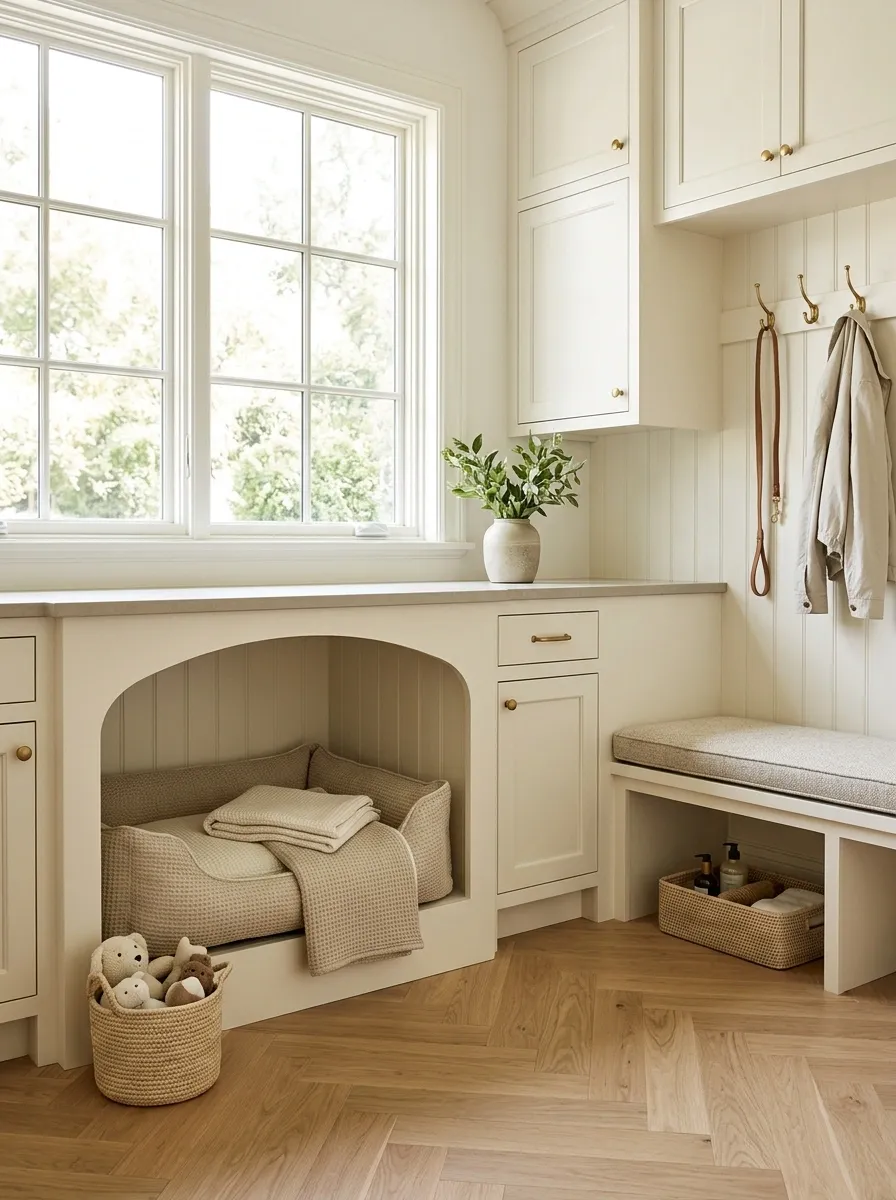
Pets bring plenty of personality into a home. Their bedding doesn’t need to bring a permanent animal-shaped odor cloud along with it.
Wash pet blankets, cushion covers, and soft toys according to their care labels and the detergent manufacturer’s instructions. Pick up fur and loose debris between washes, and make sure each item dries completely before it goes back into the sleeping area.
Pay special attention to beds near sunny windows, corners with poor airflow, and spots where a pet naps after coming in from outdoors. These areas tend to collect fur, dirt, and moisture.
Choose cleaning products suitable for the item’s intended use, rinse as directed, and avoid heavily fragranced treatments that can irritate sensitive animals. Fresh-smelling pet bedding should smell clean, not like a perfume shop’s newest customer.
Pet-area reset
Clean the Bed, Not Just the Floor
Wash the fabrics
Clean removable covers, blankets, and washable toys according to their labels.
Dry them fully
Follow drying instructions and don’t return damp items to the bed.
Maintain the area
Remove loose fur and debris, and clean the surrounding floor routinely.
Pet-safety note: Avoid strongly scented sprays and essential oils around animals unless a veterinarian confirms they’re appropriate. Keep pets away from wet cleaning products and treated surfaces until the label says they’re safe.
Dry Bath Towels Fully Between Uses
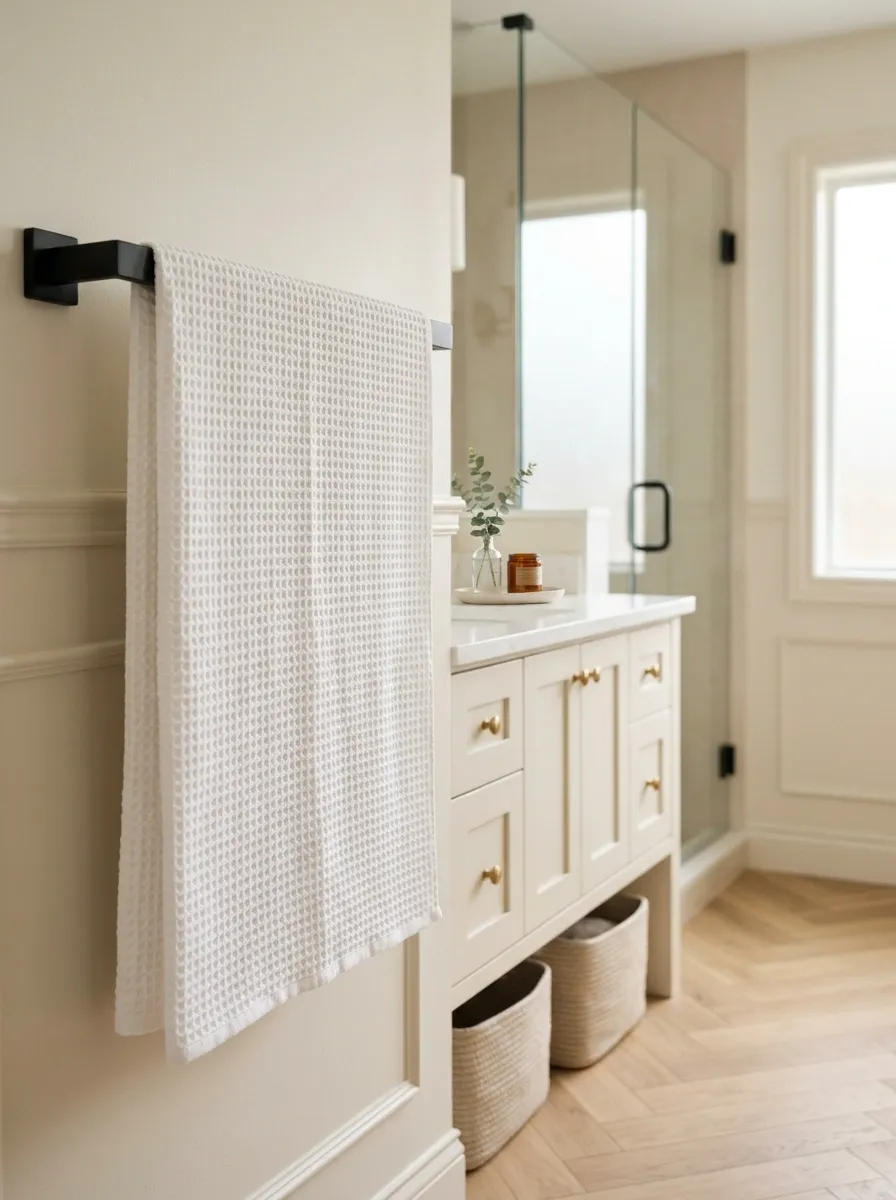
That sour towel smell doesn’t mean the bathroom needs a more expensive diffuser. It usually means the towel isn’t drying properly between uses.
Spread towels over a rack so air can reach both sides. A tightly folded towel hanging from a tiny hook stays damp longer, especially in a bathroom with weak ventilation. Turn on the exhaust fan when showering, and keep the door open afterward when privacy and household conditions allow.
If a towel already smells sour, wash it instead of trying to rescue it with fragrance. Follow the fabric-care instructions and dry it completely. Persistent odor can also point to residue inside the washing machine, so check the washer if freshly laundered towels keep developing the same smell.
Bathroom moisture check
Is Your Towel Actually Drying?
Better
Hang it spread out, allow air to reach both sides, and use bathroom ventilation.
Worse
Leave it bunched on a hook, pile it onto damp laundry, or fold it before it dries.
The sniff test: If a clean towel smells sour straight out of the wash, investigate detergent buildup, washer cleanliness, and drying conditions before blaming the bathroom.
Choose a Reed Diffuser That Suits the Room

A reed diffuser can make a room smell quietly lovely without turning every visit into an encounter with a fragrance cloud. The trick is choosing the right strength and placement instead of buying the biggest bottle available.
Start with a subtle scent in a smaller room, then adjust the number of reeds according to the manufacturer’s instructions. Place the diffuser on a stable surface away from direct sunlight, heat sources, pets, and places where it can be knocked over. Keep it clear of delicate finishes because spilled fragrance oil can damage some surfaces.
The goal is a scent people notice when they enter, not one that announces itself from three rooms away.
The diffuser placement guide
Match the Scent to the Space
Entryway
Choose a gentle scent that gives a clean first impression without overwhelming the doorway.
Living Room
Start with a mild fragrance and place it where it won’t sit beside another strong scent source.
Bathroom
Fix damp towels and ventilation first. A diffuser can’t evict moisture on your behalf.
The subtle-scent rule
Begin with the manufacturer’s recommended setup, then adjust cautiously. Keep fragrance oils away from children, pets, flames, and vulnerable surfaces.
Make One Candle the Room’s Main Fragrance Source
A scented candle can give a room a warm, recognizable smell, but burning three different fragrances together can create the olfactory equivalent of several people talking over each other.
Choose one candle that suits the room and let it do the job. Woody or herbal scents work well when the rest of the space already has plenty of visual detail, while lighter citrus notes can feel fresher in a room used for cooking or entertaining.
Keep the candle on a stable, heat-resistant surface, away from curtains, drafts, pets, and anything combustible. Follow its label, never leave it burning unattended, and extinguish it before leaving the room.
Candle rules, no drama
One Flame. One Main Scent.
A single candle gives the room a clear fragrance instead of a scent committee that cannot agree on a direction.
✓ Do this
Use a stable, heat-resistant surface and keep the flame away from drafts and loose fabrics.
✕ Skip this
Don’t leave a burning candle unattended or place it near children, pets, or combustible items.
Use Linen Spray Sparingly on Suitable Fabrics

Linen spray is useful when bedding or washable curtains need a light fragrance between proper washes. It isn’t a substitute for laundry, and soaking a pillow in perfume won’t make it any cleaner.
Check that the product is intended for the fabric you’re treating. Test a hidden spot first, apply it sparingly, and let the fabric dry fully before use. Avoid spraying directly onto skin, food, delicate finishes, or materials the label excludes.
Keep the scent simple. A light herbal or clean-linen fragrance on freshly washed bedding can feel inviting, while several sprays layered over detergent, body products, and a diffuser can become overwhelming surprisingly quickly.
The fabric fragrance guide
Spray Less. Check First.
Bedding
Use only a fabric-approved product, lightly, and let it dry completely before sleeping on it.
Curtains
Check care instructions and test an inconspicuous spot for marks or color changes.
Upholstery
Use only when the label permits it, especially on delicate or stain-prone materials.
Before every spray
Check the label, patch-test the material, ventilate as directed, and keep the product away from children and pets. Less fragrance is usually easier to live with.
Clean Your Vacuum Filter and Brush Roll

A vacuum that’s supposed to make a room cleaner shouldn’t smell like a dusty old sock while doing it. Hair, trapped debris, and dirty filters can leave an unpleasant odor every time the machine runs.
Empty the dust container or replace the bag as directed. Check the brush roll for wrapped hair and fibers, then inspect the filter and clean or replace it according to the manufacturer’s instructions. Not every filter can be washed, so don’t send it into a sink-based adventure without checking first.
Let washable parts dry completely before reassembly. A vacuum that still smells musty after maintenance may need a replacement part or professional servicing.
Vacuum maintenance
Stop the Smell at the Machine
Empty the container. Don’t let collected dirt sit longer than the manufacturer’s guidance allows.
Clear the brush roll. Remove wrapped hair and fibers safely with the machine unplugged.
Check the filter. Clean or replace it only as permitted by the product instructions.
Dry every washed part. Reassemble only when components are fully dry and ready for use.
Never operate the vacuum with a wet filter or remove a component that the manufacturer says must remain installed.
Keep the Laundry Room From Smelling Damp or Sour
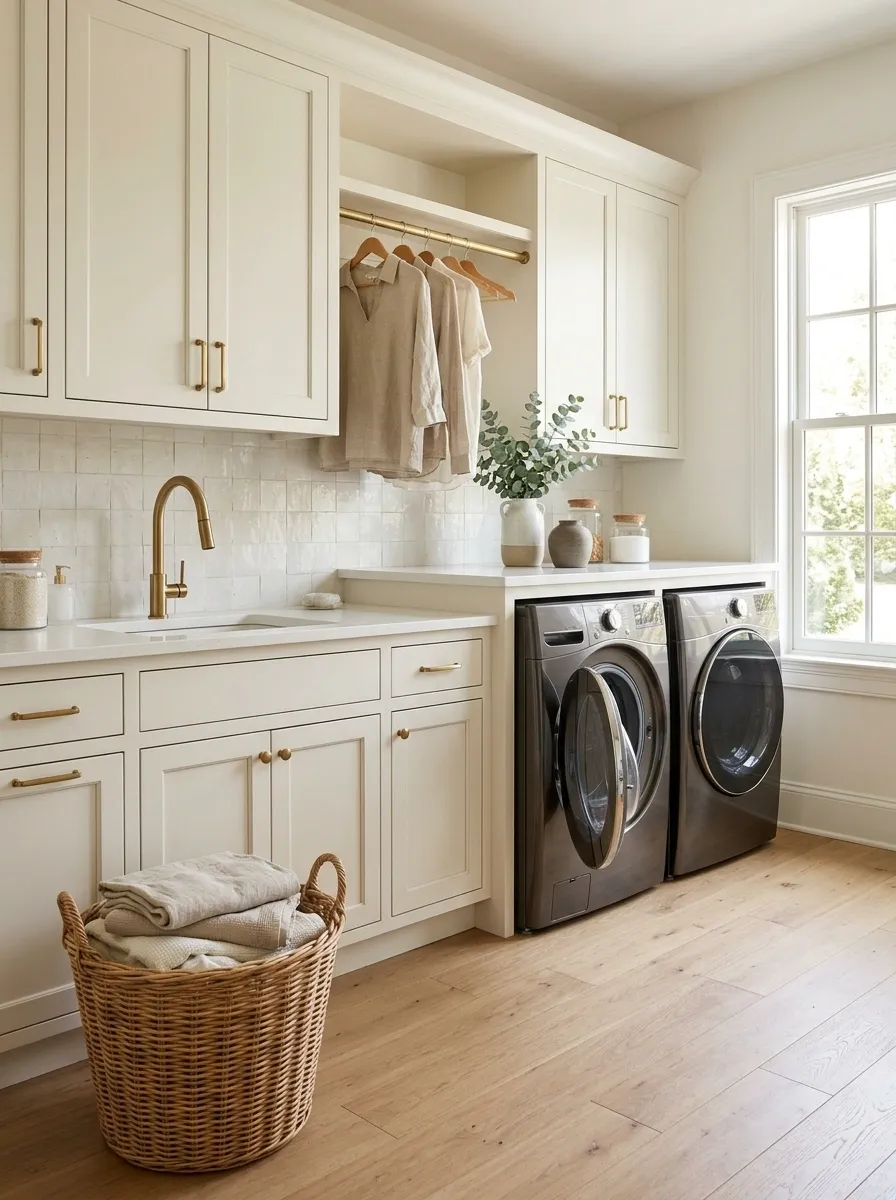
The laundry room is supposed to be where bad smells go to die. When the washer itself smells musty, though, freshly washed clothes can come out carrying the same problem they went in with. Embarrassing for a machine whose entire job is cleanliness.
Check the washer seal, detergent drawer, and any removable components that the manual says can be cleaned. Remove residue, use the recommended machine-cleaning cycle, and leave the door or lid open between loads when it’s safe to do so. Don’t leave wet laundry sitting inside for hours.
Keep the area around the machine dry, too. If a persistent musty smell comes with leaks or visible mold, find and fix the moisture source.
The laundry room rescue
Find the Places That Stay Damp
Detergent Drawer
Remove accessible residue and clean according to the washer manual.
Door Seal
Inspect the folds for trapped lint, residue, and moisture.
Airflow
Ventilate the room appropriately and avoid leaving wet clothes inside the machine.
The tiny habit that helps
Remove finished laundry promptly and allow the washer to dry between uses, following the manufacturer’s guidance.
Replace HVAC Filters on Schedule

If the house smells dusty every time the heating or cooling kicks on, check the air filter before buying another room spray. A loaded filter can restrict airflow, and a neglected ventilation system may contribute to poor indoor air quality.
Use the filter size and replacement guidance specified for your system. Some filters need replacing more often than others, depending on the type, household conditions, and how frequently the system runs. Don’t assume every filter follows the same calendar.
Also check that supply vents and return grilles aren’t blocked by furniture or curtains. A room spray can’t service an air-conditioning unit, no matter how ambitious the label sounds.
Airflow maintenance
A Quick Ventilation Check
✓ Check the filter
Use the correct size and follow the system’s replacement schedule.
✓ Clear the vents
Move furniture, rugs, and curtains away from supply and return openings.
✓ Notice unusual odors
Persistent musty or burning smells need investigation, not more fragrance.
A filter helps with airborne particles, but it won’t fix a leak, mold growth, or a mechanical problem inside the system.
Use Fresh Flowers Where Their Scent Can Travel
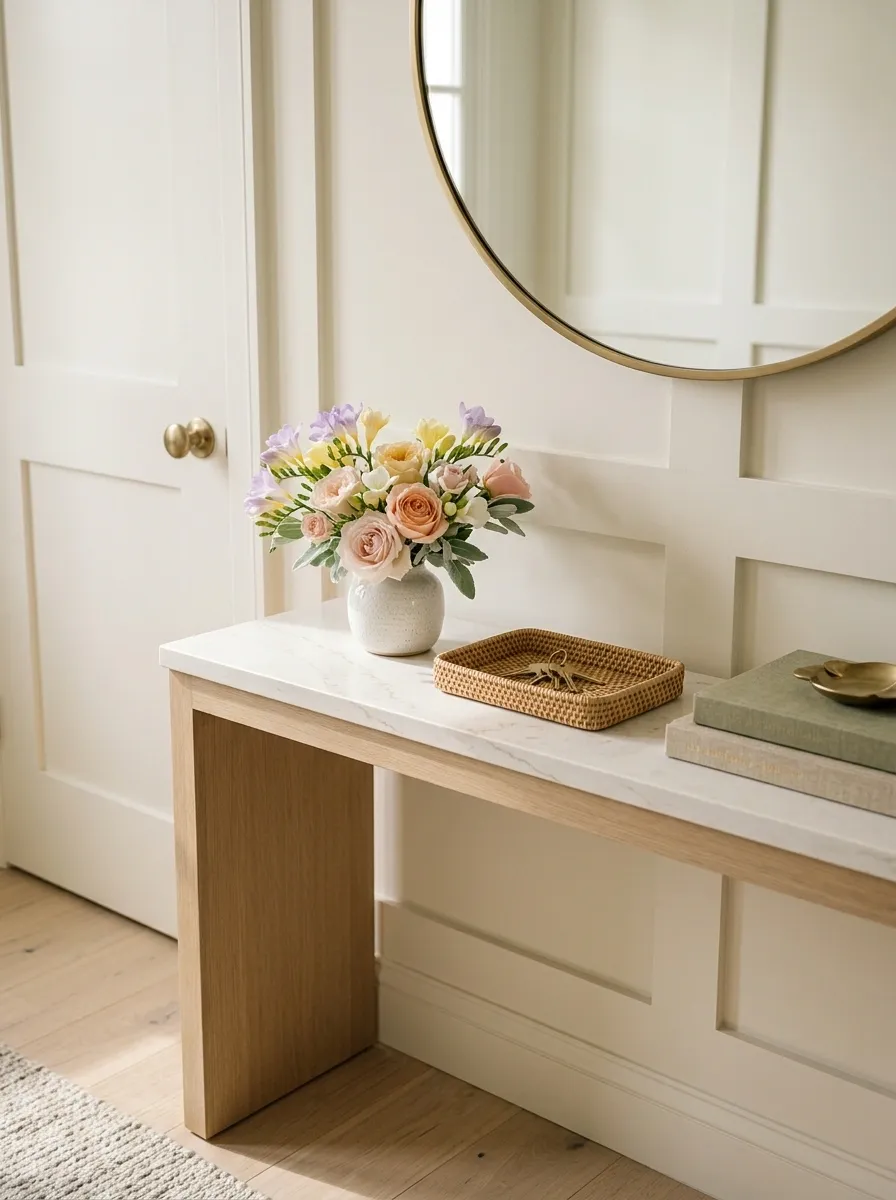
Fresh flowers are lovely to look at, but some varieties have a fragrance that can make a room smell naturally pleasant without any plug-in gadget working overtime.
Choose flowers with a scent that suits the room and the people using it. Freesias and hyacinths can be fragrant, while roses vary widely by variety. Keep strongly scented blooms away from sleeping areas if anyone is sensitive to fragrance.
Trim the stems, use a clean vase, replace the water regularly, and remove fading flowers before the water starts smelling unpleasant. Keep bouquets out of intense heat and direct sunlight so they last longer.
One small, fragrant arrangement usually works better than placing several competing bouquets throughout a small room.
The botanical scent edit
Choose Flowers for Their Fragrance
Freesias
A fragrant option for a small entryway or table where the bouquet can be enjoyed up close.
Fragrant Roses
Choose a scented variety rather than assuming every rose smells like anything at all.
Seasonal Blooms
Ask about fragrance strength before buying, especially for compact rooms or sensitive noses.
Keep the bouquet fresh
Use a clean vase, refresh the water, trim stems as appropriate, and remove fading blooms. Check flower toxicity before placing bouquets where pets can reach them.
Give Closets a Dry, Clean Base Before Adding Sachets

Closets can develop a stale smell when clothes are packed too tightly, shoes are put away damp, or a small leak goes unnoticed. Hanging a scented sachet among all that won’t solve the underlying issue. It just gives the odor something floral to argue with.
Remove clothing that needs washing, clean dusty shelves, and leave space between garments so air can move. Make sure everything is dry before putting it away. If the closet smells persistently musty, inspect the surrounding wall and floor for moisture before introducing fragrance.
Once the space is clean and dry, a cedar block or a suitable scented sachet can add a mild finishing note. Keep sachets away from garments if their oils or contents could stain the fabric.
Closet refresh checklist
Fresh Clothes Start With a Fresh Closet
Remove dirty laundry. Give worn garments their own hamper instead of mixing odors with clean clothes.
Clean the shelves. Remove dust and deal with spills before storing clothing.
Leave breathing room. Avoid cramming every hanger into one compressed clothing traffic jam.
Check for dampness. Investigate recurring musty odors before adding cedar or sachets.
Finish: Add a subtle sachet only when the closet is clean, dry, and free of persistent odors.
Refresh Upholstery With the Right Fabric-Safe Method

Sofas absorb more household smells than anyone wants to think about. Food crumbs slip between the cushions, pets claim their favorite corner, and spilled drinks can leave lingering odors long after the surface looks dry.
Start by removing cushions and vacuuming the seams, crevices, and underside where debris collects. Check the manufacturer’s upholstery-care code before using water or any cleaning solution. Some fabrics tolerate water-based cleaning, while others require a solvent-based method or professional care.
Blot fresh spills promptly instead of scrubbing them deeper into the fabric. Let cleaned areas dry thoroughly, and don’t cover damp upholstery with throws. If an odor keeps returning, the spill may have reached the cushion filling or another hidden layer.
The sofa rescue plan
Clean Upholstery Without Making It Worse
Routine Cleaning
Vacuum seams, cushion edges, and the hidden areas underneath removable cushions.
Fresh Spills
Blot gently, check the care code, and apply only a compatible treatment.
Persistent Odors
Check whether the smell has reached the filling or needs professional treatment.
The upholstery rule
Test approved cleaning products in an inconspicuous area and allow the upholstery to dry completely. More liquid doesn’t mean more cleanliness. It can mean a longer list of problems.
Keep the Trash Can Clean, Not Just the Trash Bag
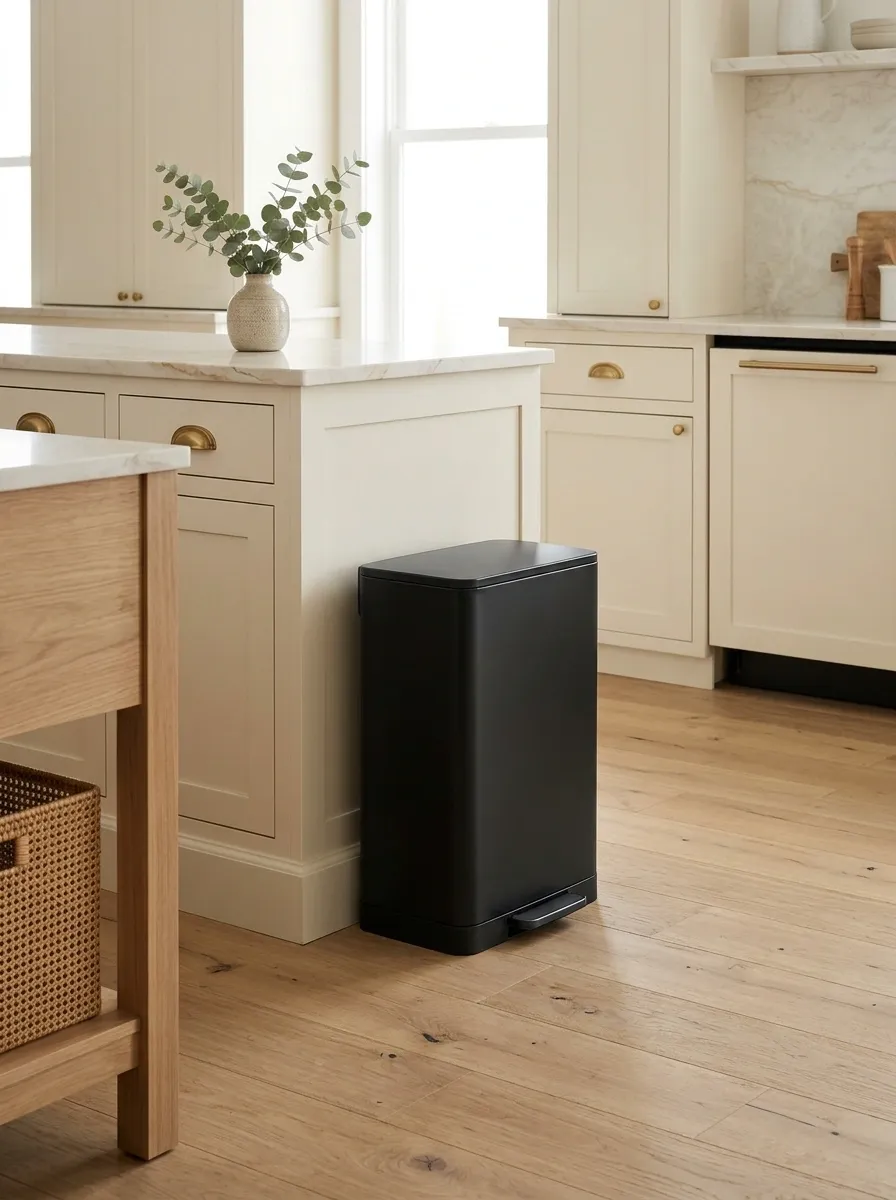
Taking out the garbage is only half the job. Leaky food packaging, sticky splashes, and residue trapped under the rim can make an empty bin smell like the previous week’s leftovers. The new liner isn’t exactly a magical reset button.
Wash the bin and lid with a suitable household cleaner, paying attention to the handle, rim, and bottom. Rinse if the product instructions call for it, then let every part dry before adding a fresh bag. Check the floor underneath, too, because spills have an annoying habit of escaping supervision.
For wet food scraps, use a well-sealed bag and remove it promptly. Clean the container before adding fragrance. A perfumed trash can is still a trash can.
The bin reset
An Empty Bag Isn’t a Clean Bin
Wash
Clean the lid, rim, handle, interior, and outside surfaces.
Inspect
Check the base, seams, and floor for leaks or forgotten spills.
Dry
Let the bin dry fully before lining it and putting it back in place.
The final check: Wipe the floor beneath the bin. That mysterious smell may not be coming from the bin at all.
Use Cedar or Activated Charcoal in Stale Storage Areas

Some storage spaces need odor management more than they need perfume. Cedar blocks and activated charcoal products can be useful additions to closets, shoe areas, and cupboards, but they don’t do the same job.
Cedar contributes a recognizable woody scent and is commonly used in storage areas. Activated charcoal products are designed to adsorb certain odor-causing compounds. Their performance depends on the product, airflow, and conditions, so treat them as supporting tools rather than guaranteed odor erasers.
Clean the space first, make sure everything is dry, and follow the product’s placement and replacement instructions. Keep odor absorbers away from children and pets when their packaging requires it.
The storage-area toolkit
Choose the Right Helper
Cedar
Useful when a gentle woody scent suits the storage area.
Adds a woody noteActivated Charcoal
A supporting odor-adsorption option for suitable cupboards or enclosed areas.
Follow product directionsWhat neither one can fix
Wet clothing, mold, leaking pipes, and dirty shelves still need direct attention. An odor absorber isn’t a tiny maintenance department.
Keep Damp Shoes and Gym Gear Out of Living Spaces

A pair of sweaty trainers tucked under the sofa can undo the pleasant smell of an entire room. Add a damp gym bag, and suddenly the living room has developed locker-room ambitions.
Give workout clothing, sports equipment, and footwear a dedicated place to dry. Empty gym bags after use, remove damp clothing promptly, and clean washable items according to their care instructions. Let shoes air out before returning them to storage.
A ventilated laundry area, utility room, or entryway rack works better than a sealed cupboard filled with damp belongings. If equipment can’t be washed, follow its manufacturer’s cleaning directions.
The key is separating damp gear from clean fabrics. Your sofa cushions don’t need to participate in leg day.
Post-workout reset
Where Damp Gear Should Go
Shoes
Air them out in a ventilated spot before storing them.
Workout Clothes
Remove them from the bag and wash promptly as needed.
Gym Bags
Empty every pocket, remove wet contents, and clean the bag as directed.
Sports Equipment
Clean and dry items according to their material and manufacturer’s guidance.
Keep damp equipment away from upholstered furniture and clean laundry until it’s dry.
Build a Consistent Scent Family Instead of Mixing Everything

A home smells more intentional when its fragrances complement each other instead of competing for attention. Citrus cleaner, vanilla candles, floral room spray, and an overpowering woody diffuser don’t automatically create a sophisticated scent profile. Sometimes they create a fragrance group chat nobody asked to join.
Choose one main scent family, then add a supporting note where it makes sense. Fresh citrus can pair with light herbal notes, while woody fragrances often work with soft spice. Keep stronger scents farther apart, especially in small rooms connected by an open doorway.
The goal isn’t to make every room smell identical. It’s to stop the hallway, bathroom, and living room from behaving like three different perfume departments.
The home fragrance planner
Choose a Main Scent, Then Build Around It
Citrus Family
Pair lemon or orange notes with a restrained herbal fragrance.
Good starting point for kitchens and entryways.
Herbal Family
Combine gentle green notes with clean, subtle fragrances.
A restrained option for shared living areas.
Woody Family
Use cedar-like notes with soft spice rather than several heavy scents.
Works well as a subtle accent in a lounge or study.
The blending rule
Keep one fragrance dominant and the others subtle. Try scents in small amounts before using them throughout connected rooms.
Bake Something Aromatic When It Fits Your Routine

Freshly baked cinnamon rolls, orange muffins, or a loaf of bread can make a kitchen smell inviting without a single artificial fragrance. The best part is that the aroma comes with an actual snack, which is a better deal than paying for a candle that smells vaguely like a bakery.
Use baking as an occasional bonus, not a strategy for hiding lingering food odors. Clean up greasy splashes, dispose of spoiled ingredients, and ventilate the kitchen after cooking when needed.
If the oven is on, follow normal kitchen safety practices and stay attentive. Burning cookies and claiming the smell is part of the recipe is a bold defense, but it won’t convince anyone.
The edible fragrance strategy
Let the Kitchen Smell Like Something Good
Choose a recipe that already fits the day. Cinnamon baking, citrus muffins, and fresh bread bring their own recognizable aroma without layering several room fragrances on top.
Do
Keep the oven attended, clean spills, and ventilate when cooking odors linger.
Don’t
Bake solely to hide a persistent odor or leave food cooking unattended.
Clean Mop Heads and Reusable Cleaning Cloths
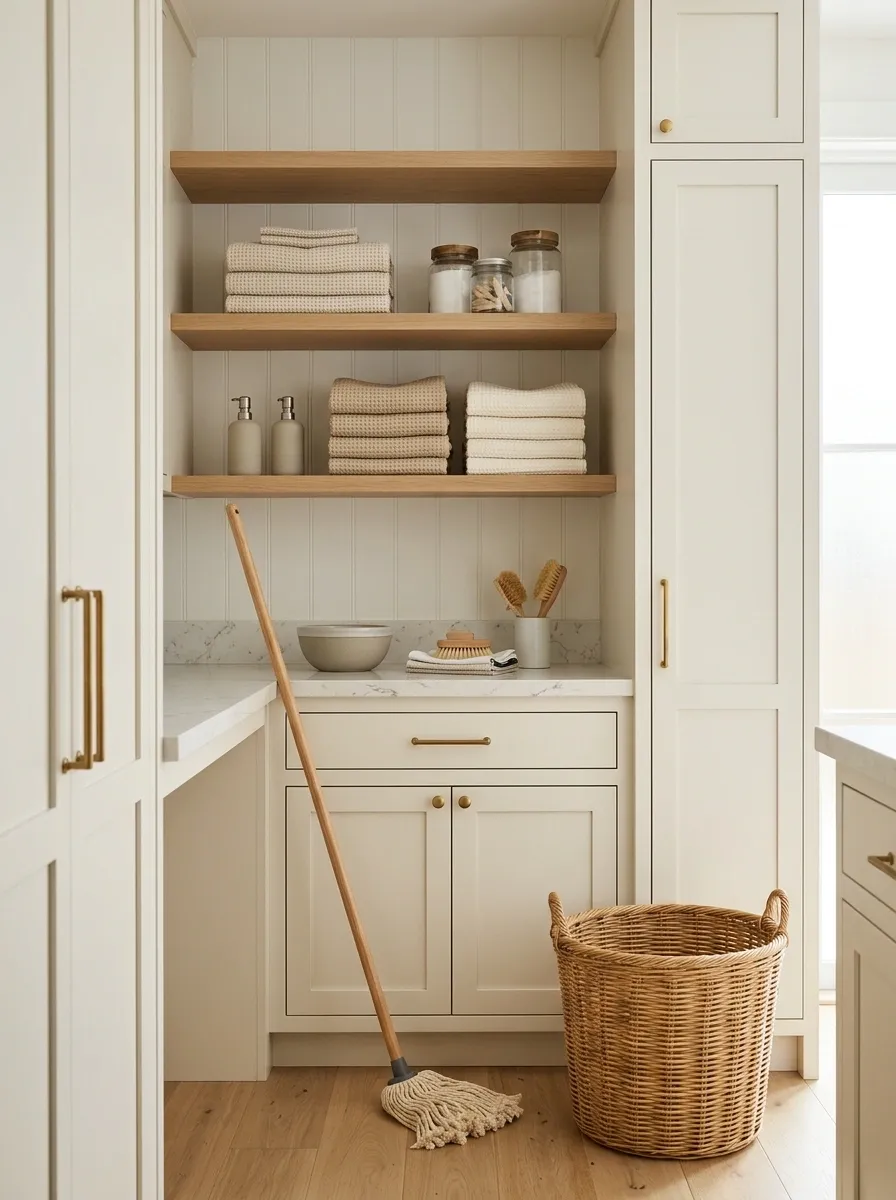
Cleaning tools can spread stale smells around the house when they aren’t washed and dried properly. A mop used on a kitchen spill or a cloth left bunched up beside the sink can develop a sour odor that transfers to the next surface.
Wash reusable cloths and mop heads according to their care labels. Separate heavily soiled cleaning materials from ordinary laundry when appropriate, and use the correct detergent and washing method. Let everything dry completely before storing it.
Never leave a wet mop trapped inside a closed bucket or pile damp cloths in a hamper for days. That’s not a cleaning system. It’s a slow-motion science project.
The cleaning-tool lifecycle
Dirty Tools Need Their Own Reset
Separate
Keep heavily soiled cloths and mop heads apart from clean materials.
Wash
Follow the care labels and cleaning-product directions.
Dry
Allow all reusable tools to dry completely before putting them away.
Important cleaning rule
Never mix bleach with vinegar, ammonia, or other cleaning products. Use each product separately and follow its label.
Refresh the Shower Curtain and Bath Mat Before They Smell Musty

The bathroom can look spotless while the shower curtain quietly develops a damp smell along its folds. Bath mats can have the same problem, especially when they’re left bunched up on the floor after a shower.
Wash the curtain, liner, and mat according to their individual care instructions. Some materials can go in a washing machine, while others need a different cleaning method. Spread the curtain out after showering and hang the mat so both sides can dry.
Keep the exhaust fan running as recommended and address persistent condensation. If black or green patches keep returning, don’t treat them as a decorative inconvenience. Investigate the moisture and clean or replace affected items as appropriate.
The bathroom fabric checklist
Stop Damp Fabrics From Smelling Musty
Shower Curtain
Spread it out after use and clean it according to the material’s instructions.
Bath Mat
Hang it to dry and wash it before dampness develops into a lasting smell.
Bathroom Air
Use suitable ventilation and look for recurring moisture around walls and fixtures.
Don’t ignore recurring mold: Address the moisture source instead of relying on fragrance or repeatedly wiping away visible patches.
Use Potpourri as a Small Accent, Not the Whole Strategy
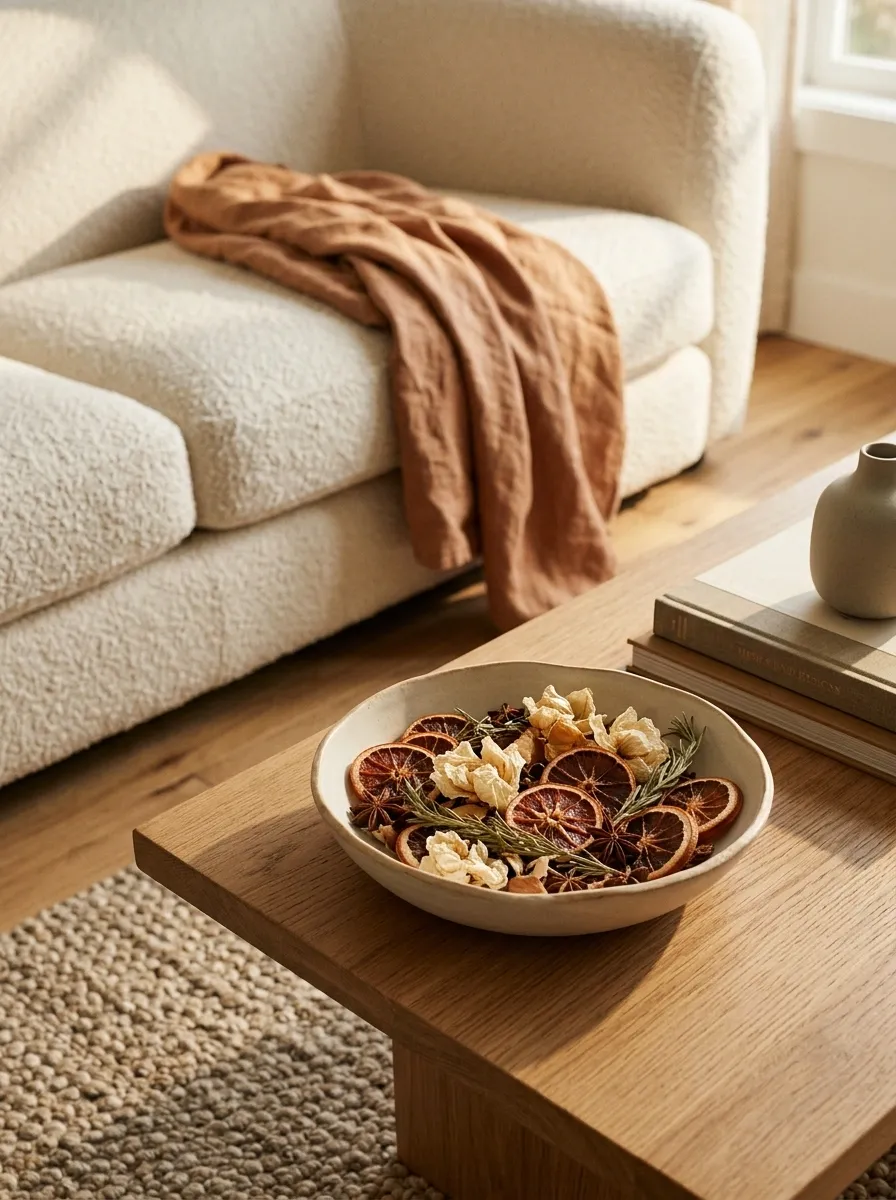
Potpourri can look lovely on a coffee table or shelf, especially when the pieces have natural colors and varied textures. Dried citrus, flower petals, and selected spices create a decorative arrangement that feels more thoughtful than a plastic air freshener wedged behind a lamp.
Choose dry, clean botanicals and a shallow bowl that suits the room. Keep the arrangement away from moisture, direct heat, and direct sunlight that could cause the materials to fade or deteriorate. Refresh or replace it when the scent fades rather than adding fragrance endlessly.
Potpourri is a finishing touch, not an odor-removal method. Keep it out of reach of children and pets, particularly when it contains small pieces, essential oils, or other ingredients that could be harmful if swallowed.
The natural fragrance styling board
Build a Potpourri Bowl That Looks Intentional
Dried Citrus
Adds warm color, texture, and a natural botanical look.
Dried Petals
Create a softer look with gentle color and varied shapes.
Dried Herbs
Add visual interest and a restrained botanical character.
Style it safely
Choose a stable bowl and keep the arrangement dry, away from heat, and out of reach of children and pets. Skip added oils unless they’re appropriate for the household and the product is used exactly as directed.
Keep Air Moving Around Furniture and Curtains

A room can have clean floors and freshly washed curtains yet still smell a little stale when air can’t move properly. Heavy drapes covering vents, furniture pressed tightly against walls, and crowded corners can interfere with airflow and make it harder for damp areas to dry.
Pull furniture slightly away from walls where practical, keep supply and return vents clear, and avoid bunching long curtains over ventilation openings. Check behind large sofas and wardrobes occasionally, especially on exterior walls where condensation may develop.
This isn’t a recommendation to rearrange the entire house for better airflow. Start with obvious blockages and investigate any recurring dampness. Fresh air needs a route, not an interior design renovation.
The airflow audit
Check These Hidden Trouble Spots
🪟 Curtains
Keep fabric from blocking supply or return vents.
🛋️ Furniture
Check crowded corners and tight gaps behind large pieces.
🌬️ Vents
Keep grilles clear and make sure the system can move air as designed.
💧 Exterior Walls
Inspect for condensation or persistent dampness behind furniture.
Don’t cover vents or make changes that conflict with your heating, cooling, or ventilation system’s instructions.
Make the Guest Bathroom Smell Fresh Without Heavy Spray
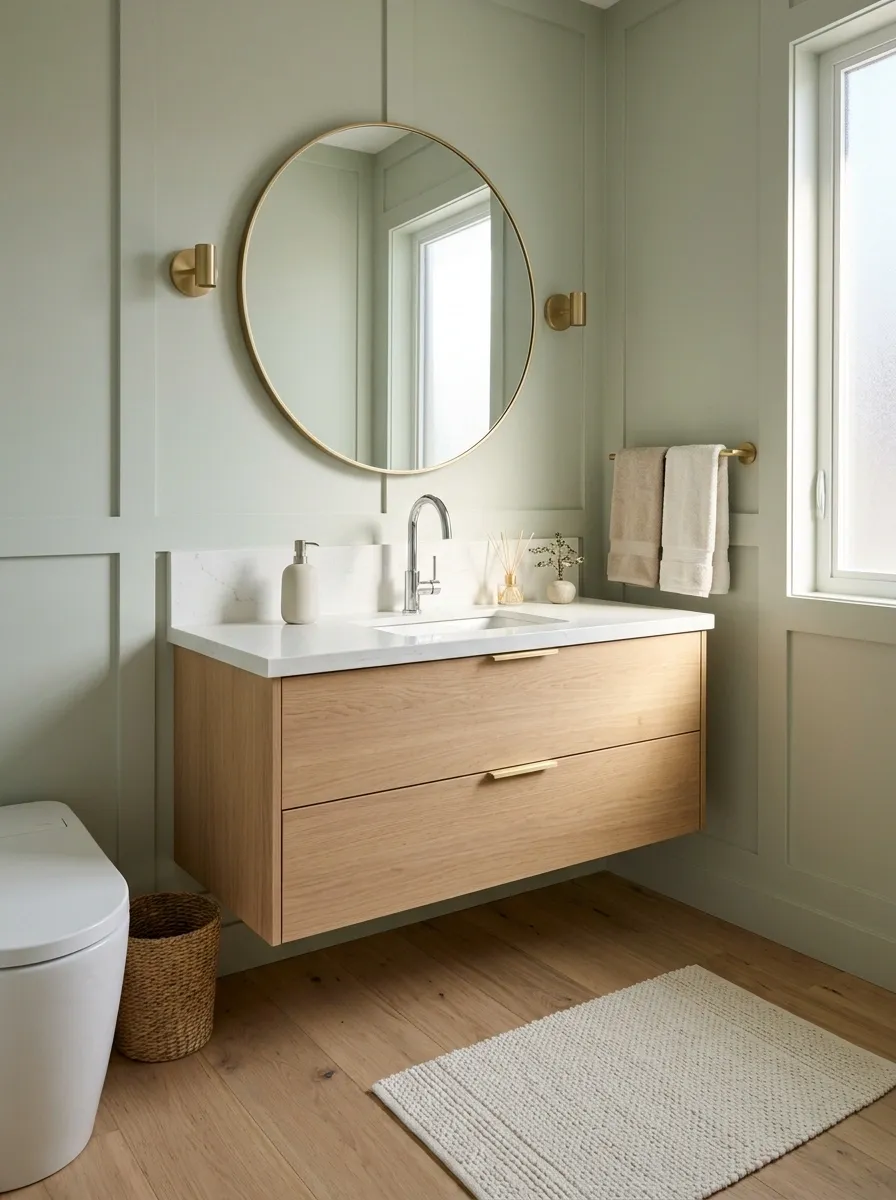
A guest bathroom doesn’t need a fragrance fog machine to feel clean. It needs a clean sink, dry surfaces, fresh towels, an empty bin, and ventilation that actually works.
Before visitors arrive, wipe the tap and basin, check around the toilet, empty the bin if needed, and replace any damp hand towel. Restock hand soap and toilet paper, then make sure the floor and bath mat are dry. A subtle diffuser can finish the setup if the room is already fresh.
Skip the habit of spraying the entire room immediately before someone walks in. Strong fragrance can feel overwhelming in a small, enclosed space, especially for guests sensitive to scented products.
The guest bathroom reset
Details That Make the Room Feel Fresh
Clean the Sink
Wipe away toothpaste marks, water spots, and residue around the tap.
Fresh Towels
Put out clean, fully dry hand towels.
Clean Bin
Empty it and check the lid and surrounding floor.
Useful Essentials
Restock soap and toilet paper before anyone has to ask.
Dry Air and Floors
Use suitable ventilation and hang damp mats to dry.
The finishing touch
Use fragrance sparingly, or skip it entirely. A properly cleaned bathroom doesn’t need to smell like a department store to make a good impression.
Create a Simple Weekly Reset That Stops Odors From Returning

The best-smelling home isn’t necessarily the one with the most fragrance products. It’s the one where ordinary maintenance happens before small problems become permanent features of the household.
Choose a few repeatable tasks: clean the kitchen bin, deal with damp laundry, wipe bathroom surfaces, check pet bedding, and clear out old food. Add vacuum maintenance and fabric cleaning to your schedule as needed, rather than attempting every job on the same exhausting afternoon.
Keep a short checklist somewhere visible so the routine doesn’t depend on remembering every corner of the house. Once the sources of unpleasant smells are under control, a candle, fresh flowers, or one gentle diffuser can provide the finishing touch.
The home freshness routine
A Weekly Reset Without the Cleaning Marathon
Spread tasks across the week to keep odor sources under control.
Kitchen
☐ Clean bin and sink area
☐ Check leftovers and food spills
Laundry and Bath
☐ Dry towels and damp mats
☐ Check the washer and ventilation
Living Areas
☐ Vacuum upholstery and rugs as needed
☐ Check pet bedding and hidden corners
Then add the fragrance
Choose one finishing touch that suits the room. Clean air and dry fabrics do the heavy lifting, so the fragrance doesn’t have to.
Make Your Home Smell Good Without Making It Smell Like Everything
The best part about a fresh-smelling home is that it doesn’t need to announce itself. Clean fabrics, a kitchen without lingering food odors, dry towels, and rooms with decent airflow do more for the overall smell than a shelf full of sprays ever will.
Start with the room that smells the worst. Track down the source, clean it properly, and give the space time to dry. Then choose a finishing touch that actually suits the room, whether that’s a citrus simmer pot, fresh flowers, or one gentle fragrance.
And remember, a candle is not a substitute for cleaning the trash can. It never signed up for that job.