
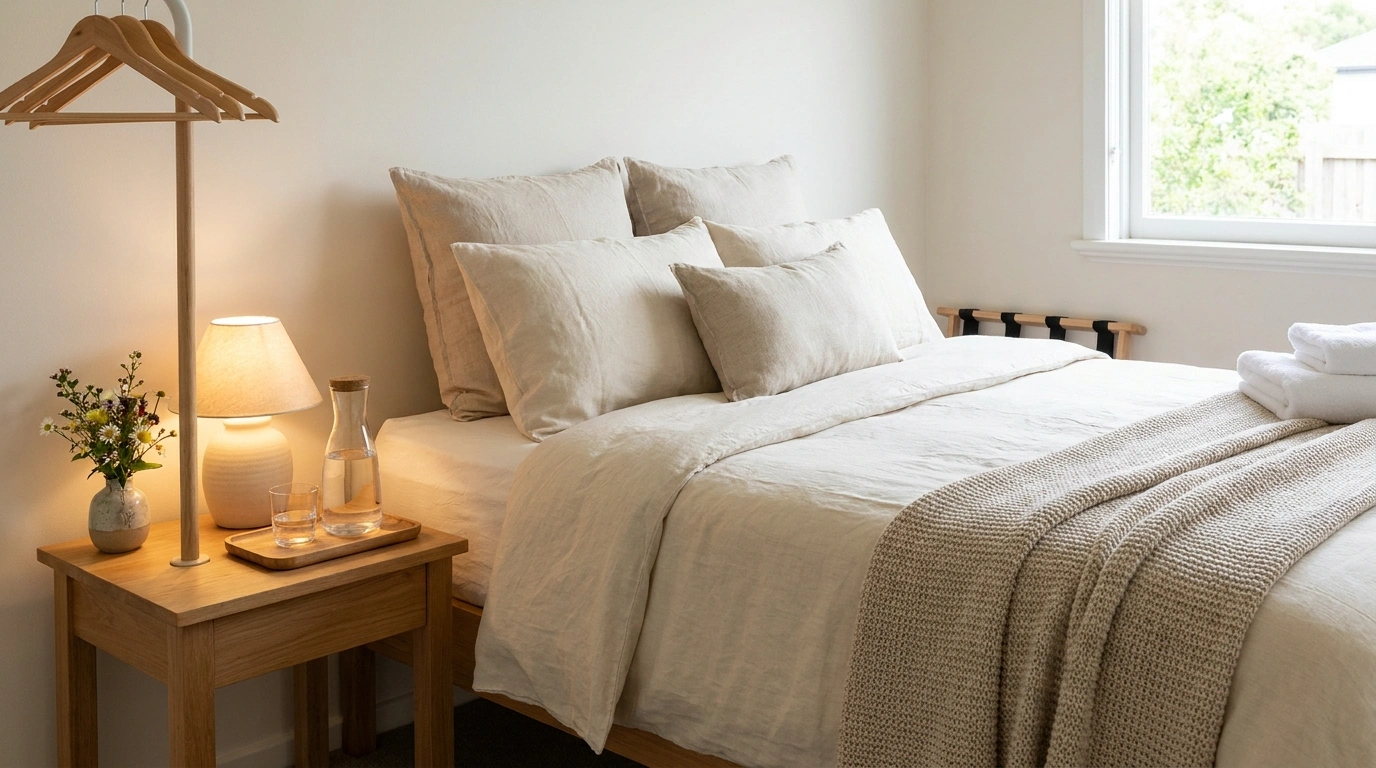
A place for an open suitcase. A lamp you can reach from bed. Somewhere to hang a towel that is not already occupied by someone else’s damp towel.
These details do more for an overnight stay than a room full of decorative cushions. Guests need to use the house, not just admire the effort.
Walk through the stay in order: arriving, unpacking, washing, going to bed, waking up. Look for the moment when someone would have to ask you where something goes or how something works. That is a useful place to make a small update.
You can keep the room looking like your home. There is no need to turn the spare bedroom into a hotel that happens to contain your printer.
Make the Sleeping Space Work Better
Fix the Bed’s Small Irritations
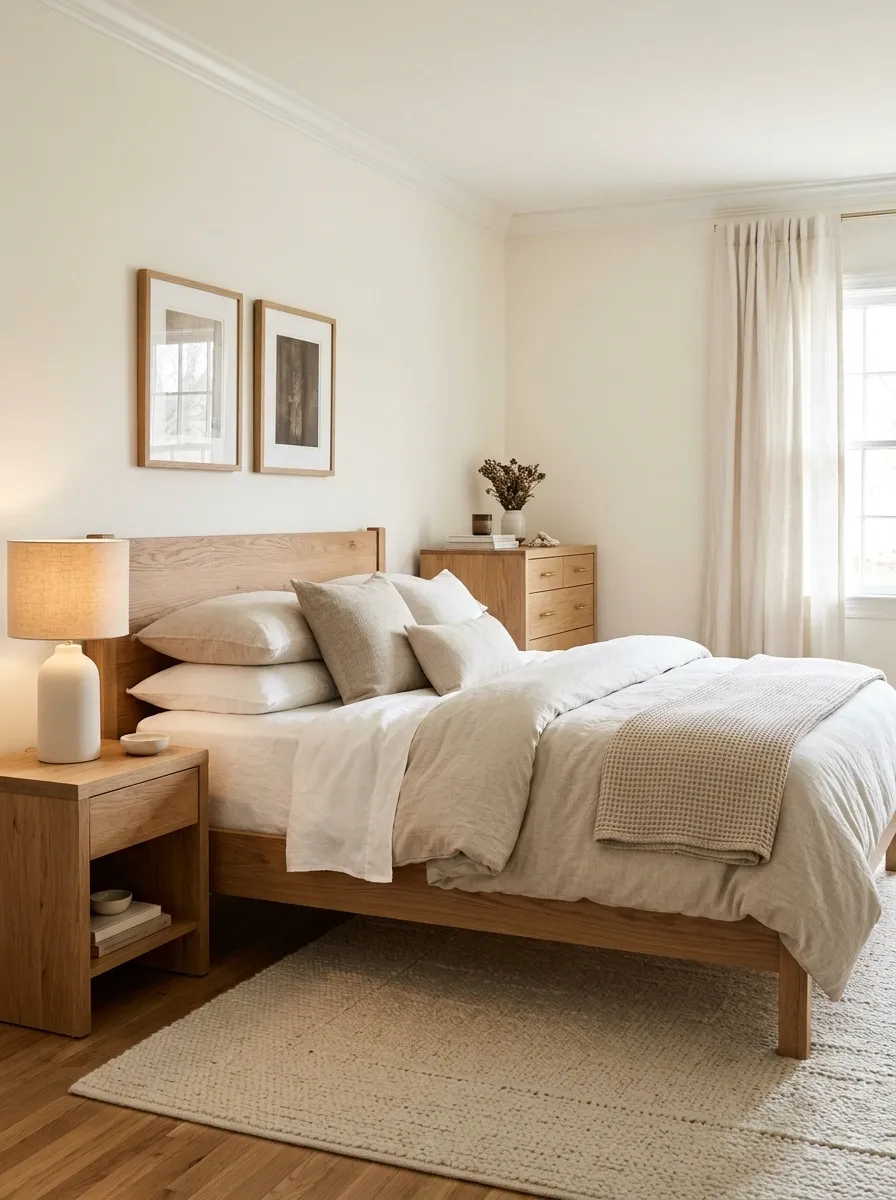
Check the bed before putting fresh bedding on it. Tighten or repair loose components as appropriate, inspect the support, and address anything unstable or uncomfortable.
If the mattress is unsuitable, acknowledge the problem rather than hiding it under a spectacular duvet. A topper may change comfort but will not repair a failing bed. Spend your effort on the surface someone will sleep on before arranging objects they will move to the floor.
Comfort before decoration
Offer Bedding Layers Without Making the Bed Heavy
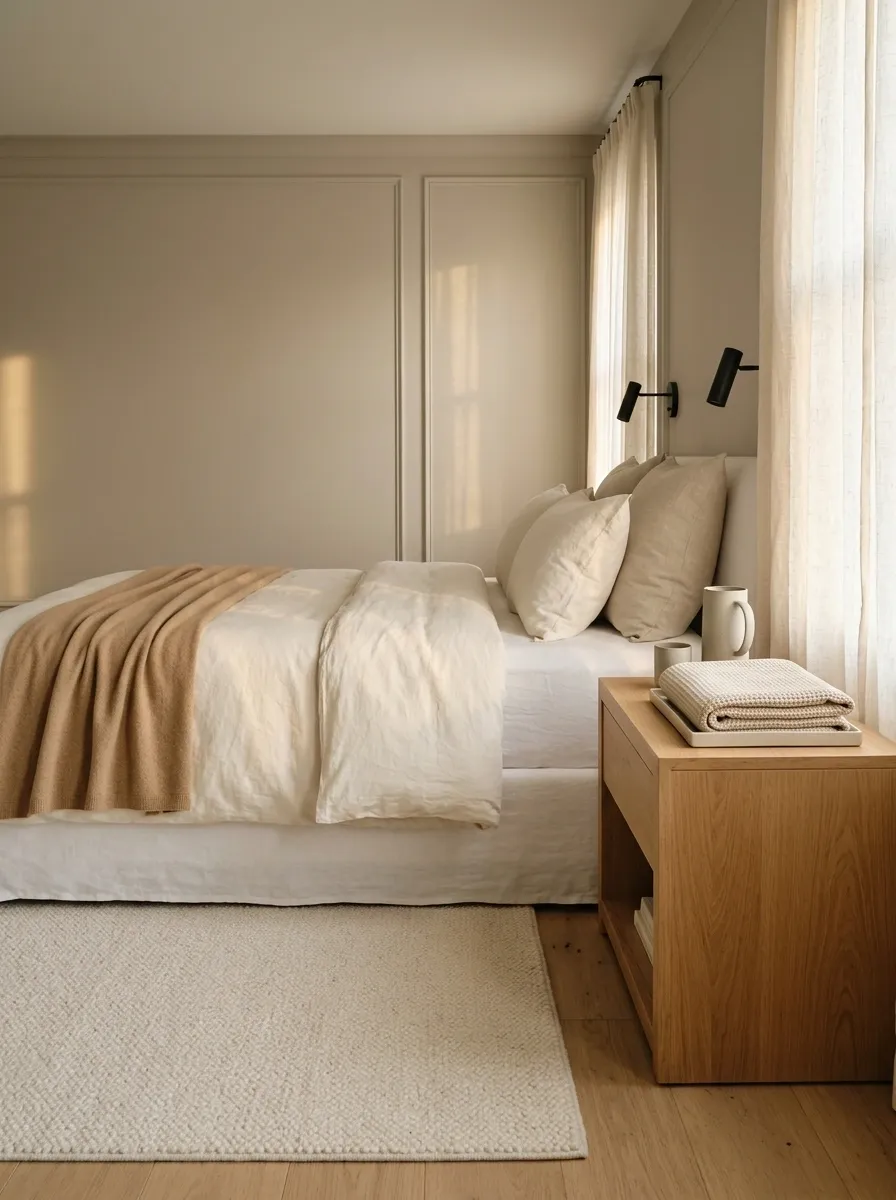
Different guests prefer different sleeping temperatures. A manageable duvet or cover with an accessible extra blanket gives them some choice.
Keep spare bedding clean, dry, and easy to find. Ask about relevant preferences rather than assuming everyone wants your favorite pillow or fabric. If you have a useful alternative, leave it available without building a pillow sculpture that must be dismantled before sleep.
| On the bed | Available nearby |
|---|---|
| Comfortable everyday layers | An extra blanket |
| A sensible pillow arrangement | A suitable alternative if you have one |
Add a Reachable Bedside Light
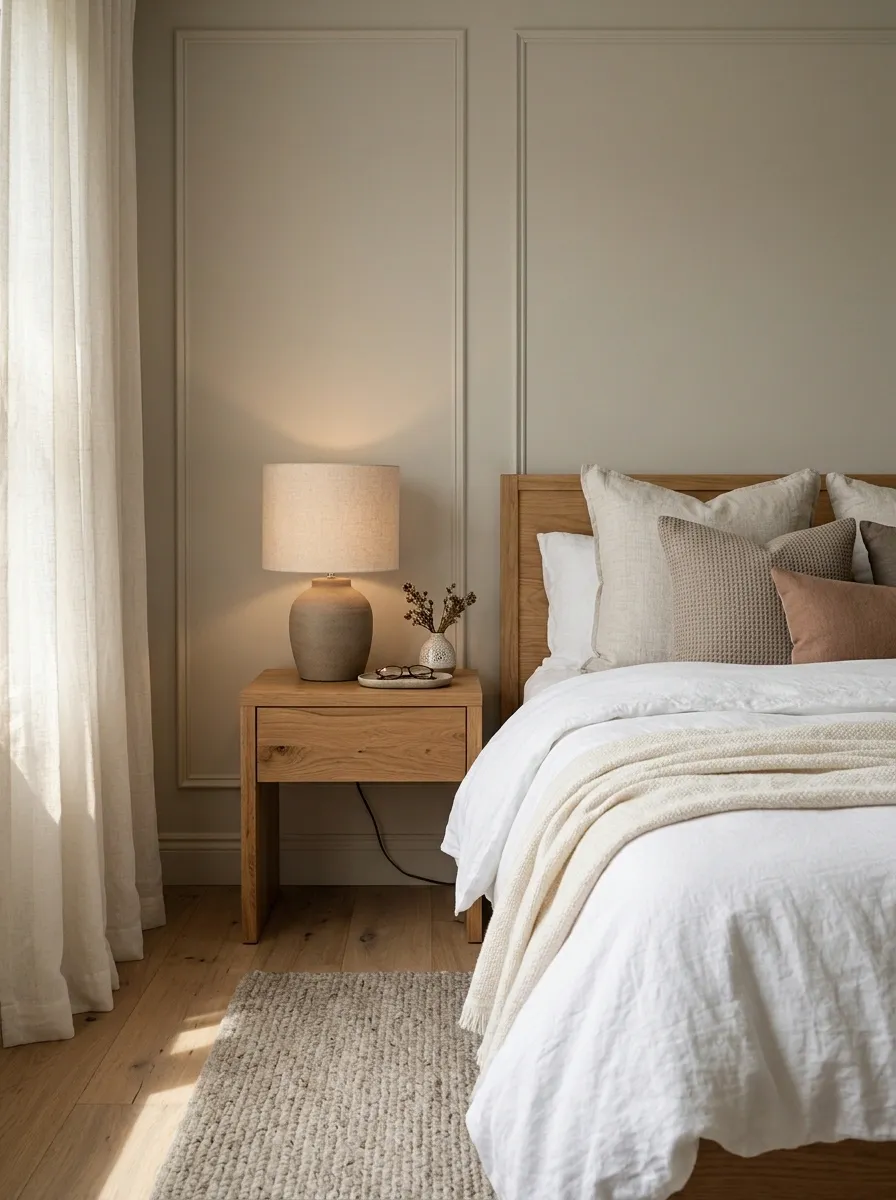
A guest should be able to turn the light off after getting into bed.
Place a stable lamp or suitable installed fixture where the control is obvious and reachable. Route cords safely and preserve a clear surface nearby. Test it from the pillow, not from your usual standing position beside the bed. Those are surprisingly different lighting plans.
Do the small rehearsal: lie down, reach for the control, and check that the light does not shine directly into your eyes.
Improve the Window Covering
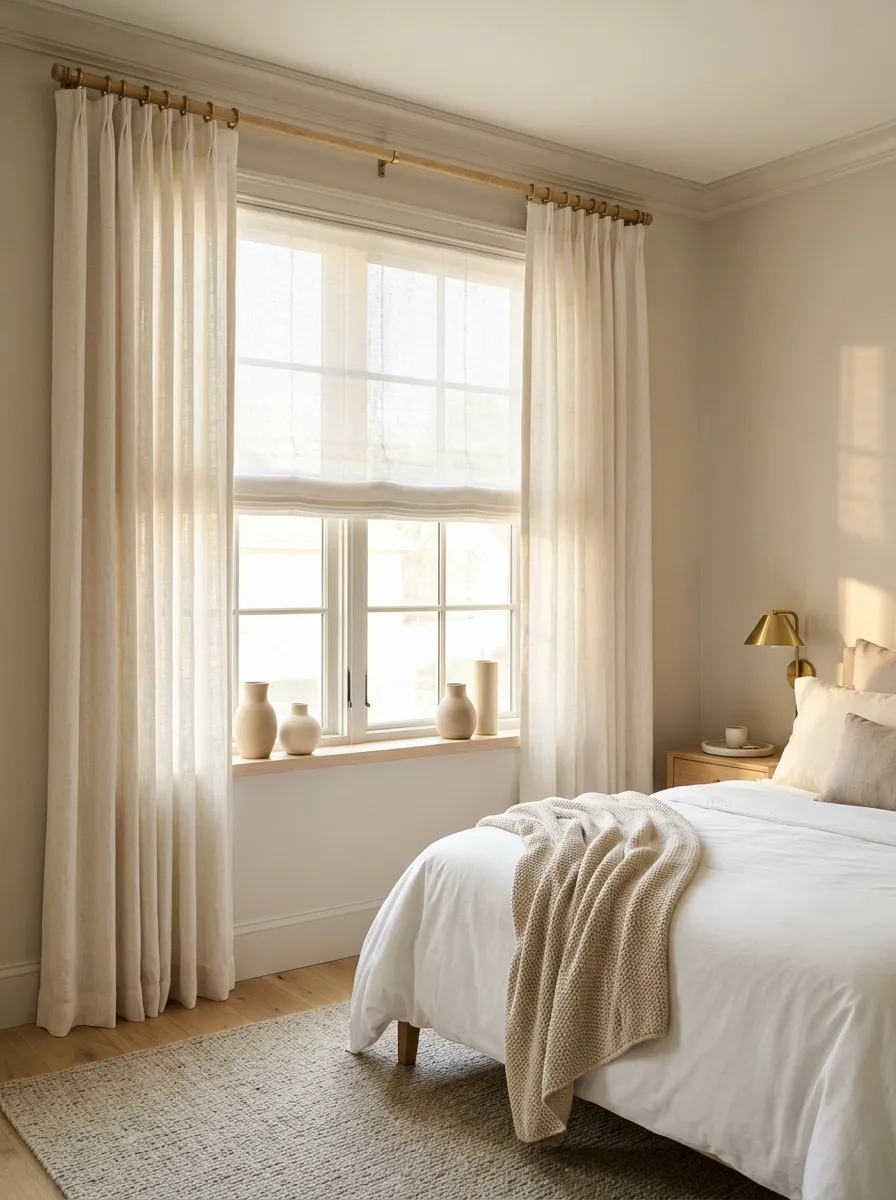
Check whether the curtains or blind provide the privacy and light control the room needs.
Repair a sticking mechanism, close an awkward gap, or add an appropriate lining where feasible. Keep operation straightforward, especially in a room guests do not know. Avoid temporary coverings that obstruct required ventilation or escape. A functional existing curtain is often a better update than an ambitious new treatment installed the evening before arrival.
Check the covering in both directions
Light control and easy operation
Privacy after dark
Quiet the Little Rattles
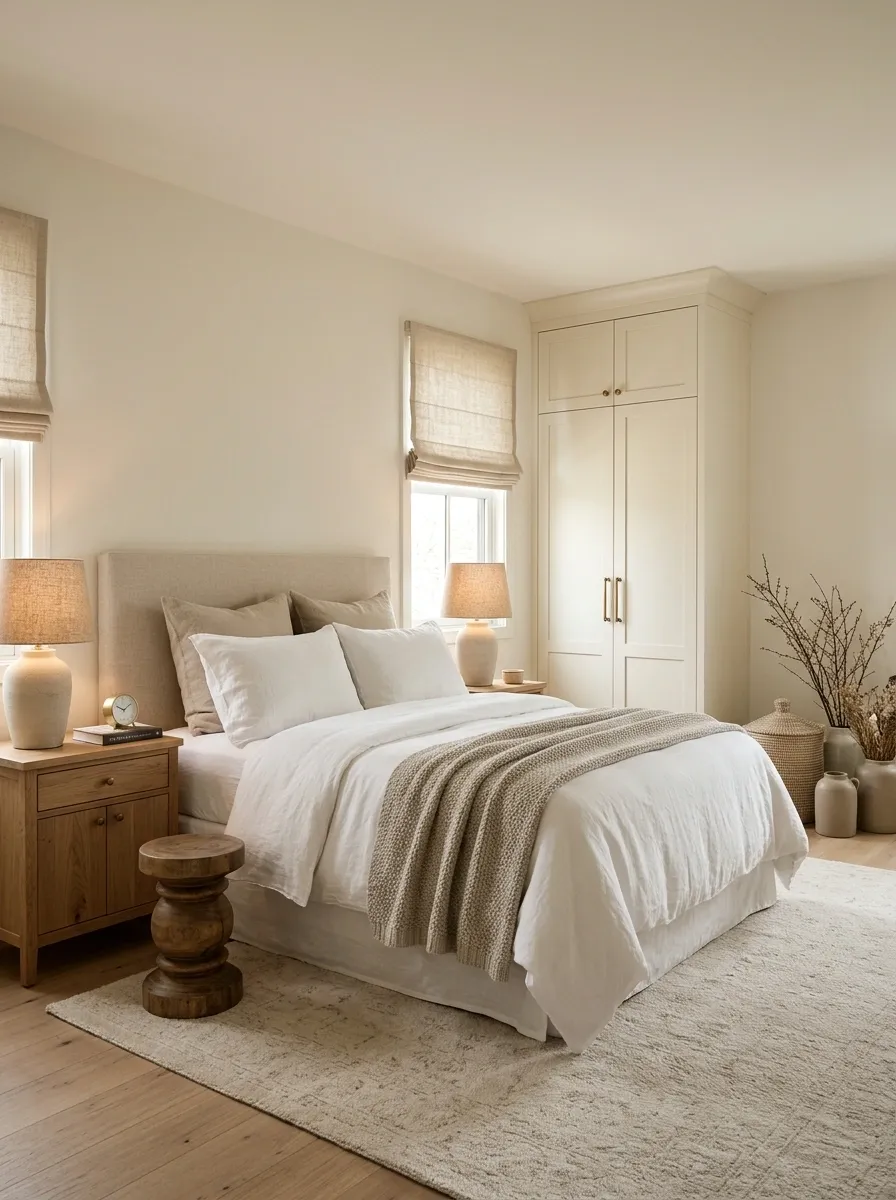
A loose blind, rattling door, or noisy fan can be more irritating in an unfamiliar room than it is to the person who has learned to ignore it.
Make appropriate repairs and show guests the controls for equipment they may want to adjust. Do not disable ventilation or safety devices to create quiet. The aim is to remove avoidable annoyances, not redesign the house’s essential systems the night before a visit.
Listen after dark: the room can sound different once the rest of the house settles.
Give Belongings Somewhere to Go
Create an Open-Suitcase Position
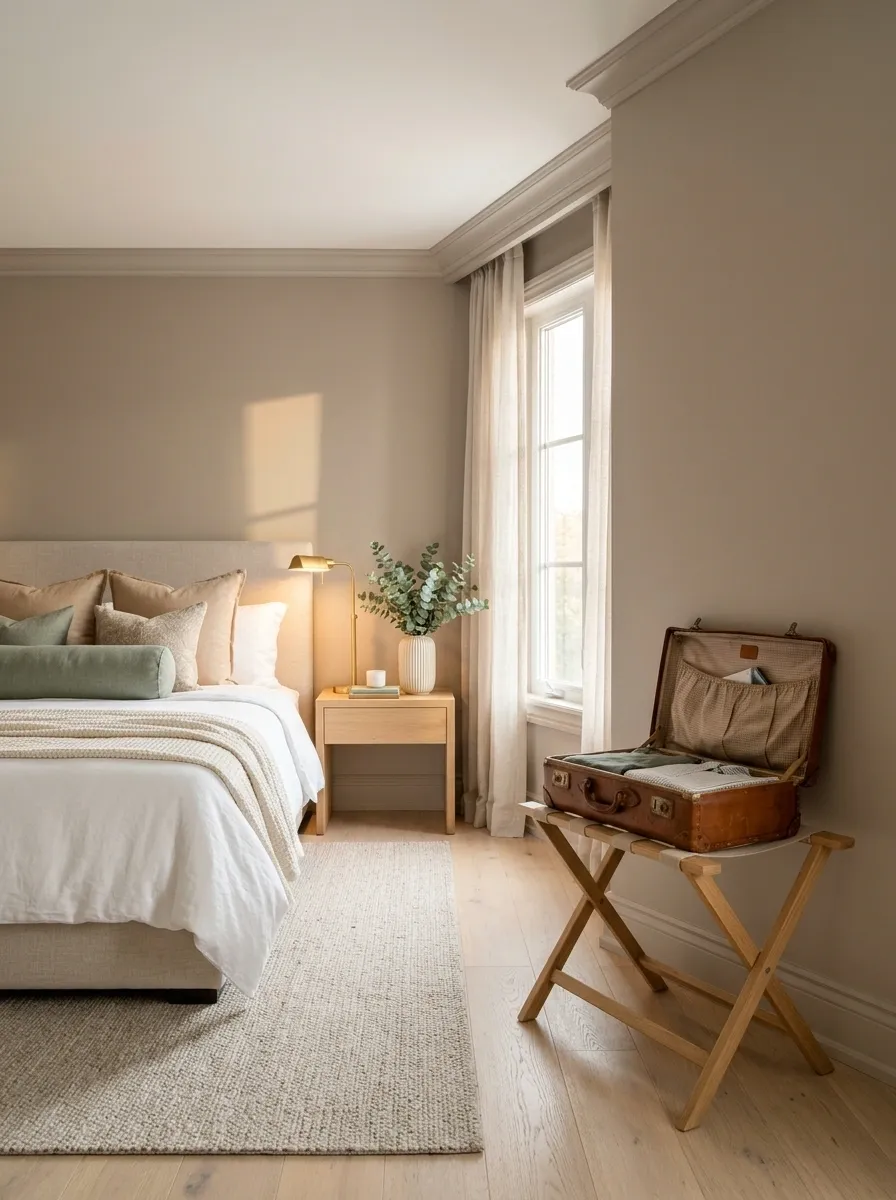
A folding luggage rack, sturdy bench, or clear suitable surface can make unpacking much easier.
Choose the position with the suitcase open and leave room to walk around it. If the guest room is small, a rack that folds away may be more useful than permanent furniture. Test the loaded stability and keep bags away from exits, heaters, and the route to the bathroom.
The suitcase needs a usable footprint
Clear a Real Section of Hanging Space
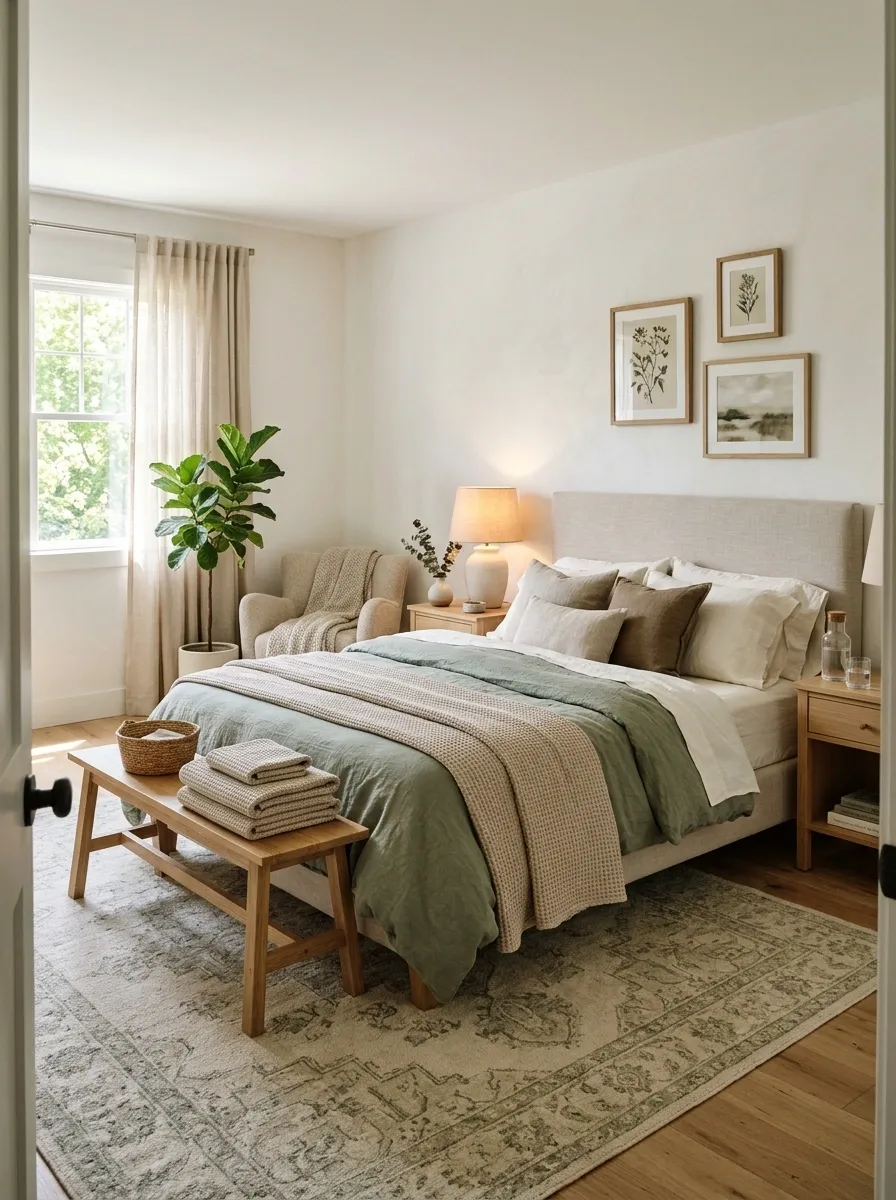
Offer a defined wardrobe section with a few suitable hangers.
Do not announce that guests can use the wardrobe while leaving every rail densely packed with your own clothes. Move enough out that a coat or outfit can hang without a negotiation. If the room has no wardrobe, use a stable, appropriate alternative with a clear load limit and a footprint that does not crowd the room.
| A useful hanging area has |
|---|
| Visible empty space |
| Suitable hangers |
| Room for longer garments where needed |
| Easy access without moving household belongings |
Empty One Drawer Completely
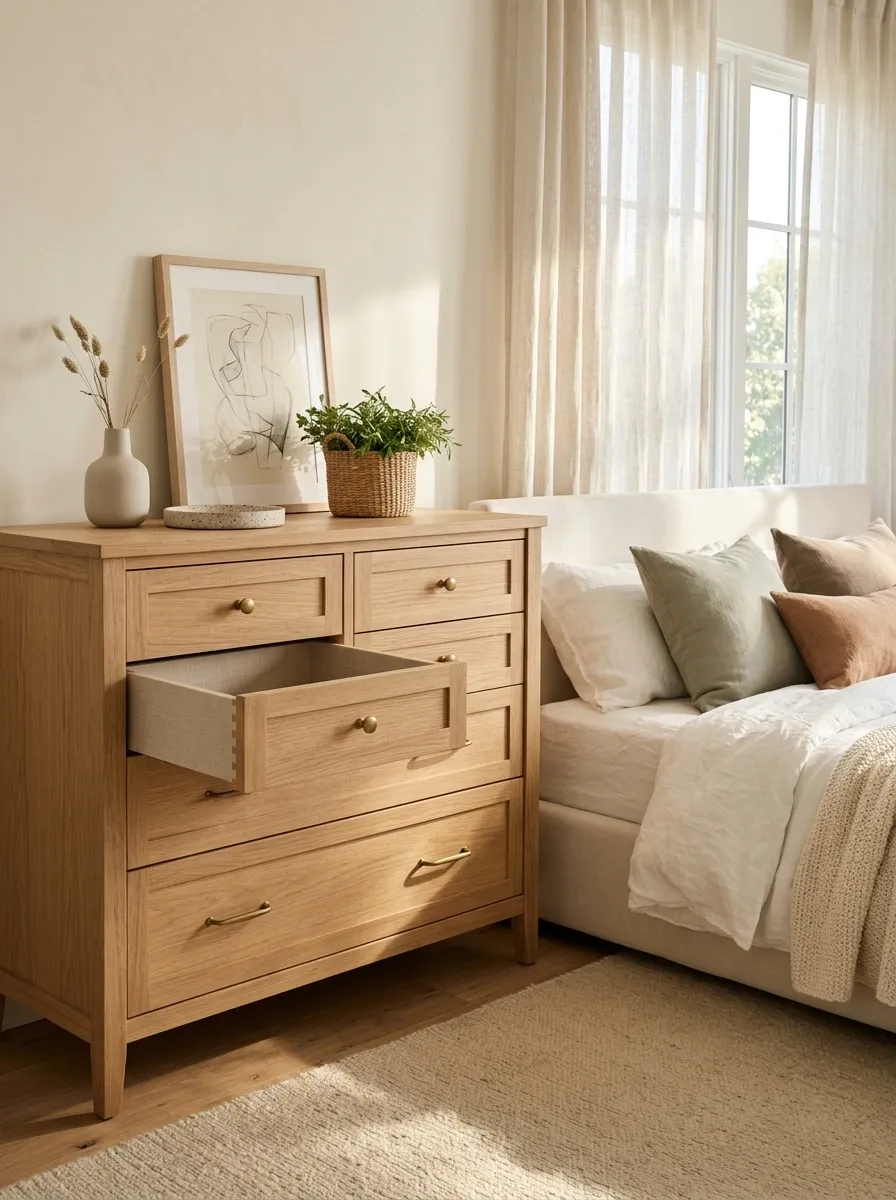
A genuinely empty drawer is more welcoming than several drawers containing a little bit of your paperwork.
Clean it and make it obvious that the space is available. Keep personal or sensitive items elsewhere. For a short stay, one usable drawer can be enough; guests do not need a complete storage system, just somewhere their things can stop living in a bag.
Small sign, if helpful: “This drawer is yours.” It saves the polite conversation about whether the apparently empty space is secretly reserved.
Give Each Sleeper a Small Landing Surface
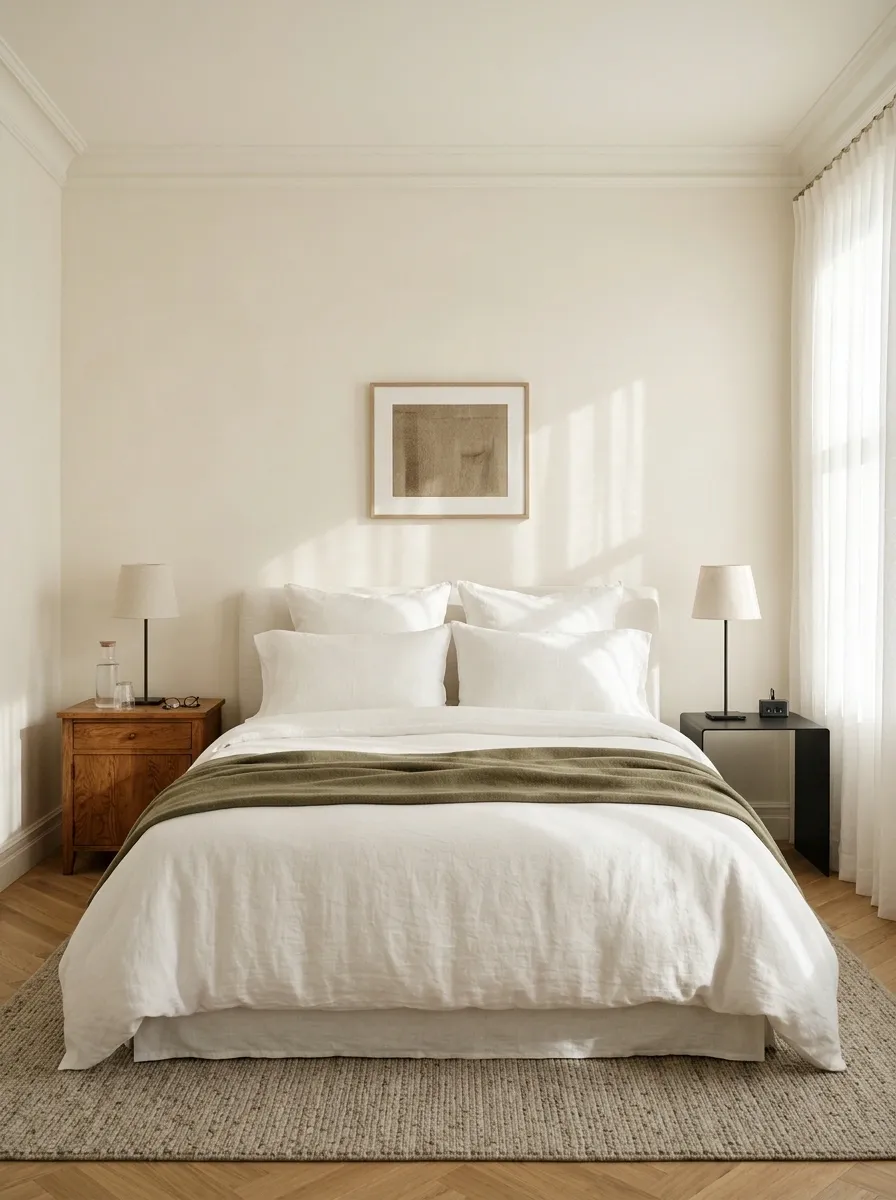
When two people share the guest bed, both may need somewhere for a phone, glasses, or water.
Use stable bedside furniture suited to the available space. The surfaces do not need to match. Clear the decorative clutter and check reach from each side of the bed. A beautiful nightstand holding a plant, sculpture, and stack of books is functionally very similar to having no nightstand.
Think about both sides of the bed
Set Up an Obvious Charging Point
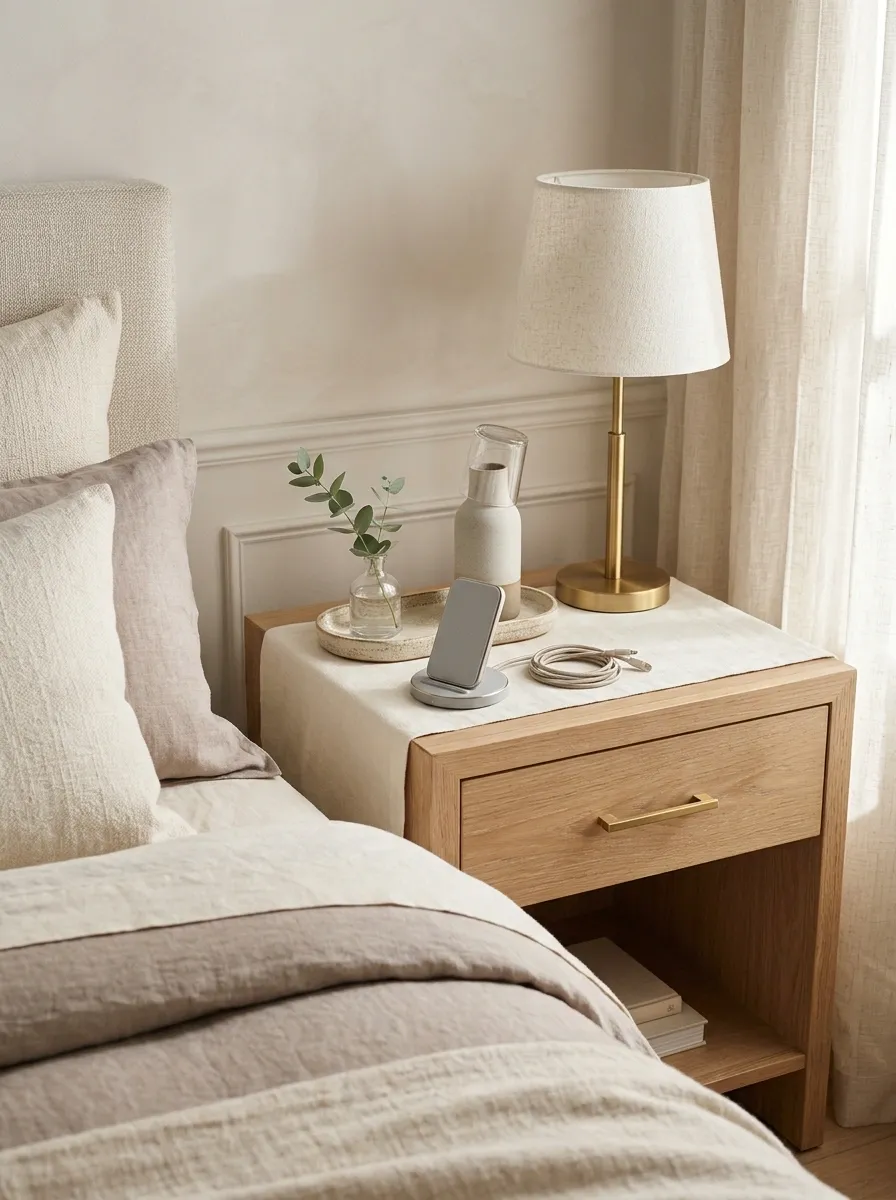
Make a suitable outlet accessible and provide compatible charging equipment if you have it.
Avoid overloaded adapters and cords stretched across walking routes. Keep the arrangement simple enough that guests do not have to unplug an unexplained device behind the bed. If the outlet is awkward, consider an appropriately specified solution rather than a last-minute extension-cord maze.
Useful detail: leave enough clear space beside the connection for the device being charged.
Make the Bathroom Easier to Share
Add Distinct Places for Guest Towels
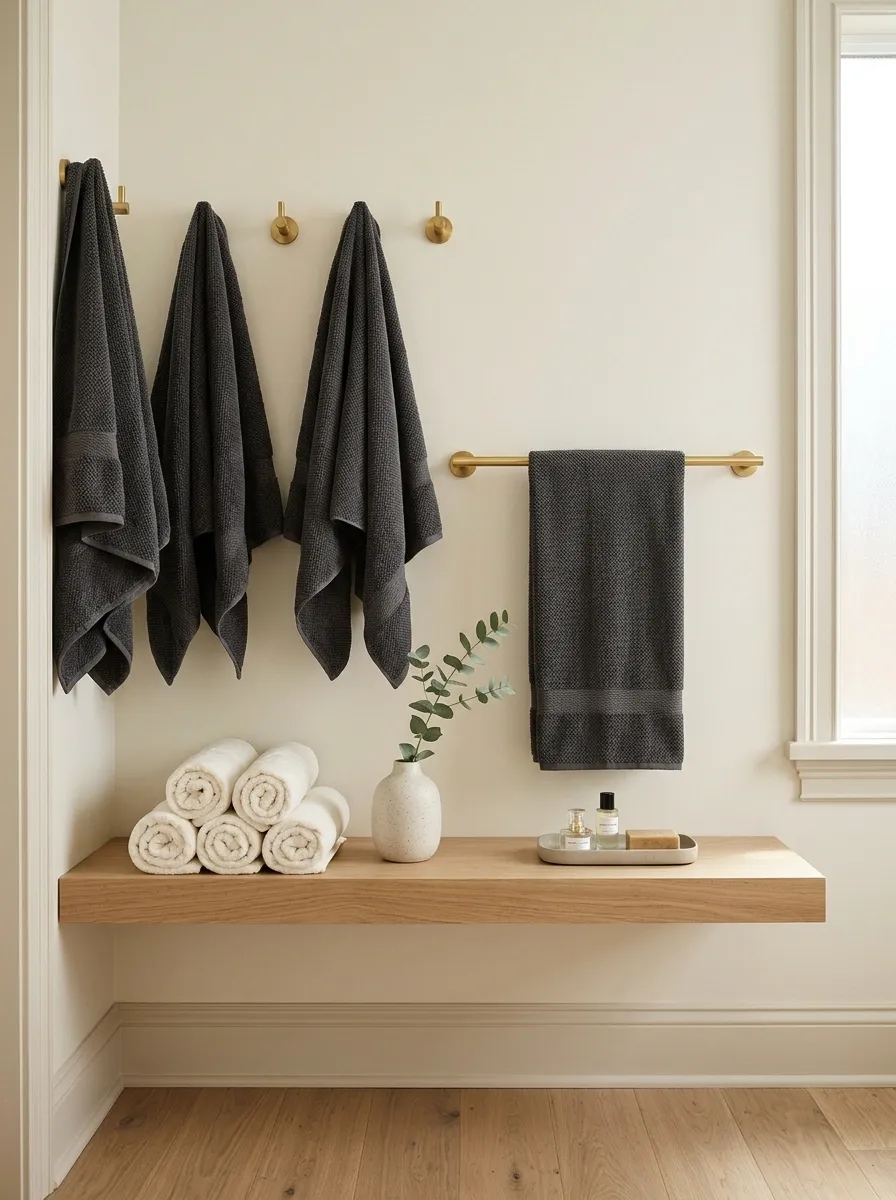
Set aside a bar, suitable hooks, or another practical hanging arrangement for guests’ towels.
Give used towels room to dry and keep clean spares separate. In a shared bathroom, a simple visual distinction can prevent confusion. Different towel colors are one option, provided the system is explained; a color code nobody knows is merely an attractive misunderstanding.
Separate clean storage from drying space
Clean shelf or cupboard
Individual hanging space
Replace an Awkward Bath Mat
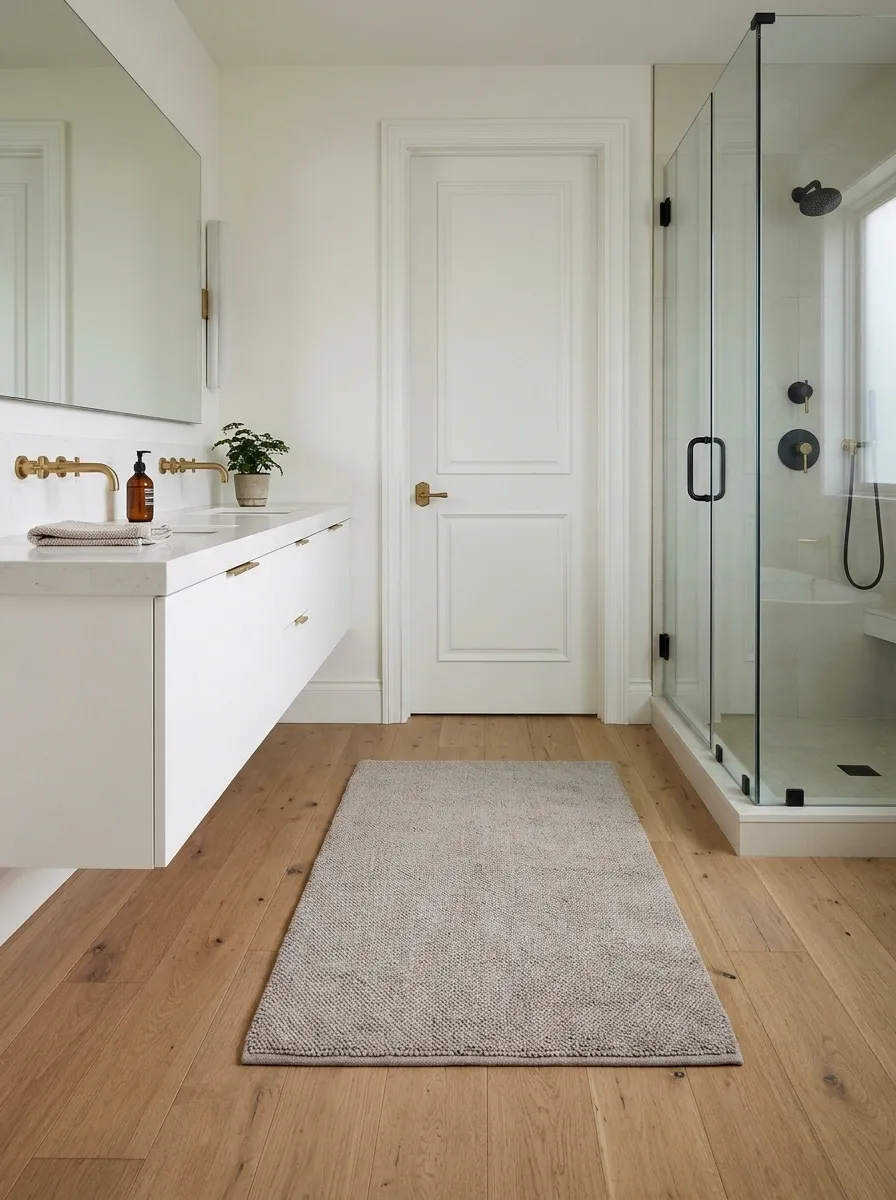
Check that the bath mat suits the floor, stays appropriately in place, and dries between uses.
Wash or replace a worn mat and remove curling corners or unstable layers. Keep the bathroom floor dry and the path to the door clear. This is a better use of effort than coordinating a new set of decorative bottles while leaving a slippery or damp surface underfoot.
| Check | Improve |
|---|---|
| Condition | Wash, repair, or replace as appropriate |
| Placement | Keep the route clear |
| Drying | Provide a sensible place after use |
Clear a Shower Shelf for Guest Toiletries
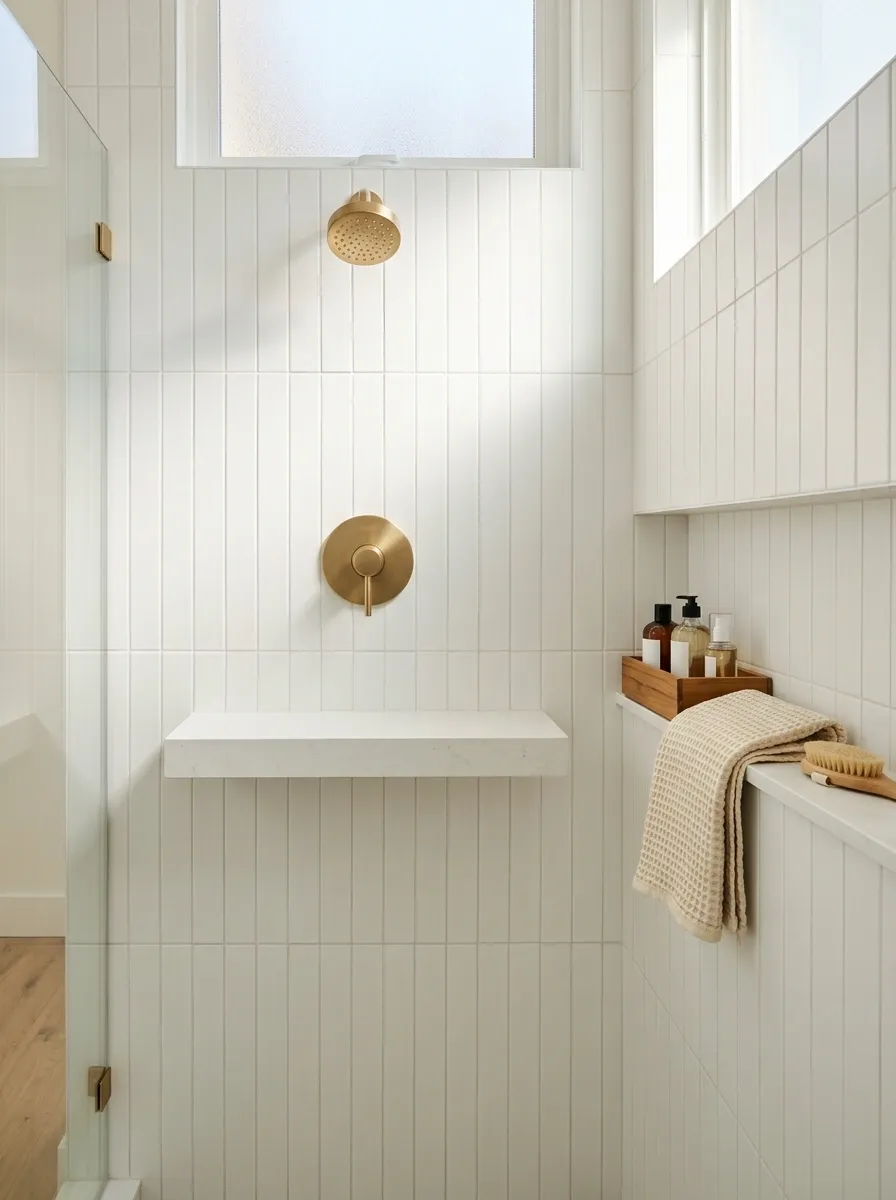
Leave a reachable, stable area for guests’ own products rather than filling every surface with yours.
If you offer shared toiletries, keep them clearly identified and respect individual preferences. Do not decant products into mystery bottles with no useful information. A clear shelf is often more helpful than a large collection of complimentary items the guest never asked for.
Guest test: can someone put down a shampoo bottle without moving yours onto the floor?
Improve the Mirror’s Practical Lighting
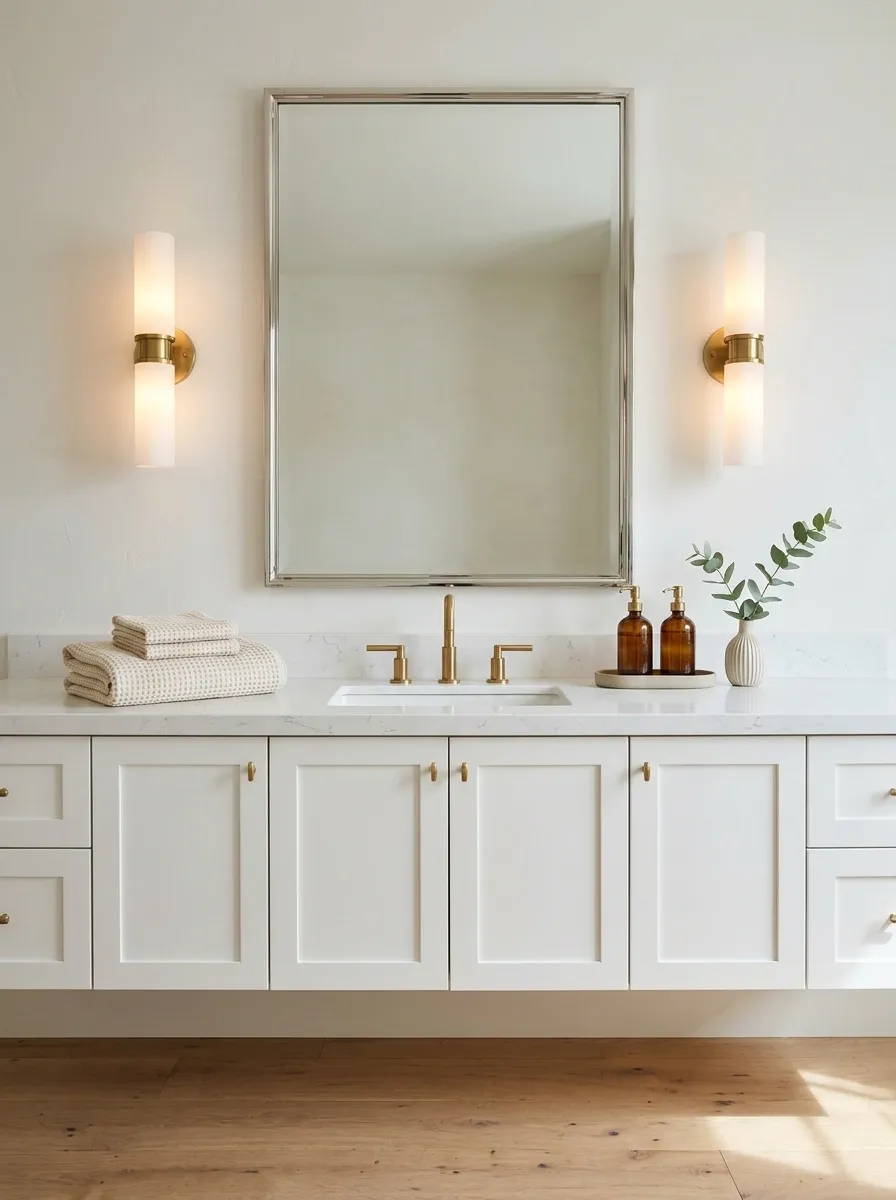
Check whether someone can comfortably use the bathroom mirror without relying on a dim or glare-heavy light.
Clean the fixtures as directed, replace failed lamps with suitable compatible ones, or arrange an appropriate professional improvement if needed. Use fixtures rated for their location. Avoid solving a bathroom lighting problem with an ordinary portable lamp balanced beside the basin.
Useful light where the guest looks
Repair the Bathroom Privacy Latch
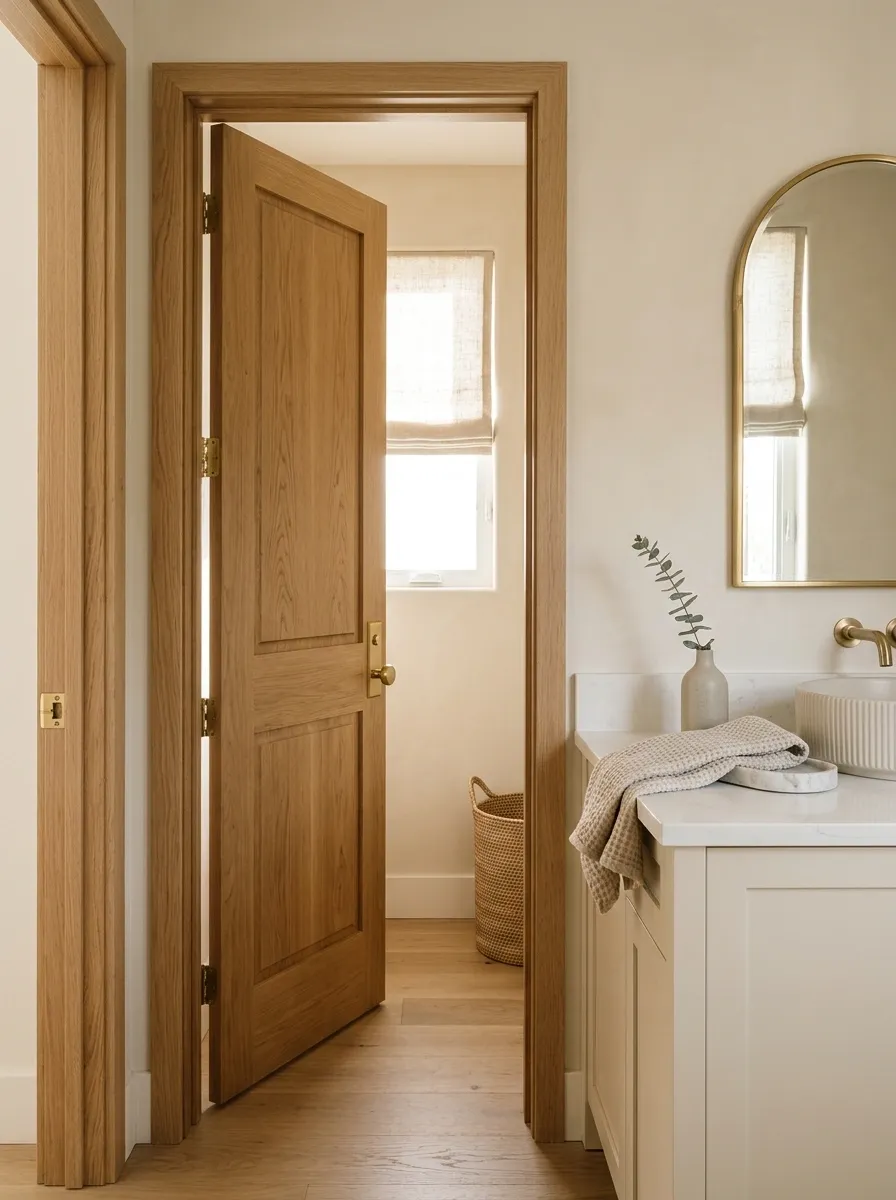
A privacy latch should work clearly and reliably, with any required emergency-release function preserved.
Repair a sticking or broken mechanism appropriately before guests arrive. Explain any unusual operation rather than leaving someone to discover it while inside. The same applies to a door that does not close properly. Privacy is a practical part of hospitality, not a decorative upgrade, but it makes the whole stay more comfortable.
Check together: closing, latching, release, and the door’s normal operation.
Make Movement Around the House Less Awkward
Add Suitable Night Lighting Along the Route

Consider the path from the guest bed to the bathroom after dark.
Use suitable low-glare lighting where it helps, preserving enough visibility for steps and changes in level. Keep fixtures and cords out of the route and avoid glare from the pillow. Test the path with the usual nighttime doors closed. The route you know by memory is a small navigation challenge for someone staying for the first time.
Make the route readable
Move the Furniture That Narrows the Route

Walk through the guest area with a bag in your hand. Notice where you turn sideways, step over something, or move an object first.
Clear unnecessary stools, loose baskets, and floor clutter. Keep exits and essential access unobstructed. This can make a room feel more generous without buying anything, which is refreshing in a decorating project that usually begins by suggesting another purchase.
| Remove from the route | Keep available elsewhere |
|---|---|
| Loose storage baskets | Useful spare bedding |
| Unneeded occasional furniture | A stable guest chair |
| Trailing cables | Accessible charging |
Give Arrivals a Place for Coats and Keys
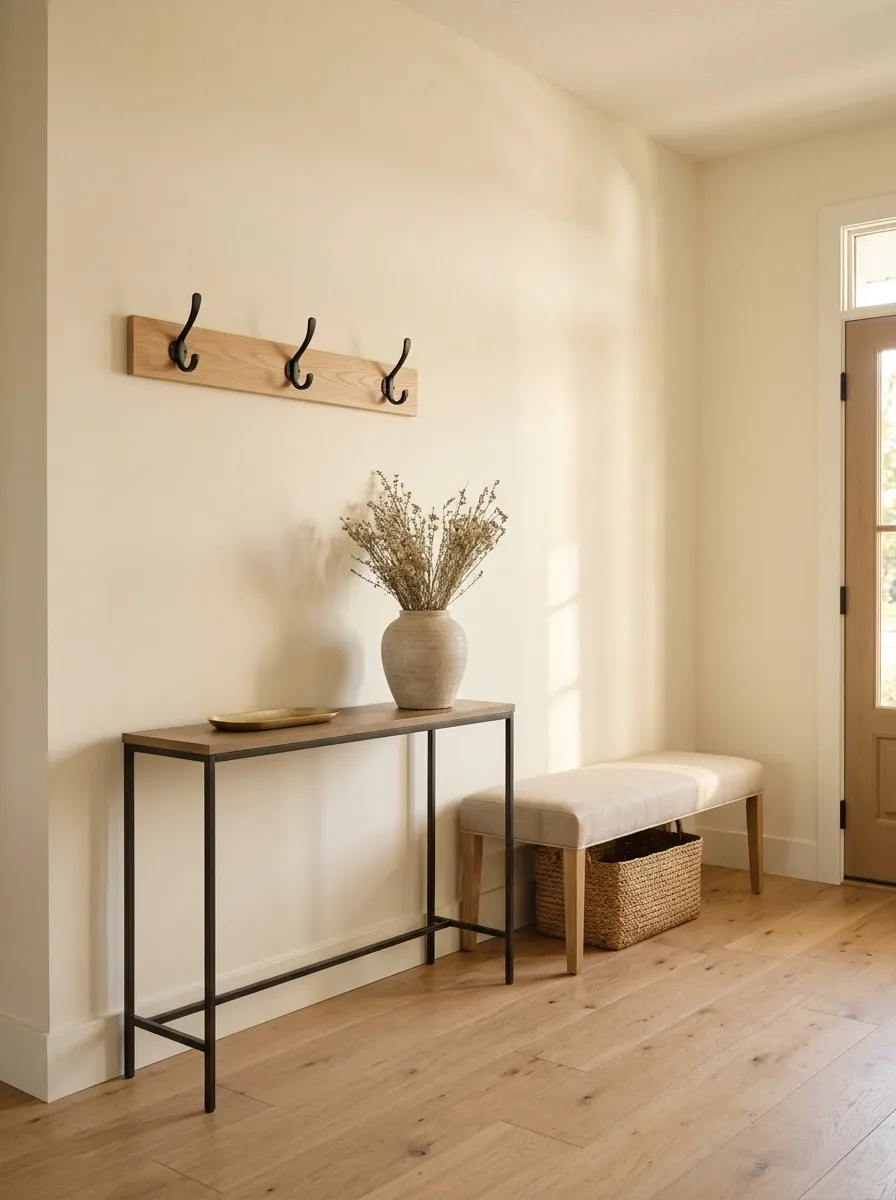
Clear a small landing area near the entrance, with suitable coat storage if needed.
Show guests where their things can go rather than expecting them to infer the household system. Keep the door and walking route clear. A simple tray and a few genuinely empty hooks can be more useful than an elaborate welcome display occupying the exact surface someone needs for their bag.
Arrival priority: make putting things down easy before offering a tour of the house.
Provide One Comfortable Seat Outside the Bed

A chair can give guests somewhere to dress, read, or sit without climbing onto the bedding.
Use a stable chair that suits the guest and the room. If space is tight, borrow an appropriate one temporarily instead of forcing in a bulky armchair. Keep the seat clear of spare cushions and laundry. A chair covered in household belongings is not guest seating; it is storage with legs.
A chair with an actual job
Reading
A moment away from the bed
Clear a Small Work or Writing Surface
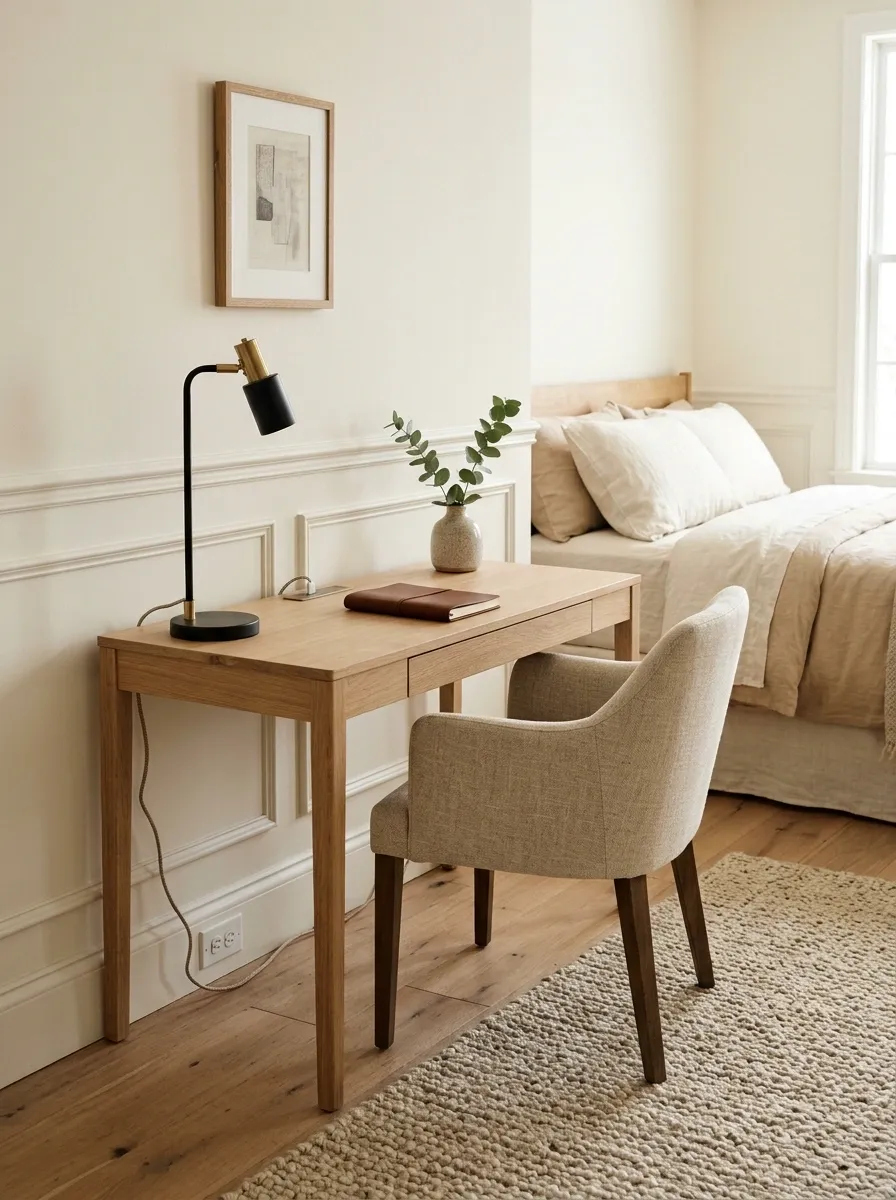
If your guests may need to work, read instructions, or use a laptop, offer a suitable surface without assuming the bed will serve every purpose.
It can be a clear desk corner or an agreed spot elsewhere in the house. Explain when shared areas are available and keep essential connections accessible. You do not need to create a business center. A clean surface and a realistic place to sit are enough for many short visits.
Ask first: a work surface is useful when it matches the guest’s plans, not as another thing you feel obliged to furnish.
Help Guests Settle In Without Constant Questions
Make a Simple Morning Drinks Area
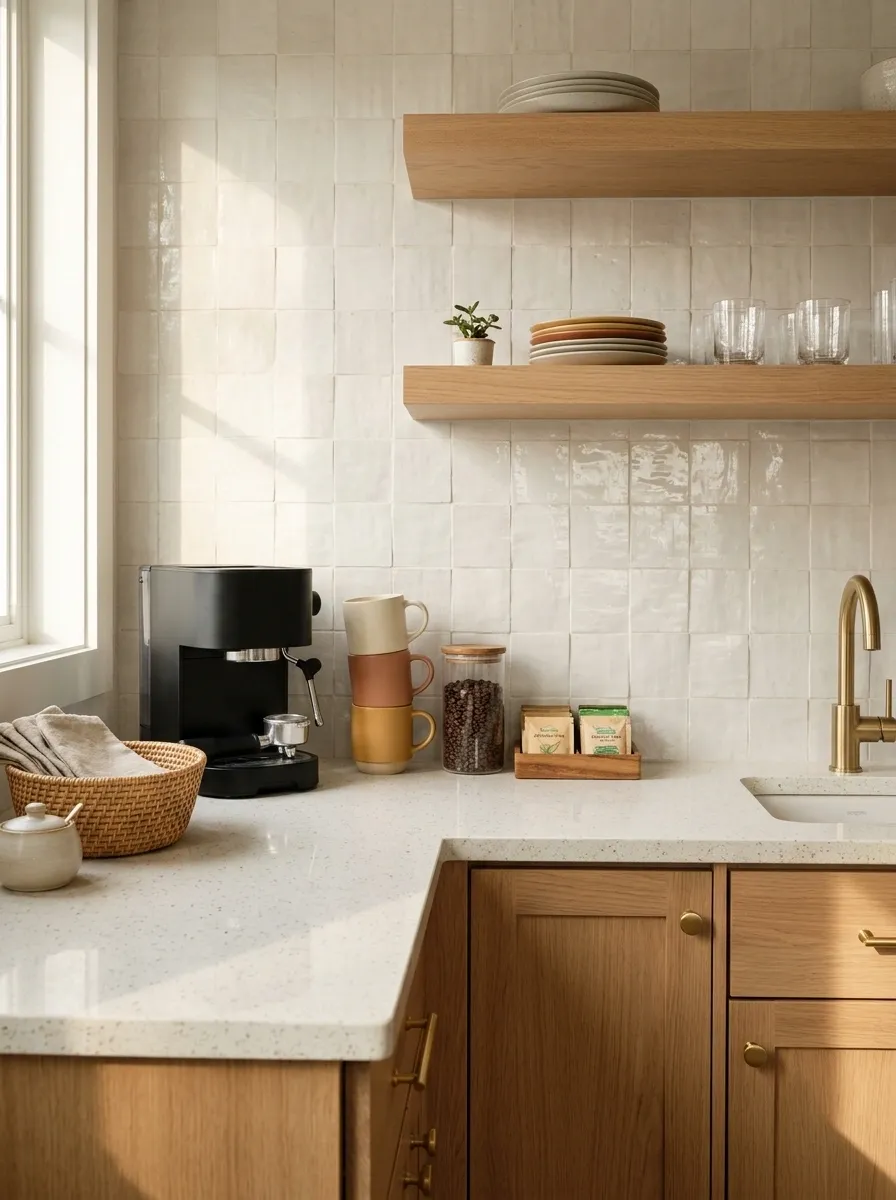
Give guests a clear place to find the cups and whatever drinks you have agreed to offer.
Keep appliances safe, clean, and easy to operate, with brief instructions where needed. Leave counter space to use them. This can help an early riser feel comfortable without waking everyone to ask which cupboard contains a mug. Avoid making the setup so elaborate that nobody knows which items are decorative.
Find it, use it, put it down
Leave Water Where It Is Convenient
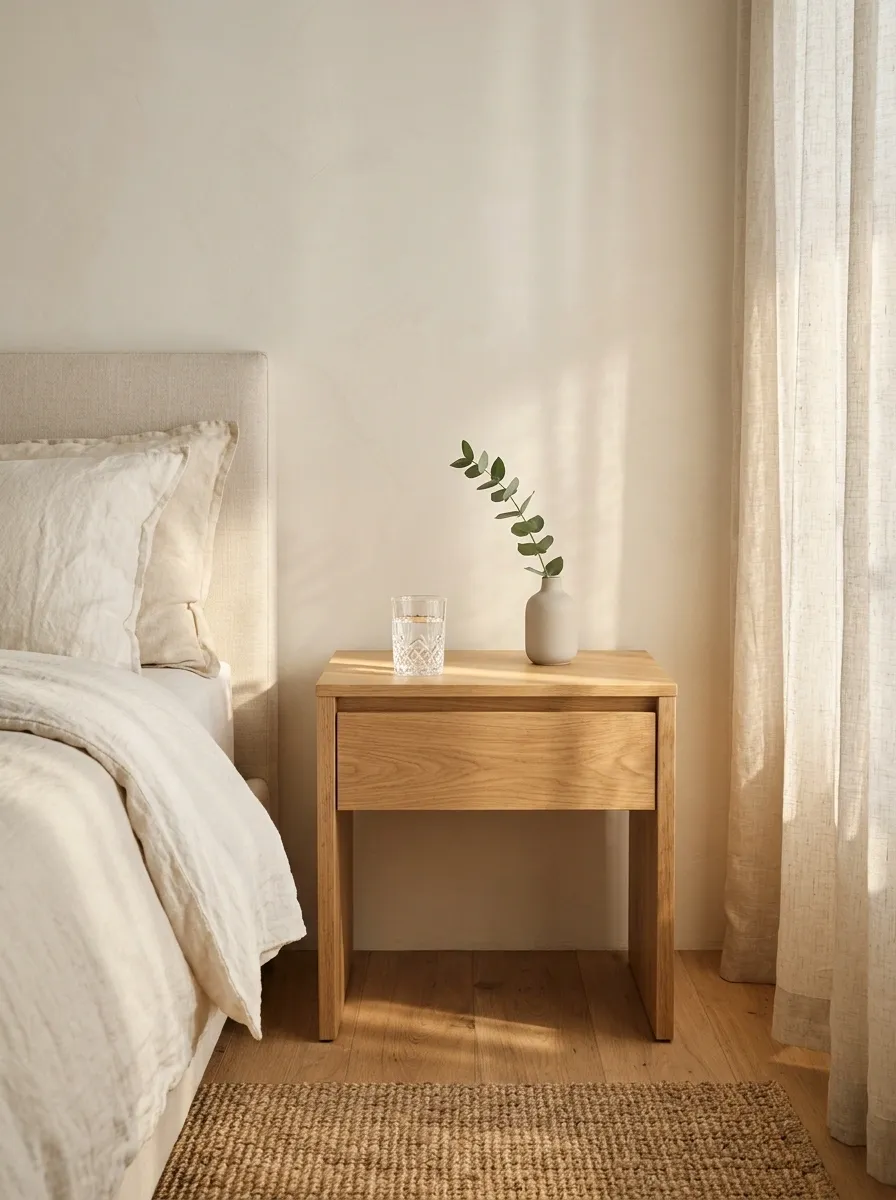
Offer water in a clean, suitable container or show guests the accessible drinking-water point.
If placing a glass or bottle in the bedroom, use a stable surface away from electrics and the bed edge. Keep the arrangement simple and appropriate to the household. The helpful part is knowing where water is, not receiving a decorative tray so crowded that lifting the glass becomes a precision exercise.
Keep clear: enough surface for the guest’s own essentials beside the water.
Write a Short House Information Card
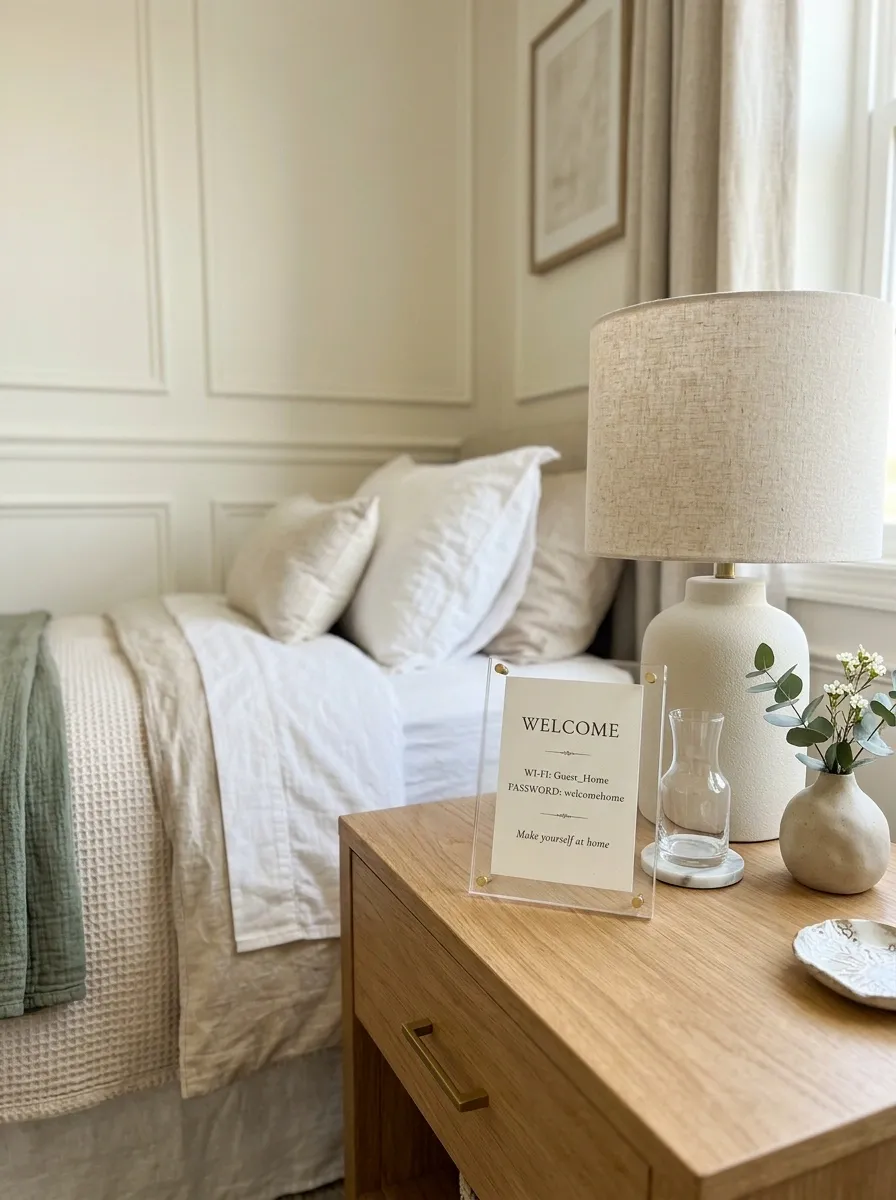
A small card can hold useful details such as the guest Wi-Fi information, heating instructions, and anything unusual about the house.
Share only information appropriate for the guest and remove or update it afterward as needed. Keep the writing readable and the content brief. Nobody needs a complete operations manual for a weekend, but a sentence explaining the unfamiliar shower control can prevent an unnecessarily dramatic morning.
| Worth including | Usually unnecessary |
|---|---|
| Relevant connection details | A history of the router |
| Simple appliance instructions | Every household preference |
| How to contact the host | A decorative essay about hospitality |
Rehearse a Sofa-Bed Setup Before Arrival
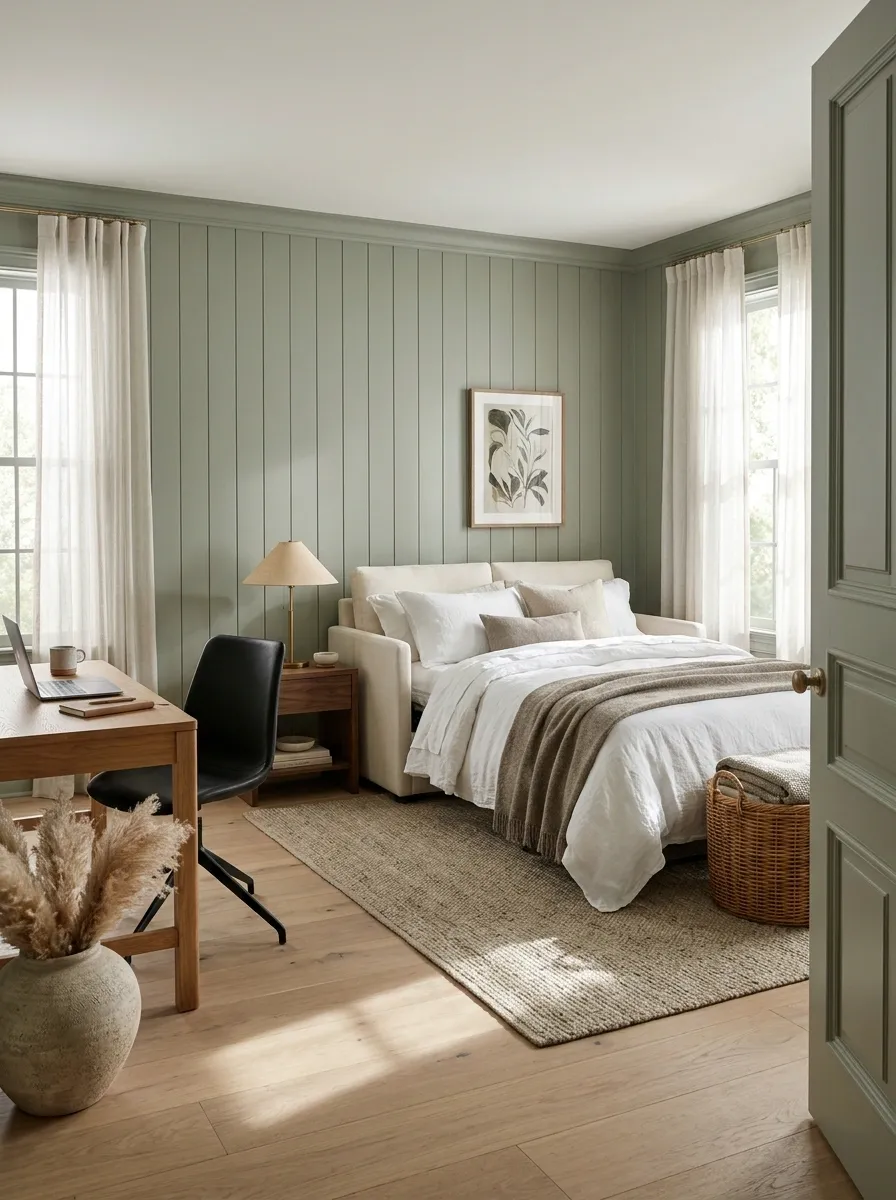
If guests will sleep in a shared room, open the bed and arrange the room as it will be used overnight.
Check the sleeping surface, access, lighting, bedding storage, and morning reset. Give guests a clear expectation of privacy and household movement. This is an update to how the room functions, not merely a tidying exercise. The television remote can wait; first make sure someone can reach the door with the bed open.
Test the overnight footprint
Belongings and shared use
Open bed, clear exit, reachable light
Make the Guest-Specific Changes They Actually Need

Ask about practical needs before the visit, without making assumptions about age, mobility, sensory preferences, children, or routines.
You may need to adjust a room assignment, clear a wider route, remove a strong fragrance, or coordinate an appropriate child-safe setup with the parent. Do not improvise safety equipment or promise accessibility you have not checked. Be clear about what the house offers so guests can plan comfortably.
A useful question: “Is there anything about the room or bathroom setup that would make staying easier for you?”
Then stop preparing long enough to enjoy the visit. A usable room and a host who is not exhausted tend to work well together.