
The bedroom looks perfectly respectable until you pull back the duvet and discover that the sheets have the welcoming temperature of a supermarket freezer aisle.
Winter bedding should solve that particular betrayal. It should also feel comfortable once you have been underneath it for a while, because waking up overheated is hardly a sophisticated upgrade.
Start with how you sleep, then choose the colors and textures. A beautiful wool throw cannot compensate for an uncomfortable duvet, and a mountain of decorative cushions mostly provides an evening furniture-removal task.
These combinations cover warm neutrals, deeper colors, patterned bedding, lighter layers, and arrangements for people sharing a bed with someone whose preferred sleeping temperature appears to belong to another climate.
Build the Bed Around Comfort First
Choose a duvet or comforter suited to your room and preferences. Add removable layers rather than assuming the thickest possible stack is the correct winter answer.
Before buying anything, check:
- The actual dimensions of the mattress and bedding.
- The care instructions for every layer.
- Whether the duvet shifts inside its cover.
- How much bedding you can realistically wash, dry, and store.
- Whether both sleepers want the same amount of warmth.
Thread count, fabric names, and impressive product photography cannot answer all of those questions for you.
Bedding Combinations Worth Staying In For
Sage Green and Caramel Accents
Sage green introduces an earthy tranquility that works brilliantly during the colder months, especially when paired with a textured waffle duvet. Rust-colored accent pillows bring a sharp, warm contrast that keeps the cooler green base from feeling distant.
Layer in a plush, fuzzy throw across the foot of the bed to amplify the tactile experience. It provides that irresistible weight you look for when the morning temperature drops.
Keep surrounding woods natural and light to maintain an inviting, breathable atmosphere. This combination delivers serious visual comfort without requiring a complete bedroom overhaul.
Oatmeal Flannel With a Camel Blanket
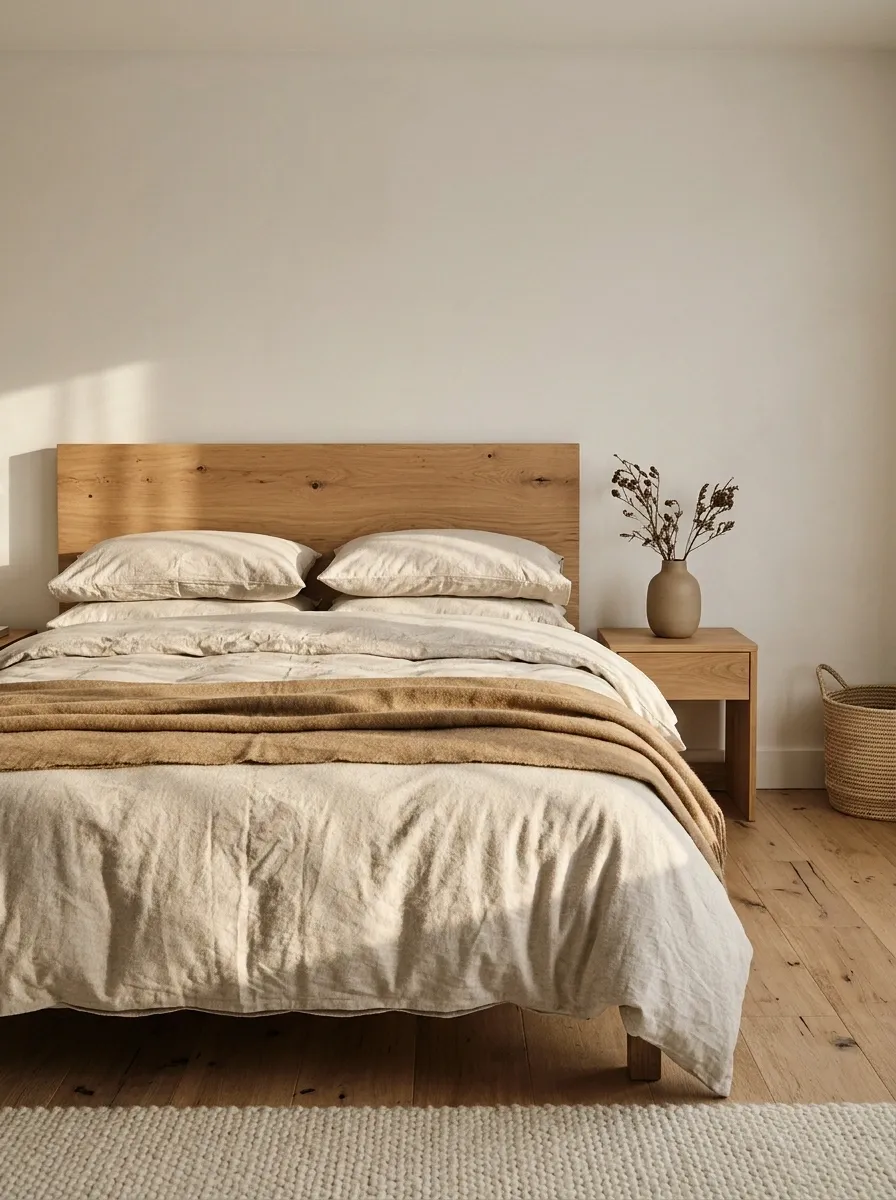
Oatmeal flannel gives a neutral bedroom a softer winter direction without changing its entire palette. Add a camel blanket across the lower part of the bed and keep pillowcases within the same warm family.
Let the fabrics provide variation rather than adding several patterns. A plain timber headboard works particularly well here.
Choose a blanket that can be removed easily. The room should look inviting without requiring you to sleep beneath every layer merely to preserve the arrangement.
Oatmeal flannel.
A removable camel blanket.
Deep Plum Velvet Bedding
Deep plum velvet brings a dramatic, saturated warmth to the bedroom without overwhelming the space. Softer blush and mauve pillows break up the rich tones, offering a gentle transition against crisp white walls.
Embrace varying shades of burgundy and muted rose across the pillow stack to add depth. The subtle sheen of velvet catches morning light in the most forgiving way possible.
Pair the bedding with simple, understated furniture so the rich textures can take center stage. You want the bed to look substantial enough to make abandoning it feel entirely non-negotiable.
Forest Green Bedding With Cream Pillowcases
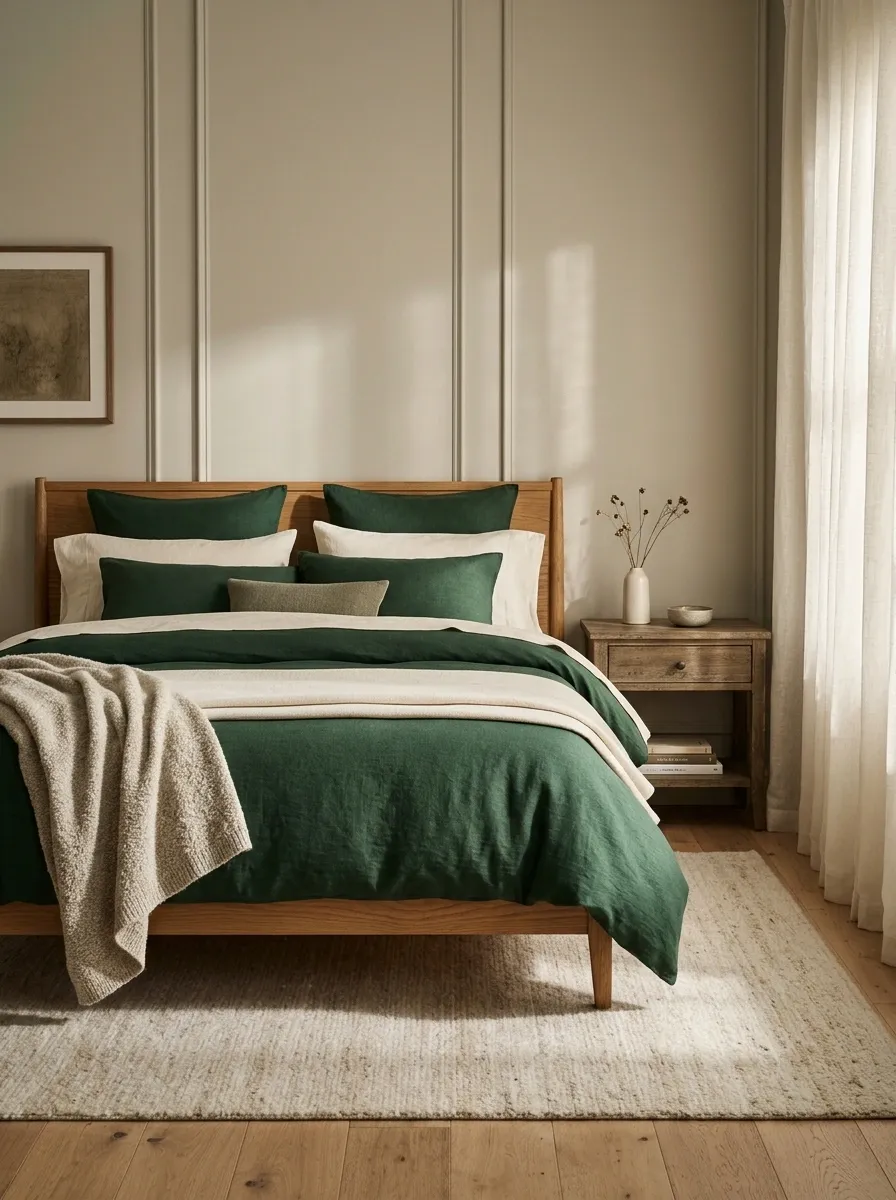
Forest green can make a bedroom feel settled and wintery without introducing seasonal motifs. Cream pillowcases and a lighter sheet fold keep the darker surface from becoming visually heavy.
Try the green beside your existing timber and wall color. Yellow-toned cream and cooler white can produce very different results.
Keep the blanket simple if the duvet cover already has a pronounced weave. The bed does not need several competing textures auditioning for the role of “coziest object.”
Keep the contrast deliberate: Deep green, one clear cream tone, and a restrained supporting blanket.
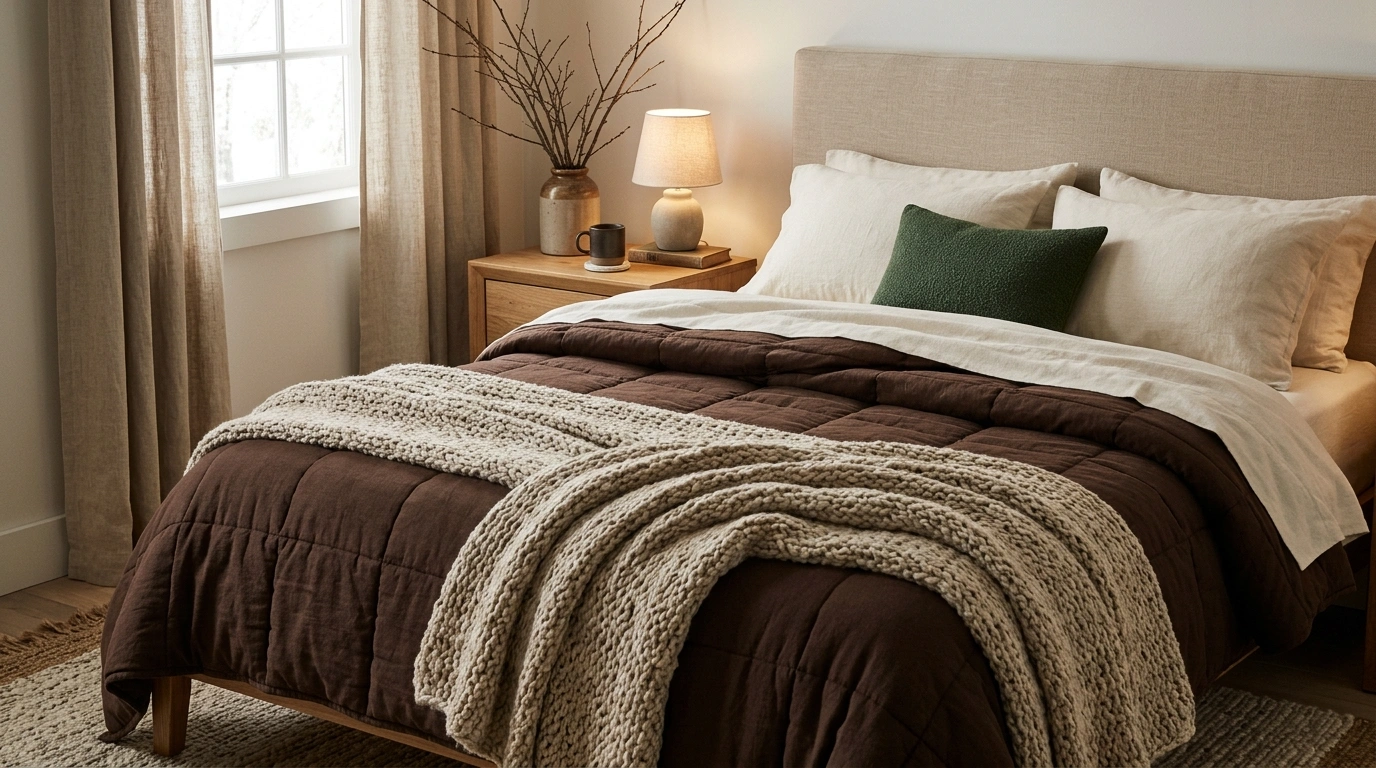
Textured Chocolate Brown Waffle
Chocolate brown waffle bedding wraps the room in an enveloping, cocoon-like warmth that feels made for freezing winter mornings. Patterned accent pillows layered over deeper brown shams introduce subtle detail without breaking the calm aesthetic.
Allow the textured weave of the duvet to provide the primary visual interest. It invites you in simply through how tactile and substantial the fabric appears.
Ground the look with dark accent walls or rich wooden tones to complete the moody, winter-ready sanctuary. Getting up will instantly feel like a terrible life decision.
Navy Bedding With a Pale Quilted Coverlet
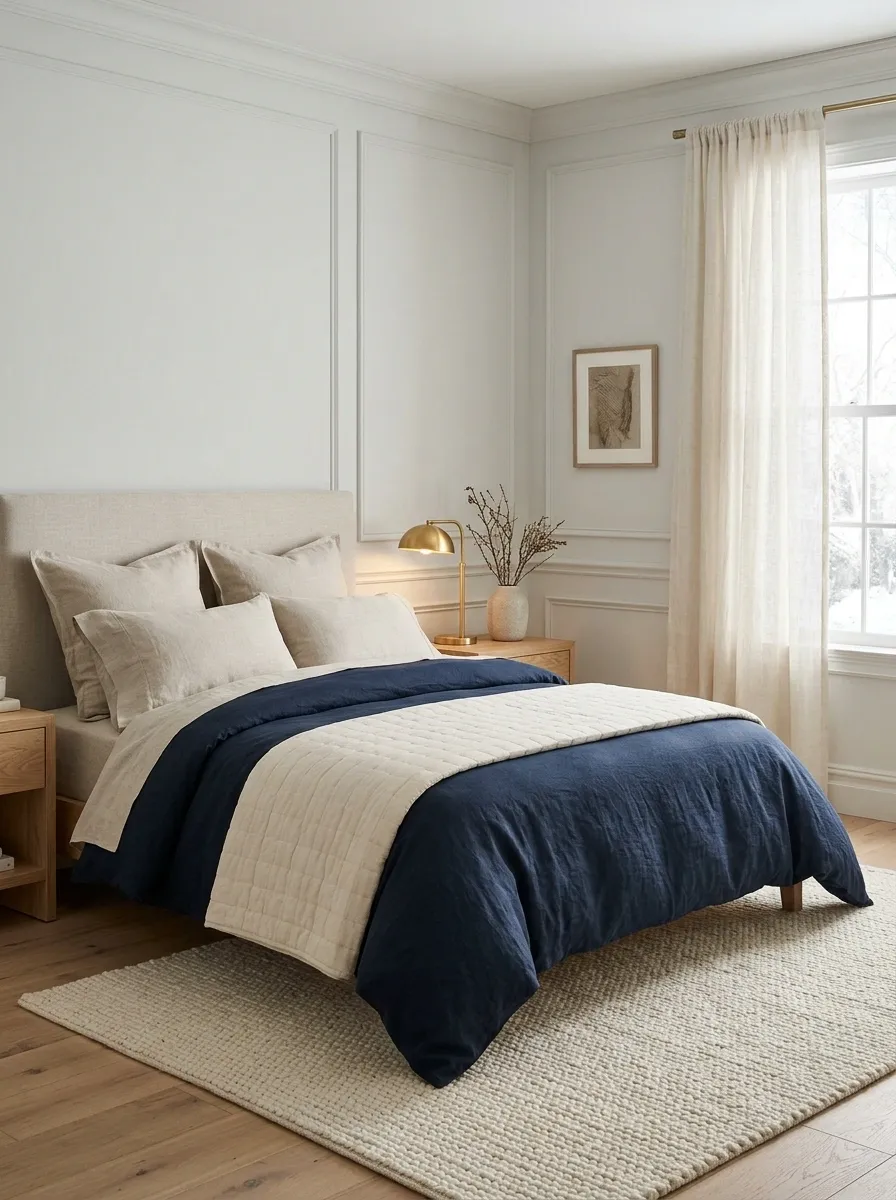
Navy provides depth while a pale quilted coverlet adds a softer layer over the lower bed. Natural linen-colored pillowcases can connect the two without creating a stark blue-and-white scheme.
Use the quilt where you actually need the additional coverage. Fold it back when the room feels warmer.
This arrangement suits pale walls and simple wood furniture, particularly when you want a winter update without making the bedroom look dramatically different every time the weather changes its mind.
Classic Striped Linens and Rust
Classic striped bedding paired with a rich chocolate brown throw creates an effortlessly layered winter look. The combination of simple stripes and a deeply textured outer layer adds instant visual depth to a neutral space.
Stick to warm woods and framed landscape art to echo the earthy palette of the bedding. Every layer should serve both an aesthetic and a practical purpose for ultimate coziness.
Fold the heavy throw neatly at the base of the bed when the afternoon sun warms the room. It offers versatility without sacrificing that crucial Sunday-morning aesthetic.
Chocolate Brown With Warm Ivory Sheets
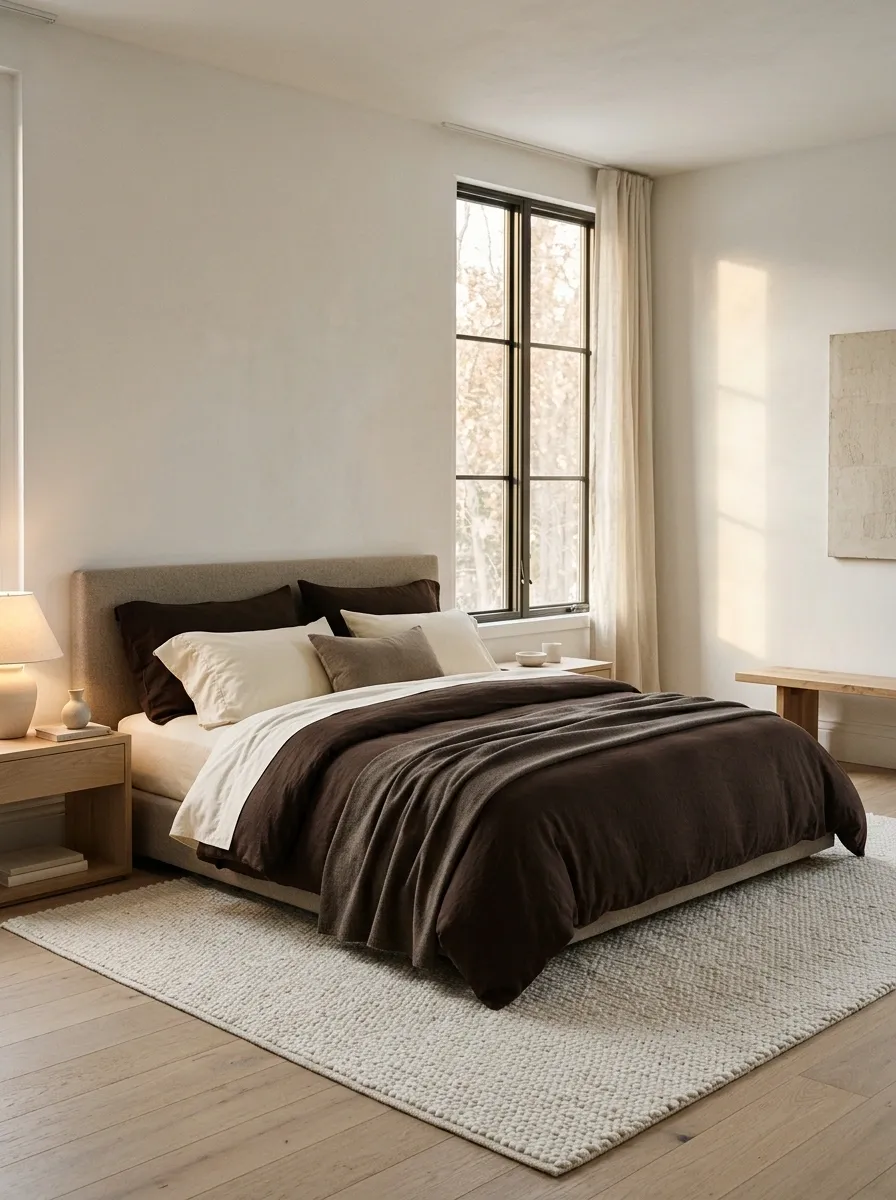
Chocolate brown gives pale bedding and walls a substantial anchor. Warm ivory sheets stop the contrast from feeling overly sharp.
Keep the bed frame visible if it has a good shape. A simple timber or upholstered headboard can provide enough additional interest without patterned cushions.
Check the brown against the floor before buying. Some shades lean red, others gray. A duvet that looked deliciously cocoa-colored online may arrive looking distinctly different beside your existing furniture.
| Bedding element | Direction |
|---|---|
| Main cover | Deep chocolate |
| Sheets and pillowcases | Warm ivory |
| Supporting texture | One plain woven blanket |
Rich Burgundy Sherpa Layers
Rich burgundy sherpa and velvet instantly transform a plain bed into a winter wonderland of deep color and texture. Neutral pillows in beige and cream soften the dramatic wine tones and keep the arrangement grounded.
Incorporate a mix of smooth and fuzzy fabrics to keep the monochromatic jewel tones interesting. The tactile contrast is what makes the bed truly impossible to leave.
Keep surrounding decor minimal so the luxurious bedding remains the undisputed focal point of the room. A single touch of this fleece-lined sanctuary and your productivity for the day is officially ruined.
Burgundy Waffle Bedding With Stone-Colored Linen
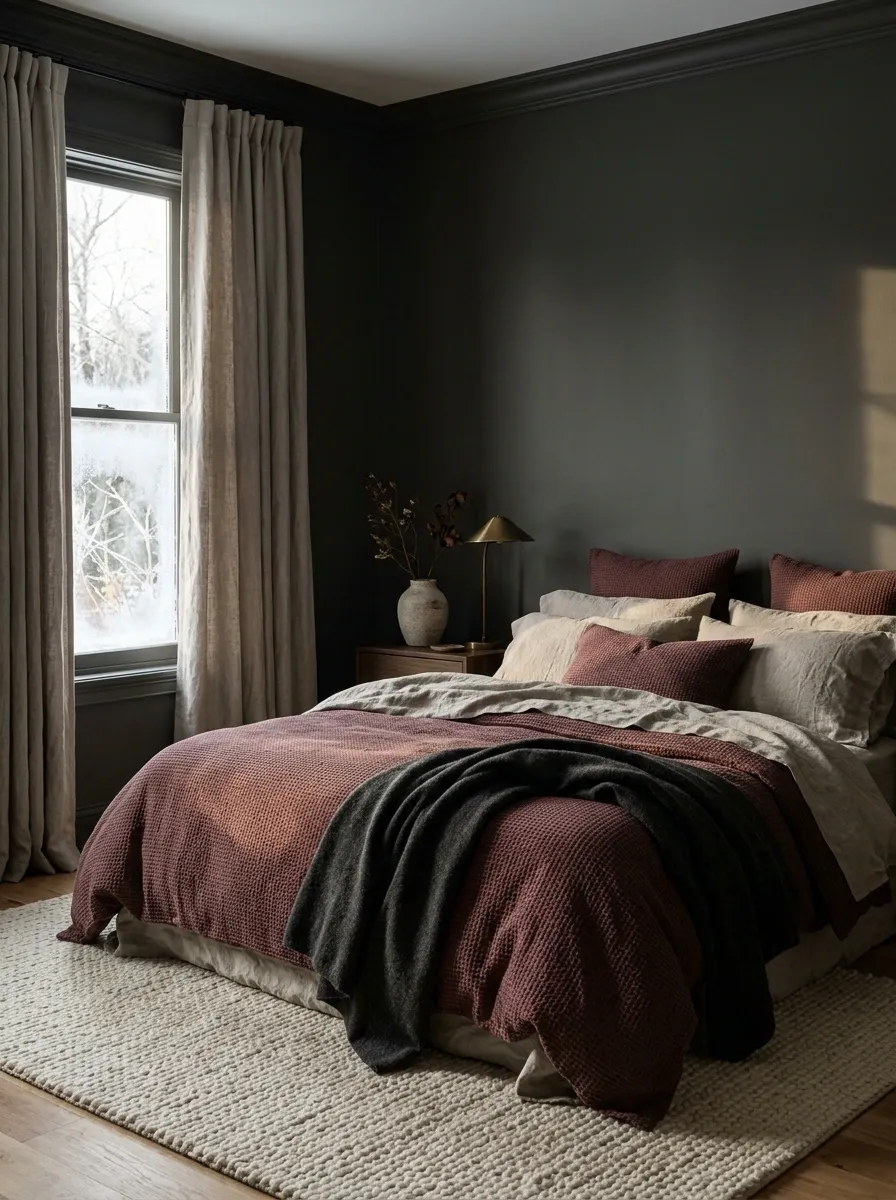
Burgundy can feel rich without turning the bedroom into a theatrical set. A waffle-textured cover gives the color variation, while stone-colored linen or cotton keeps the surrounding layers quieter.
Choose a muted burgundy rather than assuming brighter means more wintery.
Keep the sheet texture comfortable against your skin and let the outer layer handle the decorative work. Sleeping should not require accepting an interesting but irritating fabric simply because the color is excellent.
Fuzzy Cream Shaggy Fleece
Shaggy cream fleece bedding turns the entire mattress into an oversized cloud designed to defeat winter mornings entirely. Matching textured shams complete the monochromatic look, creating endless tactile appeal from top to bottom.
Let the exaggerated texture do all the heavy lifting so you can keep the rest of the room refreshingly minimal. Natural wood flooring and soft lighting complement the cloud-like aesthetic.
Ensure the materials are exceptionally soft against the skin, because once you slide beneath this much fleece, moving again is simply not on the agenda.
Charcoal Jersey With Clean White Accents

A charcoal jersey cover can create a relaxed bedroom with white pillowcases and a plain sheet fold. The combination feels casual rather than carefully staged.
Check how the fabric stretches and whether the cover holds its shape around your insert. Construction matters as much as the fabric label.
Keep the rest of the bed uncomplicated. This scheme works well when you want to climb in without first relocating a cushion population large enough to require its own census.
Practical check: Make sure the cover fits the insert closely enough to avoid a duvet gathering in one ambitious corner.
Terracotta With Muted Pink and a Velvet Accent
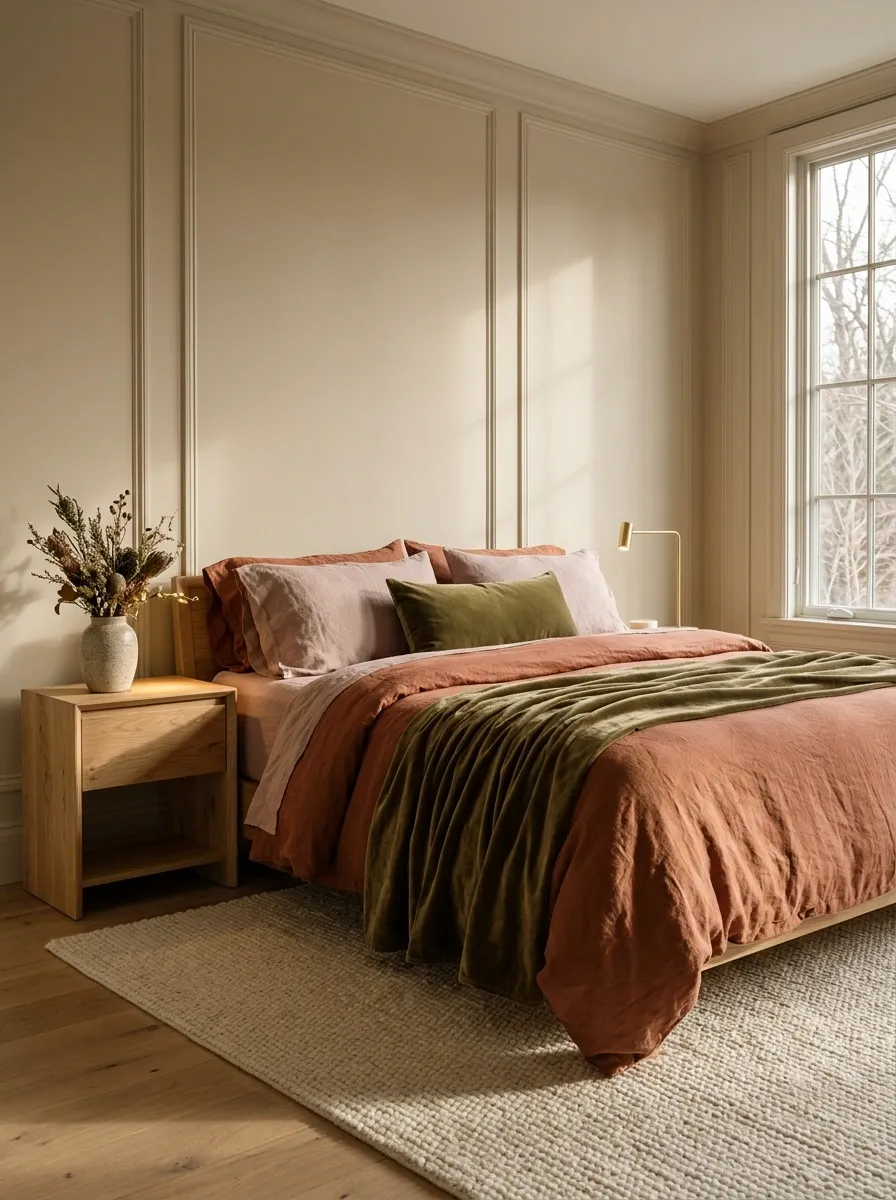
Terracotta bedding can warm a pale bedroom visually, especially beside muted pink pillowcases and natural wood.
Use velvet selectively through a cushion or removable throw rather than assuming it needs to cover the whole bed. Check that its care requirements suit the household.
The colors should feel related without matching exactly. Keep surrounding patterns quiet so the combination reads as a warm bedroom rather than the entire contents of an earthy paint collection displayed simultaneously.
An All-White Bed With Different Surface Textures
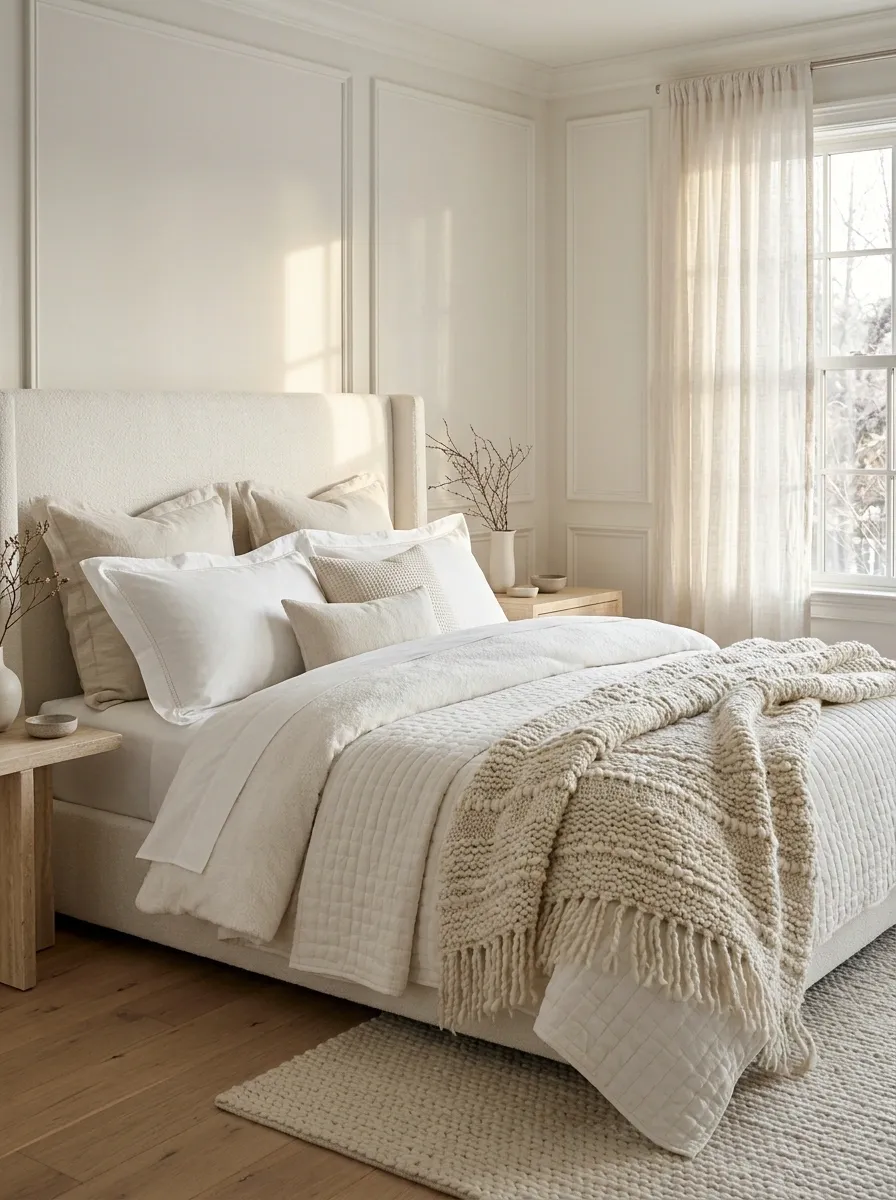
An all-white bed can feel wintery when the fabrics vary: smooth pillowcases, a quilted coverlet, and a softly textured blanket.
Choose whites that sit comfortably together rather than expecting every fabric to be an exact match. Slight warmth differences are easier to judge in the room than on separate product pages.
Keep the washing routine realistic. A pale bed is lovely when you enjoy maintaining it, and considerably less charming when every layer requires specialist cleaning.
| Use texture through | Keep quieter |
|---|---|
| Quilting or a woven blanket | Pillowcase detailing |
| A subtle duvet weave | Additional patterns |
| A soft removable layer | Decorative extras |
Ticking Stripes With a Plain Wool-Look Blanket
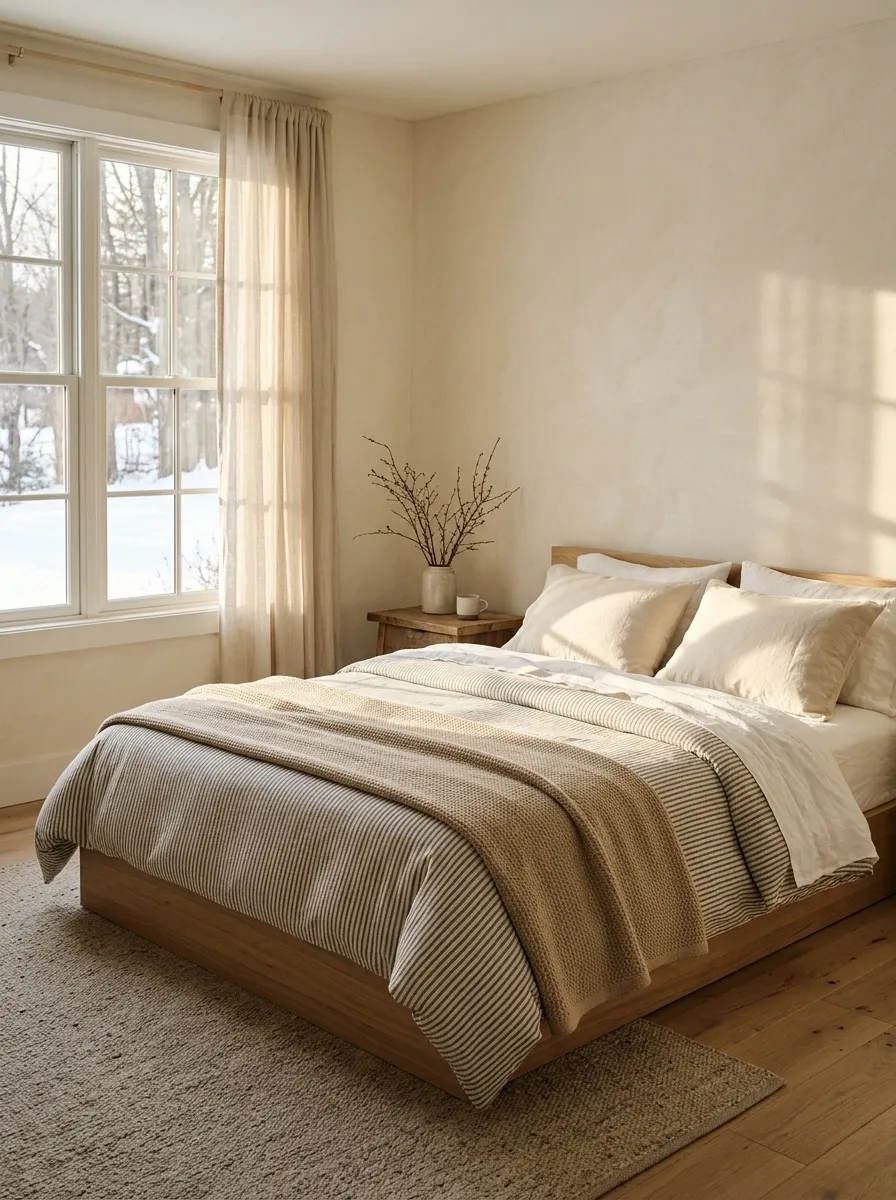
Fine ticking stripes give bedding structure without a busy print. Pair them with plain pillowcases and a solid blanket in charcoal, oat, or muted blue.
Use the stripe on one principal layer rather than repeating it across every surface.
Check blanket composition and care rather than relying on appearance alone. A beautifully rustic texture can look perfect across the foot of the bed while being entirely wrong for someone who dislikes scratchy fabrics touching their legs.
Ticking stripes + plain pillowcases + one comfortable blanket.
Muted Plaid With Solid Pillowcases
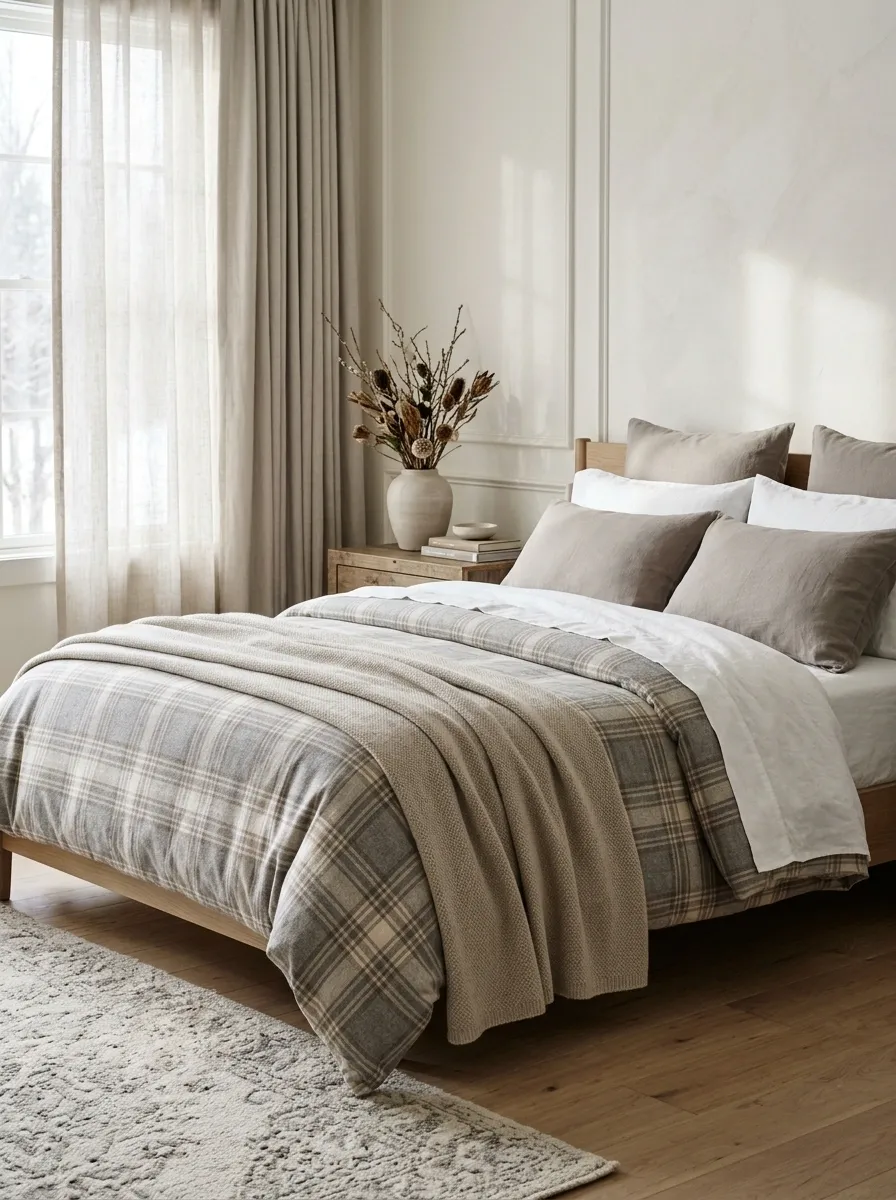
Plaid can provide a winter mood without becoming a themed bedroom. Choose a restrained palette and let solid pillowcases repeat one of its quieter colors.
A plain sheet fold helps separate the pattern from the pillows. Keep additional throws free of competing checks.
Look at the full pattern scale before ordering. A small swatch can conceal how energetic the repeat becomes across an entire duvet. You want somewhere pleasant to sleep, not an enormous tartan announcement.
Pattern shortcut: Pull one background color from the plaid and use it for the pillowcases or extra blanket.
Sage Bedding With a Cream Knit Throw
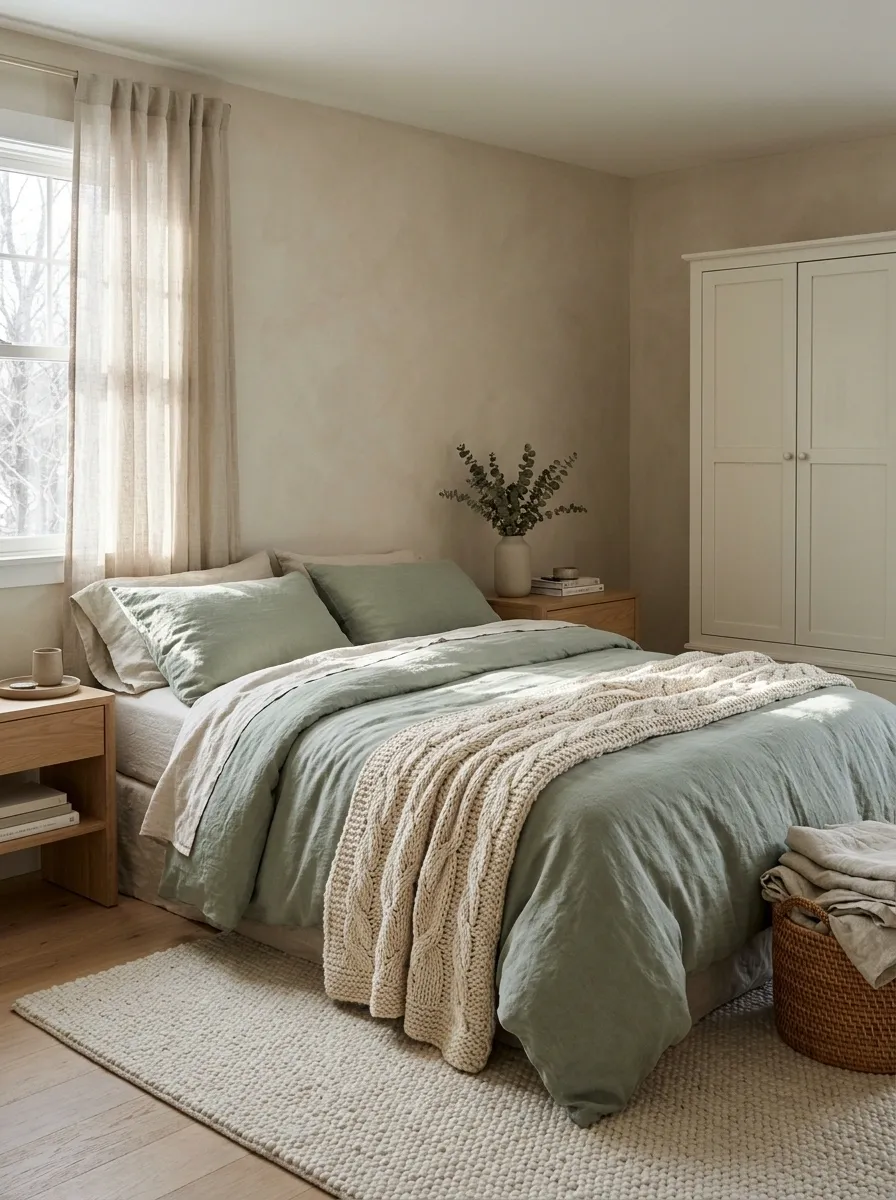
Sage and cream create a softer winter palette than the usual dark shades. The combination works well with light timber, painted furniture, and warm neutral walls.
Use a knit throw as an optional layer rather than spreading it so tightly that it becomes another compulsory cover.
Inspect the knit structure if pets or snagging are concerns. A chunky texture can be attractive, but a blanket should not begin unraveling because it encountered an ordinary button.
Dusty Blue With Taupe and a Brushed Cotton Sheet
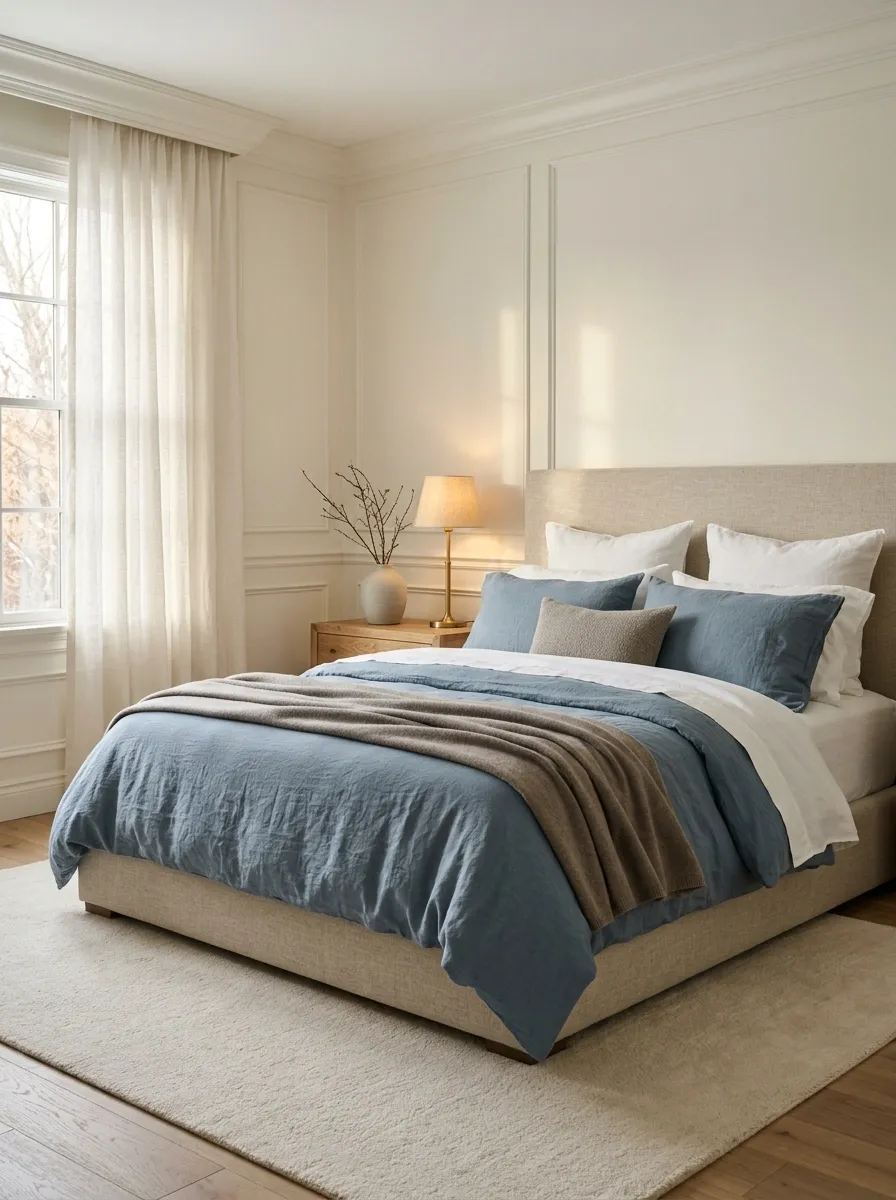
Dusty blue can feel calm in winter when taupe and warm neutrals balance it. Use a brushed cotton sheet if you enjoy its feel, then keep the visible layers relatively simple.
Choose the blue against your actual wall color. A cool shade can look very different beside creamy paint.
The taupe layer does not have to match the bed frame. It needs to relate comfortably, which is a much more achievable assignment than asking every neutral in the room to become identical.
| Layer | Suggested role |
|---|---|
| Brushed sheet | Comfortable contact layer |
| Dusty blue cover | Main color |
| Taupe blanket | Optional extra warmth |
Mustard With Charcoal and Off-White

A mustard accent can lift charcoal bedding without making the whole bed bright. Keep off-white between the stronger colors through pillowcases or a sheet fold.
Try a muted mustard rather than a highly saturated yellow if the room already includes warm timber.
Use it sparingly. One blanket or long cushion can provide enough color. The room does not need to develop a complete mustard-based identity because a single purchase worked out well.
Plum With Pale Lavender-Gray
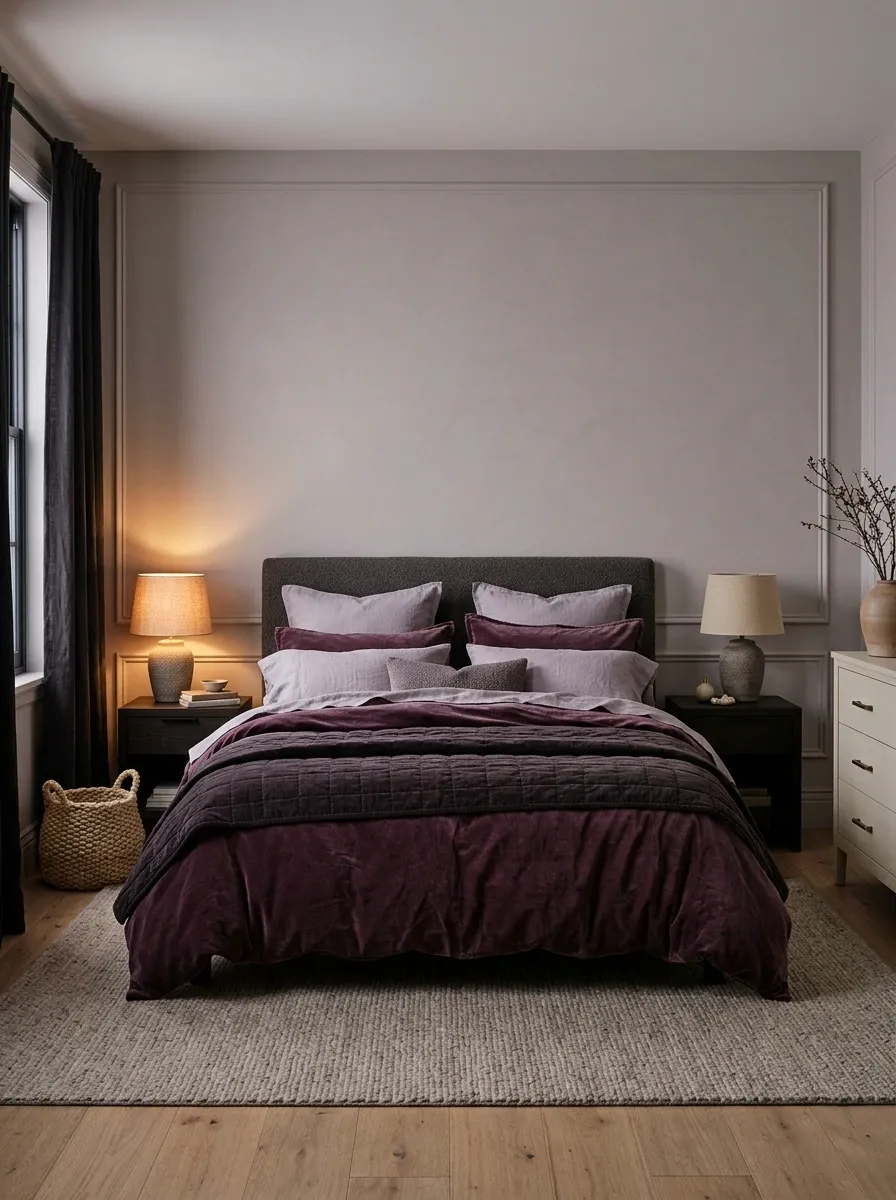
Plum bedding gives a room depth while lavender-gray pillowcases soften the contrast. The pairing works especially well with simple cream or dark timber furniture.
Check both shades under evening lighting. Purple tones can shift noticeably, and a subtle combination can become much stronger than expected.
Keep metal accents restrained and avoid adding another decorative color unless the room needs it. The bedding already has a point of view; it does not need a committee of supporting accessories.
Sample together: Plum fabric, pale pillowcase, wall color, and the nearest timber finish.
Black-and-White Bedding With a Warm Neutral Blanket

Black-and-white bedding can feel more comfortable in winter when a warm oat or camel layer interrupts the contrast.
Keep the pattern simple: a narrow stripe, restrained check, or plain color blocking. Add warmth through texture rather than introducing several new prints.
This is useful in rooms with black window frames or dark furniture. The blanket connects the graphic pieces to the softer parts of the room without requiring you to replace the whole scheme.
Rust With Navy for a Darker Winter Bed

Rust and navy create a deeper palette that suits pale walls and natural wood. Keep one color dominant and use the other in a smaller blanket or pillow group.
A lighter sheet fold can stop the bed becoming one uninterrupted dark mass.
Avoid adding every related autumn shade at once. The two colors already create enough interest without burgundy, mustard, orange, and brown arriving to form a particularly crowded seasonal delegation.
| Dominant layer | Smaller accent |
|---|---|
| Navy duvet | Rust blanket |
| Rust duvet | Navy pillowcases |
| Either combination | A quieter pale sheet fold |
Warm Gray With Soft Peach
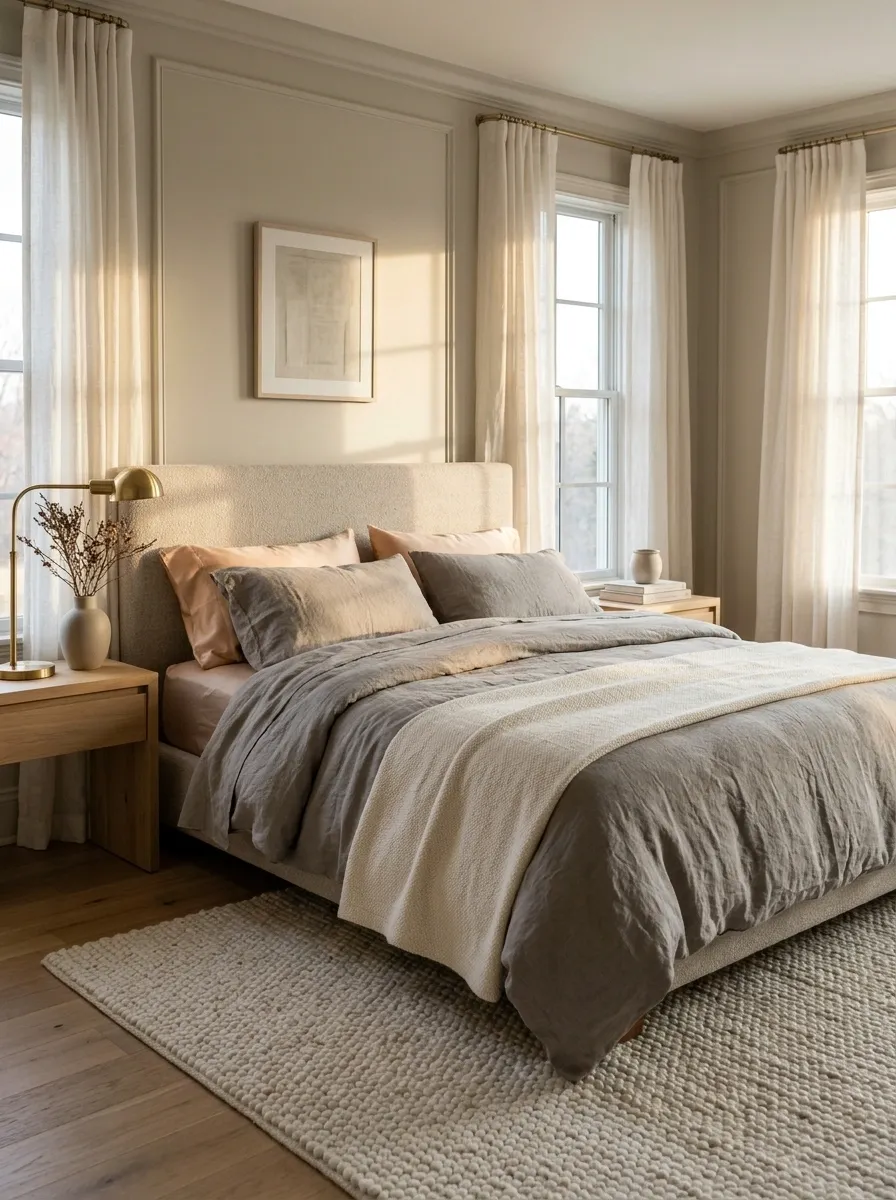
Warm gray bedding and peach pillowcases can make a room feel softer without a strong decorative statement. Add a plain textured coverlet if you want another layer.
Check the gray carefully against walls and flooring. Some grays lean blue or green, which changes the relationship with peach.
Choose a comfortable fabric combination first. A gentle palette works best when the bed feels equally relaxed to use, rather than needing continual adjustment to keep several slippery layers in place.
A Light Duvet With a Substantial Foot Blanket
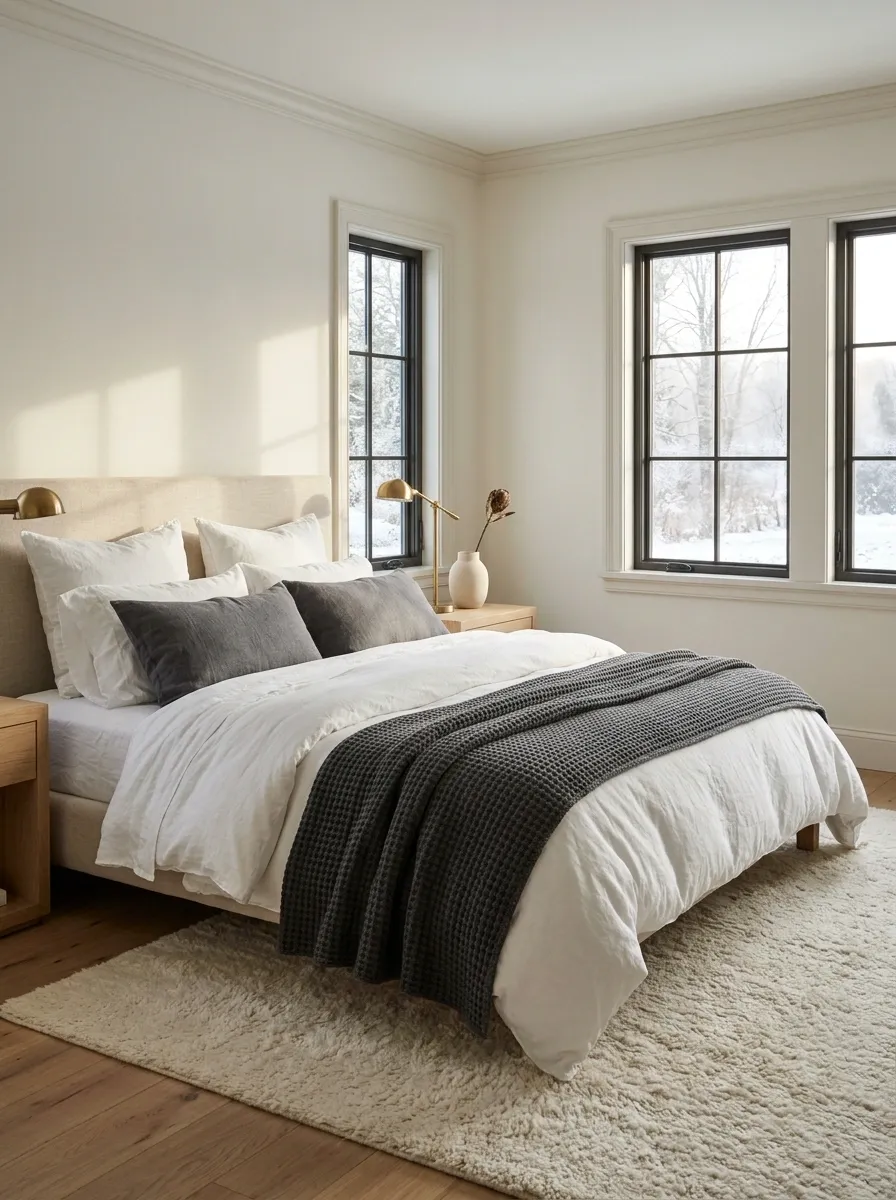
If you warm up easily, a lighter duvet with an optional blanket may suit you better than one very heavy winter cover.
Keep the blanket within reach so you can adjust the bed without fully remaking it. Fold it where it can cover the area that feels coldest, then remove it when needed.
The bed can look layered while remaining adaptable. Winter is not a contractual obligation to sleep beneath the maximum amount of fabric available.
Adjustable arrangement: Comfortable main cover, one reachable extra layer, and somewhere sensible to place it when removed.
Separate Warmth Levels for Two Sleepers
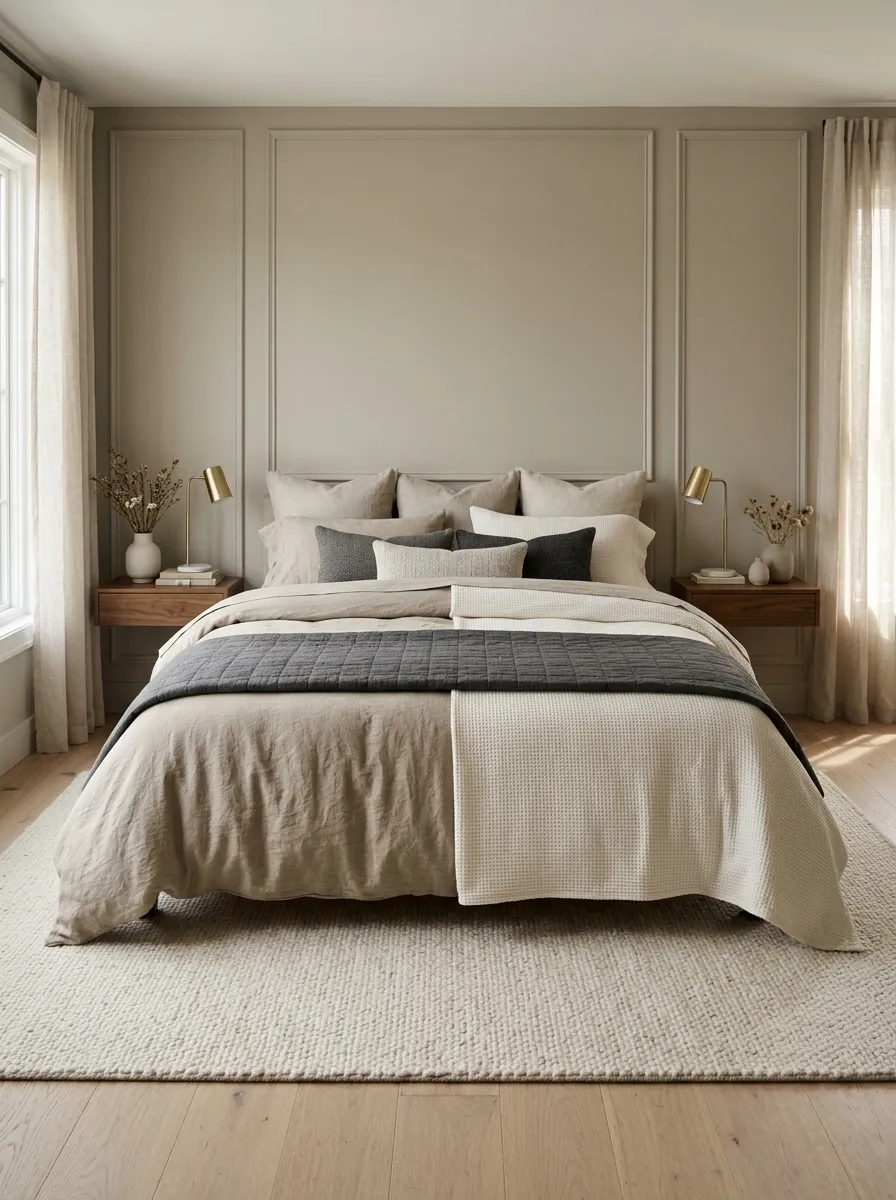
Two people sharing a bed may need different bedding arrangements. Separate compatible covers can offer individual control, with a shared coverlet used for the daytime appearance if desired.
Choose dimensions that provide useful coverage without excessive overlap. Make sure the arrangement remains easy to wash and remake.
This is a practical option when one person sleeps comfortably while the other conducts nightly negotiations over the duvet. A shared mattress does not require identical opinions about insulation.
Their preferred warmth.
Their preferred warmth.
A Washable Winter Bed for a Busy Household
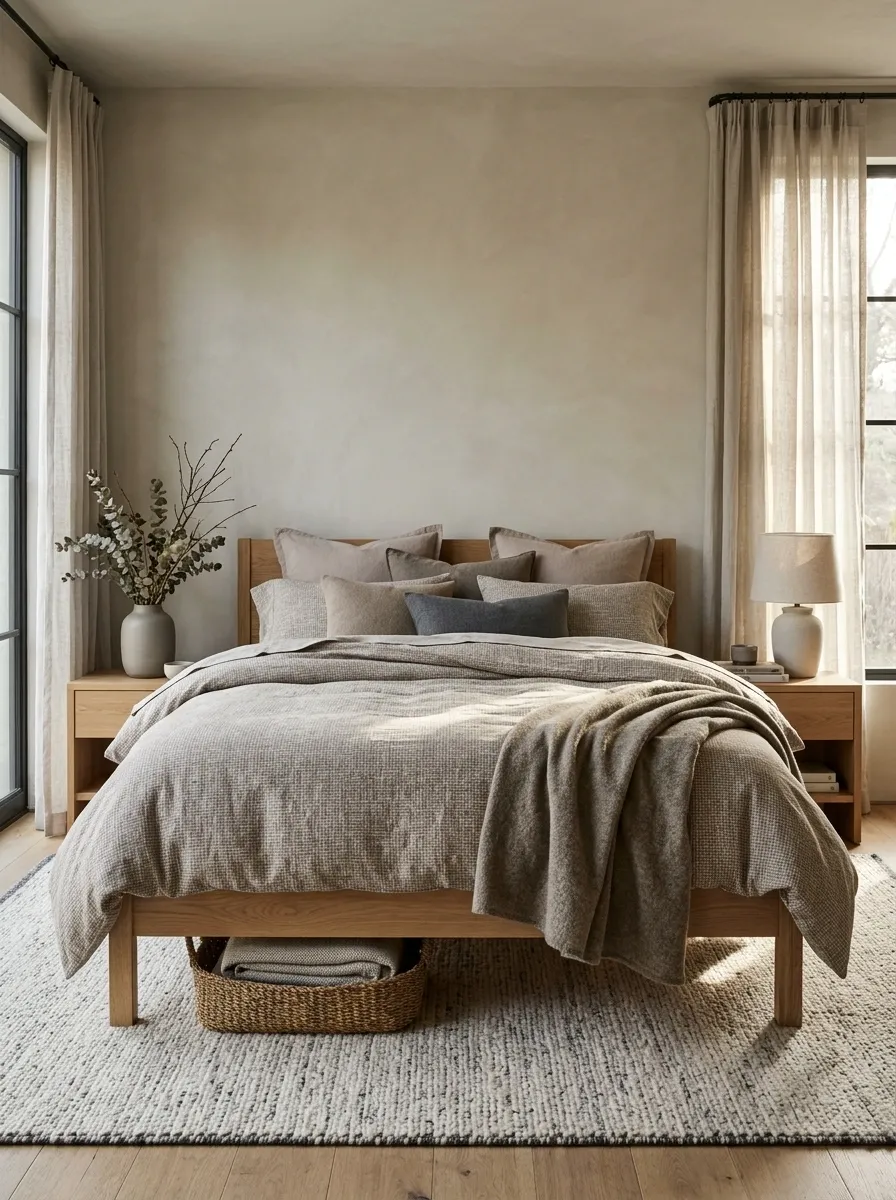
Choose bedding around the cleaning routine you can maintain. Removable covers and manageable extra blankets can make seasonal changes easier than one enormous difficult-to-clean piece.
Check care labels before combining the layers. Consider drying space and machine capacity as well as appearance.
A mid-tone patterned cover may feel more forgiving in daily life than a very pale solid, depending on the household. The goal is a comfortable bed, not another object everyone has been instructed to approach cautiously.
| Check before buying | Why it matters |
|---|---|
| Washing requirements | Fits your routine |
| Drying method | Fits your available space |
| Removable cover | Simplifies upkeep |
| Fabric feel | Comfort remains central |
An Existing Quilt Over New Plain Bedding
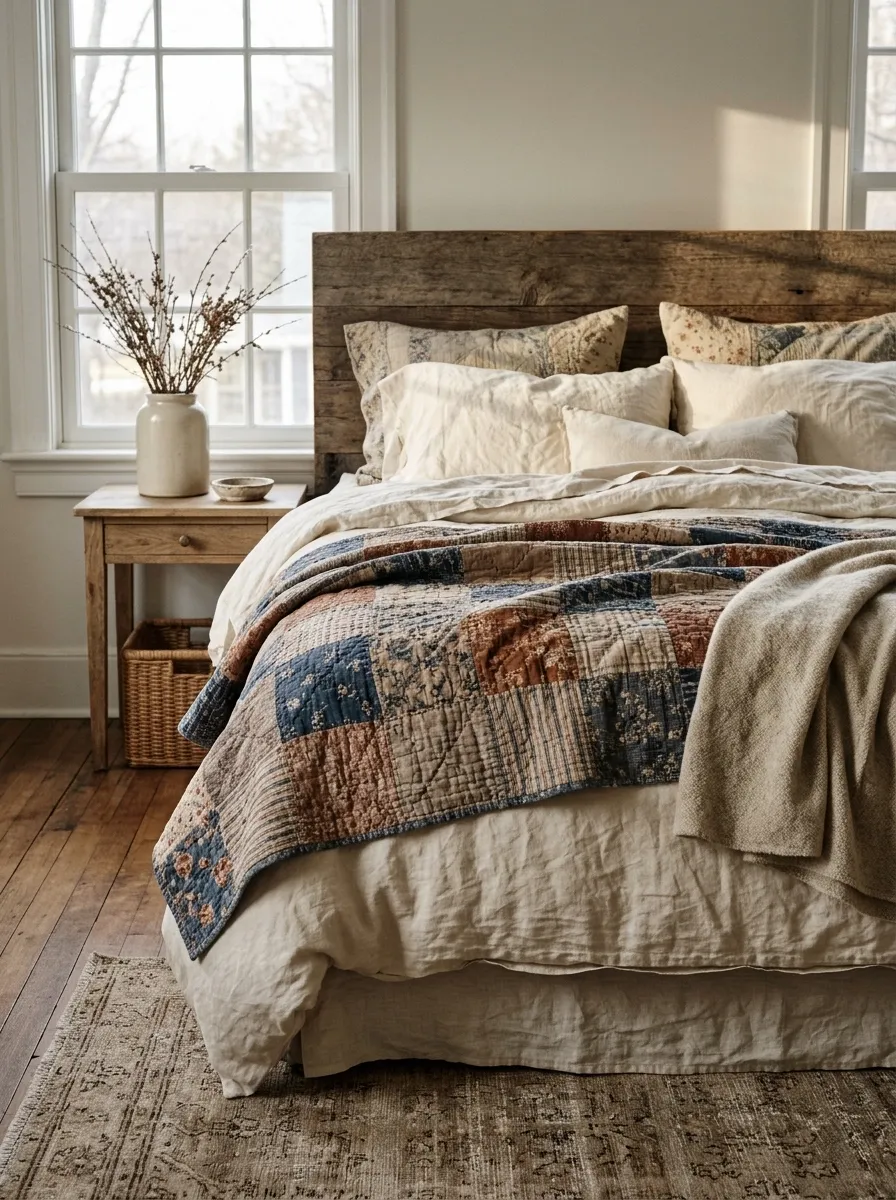
A favorite quilt can become the main winter detail when placed over fresh plain sheets or a simple duvet cover.
Pull one quieter color from the quilt for the surrounding bedding. Let its stitching, print, or history provide the visual interest.
You do not need to replace a useful piece because it is not part of a coordinated collection. An older quilt can make the bed feel more personal than a perfectly matched set that has never encountered anyone’s actual preferences.
A Reversible Duvet Cover for Easy Variation
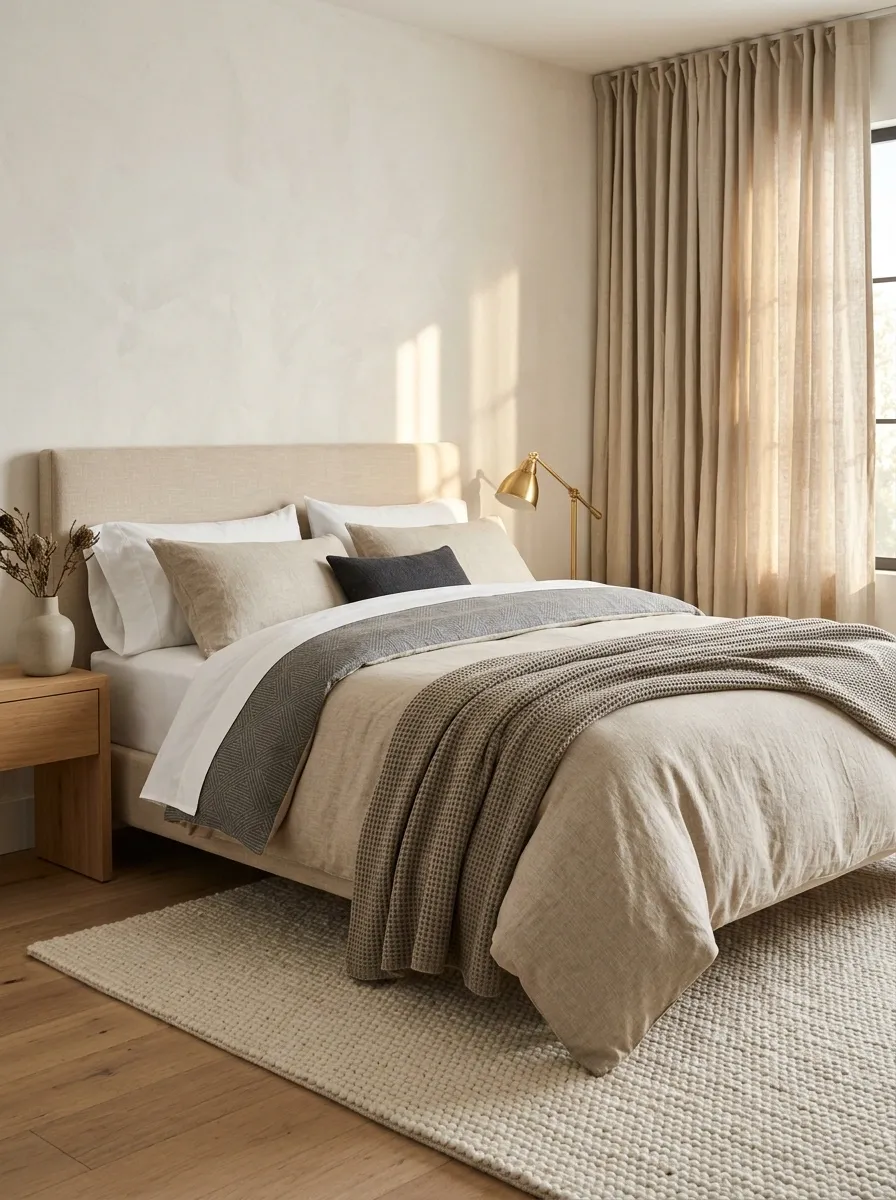
A reversible cover offers two visual directions without storing another complete set. A plain side and restrained patterned reverse can be particularly useful.
Check that both faces work with the same sheets and pillowcases. Otherwise, the convenient reversible purchase starts demanding additional purchases to support its second personality.
Turn back the top edge to show a little contrast, or use one side fully. Keep the styling straightforward enough that making the bed remains a quick task.
Buy for both sides: Each face should work with the bedding and room you already have.
A Guest Bed With Clearly Available Extra Layers
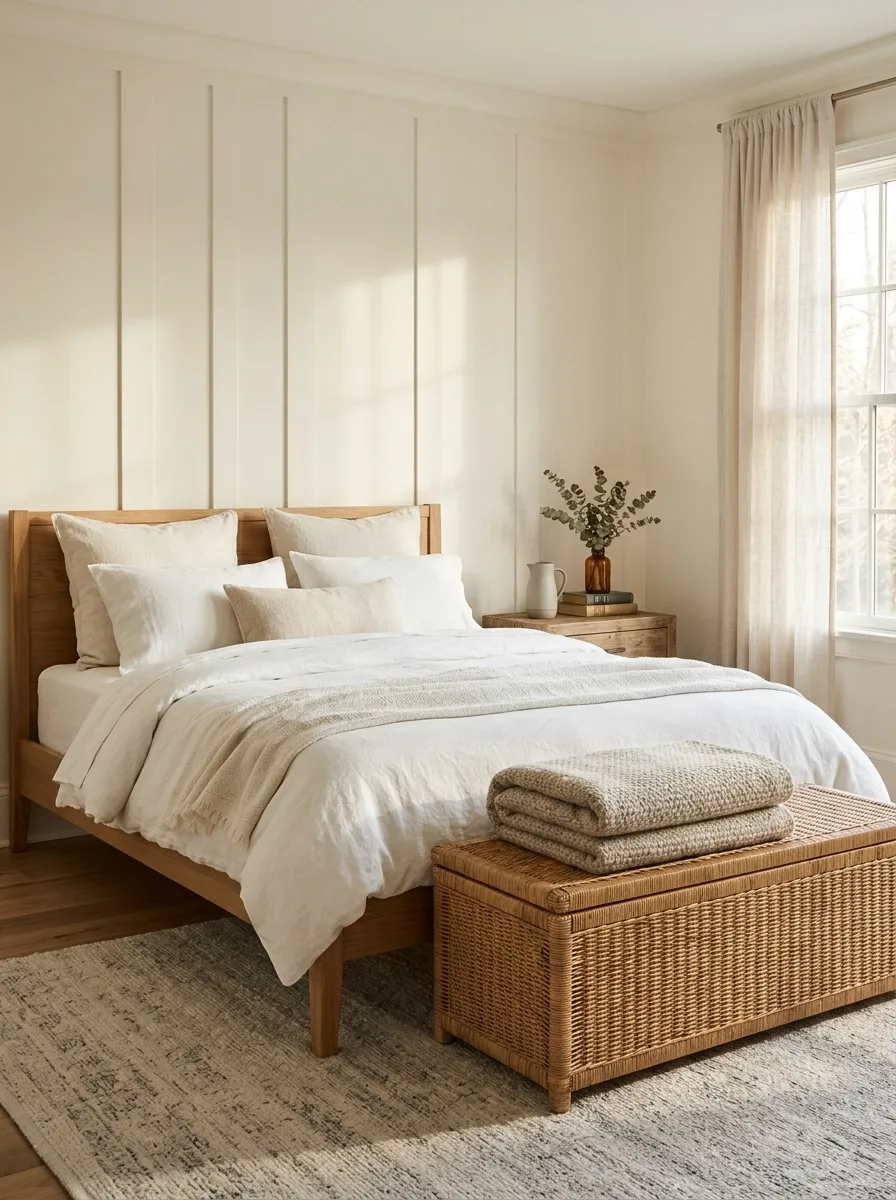
A winter guest bed benefits from comfortable main bedding and an obvious extra blanket stored nearby.
Use manageable layers rather than deciding every visitor needs the same heavy arrangement. Give the spare blanket a clean, dry home where it can be found without searching private cupboards.
Leave room for guests to adjust the bed. Hospitality becomes more useful when people can get comfortable themselves, rather than wondering whether removing the elaborately folded throw will violate the room’s decorative rules.
Comfortable everyday bedding.
A clean, reachable extra blanket.
A Deep Fitted Sheet That Actually Fits the Mattress
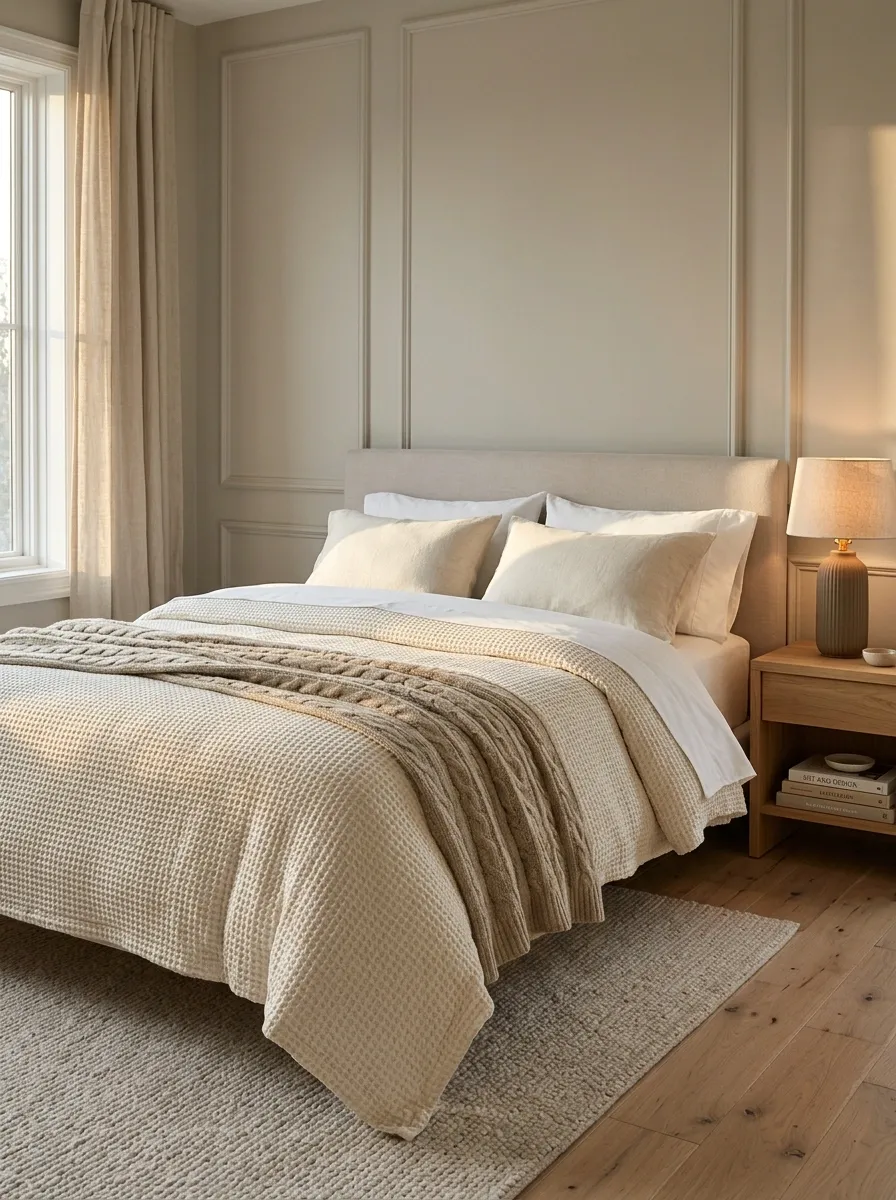
Winter layers can distract from the basic problem underneath: a fitted sheet that releases a corner whenever someone moves.
Measure the mattress with any topper in place, then choose the sheet dimensions accordingly. Check the fit after washing according to its instructions.
Keep the visible bedding simple while you sort out the foundation. A beautiful duvet cannot make repeated midnight corner repairs feel luxurious. The sheet should remain on the bed without requiring a separate engineering solution.
| Measure | Include |
|---|---|
| Mattress width and length | The actual sleeping surface |
| Total depth | Any topper in place |
| Fit after care | The manufacturer’s washing guidance |
One Generous Blanket Across a Quiet Neutral Bed
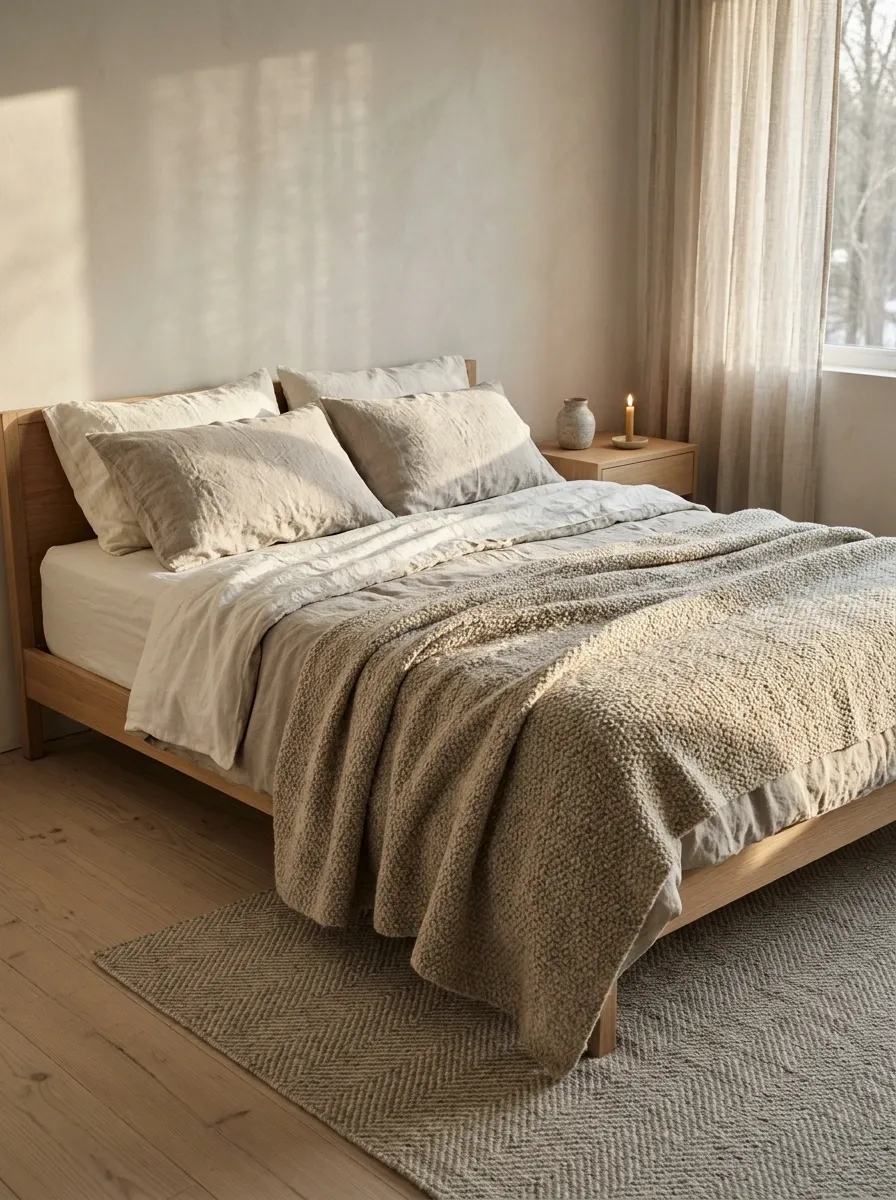
A quiet neutral bed can change for winter through one well-chosen blanket. Look for a useful size, comfortable feel, and color that relates to the room.
Spread it generously enough to function, rather than folding it into a narrow decorative strip that covers almost nothing.
Keep the rest of the arrangement restrained. One excellent layer is often more enjoyable than several small throws selected because each looked convincing in a basket at the shop.
Enough coverage to use, with a quiet neutral bed underneath.
Get Into the Bed Before Declaring It Finished
Try the arrangement through a normal night. Notice whether the cover shifts, whether the extra blanket is useful, and whether you spend half the evening throwing layers onto the floor.
Keep what helps and remove what does not.
The finished bed should make the room more comfortable to live in. If it looks impressive but requires nightly dismantling, it has developed a styling career at the expense of its original job.