

The pumpkins have started to look a little out of place, but stripping everything back leaves the house feeling oddly bare. Outside, the light disappears earlier. Inside, the rust-colored cushions and leafy garland are still enthusiastically campaigning for October.
This awkward stretch deserves better than replacing every orange object with a snowflake.
Knowing how to transition your house from fall to winter means deciding which parts of your autumn setup still work. Wood, woven baskets, warm lighting, and textured fabrics usually have plenty left to offer. The distinctly harvest-themed pieces can take their well-earned break.
Start with the rooms you use most after dark. Adjust the lighting, bring useful warmth closer to the seating, and give the entrance somewhere to handle wet coats and shoes. Then update the smaller seasonal details with greenery, quieter colors, and materials that feel comfortable through the colder months.
You don’t need to finish the whole house in an afternoon. Make the first changes where winter has already started affecting daily life. Your favorite chair needs a reading light before the sideboard needs another decorative deer.
What Should Stay When Fall Decor Comes Down?
Keep the Materials That Already Feel Comfortable
Wood, wool, woven textures, substantial pottery, and warm metal finishes don’t belong exclusively to autumn. They can remain useful throughout winter, especially when the room needs warmth without more decorative objects.
Look at the material before judging the color. A woven basket holding blankets can stay even if it appeared in your fall setup. A pumpkin-shaped container makes a much stronger seasonal statement. Keeping the adaptable pieces gives the house continuity and saves you from rebuilding every arrangement with a shopping basket.
Change the Strongest Seasonal Signals First
A leafy garland across the mantel announces autumn more loudly than a small amber vase on a shelf. Remove the obvious seasonal pieces first, then look at what remains.
You may need fewer replacements than you expected. A cleared mantel can reveal that the mirror and candlesticks were already enough. Work through the house by visual impact rather than by the number of objects you can swap. The goal is a room that feels right for the season, with arrangements you still enjoy using and seeing.
Let Shorter Days Guide the Practical Changes
Winter changes when and how rooms get used. A chair that felt inviting beside a bright window may become a dark corner by late afternoon. The entrance may need more drying space, and the bed may need another removable layer.
Pay attention to those changes before choosing decorative finishes. Useful light, reachable blankets, and a manageable place for wet belongings make the house feel ready. Once those needs are covered, the seasonal styling has something sensible to build on.
How to Transition Your House From Fall to Winter, Room by Room
Shift the Color Balance Without Removing Every Warm Tone

Your house doesn’t need to go pale and frosty because the weather did.
Keep warm wood, tan upholstery, or an amber accessory you enjoy. Reduce the strongest autumn combinations by changing the pieces around them. Rust beside mustard and orange reads differently from rust beside cream, charcoal, and a deep green.
Change the supporting colors first. A cushion cover, throw, or simple tabletop arrangement can alter the balance without touching the furniture. Check the room in daylight and under your lamps. The colors need to work when you actually spend time there.
Wood furniture, warm upholstery, or a favorite earthy accessory.
Quieter neutrals, deeper greens, or another color already present in the room.
Look at the complete arrangement under the evening lighting.
Pack Away the Harvest Pieces Before Buying Replacements
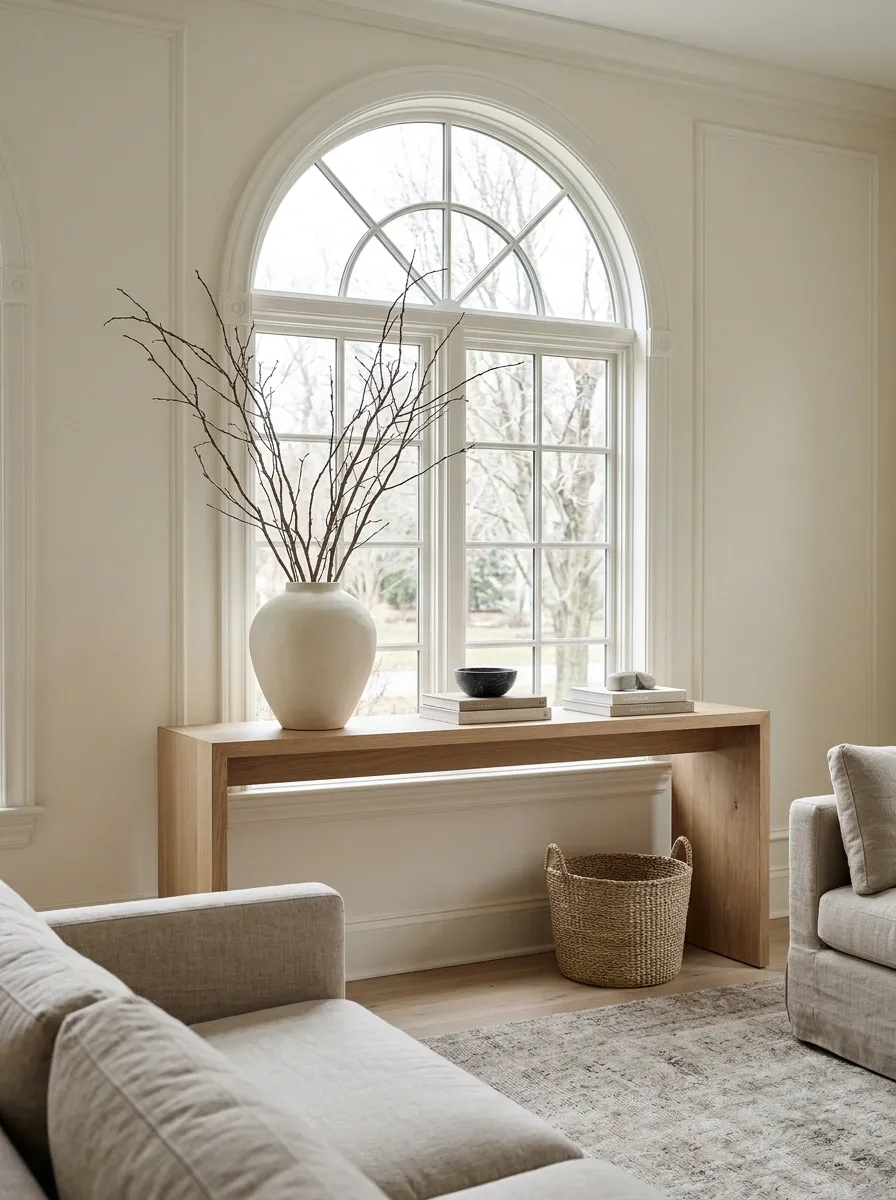
Take down the leafy garlands, gather the decorative pumpkins, and remove the autumn wording.
Leave the surfaces clear long enough to see what’s already working. Don’t replace every removed object with an equally sized winter object. That’s how a small seasonal update becomes a very expensive game of musical ornaments.
Clean and dry reusable decor before storing it appropriately. Keep fragile pieces protected and label the contents clearly. If something annoyed you throughout fall, decide whether it deserves another year in storage. A box labeled “seasonal” doesn’t grant permanent immunity from being edited.
- Store: Seasonal pieces you’ll want to use again.
- Keep out: Adaptable objects that still suit the room.
- Repair: Items worth fixing before the next season.
- Release: Decor you no longer enjoy or need.
Put a Useful Winter Throw Where Someone Will Reach for It
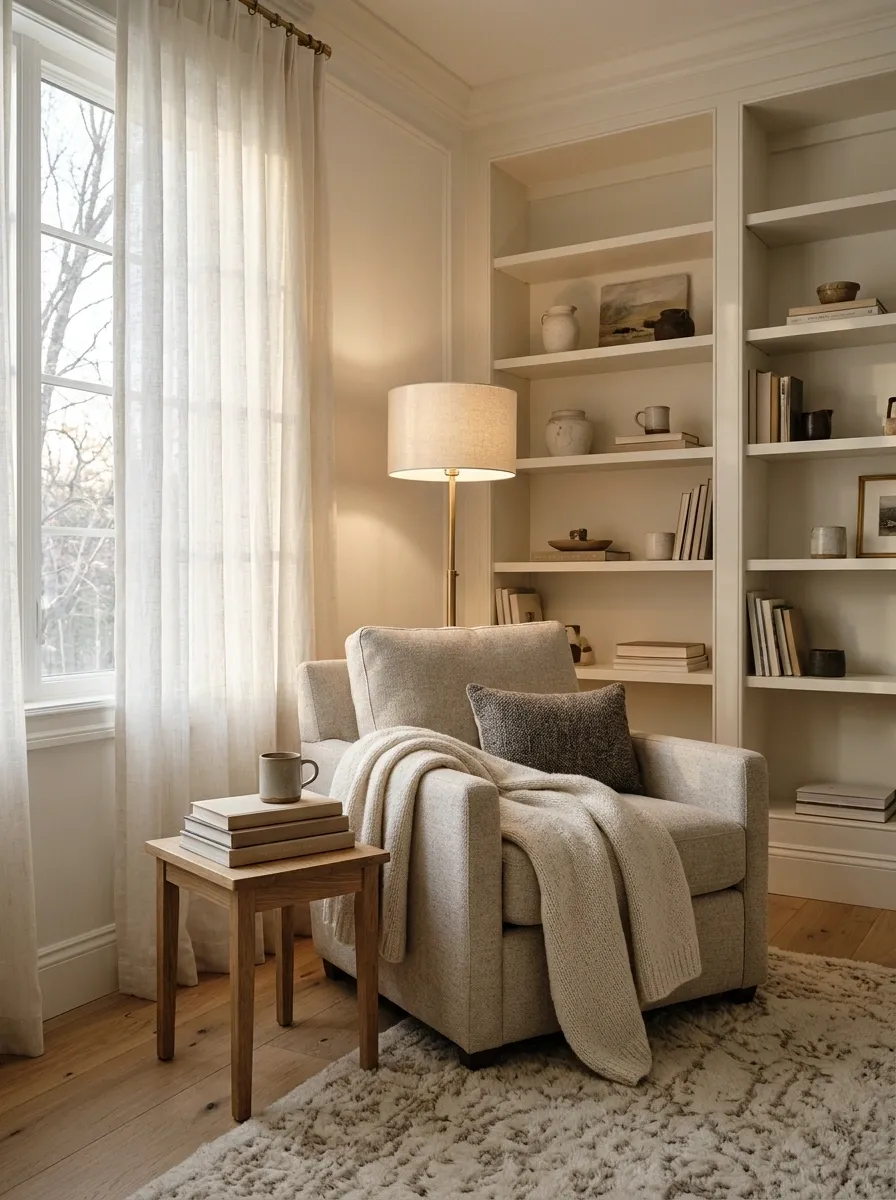
A blanket draped over an unused chair is doing more posing than helping.
Place a comfortable throw near the seat used for reading or watching television. Choose something that suits the room’s temperature and your care routine. A washable layer can earn its place quickly in a busy household.
Fold it loosely enough to pick up without dismantling the sofa arrangement. Keep the seat itself available. If you already own suitable blankets, bring them out before shopping. The first winter textile update should improve an ordinary evening, rather than require everyone to sit carefully beside it.
Comfort against skin and manageable washing matter most.
Keep the blanket beside the seat rather than spread across every cushion.
The best position is the one that makes it easy to use and put away.
Swap Cushion Covers for Texture Instead of Winter Slogans

The sofa doesn’t need to announce that it’s cold outside. Everyone has noticed.
Use covers with visible texture or a quieter pattern to change the seasonal feel. A woven plain, restrained check, or soft corduroy can work with furniture you already have. Keep the colors connected to the larger room.
Check the fabric against your skin and read the care instructions. A decorative cushion that scratches your arm is a questionable winter comfort strategy. Reuse sound inserts where they fit properly, and keep enough cushions for support without taking away the places people need to sit.
Choose the strongest texture or pattern first. Repeat a quieter color from it elsewhere, then check the whole group against the sofa and curtains.
Rework the Lighting Before the Dark Afternoons Arrive
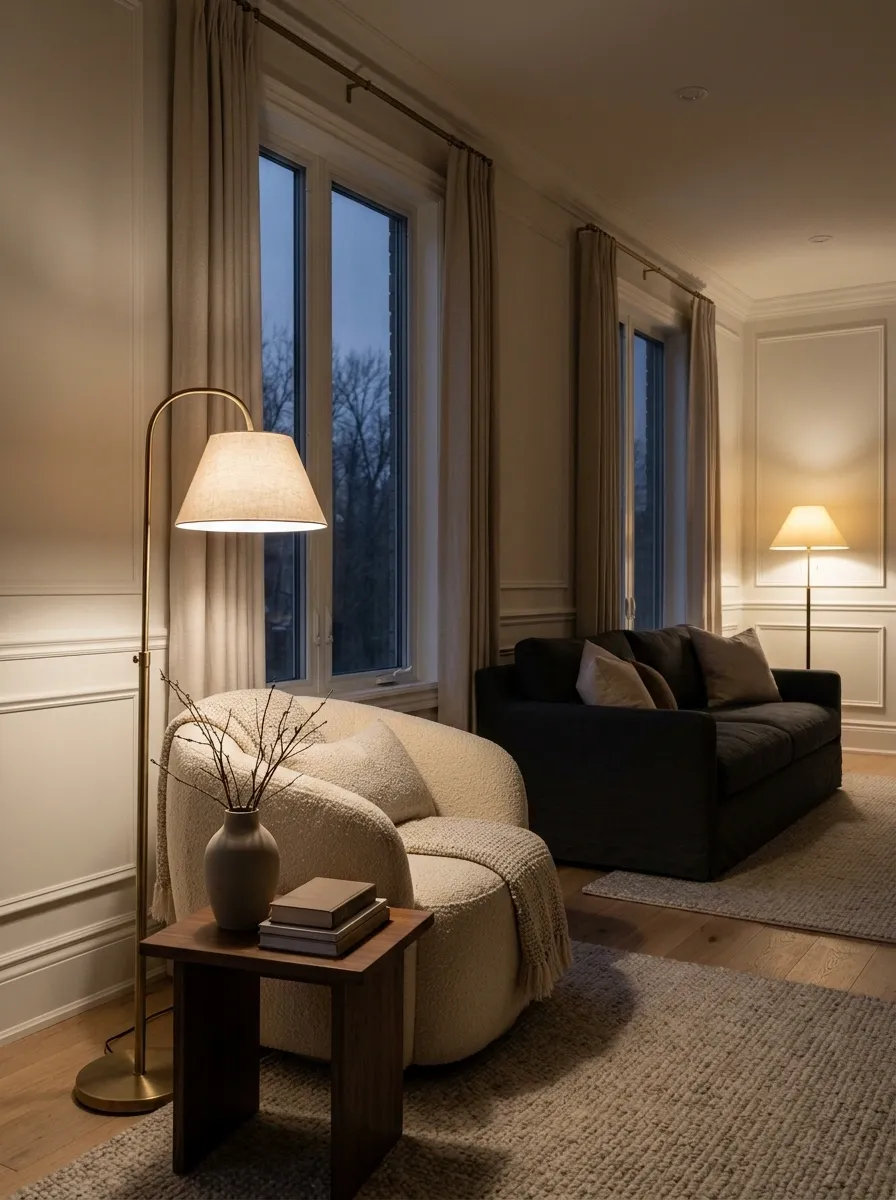
A room arranged around summer daylight can feel strangely flat once the afternoons shorten.
Switch on the lamps you own and check where the gaps are. Move one beside the reading seat, and give the far side of the room enough light to remain visible. Check glare from the sofa rather than judging everything while standing.
Keep controls accessible and leads clear of walking routes. Compatible bulbs with a consistent color help the light sources feel related. Test the arrangement after dark before buying another fitting. The room’s evening version deserves its own thoughtful setup.
Light the activity without putting a bright bulb in the sightline.
Let the background remain visible instead of disappearing into darkness.
Keep movement between rooms comfortable after sunset.
Make the Curtains Easy to Open and Close Every Day

Curtains contribute little when they’re too awkward to move.
Check the pole, rings, and panel placement so you can open them for daylight and close them when privacy is needed. Move objects that catch the fabric. Deal with dusty hems and follow the care instructions before the panels become part of your daily winter routine.
If you’re considering a heavier treatment, assess the window and surrounding furniture first. Keep required clearances around heating equipment. Don’t buy a substantial curtain simply because it looks wintery if it will spend the season bunched behind a chair.
| Check | Useful result |
|---|---|
| Open position | Fabric gathers without covering unnecessary glass. |
| Closed position | Panels meet and hang without catching on furniture. |
| Daily access | Handles, controls, and required clearances remain usable. |
Put Softer Flooring Where Bare Feet Actually Land

A rug earns more appreciation beside the bed than beneath a decorative arrangement nobody approaches.
Identify the spots where a softer surface would improve daily comfort: beside the sofa, at the dressing area, or along the bed. Start by repositioning a suitable rug you own. Check door movement, furniture stability, and any rolling chair nearby.
Use an appropriate pad for the flooring and keep edges flat. Avoid layering rugs where the overlap becomes an obstacle. Winter comfort should make moving through the house easier, including on a dark morning when nobody is watching the floor carefully.
Check where feet meet the floor and how the bed is accessed.
Connect the rug to the furniture without interrupting the route.
Prioritize secure placement and flat edges over extra layers.
Build the Bed With Layers You Can Adjust

Your winter bed should suit your bedroom, not the outdoor temperature shown on a weather app.
Start with bedding that feels comfortable against your skin, then add a removable layer for colder nights. Use what you own before deciding the entire bed needs replacing. Different sleepers may need different amounts of warmth.
Keep adjustment easy. Fold an extra blanket where it can be reached without taking apart the whole bed. Check care labels and allow enough time for washing and drying. A practical winter setup lets you add or remove warmth while the bed remains straightforward to make.
Consider how warm the bedroom stays, how each person sleeps, and what your laundry setup can handle. More bulk isn’t automatically more comfortable.
Give the Bedside Area an Earlier-Evening Routine

Longer evenings make the bedside setup more noticeable.
Clear finished books, old glasses, and loose packaging, then return what supports your actual routine. Check that the reading light reaches the page and that the switch can be used comfortably from bed. Keep charging arrangements sensible and clear of bedding.
Add a useful seasonal detail if you want one, such as a warmer-looking lampshade or a textured cover on an existing cushion. Leave enough surface for ordinary belongings. The room feels more restful when the things needed at night are easy to find.
Glasses, a book, or water can be accessed comfortably.
Light falls where it’s useful without harsh glare.
Unrelated work and clutter have somewhere else to go.
Prepare the Entrance for Wet Shoes and Heavier Coats
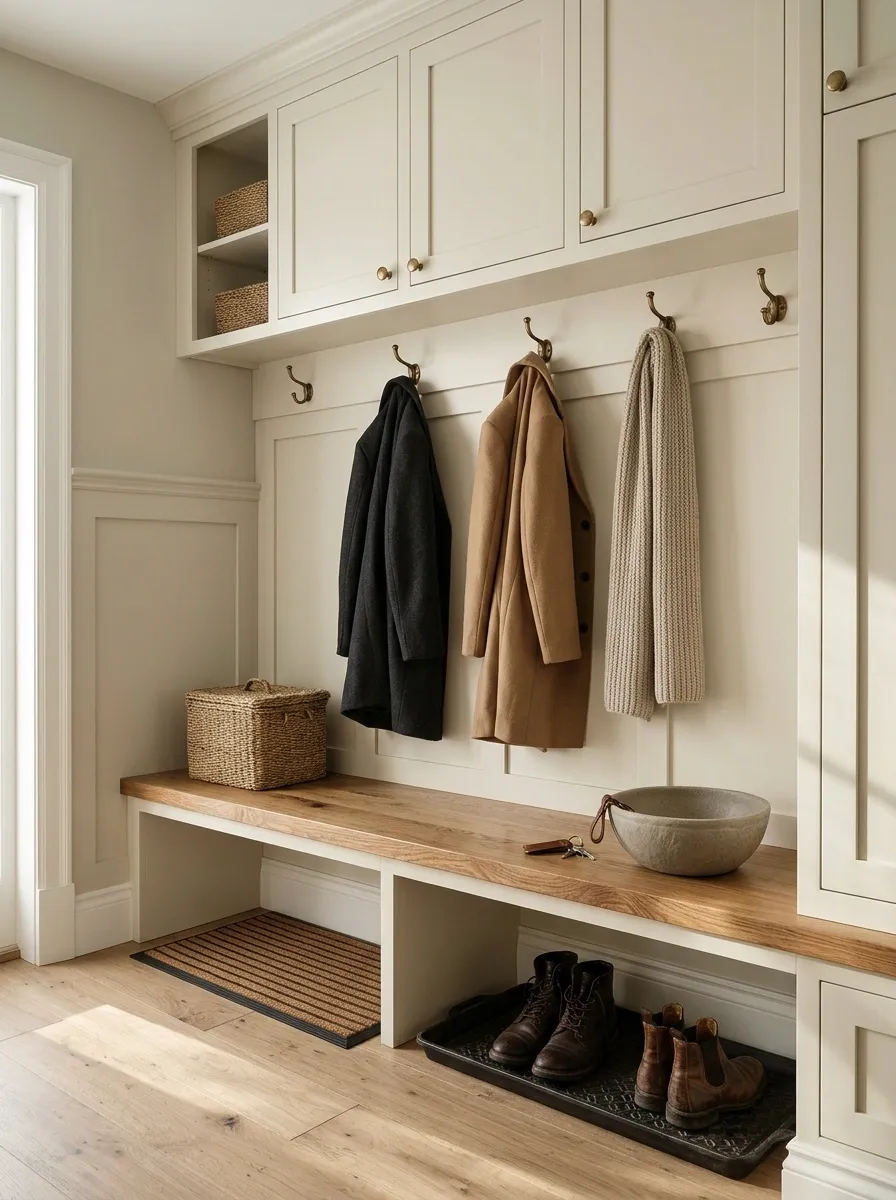
The entrance is where seasonal styling meets the reality of wet soles.
Give shoes a suitable place to land and coats enough space to hang without becoming one damp bundle. Clear out lighter outerwear you’re no longer using daily. Keep current essentials accessible to the people who need them.
Choose floor protection appropriate for the surface and conditions, then keep it clean and able to dry. Don’t crowd the door with decorative baskets. The entrance should handle arriving home with bags, bulky clothing, and cold hands before it worries about looking impressive.
- Keep the door swing and walking route clear.
- Give wet belongings a suitable drying arrangement.
- Move out-of-season footwear away from the daily landing area.
- Keep gloves and other small essentials together.
Change the Door Wreath to a Simpler Winter Shape

Once the leafy autumn wreath comes down, the door may need less replacement than you expect.
Choose a simple wreath suited to outdoor conditions and the exposure at your entrance. Greenery, a restrained twig form, or an existing base with the harvest details removed can carry the season without becoming overly themed.
Check that the hanging method won’t damage the finish or interfere with the door. Keep loose pieces secure and the handle easy to reach. A clean, well-proportioned shape usually reads more clearly from the street than a collection of small dangling additions.
Check the wreath from the gate, path, or landing. The overall outline should remain clear before the small details come into view.
Rework Porch Planters Around the Containers You Own

Your porch planters don’t need replacing when the contents change.
Assess their condition, drainage, stability, and suitability for remaining outdoors in your climate. Then choose winter planting or decorative material that suits those conditions. Live plants need to match the location and local winter temperatures.
Keep the arrangement readable from the path. Use a clear main shape and fewer small additions, especially on a narrow porch. Remove deteriorating autumn material instead of tucking it beneath new branches. That shortcut tends to reveal itself halfway through the season, usually on a windy afternoon.
| Planter check | What it determines |
|---|---|
| Local conditions | Which live plants and containers are suitable outdoors. |
| Exposure | How wind, rain, and shelter affect placement. |
| Access | Where the arrangement can sit without narrowing the entrance. |
Give Window Boxes a Clear Winter Outline

Winter window boxes need a shape you can appreciate from more than arm’s length away.
Remove spent seasonal contents and check the box and its fixings before rebuilding the display. Choose suitable plants or securely arranged decorative material for the conditions. Keep the composition simple enough to read against the wall and window.
Look at it from inside too. Tall material shouldn’t unnecessarily block daylight or interfere with the window. A good arrangement improves both views. Coordinate it loosely with the porch so the front of the house feels connected without requiring every container to match.
A clear outline with secure material suited to the exposure.
Daylight and window operation remain usable.
Some repeated material or color relates it to the entrance.
Simplify the Mantel After the Autumn Garland Comes Down

The mantel doesn’t need another full-length arrangement immediately.
Clean the surface and start with the strongest existing piece, such as a mirror or artwork. Add a smaller supporting group only where it improves the balance. Winter often benefits from clearer shapes and a little more space between objects.
Check the arrangement from the main seats. Keep decor and combustible material appropriately clear of working fireplaces and heat sources, following the appliance’s requirements. A beautifully balanced mantel isn’t useful if you have to dismantle it whenever the fireplace gets used.
Arrange the main mirror or artwork first, then assess what the remaining space needs. Don’t fill both ends automatically just because the mantel has two ends.
Replace the Autumn Bouquet With One Clear Stem Arrangement
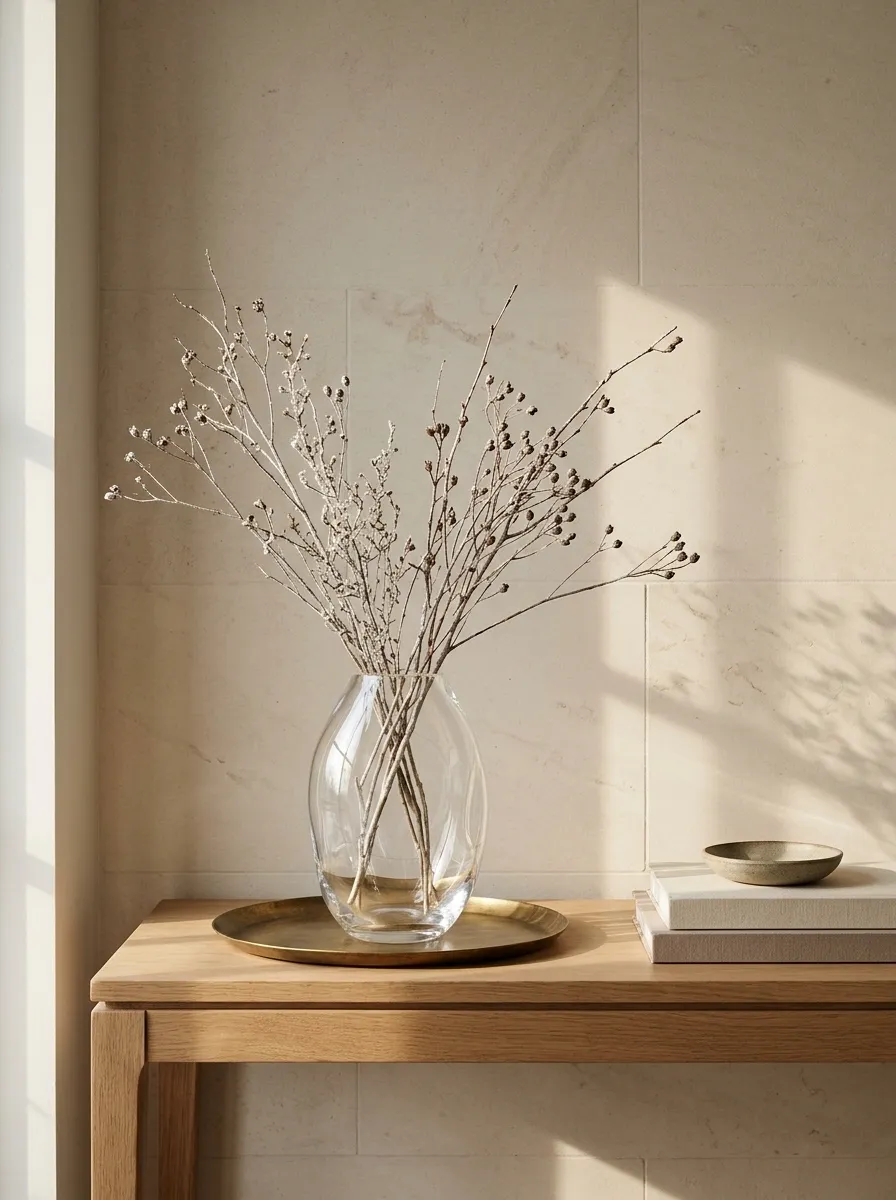
You don’t need to rebuild the entire vase collection.
Empty the autumn arrangement and assess the vessel on its own. Choose suitable fresh, dried, or artificial material that gives it a clear shape without crowding the surface. Keep the scale appropriate for the table or shelf.
Fresh material needs care and a suitable container. Check any plant material for suitability around children and pets, and protect the surface beneath it. Skip the handful of unrelated decorative additions. A restrained arrangement lets you notice the vessel and stems instead of wondering how many seasons have contributed.
Keep dining-table arrangements low enough for comfortable conversation. On a console, check the mirror, artwork, and walking route before choosing a taller shape.
Make the Dining Table Feel Seasonal Without Losing the Table
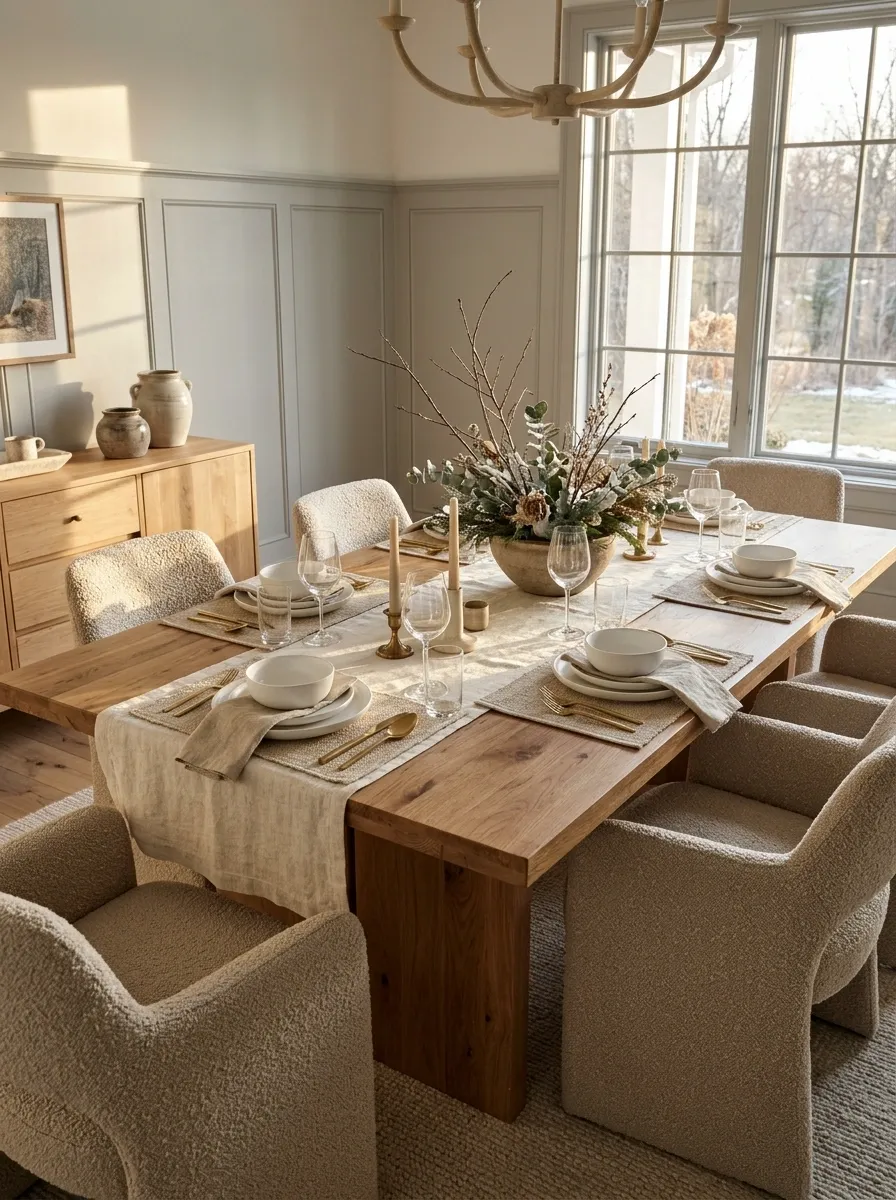
Winter dining can feel inviting without a centerpiece that needs its own removal team.
Use a runner, placemats, or table linen you already own to change the surface. Add one manageable arrangement and leave enough space for the way you serve meals. Test the seats before deciding the display is finished.
Keep decorations clear of food handling and any heat source. If you use candles, choose an appropriate stable arrangement and supervise them. A centerpiece should support gathering at the table. It shouldn’t make passing a bowl feel like negotiating a protected monument.
People can see and speak to each other comfortably.
Plates, glasses, and serving dishes have usable space.
The arrangement moves easily when the surface needs cleaning.
Update Kitchen Textiles Where They’ll Be Used

Kitchen towels are a small, visible place to shift the season.
Put away the harvest prints and bring out clean towels that relate to the room’s existing colors. Choose absorbent, practical fabric and give each towel a place to dry. Keep textiles appropriately clear of cooking heat.
You can change the mood without adding objects to the counter. A simple check, stripe, or textured plain often gives enough difference. Use what’s in the linen cupboard first. The kitchen doesn’t need a decorative sign about warm drinks to confirm that you know where the kettle is.
- Check absorbency and care requirements.
- Coordinate with the kitchen’s fixed finishes.
- Give damp towels enough room to dry.
- Store spare clean towels within easy reach.
Warm Up the Bathroom With Texture and Better Organization

A winter bathroom doesn’t need miniature woodland scenery around the basin.
Bring out clean towels in a coordinated group and check that the bath mat fits securely. Choose textiles that suit the room’s drying conditions and your laundry routine. Very bulky fabric isn’t automatically the right choice.
Clear products from the counter that don’t need to stay visible. Give everyday essentials a convenient place and leave a dry landing spot. A comfortable, orderly bathroom feels ready for winter because it works well on cold mornings, including when nobody has the patience to rearrange bottles before washing.
Enough hanging space and manageable laundering.
Secure placement, flat edges, and a practical drying routine.
Daily products are convenient without occupying every dry patch.
Give Spare Blankets a Home Near the Seating

A blanket stored upstairs won’t help much when you’re already settled on the sofa.
Keep a suitable spare layer near the room where it gets used. A clean basket, cabinet section, or shelf can work if the blanket stays dry and is easy to retrieve. Measure the contents before buying storage.
Don’t overfill the container or block the route beside the chair. Fold the blanket simply enough that everyone can put it away. Winter storage should reduce effort during the evening, rather than introduce a display arrangement that only one person in the household knows how to restore.
| Storage choice | Check first |
|---|---|
| Basket | Clean interior, suitable placement, and enough capacity. |
| Cabinet | Easy access and dry, uncluttered space. |
| Open shelf | Simple folding and room to lift the blanket out. |
Turn the Best Daylight Seat Into a Winter Reading Spot

A chair near a bright window can become especially appealing during shorter days.
Check that the position is comfortable and doesn’t block curtains, heating, or the route through the room. Add a useful landing surface and suitable reading light for when daylight fades. Keep a blanket nearby if you use one.
Use a chair you already enjoy sitting in. A beautiful seat with an uncomfortable back won’t become more inviting because a throw is folded over it. The finished corner should work in daylight and after dark, without needing a furniture shuffle between the two.
A seat that suits the person and the time spent there.
A stable place for a book, glasses, or drink.
Useful daylight with an evening lamp ready to take over.
Move Seating Away From the Spot That Always Feels Uncomfortable

If everyone avoids one end of the sofa in winter, pay attention.
Check whether the problem comes from a draft, nearby heating, or an awkward position. Make a small furniture adjustment where it helps, while keeping required appliance clearances and access. Investigate persistent building or heating problems appropriately.
Decorative layers can improve comfort, but they shouldn’t be used to ignore a fault. Test the revised seat during the time it usually feels unpleasant. A room becomes more inviting when its best-looking arrangement also works for the people spending an evening there.
Notice which seats people avoid, where blankets accumulate, and which doors get closed repeatedly. Those patterns help identify what needs checking before you change the decor again.
Check Houseplants Against the Season’s Light and Heating
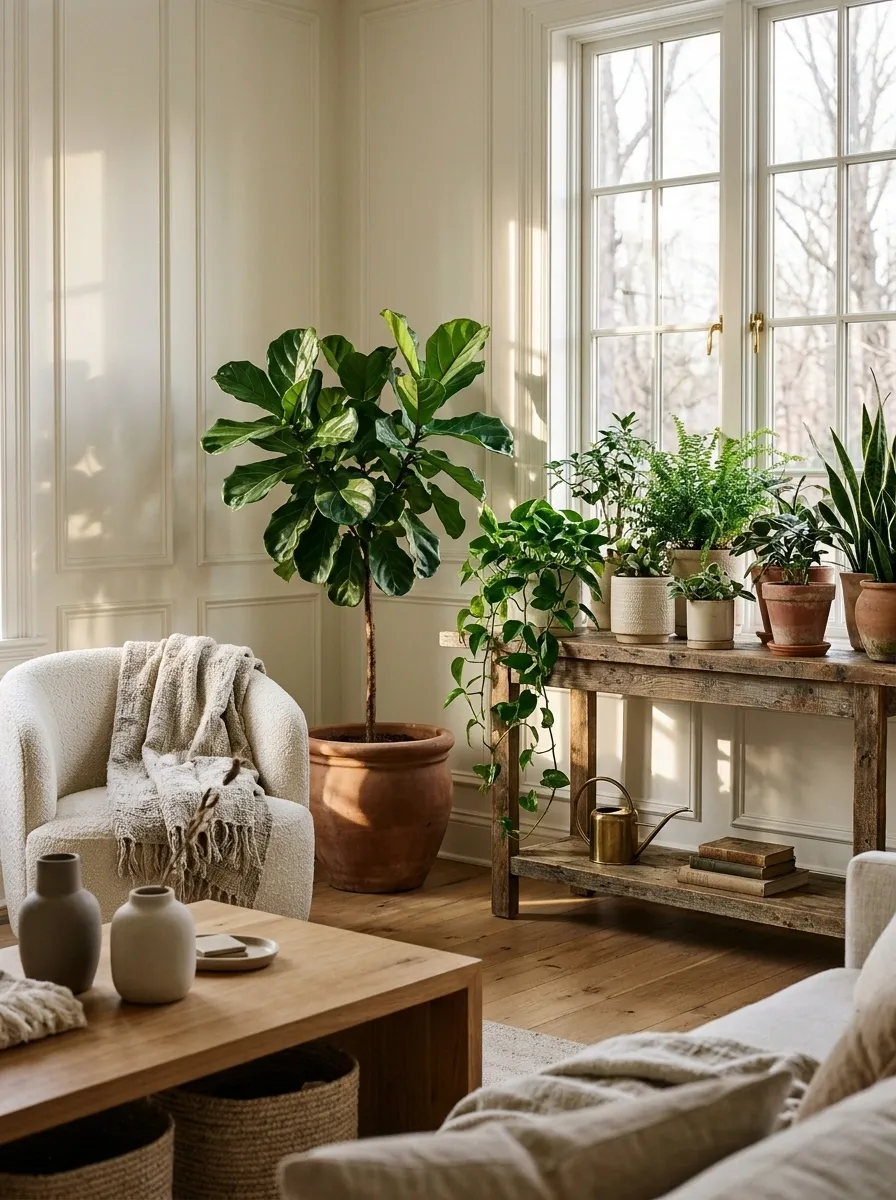
The place a plant enjoyed earlier in the year may need reassessing.
Observe the available light, nearby heat sources, and the plant’s condition. Make changes according to the needs of that particular plant. Don’t move everything against the glass or start watering on a new fixed schedule simply because winter has arrived.
Keep care access practical and protect furniture from drainage water. Turn suitable plants into part of the seasonal arrangement by grouping their containers thoughtfully, while preserving the conditions they need. Healthy plants contribute more to a winter room than an attractive display that’s quietly struggling.
Assess what reaches the plant during the shorter day.
Check nearby heat, cold exposure, and access for care.
Check the plant’s needs and growing conditions before watering.
Let the House Smell Clean Before Adding a Seasonal Fragrance

Autumn fragrance can linger long after the last pumpkin has been packed.
Deal with the source first: empty bins, launder suitable textiles, and clean the places that need attention. Ventilate when appropriate for your conditions. Don’t layer another strong fragrance over stale fabric and hope the room develops a personality.
If your household enjoys fragrance, choose a restrained approach that suits everyone using the space. Follow the product instructions and consider children and pets. You don’t need scent in every room. A winter house can feel welcoming without greeting visitors like a competitive candle demonstration.
Choose an approach everyone in the household is comfortable with. Cleaning and suitable ventilation come first, and adding fragrance doesn’t need to be part of the plan.
Judge the Finished House After Dark

The final check belongs in the evening.
Walk through the rooms with the lighting you normally use. Sit in the main seats, close the curtains, and notice whether blankets, drinks, and books have somewhere sensible to go. Check that seasonal arrangements haven’t narrowed the routes.
Remove the one extra object that makes a surface feel crowded. Adjust the lamp that looks fine standing up but glares from the sofa. Winter decorating works best when the house feels comfortable during an ordinary night at home. That’s a much more useful test than whether the mantel photographs well at midday.
Comfortable lighting, usable surfaces, and clear routes.
Switches, blankets, curtains, and everyday belongings.
A seat and a room you can enjoy without rearranging the display.
Stop When the House Feels Ready to Use
Tonight, switch on the lamps, pull the curtains, and sit where you usually spend the evening. If the room feels comfortable and the things you need are close by, the seasonal change is doing its job.
Knowing how to transition your house from fall to winter doesn’t require a completely different house by the end of the weekend. Pack the harvest pieces, adapt the useful layers, and leave room for ordinary life. Anything that still feels right can stay.
Save this list on Pinterest for the next seasonal change, preferably before another basket of winter accessories follows you home.