

By lunchtime, the hallway is full of things you’ve pulled out, the sofa cushions are missing, and someone has suggested painting a wall. This is how a “quick home refresh” develops a second weekend.
Give the day a tighter brief. You’re making the house feel better by tonight, with the furniture you own and changes you can finish. That means clearing the places your eyes land, fixing awkward arrangements, putting useful things within reach, and giving the rooms a little attention beyond the usual vacuum-and-hope routine.
Learning how to refresh your home in one day starts with knowing what to leave alone. The cupboard full of old paperwork can wait. So can the ambitious shelving project. Neither will help you enjoy the living room this evening.
Choose Changes You Can Finish Before Tonight
Work on What You See Every Day
Stand at your front door, then walk through the rooms you use most. Notice the first irritating thing in each: the shoes spreading across the entrance, the dining table covered in deliveries, the bedroom chair wearing half your wardrobe.
Those visible problems deserve priority. Sorting an entire storage cupboard might be useful, but it can swallow the afternoon without changing the room around it. For today, focus on the surfaces, arrangements, and small details you’ll notice when you walk back through the house this evening.
Set a Clear Boundary Around Each Job
“Sort the living room” is an invitation to get distracted. “Clear the coffee table and move the reading lamp” gives you a finish line.
Choose jobs with a visible endpoint and gather what they need before starting. Keep a basket nearby for things that belong elsewhere, then return those items before moving to the next room. Don’t let the basket become a portable version of the problem. A one-day refresh works when small jobs get completed, rather than opened and abandoned across the house.
Keep Shopping Out of the Critical Path
Waiting for a delivery isn’t part of a one-day plan.
Use the lamps, textiles, containers, and furniture already available. If you discover a genuine gap, write it down and carry on. You can decide later whether it deserves money. Today’s progress shouldn’t depend on finding the right basket in a shop across town. Work with what’s in the house first, and you’ll finish with a more accurate shopping list instead of another bag of objects looking for somewhere to live.
One-Day Home Refresh Ideas You Can Finish Today
Clear the Entrance Down to What You Use Today
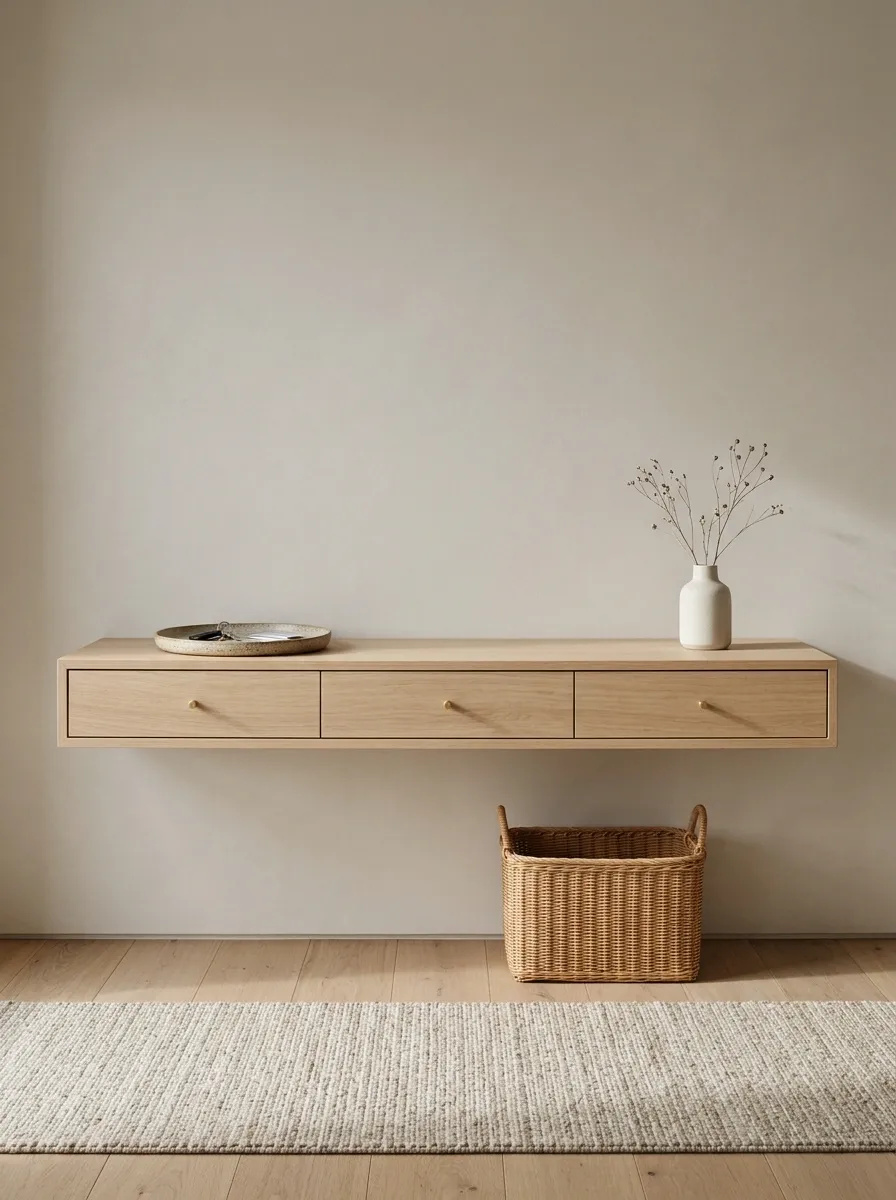
Your front door shouldn’t open onto an obstacle course with a welcome mat.
Remove shoes, bags, parcels, and coats that don’t need to live there right now. Return them to their proper places rather than pushing them around the corner. Then clean the exposed floor and the surface where keys usually land.
Keep the everyday essentials easy to reach. The shoes you wear daily need a sensible home, and the keys need one reliable spot. Leave enough clear space to enter carrying shopping without performing a sideways shuffle.
One established place for keys, access cards, and the things you take out daily.
A clear destination for deliveries that gets emptied rather than becoming permanent storage.
Wipe the Door and Switches You’ve Stopped Seeing
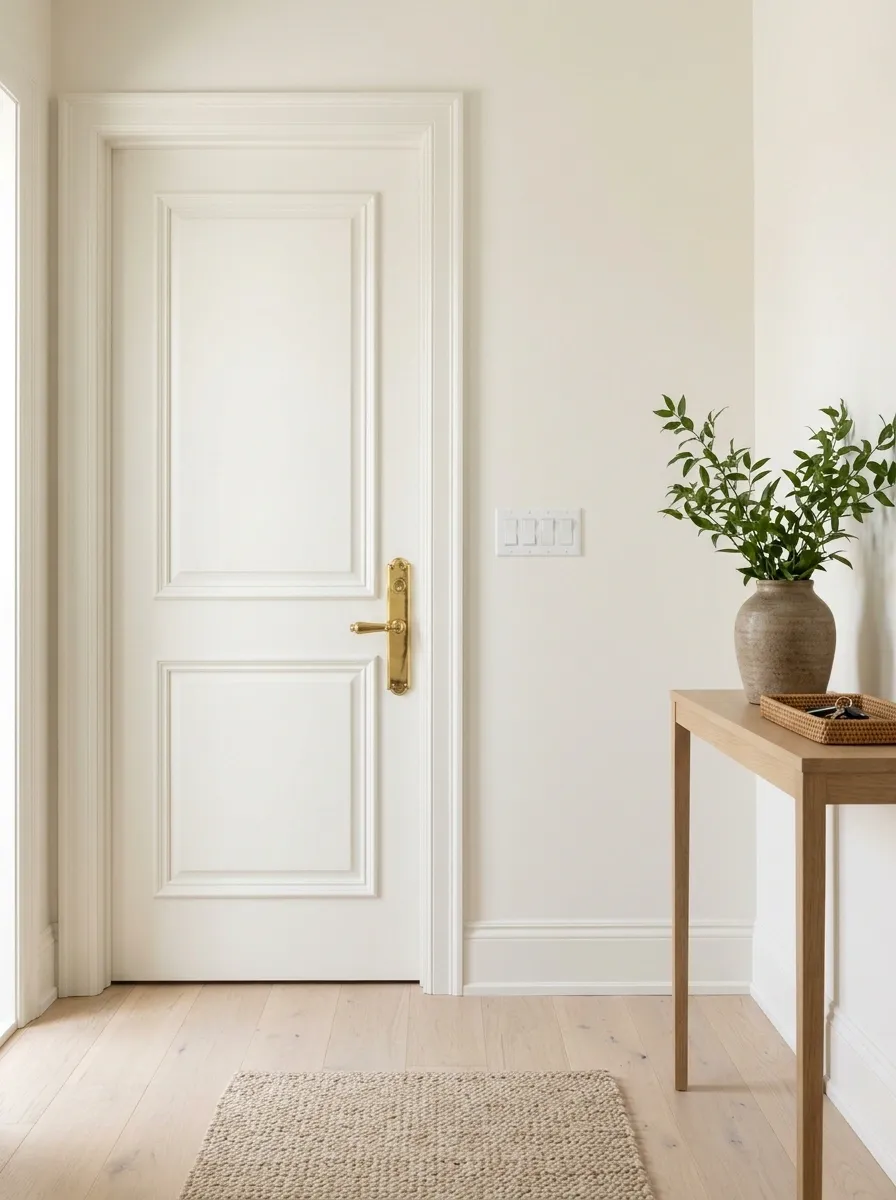
The front door gets touched constantly and cleaned whenever someone finally notices the marks.
Wipe the handle area, accessible door surface, nearby switches, and the wall patches that collect fingerprints. Use a method suitable for each finish, and keep moisture out of electrical fittings. A slightly damp cloth is plenty for many surfaces, but check the material first.
Work through the entrance and main rooms in one pass. These are small areas, so the job stays contained. Fresh-looking contact points make the whole house feel better maintained without moving a single piece of furniture.
- Door handles and surrounding paintwork.
- Cabinet pulls used throughout the day.
- Stair rails and frequently touched edges.
- Switch plates, cleaned without spraying liquid into them.
Move the Thing That Spoils the View From the Doorway
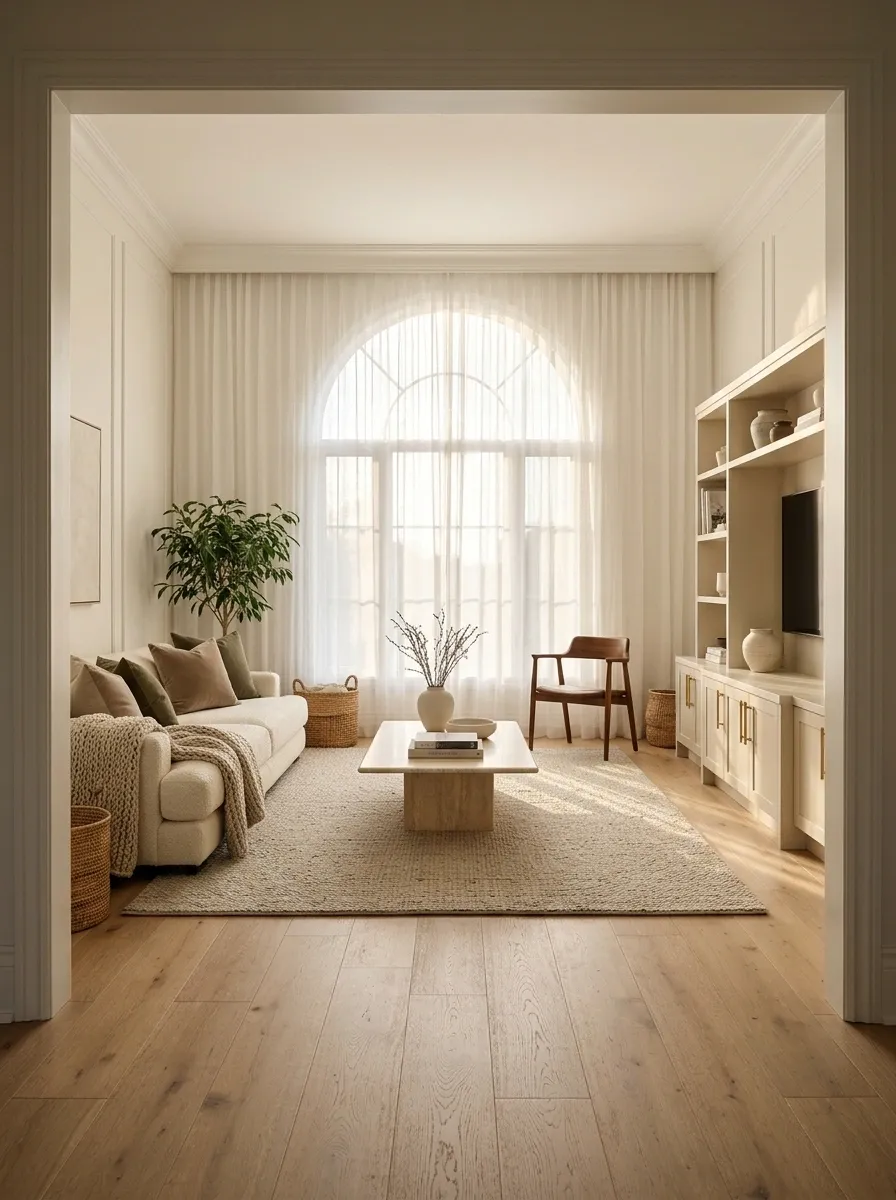
A room can feel cluttered because one bulky object sits in exactly the wrong place.
Look through the doorway and identify what interrupts the view: a laundry basket, an unused chair, a stack of boxes, or a tall plant blocking the window. Move that object somewhere appropriate and check the room again.
You’re improving the first impression without rearranging everything. Don’t shift the obstruction into a walking route or block another room’s storage. The new position needs to work in daily use, including when doors are open and people are carrying things.
Can you see the room’s main feature without looking around stored objects?
Can you cross the room without turning sideways or stepping around furniture?
Can drawers, cupboard doors, and seating still work normally?
Return the Borrowed Objects That Never Went Home
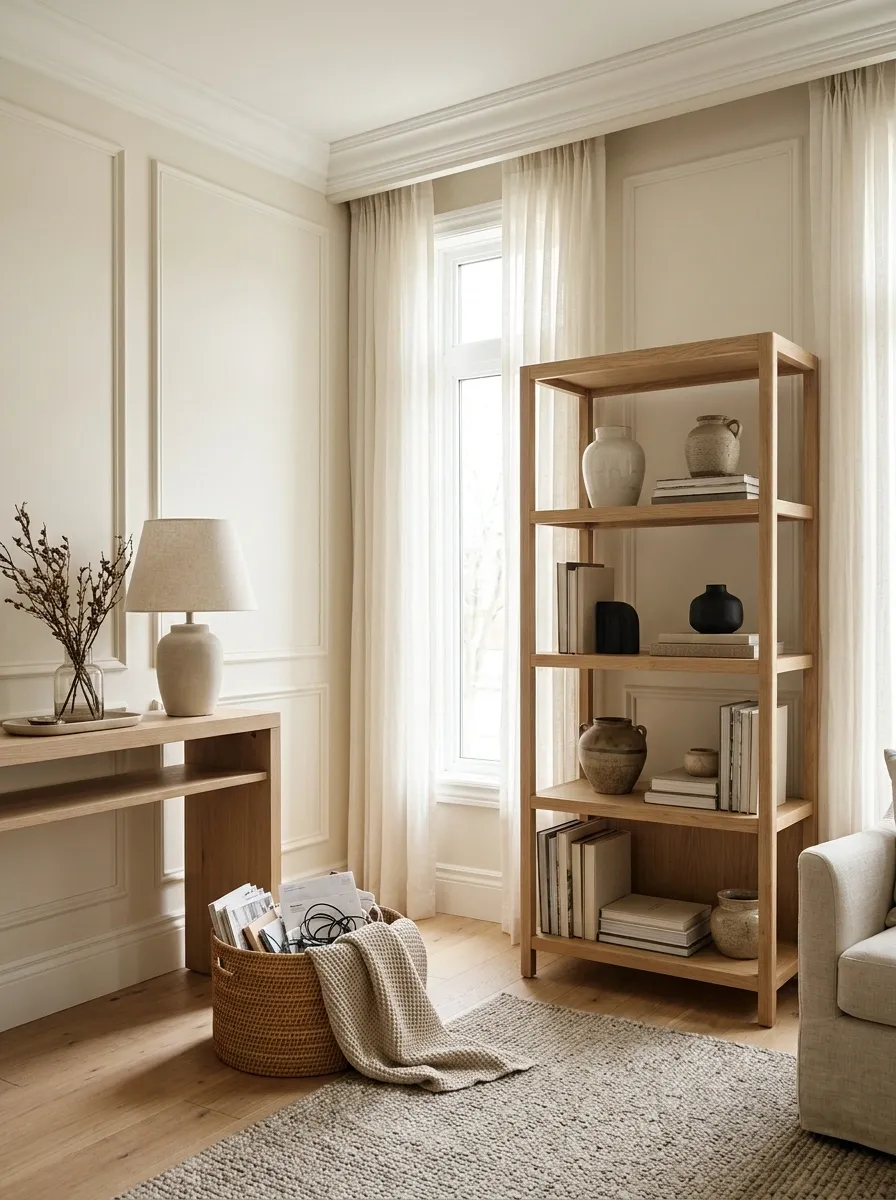
The dining chair in the bedroom. The mug beside the printer. The screwdriver that has somehow joined the mantel display.
Walk through with a basket and collect things that clearly belong elsewhere. Return them immediately, room by room. Leave complicated decisions for another day. You’re dealing with obvious misplacements, not reviewing the emotional history of every possession.
This is especially useful before styling shelves or clearing tables. Otherwise, you spend time arranging objects that shouldn’t be there. Stop when the basket is empty and the rooms have their own belongings back.
If an object has no established home, give it a practical temporary place and note the decision needed. Keep those exceptions separate from things you can put away immediately.
Give the Coffee Table Enough Space for a Drink

If setting down a mug requires moving a candle, a stack of books, and a decorative chain, the table needs a firm conversation.
Clear it completely and clean the surface. Return a small group of things you enjoy or use, then leave the rest open. Move old receipts, chargers, and unrelated paperwork to their actual homes.
A tray helps if it lets you lift the whole arrangement easily. Don’t add one just to create another border around the clutter. Sit in each nearby seat and check that the useful part of the table is within comfortable reach.
Place anything breakable where hands, knees, pets, and everyday movement won’t keep finding it. A display that needs constant protection is badly positioned.
Swap Textiles Between Rooms for a Different Color Story

You don’t need new cushion covers to discover whether another color suits the sofa.
Borrow suitable cushions or a throw from another room and test them together. Use one repeated color to connect the group, then let texture provide the difference. Check that the borrowed pieces are clean and useful in their new location.
Avoid stripping another room just to finish this one. The exchange should leave both spaces workable. Take a quick photo before and after if you’re unsure. Seeing the arrangement at a smaller scale makes an awkward color combination much harder to excuse.
Pull one of its quieter colors into the surrounding fabric.
Pair it with a different texture so the arrangement has some depth.
Return anything that makes the original room less comfortable.
Edit One Shelf Instead of Rearranging Every Shelf
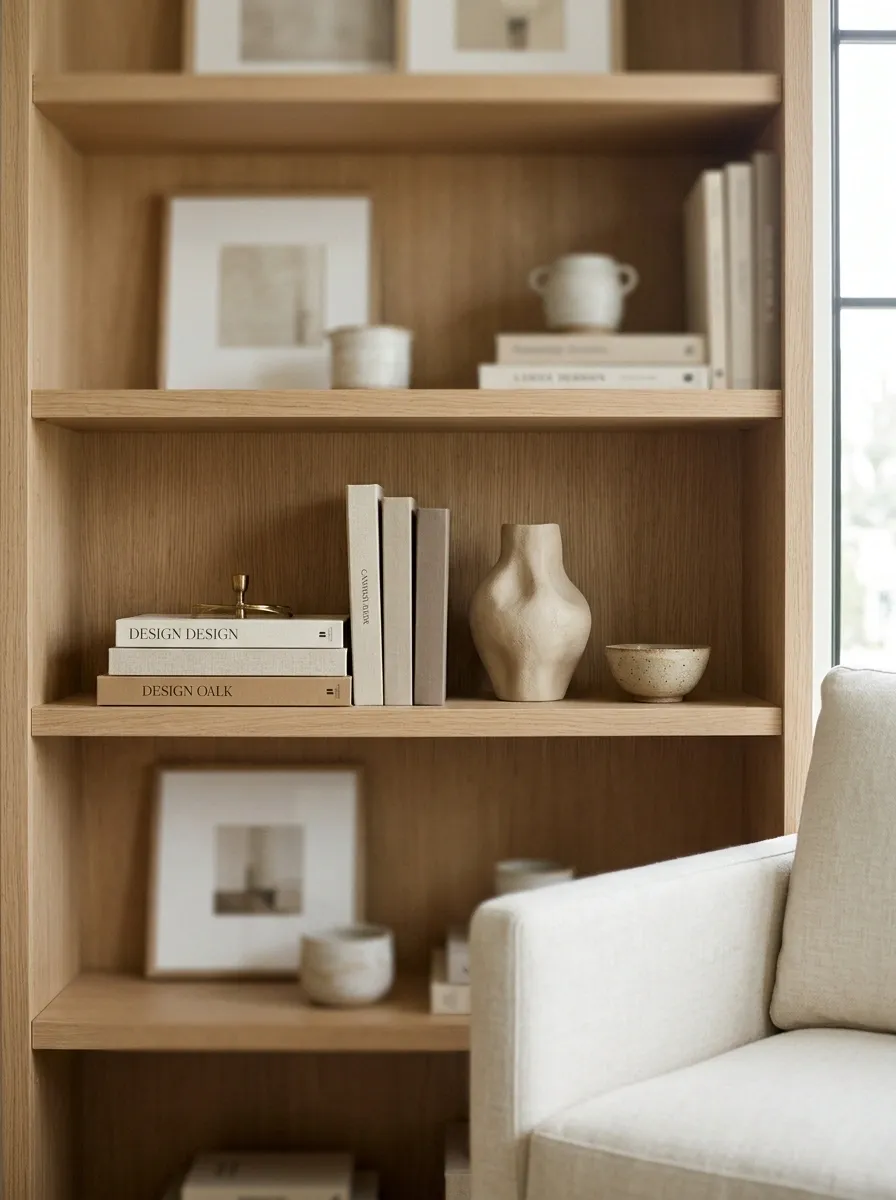
Choose the shelf you notice most and give it your attention.
Remove the contents, wipe the surface, and put back the objects that deserve that visible position. Keep books reachable and group small related pieces. Leave space around the strongest object so it doesn’t disappear into a crowd.
Don’t empty the entire bookcase unless you genuinely have time to finish it. One completed shelf looks better than a room full of displaced books at bedtime. Photograph the result if you like the arrangement, then stop before “just one more adjustment” consumes the afternoon.
| Shelf problem | Same-day correction |
|---|---|
| Objects disappear | Remove nearby filler and give the strongest piece room. |
| Books are awkward to reach | Keep frequently used titles accessible. |
| Unrelated small items | Return them to suitable storage elsewhere. |
Clear a Proper Working Stretch of Kitchen Counter
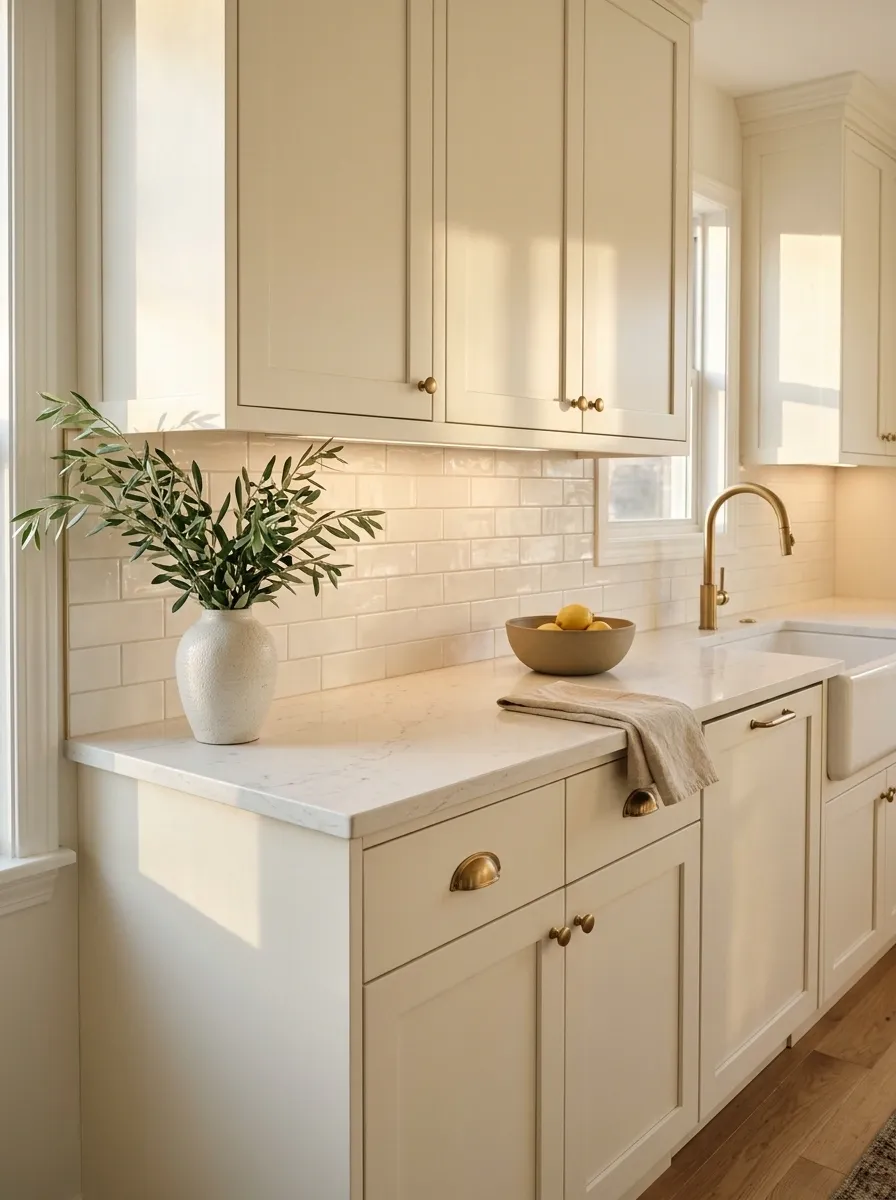
A kitchen feels smaller when every appliance gets a permanent front-row seat.
Choose a section of counter near where you prepare food and clear it. Store occasional appliances only where there’s suitable space and safe handling access. Keep the equipment you use daily convenient, with the clearance its instructions require.
Clean the exposed surface and deal with the objects that drifted there: post, supplements, spare batteries, and the mysterious key. A clear working stretch changes the room immediately because it gives you back something practical. You can make lunch without first reorganizing the kitchen.
Keep convenient, with room to use it safely.
Store where you can retrieve it without lifting awkwardly.
Move paperwork and loose household objects to their own homes.
Make the Sink Area Look Ready for the Next Use
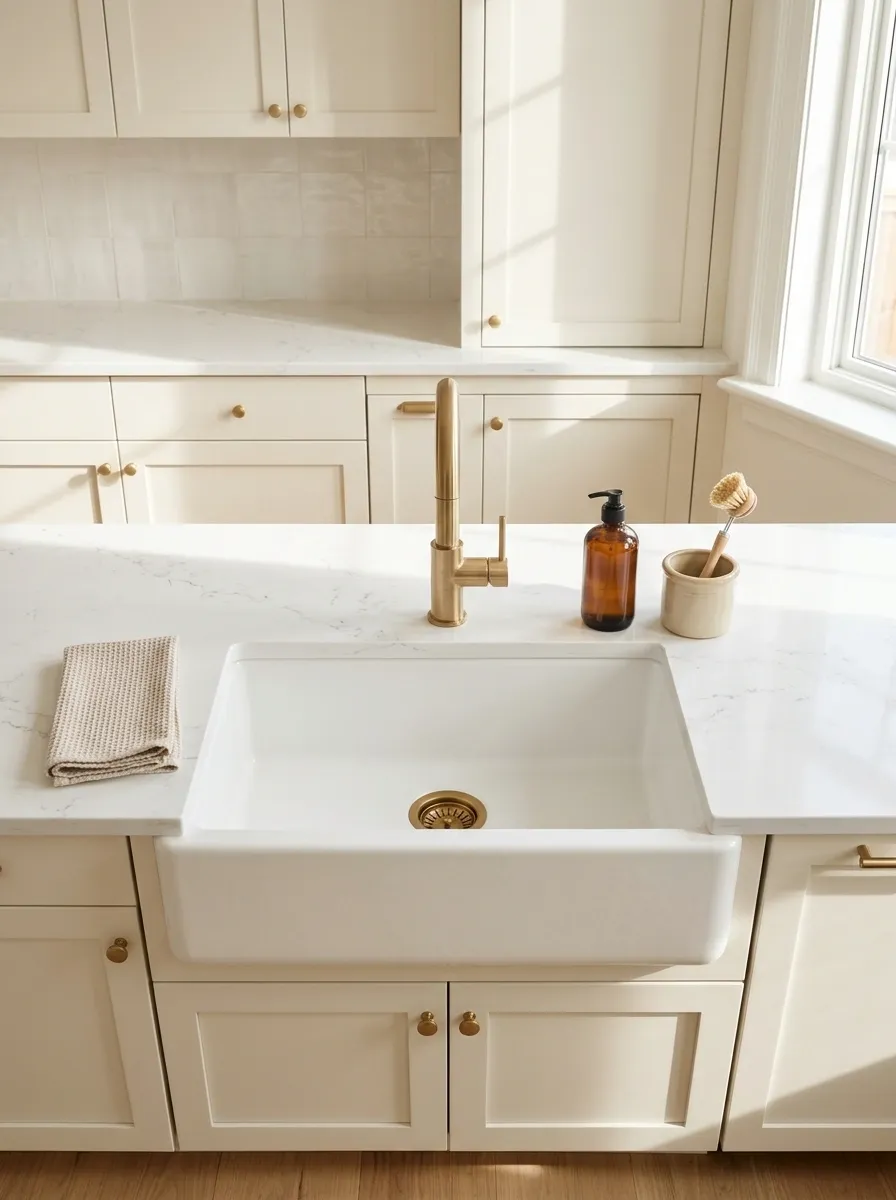
A clean counter loses the argument if the sink is holding yesterday’s cooking equipment.
Wash and put away what’s waiting, then clean the basin and surrounding surface using suitable products. Deal with the draining rack too. Empty it, clean it as appropriate, and return it only if you use it.
Replace a tired dishcloth with a clean one from your existing supply and give damp cleaning tools somewhere suitable to dry. Keep the tap area uncluttered. You’re aiming for a sink that’s ready when needed, rather than one that greets every task with unfinished business.
- Wash what’s waiting.
- Dry and put away the items that are ready.
- Clean the basin and suitable surrounding surfaces.
- Leave cleaning tools able to dry between uses.
Give the Dining Table Back Its Actual Job
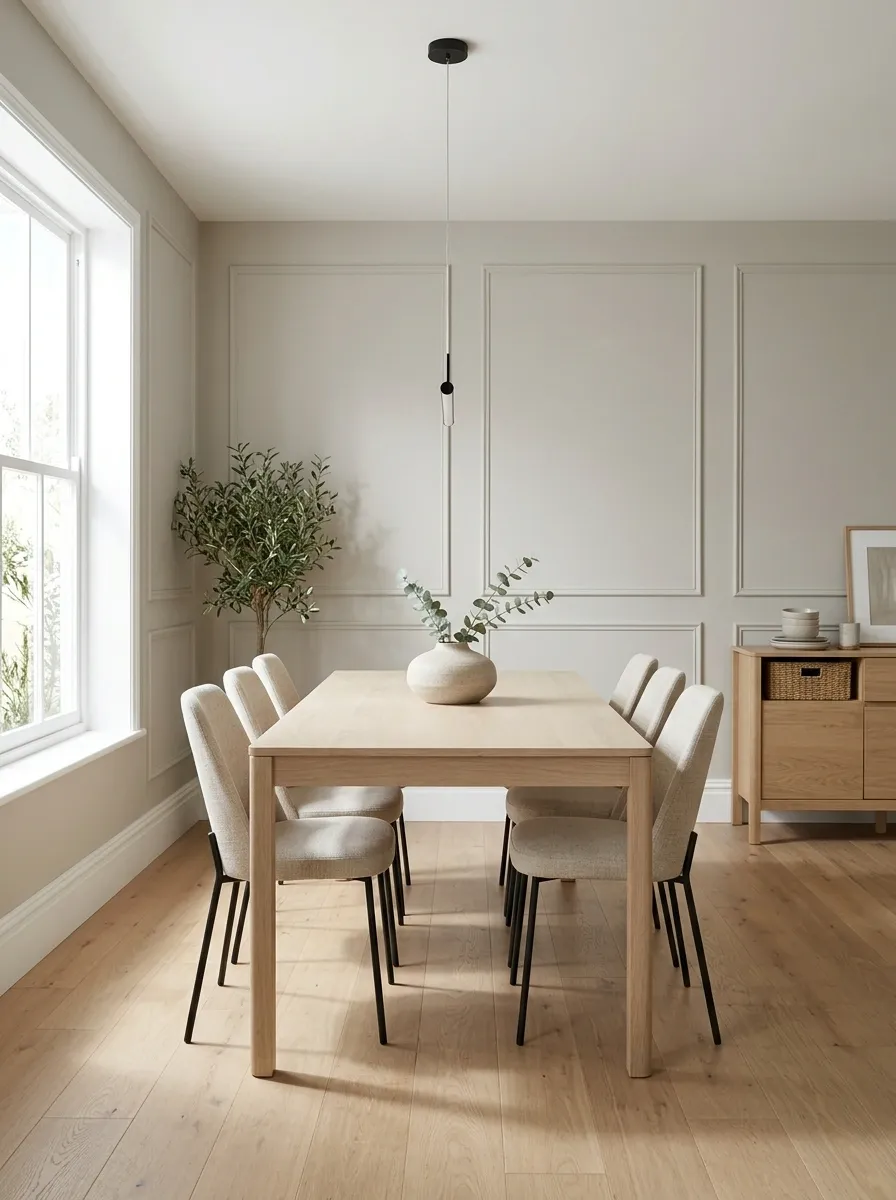
The dining table didn’t apply to become a dispatch center.
Clear the parcels, laptop accessories, school forms, and laundry into their proper destinations. If the table also serves as a workspace, gather those tools into a container you can move at mealtimes. Keep active paperwork together instead of shuffling it between chairs.
Clean the surface and put the chairs back where they belong. Add something small only if it leaves the table useful. Eating at a clear table tonight gives the refresh an immediate payoff, even if dinner is leftovers and nobody has located matching napkins.
Keep the active tools together and leave unrelated belongings elsewhere.
Move the work kit to its assigned storage place and clean the tabletop.
Remove the Visual Noise From the Fridge Front
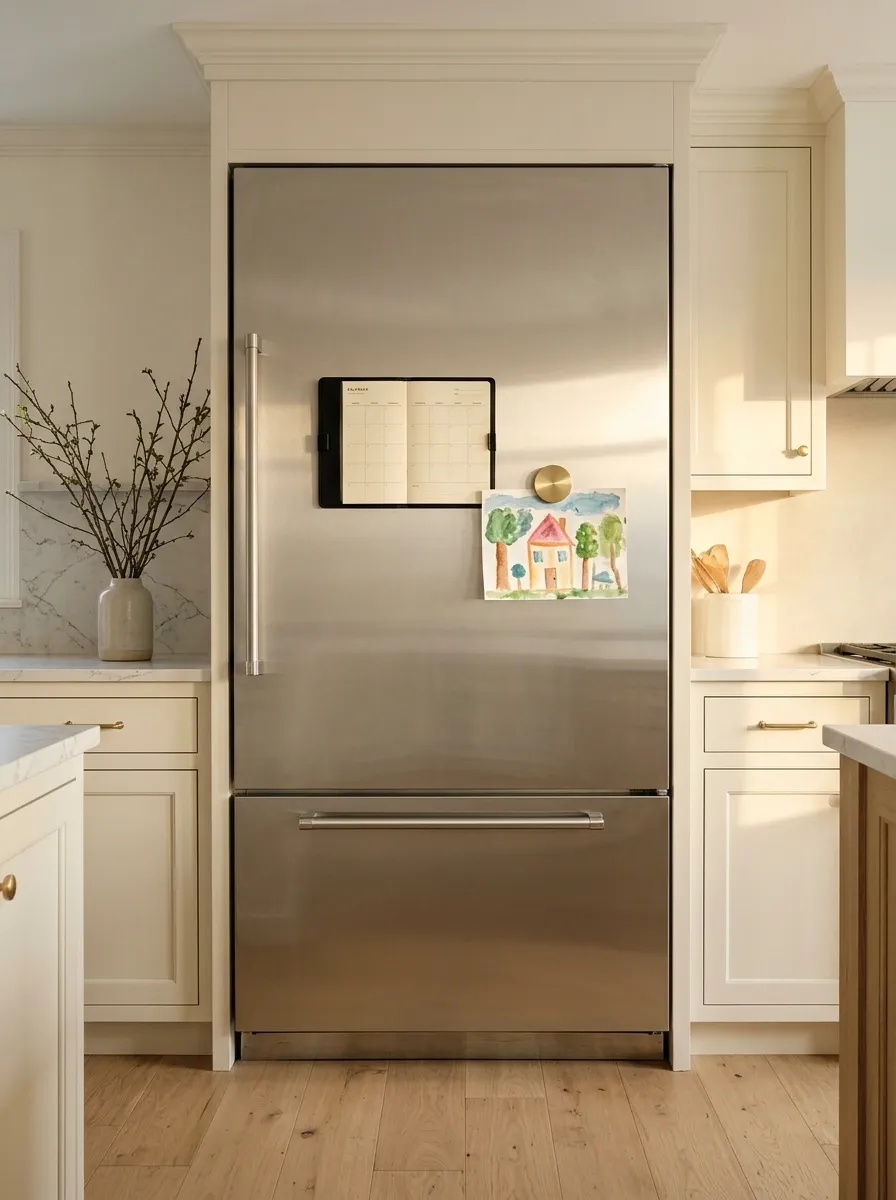
A fridge covered in faded menus and forgotten reminders makes the kitchen feel busier than it needs to.
Take everything off and clean the exterior according to its finish. Return only current reminders and the personal pieces you genuinely enjoy seeing. Keep important information accessible, and transfer anything needed before discarding old paperwork.
You don’t have to erase the family’s personality. Give it a smaller, clearer area. One favorite drawing is easier to appreciate when it isn’t competing with an expired voucher and a calendar from a year nobody misses.
Separate useful reminders from sentimental pieces. Store the sentimental items you want to keep, and display a small selection where they can actually be seen.
Build a Breakfast Spot From What You Already Own
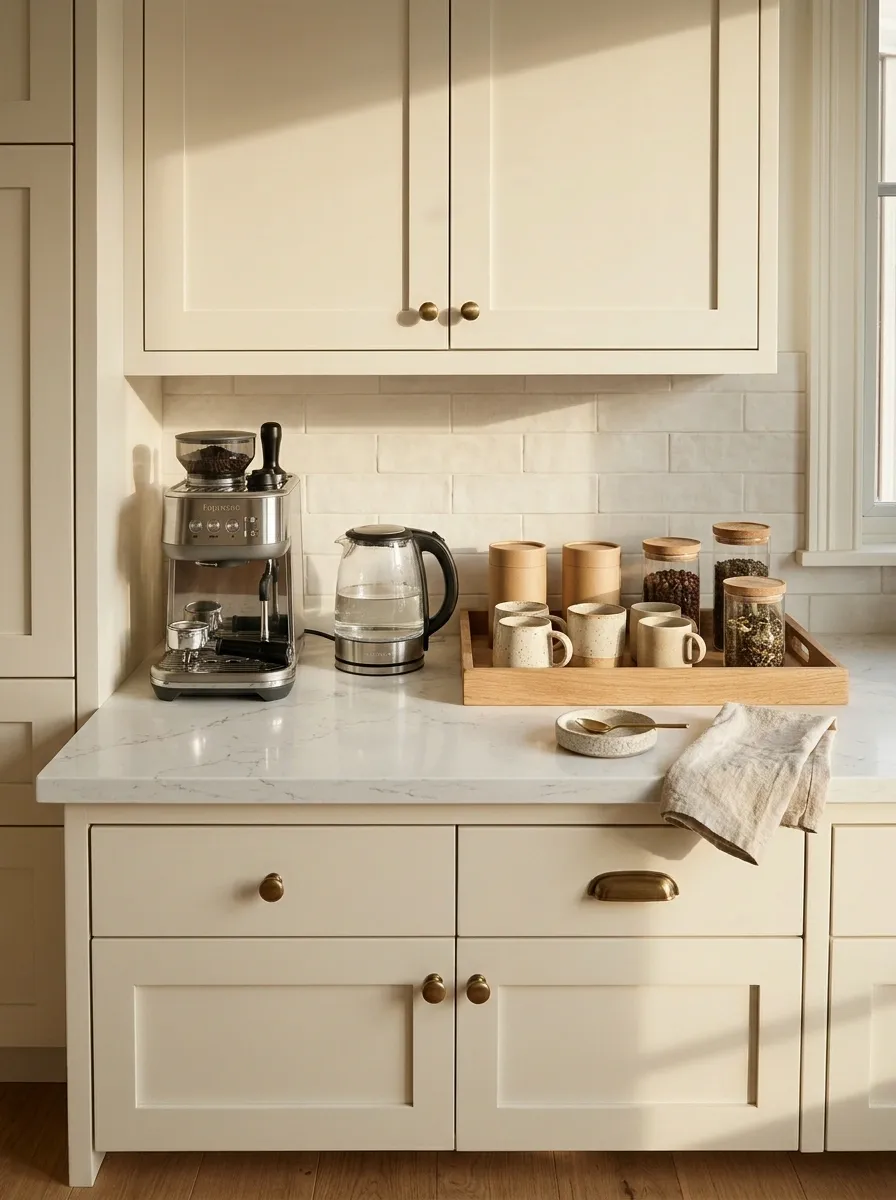
Tomorrow morning can feel better because of something you arrange today.
Group the mugs, tea or coffee supplies, and other everyday breakfast items near where you use them. Keep appliances positioned according to their instructions, and leave food preparation space clear. Use an existing cupboard section or suitable tray to give loose supplies a home.
Don’t decant everything into matching containers just for the appearance. Original packaging often keeps useful information close. The point is a simpler routine: reach for what you need, make breakfast, and put things away without opening half the kitchen.
Daily cups and supplies are easy to access.
The working surface stays clear and equipment has suitable space.
Everything has an obvious place to return after use.
Make the Bed With the Linen You Enjoy Using

Start a bedding wash only if you can get everything dry and back on the bed today.
Otherwise, use a clean set already in the cupboard. Smooth the fitted sheet, straighten the top layers, and arrange the pillows you sleep on. Add decorative cushions only if you’re willing to move them every night.
Keep the result comfortable rather than hotel-complicated. A neatly made bed gives the bedroom a clear center, and it’s one refresh you’ll appreciate directly at bedtime. Leave the enormous seasonal bedding review for a day with fewer promises.
Before stripping the bed, confirm you have a clean replacement set or reliable time to finish washing and drying. Damp bedding is a poor reward for an energetic afternoon.
Clear the Bedside Table Down to Your Nighttime Routine
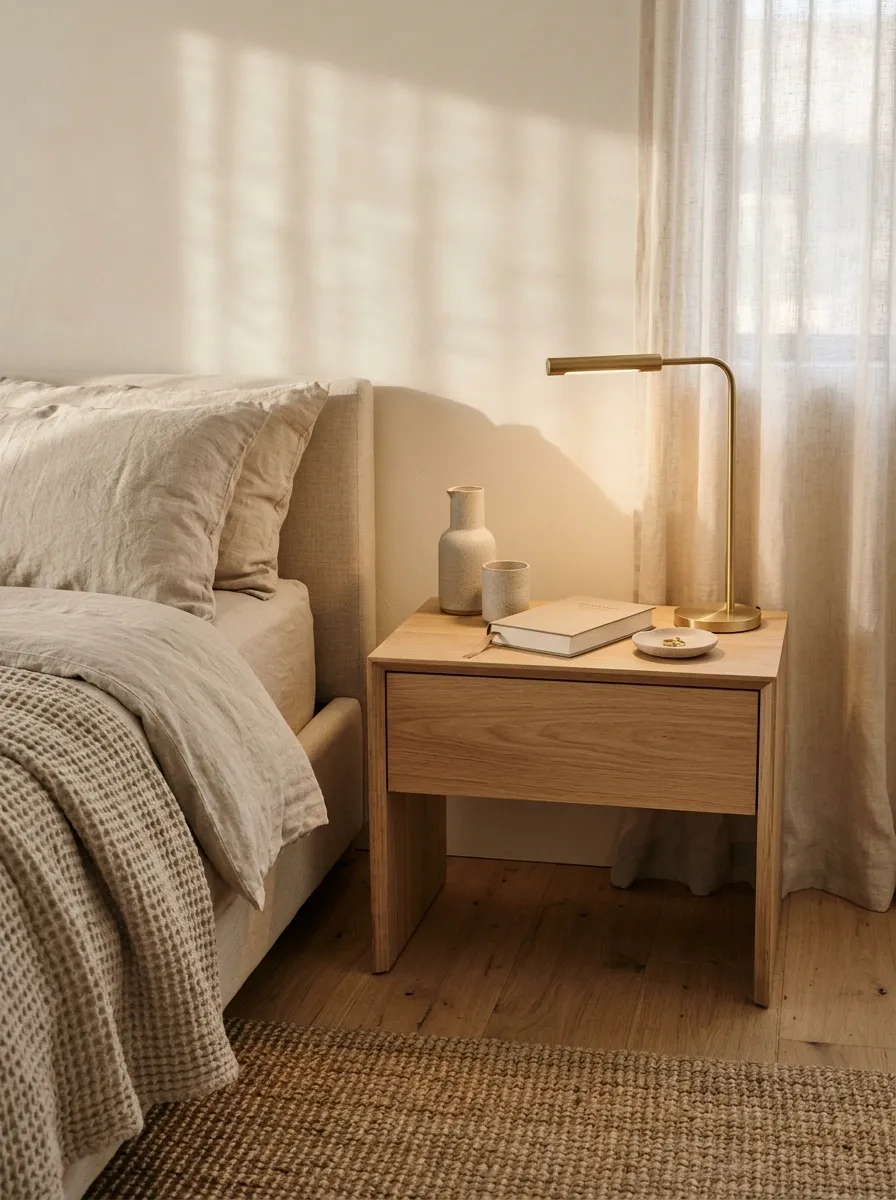
The bedside table doesn’t need to document every evening you’ve had this month.
Remove empty glasses, finished books, old receipts, and products you don’t use there. Clean the surface, then return the lamp and essentials. Give glasses, a current book, or other nighttime needs a clear place.
Keep necessary items accessible. Store medicines safely according to their instructions and your household’s needs. Route charging leads so they’re convenient without catching on drawers or bedding. The finished surface should make bedtime easier, including when you’re tired and reaching for something in low light.
Keep visible or immediately accessible.
Move to suitable nearby storage.
Return, recycle, or discard appropriately.
Empty the Chair That’s Wearing Your Clothes
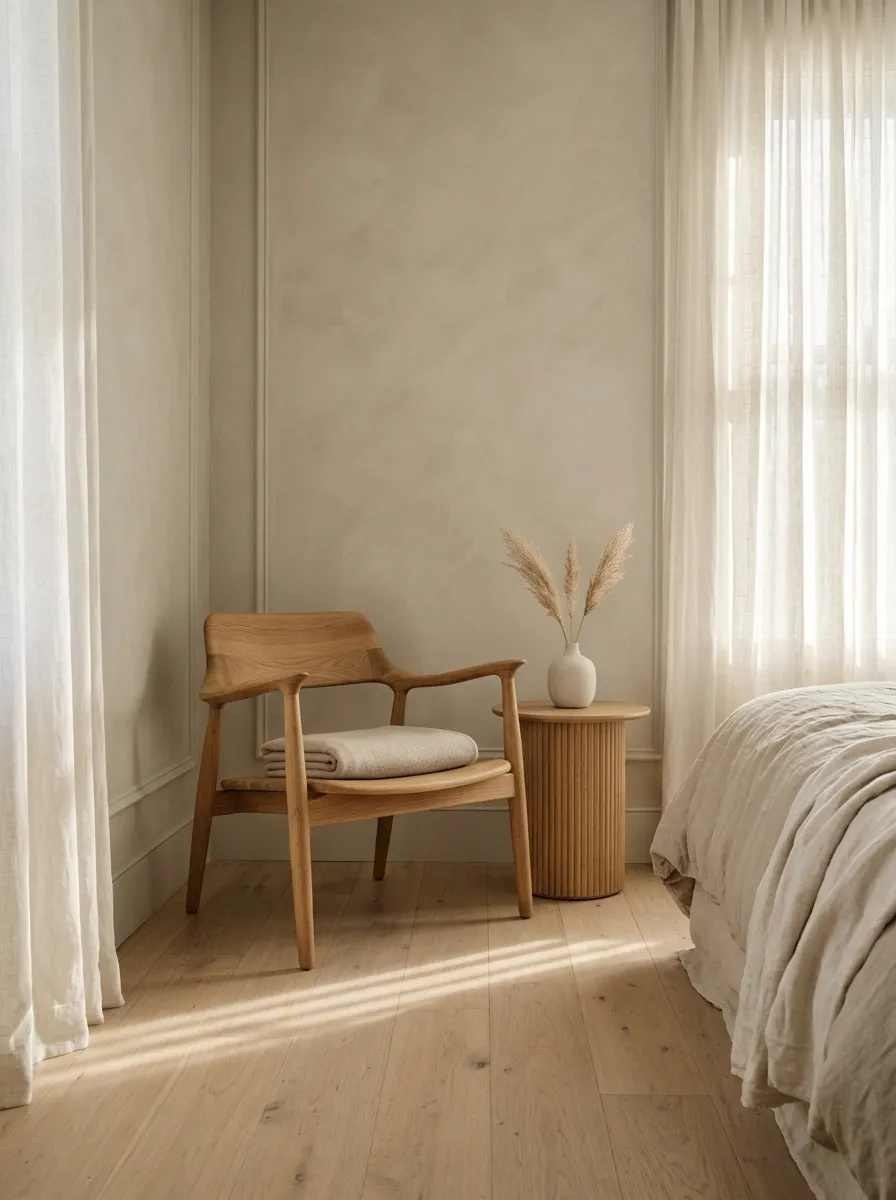
That chair has become a wardrobe with poor privacy.
Separate the clothes into clean, worn-but-reusable, and ready-for-laundry groups. Put each group somewhere appropriate. Give reusable clothes a defined place rather than returning them to the same growing heap.
Then use the chair as a chair, or decide whether it belongs elsewhere. If clothes keep landing there because the wardrobe is difficult to access, note the larger problem for another day. For now, restore the seat and clear the floor around it. A bedroom feels less crowded when its furniture resumes its original duties.
| Clothing category | Give it a destination |
|---|---|
| Clean | Return to the drawer or wardrobe. |
| Suitable to wear again | Use a defined hook or other appropriate spot. |
| Needs washing | Move to the laundry system. |
Reset the Bathroom Counter and Hang Clean Towels
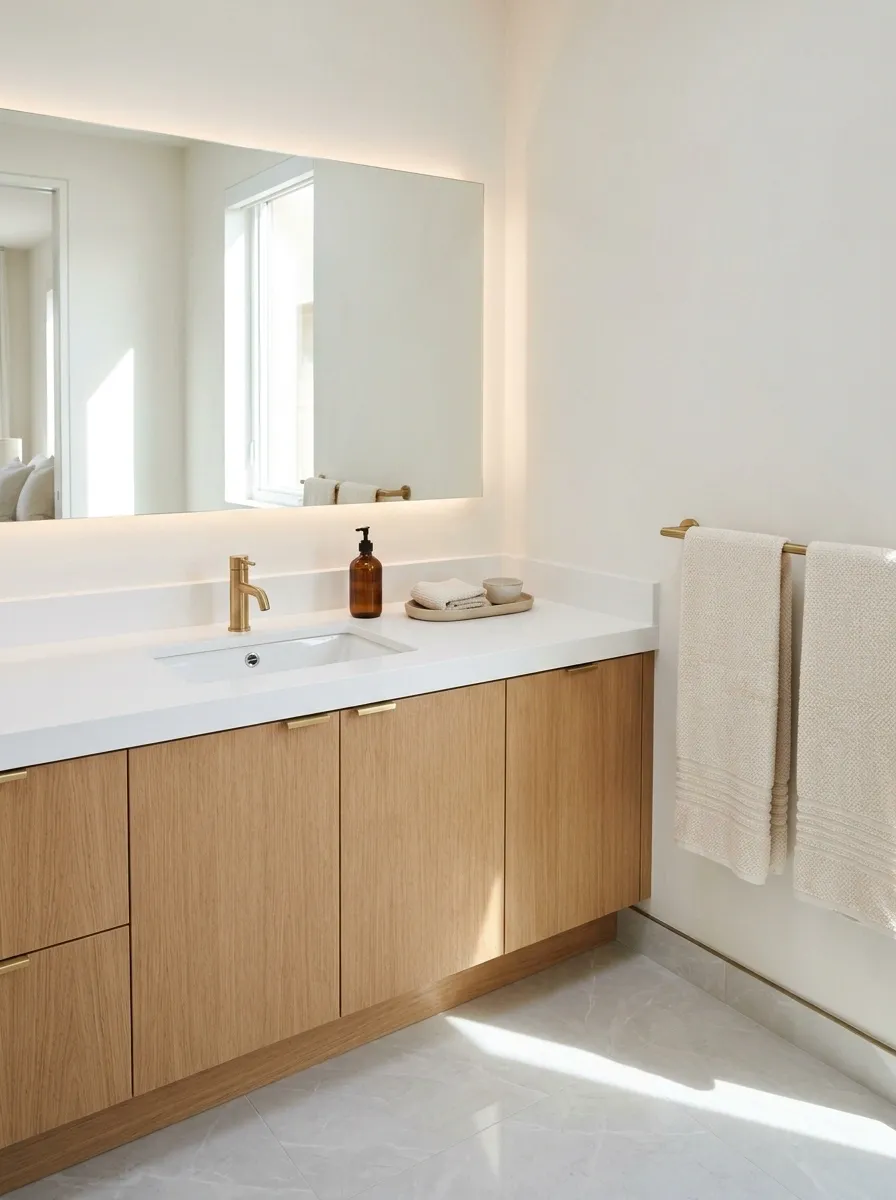
A bathroom refresh doesn’t require matching bottles with a refill funnel.
Put away products you don’t use daily, clean the basin and counter, and give the mirror suitable attention. Replace used towels with clean ones from your existing supply. Hang them with enough space to dry between uses.
Keep soap and daily essentials convenient without surrounding the tap. Remove empty containers and deal with the bin. This is a visible reset you can finish today. Failed sealant, persistent damp, and plumbing repairs deserve their own proper plan instead of a hurried disguise beneath fresh accessories.
Soap within reach and a clear place for temporary belongings.
Clean towels positioned so they can dry properly.
No empty packaging, loose laundry, or curling mats in the route.
Give the Laundry a Defined Place to Wait
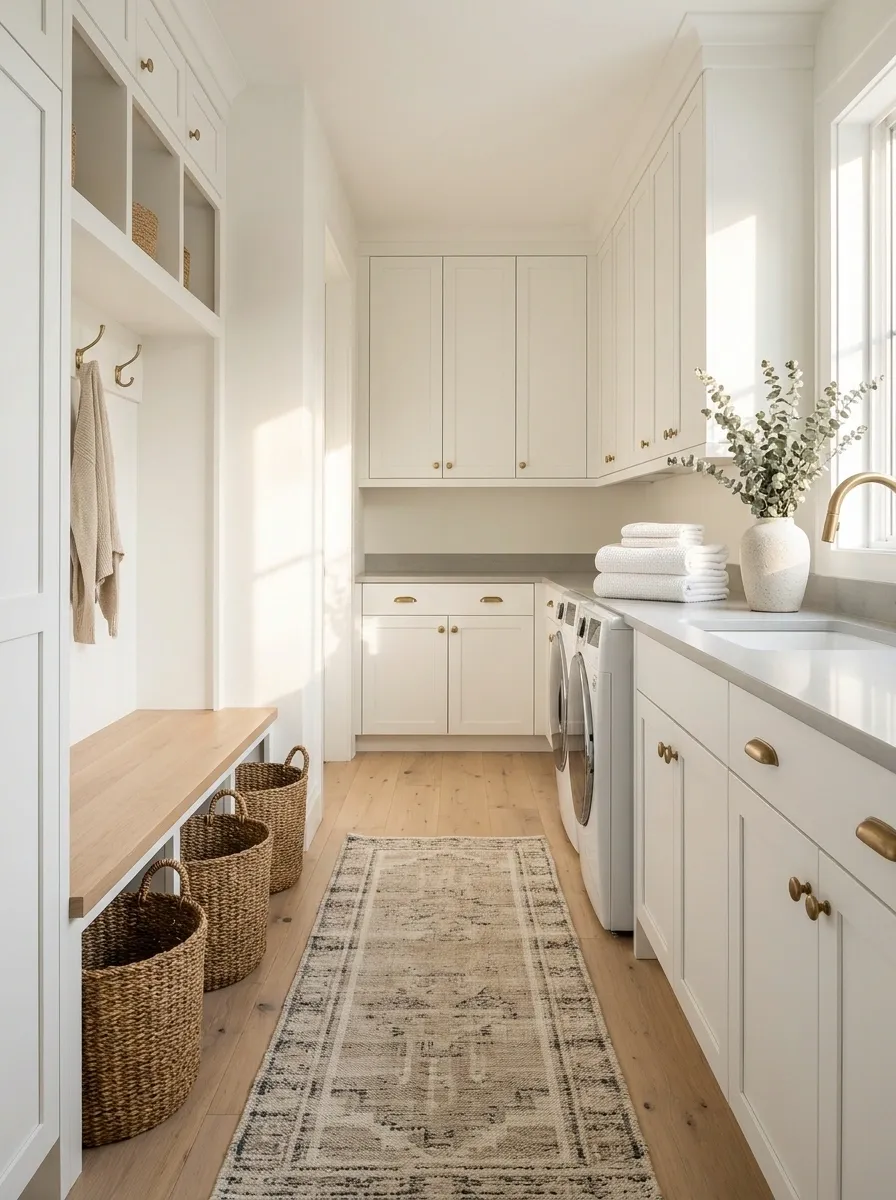
A home feels unfinished when laundry is distributed across several rooms like a slow-moving exhibition.
Gather it into your existing laundry system and separate anything that needs special handling. Put away clean, dry clothes before starting more loads. Check what you can realistically wash and dry today.
Keep waiting baskets clear of doors and walkways. Don’t solve a visible pile by creating a hidden damp one. The useful change is containment with a next step: clean clothes returned, dirty clothes gathered, and today’s washing kept within the time and drying space you actually have.
Put away the dry load before starting another one. Keep damp items able to dry, and leave special-care pieces for a wash you can handle properly.
Give Existing Plants a Little Maintenance

Before buying another plant, check the ones already living under your supervision.
Remove loose debris, assess watering needs, and clean suitable leaves gently using care appropriate to the plant. Check drainage and the surface beneath the pot. Water according to the plant’s needs rather than because today happens to be refresh day.
Move a plant only if the new location suits its light and other requirements. Decorative balance doesn’t excuse a bad growing position. Group containers where useful, keep access for care, and make sure the arrangement works safely around pets and children.
- Look for care needs or signs of problems.
- Check moisture before watering.
- Protect furniture from drainage water.
- Keep the plant in conditions suited to its needs.
Tidy the Charging Spot Everyone Uses
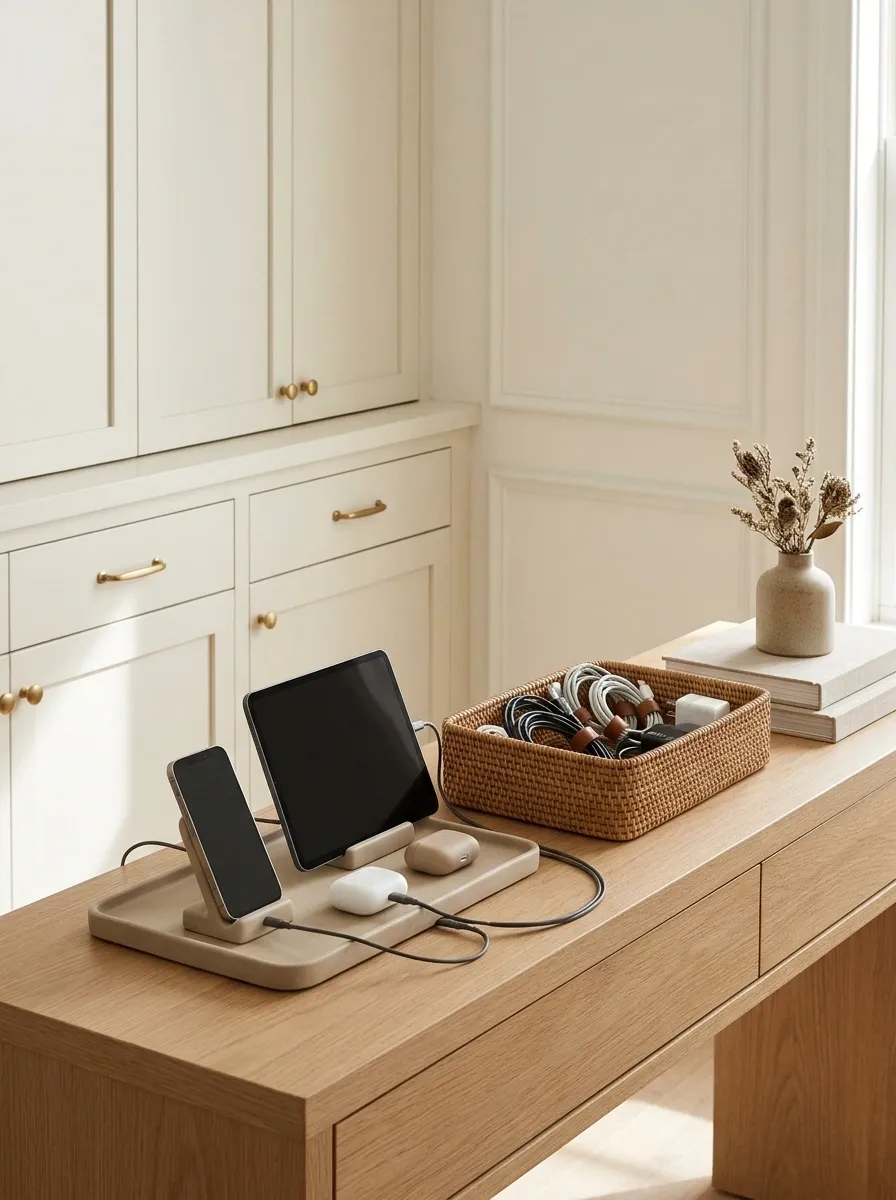
Charging cables have a way of turning a useful corner into a small technical incident.
Collect unused leads and identify which ones belong to active devices. Group accessories in suitable storage and route working cables away from walking paths, pinching points, and places where furniture moves.
Keep charging equipment accessible and ventilated according to its instructions. Don’t bury active chargers beneath fabric or inside unsuitable decorative containers. Label similar leads if that helps the household. The finished spot should make charging straightforward, with fewer loose ends and no daily search for the cable that was “just here.”
Suitable equipment, clear airflow, and accessible connections.
Unused cables grouped by purpose without tight bends or tangled knots.
Clean the Floor After the Rearranging Is Finished

Vacuuming before you move everything guarantees a second encounter with the vacuum.
Once the furniture and loose objects are settled, clean the accessible floor using a method suitable for the surface. Reach the exposed edges and places uncovered during the refresh. Straighten rugs and check that corners lie safely.
Don’t drag heavy furniture around just to make the job bigger. Work within what you can handle safely and complete today. A finished floor gives the rooms a sense of closure, especially when you’ve stopped leaving boxes, baskets, and cleaning supplies in the middle of it.
Return cleaning equipment to storage when you finish. Check rug edges, damp patches, and walking routes before calling the room done.
Set the House Up for the Evening You Want to Have

The final change is letting the house support tonight instead of displaying the work you did today.
Return the remaining tools, empty the relocation basket, and put unfinished ideas on a short list. Switch on the lamps you positioned, draw the curtains when needed, and make the main seating ready to use.
Set out the book you want to read or clear the dining table for dinner. Keep it specific to your evening. A refreshed home should give you something back immediately, including the ability to stop improving it and sit down.
Tools, cleaning supplies, and objects still waiting to go home.
The lighting that makes the rooms comfortable after dark.
A clear seat, a usable table, and an evening without another open project.
Leave Something for Tomorrow
Tonight, the test is simple: can you walk in easily, put a drink down, find what you need, and enjoy the rooms you’ve worked on? That’s a successful day.
You’ll still notice things to change. Write them down instead of starting them at dusk. Knowing how to refresh your home in one day also means knowing when the day’s work is finished. A cupboard left for later is harmless. A bed covered in its contents is considerably less forgiving.