
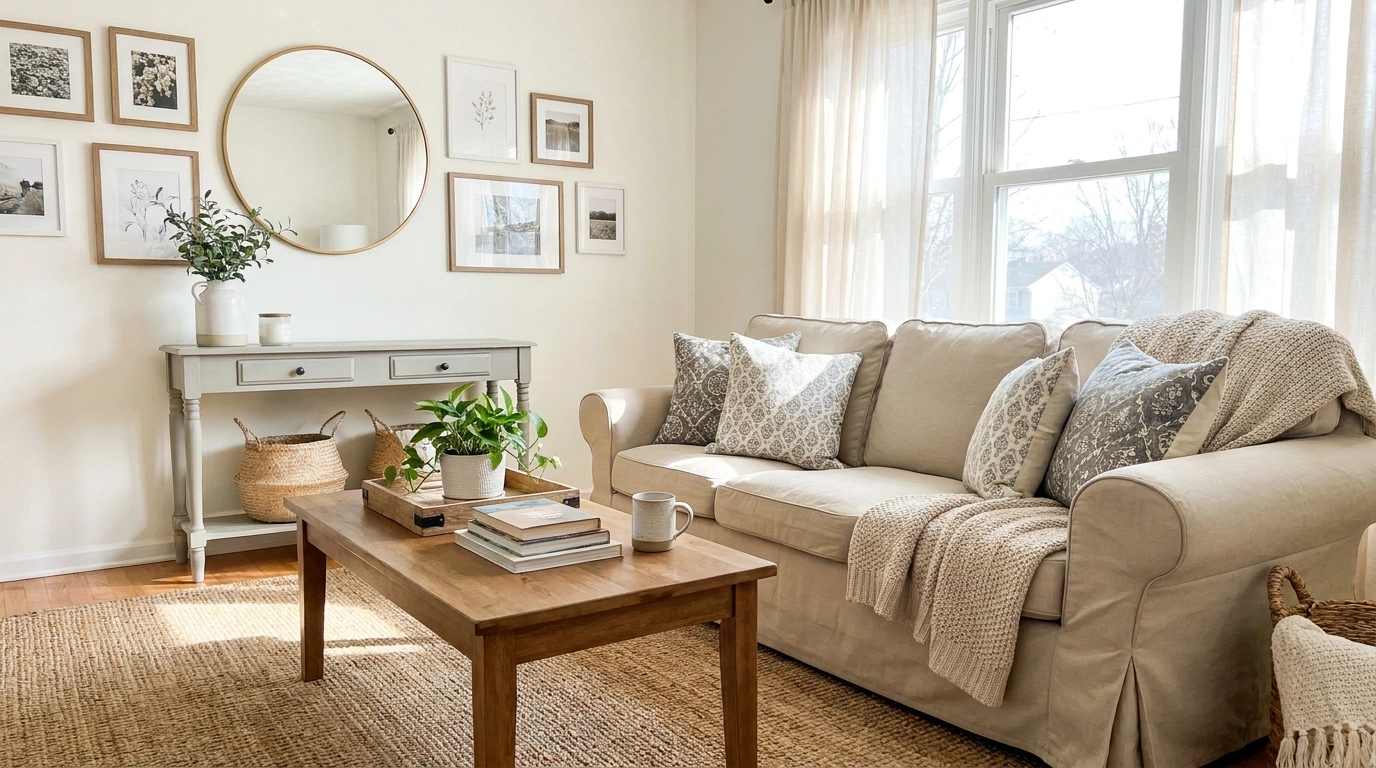
Your living room doesn’t need a replacement sofa every time you get bored with it. That’s an expensive way to avoid moving a lamp.
Sometimes the room feels tired because everything has stayed in exactly the same position for years. The curtains stop short. The cushions have collapsed. A collection of little purchases has slowly covered every available surface, yet somehow the room still feels unfinished. Buying another decorative bowl won’t resolve that situation. The bowls have had their chance.
To refresh your living room on a budget, start with the things you see and use most: the seating arrangement, the light beside your favorite chair, the fabric across the sofa, and the wall opposite the door. Small changes in those places register immediately.
Work Out Why the Room Feels Tired Before You Spend
Separate Worn Furniture From a Worn-Out Arrangement
A decent armchair can look wrong simply because it’s standing in the wrong place. A sofa can feel too large when a side table blocks the route beside it. Before replacing furniture, move the smaller pieces out and look at the room with fewer obstacles.
Check where people walk, where they put drinks, and whether they can talk without turning sideways. Those daily irritations tell you more than another saved shopping list. Fix the arrangement first. Then judge what needs replacing.
Look for the Detail You’ve Stopped Noticing
You’ve probably learned to ignore the tangled cable under the television or the curtain hem that never quite reached the floor. Visitors haven’t had that training.
Take a photo from the doorway and look at it on your phone. The smaller view makes visual clutter and awkward proportions easier to spot. Notice what pulls your attention away from the part of the room you like. That distraction often deserves your first bit of effort, even if fixing it sounds less exciting than buying cushions.
Choose What the Room Is Missing
Some living rooms need warmth. Others already have enough brown furniture and beige fabric to qualify as a biscuit display.
Identify the missing quality before choosing a color or material. A dark room needs better light and clearer window space. A bare room needs texture and useful surfaces. A busy room needs fewer competing objects. Write down the problem in plain language, then use it to judge purchases. “I need a lamp beside the chair” is a much better shopping brief than “something nice.”
Practical Ways to Refresh Your Living Room on a Budget
Pull the Sofa Forward and Give the Seating a Clear Shape
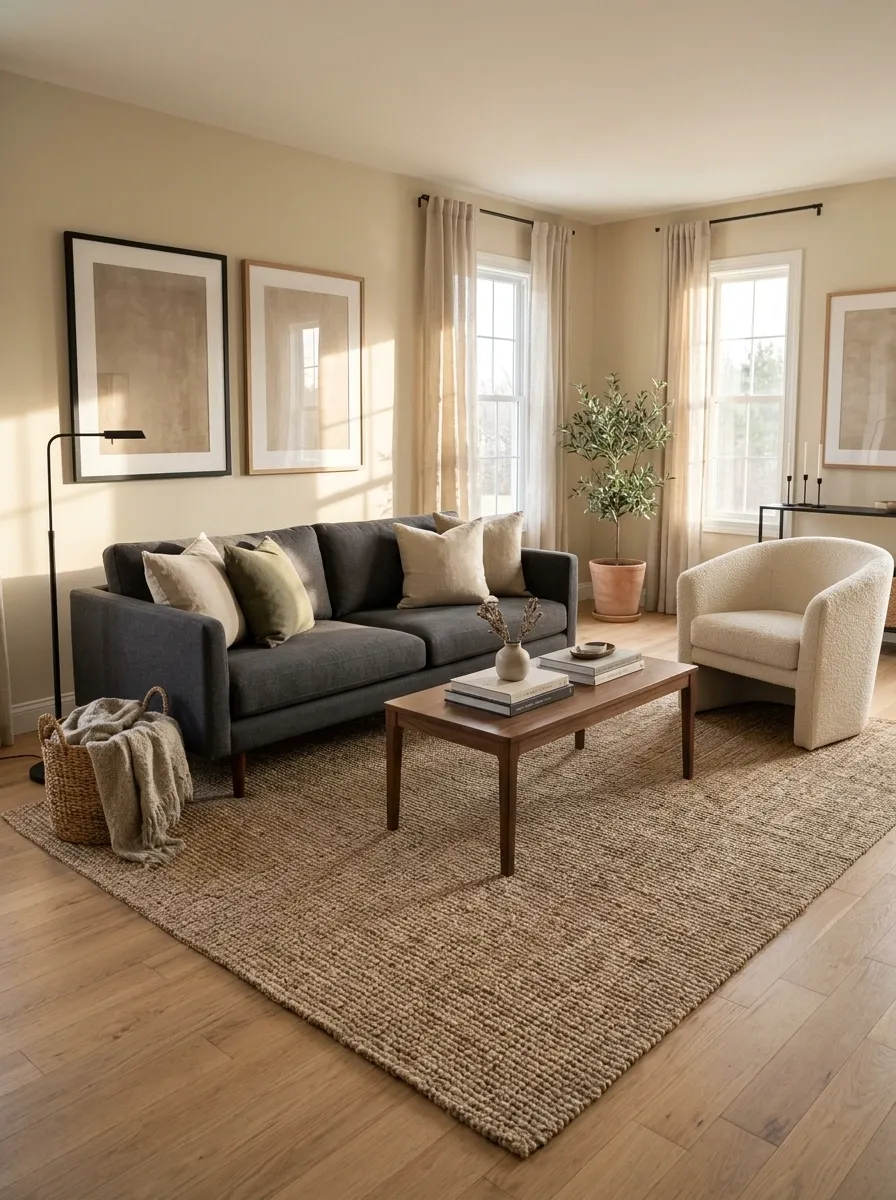
Furniture pushed against every wall can leave the middle of the room feeling strangely abandoned.
Move the sofa forward enough to test a more connected seating arrangement. Bring a chair within comfortable talking distance and give the coffee table a clear relationship to the seating. Keep the routes people actually use open.
Test the layout before committing. Sit down, get up, carry a mug through the room, and open nearby doors. In a narrow space, the sofa may still belong against the wall. The improvement comes from a workable arrangement, not a compulsory gap behind everything.
Seats face something useful: another person, a view, or the television.
People can cross the room without squeezing between knees and furniture.
Reposition the Rug Before Deciding It’s Too Small
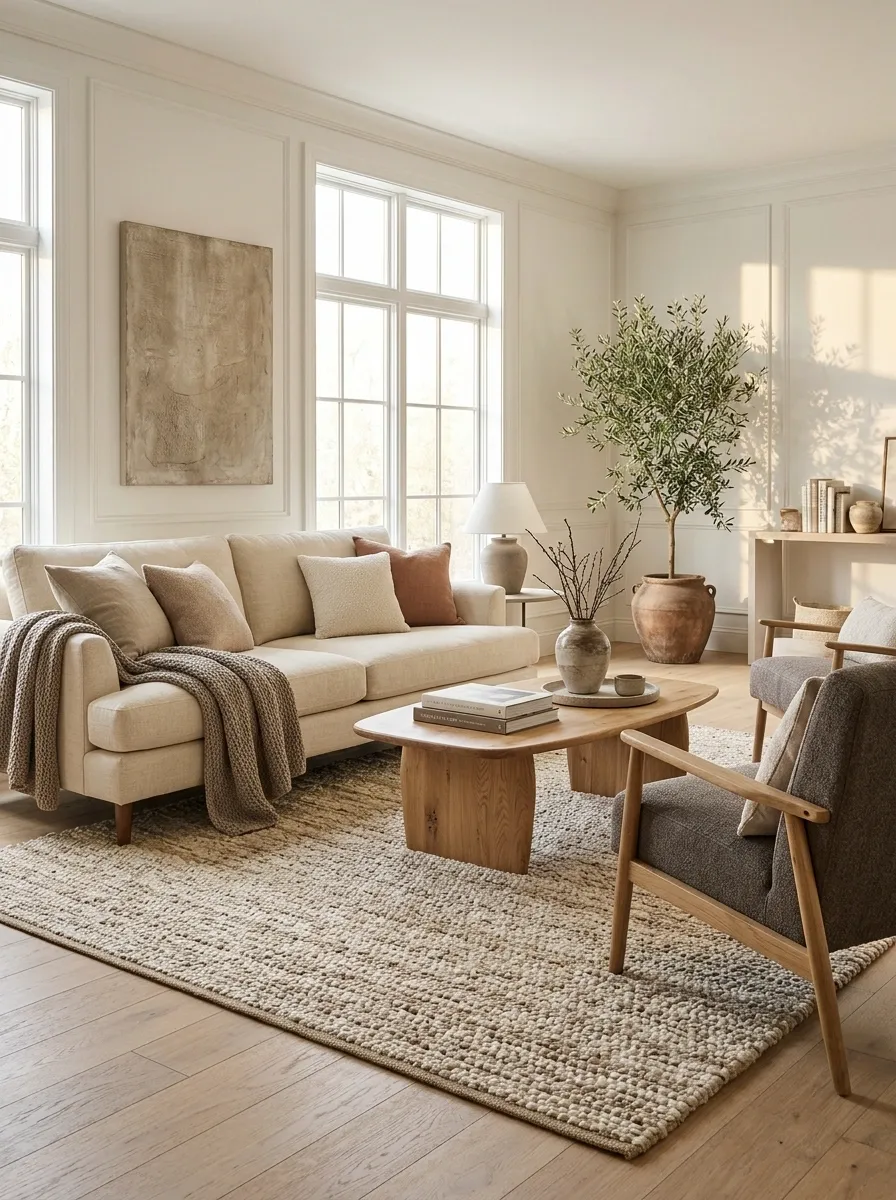
A rug stranded beneath the coffee table looks like a sample awaiting approval.
Slide it toward the main seating and check whether the front legs of the sofa and nearby chair can share it comfortably. That connection gives the group a clearer footprint. Turn the rug if the room’s proportions call for it.
If your rug genuinely won’t reach, use it somewhere smaller instead of forcing it to anchor the entire living room. Measure the usable seating area before shopping for a replacement. The largest rug you can squeeze through the door isn’t automatically the right fit.
- Test the rug with chairs in their normal positions.
- Keep curled corners out of walking routes.
- Check nearby doors can open freely.
- Use an appropriate rug pad for the flooring.
Hang Curtains So the Window Gets Its Full Share of Light
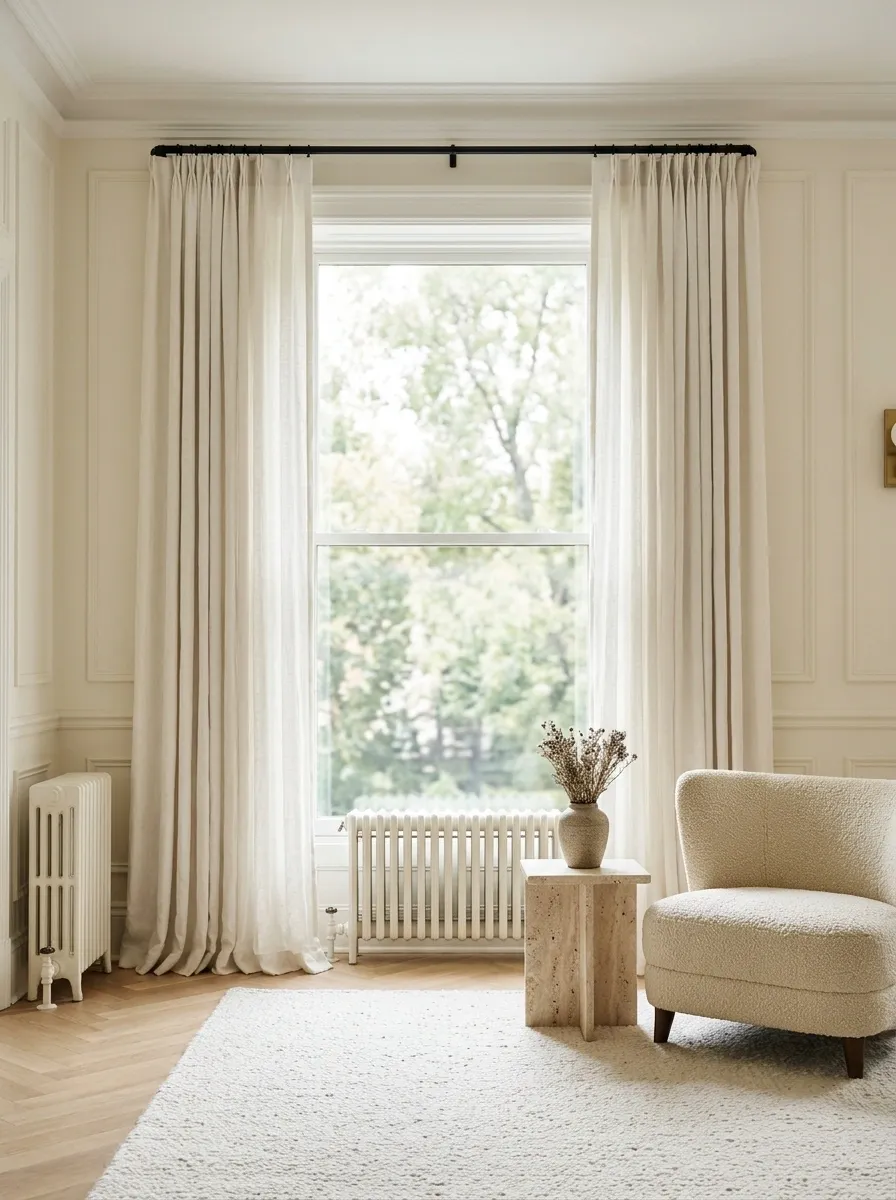
Curtains shouldn’t spend their working day blocking the window.
Where the wall allows, extend the pole beyond the opening so the panels can sit mostly beside the glass when open. Choose the hanging height and finished length together. Raising a pole while keeping short curtains simply moves the problem upward.
Measure around radiators, furniture, and door openings before buying longer panels. Keep hems clear of places where they’ll catch or collect dirt. A simple fabric in a suitable length looks more considered than elaborate curtains fighting the architecture every morning.
Allow room for the fabric to gather beside the glass.
Include rings, headings, and the chosen hem position.
Keep handles, heating, and opening windows accessible.
Change Cushion Covers Instead of Collecting More Cushions
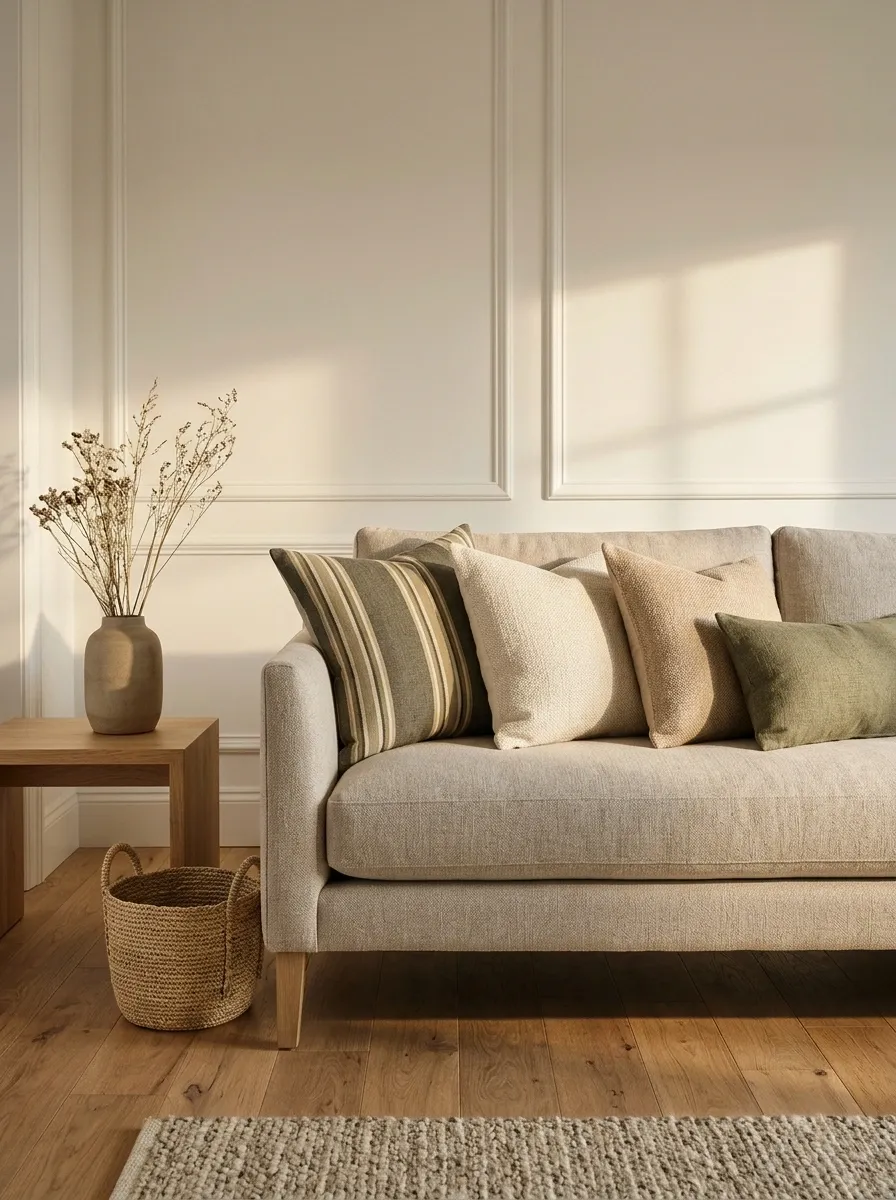
If guests have to relocate half the sofa’s contents before sitting down, the cushions have become management.
Keep the inserts that still hold their shape and replace only the covers that make the room feel dated. Choose a shared color, then vary the fabric or pattern. A woven plain beside a restrained stripe gives enough difference without starting a textile argument.
Check the cover and insert measurements before ordering. Washable covers earn their place in a room used by children, pets, and anyone who insists they’re careful with coffee.
Choose the strongest pattern first. Pull a quieter color from it for the remaining covers, then check that the sofa still has enough clear space for people.
Put a Lamp Where You Actually Sit
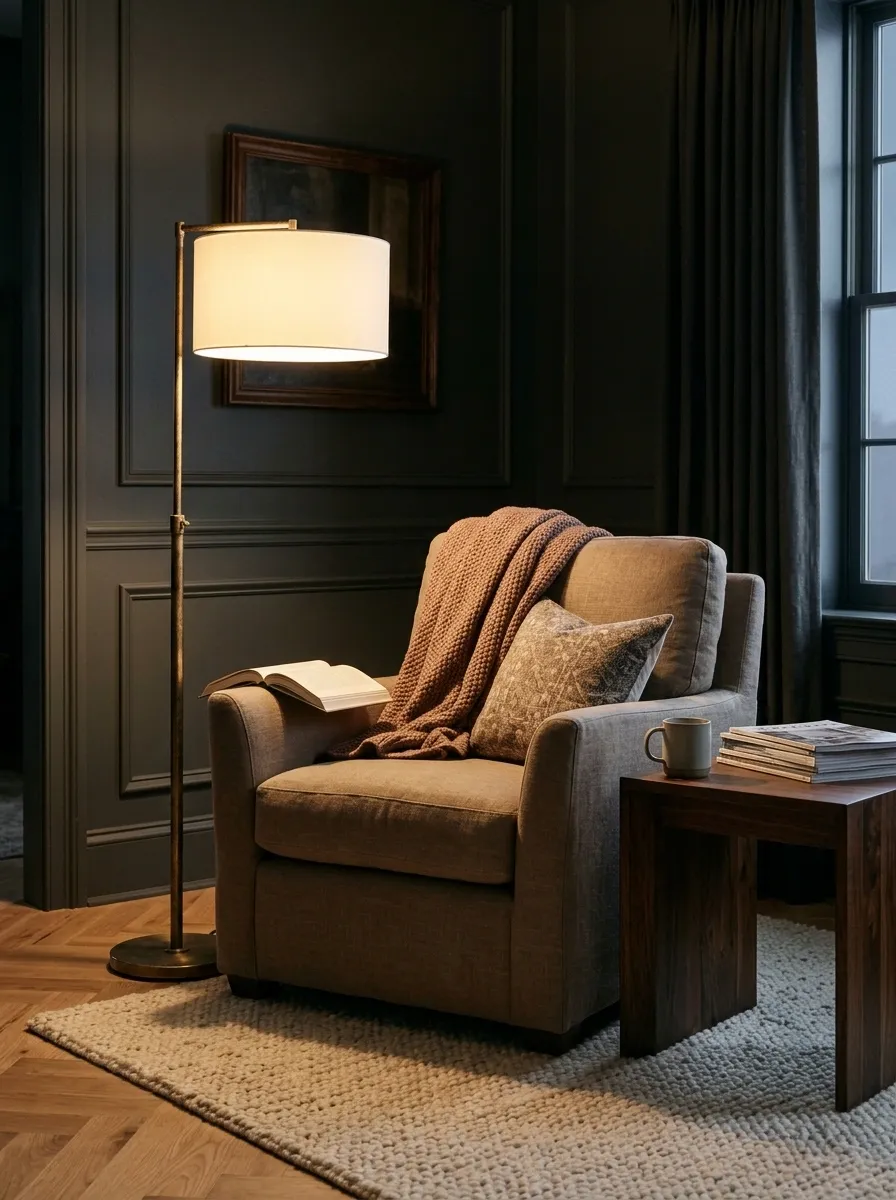
The ceiling light can illuminate the room and still leave your chair in the dark.
Move an existing lamp beside the seat used for reading, sewing, or late-night scrolling. Check the light while sitting down. A bare bulb at eye level creates glare, and a shade that sends all the light upward won’t help you read.
Use compatible bulbs with a consistent color across the room. Then arrange the lead so it doesn’t cross a walking route. Useful lighting changes how the room feels after sunset, which is when plenty of living rooms finally get used.
The shade screens the bulb from your usual sitting position.
The light reaches the page or activity without an awkward shadow.
The switch is accessible without getting up or leaning over furniture.
Repaint the Color That Takes Up the Most Visual Space
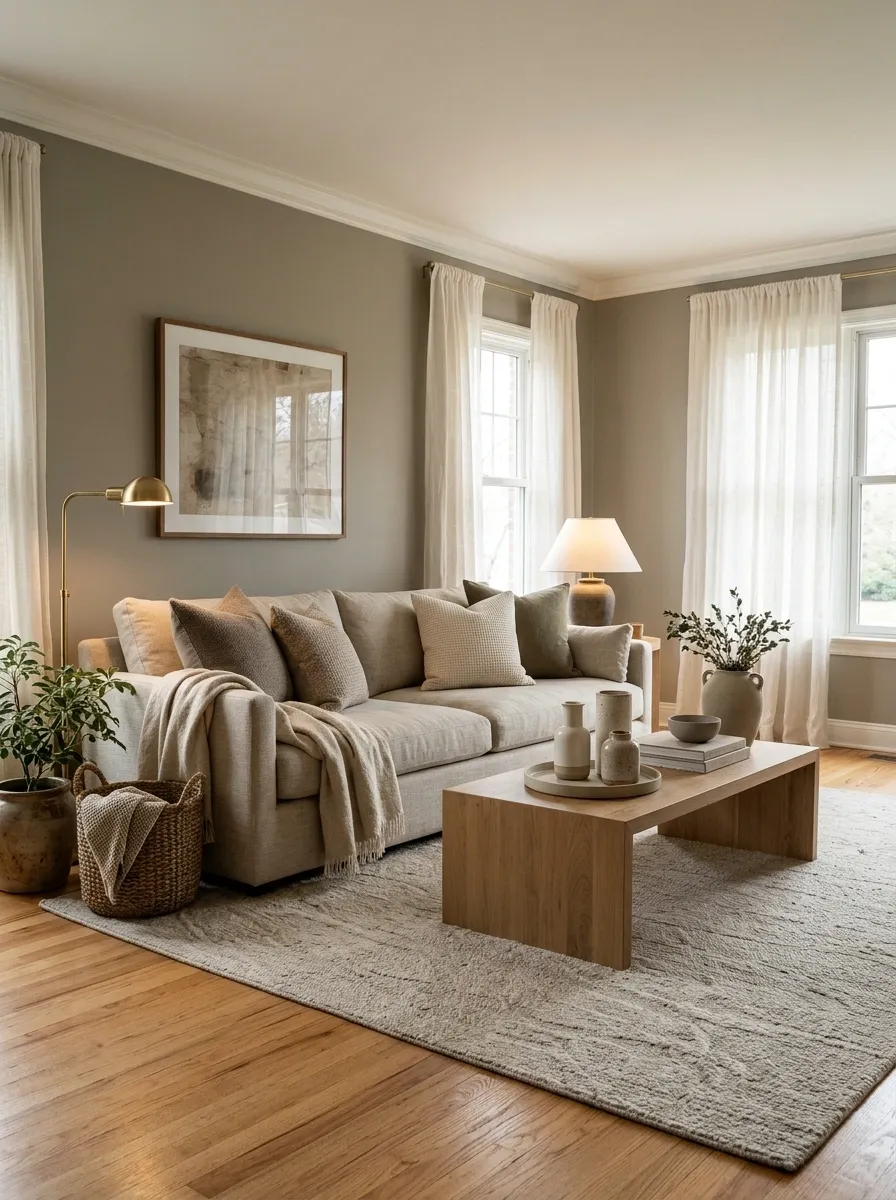
A new wall color changes the backdrop for everything you already own.
Choose it beside the sofa, flooring, and curtains you’re keeping. Those large surfaces matter more than a tiny accessory you can move elsewhere. Test samples on different walls and look at them during the hours you use the room.
Include the evening view. A color that looks fresh at lunchtime can feel dull under your lamps. Prepare marks and damaged areas before painting, and keep a labeled amount for touch-ups. Future you will appreciate avoiding another mystery-white investigation.
| Keep in view | What to check |
|---|---|
| Sofa fabric | Does the wall make its undertone look awkward? |
| Flooring | Do warm or cool tones cooperate? |
| Lamps switched on | Does the room still feel comfortable after dark? |
Borrow a Useful Piece From Another Room
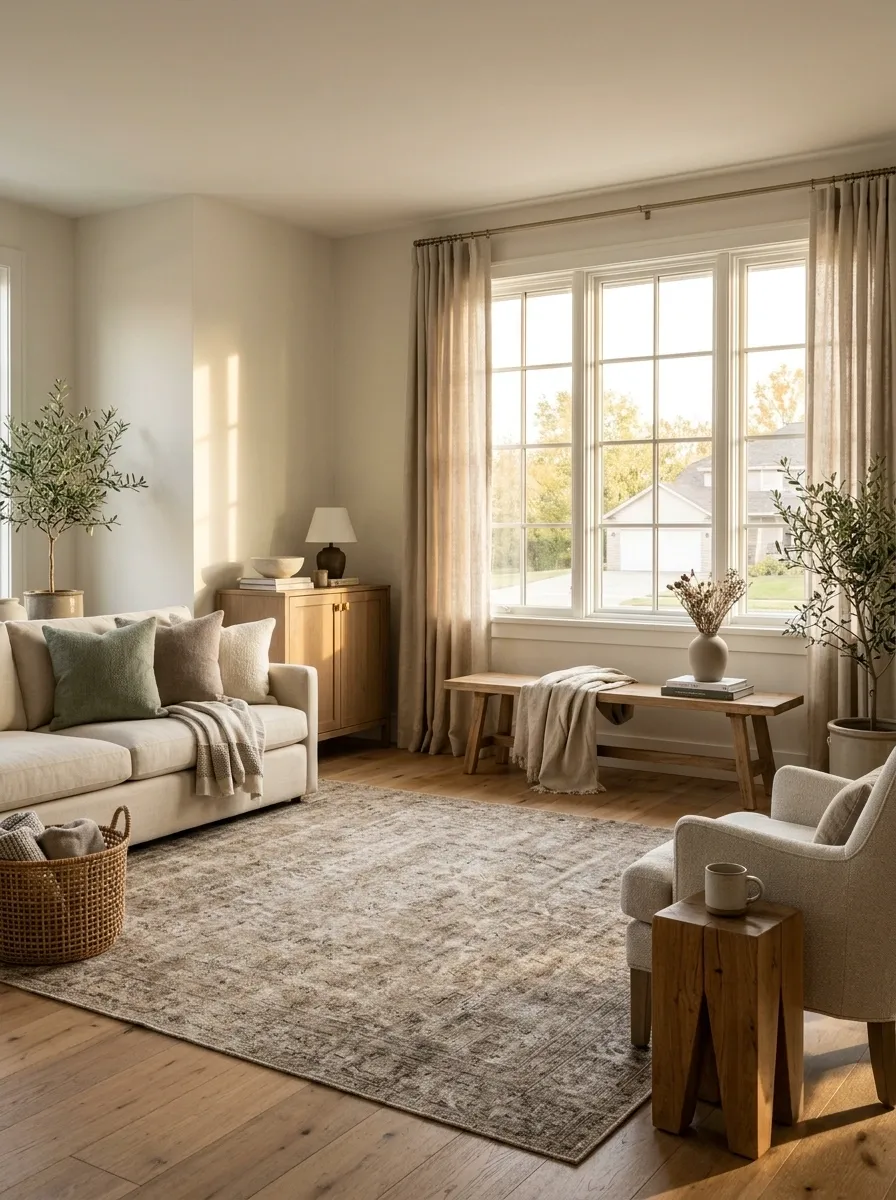
Your bedroom bench might make more sense beneath the living room window. The little cabinet in the hall might finally solve the board-game situation.
Walk through your home looking at furniture by function rather than by the room where it currently lives. Check dimensions, condition, and access before moving anything heavy. A piece that already belongs to you is a useful way to test a new arrangement.
Don’t transfer the problem elsewhere. If moving the cabinet leaves everyday shoes scattered across the hallway, the household hasn’t improved. It has merely relocated its complaint.
Closed storage for games, chargers, or craft supplies.
A compact landing place beside a chair, if its surface suits the job.
A useful perch in an otherwise awkward empty stretch.
Repair the Scratched Table You’ve Been Hiding
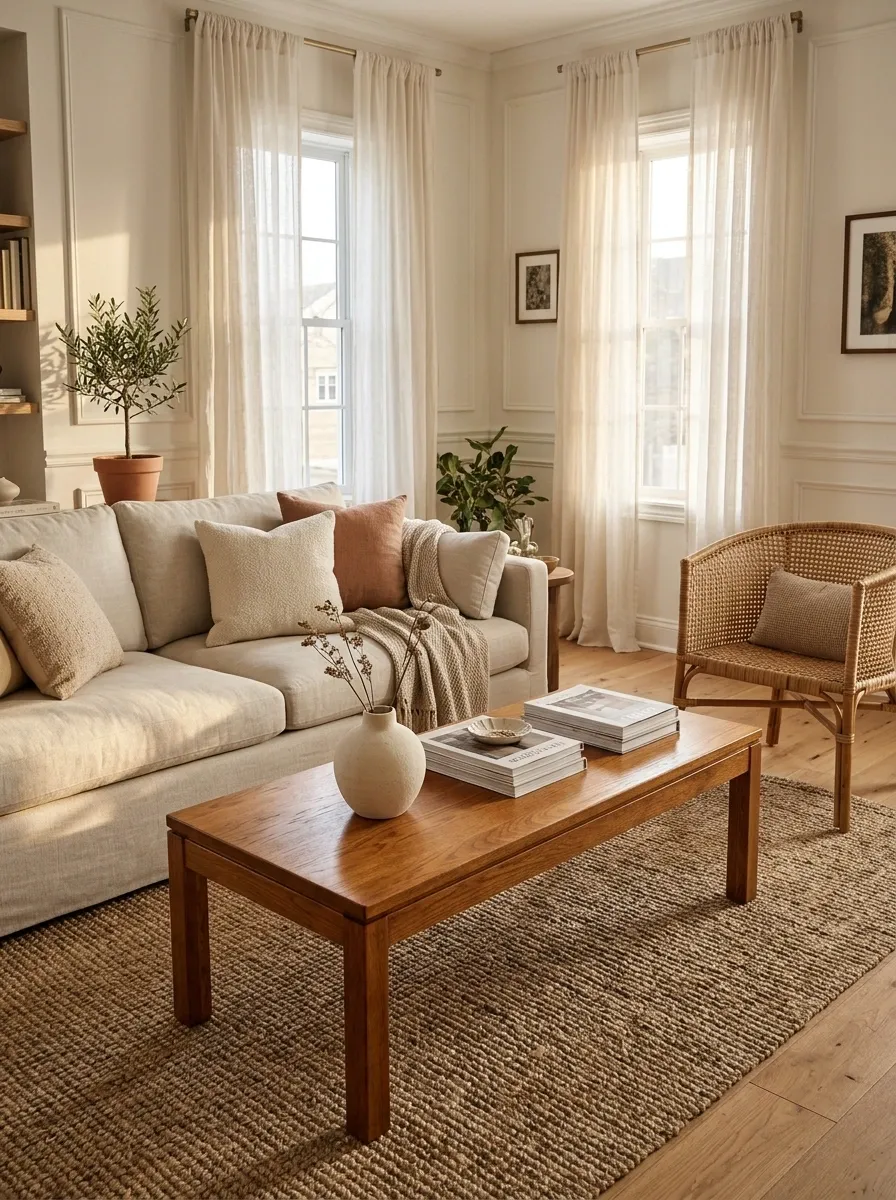
A pile of magazines isn’t a furniture repair method, even if it has served bravely.
Clean the table using guidance suited to its finish, then assess the damage. Some marks need a simple touch-up. Others require more careful refinishing. Identify whether you’re working with solid wood, veneer, laminate, or a painted surface before reaching for sandpaper.
Tighten suitable loose fixings and replace missing floor protectors while you’re there. A table that looks cared for and stands steadily feels better than a new decorative object perched on top of a wobble.
Thin veneer can be damaged by aggressive sanding. Test any cleaning or touch-up product in a discreet spot, and follow the instructions for that material and finish.
Give a Bare Wall One Properly Scaled Piece of Art
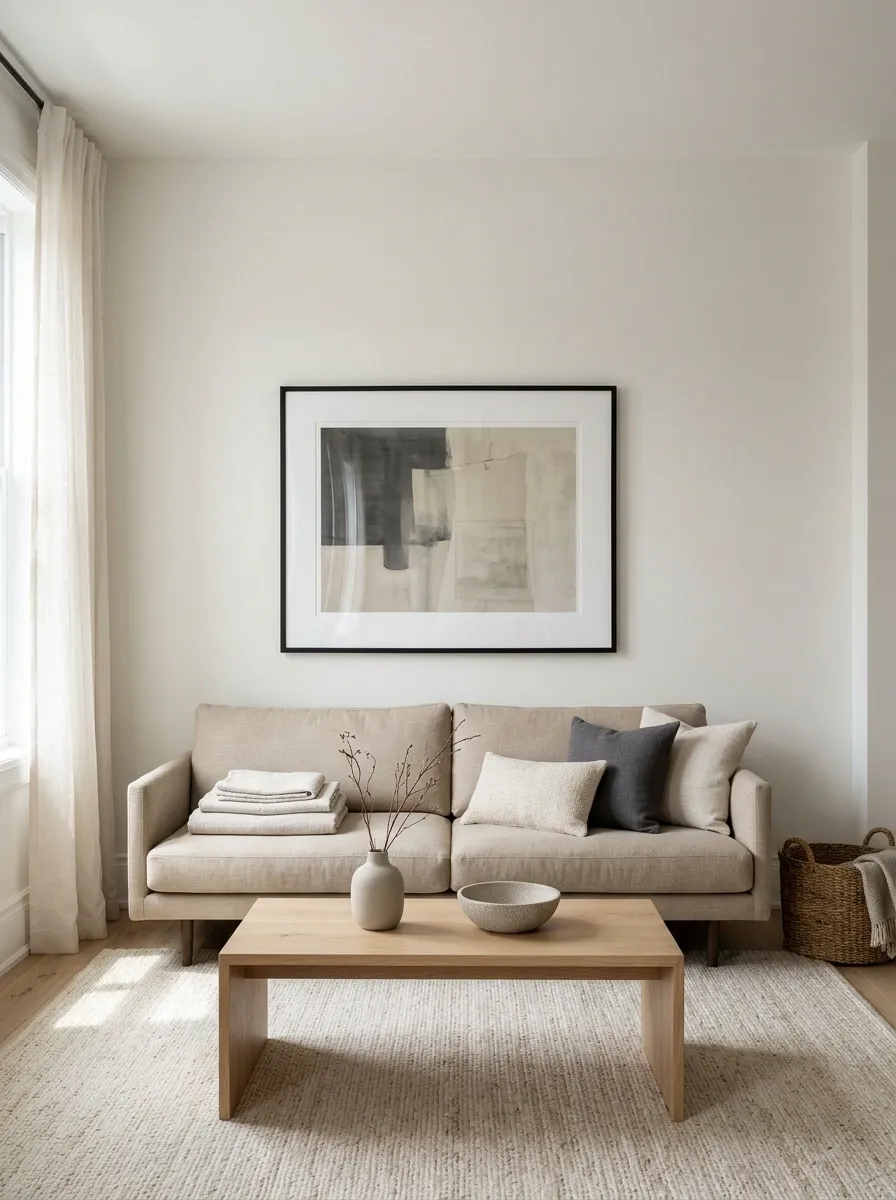
Tiny art on a broad wall can look as though it’s waiting for its friends.
Choose a piece with enough presence for the furniture beneath it. Affordable prints, your own photography, or a secondhand framed work can all do the job. Look at the overall dimensions, including the frame and mount.
Tape a paper outline to the wall before hanging. Check it from the doorway and from the sofa. You don’t need to fill every available inch, but the artwork should look deliberately placed. A strong, simple composition gives the wall a clear focus without requiring a gallery’s budget.
Include the whole frame when making your paper template.
Check the relationship to the furniture and nearby openings.
Use a hanging method suited to the wall and the artwork’s weight.
Stop Letting Cables Draw Lines Across the Room
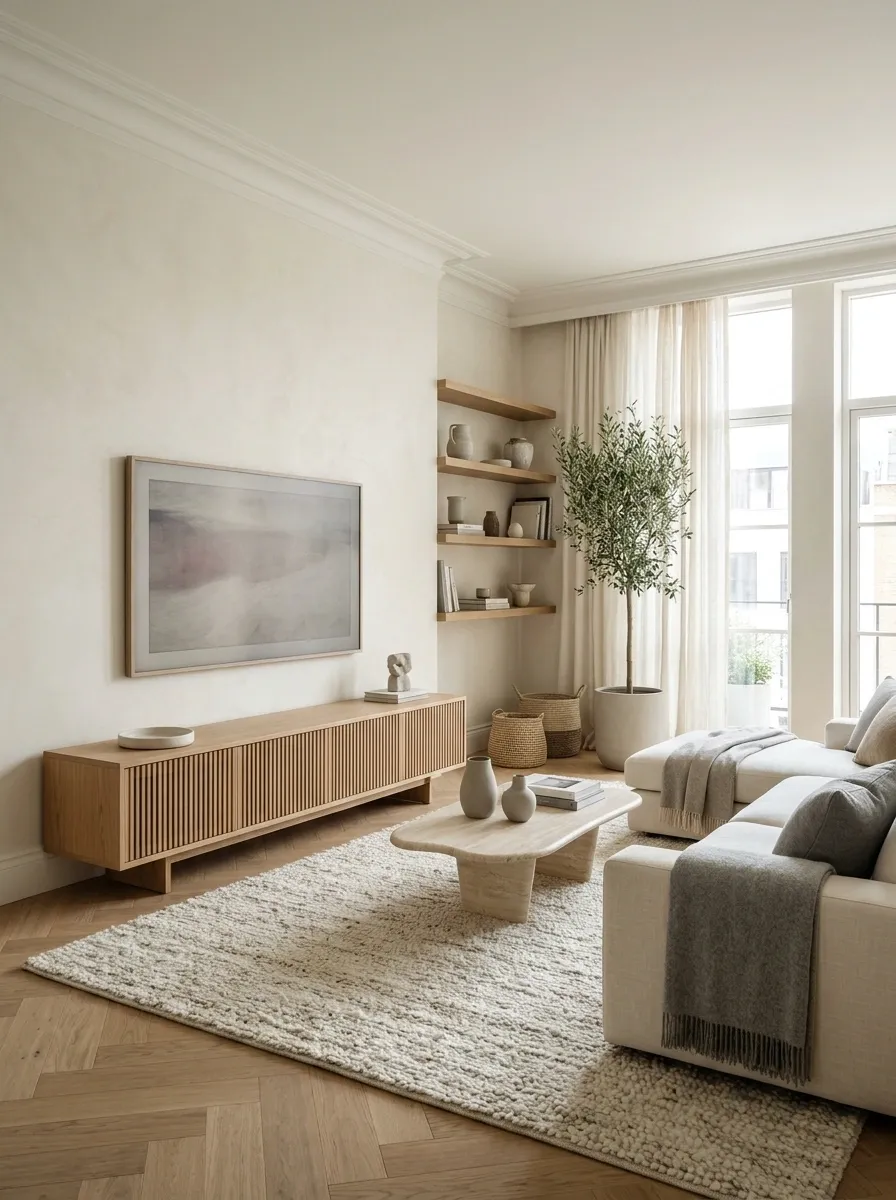
Cables have an impressive ability to make clean furniture look untidy.
Group leads that follow the same route and secure them neatly behind furniture using appropriate cable management. Keep plugs, switches, and equipment ventilation accessible. Don’t trap cords beneath furniture legs or send them across a doorway.
Label the ends if several devices share the same area. It takes a moment now and saves an irritated guessing session later. Check manufacturer guidance before enclosing adapters or power strips. The point is a calmer room with equipment that remains easy to use and maintain.
- Keep leads away from pinching and rubbing points.
- Preserve airflow around electronic equipment.
- Leave enough slack for normal movement.
- Remove unused chargers instead of hiding them indefinitely.
Restyle the Bookshelf by Removing the Awkward Extras
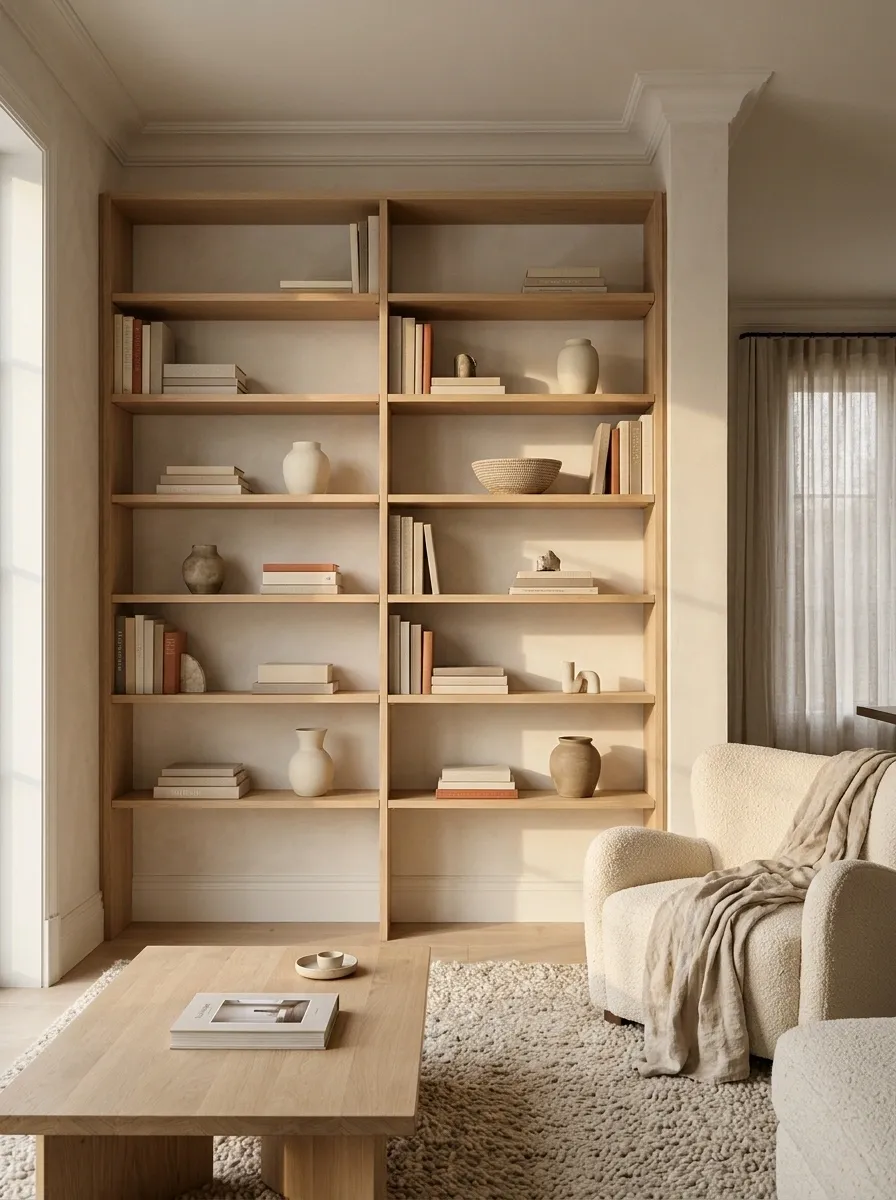
Bookshelves don’t need a decorative object in every gap.
Empty one shelf at a time and decide what belongs there. Keep books accessible, group related objects, and remove the small pieces that disappear into visual noise. A shelf with useful space left over looks calmer than one packed to prove you own things.
Vary the arrangement where it helps the contents fit, but skip elaborate balancing acts. You’ll eventually want to read the bottom book. Secure furniture as recommended, especially in homes with children, and keep heavy items positioned appropriately for the unit.
Frequently used books and objects stay easy to lift out.
Small related objects share a clear area instead of scattering.
An open patch gives the eye somewhere to rest.
Give the Coffee Table a Clear Working Area
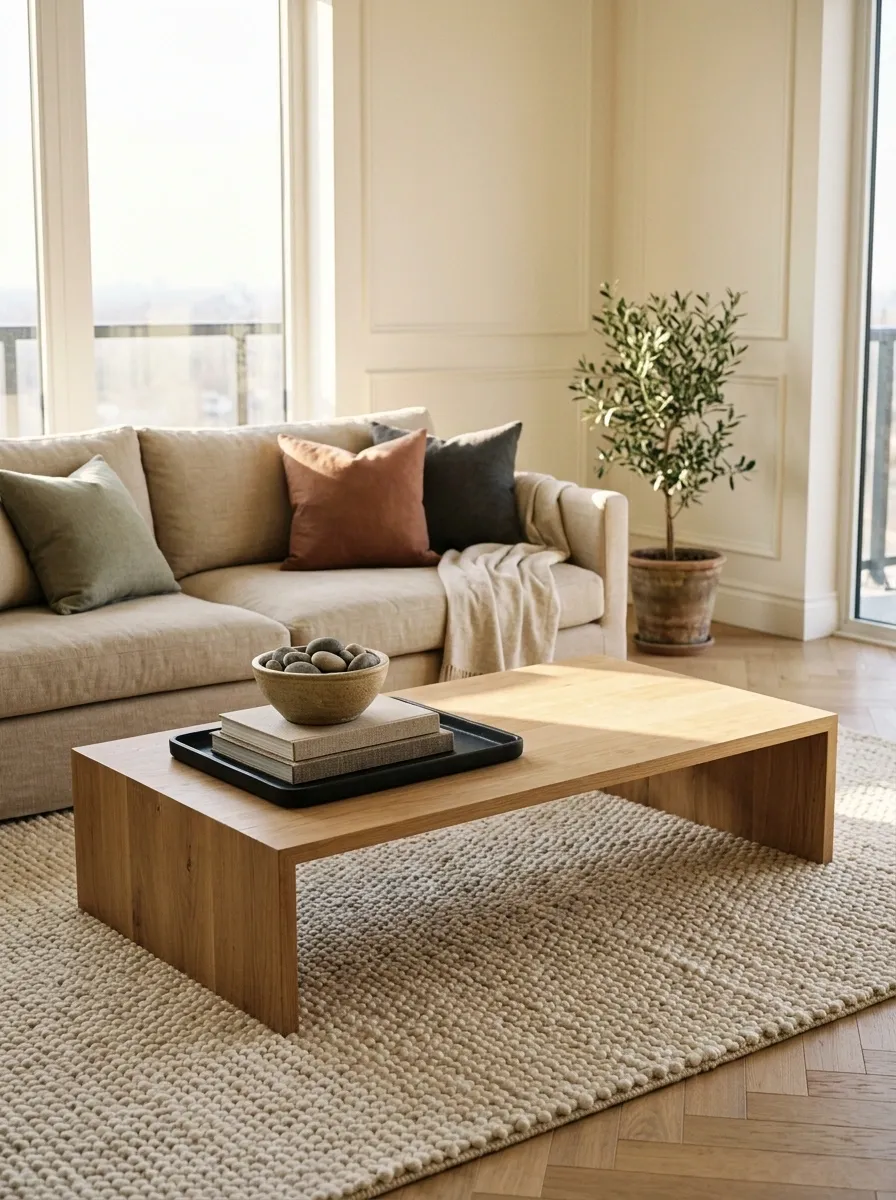
A coffee table should be able to accommodate coffee. Apparently, this needs defending.
Remove the objects that only get shifted whenever someone sits down. Keep a small group of useful pieces, then leave enough surface for drinks, a book, or a shared snack. Use a tray if it makes the arrangement easier to move.
Choose decor that suits the household. Tall fragile stems beside a busy family sofa are a daily negotiation. A low bowl or sturdy object gives you something to look at without blocking conversation or demanding everyone’s constant attention.
Sit in each main seat and put down a mug. If you have to move decor, lean awkwardly, or reach over something fragile, edit the arrangement again.
Replace the Unused Accent Chair With Seating People Choose
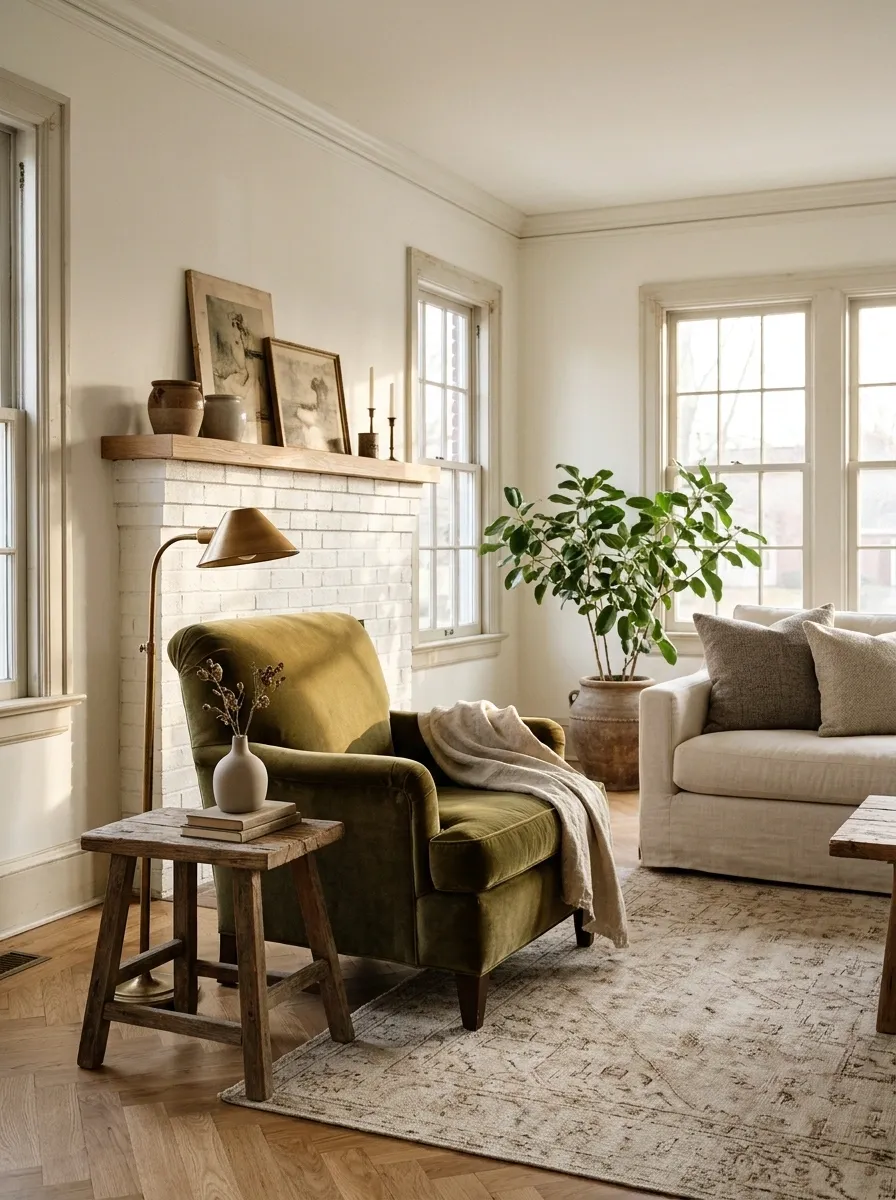
That chair nobody sits in is giving you useful feedback.
Work out why it gets ignored. It may face away from the conversation, lack a nearby surface, or simply be uncomfortable. Test a better position before replacing it. A cushion won’t rescue a seat whose proportions don’t suit the person using it.
If you shop secondhand, inspect condition, stability, upholstery, and signs of pests before bringing furniture home. Measure the route into the room too. A handsome chair becomes considerably less charming when it stops halfway through the doorway.
Turn it toward the conversation or the view people use.
Add a suitable drink surface or reading light nearby.
Try alternatives in person before choosing a replacement.
Use a Throw Where It Solves a Specific Problem
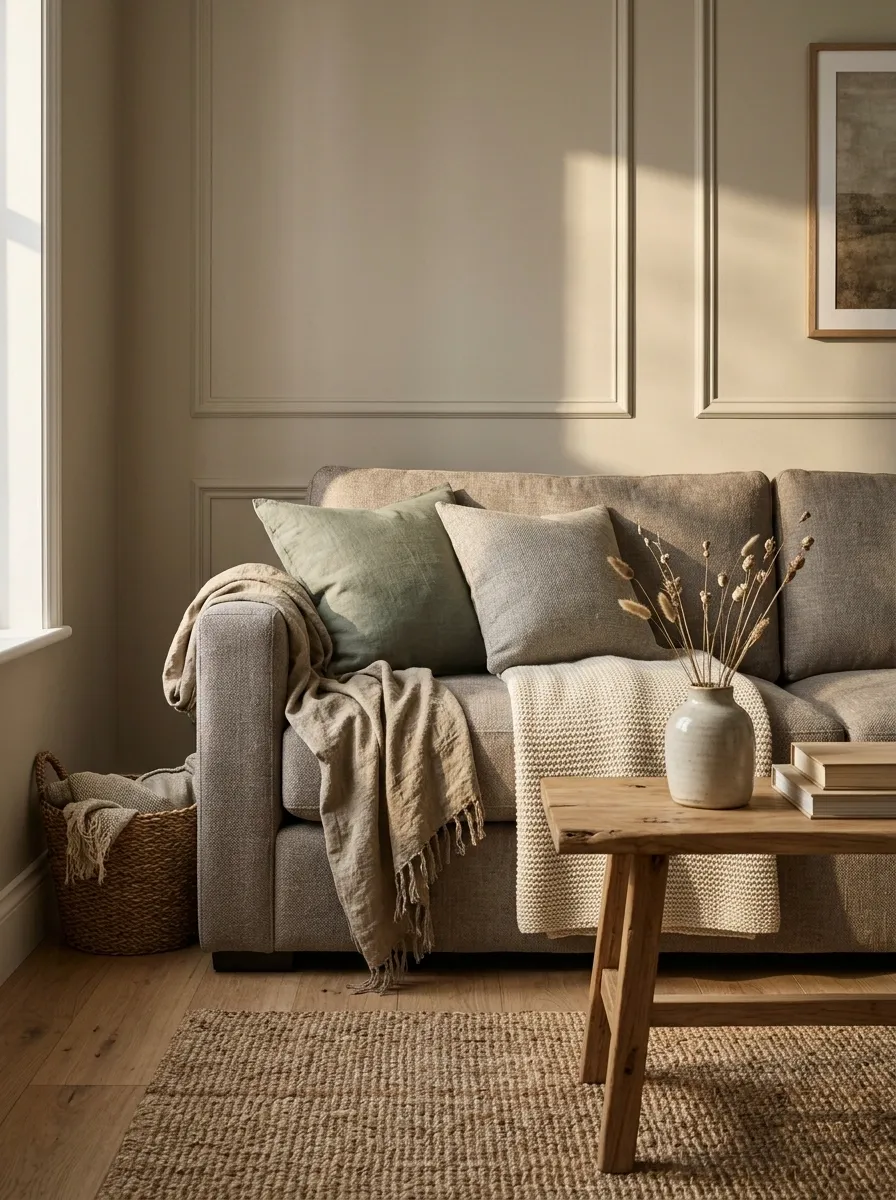
A throw looks more natural when someone might actually reach for it.
Fold it over the arm used for evening reading or place it across the section of sofa that needs a little softness. Choose a fabric that feels comfortable and fits your washing routine. Scratchy decorative fabric has no business pretending to be a blanket.
If the sofa upholstery needs cleaning or repair, deal with that directly. A throw can soften a worn appearance, but it won’t stay neatly positioned over every damaged patch. Keep the arrangement simple enough to reset without a styling appointment.
| Your routine | Useful choice |
|---|---|
| Frequent washing | A fabric with care instructions you can manage. |
| Shared sofa | A folded throw that leaves seats clear. |
| Warm room | A lighter layer instead of a bulky blanket. |
Change Compatible Furniture Legs for a Cleaner Silhouette
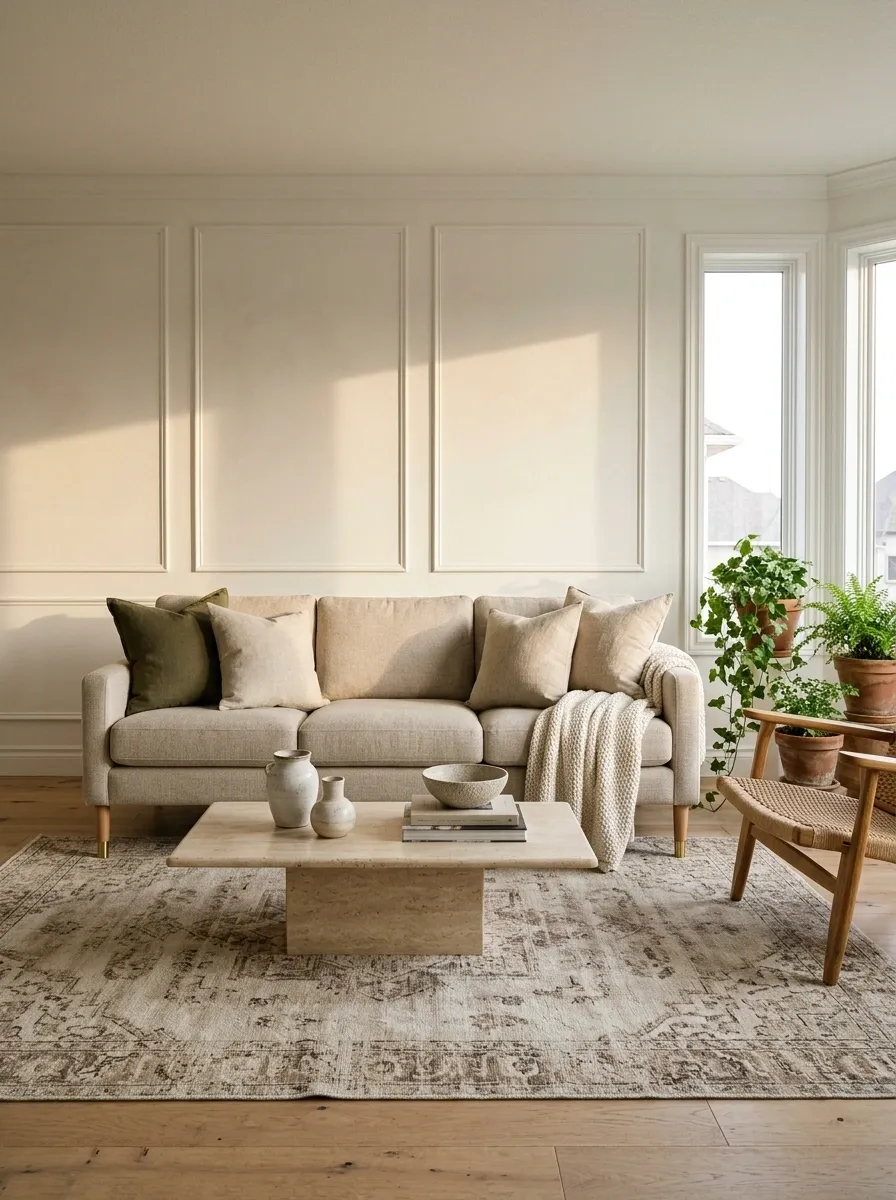
The base of a piece can make it feel heavier than it needs to.
If your furniture is designed for replaceable legs, a compatible set can update its outline without replacing the whole item. Check the manufacturer’s fitting requirements, load suitability, and the height of any central supports.
Keep the new height practical. Raising a sofa changes how your feet meet the floor and how it relates to nearby tables. Don’t improvise structural changes to make a trend fit. This upgrade works when the replacement is properly compatible and the seat remains comfortable.
Confirm the mounting system matches the furniture.
Account for central legs and any required support points.
Check the final seat height against the people using it.
Group Plants Where the Light Actually Supports Them
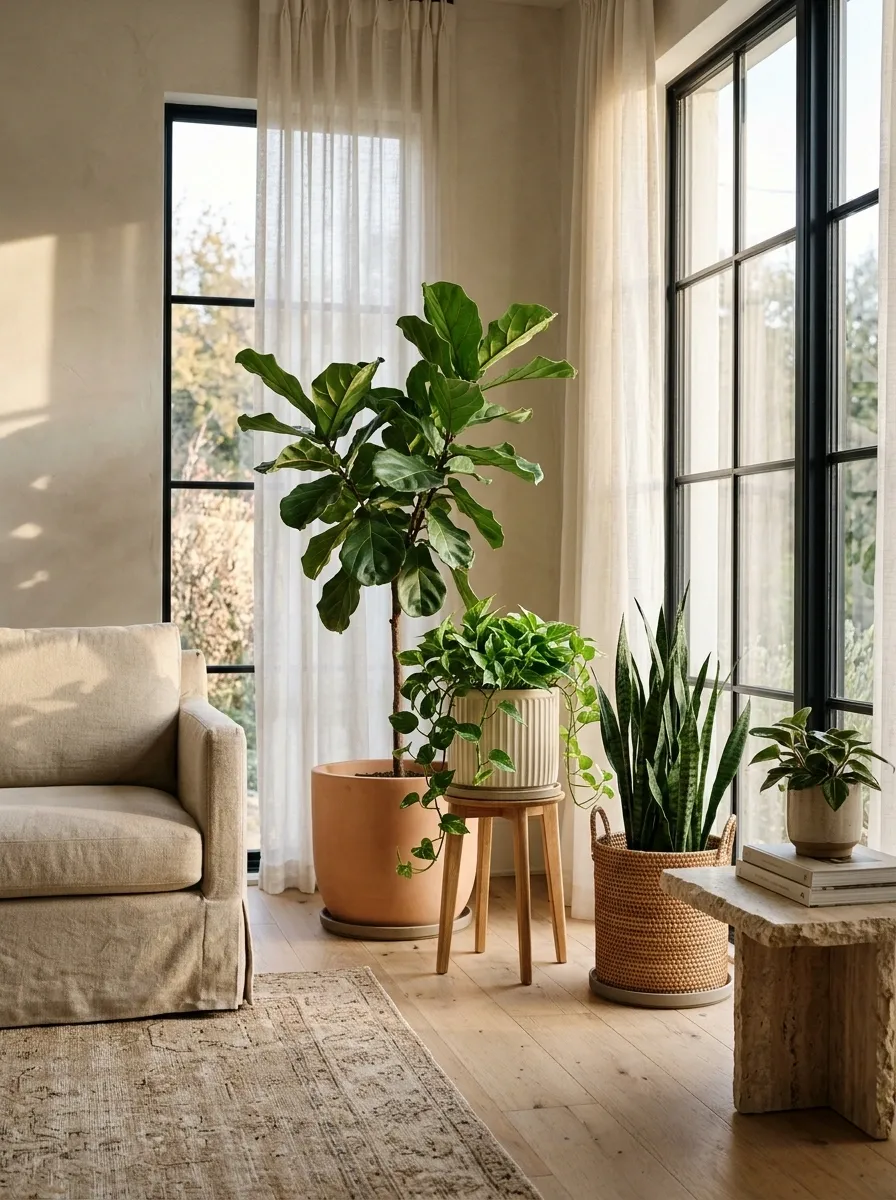
A plant placed in a gloomy corner doesn’t become suitable because the pot matches.
Gather healthy plants in locations that meet their needs, then choose pots or outer covers that look related. A simple shared material or color gives the group some order. Protect furniture and flooring from drainage water.
Use an existing stand or sturdy surface to vary height where it makes sense. Keep leaves clear of curtains and walking routes. If you have pets or young children, check plant suitability before bringing anything new home. A healthy, well-placed plant contributes more than a struggling decorative obligation.
- Match the plant to the available light.
- Protect the surface beneath the container.
- Leave access for watering and inspection.
- Keep unsuitable plants out of reach of pets and children.
Update Cabinet Handles Without Replacing the Cabinet
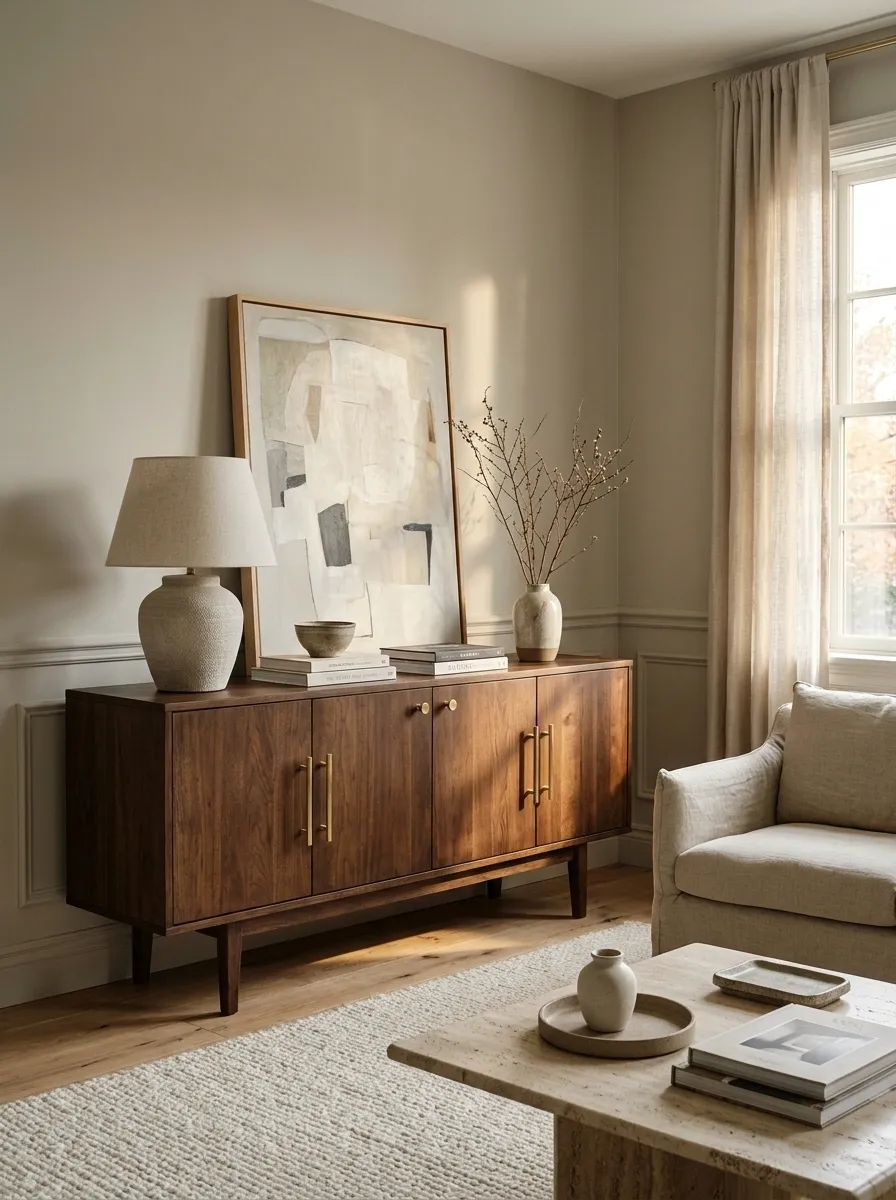
An old sideboard can be entirely useful and still wear handles that date the whole wall.
Choose replacements that suit its shape and existing finish. Check hole spacing, screw length, and the thickness of the doors before buying. Reusing the existing holes keeps this job small and tidy.
Try one handle first if you’re uncertain about the scale. A dainty pull can disappear on a broad drawer, while an oversized one can overwhelm a narrow door. Keep the old fittings together until the new set is installed and working properly.
Measure between the centers of existing fixing holes.
Compare the pull against the full drawer or door.
Check fingers fit comfortably and nearby doors still open.
Give the Television a Calm, Balanced Base
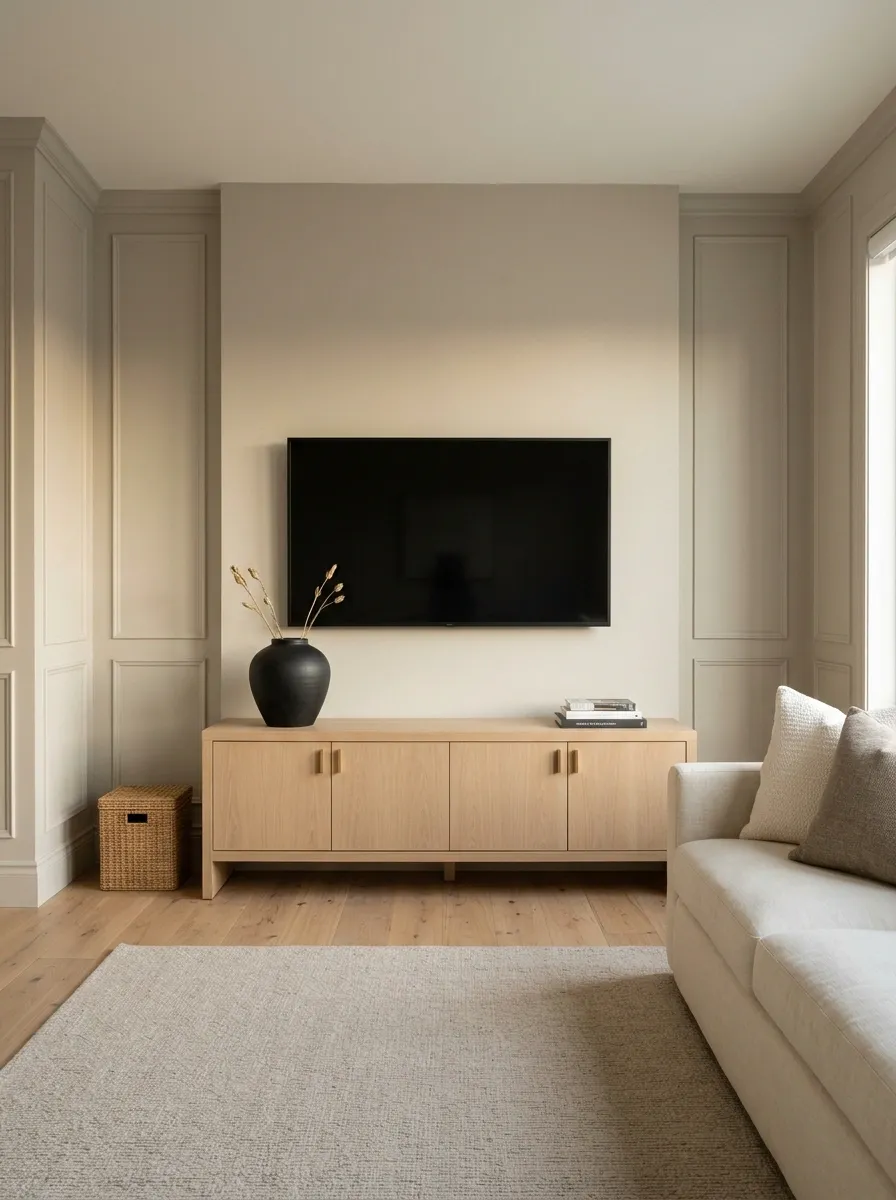
A television perched on a crowded, undersized unit makes the wall feel top-heavy.
Start by clearing the surface beneath it and checking that the furniture safely accommodates the screen and equipment. Remove little objects that compete with the screen’s strong rectangle. Keep the surrounding arrangement simple.
If you’re choosing a replacement unit, prioritize appropriate support, useful closed storage, and ventilation. Check the screen’s viewing position from the main seats before changing its height. Decorating around a television won’t compensate for a setup that leaves everyone tipping their head back through an entire film.
Check screen height, reflections, equipment access, and the furniture’s load rating. Follow the television and furniture manufacturers’ instructions for support and anti-tip measures.
Give Everyday Clutter a Closed Home Near Where It Lands
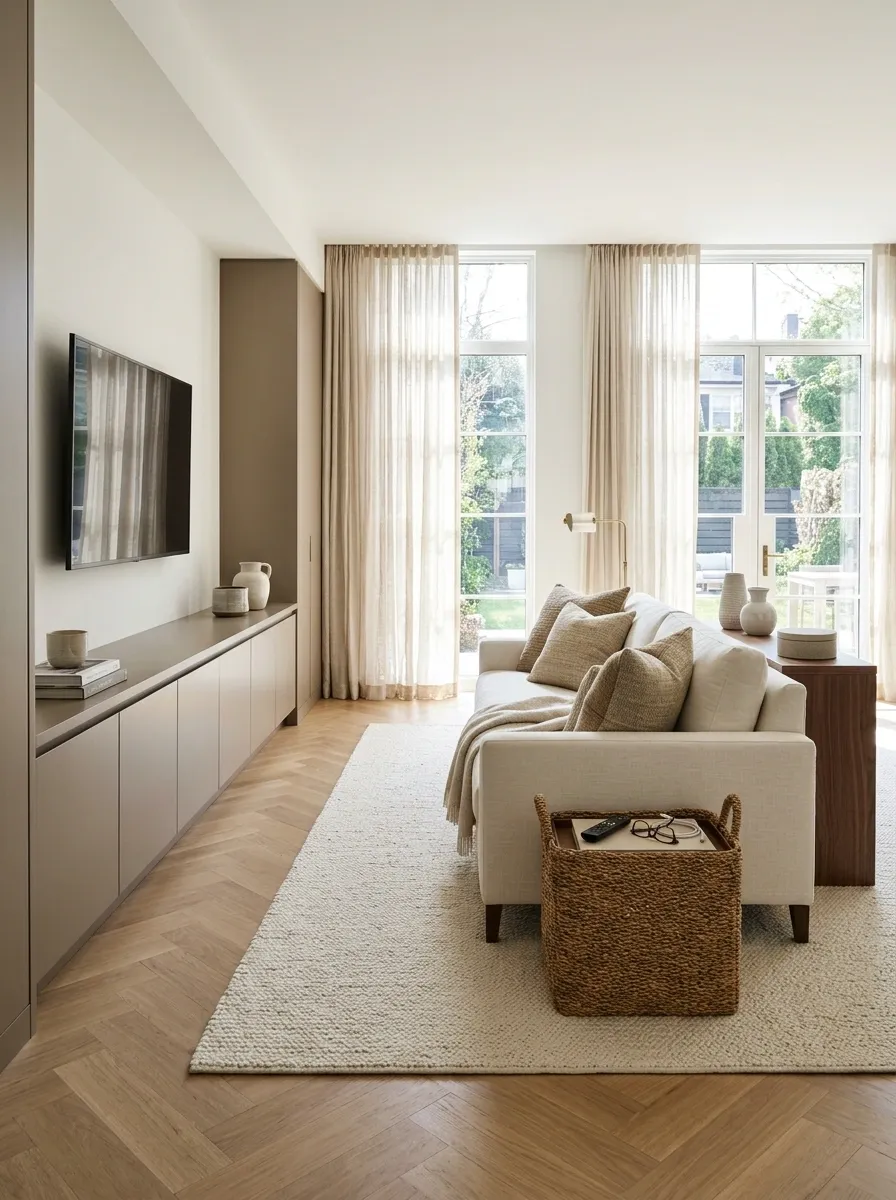
Remote controls migrate. Charging cables breed. Small toys appear beneath furniture that nobody remembers buying.
Put a suitable closed container near the place those objects get used. A cabinet drawer, lidded box, or washable basket can handle the job. Separate categories enough that finding one thing doesn’t require emptying everything.
Size the storage around the contents. A beautiful basket that won’t hold the actual board game is just another object to organize. Keep the daily reset simple: gather the loose items, return them to their homes, and leave the seating ready for tomorrow.
A small drawer or box for remotes and everyday reading glasses.
Accessible storage children can use without moving furniture.
Organized accessories with safe access to active equipment.
Clear the Window Area Before Buying a Mirror
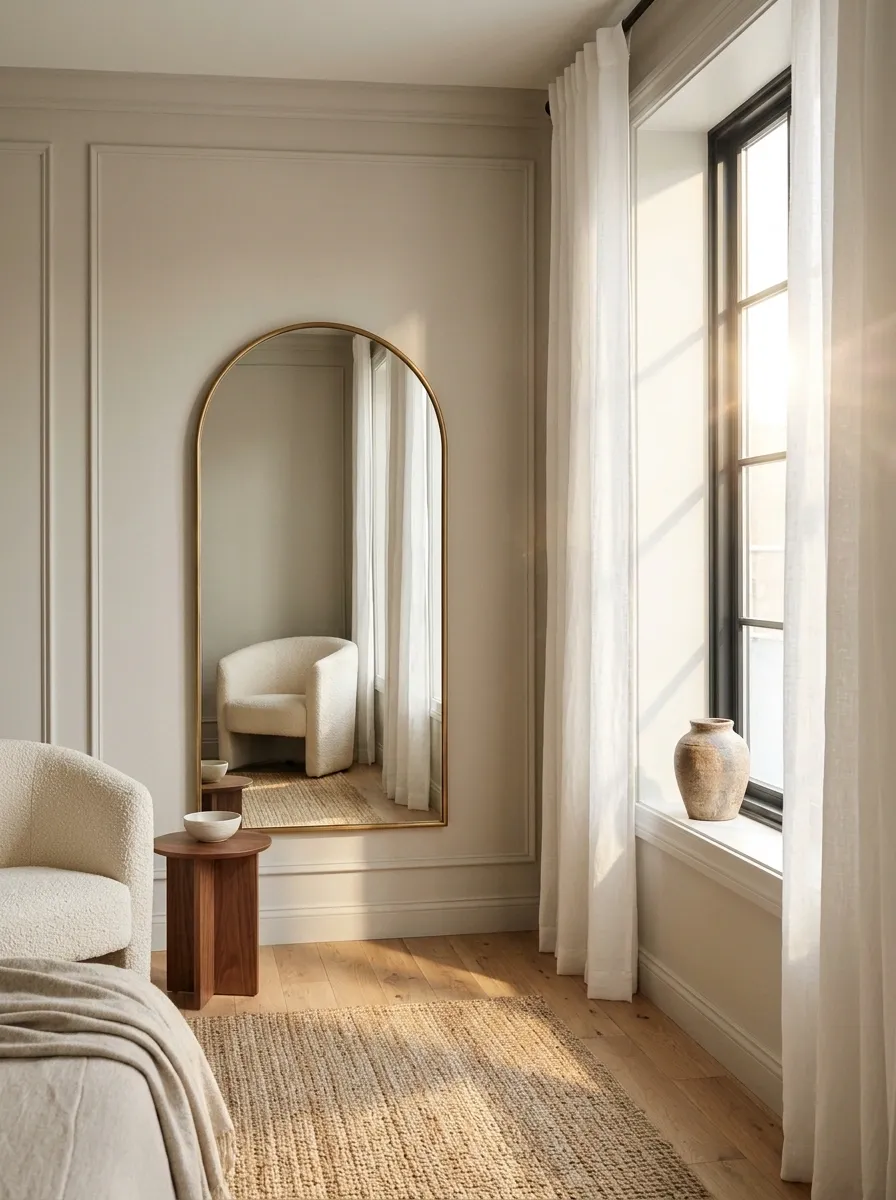
A mirror won’t solve daylight blocked by a tall shelf and a forest of objects on the sill.
Clean accessible glazing safely, move bulky items away from the opening, and let curtains draw back properly. Then look at how the room feels at different times of day. You may discover that the window was doing more work than you allowed it to.
If you still want a mirror, test its reflection before fixing it in place. Reflect something worth seeing, such as a view or an uncluttered part of the room. Avoid creating an extra view of the laundry pile.
Hold or position it safely at the proposed spot and inspect the reflection from your usual seat. Watch for glare, distracting movement, and the less attractive parts of the room.
Freshen the Trim That Makes Clean Walls Look Tired
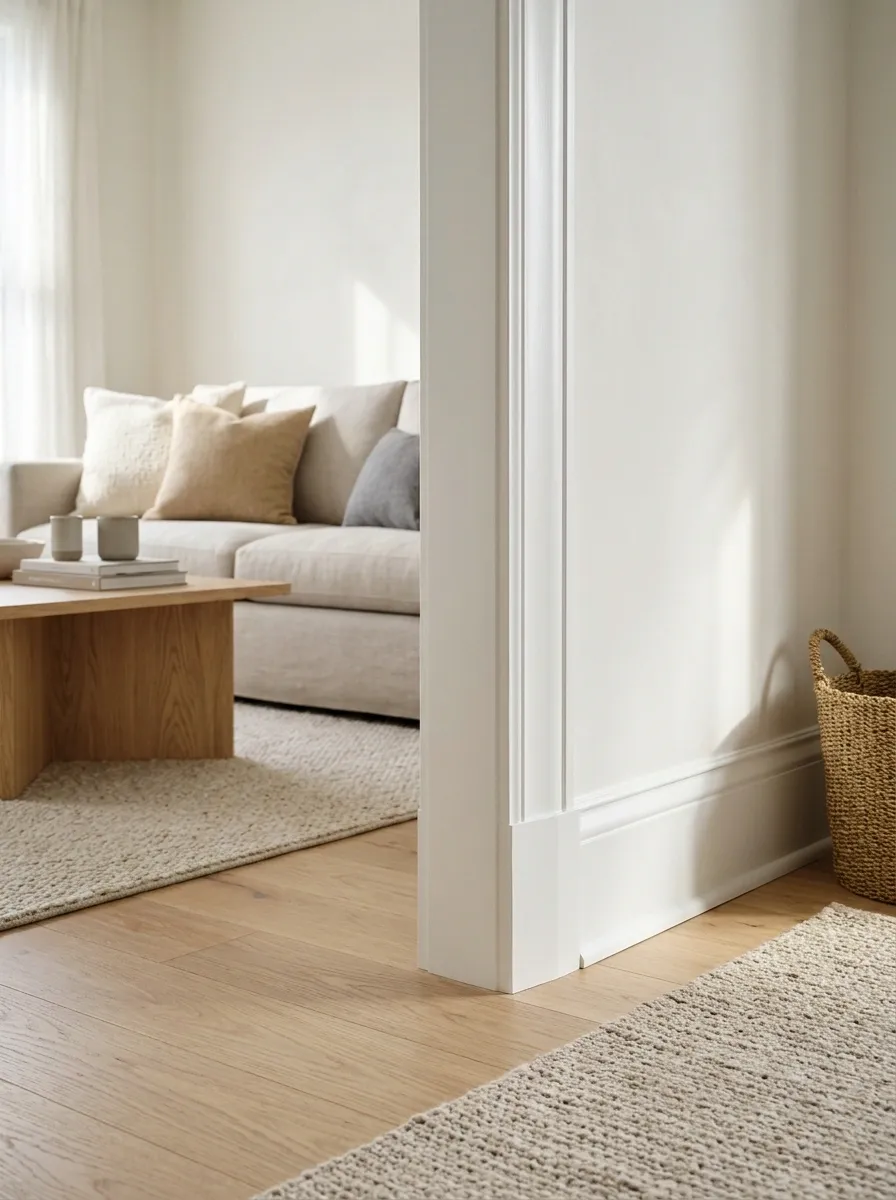
Scuffed skirting boards and marked door frames can make the whole room feel overdue for attention.
Clean them first, then decide which areas need touch-ups or repainting. Match the existing finish where possible and prepare damaged spots properly. Painting over dust simply gives the dust a permanent address.
Pay special attention to the doorway, corners near the sofa, and the section behind the vacuum cleaner’s usual collision point. Crisp, cared-for edges make an ordinary room feel finished. Keep leftover paint labeled by room, surface, and finish so the next small repair stays small.
Look around handles, latches, and the lower frame.
Check scuffs and dust along exposed skirting.
Repair repeated knocks and adjust what causes them.
Put a Drink Surface Beside the Seat That Needs It
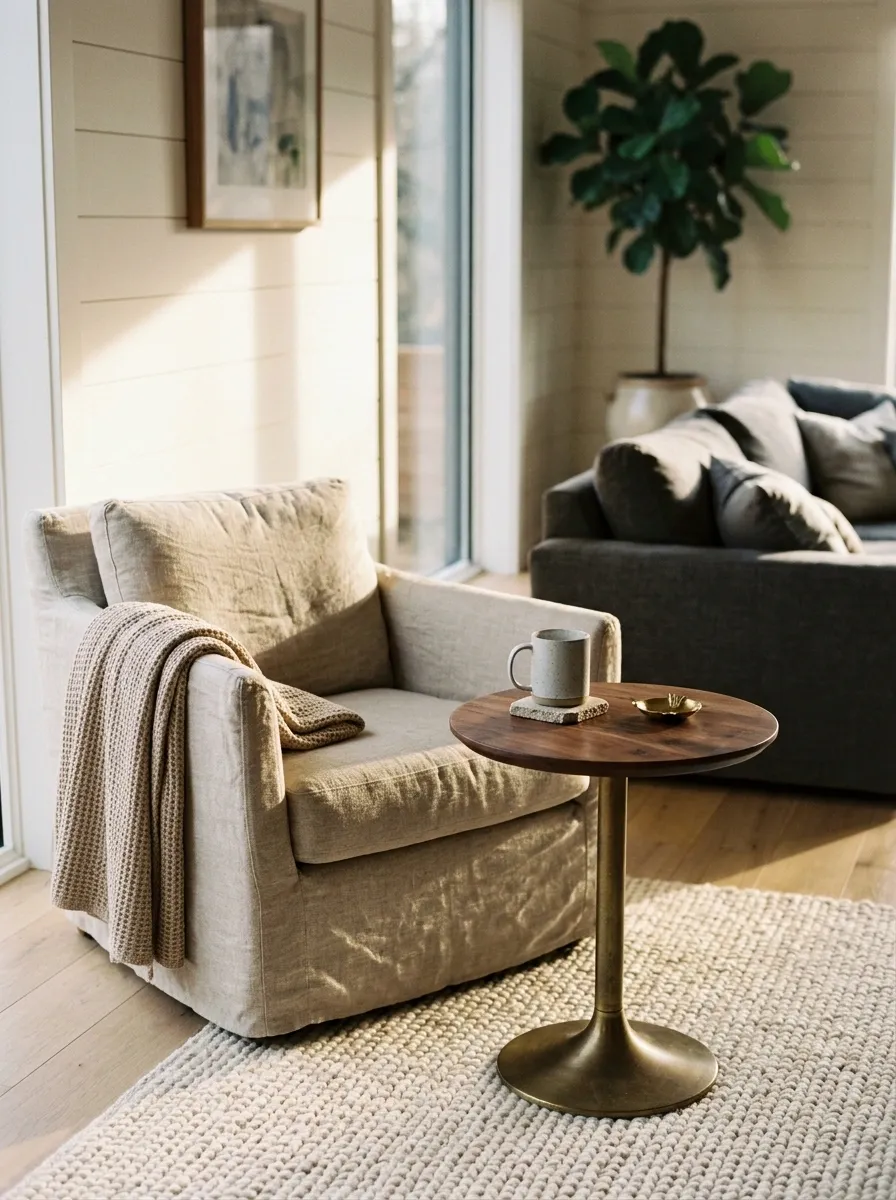
A room feels less comfortable when everyone has to hold their mug until it goes cold.
Place a small table beside the seat that lacks a useful landing spot. It doesn’t need to match the coffee table. It does need to be stable, easy to reach, and suitable for the things placed on it.
Check the height from a sitting position. A table that looks right beside the sofa can still be awkward to use. Keep enough clear surface for a drink, and protect the finish appropriately. The lamp doesn’t get exclusive ownership of the tabletop.
| Check from the chair | A useful result |
|---|---|
| Reach | You can set a drink down without leaning far. |
| Stability | The table stays steady during normal use. |
| Clearance | It leaves room to stand and walk past. |
Give an Empty Corner One Useful Job
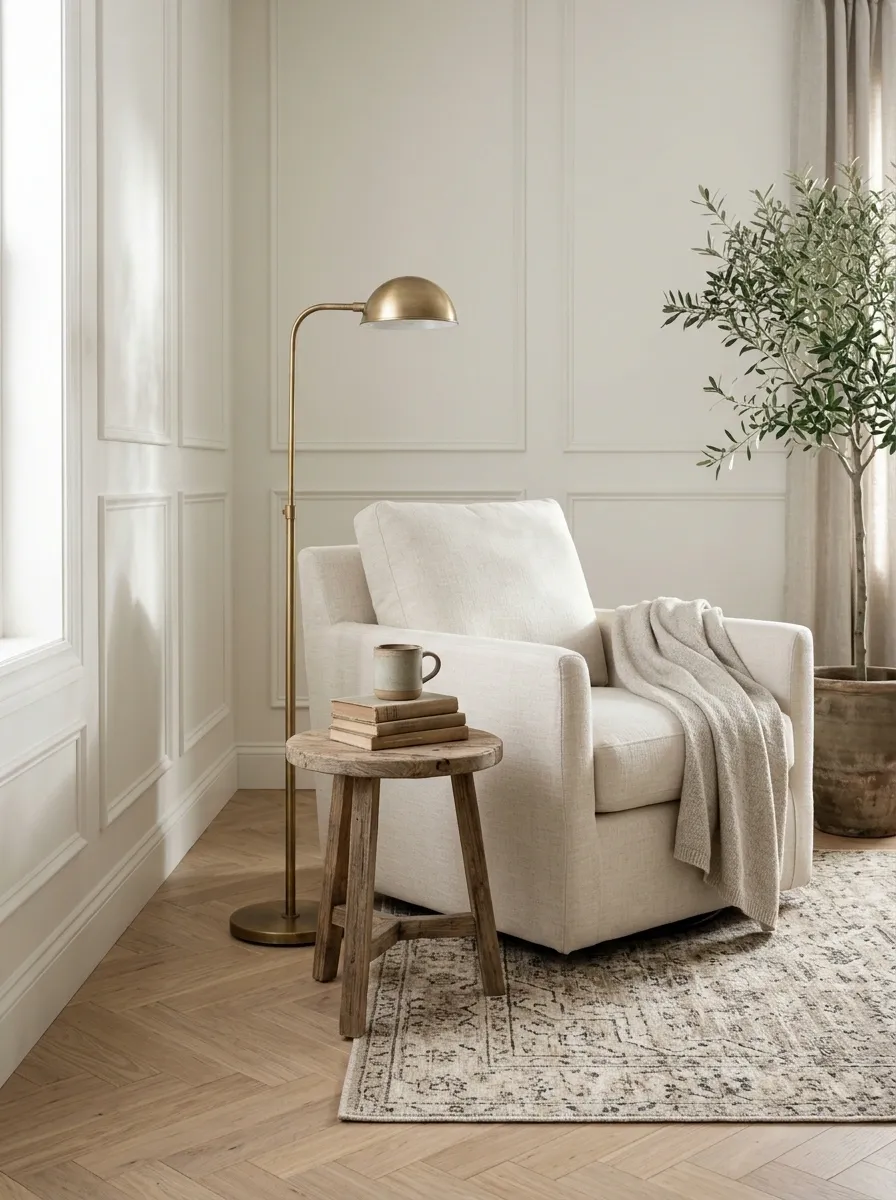
An empty corner doesn’t need a tower of decorative shelving simply because it exists.
Choose a job that fits the space: reading, storing blankets, or holding a plant in suitable light. Use what you already own to test it. A chair and lamp only make sense if someone can sit comfortably without blocking a cupboard.
Leave the corner empty if the room needs breathing space more than another activity. That’s a valid decision. The useful upgrade is removing uncertainty from the layout, so every added piece has a reason to stand there.
Needs comfortable seating, useful light, and a place for a drink.
Needs access and contents that genuinely belong in the living room.
Helps when nearby furniture already fills the room’s practical needs.
Add Texture Where the Room Feels Flat
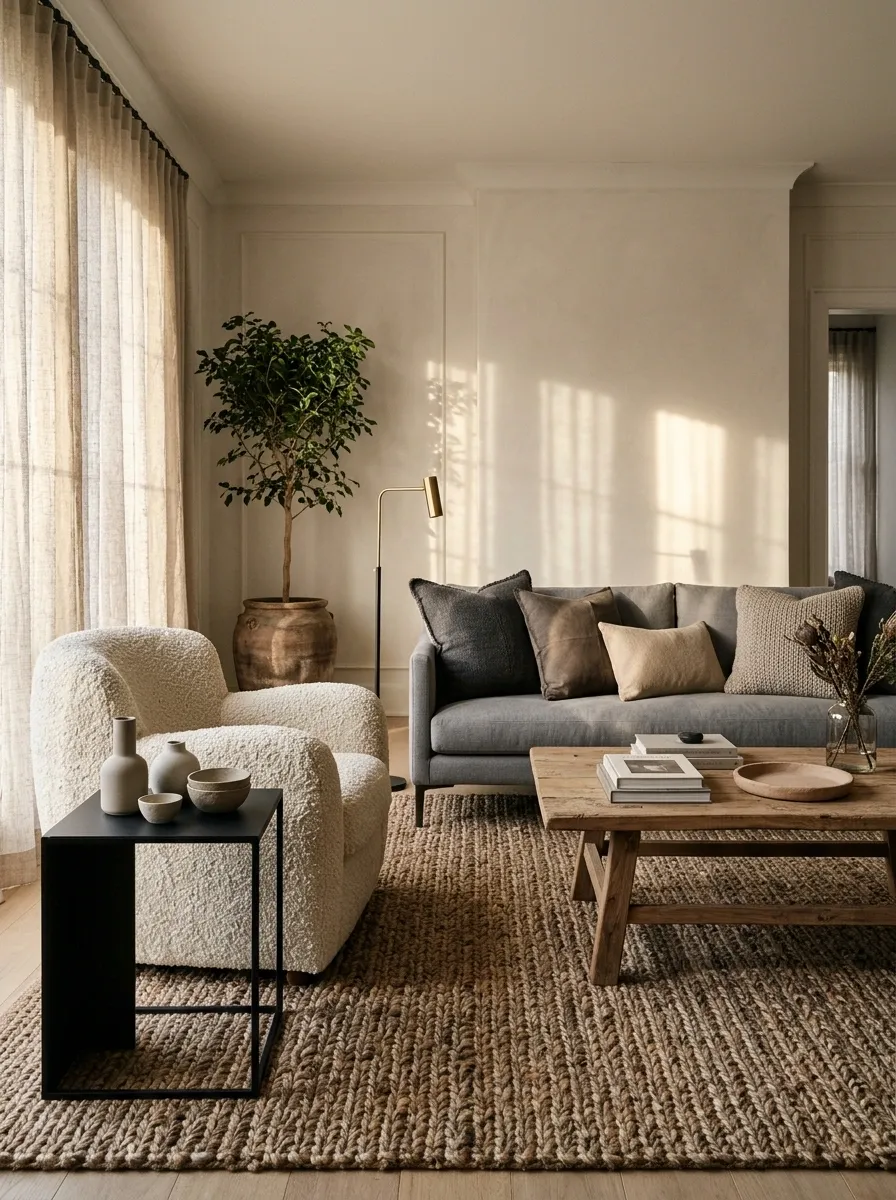
A room full of smooth surfaces can feel unfinished even when the colors agree.
Look at what dominates. If you already have a sleek sofa, glass table, and glossy cabinet, introduce a softer or more visibly textured material in one useful place. A woven cushion cover, textured curtain, or suitable rug can change the balance.
Choose texture you’re willing to live with. Deep loops, rough fibers, and delicate weaves each bring different care needs. Run your hand over the material and read the care label. The room should feel comfortable up close, not just interesting on a phone screen.
- Lots of shine: Introduce a quieter matte or woven surface.
- Heavy soft furnishings: Let a clear, simple tabletop provide relief.
- Busy patterns: Choose texture without another strong print.
- Daily wear: Put cleanability ahead of delicate detail.
Display Something Personal Instead of Another Generic Ornament
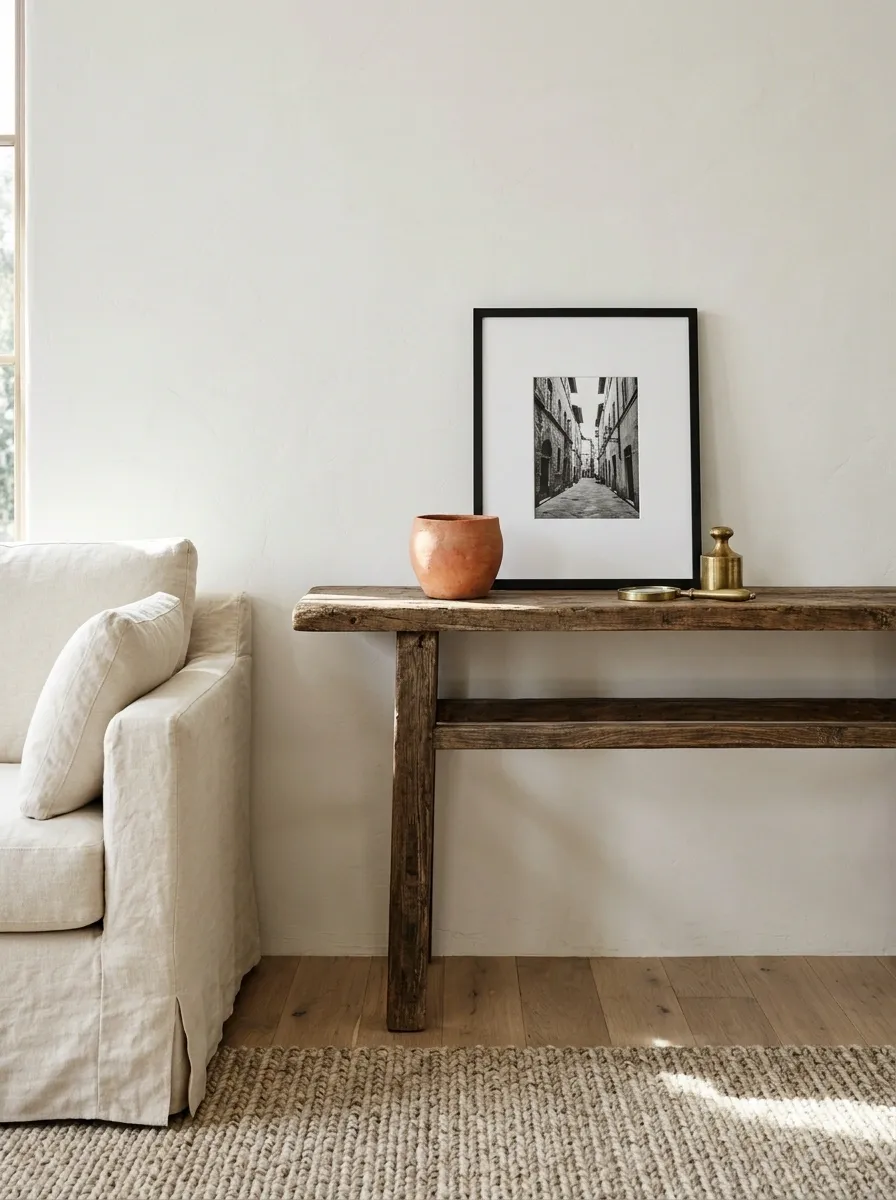
The most interesting thing in the room probably isn’t labeled “decor” on a shopping website.
Frame a photograph you actually like. Display the small ceramic piece brought home from a trip. Give a family object a clear place where you can see it. Choose pieces with enough meaning that you won’t tire of them when the next trend arrives.
Group a few related objects rather than scattering sentimental items across every surface. Keep fragile or valuable pieces appropriately protected. A living room feels like yours when it contains evidence of your life, with enough space left to enjoy it.
Select something you enjoy seeing without needing to explain its price.
Give it a suitable surface, frame, or display position.
Remove the nearby filler that competes for attention.
Put the Shopping Basket Down for an Afternoon
Move the lamp. Pull the rug toward the sofa. Clear the coffee table and sit in the chair nobody uses. You’ll learn more about what the room needs than you will by scrolling through another page of side tables.
To refresh your living room on a budget, give your existing furniture a fair trial before replacing it. Then buy for the gaps you can name: better reading light, a usable drink surface, curtains that fit. Keep the receipt until you’ve tested each purchase at home.
Save this list on Pinterest before your next living room refresh. The sofa can stay for now.