
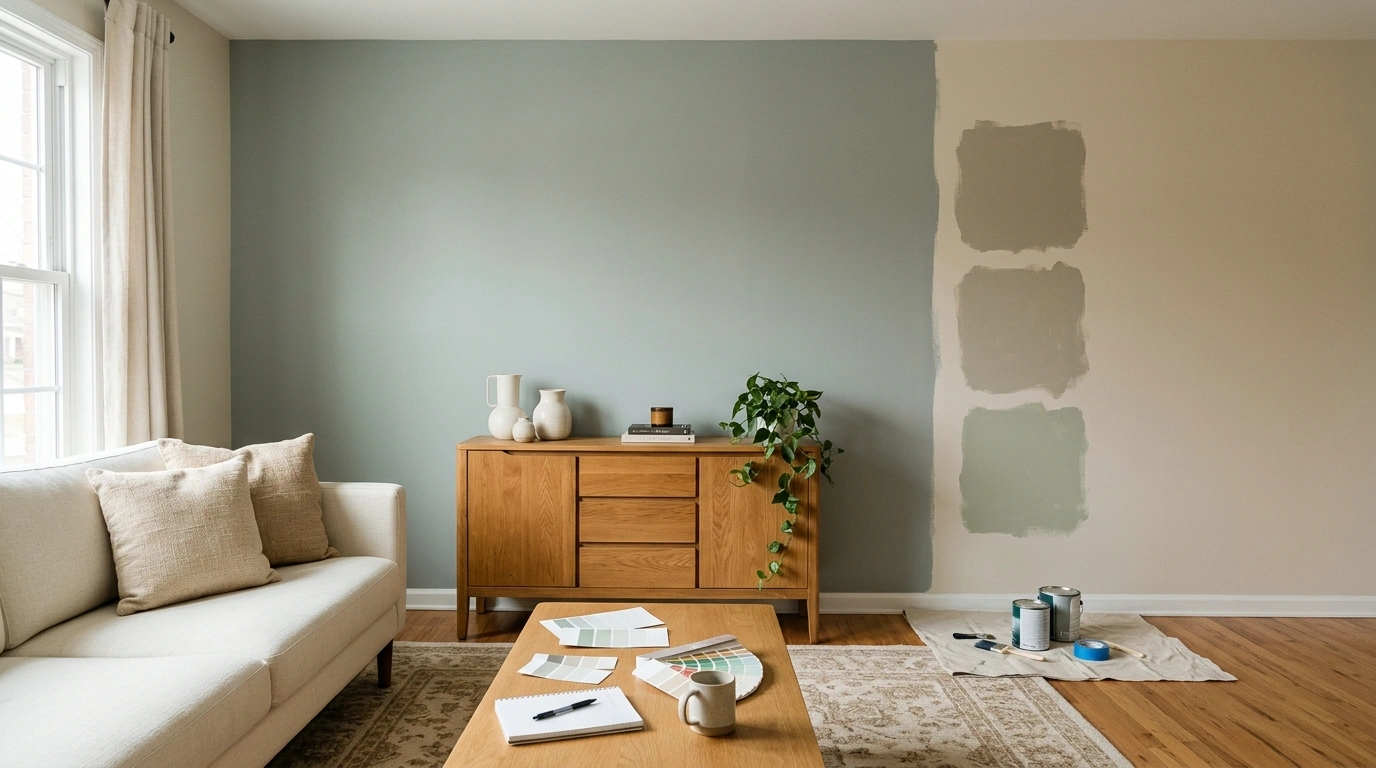
Put down the second shopping basket.
Before buying curtains, cushions, a rug, and possibly a different personality to make the wall color work, find out what is actually wrong. A paint problem may be the chosen color, the lighting, incomplete coverage, the finish, or an incorrect product or tint.
You do not have to learn to love it. You also do not have to repaint the entire room in a panic tonight. A short, orderly check can help you choose the least wasteful next step.
To Dos
Wait Until the Paint Is Ready to Judge
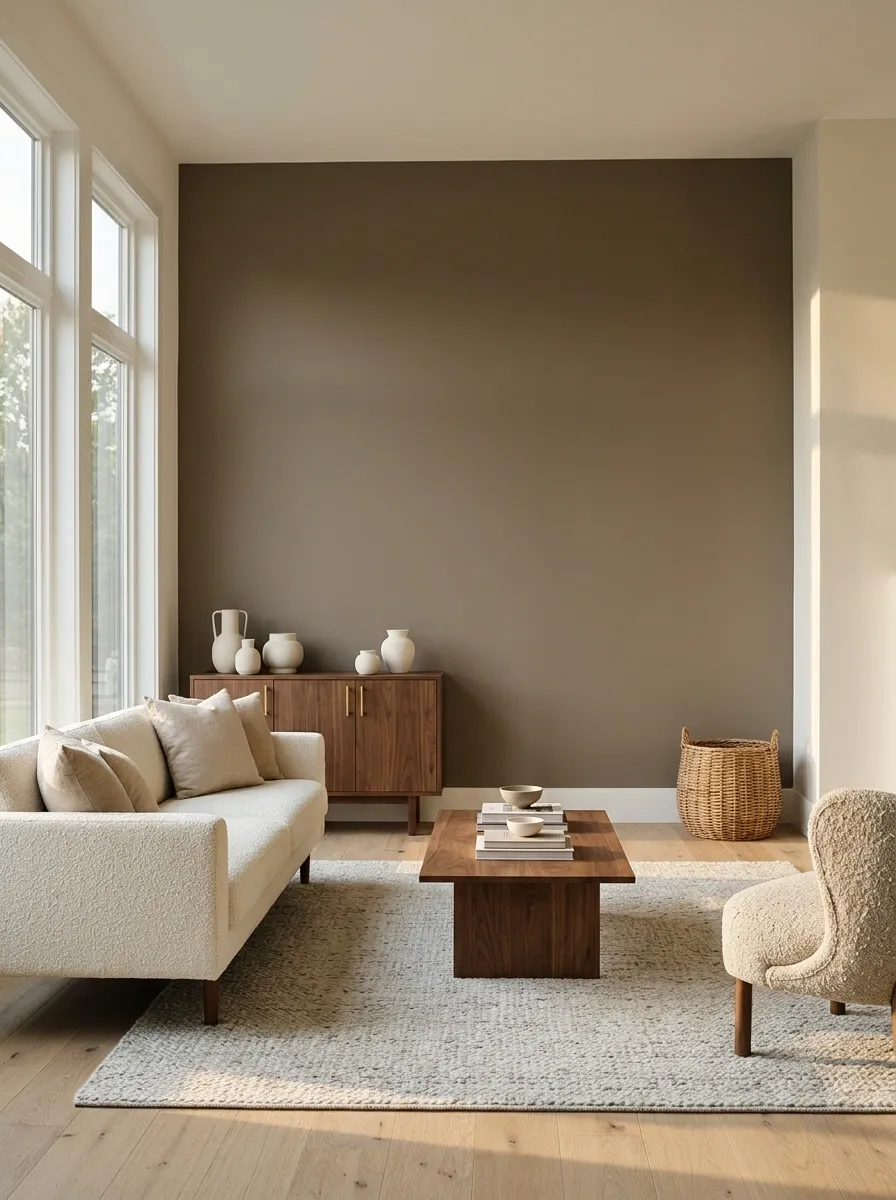
If the paint is still wet or drying unevenly, do not make the final color decision yet.
Follow the product’s drying, recoating, and curing guidance. Those stages are not interchangeable, and the timing depends on the product and conditions. You need a properly dried, adequately covered surface to assess the appearance; you do not need to invent a universal waiting period for every paint.
Check the label or ask the manufacturer if you are unsure. (Benjamin Moore paint FAQ)
Check the Label Against What You Ordered

Compare the can label, color name or code, base, product, and finish with your order and approved sample.
If something appears wrong, keep the packaging and contact the retailer promptly. Take clear notes about what was supplied and used. Do not alter the remaining paint before resolving a suspected mix or product error; you want a clear record of the original material.
| Compare |
|---|
| Color identification |
| Product and base |
| Sheen or finish |
| Order and sample details |
Decide Whether the Coverage Is Complete
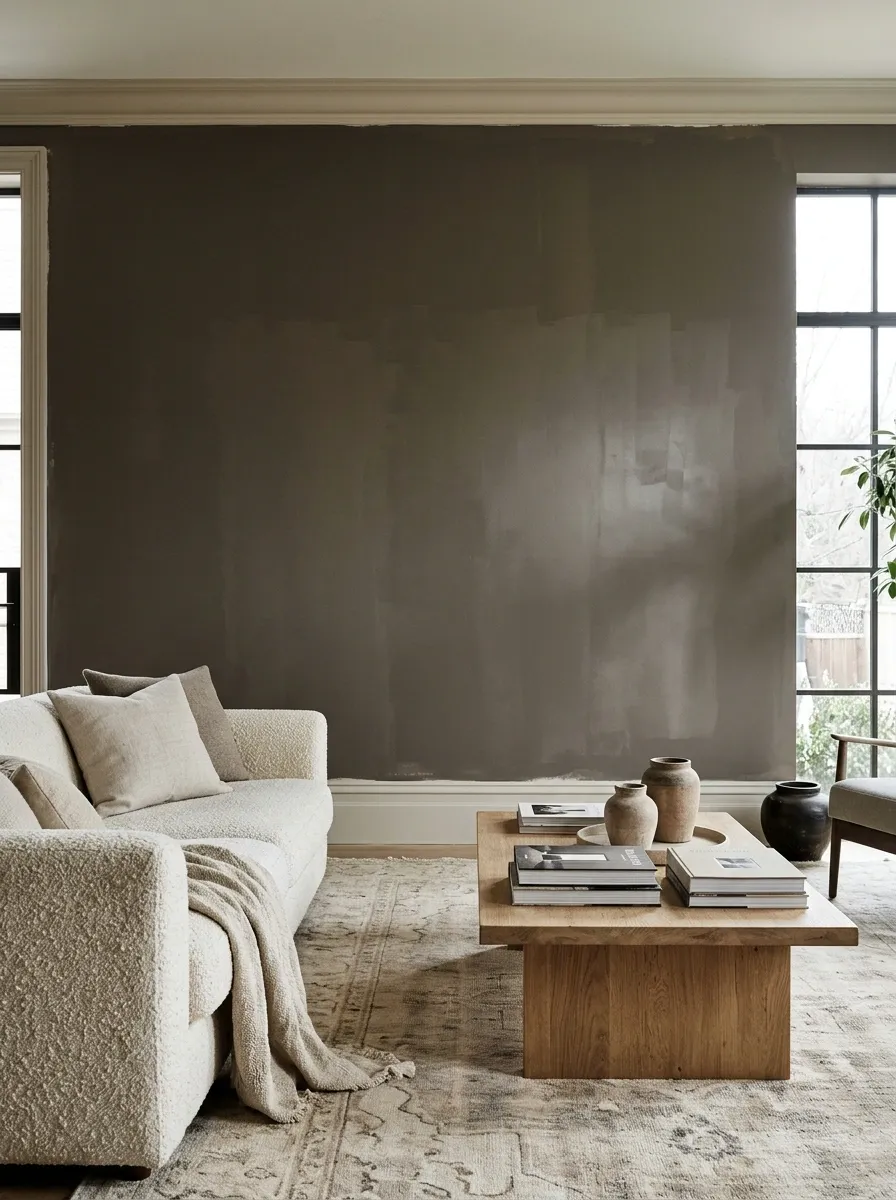
Patchiness, visible old color, or inconsistent application can make the room look different from a properly finished wall.
Review the preparation and coating requirements for the product. Another coat may be required for coverage, but more of a color you dislike is not a color correction. If the surface is already adequately covered and uniform, stop treating additional coats as a hopeful experiment.
Separate two questions: “Is this the finished appearance?” and “Do I like the finished appearance?”
Describe the Problem in Specific Words
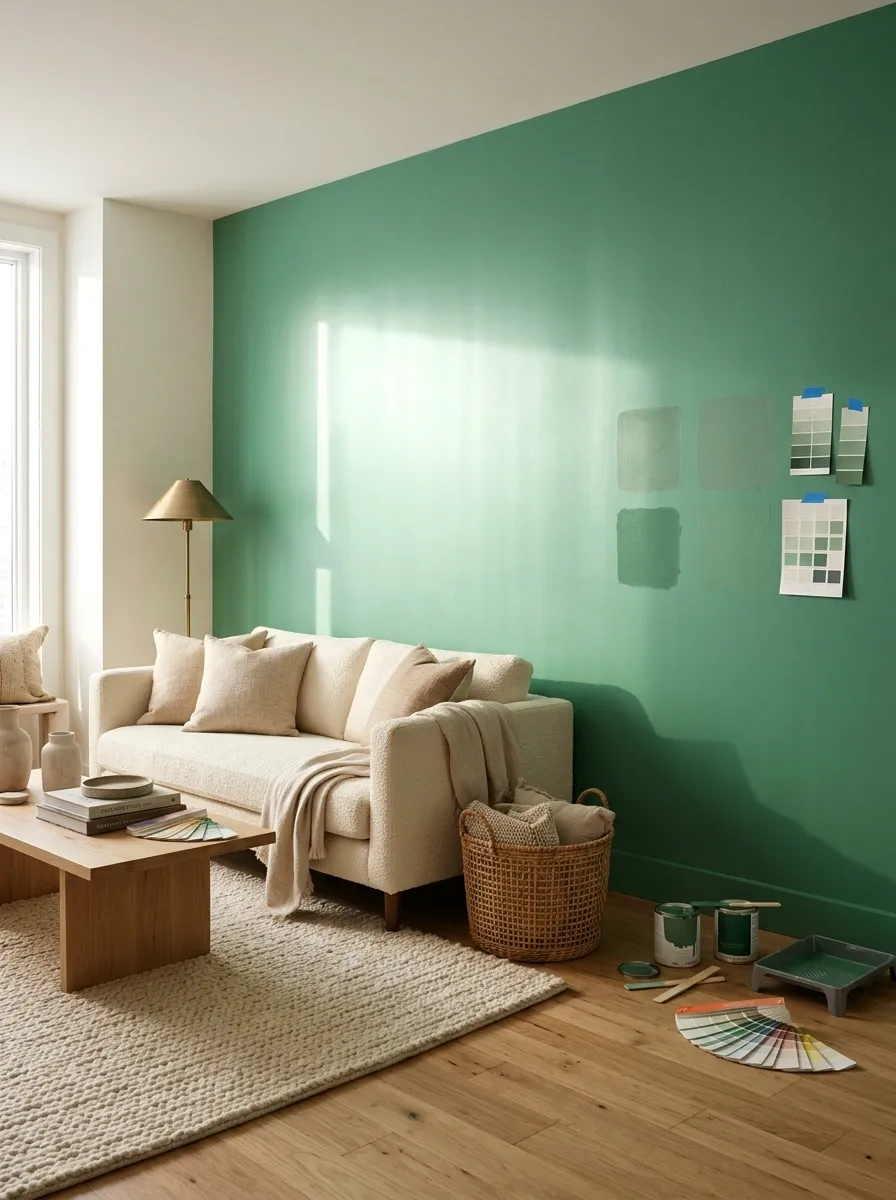
Write down what you dislike without starting with the replacement color.
Too dark, too bright, too pink, too green, too cool, or too reflective are useful descriptions. It looks wrong is emotionally accurate but less helpful at the paint counter. Include where and when it bothers you most.
Look at the Room at Different Times

Check the paint in the daylight and artificial light you actually live with.
Note whether the problem occurs only in one condition. Sherwin-Williams explains that changing light and finish can alter how a color appears. A room seen in morning light may look quite different in the evening. (Light and finish guidance)
Do not judge solely from a phone photograph. Use photographs as notes, not as a substitute for standing in the room.
| Observation | Useful implication |
|---|---|
| Disliked only after dark | Review the installed lighting |
| Disliked across conditions | The color itself may need changing |
| Different on separate walls | Compare light and surrounding surfaces |
Check the Lamps You Normally Use
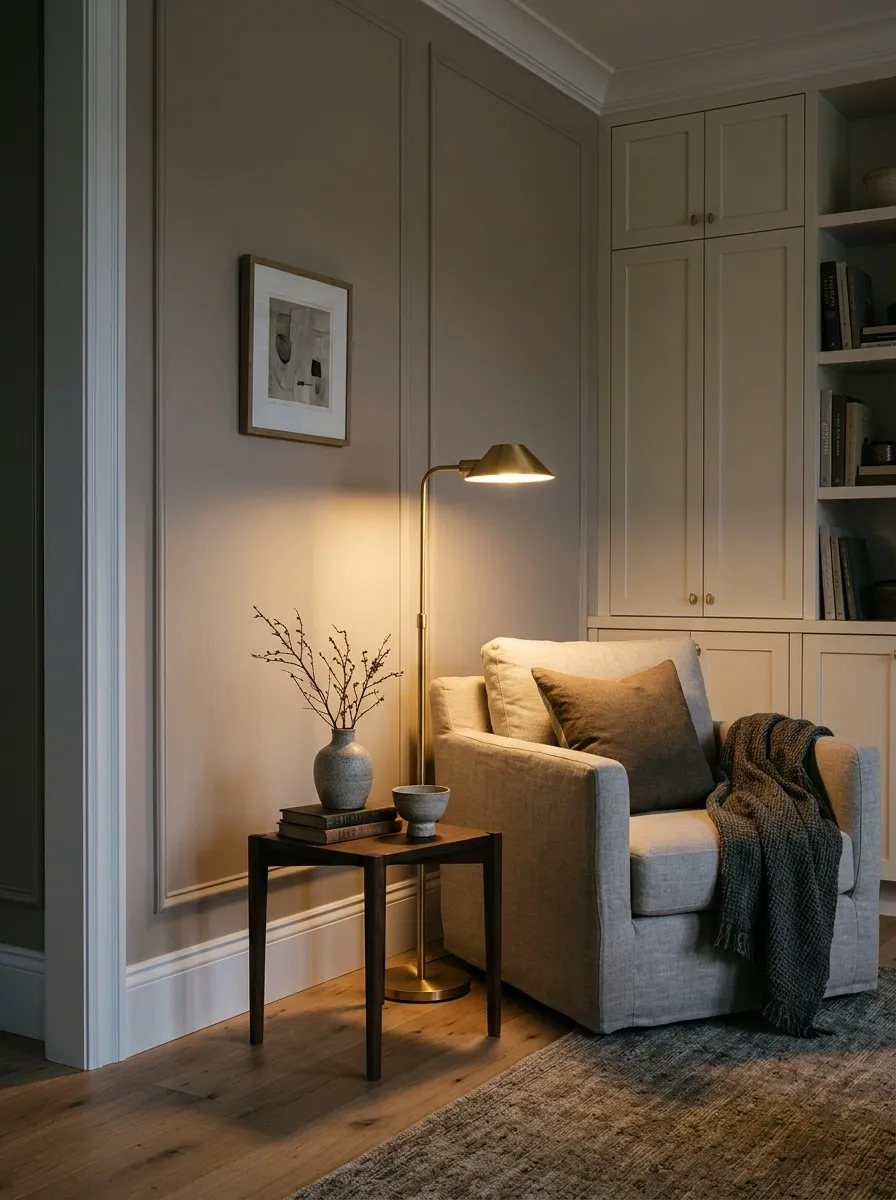
If the color works in daylight but looks wrong at night, review the lighting before repainting.
Compare suitable compatible lamps or settings where feasible, changing one variable at a time. You are testing the room’s real evening conditions, not trying to force the wall to resemble a shop sample under a special lamp. Keep adequate useful light and use equipment appropriately.
Compare the Paint With the Finishes That Stay
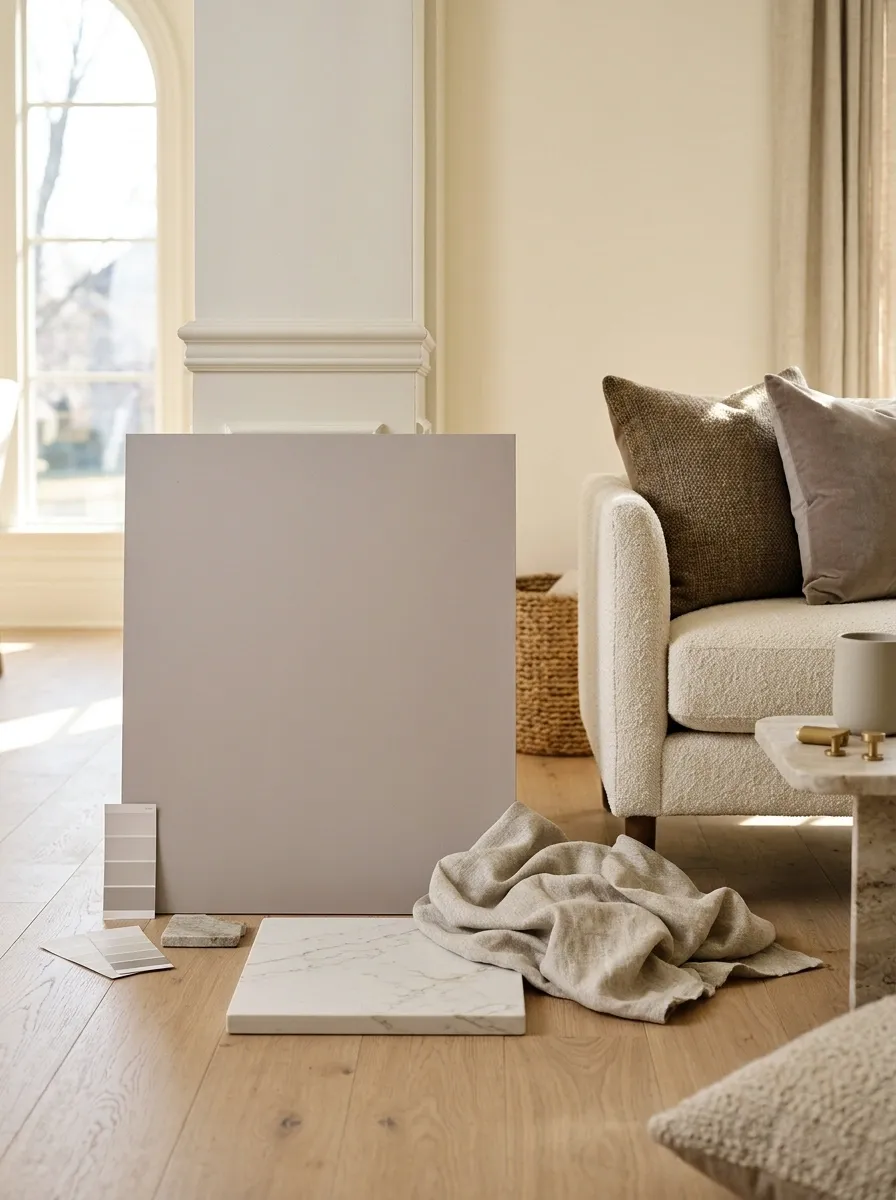
The floor, countertop, tile, sofa, and curtains can all influence how the paint feels in the room.
Bring the relevant samples together, or view the wall beside the actual materials. Ask whether the undertone relationship is the problem. A gray that looks pink beside a particular floor may not be solved by choosing another gray at random. (Understanding undertones)
Start with the least changeable material. The wall color is usually easier to replace than a perfectly good floor.
Remove Temporary Visual Distractions
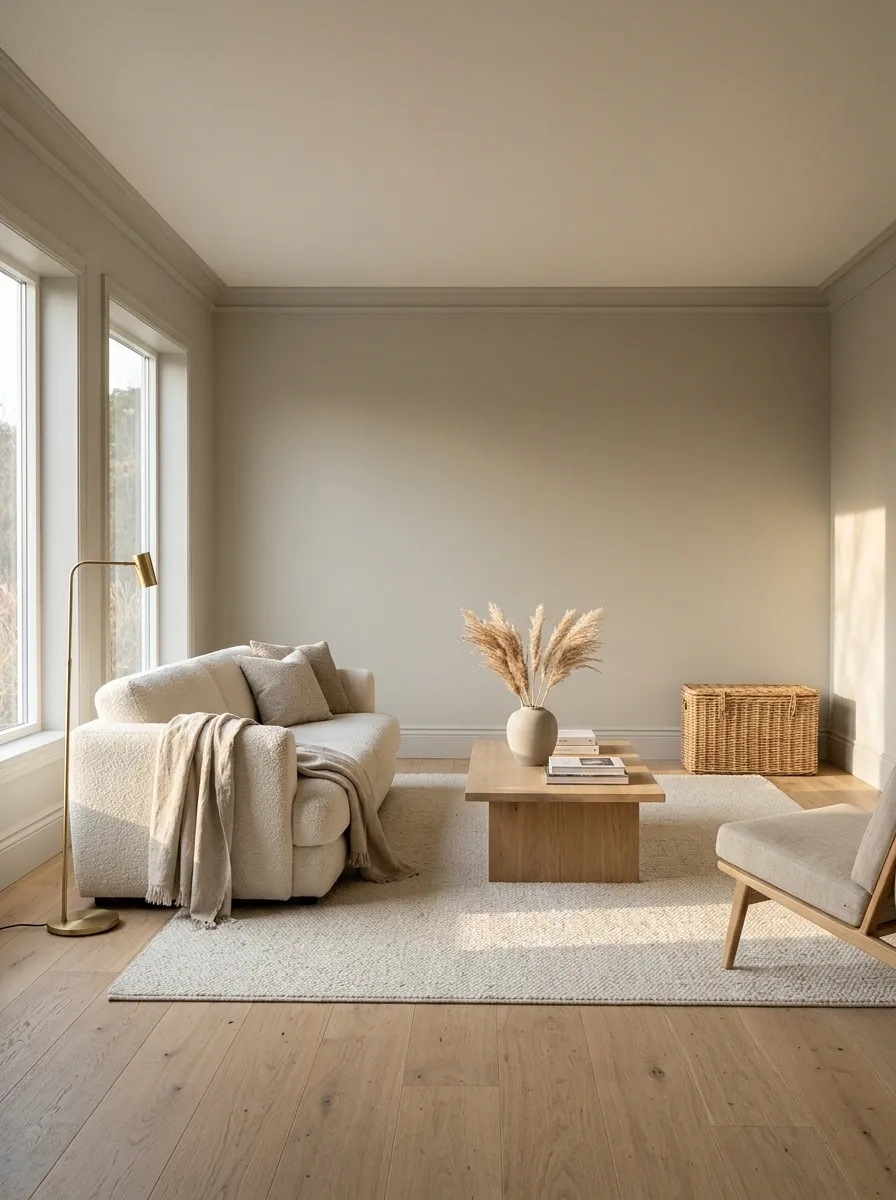
Put away drop cloths, tape, tools, and large sample boards when the work stage safely allows it.
Restore ordinary furnishings so you can see the room rather than a painting site. A bright protective sheet or an old color visible around every edge can complicate judgment. This is a viewing reset, not a promise that moving the ladder will make you adore the walls.
Judge the actual room: include the furniture you intend to keep, not only an empty painted box.
Ask Whether the Sheen Is the Real Problem
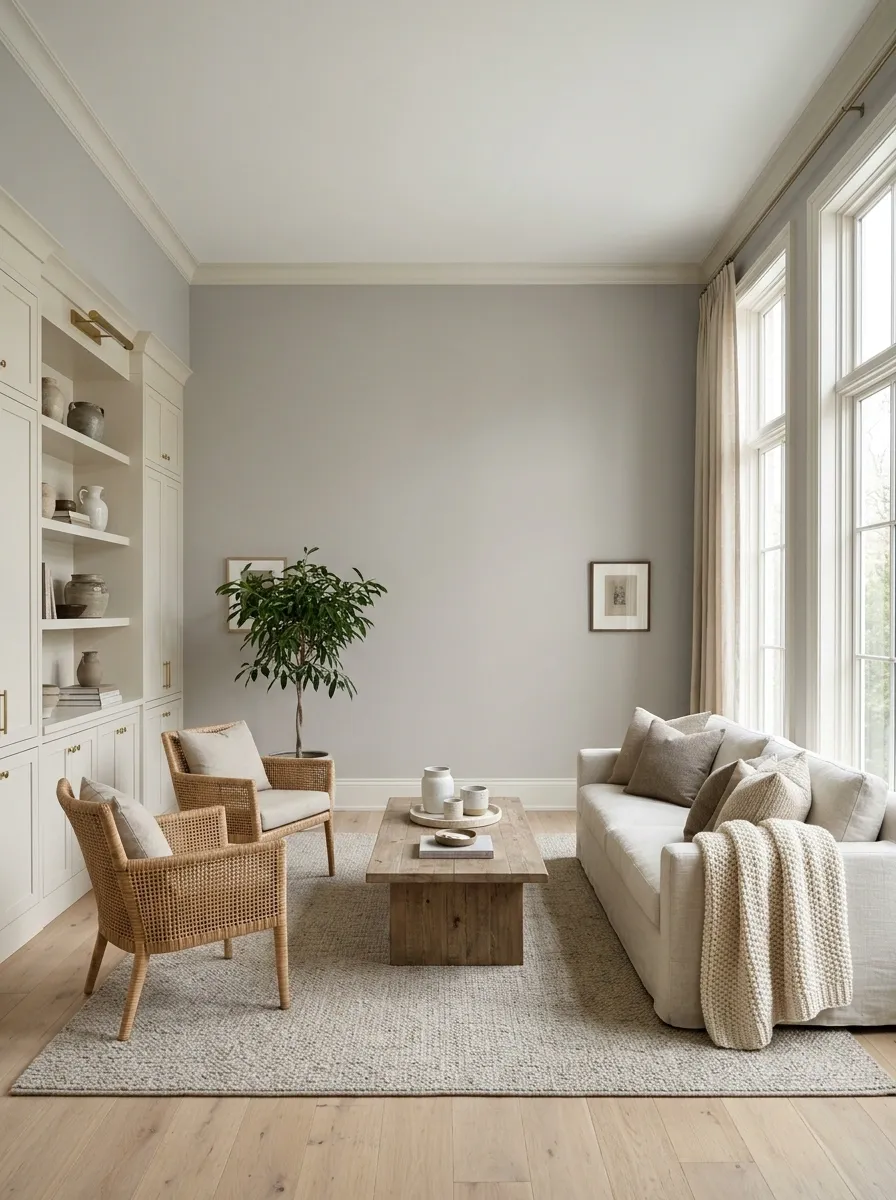
Sometimes the color is acceptable but the reflective appearance is not.
Look from the room’s usual angles and note glare or emphasized surface texture. Ask the retailer or manufacturer about an appropriate finish change and the preparation it requires. Do not assume a different sheen will produce an exact visual match or conceal defects without proper work.
Try a Small Adjustment With Something You Already Own
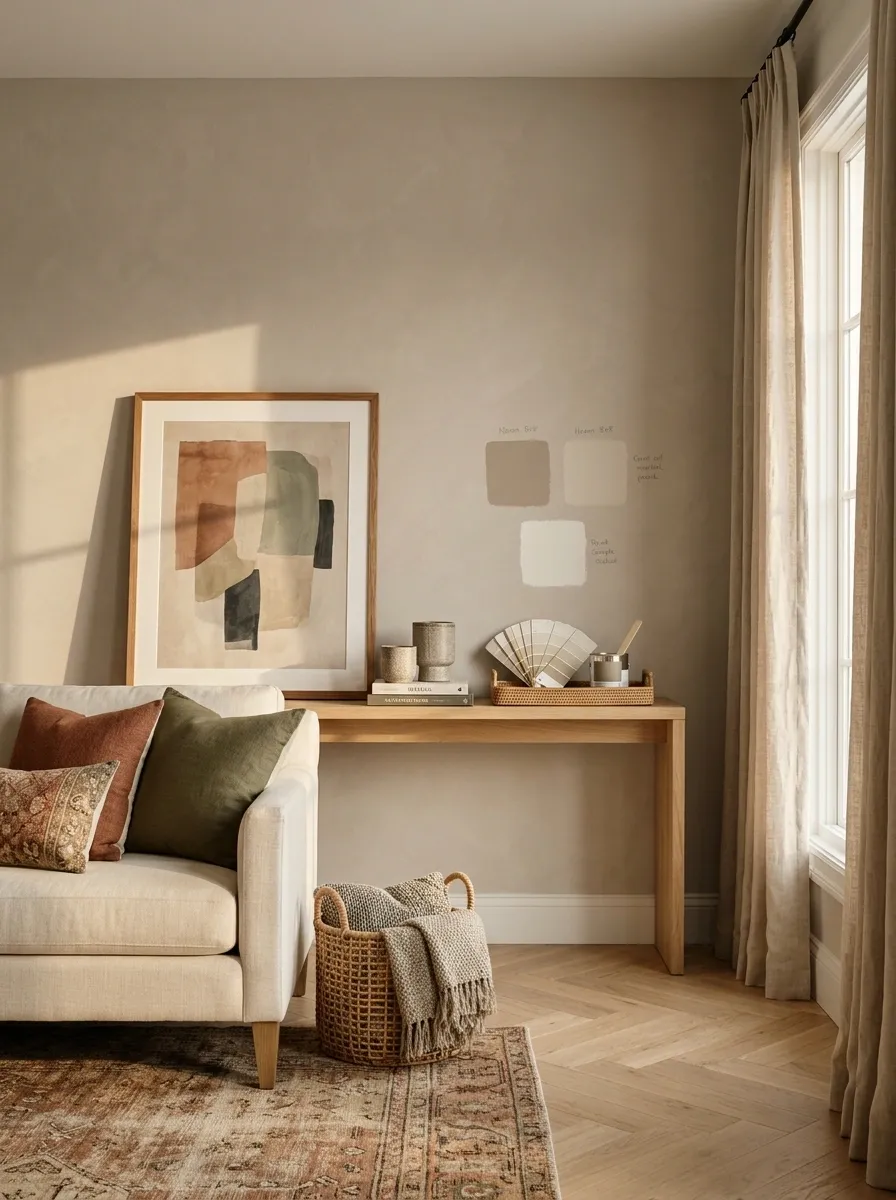
If the color is close to working, test a relevant textile, artwork, or furniture position before buying anything.
One useful change may connect the wall to the room. Keep the test proportionate: if making the paint acceptable requires replacing everything else, repainting may be the more sensible project. A wall color should support your belongings, not demand an entirely new household.
| A reasonable test | A warning sign |
|---|---|
| An existing curtain or artwork | Replacing several major pieces |
| A small layout adjustment | Buying a whole new palette to tolerate one wall |
Stop Adding Purchases to Defend the Paint
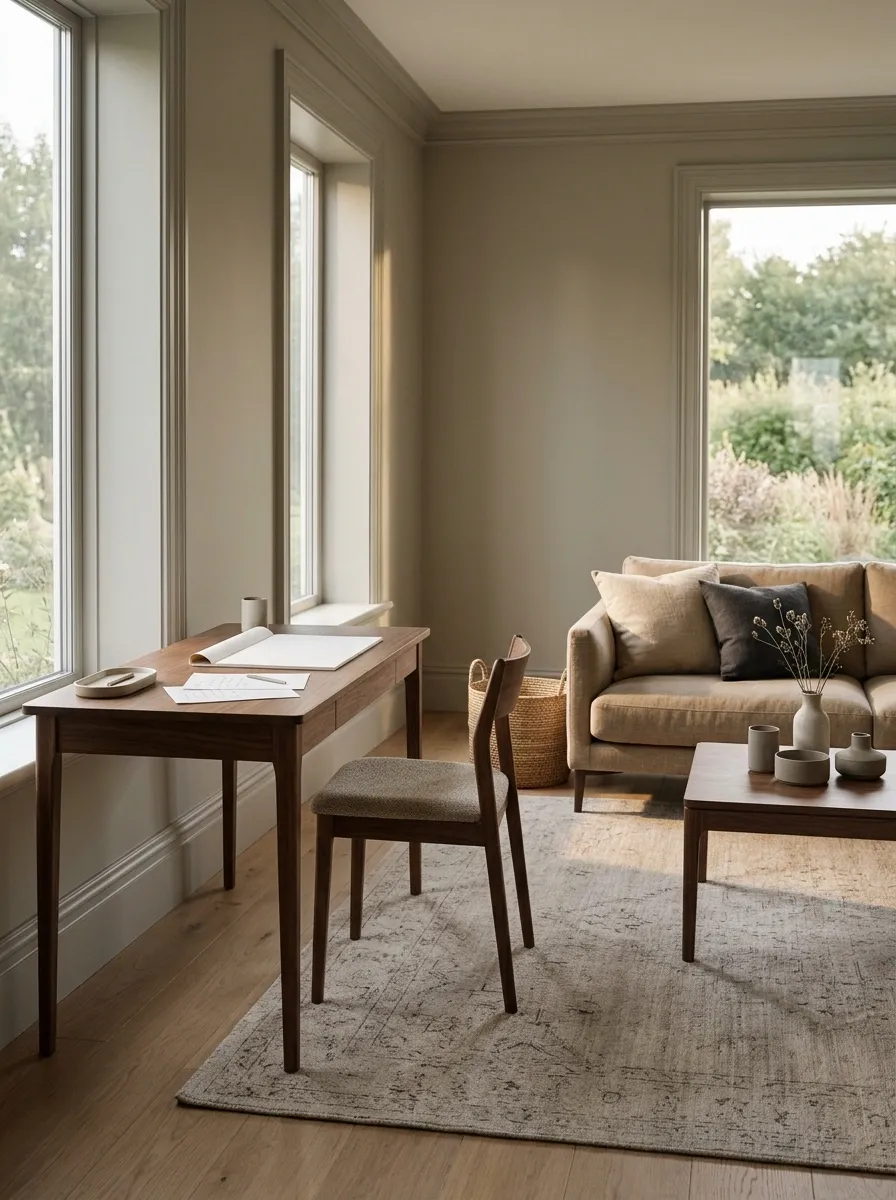
It is easy to keep buying supporting objects because you have already spent time and money on the color.
Pause and compare the real options. Include the disruption of repainting, but also the cost and effort of changing things you liked before. The previous purchase does not oblige the rest of the room to become a rescue operation.
Write two lists: what repainting involves, and what keeping the color would require.
Keep Part of the Color Only If the Room Supports It
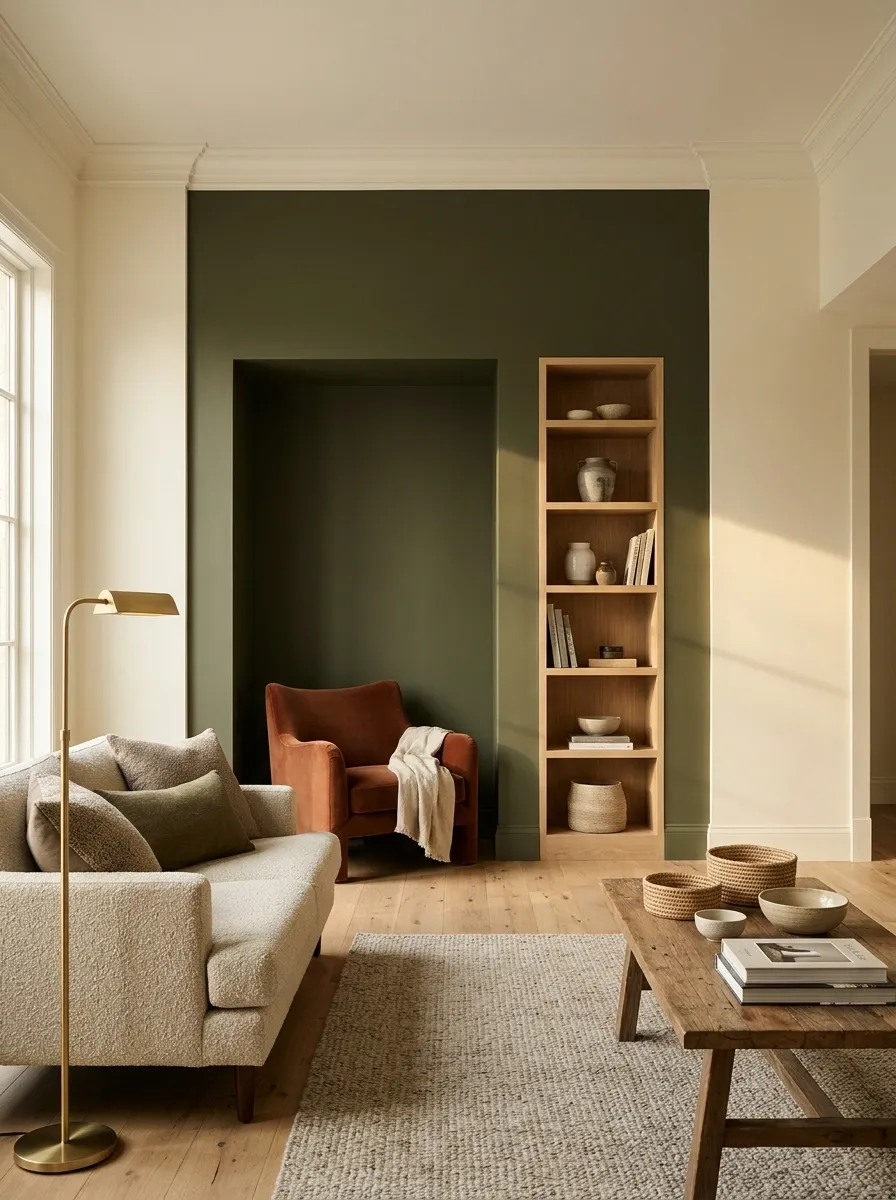
You may like the paint in a smaller area rather than across the entire room.
Consider a complete wall, a suitable alcove, or another architectural section with a clear boundary. Do not invent an arbitrary accent patch purely to avoid admitting the room needs repainting. The retained color should have a convincing place in the final composition.
Decide That Repainting Is Allowed
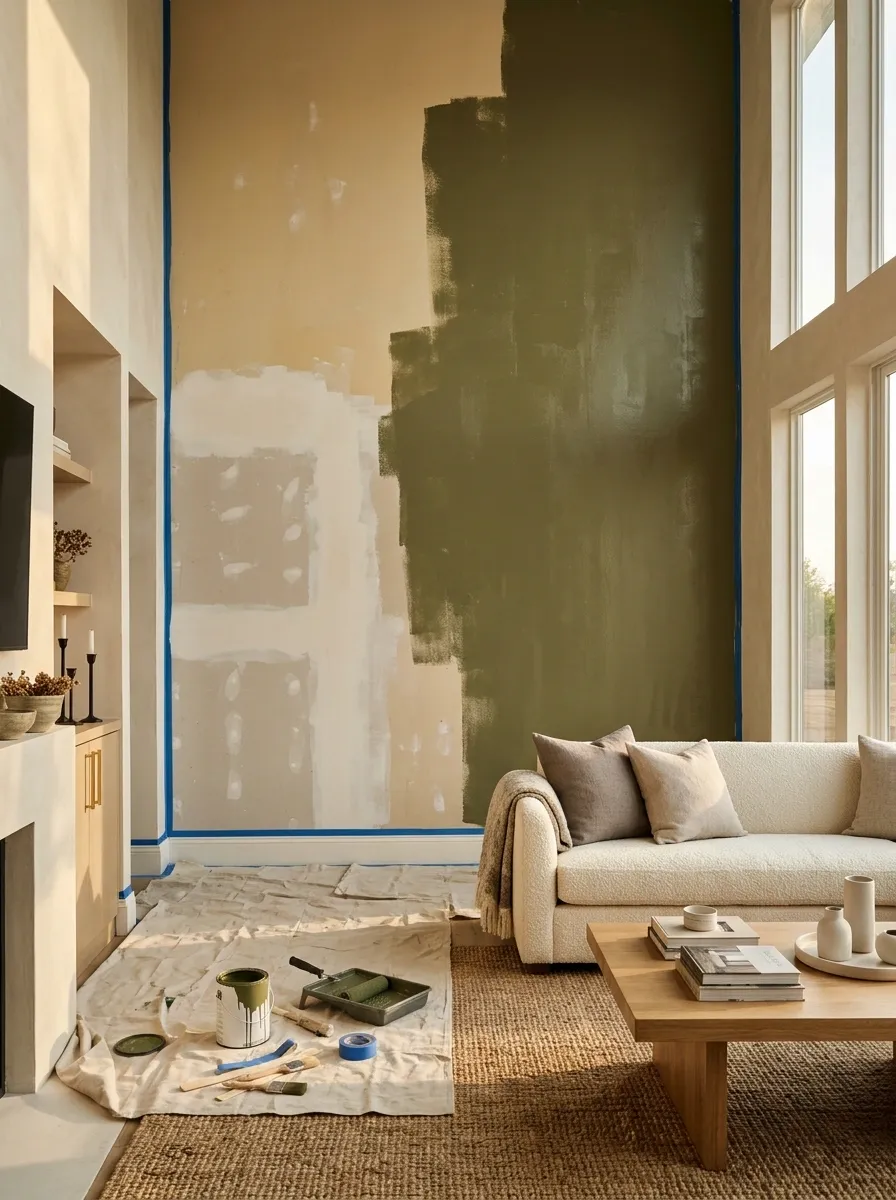
If the color consistently bothers you and the practical alternatives do not help, choose a repaint plan.
You do not need to wait until everyone else agrees that the shade is objectively wrong. Color preference is personal. Focus on replacing it thoughtfully rather than proving that the original choice was a disaster. It was a decorating decision with a result you do not enjoy; that can be corrected.
A useful decision point: you understand what you dislike and can describe how the replacement should differ.
Test Replacement Colors at a Useful Scale
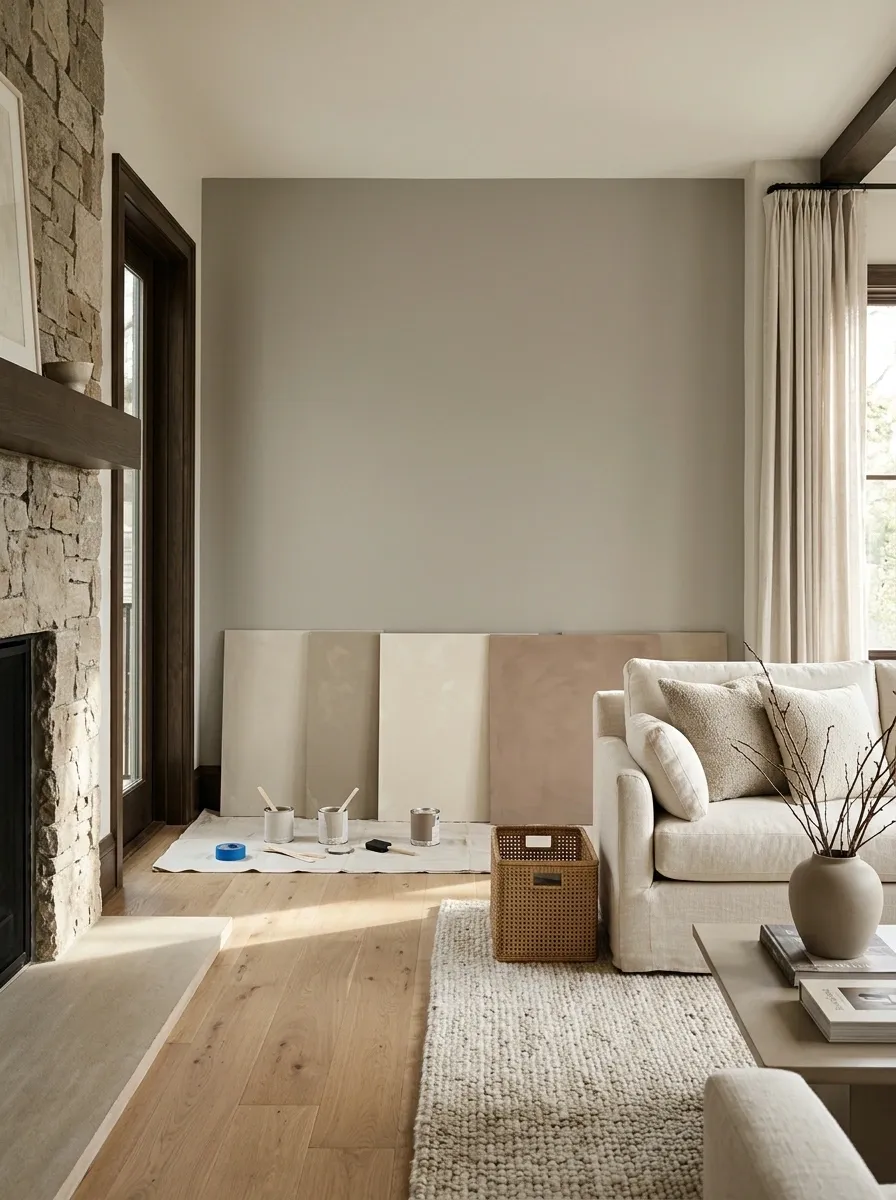
Narrow the candidates using the problem you identified, then test physical samples appropriately in the room.
Compare them beside fixed finishes and in the lighting conditions that caused the trouble. Follow the sample product’s instructions and recognize that sample finish and final product may differ. Benjamin Moore recommends observing samples in the actual space and changing light. (Paint-sample guidance)
Take the Full Information Back to the Retailer

Bring the original label, your sample, photographs for context, and notes about the room’s fixed materials and light.
Ask specific questions about a suitable replacement and application plan. If discussing retinting unused paint, let the retailer assess whether it is feasible for that product and base. Adding white or another color at home is not a reliable route to a known, repeatable result.
| Useful information | Useful question |
|---|---|
| Original product and label | Was the supplied paint correct? |
| Actual complaint | What change addresses it? |
| Surface and finish | What preparation and product are suitable? |
Repaint With a Complete Product Plan
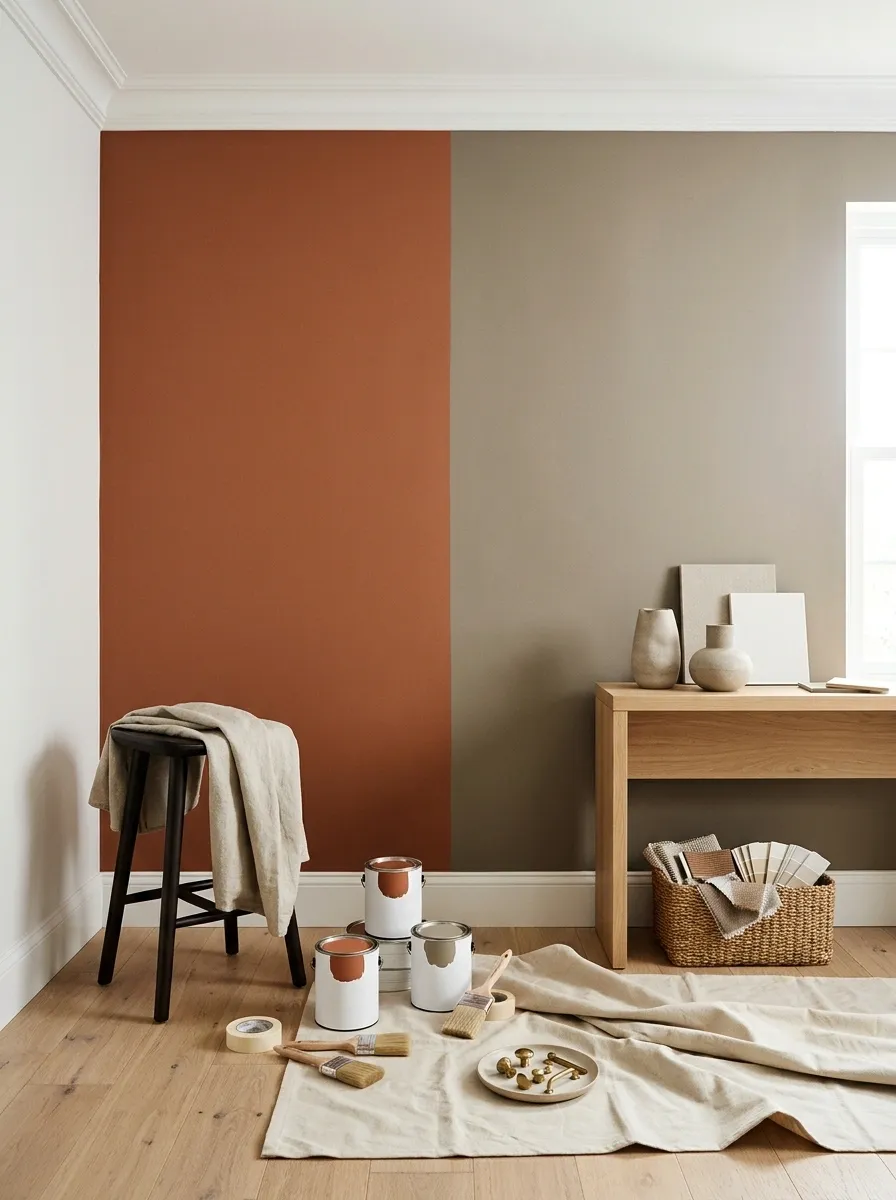
Confirm surface preparation, compatibility, any primer requirement, coating method, drying conditions, and recoat timing.
Follow the new system’s instructions rather than assuming the existing fresh paint can be immediately covered in any finish. If old coatings or problematic surfaces will be disturbed, get appropriate advice before preparation. Keep a final label and a small written record so future touch-ups do not become another guessing exercise.
The useful lesson is not that you should have chosen a safer neutral. It is that a color needs testing in the room where it will live. You can still choose something expressive; this time, let the samples do more of the work before the whole wall joins in.